Tag
8 October 2026

Karl Dittrich was a


pioneer of the Faculty of Law

UM and me
‍
To mark UM’s 50th anniversary, people from in and outside the university share what it means to them. What makes them proud of UM? How has it influenced their career? And what does it mean for the city and the region? They share their fondest memories to help us celebrate the university’s story together.

“When you teach using real-life problems, it’s anything but boring”

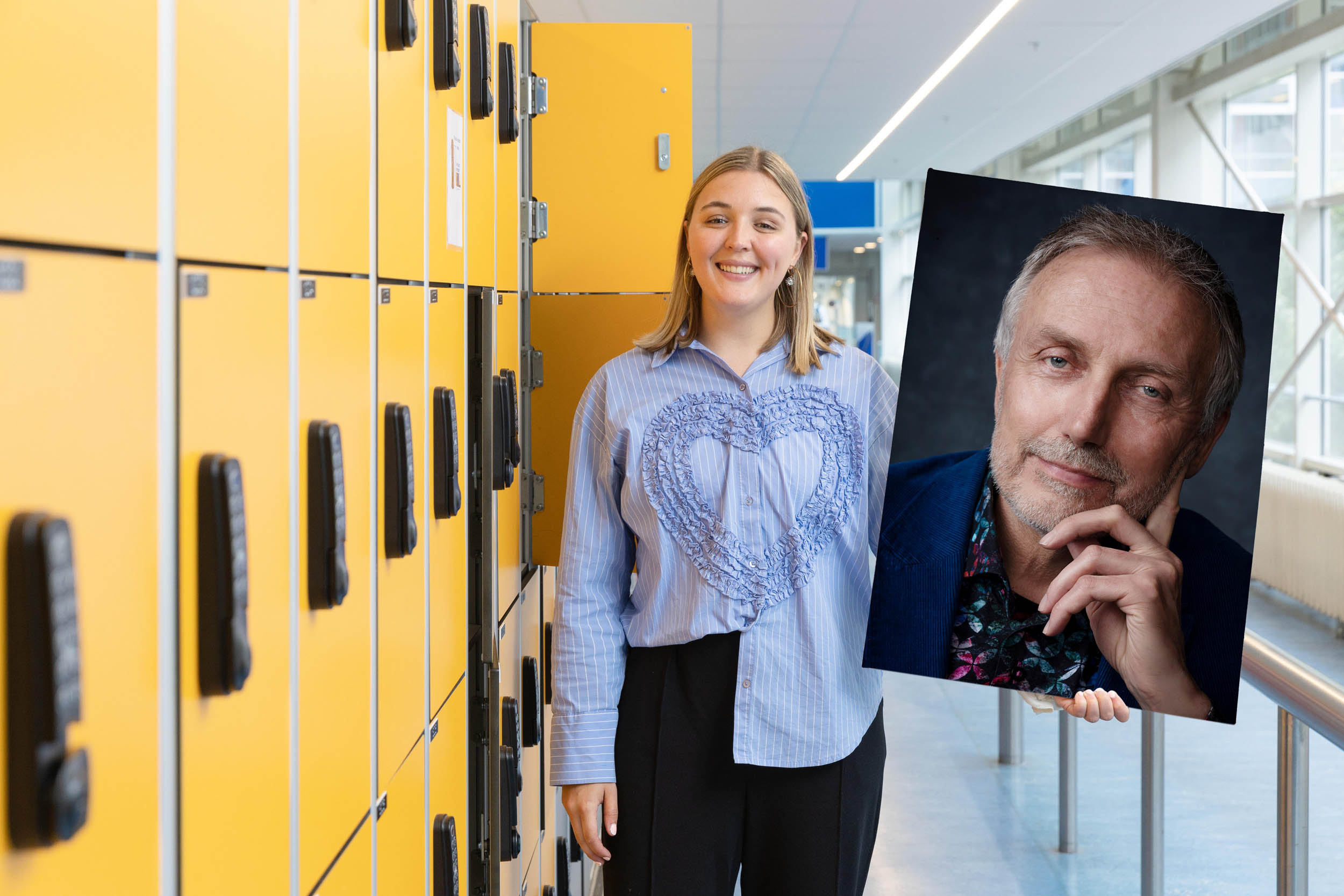
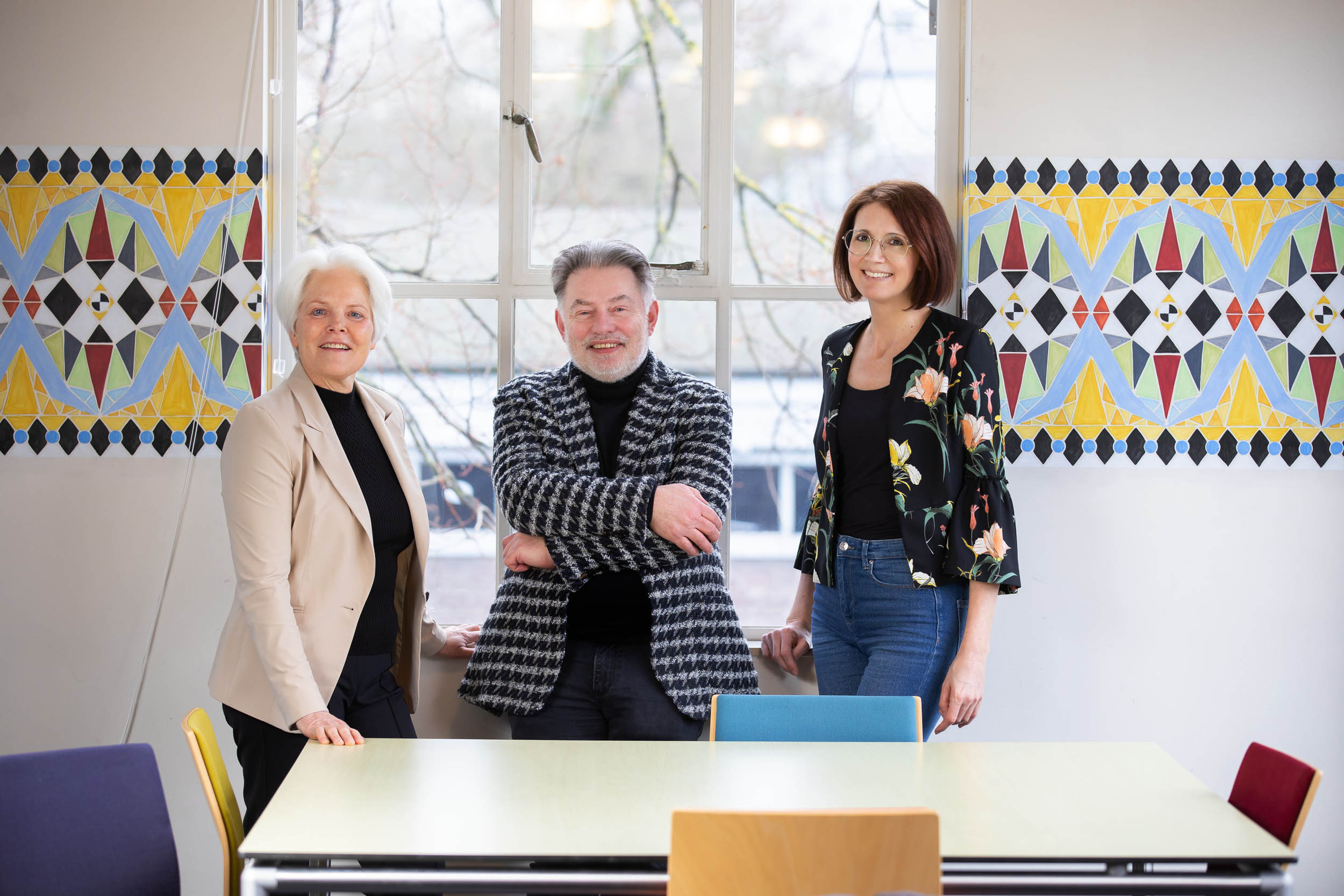
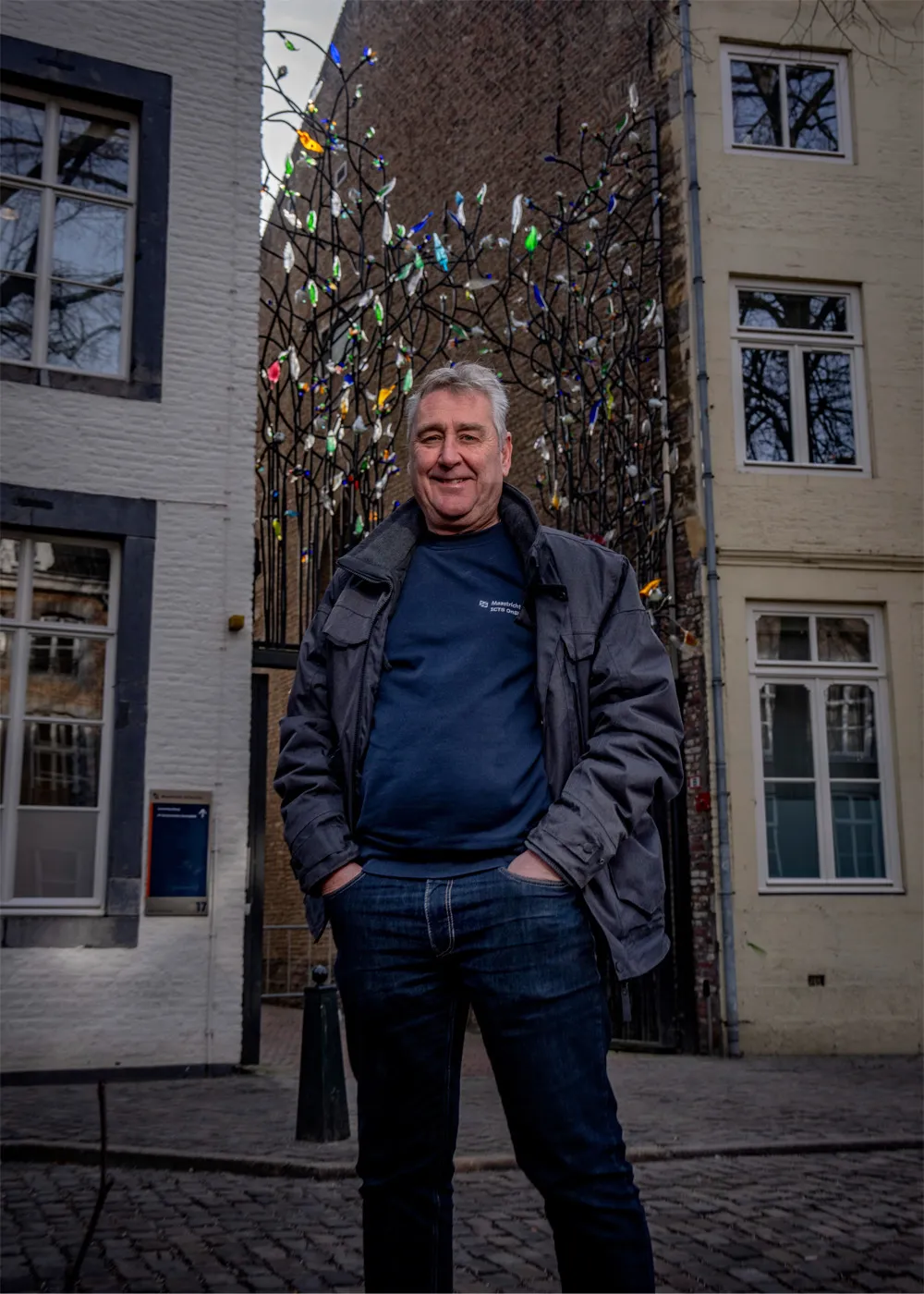
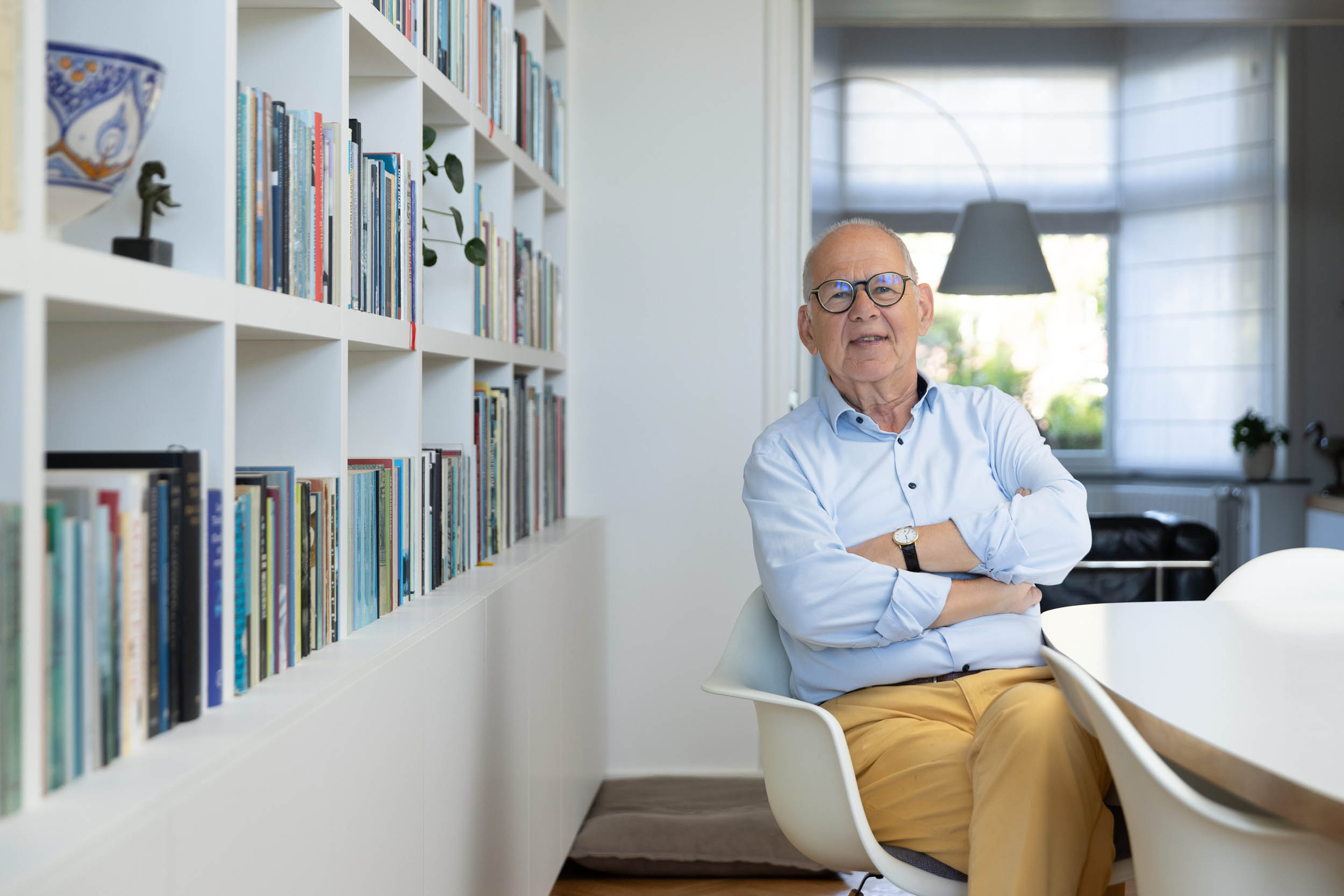
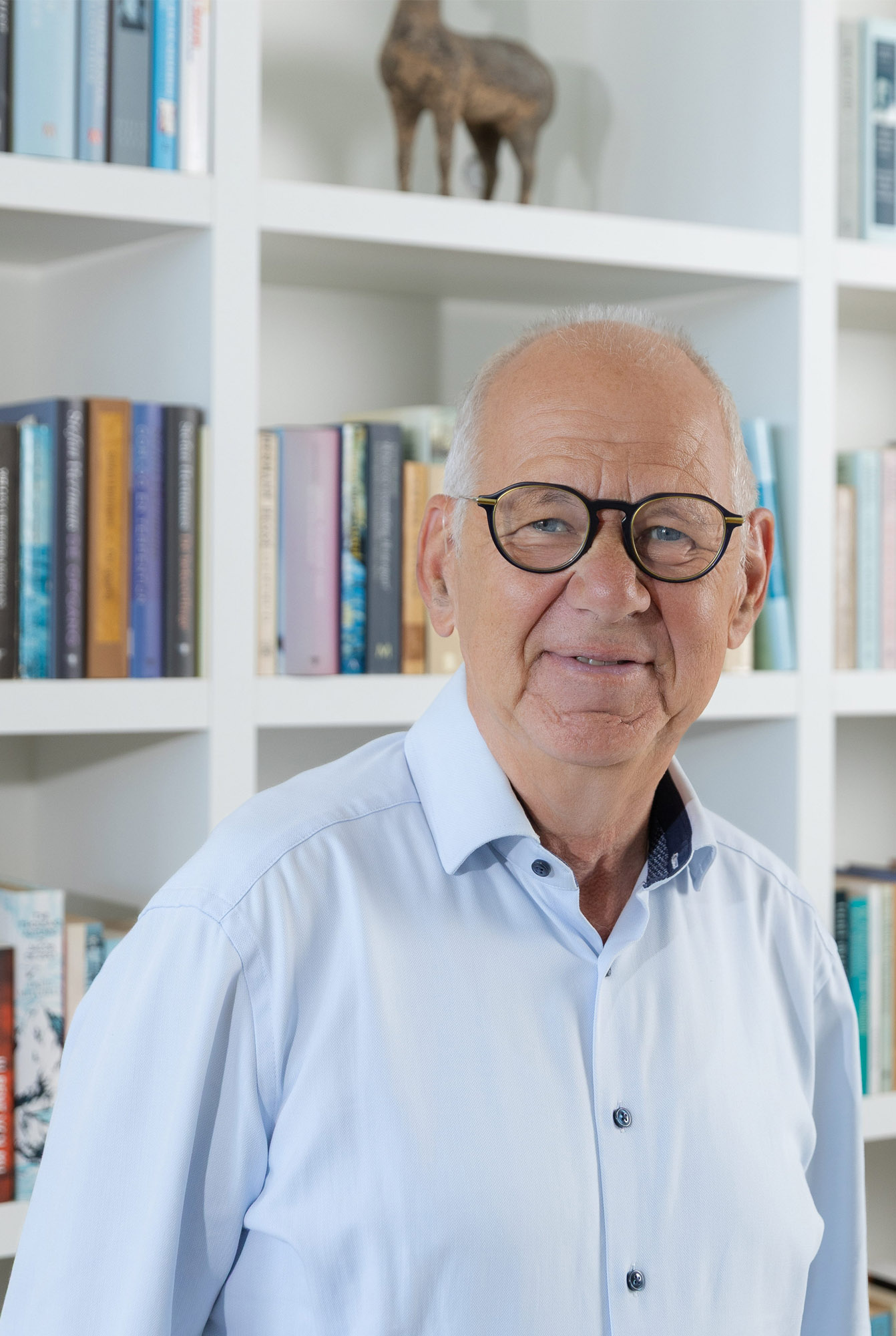
Karl Dittrich is something of a local celebrity. Many people both within and beyond Maastricht University will have heard of him. He played a major role in establishing the Faculty of Law in the 1980s and went on to serve for many years as UM president. He had a profound impact on the university, which in turn made its mark on him. Here, Dittrich looks back on what he calls “the best years of my life.”

Back to his roots

Karl Dittrich studied political science at Leiden University, where he completed his PhD in the late 1970s. But he was born and bred in Maastricht, and when the opportunity presented itself, he jumped at the chance to return to his roots.

“I was living in Leiden and spent a year working in Italy after my PhD,” he recalls. “Then, in 1981, I moved to Maastricht with Job Cohen, a colleague from Leiden.” Along with Cohen and others, he had been tasked with setting up a new law faculty at UM, then still known as Rijksuniversiteit Limburg.

“My real dream was to become chairman of [local football club] MVV Maastricht,” Dittrich jokes. “Still, it was a wonderful opportunity to return to my hometown.”

Bio
Project update

Karl Dittrich

In 1981, Karl Dittrich became one of the first members of staff at the Faculty of Law. He also served on its first Faculty Board. He was elected to the Executive Board in 1986 and served as UM president from 1994 to 2002.

Read more below

Law without boredome

By then, UM was already known for its innovative educational approach, Problem-Based Learning (PBL). Despite its small size, just a few thousand students, the university had major ambitions. For Dittrich, that made it an exciting challenge.

“Job and I had both been involved in educational innovation in Leiden, but it was nowhere near as extensive as what we were going to do here,” he explains. “I arrived with a bag containing nothing but a pen and a notepad. The new Faculty of Law had no classrooms, no students—there was nothing yet.”

Cohen had already developed ideas about how PBL could be applied to a law programme, while Dittrich worked to incorporate the social sciences into the curriculum. “I’m not a lawyer myself,” Dittrich says. “I took law courses for my first two years in Leiden and found them incredibly boring. But when you teach using real-life problems, as with PBL, it’s anything but boring.”

“Do away with those Limburgers”

The new Faculty of Law quickly proved a success. It grew rapidly, as did the economics faculty—now the School of Business and Economics—which opened two years later. For Dittrich, too, a new chapter soon began: in 1986, he joined UM’s Executive Board.

Despite growing student numbers, these were uncertain times for the university. “Major cuts to education were being made, and we weren’t exactly a welcome addition,” he recalls. “You’d hear people on the radio saying, ‘Why don’t we just close Rijksuniversiteit Limburg? Do away with those Limburgers and then we won’t have to make cuts, problem solved.’”

The House of Representatives stipulated that UM had to have at least 6,000 students by 1988. If it failed to reach that number, the university would face serious questions about its future. “Fortunately, we made it, with 6,200 students,” Dittrich says. “Minister Wim Deetman, who had come up with the proposal—with the best of intentions—was enrolled as our 6,000th student.”
“Do away with those Limburgers”

The best years of his life

And so UM survived. That was good news for Maastricht, for the region and for Dittrich, too. In his view, there is no better place to work than a university. “Those were the best years of my life,” he says. “The combination of bright young people, enthusiasm and innovation was just wonderful. We were constantly moving forwards, gradually improving as a community. I enjoyed it immensely. Every day, I felt a sense of pride as I cycled to UM.”
‍

A fiery thank you

He also made a point of getting to know the students, which occasionally led to some memorable moments. In the 1990s, when he was UM president, the entire Executive Board would get on their bikes and pay an annual visit to every student association.

“We wanted to show our appreciation for them: without the students, there’d be no university to speak of,” he says. The tour would continue well into the night. At every stop, the association would be waiting for them with food and, above all, drinks. “It was great fun—until one year I decided to try a B-52. It’s a drink made with Grand Marnier that you can set alight. I ended up losing half my moustache.”
‍

Text: Caya Forman
Photography: Philip Driessen