Then and now:
European Law School
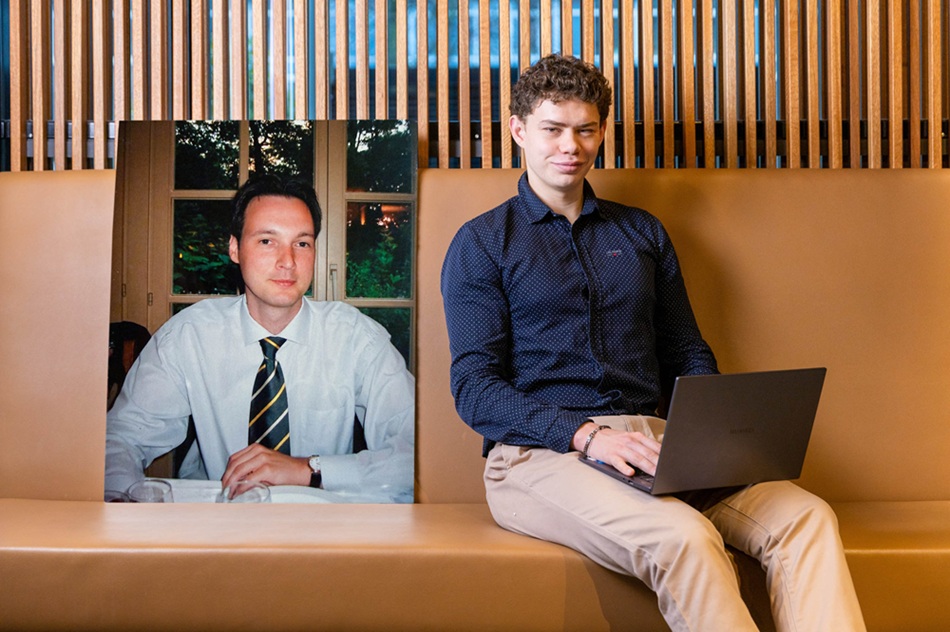
Over the past 50 years, both education at Maastricht University and the university itself have changed enormously. New buildings have been added; at the same time, new degrees have been developed and curricula have evolved with the times. Study programmes that were still finding their feet decades ago have now come of age. The same goes for the first cohorts of students who took them. To shine a spotlight on these changes, we’re speaking to an alum from the first cohort and a current student at each faculty. This time, Paula Sultanof and Paul Meiser, student and alum of the Department of Advanced Computing Sciences at the Faculty of Science and Engineering, share their experiences.
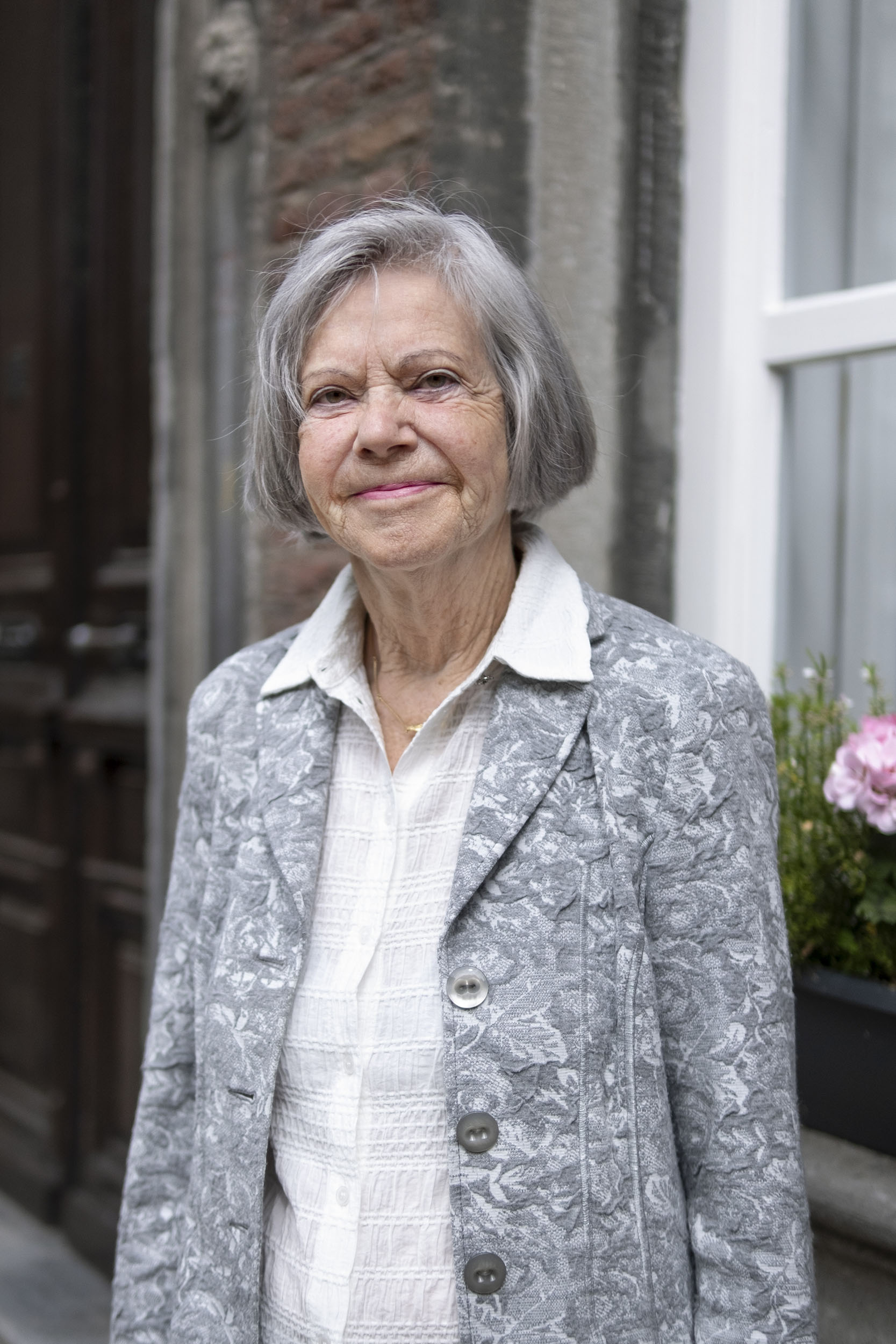
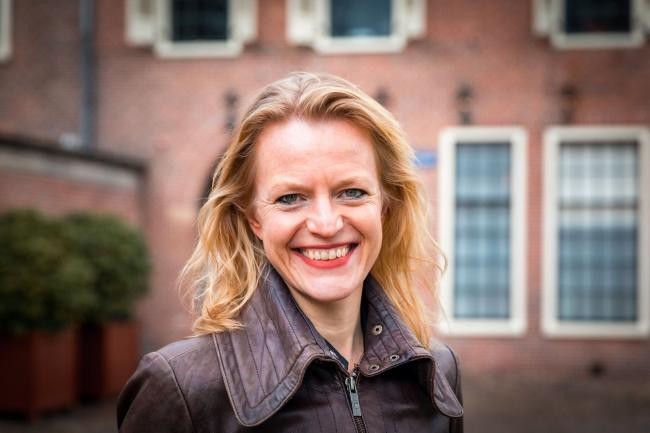
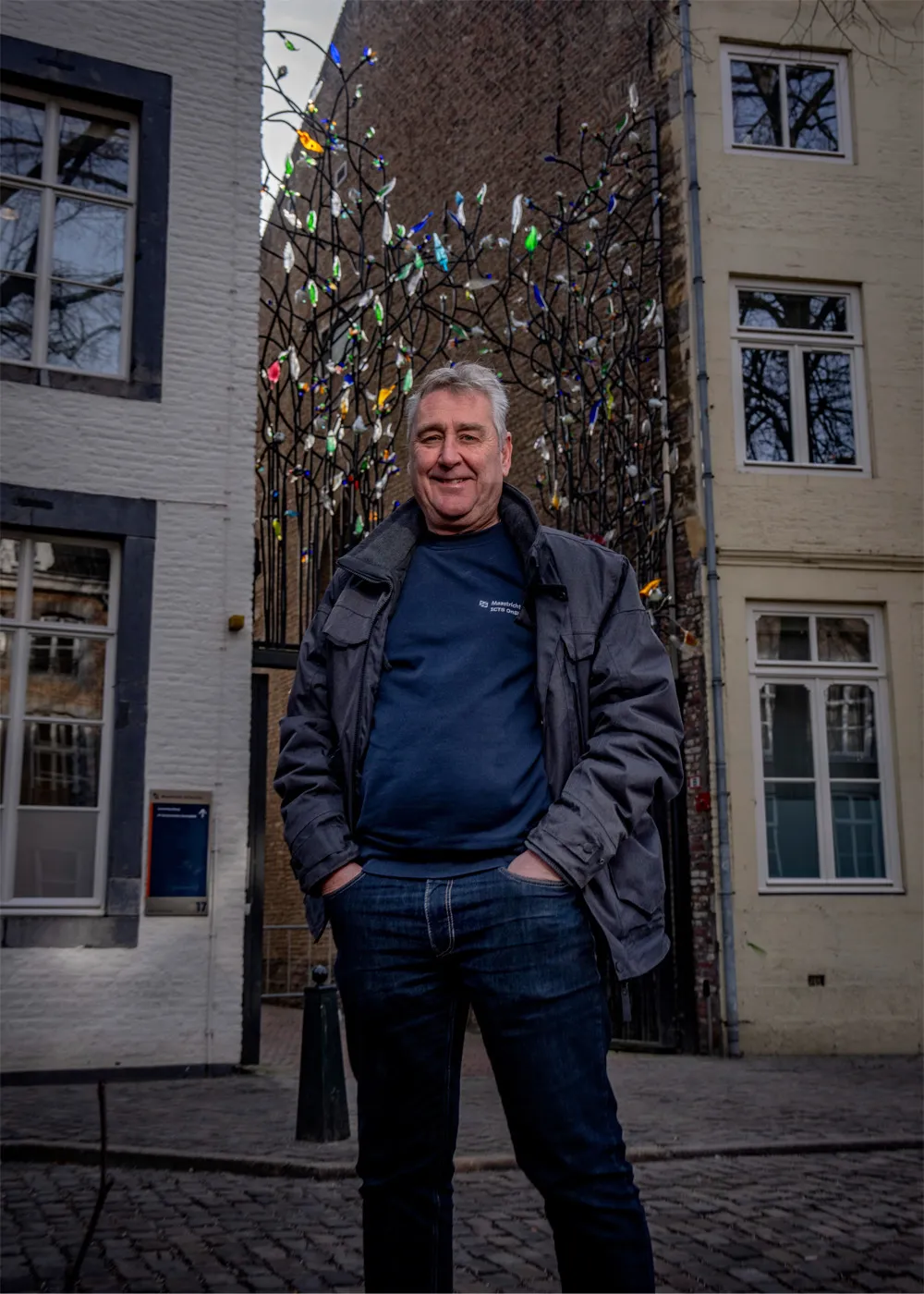
Paul Meiser
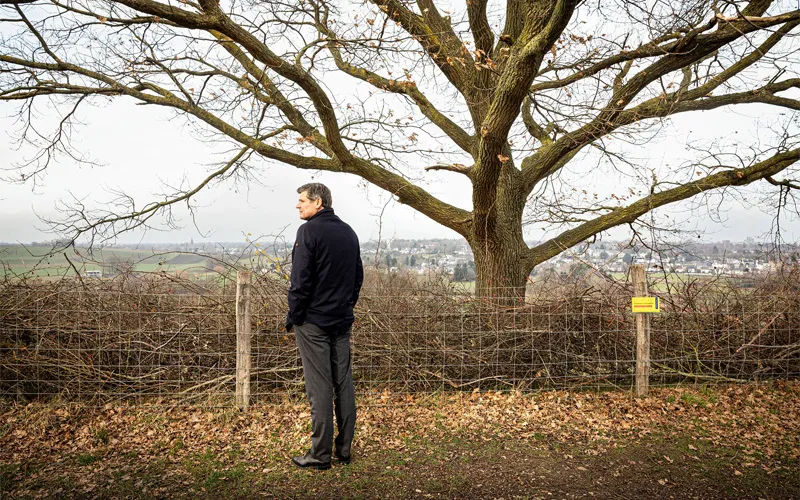
Paul Meiser studied European Law School at the Maastricht University Faculty of Law. After graduating, he worked there as a lecturer, study adviser, internship coordinator and policy officer. He was also part of the first cohort of the toga-master, a Dutch Law specialisation designed to prepare students for careers as lawyers, judges or prosecutors, including a six-month placement at a law firm. He has worked at SGL since 2006, primarily as executive secretary.
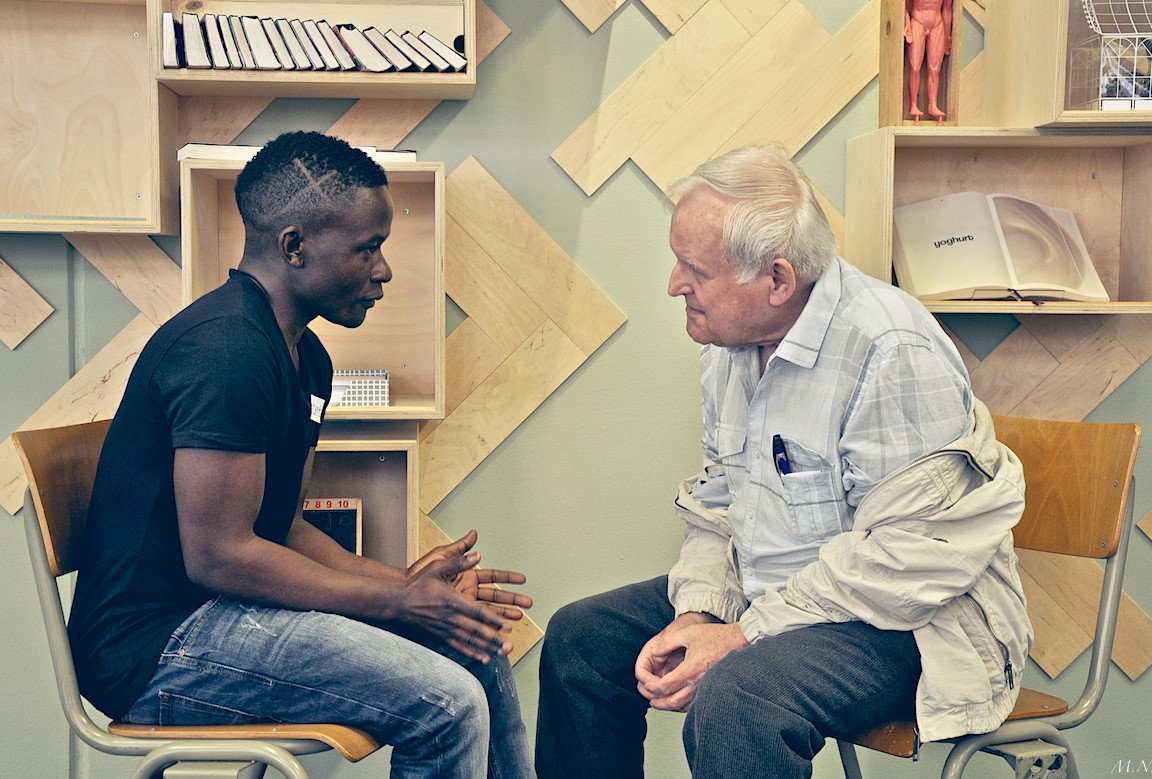
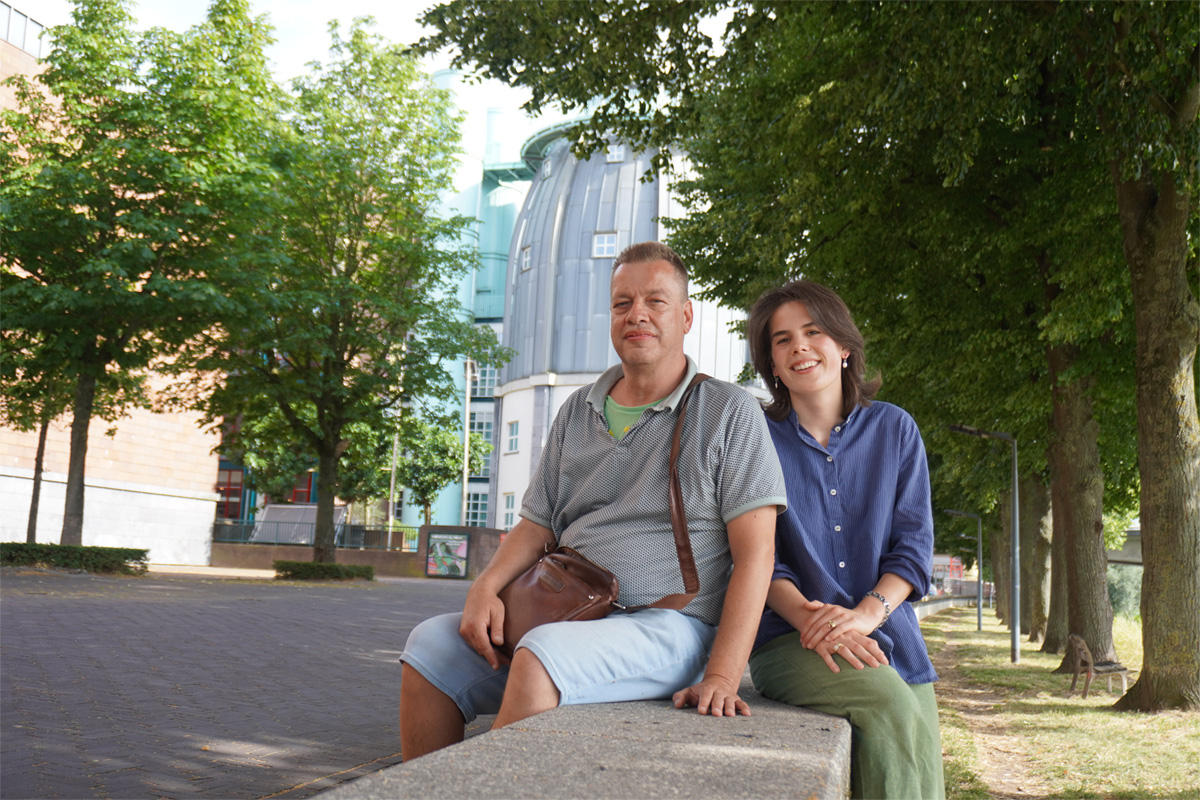
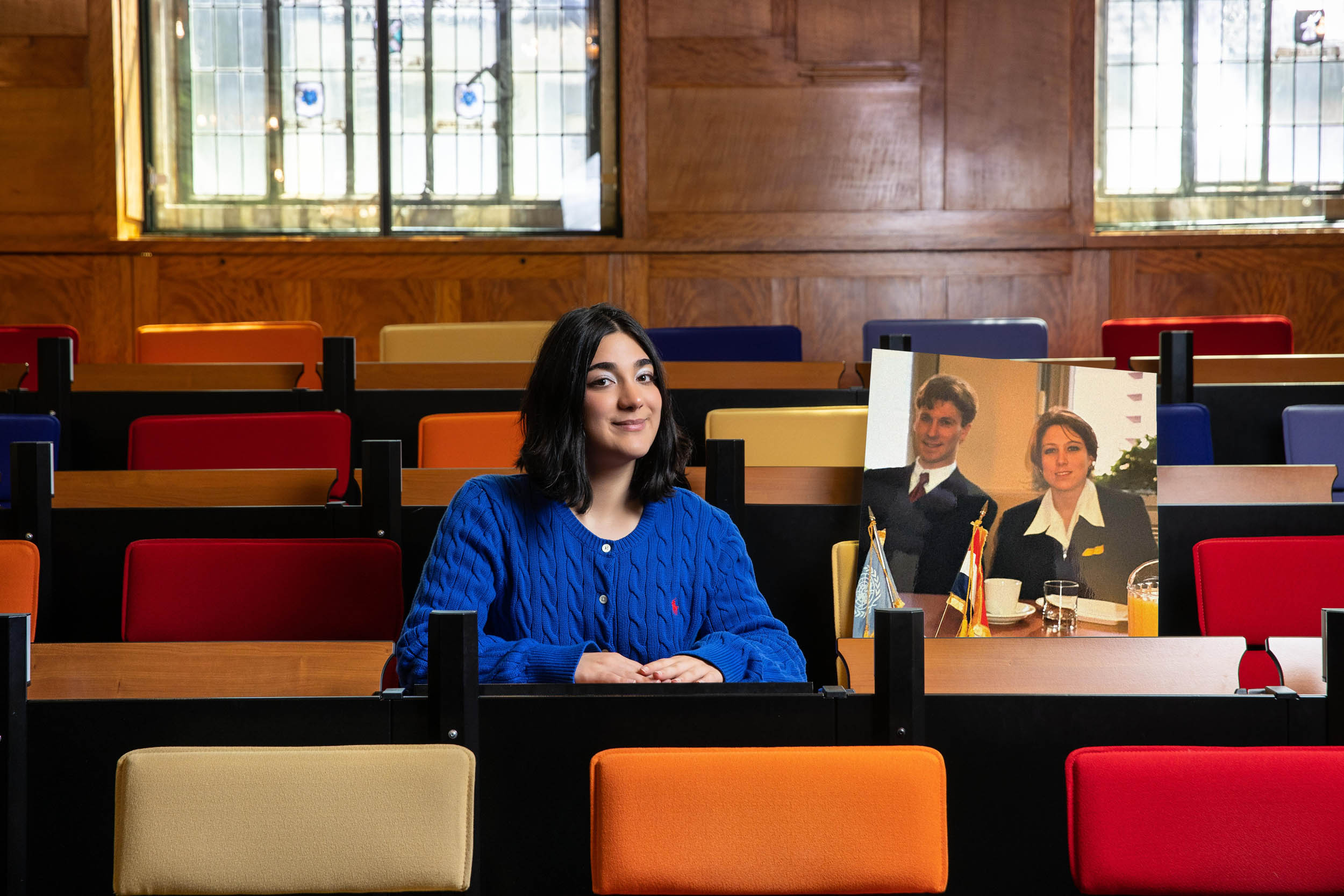
Paul Meiser and Susanne van Riel
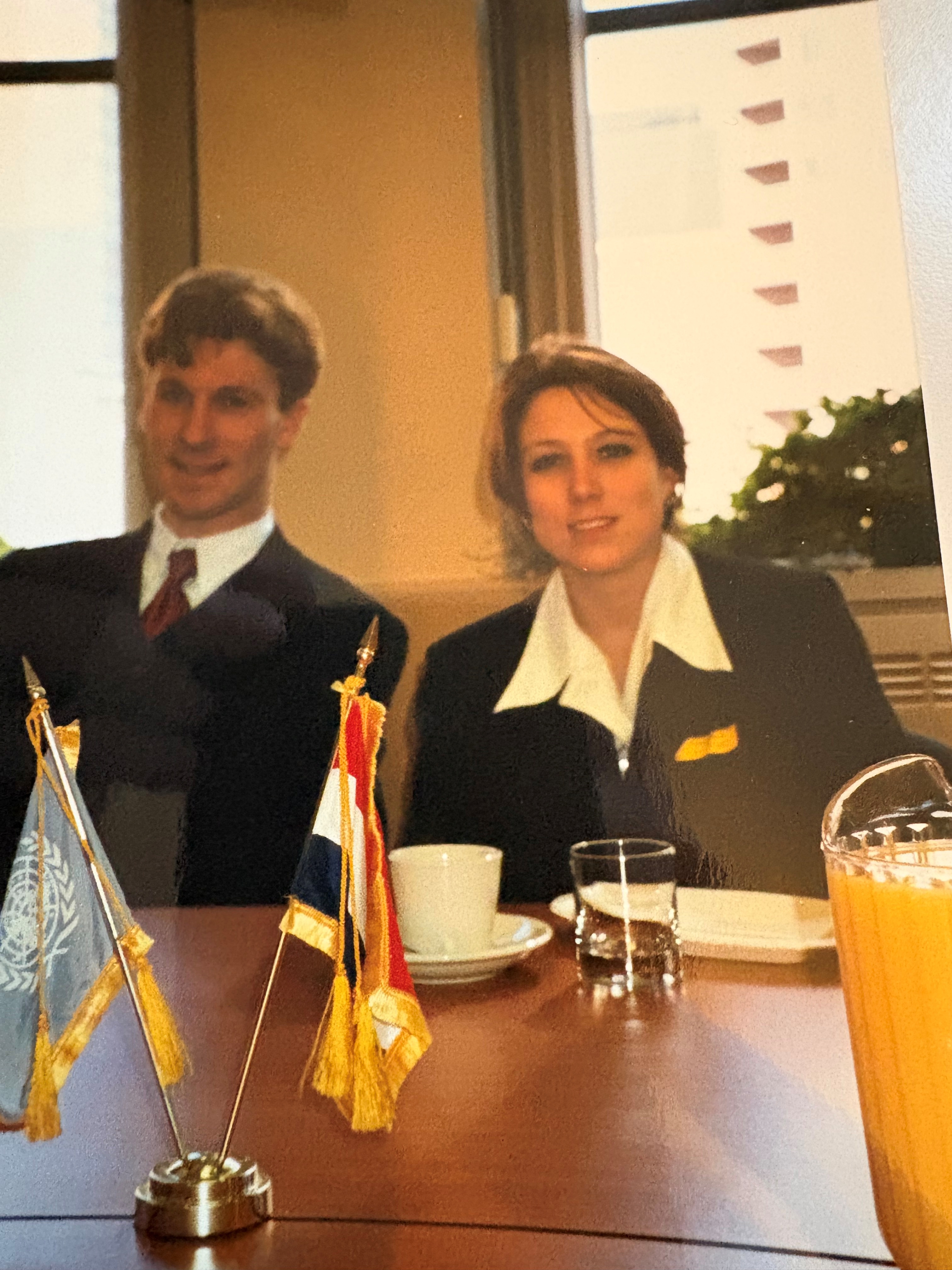
European Law School was, at the time, brand new. Paul Meiser found himself in a close-knit, small-scale environment where students and lecturers built the programme together. His student years laid the foundation for a legal career centred on social impact, these days in healthcare. To mark Maastricht University’s 50th anniversary, he looks back on a programme that took him from the local watering hole Café Falstaff all the way to Washington, DC.
Meiser had originally planned to study medicine. When he began to doubt whether that was really for him, he chose law at UM instead. “The European Law School programme was set up during my first year,” he says. “It appealed to me straight away, partly because I’d always been interested in the European Union. So I switched in my second year, and I’ve never regretted it.”
Washington, DC
The programme was new to students and lecturers alike. “Everyone felt a strong drive to make it a success. Not everything had been fully developed yet. Sometimes courses didn’t fit together properly, and as students and lecturers we were all still working out what was expected of us. But we always got there in the end. And that process of shaping and building the programme together was exactly what made it so special.”
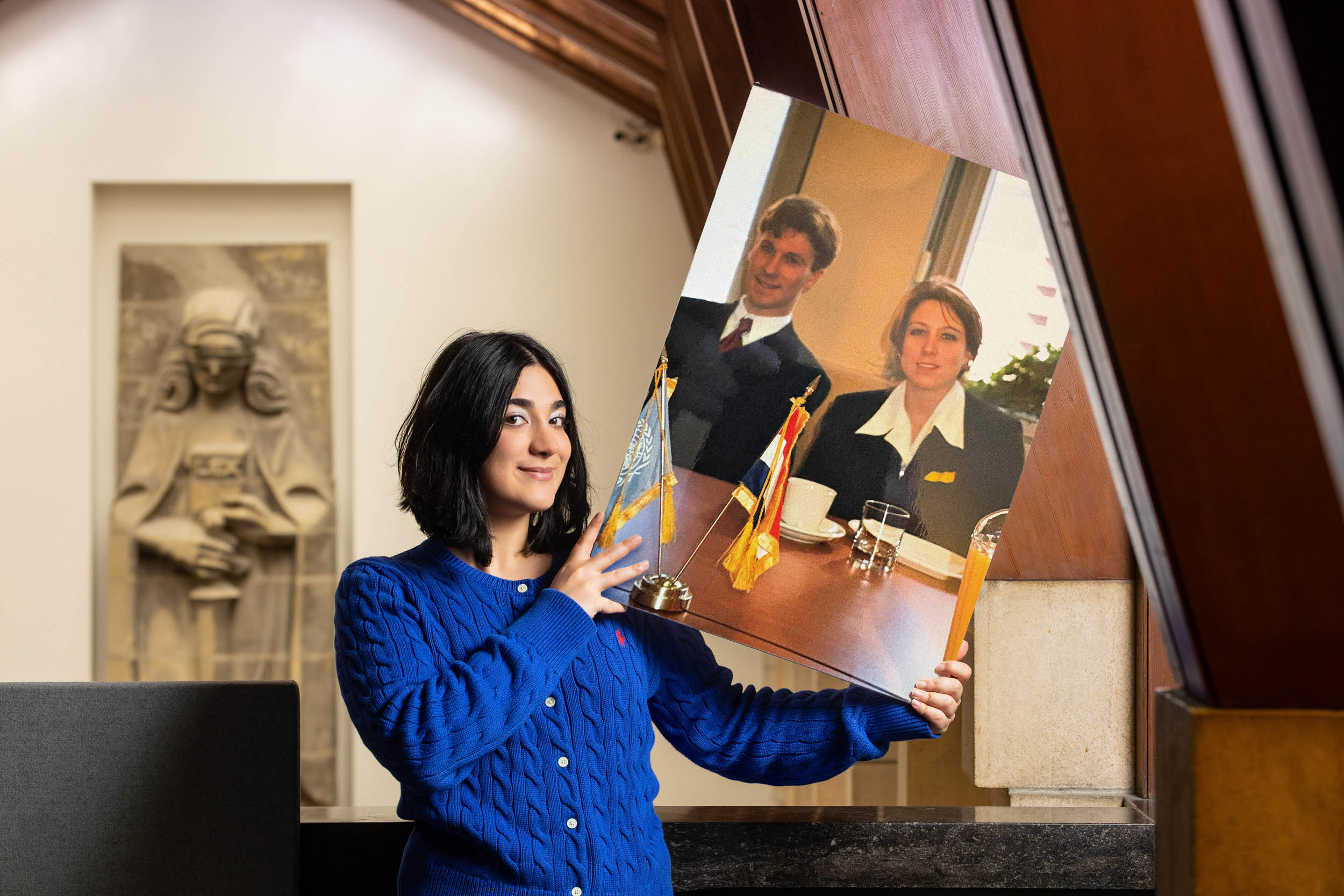
Because the group of students and lecturers was small, a strong bond quickly developed. “Everyone knew everyone, and that created a real sense of community.” In 1997, around 20 students and four professors even went on a joint study trip to Washington, DC and New York. Meiser worked with fellow student Susanne van Riel to organise the trip with the help of professors, especially Aalt Willem Heringa and Harm Jan de Kluiver. “It was fantastic. During the day we had lectures and tours at places like the Capitol and the UN. In the evenings, we all hung out in the pub together.”
Board meetings at the pub
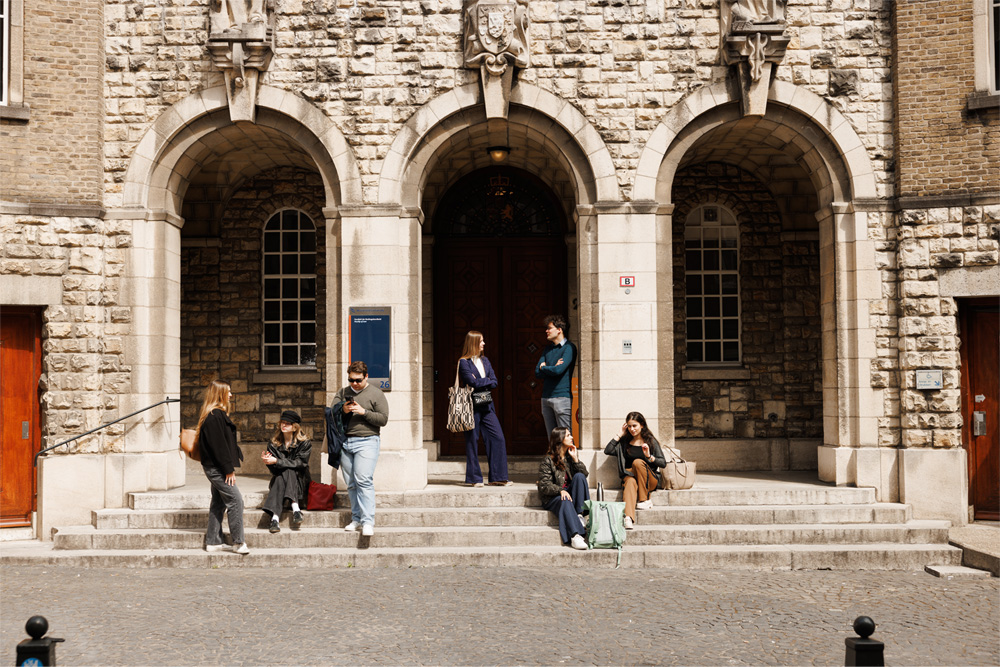
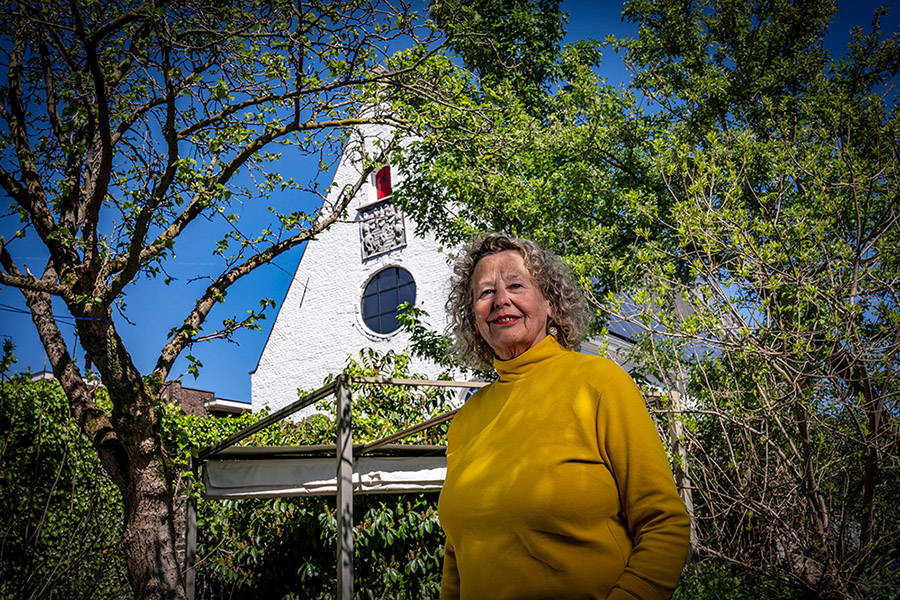
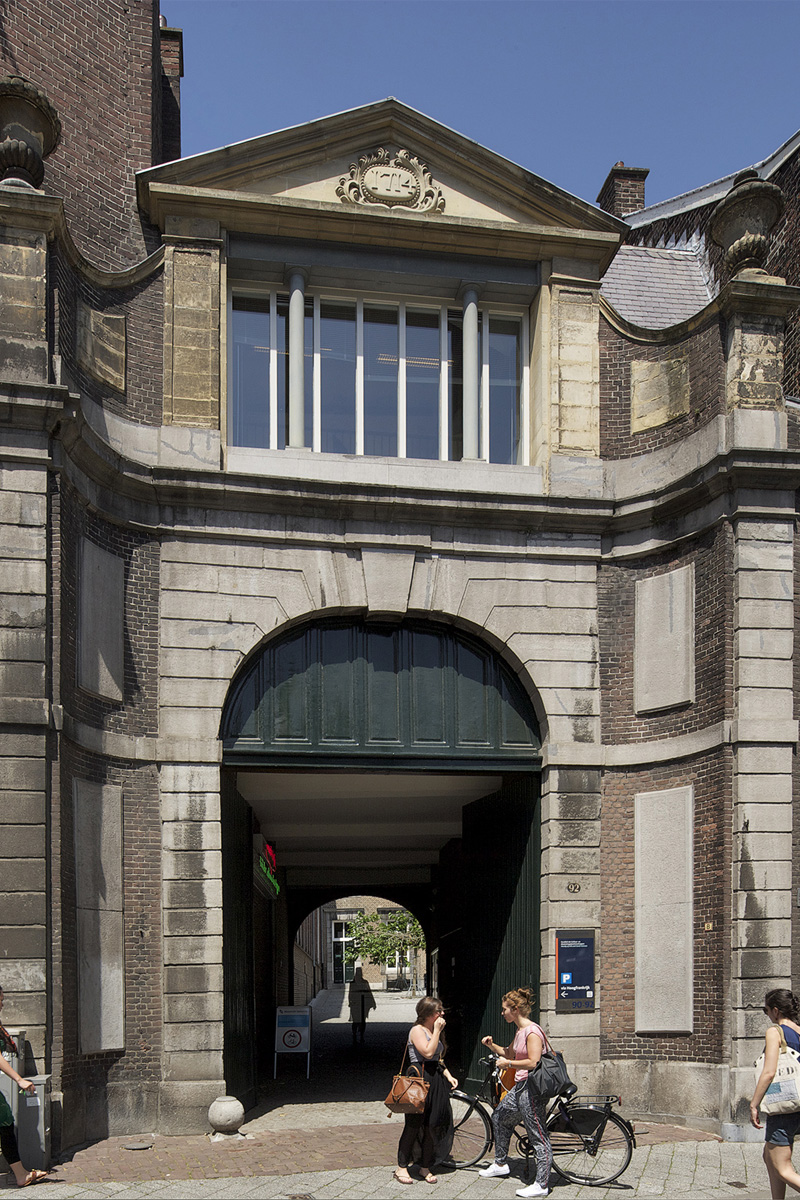
In Maastricht, Meiser could often be found in the faculty building on the Bouillonstraat. “My favourite place in the building was the coffee room. When the weather was nice, I enjoyed sitting in the garden. And right at the top of the building was the room used by Imperator, the European Law School study association, where I was on the board.”
He doesn’t describe himself as especially studious, but academically things came easily enough. At the same time, he had a busy social life. “I made a lot of friends through the programme. I regularly went out with fellow students to places like Falstaff, Twee Heeren, John Mullins and the Knijnspiep. That was where we often had Imperator board meetings and get-togethers.”
Broadening his horizons
After graduating, Meiser initially joined UM’s private law department as a lecturer and enjoyed teaching for several years. “But if I wanted to grow in academia, I would have had to move into research and do a PhD. That didn’t really suit me.”
After a number of other roles within the university, he decided it was time to broaden his horizons. That search led him to SGL, a healthcare organisation for people with brain injuries, where he has been working since 2006. He thinks the secret lies in the variety. “No two days are the same, and healthcare is constantly changing. That dynamism keeps the work challenging. As executive secretary, I deal with all kinds of legal matters and policy issues, advise the Board of Directors and the Supervisory Board, and manage several departments.”
Not black and white
What has stayed with him from his studies is, above all, the broad way of thinking he learnt in Maastricht. “We were encouraged to look at issues from different angles and analyse them carefully. I still benefit from that, even in matters that aren’t strictly legal. For me, the law is rarely black and white. More often, it’s grey.”
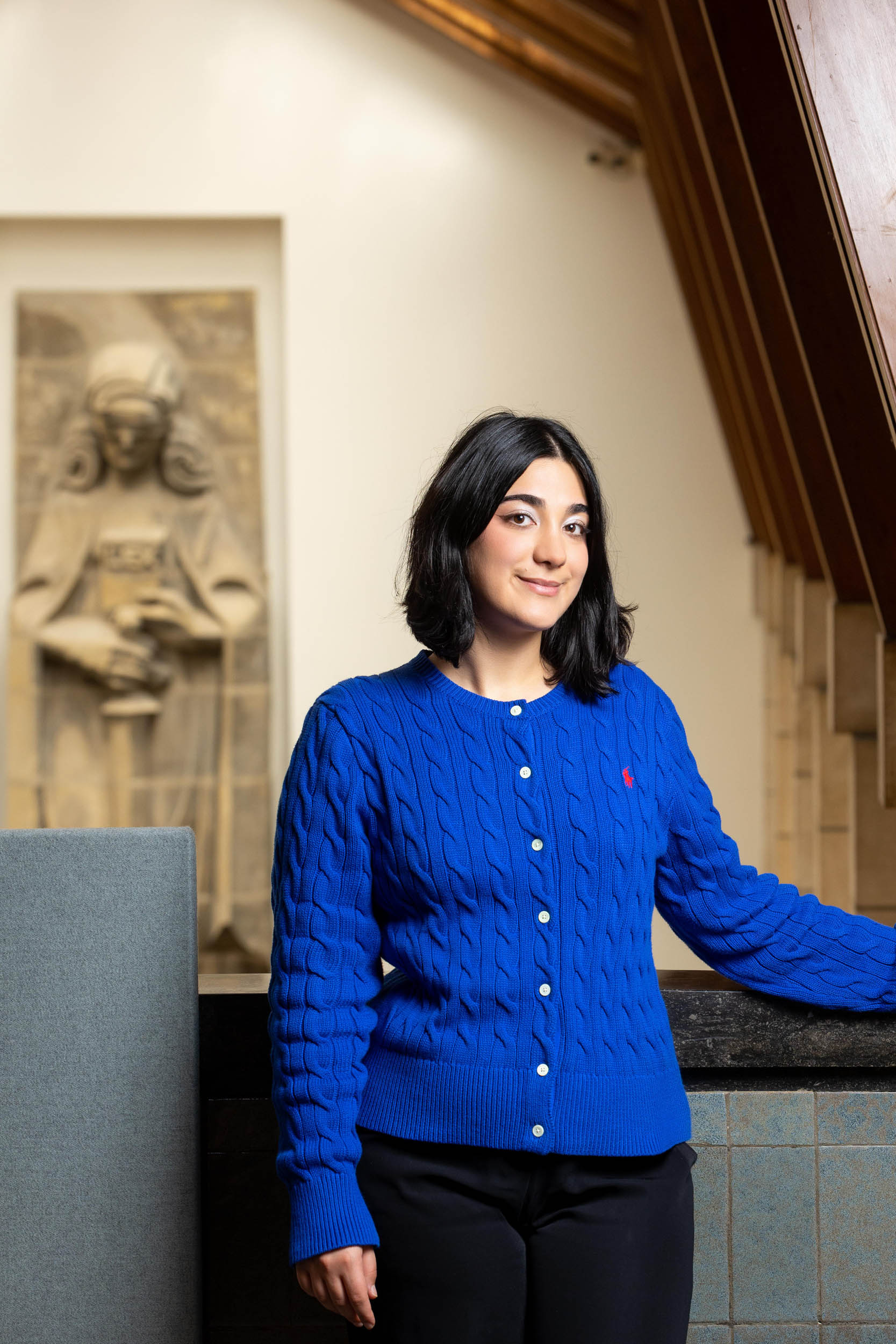
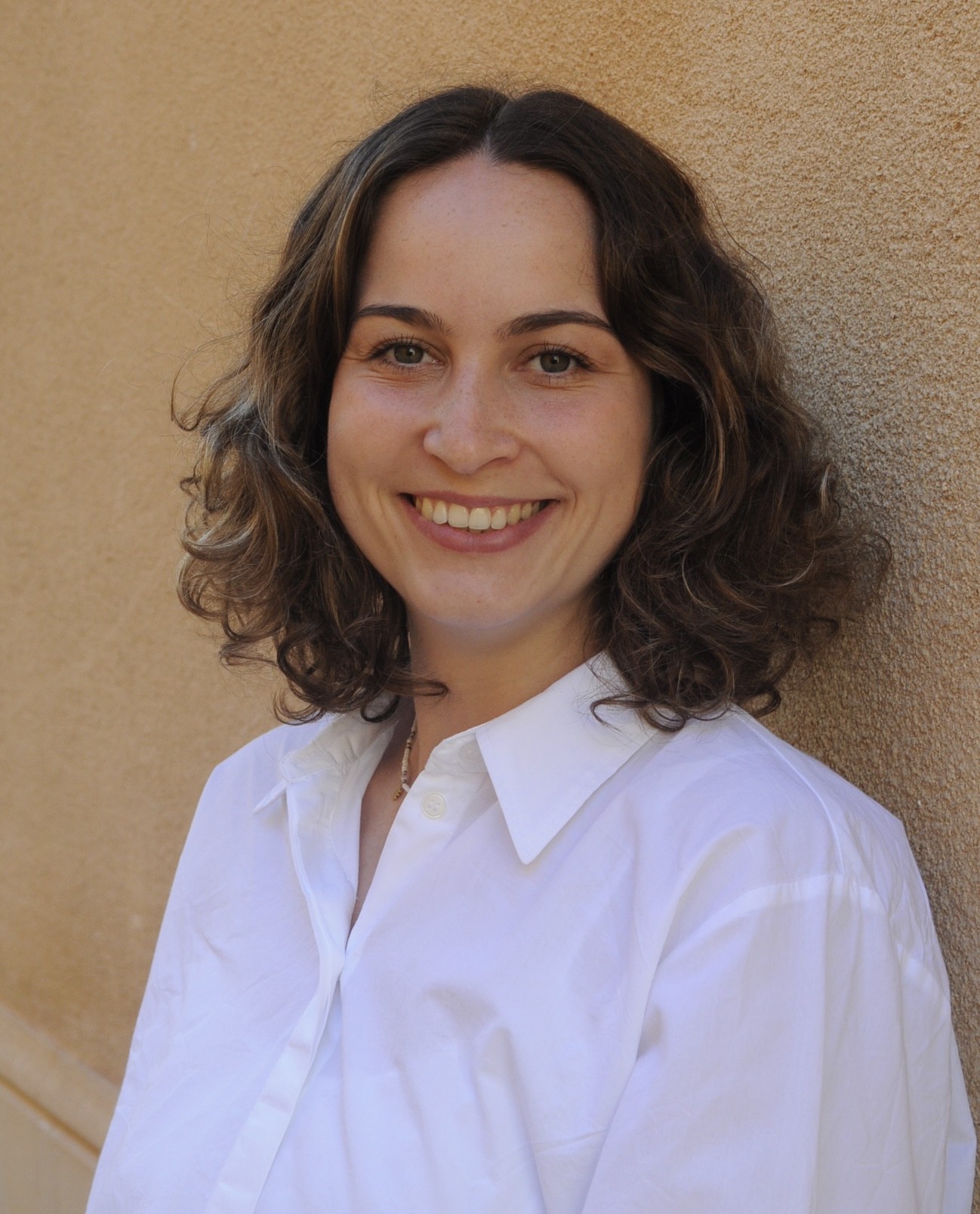
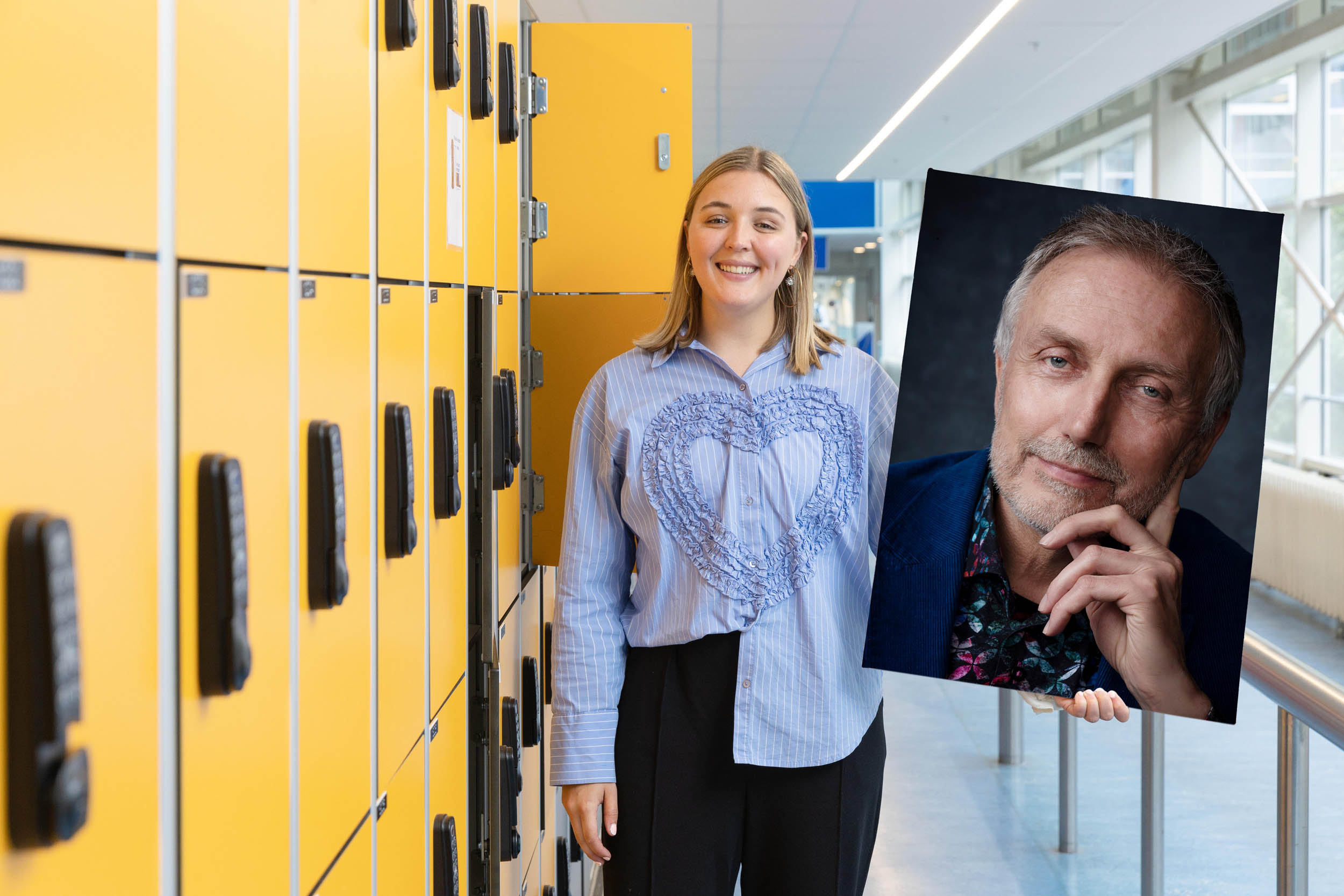
Belgian student Paula Sultanof (21) knew one thing for sure: she wanted to study at Maastricht University. Her high-school classmates had been talking the place up for years. Her choice of European Law School was no accident either. “My bookcase is basically full of Sherlock Holmes-type books, and I love true crime films and videos.” Interestingly, she’s been most captivated by the courses she least expected, such as Technology Law. What appeals to her about it?
International legislation
Sultanof’s Azerbaijani grandfather encouraged her to always stay curious and keep learning. That mindset brought her to where she is today: the first in her family to attend university. In her motivation letter for the Jo Ritzen Scholarship, she wrote about her need to learn something new every day. “That definitely happens in this programme,” she says, beaming.
“European Law School places a lot of emphasis on comparative law,” she explains. “So we look beyond the laws of a single country. We often look at England, the Netherlands, Germany and France, and sometimes international law and US legislation too. That’s what makes it so interesting: you gain a much broader perspective than if, as often happens in Belgium, you only focus on Belgian case law.”
Approachable
Sultanof is still struck by how approachable her lecturers are. “In high school in Belgium, there was much more distance from teachers. At UM, you can always ask questions or talk things through with your lecturers if you’re running into difficulties. I also became a student ambassador for the programme, and during my minor recently I was able to attend a conference as a student assistant. It’s nice to get to know the staff and teachers better that way.”
She is also enthusiastic about Problem-Based Learning. “If you ask me, it’s one of the best teaching methods. If I were just given a textbook and someone lectured at me for hours, I wouldn’t learn much. Problem-Based Learning prepares you far better for the kinds of problems that matter now and in the future.”
Technology law
To her own surprise, Sultanof has found technology-related law one of the most interesting parts of the programme. “In my second year, without really thinking about it, I chose a course on Technology Law. I found it surprisingly interesting. For example, we learnt what actually happens when you click ‘Yes’ on a cookie pop-up. There’s a whole body of law behind those banners, and not all of them comply with it.” She laughs. “Since then, I never just click ‘Yes’ anymore.”
AI and CO2 emissions
The course also touched on AI regulation. “I find that incredibly interesting, because it’s such an emerging area. Technology is constantly changing, so legislation has to keep evolving too if we want to properly regulate AI. I find that process fascinating.”
Sultanof is considering a master’s in European and International Tax Law, specialising in Tax and Technology. “But I’m also really interested in sustainability-related legislation, like taxes on CO₂ emissions,” she adds. “I never expected those themes in particular to grab me so much.”
Text: Romy Veul and Milou Schreuders
Photography: Philip Driessen