Tag
20 January 2026

“If we want to live long and healthy lives,

we need to take much better care of nature”

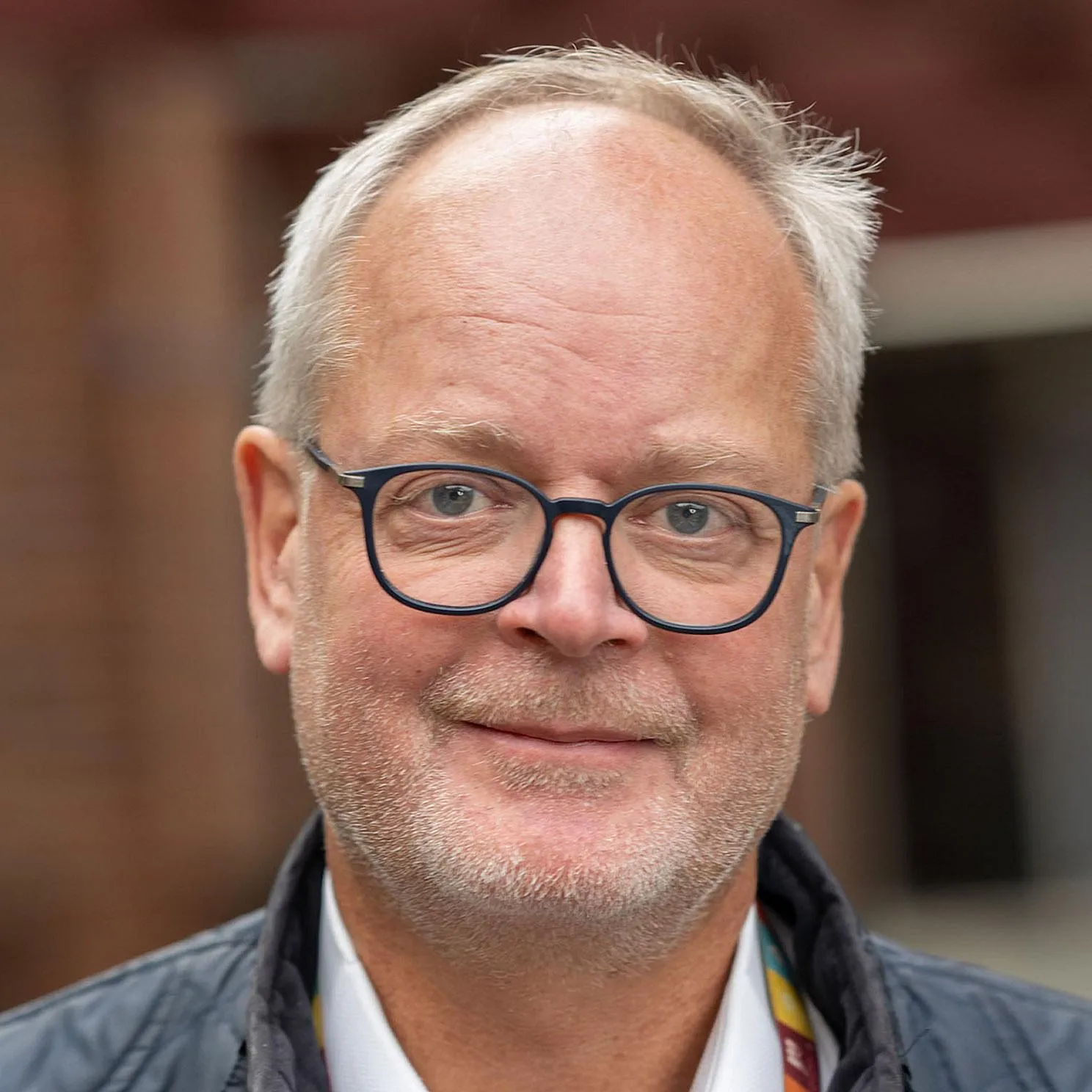
During Maastricht University’s 50th Dies Natalis, the Swedish professor Peter Stenvinkel will receive an honorary doctorate for his pioneering research on nephrology (kidney medicine) and planetary health. The award means a great deal to him. “I see this honorary doctorate as recognition of both my research and the collaboration between the fields of nephrology and planetary health.”

Stenvinkel studied medicine at Sweden’s Karolinska Institute in the 1970s and 80s. He specialised in nephrology and was appointed professor at the Karolinska Institute in 2009. He is also a senior lecturer at the Karolinska University Hospital. His research focuses, among other things, on how kidney failure affects ageing processes, especially in the vasculature.

Balance

“Your kidneys keep your body in balance,” he says. “If they don’t function properly, toxic substances are no longer removed and instead build up. This causes inflammation which, over time, damages other organs. Kidney failure also affects metabolism and leads to premature ageing. At present, around 800 million people worldwide have chronic kidney disease – roughly 14.5% of the world’s population. Many don’t even realise they’re ill, yet they face a much higher risk of cardiovascular disease.”

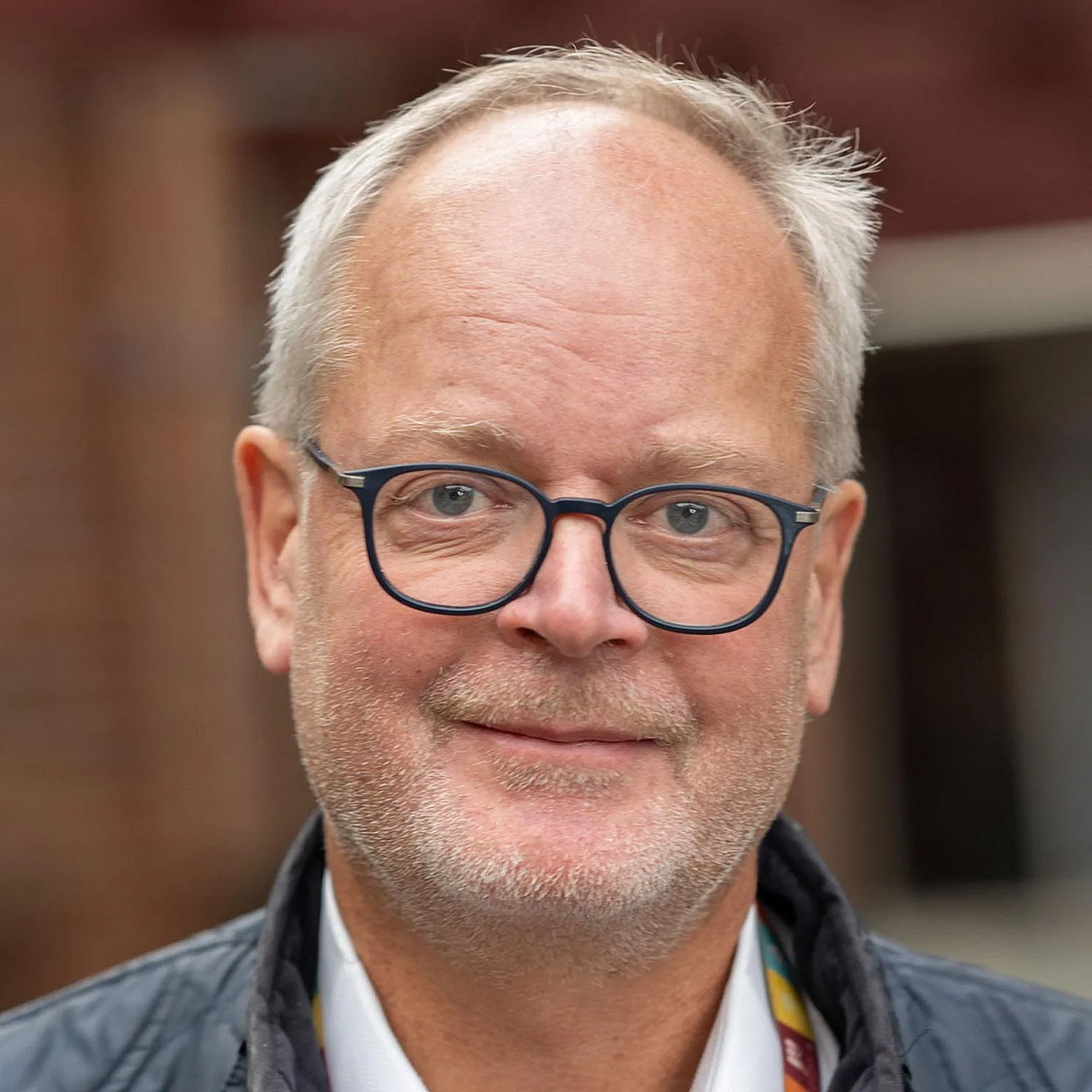
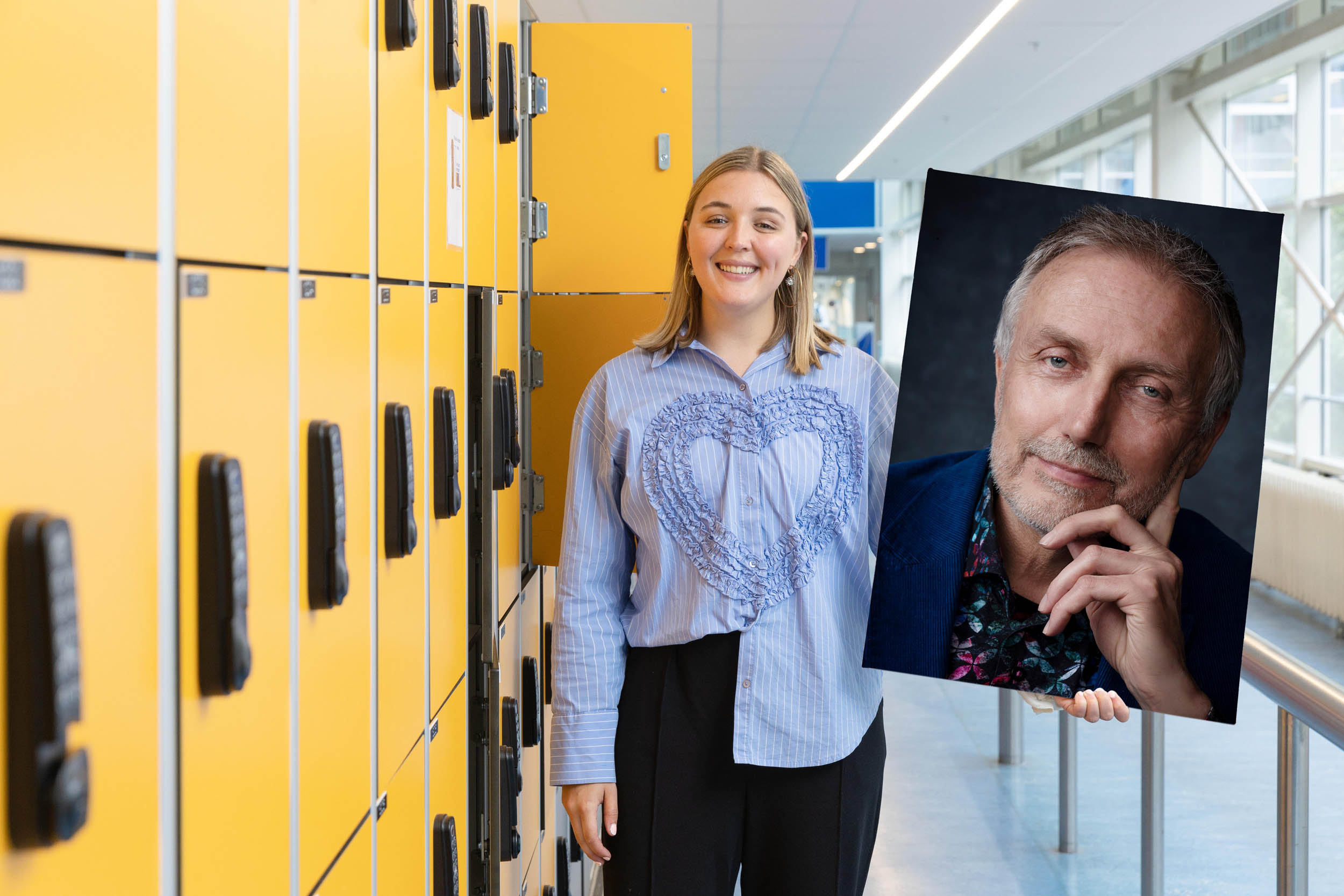
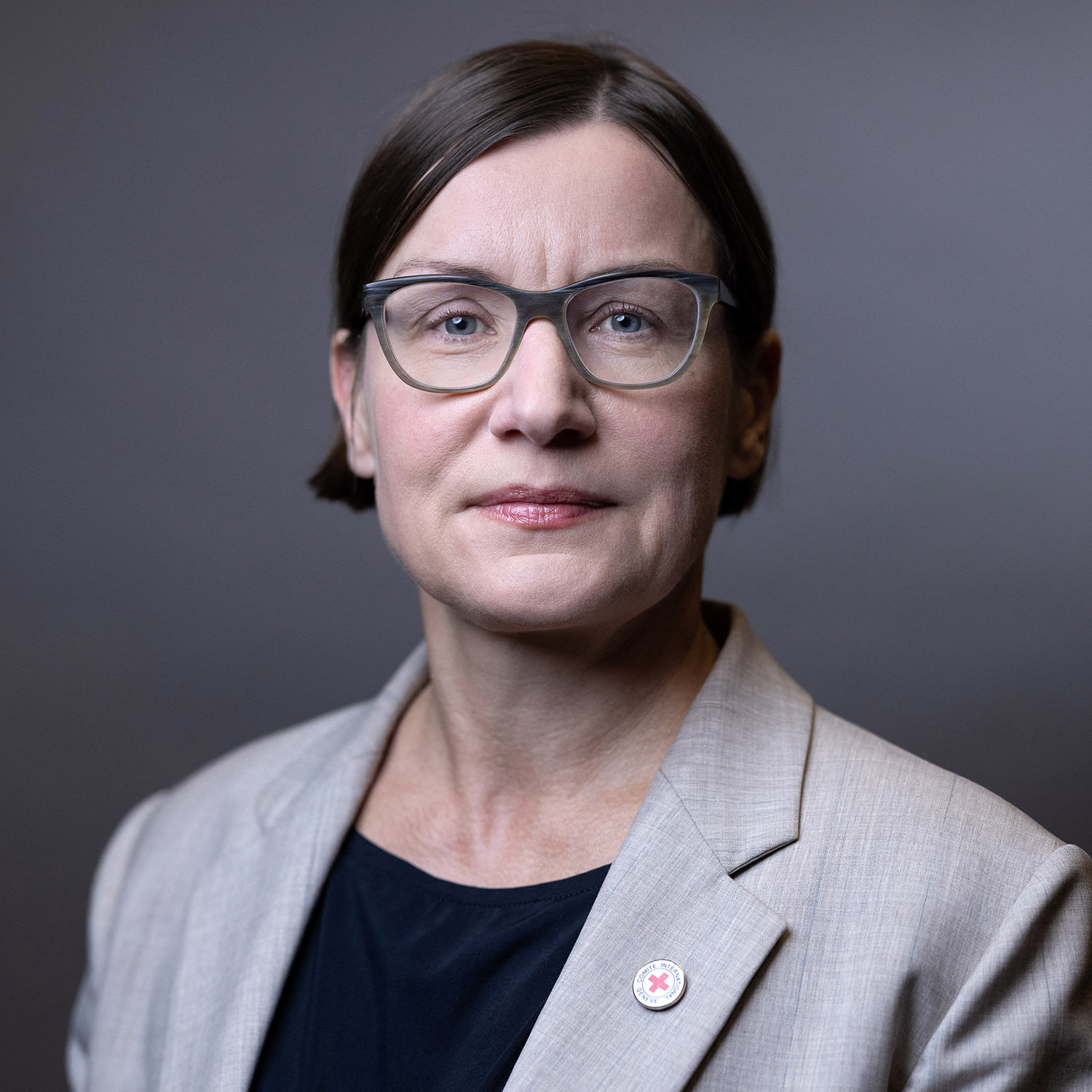
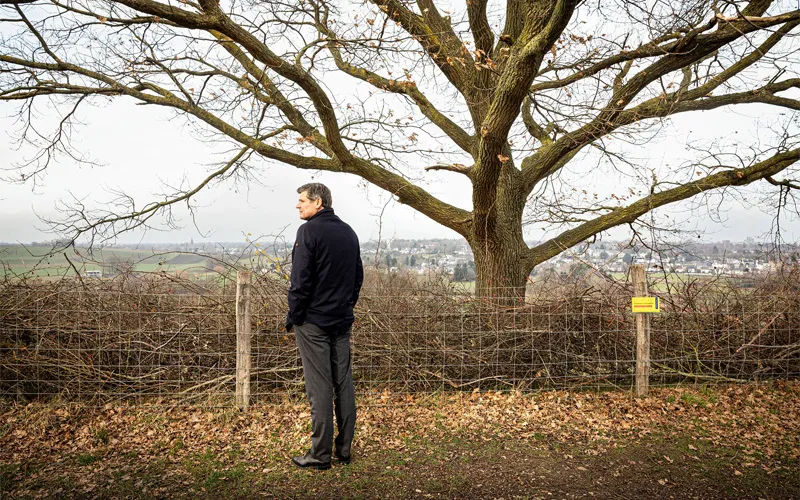
Peter Stenvinkel.

Balance

The good news is that, if detected early, kidney disease can be treated effectively. “That’s why it’s so important to understand how the kidneys work,” Stenvinkel continues. “If we know how kidney disease develops, how to treat it and how to prevent it, we can reduce the pressure on healthcare systems.”

Peter Stenvinkel is senior lectrurer at the Karolinska University Hospital and professor of Nephrology (kidney medicine) at Karolinska Institutet in Sweden. His current research focuses on early vascular ageing, food as medicine and the influence of planetary health on human health.

Stenvinkel has been active in academia for more than 40 years and has authored over 720 scientific publications and reviews. He has been a visiting professor at the Cardiovascular Research Institute Maastricht (CARIM) since 2023. His popular-science book
Learning from nature: The power of biological intelligence was published in 2025.

In January 2026, UM’s Faculty of Health, Medicine and Life Sciences will award him an honorary doctorate in recognition of his services to science and his contribution to the research fields of nephrology and planetary health.

Planetary health

In recent years, he has turned to planetary health, a relatively new field that focuses on the relationship between human health and the health of the planet. “I realized that the effects of climate change – such as extreme heat, poor air quality and a lack of clean water – can trigger all kinds of diseases, from diabetes and dementia to cardiovascular disease and chronic kidney disease. That’s why I decided to study nephrology and planetary health together. My aim is to develop sustainable treatments for kidney disease.”

Since 2023, Stenvinkel has been a visiting professor at the Cardiovascular Research Institute Maastricht (CARIM). As a nephrologist, he draws energy and inspiration from working with professors Leon Schurgers and Tilman Hackeng, who focus on cardiovascular health. “Together, we’re exploring how we can use nature to treat disease. We’ve been studying different wild animals: for example, we found that bears don’t urinate during their winter sleep (hibernation), lose very little muscle mass and don’t suffer from osteoporosis. We’re curious about why this is the case – because if we can understand that, we may be able to apply those insights to new treatments for chronic diseases in humans, such as kidney disease and cardiovascular disease. We are also interested to learn from animals that show few signs of ageing, such as bats, naked mole rats and Greenland sharks. They can teach us a lot about healthy ageing.”

Another topic Stenvinkel finds fascinating is food as medicine. “Some vegetables, like broccoli sprouts, contain compounds that can help prevent or treat disease. To make the most of food as medicine, we need more research. For example, around 200 types of fruit grow in the Amazon region, most of which we still don’t know. I want to explore that further, because it could be a goldmine for treating diseases linked to unhealthy lifestyles.”

''Some vegetables, like broccoli sprouts, contain compounds that can help prevent or treat disease.''
- Peter Stenvinkel
On Friday 23 January 2026, from 15.30 to 17.15, Maastricht University will celebrate its 50th Dies Natalis. This year, the celebration will be especially festive. Expect music, special performances and award ceremonies. No fewer than three honorary doctorates will be conferred. King Willem-Alexander will be in attendance. All seats have been taken, but the celebration can be followed live on 23 January via a livestream on our website.

Innovatie die de maatschappij dient

This year’s Dies Natalis theme is UM50: A milestone and another step – we keep innovating and serving society. Stenvinkel feels a strong connection to this theme. “I’m a big supporter of innovation, as long as it serves society. And to innovate, collaboration between different disciplines is essential. Together, zoologists, vets, biologists, ecologists and technologists can achieve a great deal in the fields of health, ageing and sustainable medical innovation. My collaboration with CARIM is a good example of that.”
Stenvinkel is convinced we can learn from nature, so much so that he has written a book about it: Learning from nature: The power of biological intelligence. In it, he describes the links between our health, fundamental natural elements (sun, water, wind), biodiversity, gut microbiota and food production. He also gives examples that show how strategies from nature can help us age healthily while also protecting the planet. “But to that end, we have to take our environment much more seriously,” he says. “Forests and oceans are nature’s infrastructure, crucial to the survival of people and animals. Unfortunately, governments around the world pay far too little attention to this, if you ask me. We’re rapidly losing animal and plant species that could have taught us a great deal. So if we want to live long and healthy lives, we need to take much better care of nature.”
Text: Martina Langeveld