Tag
5 March 2026

A history of


UM in 50 objects

Bart Zwegers captured Maastricht University's history in 50 objects.

He searched dusty attics, crawled through dark cellars and delved far into Maastricht University’s past. In his new book, Bart Zwegers tells the story of the university through 50 objects.

One of the items that has stayed with him seems unremarkable at first glance: an old rubbish bin. “I found it in an attic next door,” he says. We are sitting in a coffee room at the Faculty of Arts and Social Sciences. Zwegers points through the window to a white-painted dormer. The bin he found there bears the logo of the Rijksuniversiteit Limburg, as Maastricht University was first known.

That detail, Zwegers says, is exactly what makes the object interesting. “It’s a good example of something that seems mundane, but tells a whole story,” he explains. “That bin allowed me to talk about why we didn’t keep the old name. And how the name change was later followed by a new corporate identity, in step with a more liberal mindset where the university began to present itself more like a company. It says a lot about the zeitgeist.”

Ceremonial and commonplace

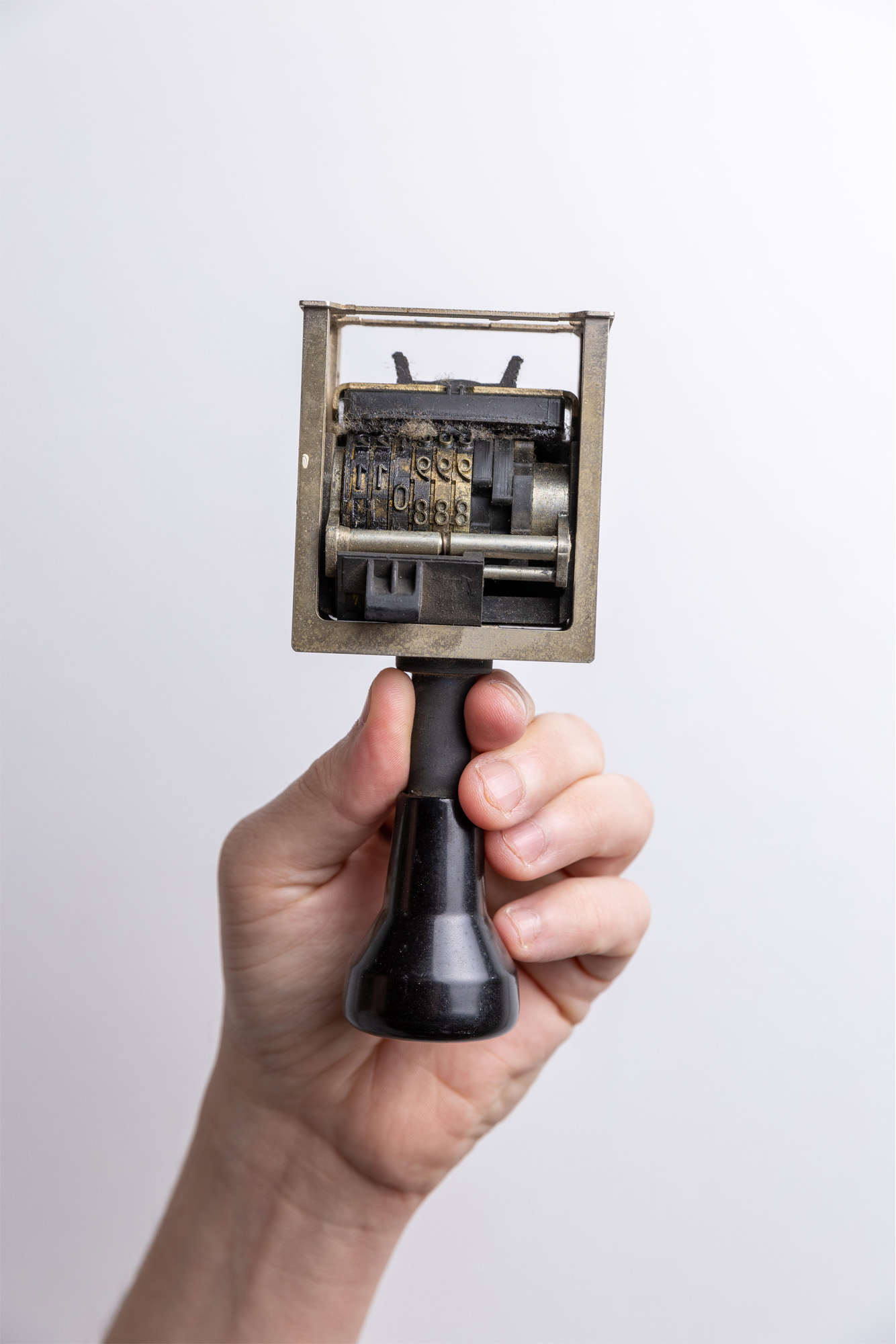
In his book, Zwegers showcases objects with an obvious link to UM’s academic heritage, such as the ceremonial chain of office worn by the Rector Magnificus, as well as more surprising pieces. “Many people will think: an old rubbish bin, what’s the deal with that?” he says, laughing. “I like that.”

The book doesn’t follow a strict chronology. You can open it to any page and learn something about the university’s past. All 50 objects, from an 18th century book and the beadle’s staff to a hacked UM laptop and a Covid distancing ribbon, are photographed and accompanied by a commentary provided by Zwegers.
Ceremonial and commonplace
“Many people will think: an old rubbish bin, what’s the deal with that? I like that.”

History you can touch

As a lecturer in Cultural Studies, European Studies, and Art, Culture & Heritage, Zwegers’ fascination with heritage comes as no surprise. He sees his focus on material heritage—objects with historical value—as part of a broader development. One inspiration was A History of the World in 100 Objects by Neil MacGregor, former director of the British Museum. “For a general audience, it’s a great way to tell stories because it draws people in. It makes history tangible.”

He experienced this first-hand during his PhD research in Paris. At the UNESCO headquarters, he studied archival documents from 1946 and 1947. “Just running my fingers over those documents told me so much. The feel of the thin paper spoke volumes about the scarcity and frugality of the postwar period. So it wasn’t just the text that told a story, but also its materiality. That was an interesting experience.”

Bio

Bart Zwegers

Bart Zwegers has worked at the Faculty of Arts and Social Sciences at Maastricht University since 2009. He teaches Cultural Studies, European Studies, and Art, Culture & Heritage. He obtained his PhD in 2018 for his research on heritage conservation in Germany and the United Kingdom.

Read more below

Intellectual in jeans

UM is still one of the youngest universities in the Netherlands. What struck Zwegers during his research was that UM has always wanted to distinguish itself from other institutions and had to fight for its place in the academic world. As a result, when the university was founded, there was much debate about adopting traditional customs such as the beadle’s staff and the academic gown.

“As a young university, you’re kind of going against the grain, but you also want the respect of the established order,” he explains. “Some people said about the gown: ‘Nonsense, surely jeans are good enough for a progressive intellectual?’ But the gown was adopted anyway, probably because the university also wanted to be taken seriously.”

After its 50th anniversary, UM will need to rethink how it presents itself, he says. That was one of the motivations behind the book. For years, UM profiled itself as a ‘young university,’ but that label is becoming harder to sustain. “Rankings of young universities usually set an age limit of 50. The question for us is what comes next. How do we want to be seen in the future? For me, the answer lies in our history.”

“Think twice before you
get rid of things. ”

More than a dummy

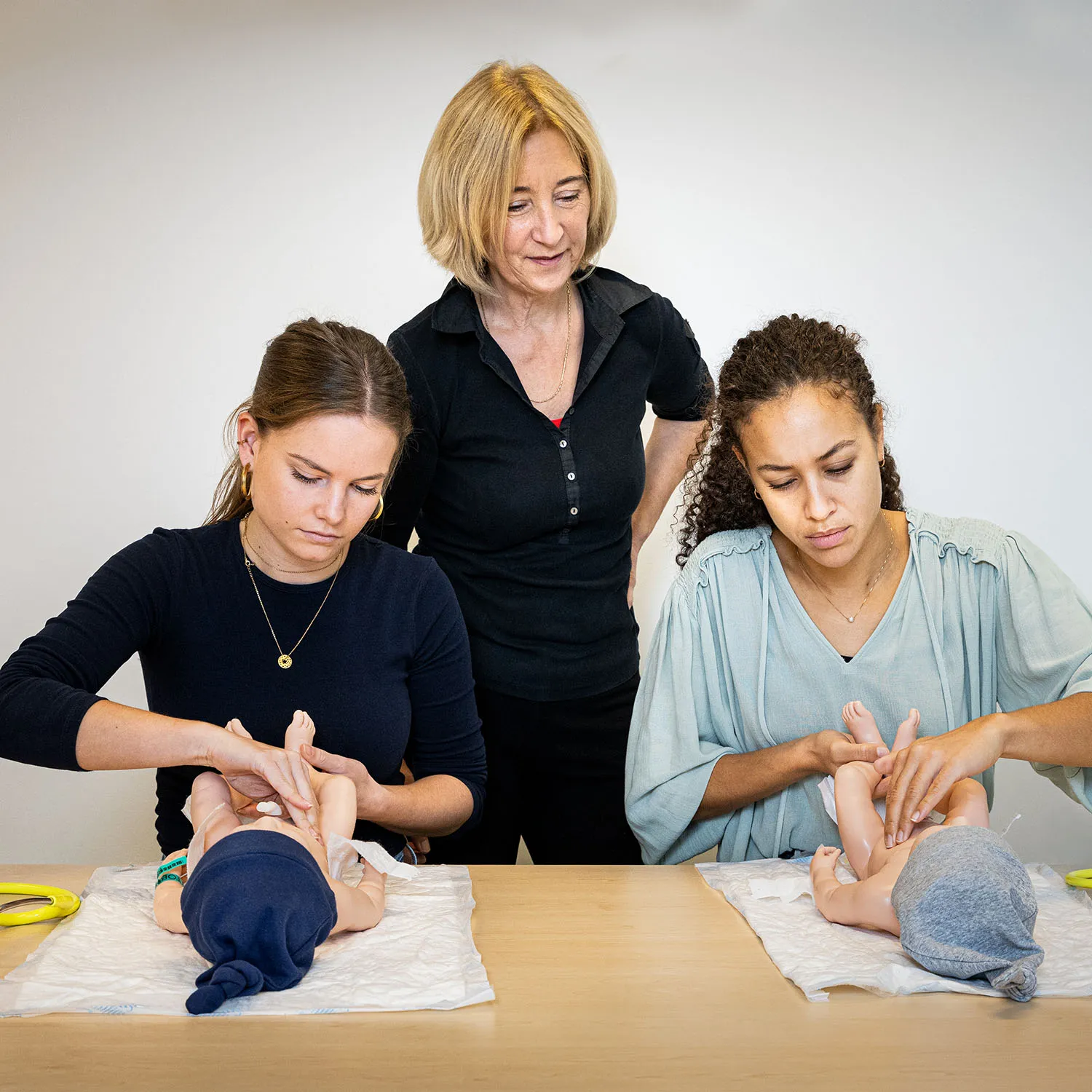
UM’s history is unique, not least because it set out from day one to be different. That contrarian streak also laid the groundwork for an educational philosophy that lives on today. “Experimentation was always welcomed,” Zwegers says. “That’s why Problem-Based Learning and educational innovation were prioritised as early as the 1970s, leading to initiatives like the Skills Lab.”

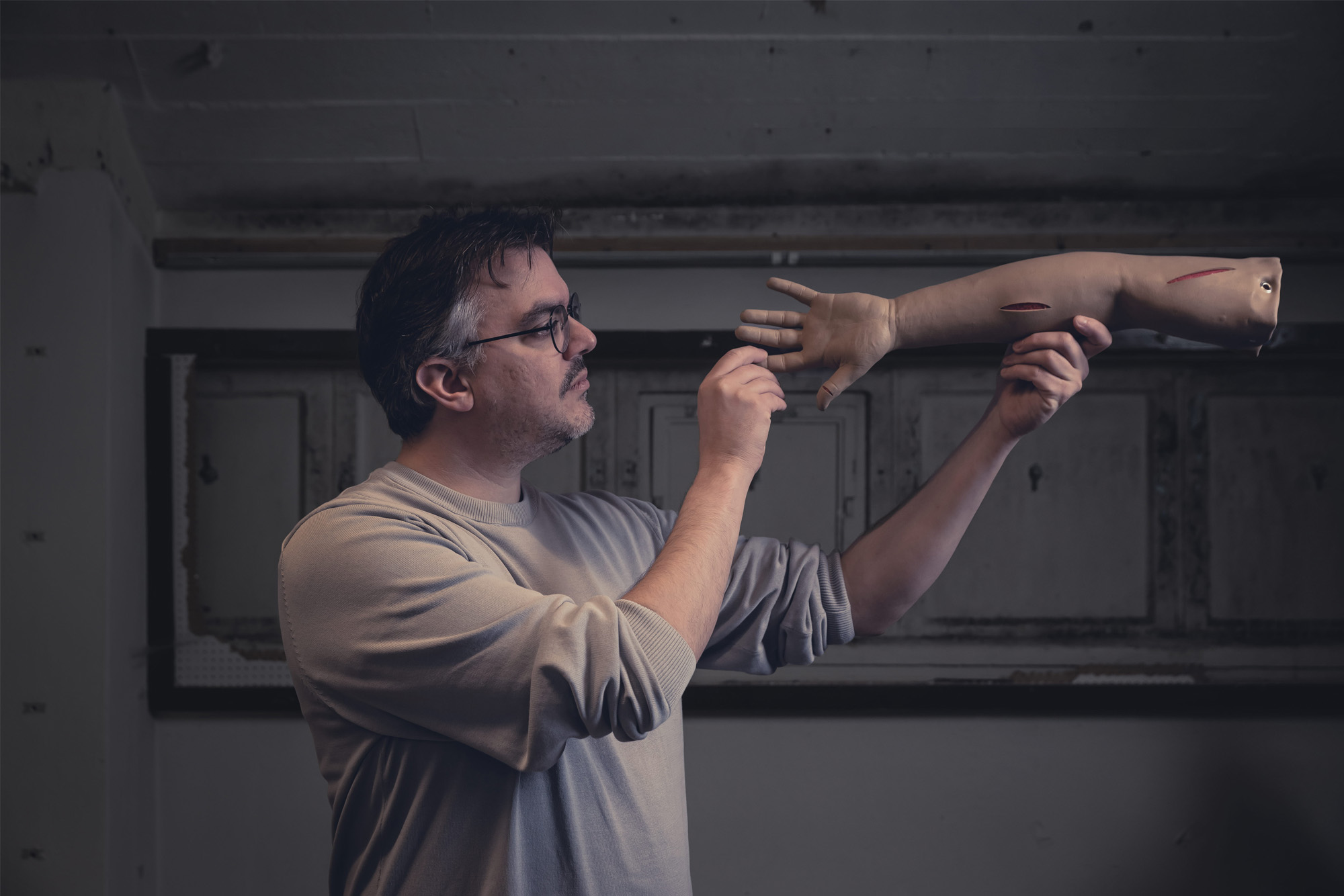
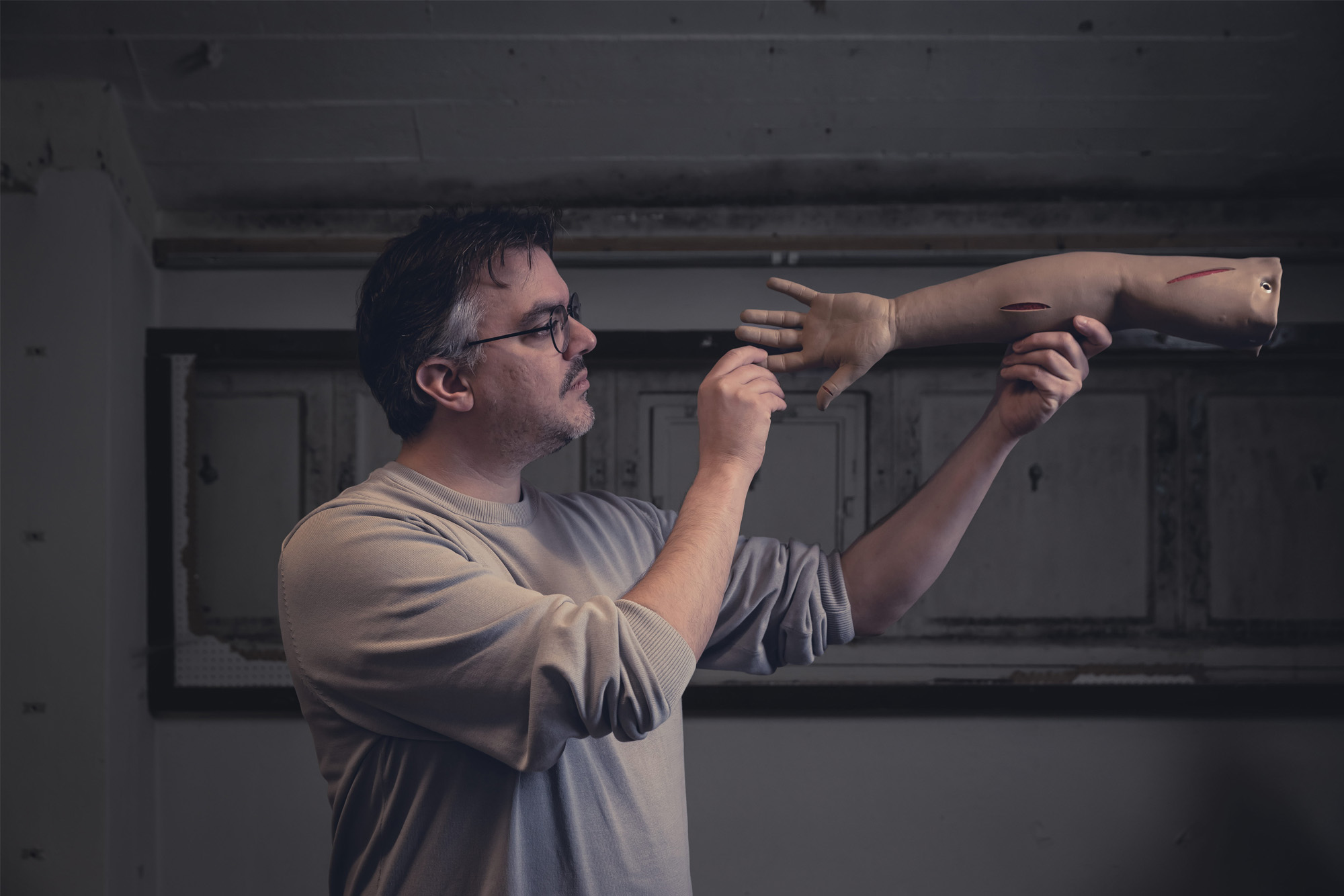
In the Skills Lab, medical students practice real-world skills, such as examining patients and conducting consultations. “One of my favourite objects in the book is an old medical dummy from the Skills Lab: a head on a stand with a small rod through the cheek, used for otoscopy training. By pulling the rod, you can simulate different inner-ear disorders.”

For Zwegers, it’s an entry point into the programme’s practical approach. “In other medical programmes, students used to spend years in lecture halls. UM wanted to do things differently. Through the Skills Lab, students came into contact with clinical practice from the outset. That’s why I like this object so much: not only as a teaching tool, but because it reflects our educational philosophy and the way the university saw itself.”

Saving stories from the scrap heap

Zwegers shows that even seemingly ordinary objects can be worth preserving. His book highlights just how many items can be regarded as academic heritage. “So think twice before you get rid of things. Check with the curator first to see whether something is worth keeping. As a society, we throw away a lot these days, which is a shame, because we also throw away the stories.”


Text: Caya Forman
Photography: Philip Driessen

Saving stories from the scrap heap