Tag
10 juli 2026

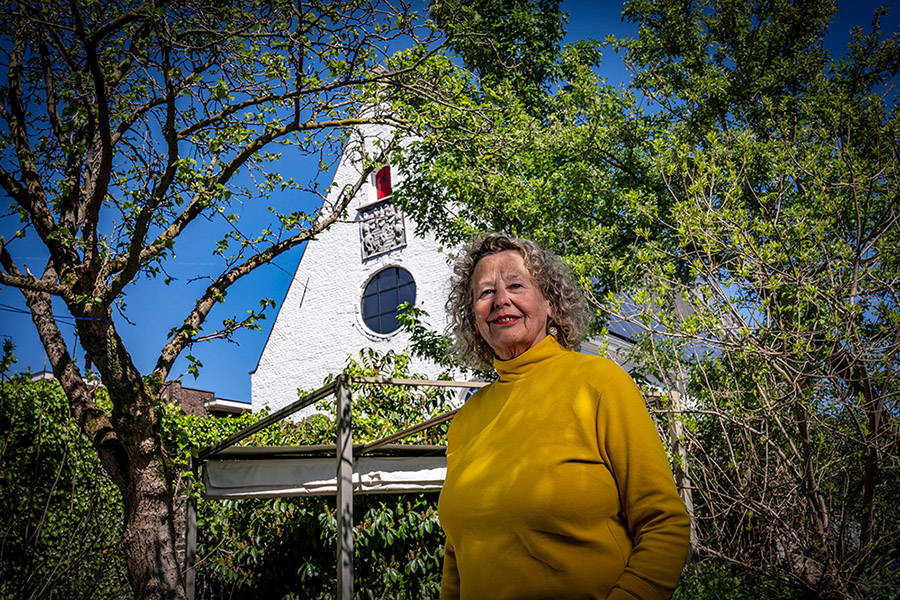
Loes Damhof:

"There is never just one future"

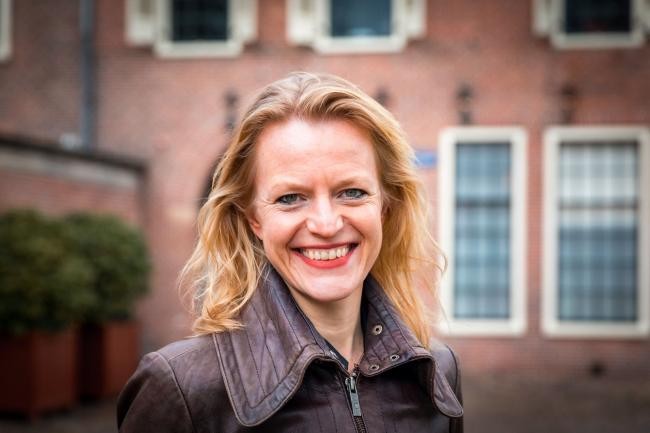
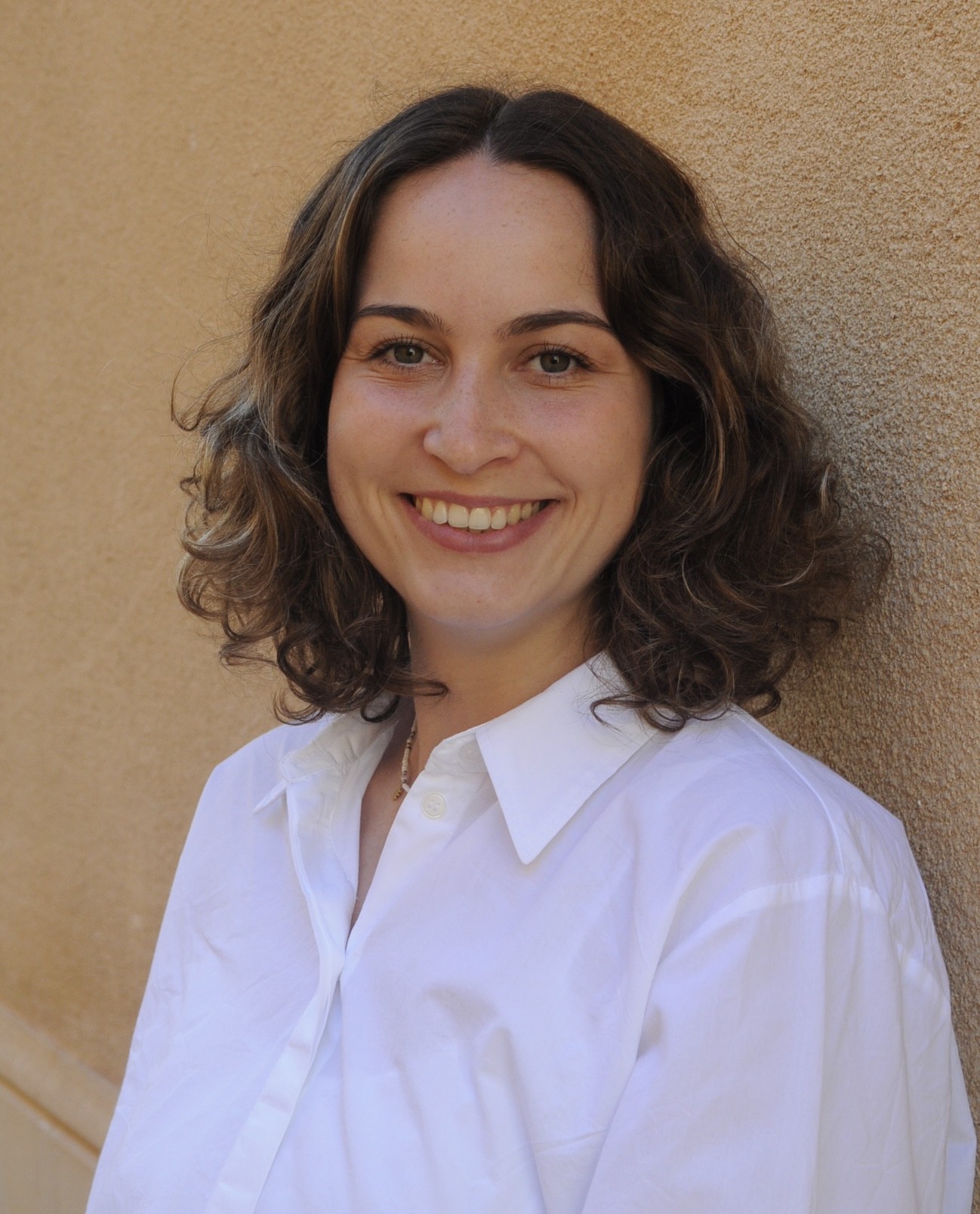
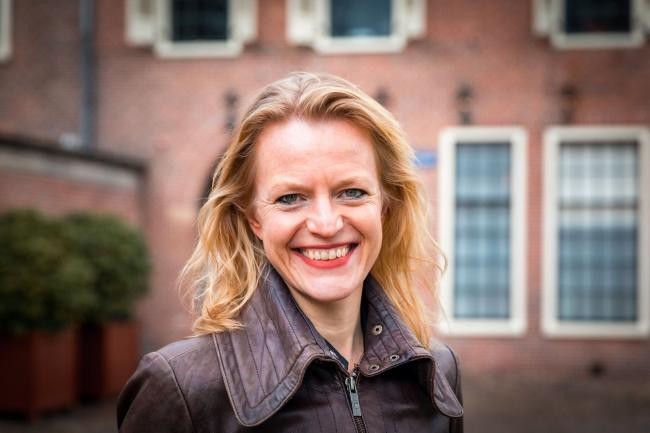
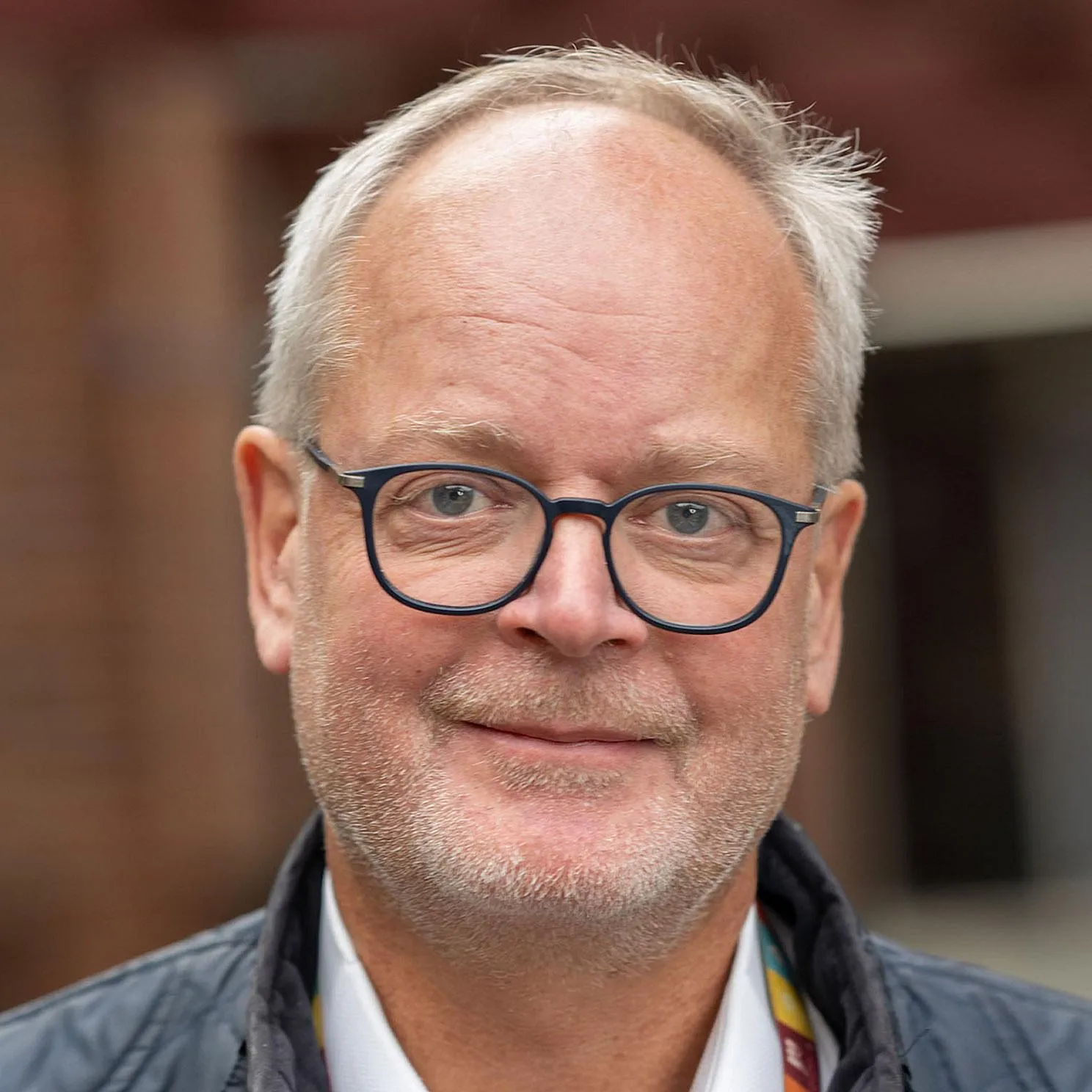
Everyone wants to know what the future holds. As a futurist and Chairholder of the UNESCO Chair in Futures Literacy, you might expect Loes Damhof to have the answer. But predicting the future is precisely what she does not do.

Instead, Damhof asks a far more interesting question: how do our ideas about the future shape the choices we make today? That question lies at the heart of FuturesLiteracy and forms the basis of her keynote address at the Opening of theAcademic Year 2026/27.

The seminar that changed her life

More than ten years ago, Loes Damhof was a lecturer in 21st Century Skills at Hanze University of Applied Sciences in Groningen. It was during an online UNESCO seminar that she first encountered Futures Literacy. Shortly afterwards, she was named Lecturer of the Year and used her Comenius grant to immerse herself fully in this emerging field.

A visit to futurist Riel Miller in Paris proved to be a turning point. "I listened to him for five hours and, to be honest, understood very little of what he was saying. But instinctively I felt: there's something here that I want to keep exploring for a very long time."

That instinct proved right. Today, Damhof is Chairholder of the UNESCO Chair in Futures Literacy, working with universities, governments and social organisations around the world to help them rethink the way they approach the future.

We are constantly thinking about the future

Many people see the future as something that is yet to come. Damhof argues that, in reality, we draw on it all day long: when choosing a study programme, planning our working week, buying a home, starting a family or deciding to live more sustainably. Behind every decision lies an idea of the future. Those ideas do not emerge on their own; they are shaped by our upbringing, the news we follow, the films we watch, the stories we hear and the experiences we have. 

"Futures Literacy helps you recognise those assumptions. Only when you become aware of the future you are imagining do you realise that there is never just one possible future."

Loes Damhof

We are constantly thinking about the future

Why relying on a single vision of the future is risky

According to Damhof, our desire for certainty is entirely human, particularly at a time when many things we once took for granted are being challenged. "During the COVID-19 pandemic, the future suddenly arrived in the present. Face masks and deserted streets were things we had only ever seen in films. Overnight, they became reality."

Since then, she has noticed that people are searching for certainty. "That's completely understandable, but it also comes with risks." Clinging to a single vision of the future narrows our perspective. "If you are convinced that artificial intelligence will take over all work, or that climate change can only lead to one outcome, you start making decisions based on that single narrative. The narrower your view of the future becomes, the more likely you are to keep making the same choices."

More than knowledge

Damhof believes Futures Literacy is becoming increasingly relevant in higher education. Today's students are growing up in a world where technological advances, geopolitical tensions and climate change are unfolding at an unprecedented pace. In her view, that requires more than expertise in a particular discipline. "Imagination, curiosity, critical thinking and the ability to hold different perspectives side by side are becoming increasingly important." However, she stresses that the responsibility does not lie with students alone.

"You cannot teach students this way of thinking if lecturers, leaders and institutions are not prepared to embrace uncertainty themselves."

Imagining your future

Ultimately, Damhof says,the goal is not to become 'future-proof' or 'future-ready'.

"It's about becoming more resilient. It's about continuing to see opportunities to make different choices, even when unexpected events occur."

That starts with one important question: whose future are we imagining? "We often adopt ideas about the future without even realising it, whether they come from policymakers, governments or Silicon Valley. In doing so, we also adopt their assumptions." That is why she believes it is so important for people to develop their own visions of the future. "If you leave thinking about the future to others, you also give away part of your own freedom."

“By placing different futures alongside one another, you discover what truly matters to you today.”

Not a single destination, but a whole horizon

During the Opening of the Academic Year, Maastricht University will look ahead to its 100th anniversary. For many organisations, such a milestone represents a fixed point on the horizon. Damhof prefers to think in terms of an entire horizon. "Don't settle for a single vision of the future. Explore as many different futures as you can. By placing different futures alongside one another, you discover what truly matters to you today. That creates both space and peace of mind."
That is also the message she hopes to leave her audience with in her keynote: not an answer to what the university will look like in fifty years' time, but a different way of looking at the future.

And if we look back from 2076 at the past fifty years? "I hope we will be able to say that we didn't allow ourselves to be paralysed by fear, but continued to adapt with resilience and hope."
Would you like to attend Loes Damhof's keynote?

Please register for the Opening of the Academic Year 2026/27 by 14 July using the personal invitation sent to your UM email address. If you are unable to attend in person, you can also watch the ceremony via the livestream.

Text: Bo Ummels