Tag
26 October 2026

Plastic Recycling Heroes:

little heroes, big impact

Join UM50

As part of the anniversary celebrations, festive events will be taking place throughout the year for students, staff, alumni and residents of the city and region. The two editions of Living Library are part of this programme.

“Children are very important in changing the way we deal with plastic.”

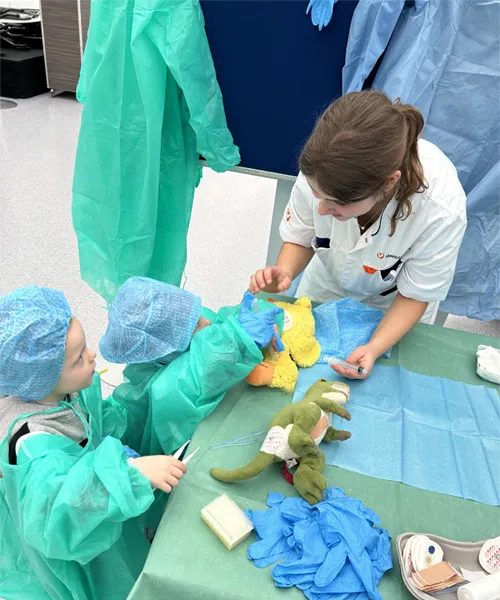
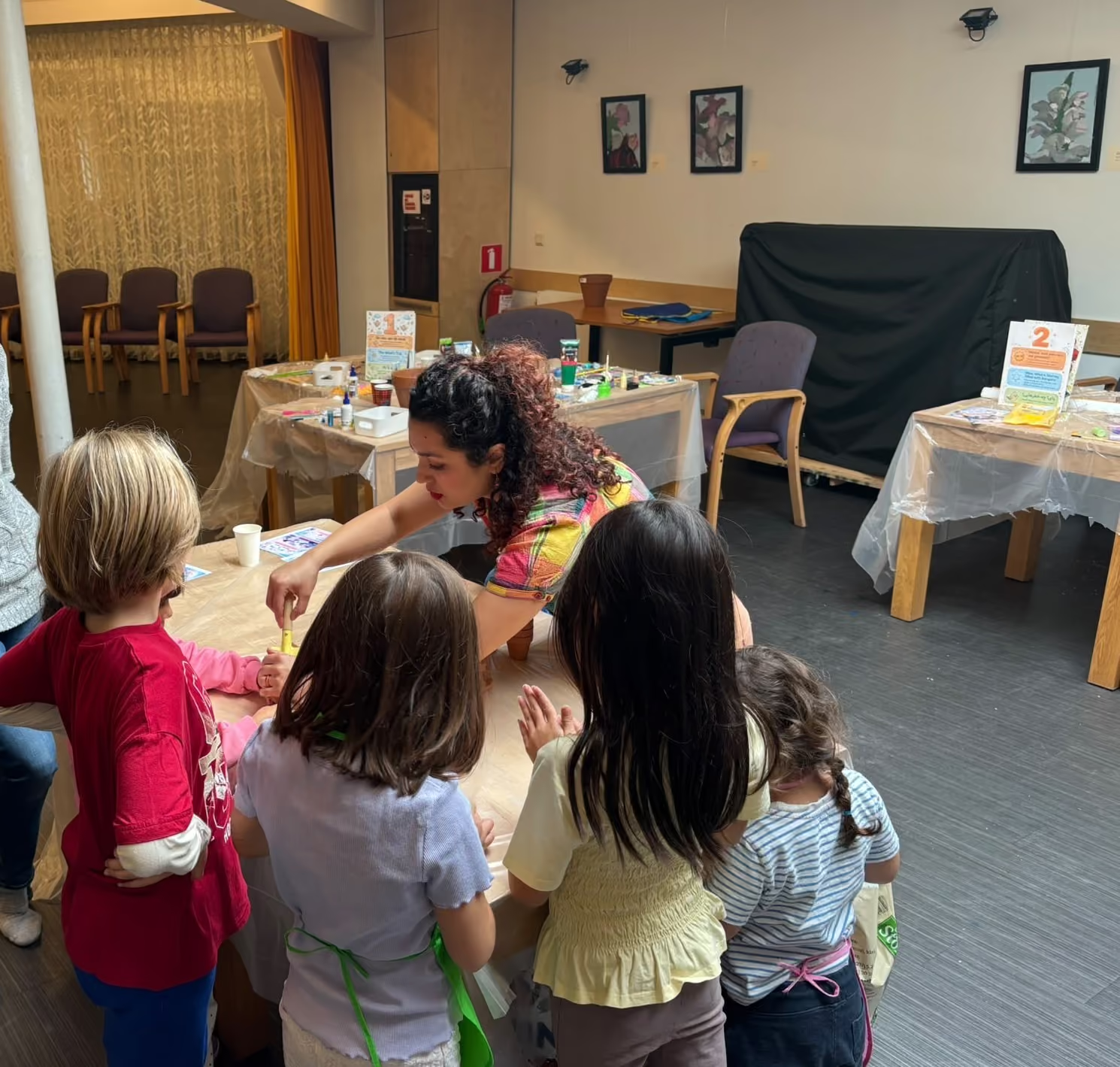
During the ‘Plastic Recycling Heroes’ workshop, children are introduced to the wonderful world of recycling. On 5 and 7 November, they’ll learn in a fun and creative way how to recognise and recycle different types of plastic.

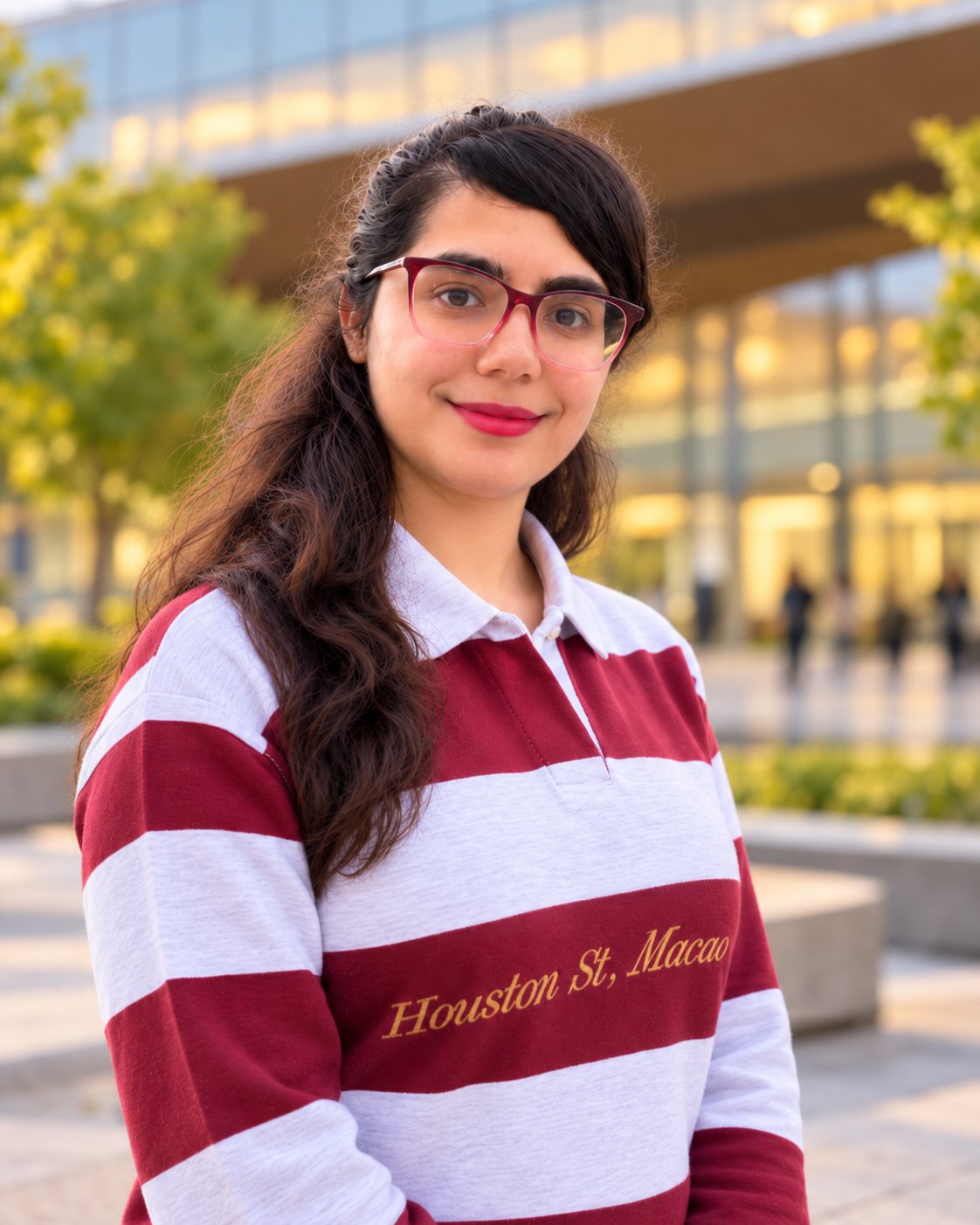
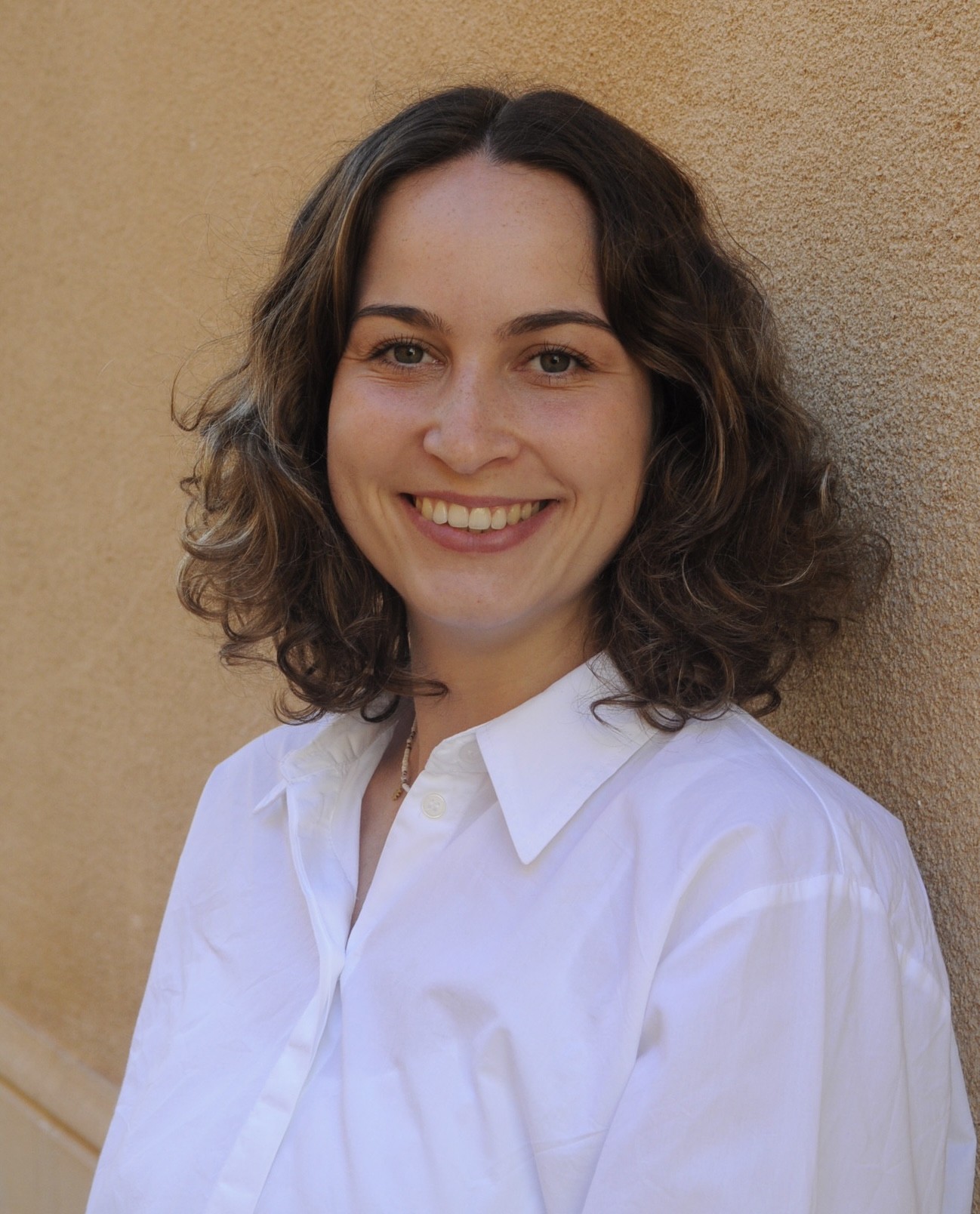
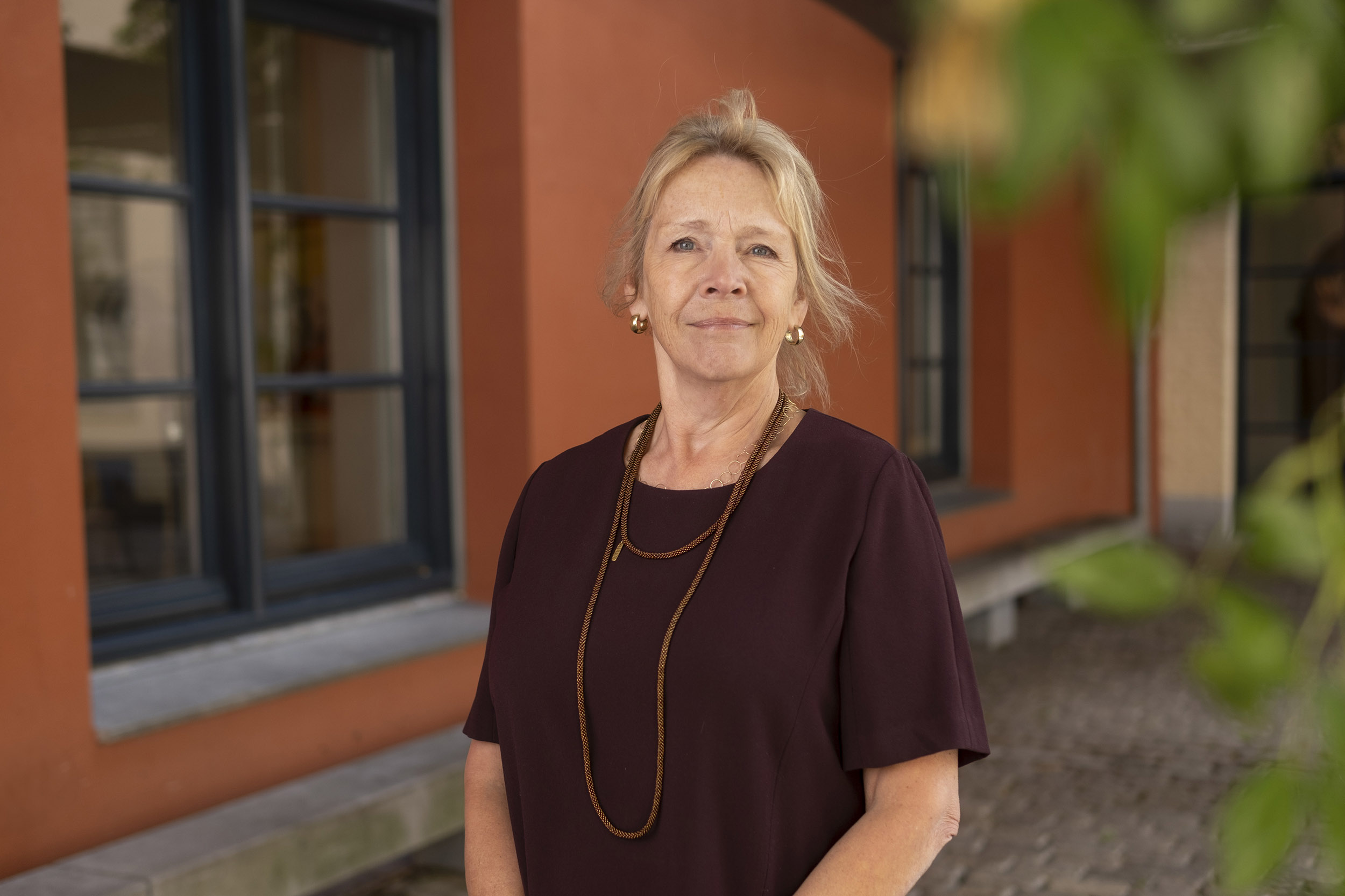
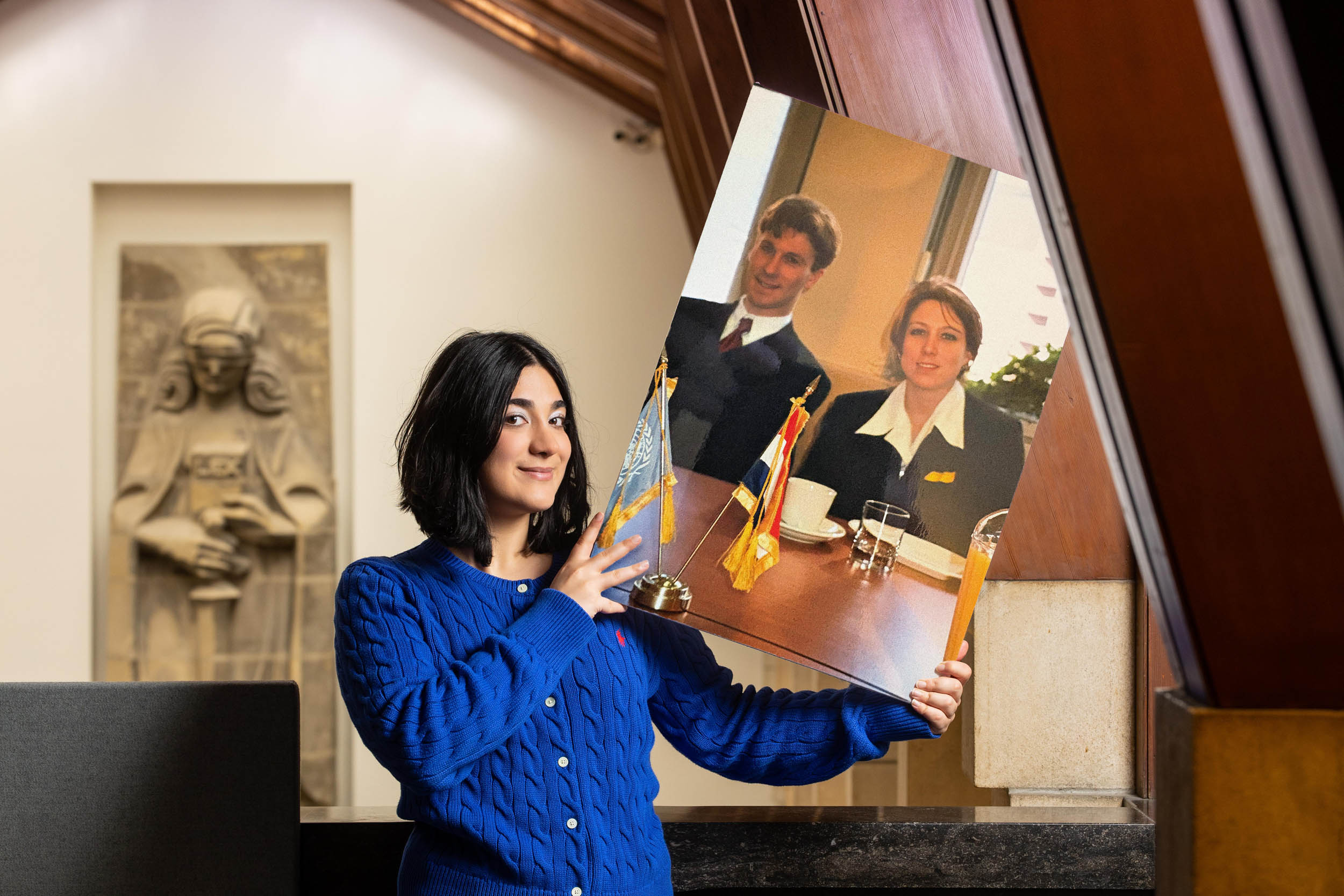
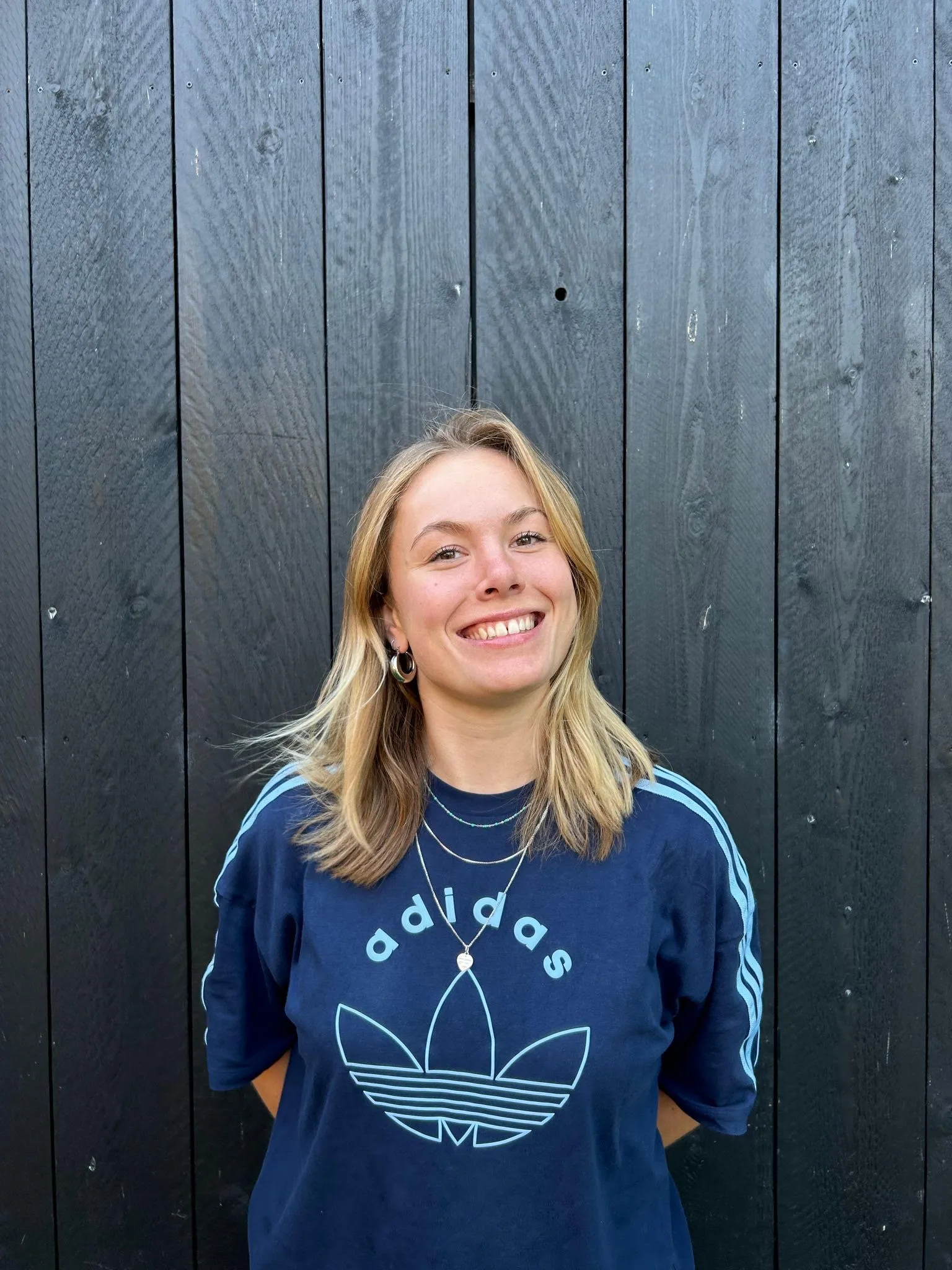
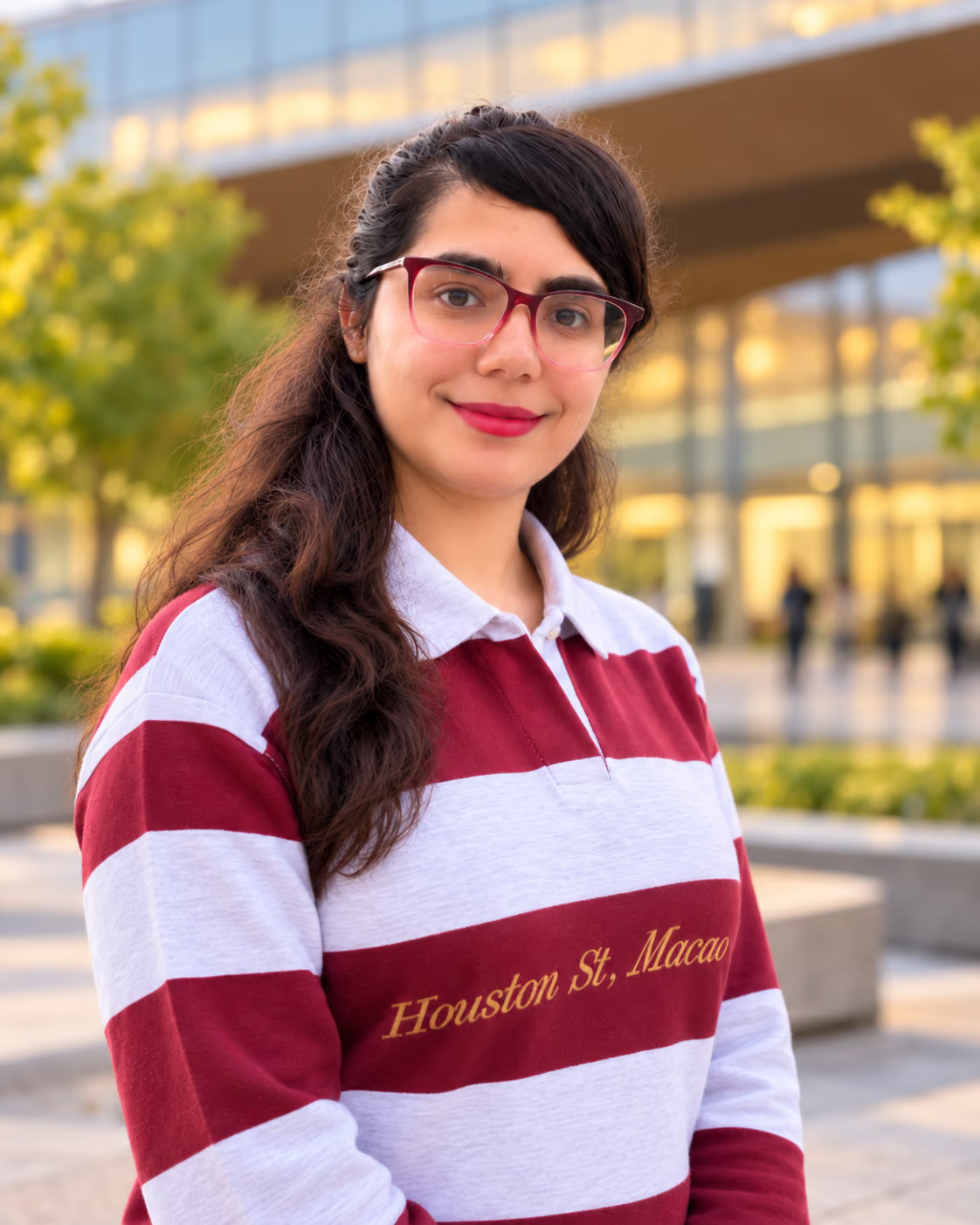
Maliheh Razavi, a researcher at Maastricht University (UM), is the initiator of this project. She developed Plastic Recycling Heroes specifically for children aged between five and ten. The workshops for children aged five to seven will take place on 5 November, whilst the workshop for children aged eight to ten will take place on 7 November.

“The workshops is very interactive”, Maliheh explains. Among other things, she devised various games that they play during the workshop. For example, they learn in a playful manner which types of plastic they encounter at home and which ones they can recycle. “Afterwards, they get to throw the plastic in the correct bin themselves.”

Bio
Project update

Maliheh Razavi

Maliheh Razavi is a postdoctoral researcher at Maastricht University. Razavi is working to find innovative ways to recycle and reuse plastic. She is doing this alongside other scientists in the Circular Plastics research group, which forms part of the Faculty of Science and Engineering.

Read more below

Exciting stories

Maliheh wants to make science fun and accessible for as many people as possible. That’s why she put a lot of thought into how she can get children excited about a topic like recycling. After all, how do you make something that might sound boring actually interesting?

The games help with this, but they’ll also make their own new objects from recycled plastic. In addition, storytelling is an important part of the workshop. The children watch engaging videos and listen to a real-life storyteller.

“I work with a woman who has a lot of experience telling stories to children”, says Maliheh. “The message, of course, is that it’s important to recycle plastic. She turns that into an exciting story, with animals in the leading roles, for example.”

“At the moment, only 10 per cent of all plastic is recycled.”

Children are the key

Maliheh’s primary aim is to get children excited about plastic recycling. At the same time, the workshops bring UM’s sustainability research closer to families and people in the region.

“I believe that children are very important in changing the way we deal with plastic”, says Maliheh. “They pay close attention to detail and can have a significant influence on the rest of the family. For example, when I’m in the car with my nine-year-old son, he always tells me when I’m driving faster than the speed limit – even if it’s only by 1 or 2 kilometres.”

Pieces of plastic in your body

For the sake of our future, more people need to realise how important plastic recycling is. “Plastic is still one of the biggest polluters of our planet”, she says. “At the moment, only 10 per cent of all plastic is recycled, whilst we are producing more and more plastic.”

In addition, more and more tiny pieces of plastic are ending up in our bodies. “Microplastics enter our food and drink via the environment”, she explains. “If we were to recycle more plastic, that would help to reduce this problem.”
Pieces of plastic in your body

Making a difference at home

In the workshops, children learn, amongst other things, how to sort PMD correctly. According to Maliheh, this is an important step. After all, sorting at home is far from always done properly. Yet that is precisely when it is still easy to keep PMD separate from other waste.

Maliheh has visited many sorting and recycling companies. “Once waste arrives at one of these companies, it becomes much more difficult”, she explains. “It then takes more steps and time to sort the plastic properly. Sometimes it’s not even possible any more.”
If plastic arrives properly sorted, it is much easier to process. “The quality of the recycled plastic improves too. At home, we can really make a big difference.”
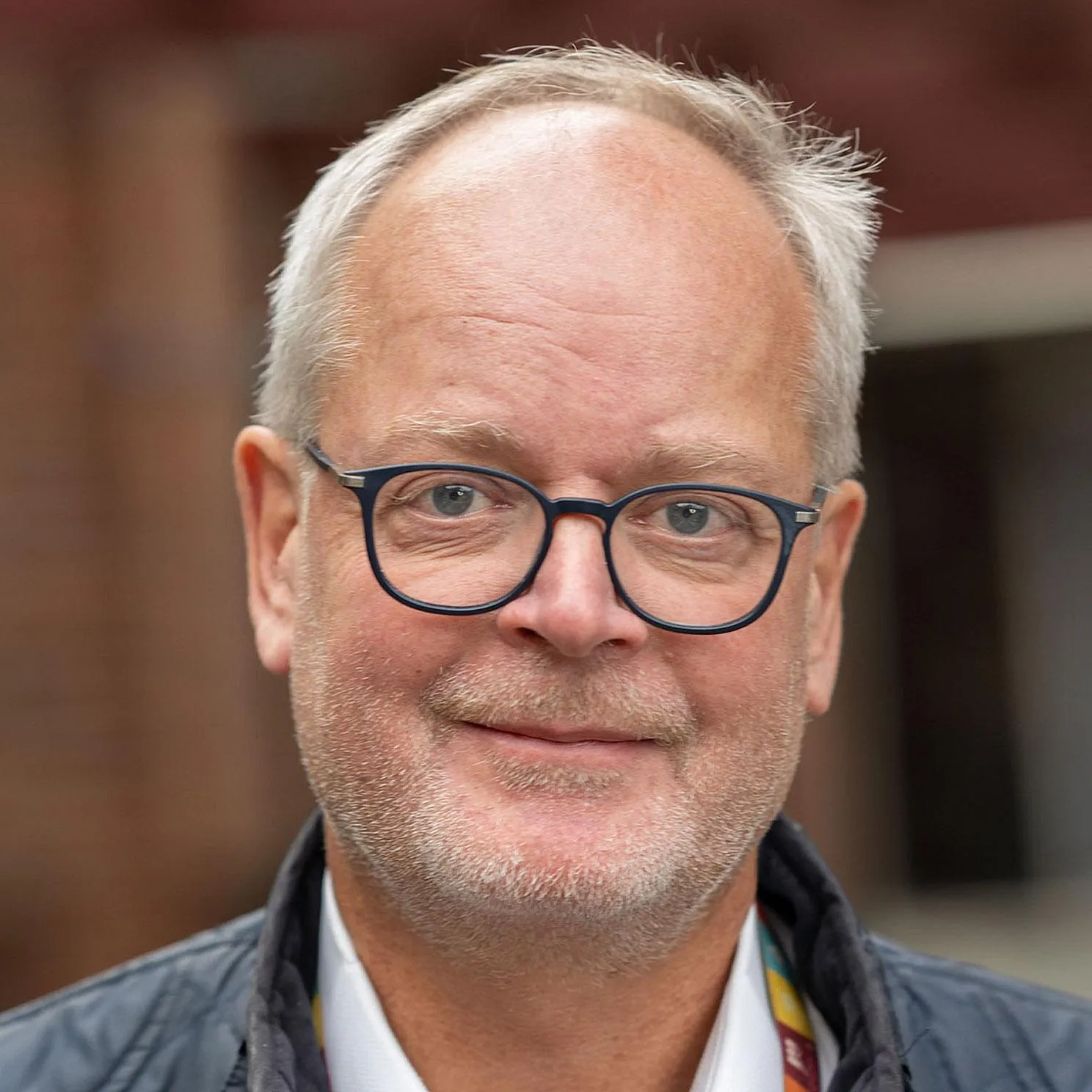

Text: Caya Forman

Join


Plastic Recycling Heroes

Throwing away an empty plastic bottle? That’s where a new adventure begins! During Plastic Recycling Heroes children discover how used plastic can become valuable once again. In two free, interactive workshops, young researchers get hands-on with the science behind recycling.