Tag
22 January 2026

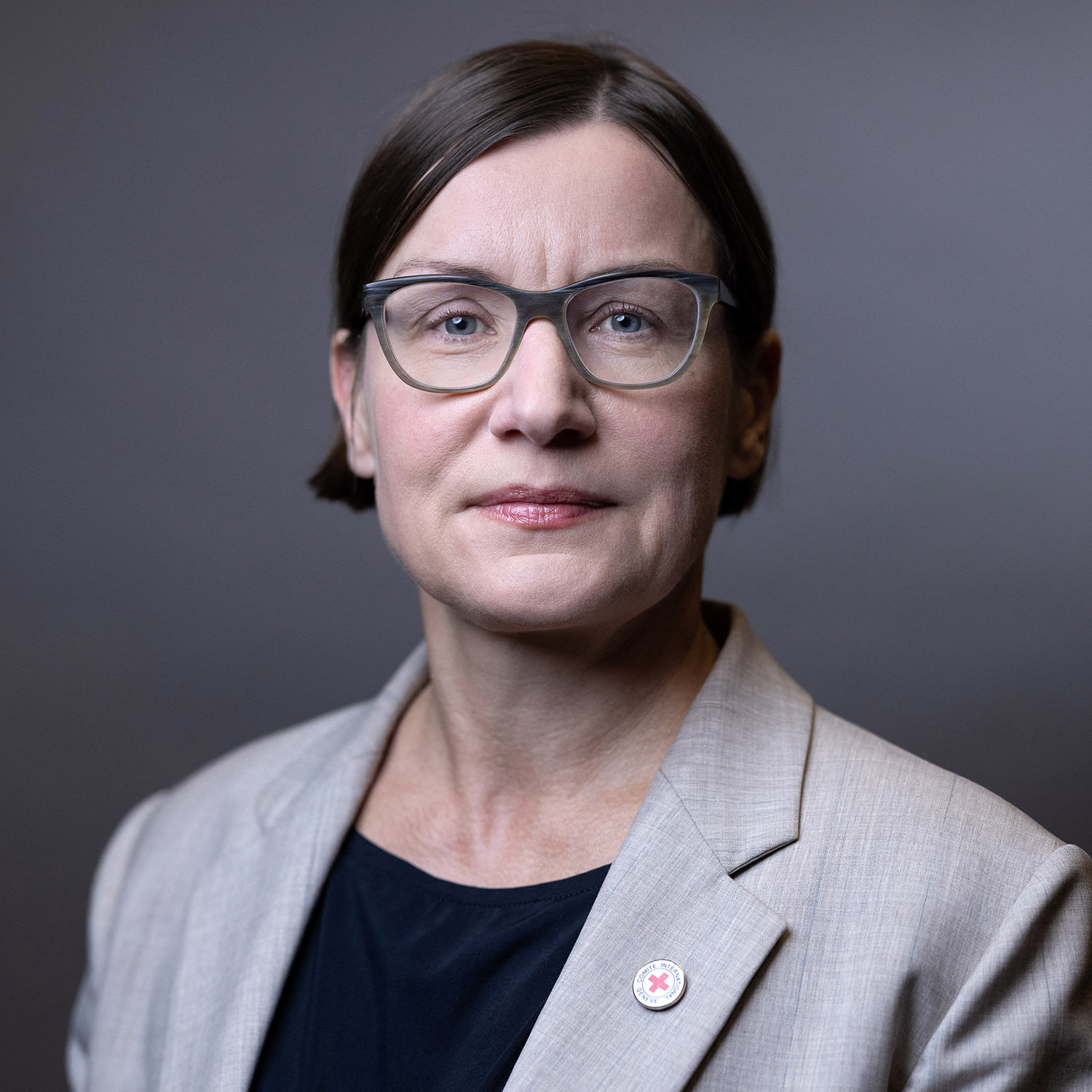
Mirjana Spoljaric Egger:

“Every human life is a human life and deserves equal protection”

On Maastricht University’s 50th anniversary, celebrated during the Dies Natalis on 23 January 2026, no fewer than three honorary doctorates will be awarded. Mirjana Spoljaric Egger is one of the proud recipients. She is president of the International Committee of the Red Cross, which provides humanitarian aid in conflict and disaster areas. Egger is deeply committed to the organisation, which—especially in times of war—is more important than ever. How does she remain hopeful in the face of so much suffering? And what does she want to pass on, based on the stories she hears daily from war zones?

War upon war

In recent years the number of armed conflicts has been on the rise. Egger, appointed president of the ICRC just over three years ago, watches this with sorrow. “According to our data, there are currently about 130 armed conflicts around the world, twice as many as 15 years ago. At the same time, states are increasingly investing in defence but cutting back on humanitarian aid. Aid workers are being targeted and killed in record numbers as they carry out their lifesaving work. These trends pose enormous challenges for our organisation to provide protection and assistance for victims of armed conflict.”

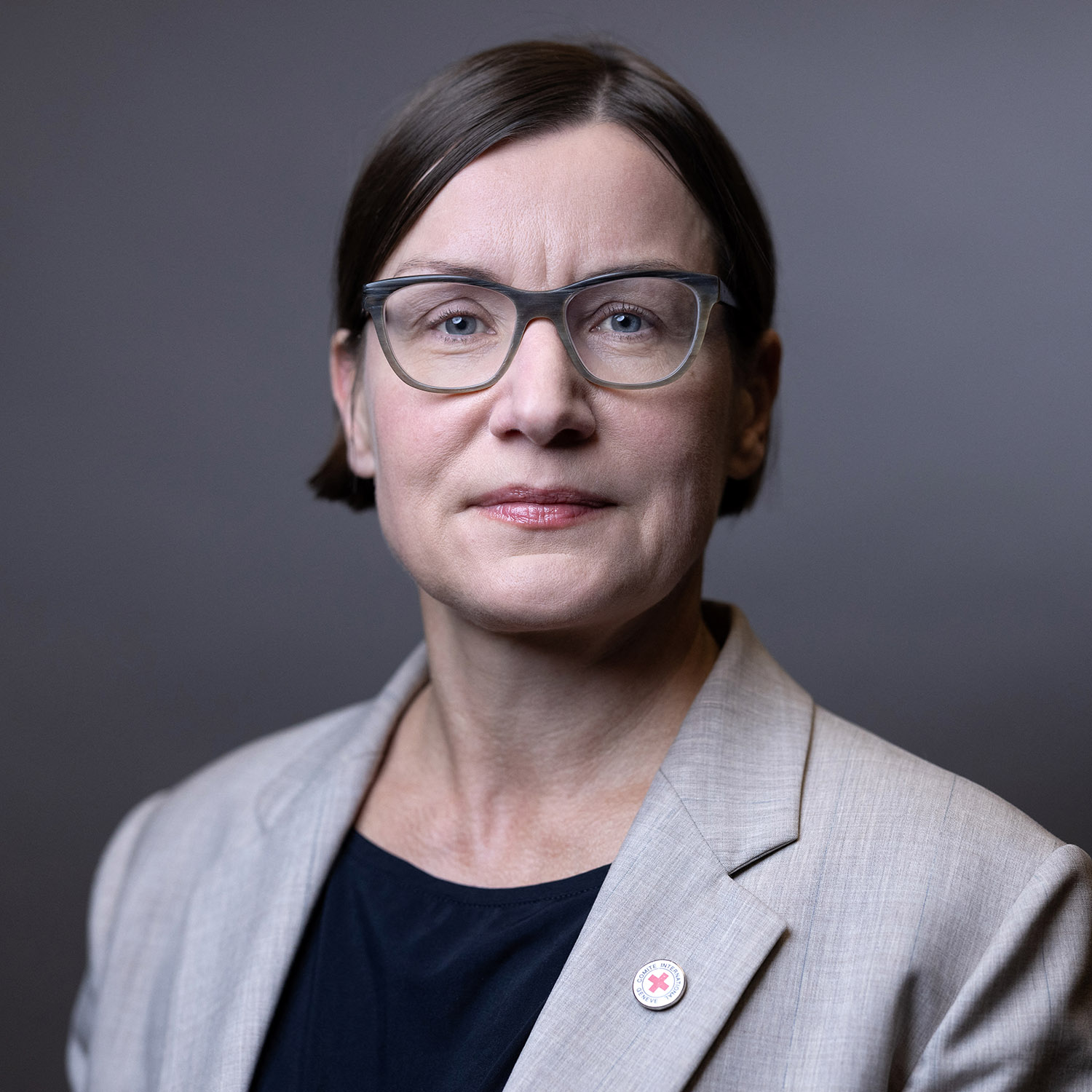
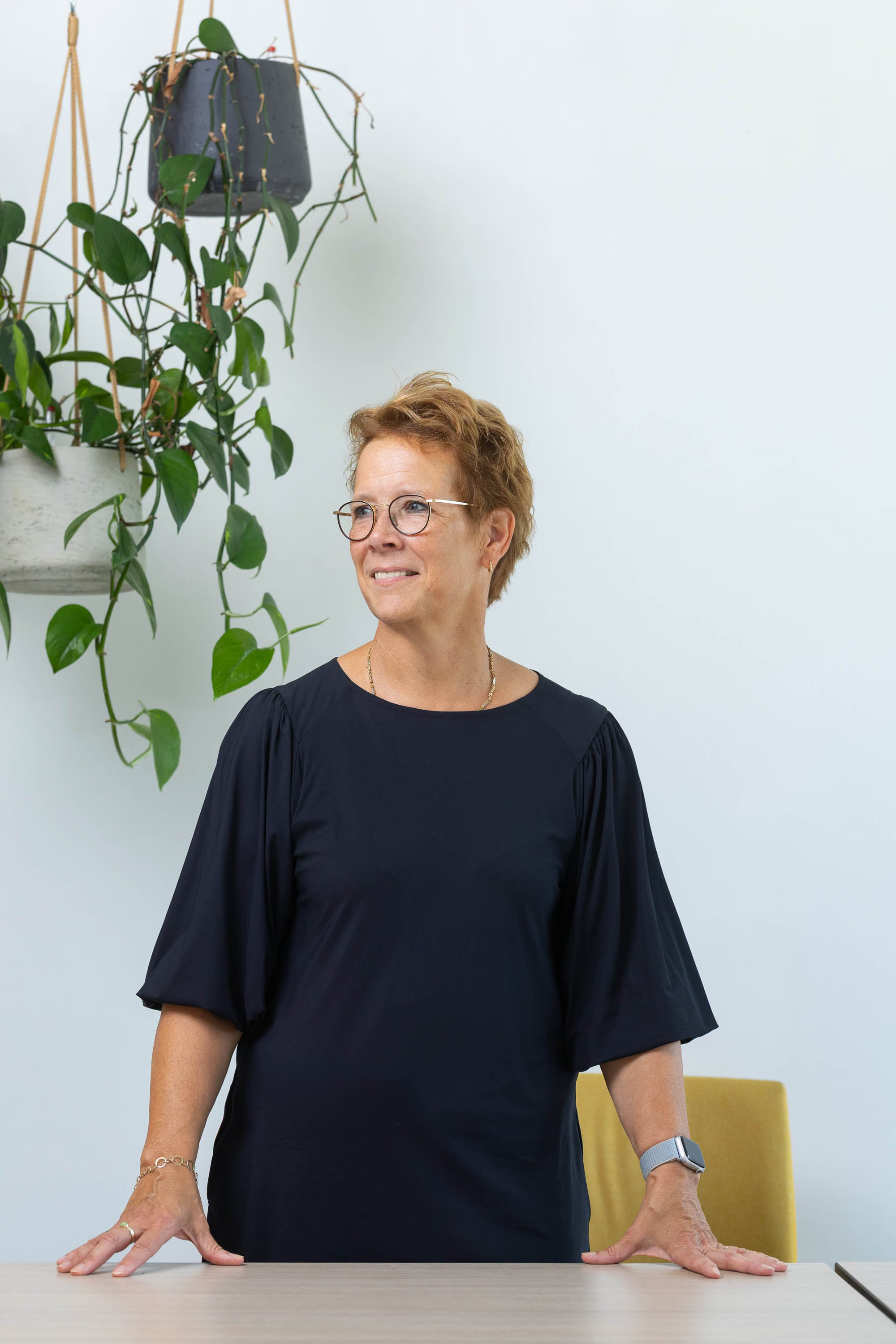
Mirjana Spoljaric Egger is a Swiss-Croatian diplomat. In October 2022, she was appointed as the president of the International Committee of the Red Cross, an organisation that provides aid in conflict and disaster areas worldwide. She previously held various leadership roles in international organisations, including as Assistant Secretary-General at the United Nations. On 23 January 2026, Egger will receive an honorary doctorate from UM in recognition of her commitment to the ICRC.

160 years of humanitarian aid

The ICRC was founded in 1863 with the aim of protecting humanity at all times. “That goal hasn’t changed,” Egger says. “Even when pressured by states, we remain neutral and true to our principles. That’s the only way we can reach people who need our help.” Given the number of conflicts worldwide, the organisation is increasingly forced to make painful choices. “We have to prioritise areas where we can have the greatest impact.”

While the ICRC is best known for providing life-saving aid on the front lines, it also fulfils other crucial roles. “We also act as a neutral intermediary between warring sides in the release of prisoners or the return of human remains. And we advocate for the rules of war to be made a political priority.”

In September 2024, the ICRC and several cooperating countries launched a global initiative to restore respect for international humanitarian law. “Those rules are the foundational pillars of global peace and stability. But they’re only as strong as the weight that world leaders put behind them, and they can’t be taken for granted. So far about 100 states, including the Netherlands, have officially joined the initiative. I hope this will be a watershed moment for states to uphold humanity even in wartime.”

“Thanks to our work, families have been reunited or able to grieve their loved ones with dignity.”

Staying neutral…

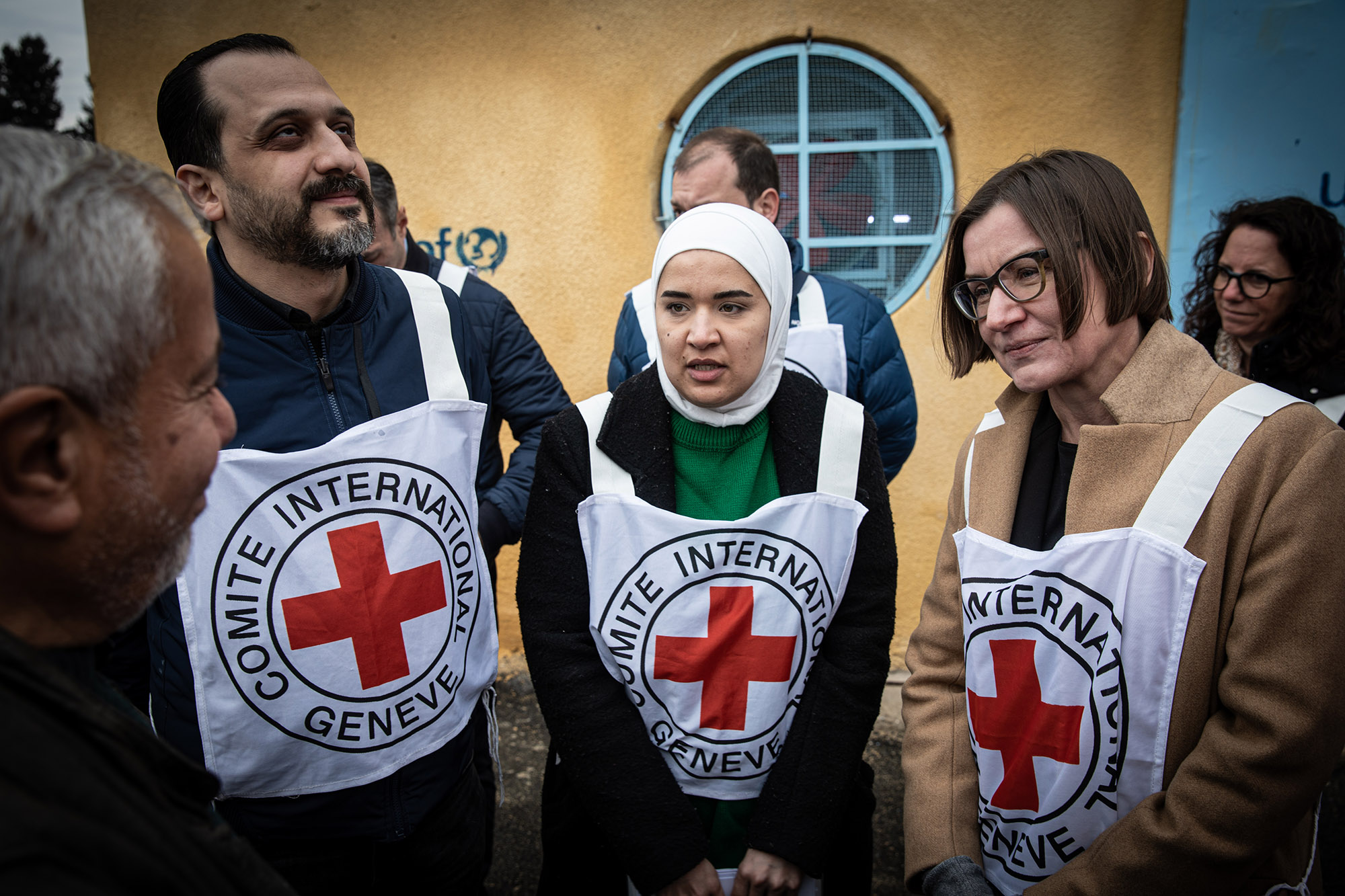
The ICRC adheres to strict neutrality, a principle that is regularly criticised. “If we picked sides, we wouldn’t be able to speak with warring parties about their obligations under the rules of war and access those who need help on all sides of the frontline,” Egger explains.

It is precisely this neutrality that allows the ICRC to act as an independent intermediary. “A recent example was in Gaza, where the ICRC was asked by Hamas and Israel to facilitate the safe release and return of hostages and detainees and the return of human remains as part of the ceasefire agreement. Thanks to the persistence of our teams in carrying out this work—often under intense pressure and scrutiny—families have been reunited or able to grieve their loved ones with dignity.”

…and staying hopeful

How does Egger remain hopeful at a time when headlines suggest the world is on fire? “I choose to believe that human nature is inherently good,” she says. “Ultimately, as human beings, we all want to be part of a greater good, and this is what keeps us striving for the better even in the darkest moments. Reuniting even one person with their family makes the effort meaningful.”

As president of the ICRC, Egger sees humanity at its worst. Yet she also sees how compassion can arise, even in the midst of a horrific war. “The law of armed conflict is violated every day, but also respected every day,” she says. “Just recently, on New Year’s Eve, we were asked to act as a neutral humanitarian observer in the release and repatriation of 18 prisoners of war from Thailand to Cambodia. This meant families could start a new year together again, and communities on both sides of the border could have a renewed sense of hope.”

She draws strength from her colleagues. “They’re extremely brave and committed. They often leave behind their families and home lives to help others in very dangerous and volatile environments. I have deep respect for what our teams endure and accomplish on a daily basis.” It also motivates her to see how much suffering could have been prevented if the rules of war had been respected. “This is why those rules need defending, which is what the ICRC was created for.”

“We now scroll past stories the world used to be shocked by.”
Honorary doctorate

On 23 January, Egger will receive an honorary doctorate for her work with the ICRC. She is keen to dedicate it to the organisation as a whole. “It’s recognition for the tireless and brave work of my colleagues who work on the front lines to save lives and defend the rules of war every day, and for all those who came before us to create and nurture the ICRC’s mission.”
The theme of UM’s 50th anniversary is ‘connection,’ which closely aligns with the ICRC’s values. “Our foundational principle is humanity,” Egger says. “A human life is a human life and deserves equal protection. If we allow for double standards to take root, or allow others to be dehumanised, we abandon the principle that we are all human and equally deserving of safety and protection.”

Scrolling past cruelty

If there’s one message Egger wants to pass on, it is not to become desensitised. “There was a time when the world was shocked by bodies broken by bombs, by starving children, by accounts of torture and abuse. Now we scroll past them. I think everyone has a role to play in demanding that even in war, there are red lines that cannot be crossed. We must not become numb to that fact.”

Tekst: Romy Veul
Fotografie: ICRC