Michaël Van Damme puts psychology into practice:
“Many management books aren’t based on evidence”
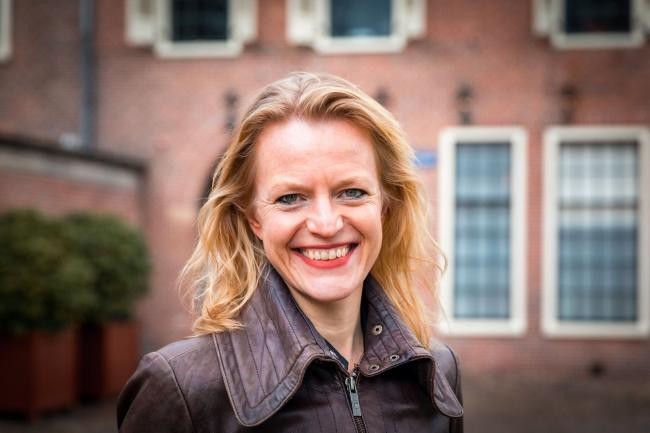
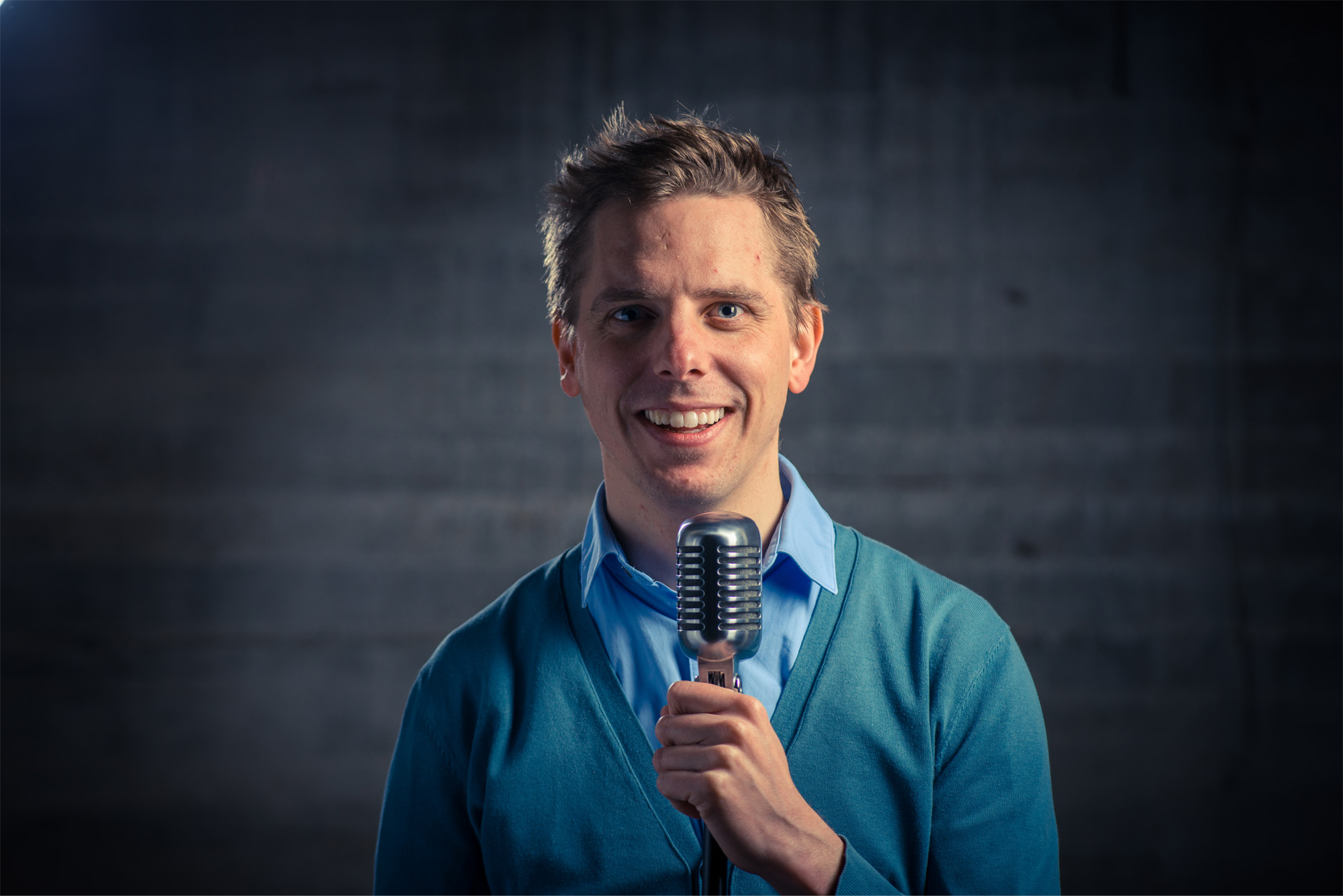
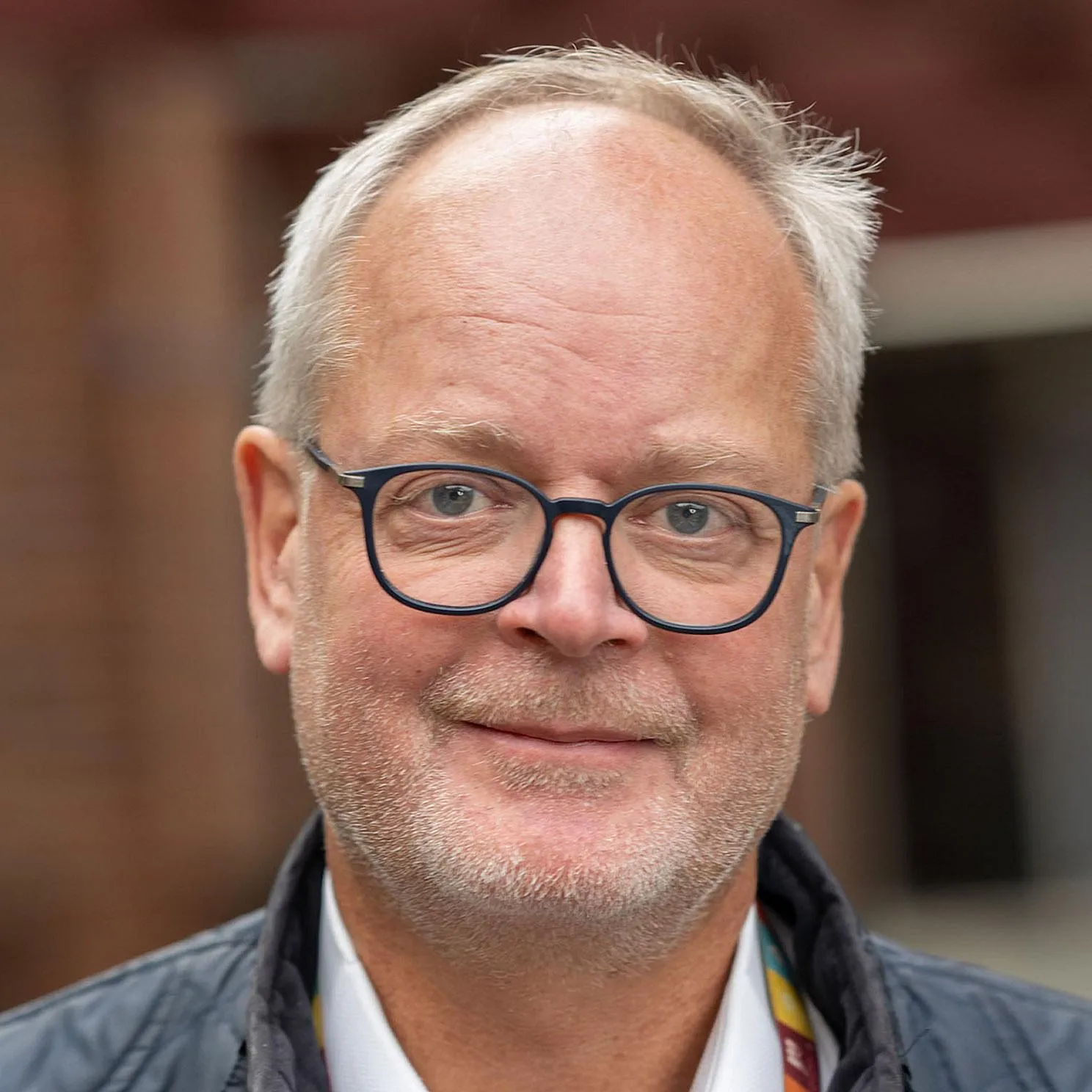
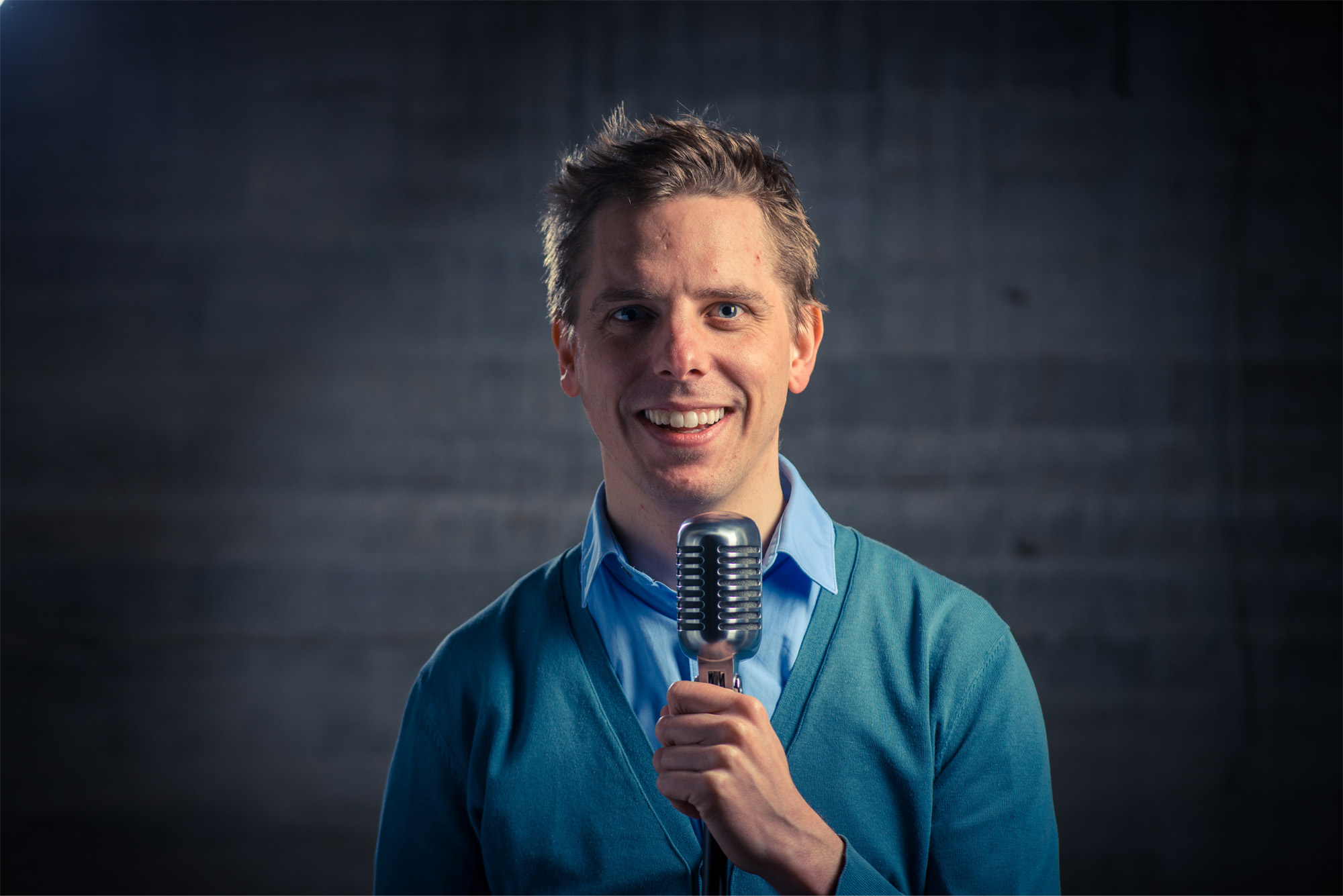
Michaël Van Damme used to spend several nights a week on stage as a stand-up comedian. Now he stands before groups of professionals – not to tell jokes, but to run practical sessions on collaboration, brainstorming and innovation. His mission is to put academic knowledge to work in the real world, ideally with a bit of humour. “Because there’s an incredible amount of research sitting on the shelf that could really help organisations,” he stresses.
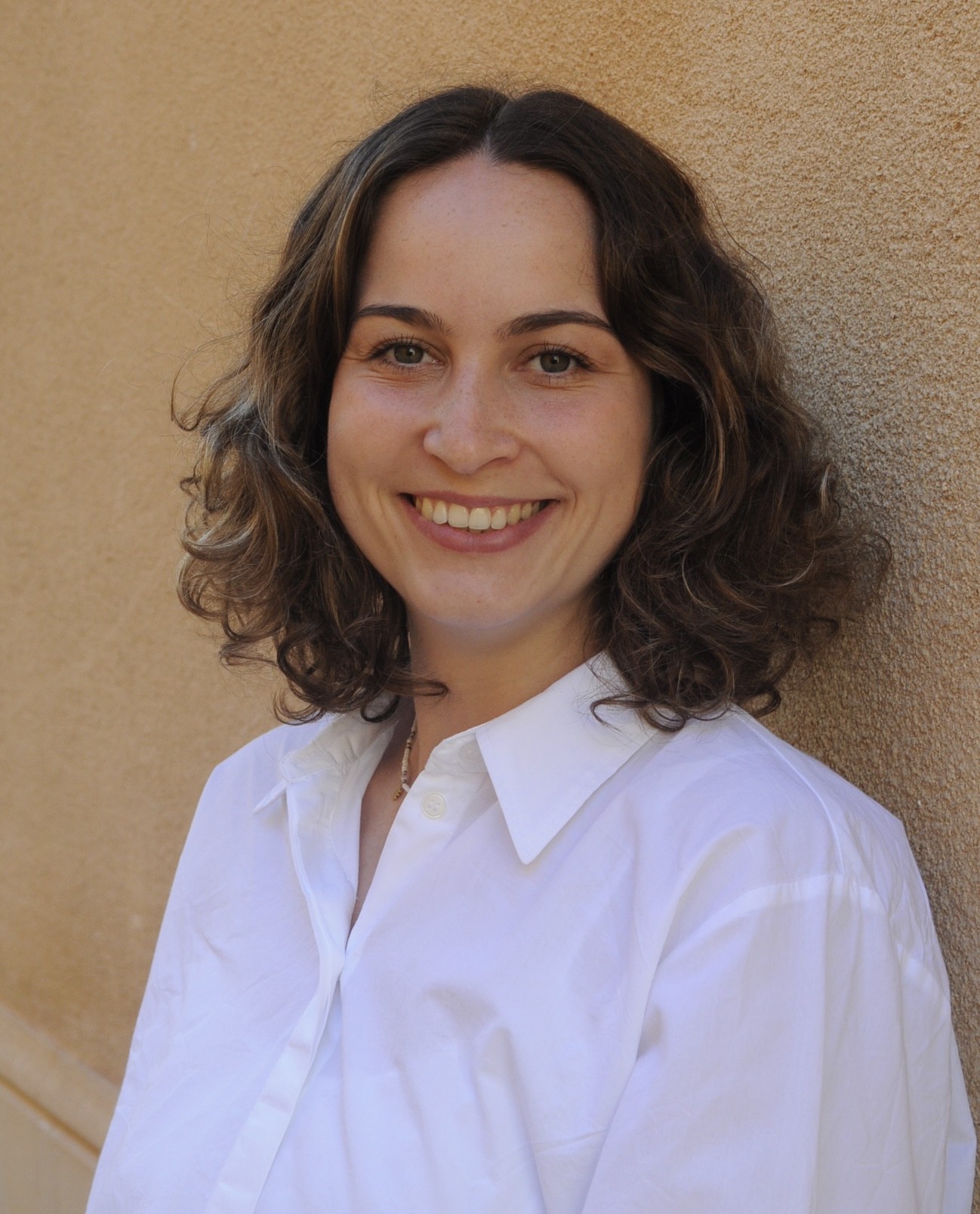
Michaël Van Damme
Michaël Van Damme holds a bachelor’s in Psychology and a master’s in Experimental Psychology from the Faculty of Psychology and Neuroscience at Maastricht University. Having performed as a stand-up comedian for years, he now describes himself as a behavioural scientist and entrepreneur focused on consultancy and coaching for companies. From 2014 to 2025 he ran his own company, The Forge, with the mission of helping professionals apply research-based insights. The Forge was acquired by the Unicorn Group, a consultancy, where Van Damme now works as an expert partner.
Michaël Van Damme
From comedian to lecture hall
In his early 20s, Van Damme worked hard as a stand-up comedian. He even hoped to make a full-time career out of it, or at least to do something creative. But on his parents’ advice, he went to university. “They said: get a degree first. Then you can do what you want,” he says, laughing.
He opted for psychology at Maastricht University. “My sister was already studying here and thought Problem-Based Learning would suit me,” he recalls. At first he was interested in becoming a therapist, but his ambitions shifted. Meanwhile, his sister turned out to have been right. “I don’t think I would’ve got very far in Belgium. In Maastricht, the focus is on the student rather than the teacher. It wasn’t about reproducing details, but about reasoning. That’s a much better fit for me, and it still comes in handy in my work.”
Less than exemplary student
Van Damme never expected to end up working on a daily basis with scientific research. “I definitely wasn’t an exemplary student,” he laughs. “My grades were fine, but I didn’t always have everything under control.” His master’s thesis nearly went off the rails because he forgot to follow up with a professor about possible topics. “I put it off for so long that I was too embarrassed to get back in touch. In the meantime, the professor had – quite rightly – given my topic to someone else.”
Ironically, that misstep ended up helping him. Another professor gave him free rein to come up with a topic himself, and he decided to do experimental research on ways to increase happiness at work. “That’s when my studies really came alive,” he enthuses. It’s where his interest in collaboration and innovation began, as well as his drive to translate academic insight into practice.
Juggling work and research
After graduating, Van Damme landed his first job at the Centre for the Development of Creative Thinking, an organisation that helps companies think more creatively and get more out of brainstorms. He quickly noticed that much of their advice wasn’t backed by science. “I’d often look things up in my UM literature so I could properly substantiate what we were recommending.”
Seeing the value in his approach, the organisation asked him to do a PhD. “So for four years I combined my job with a PhD at Ghent University,” he says. His research focused on how groups generate creative, innovative ideas. “One interesting finding is that mild competition between ideas works better than striving for consensus. Choosing the best idea by majority vote turns out to be the worst way to select ideas.”
Building bridges
With one foot in academia and the other in business, Van Damme saw how wide the gap between those worlds can be. “I thought it was a shame when practical know-how and valuable scientific knowledge didn’t meet. I’m a big advocate of valorisation: making scientific knowledge usable and accessible for the economy and society.”
He founded The Forge to help bridge the divide. Through this company, he taught organisations how to collaborate better and generate stronger ideas using evidence-based methods. “Researchers do fantastic work, but they’re rarely concerned with what happens to their findings afterwards. At the same time, a lot of management books rely on opinions rather than evidence. I wanted to close that gap by translating academic insights for practitioners who aren’t always eager for theory.”
Personality tests
One topic Van Damme enjoys speaking out about is personality tests. The comedian and TV presenter Arjen Lubach recently devoted an episode to them, which Van Damme fully endorses. “Many organisations use models like DISC, where you label employees as red, yellow, blue or green, or the Myers-Briggs Type Indicator, with its 16 personality types. These models are popular, but scientifically flawed.”
The problem, he says, is that people can’t be squeezed into simplified boxes. “In academia, we really use one main personality model: the Big Five, also known as OCEAN. It works with dimensions, like a scale from closed-minded to open-minded. It’s been validated worldwide, but it’s barely known outside academia.” In his view, that needs to change. “Most people fall somewhere in the middle on these scales, whereas the models make it seem like you’re either one thing or the other. That’s not how people work.”
Van Damme compares it to horoscopes. “You’ll always recognise something, even if the content is unreliable. Real psychology is messy; it doesn’t fit into neat little boxes.” And that’s exactly the kind of insight he likes to bring into practice. “It’d be a shame to leave the thousands of ideas about these kinds of models to languish in academia.”
Text: Romy Veul
Photo: Michaël Van Damme