Problem-Based Learning:
at the heart of Maastricht University for 50 years
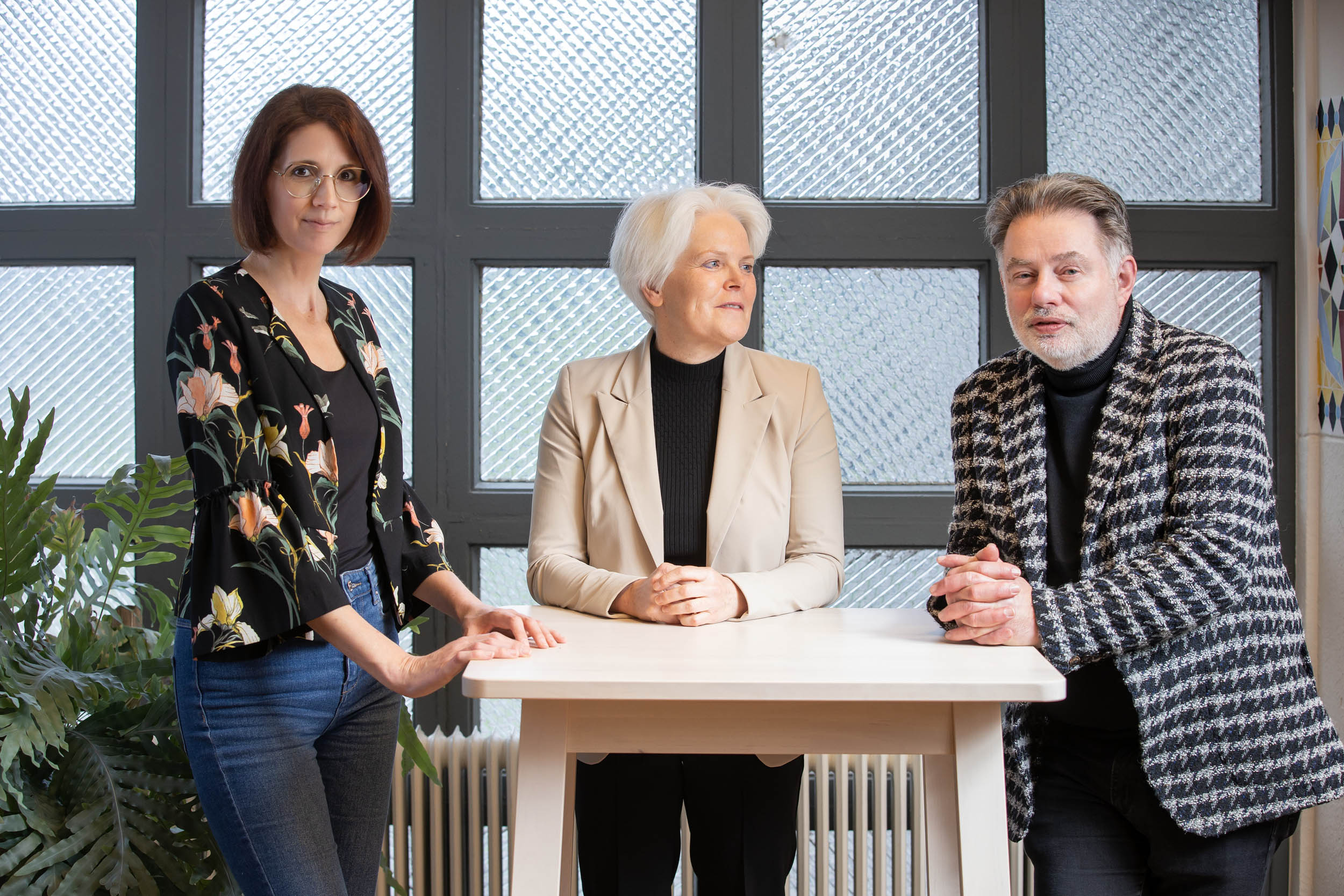
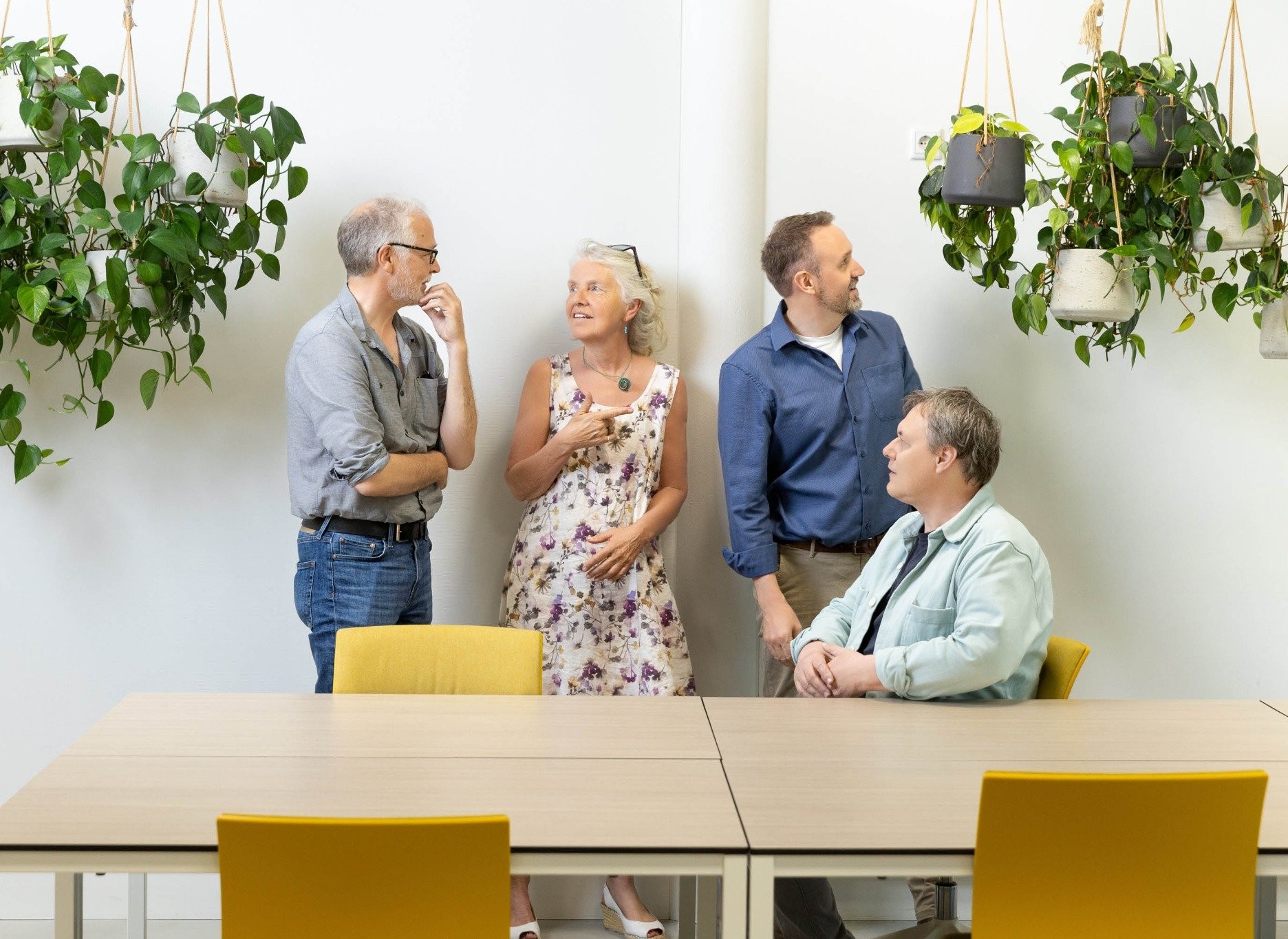
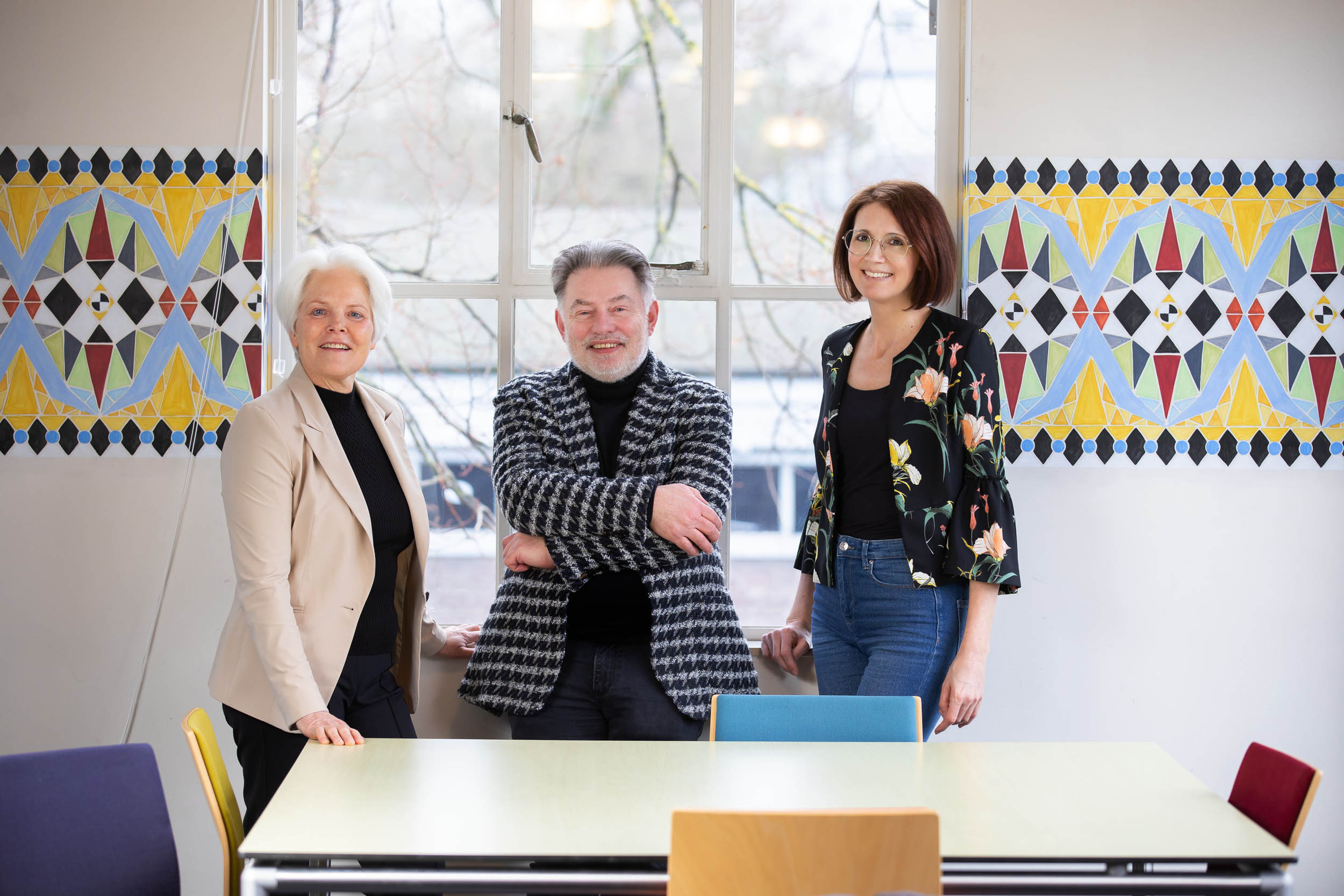
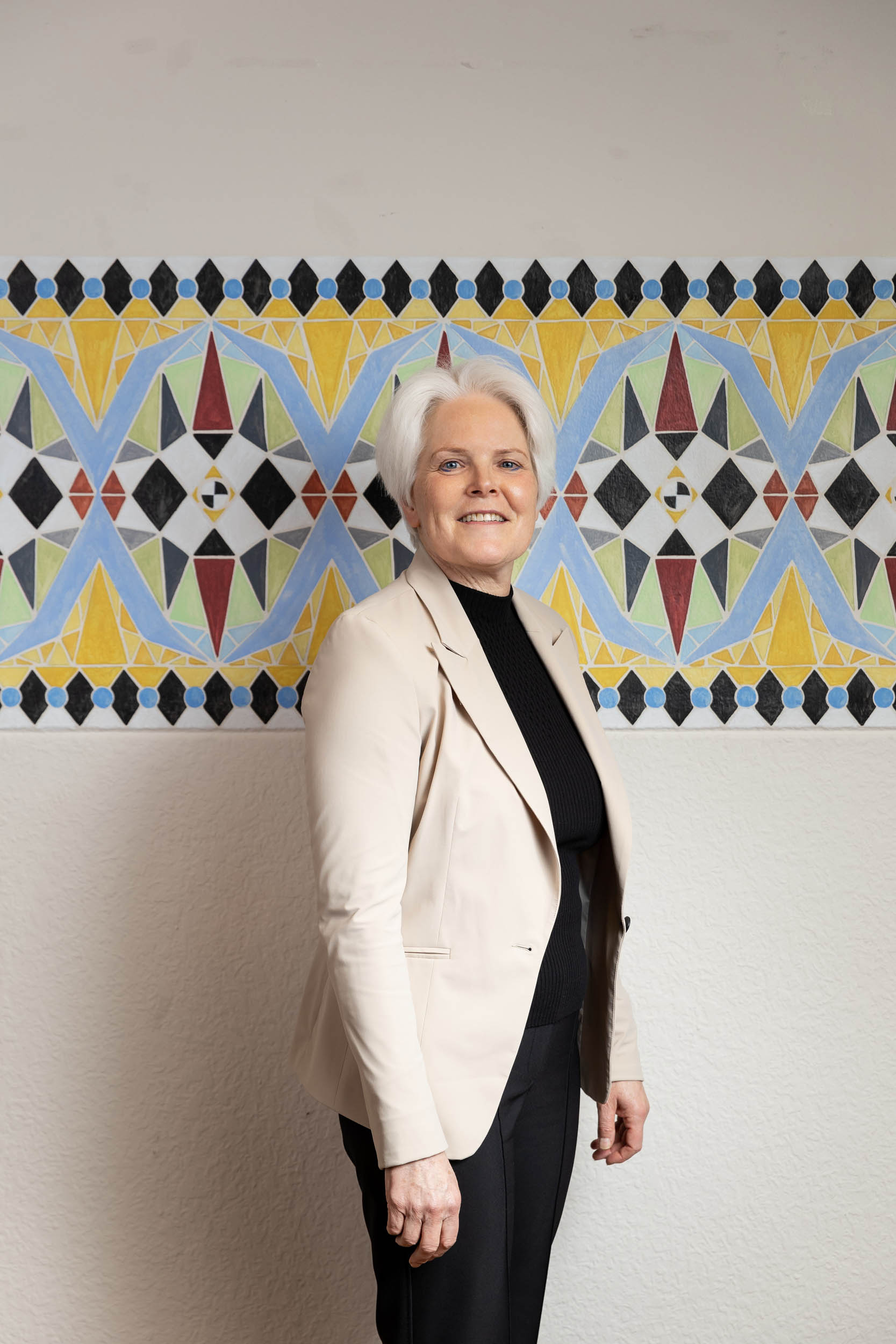
Diana Dolmans, Wim Gijselaers and Janneke Frambach.

In the 1970s, the Dutch government deemed university education too far removed from professional practice. So when Maastricht University was founded in 1976, the new institution was tasked with overhauling education. That led to a teaching approach that has been at the heart of our university for 50 years: Problem-Based Learning (PBL). What makes this educational philosophy distinctive, and how has it evolved over the years? PBL experts Janneke Frambach, Diana Dolmans and Wim Gijselaers look back and ahead.
In 1981, education scientist Wim Gijselaers joined the Department of Educational Research and Development (ERD) of the Maastricht medical faculty. “Problem-Based Learning was still in its infancy,” he says. “The first cohort of students from the medical faculty – the only faculty at the time – had just graduated. We’d gained our first experience with PBL, and UM was slowly beginning to grow. The idea was that the new faculties would work with PBL too.”
Gijselaers recalls that UM was under considerable pressure at the time, both from the government and from other universities. “The government expected us to bring education and practice closer together. The other, more traditional universities weren’t at all pleased by our arrival and didn’t see our added value. We wanted to show that our university had a right to exist and that we could contribute to society. Together with a small group of doctors, biomedical scientists, students and other colleagues, I experimented with and published about PBL. Looking back, you could say the right people came together at the right time. That certainly contributed to PBL’s success at UM.”

Focus on students
There is no single definition of PBL, Janneke Frambach says. “You can implement it in many different ways, as we see across the university: PBL looks very different in medicine than in economics. That’s why I always say it belongs to a family of teaching methods where the focus lies on students.”
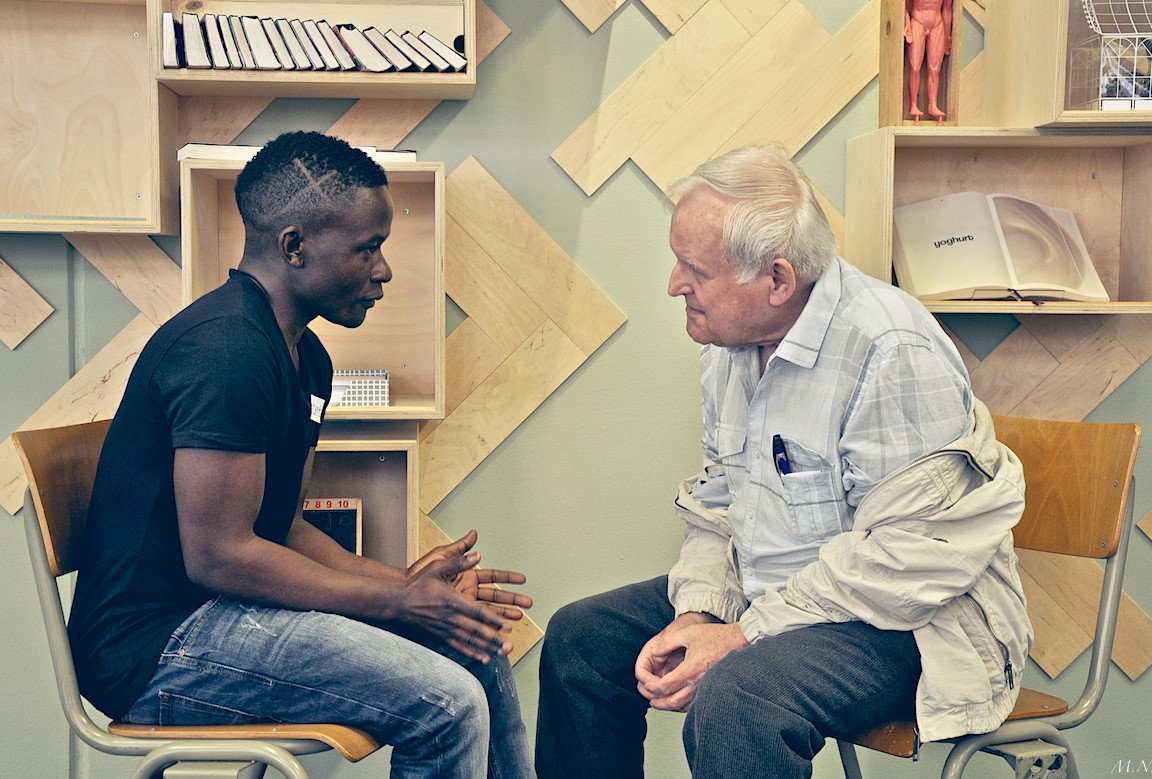
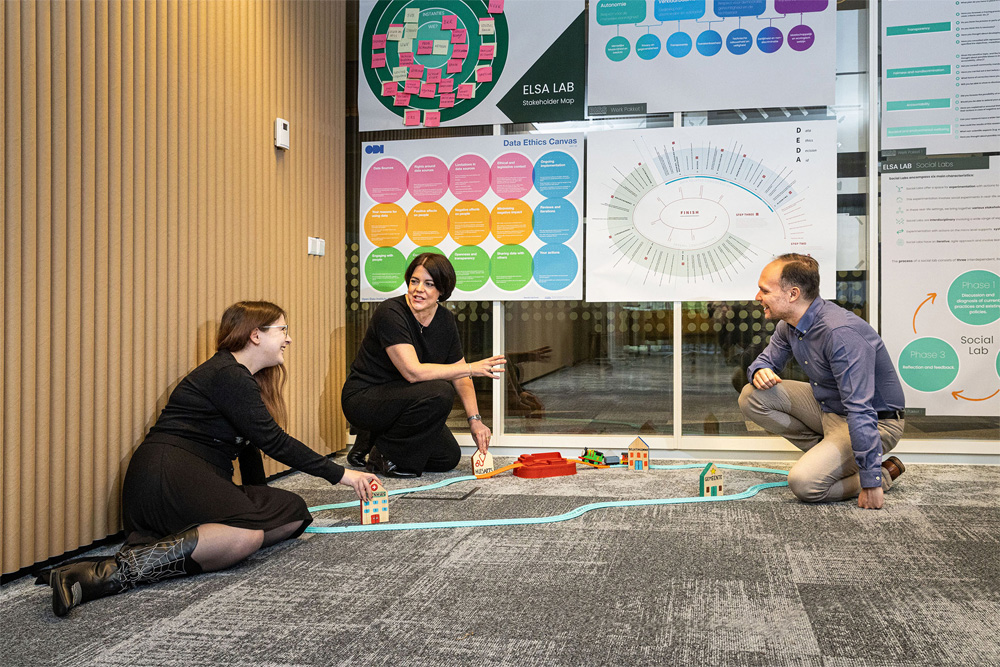
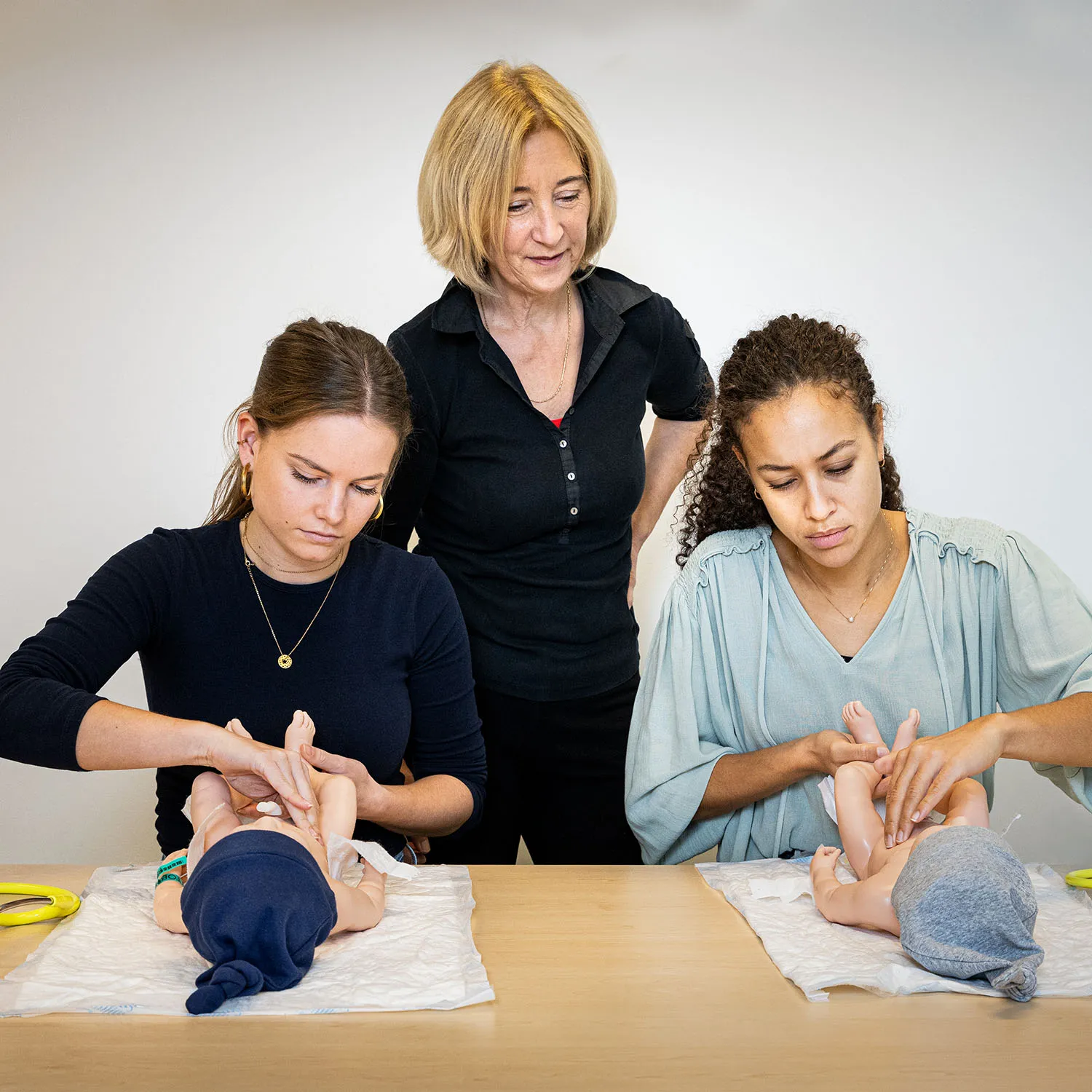
Diana Dolmans nods in agreement. “PBL is based on four learning principles: constructive or active learning, learning in a relevant context, learning together and self-directed learning. In practical terms, students work in small groups on a real-life case. The teacher takes on the role of facilitator, encouraging and guiding an open discussion about the case. Because the groups are small, you create an environment where students dare to ask questions and learn to think critically. The great thing about PBL is that students don’t just gain knowledge about their field. They also learn to communicate and collaborate effectively, and they discover how to apply what they’ve learnt in practice. Those are all competences they’ll need to succeed in the labour market after their studies.”
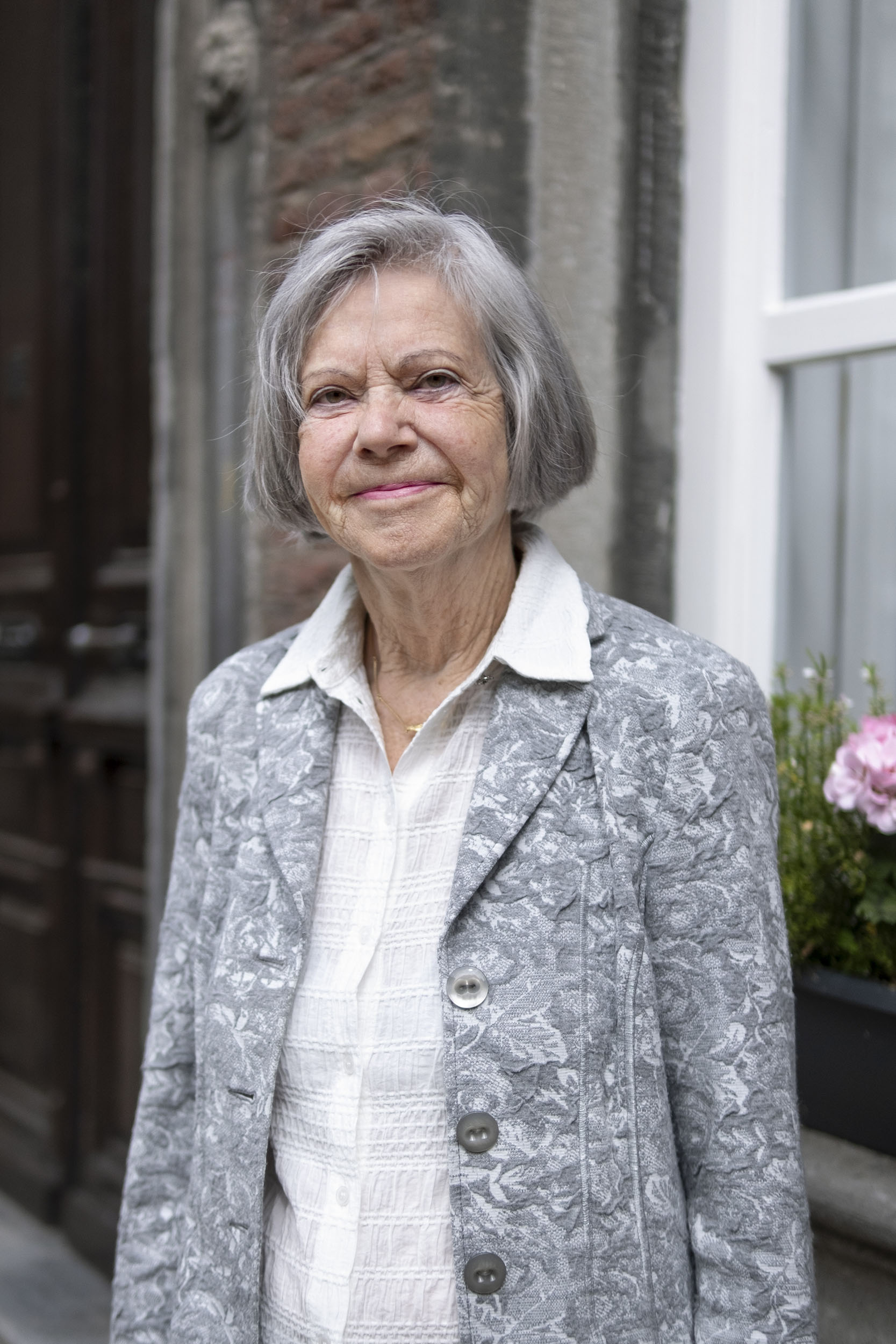
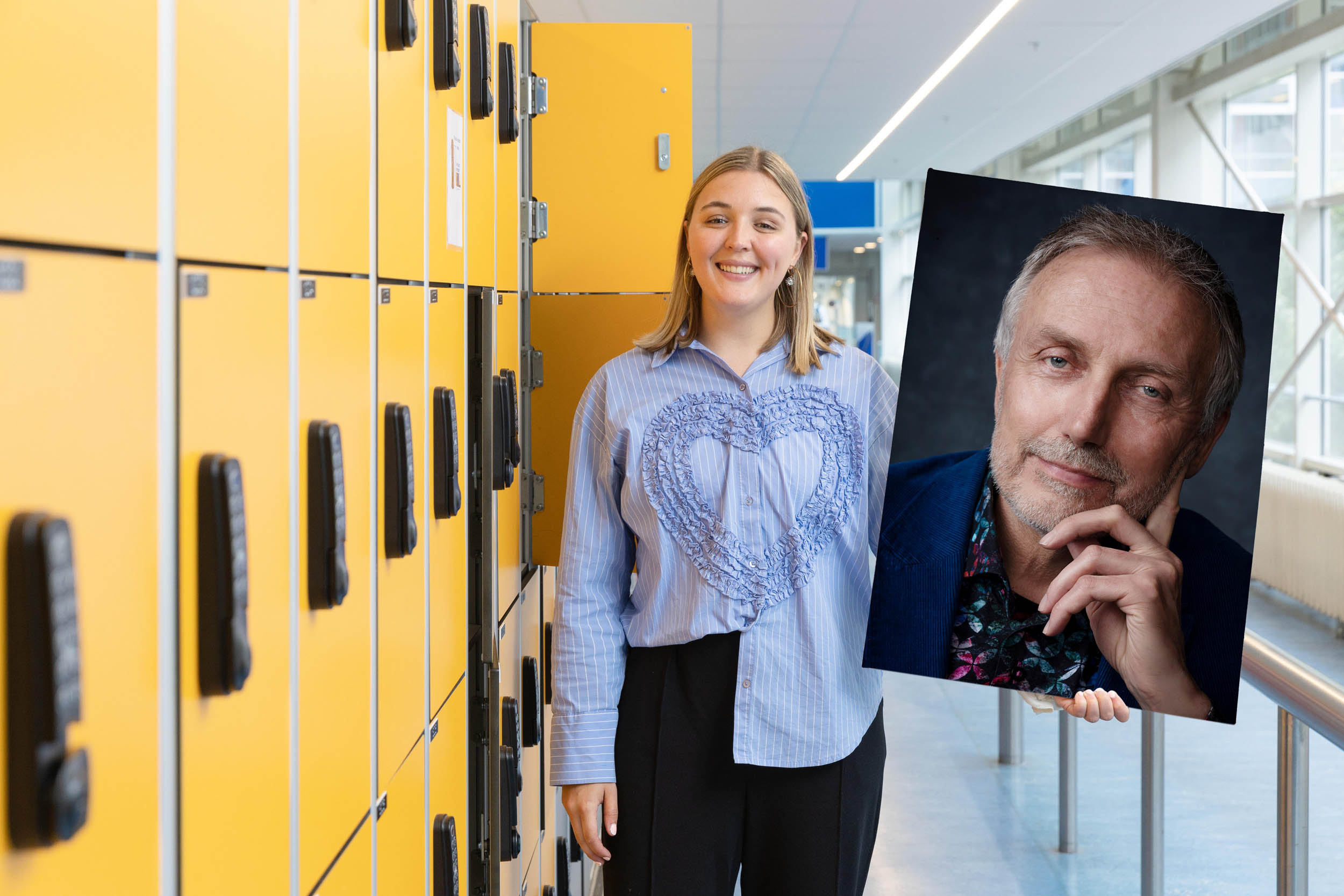
Diana Dolmans
Diana Dolmans studied educational sciences at Radboud University Nijmegen. She is a professor at the Department of Educational Research and Development and a researcher at the School of Health Professions Education at FHML. She conducts research on innovation in higher education, student and teacher learning, and education design. She obtained her PhD in 1994 for her research on Problem-Based Learning.
Large-scale evaluation
A great deal of research has investigated PBL over the past 50 years. “We started doing that quite early on,” Gijselaers says. “We wanted to know how students and teachers experienced PBL. We were also curious whether and how this teaching method works in different contexts. For that, you need data. Without data, you end up stuck in endless discussions on topics like the role of the tutor or the length of a module – which happened a lot in those days. The principles behind PBL are also grounded in years of research.”
UM’s 40th anniversary in 2016 was used as an opportunity for a large-scale evaluation of PBL, under the name EDview. Frambach led this research in 2017 and 2018 through EDLAB and the ERD department. “We wanted to know how education at UM was doing at that point, so we could prepare for the future,” she says. “All faculties were involved. We spoke with students, tutors, programme coordinators and educational researchers, and we conducted a university-wide survey. It turned out that people were still very happy with the choice for PBL and the four learning principles behind it. They were less happy with how it was being implemented in practice: they felt the link between PBL and assessment could be stronger, and tutorial groups were often too large. After EDview, UM started working on improvements like a new vision for assessment.”
There was also a strong desire to see PBL in a broader perspective. “Up to that point, the seven-step model, developed at UM in the 1970s, was considered synonymous with PBL,” Frambach says. “As a result, many teachers with new educational ideas felt they had to fly under the radar if their ideas didn’t fit that fixed structure. That felt limiting. From then on, we decided to take the four principles as the starting point for PBL: does an educational idea fit those principles? If so, it’s good. For many teachers, that was liberating.”
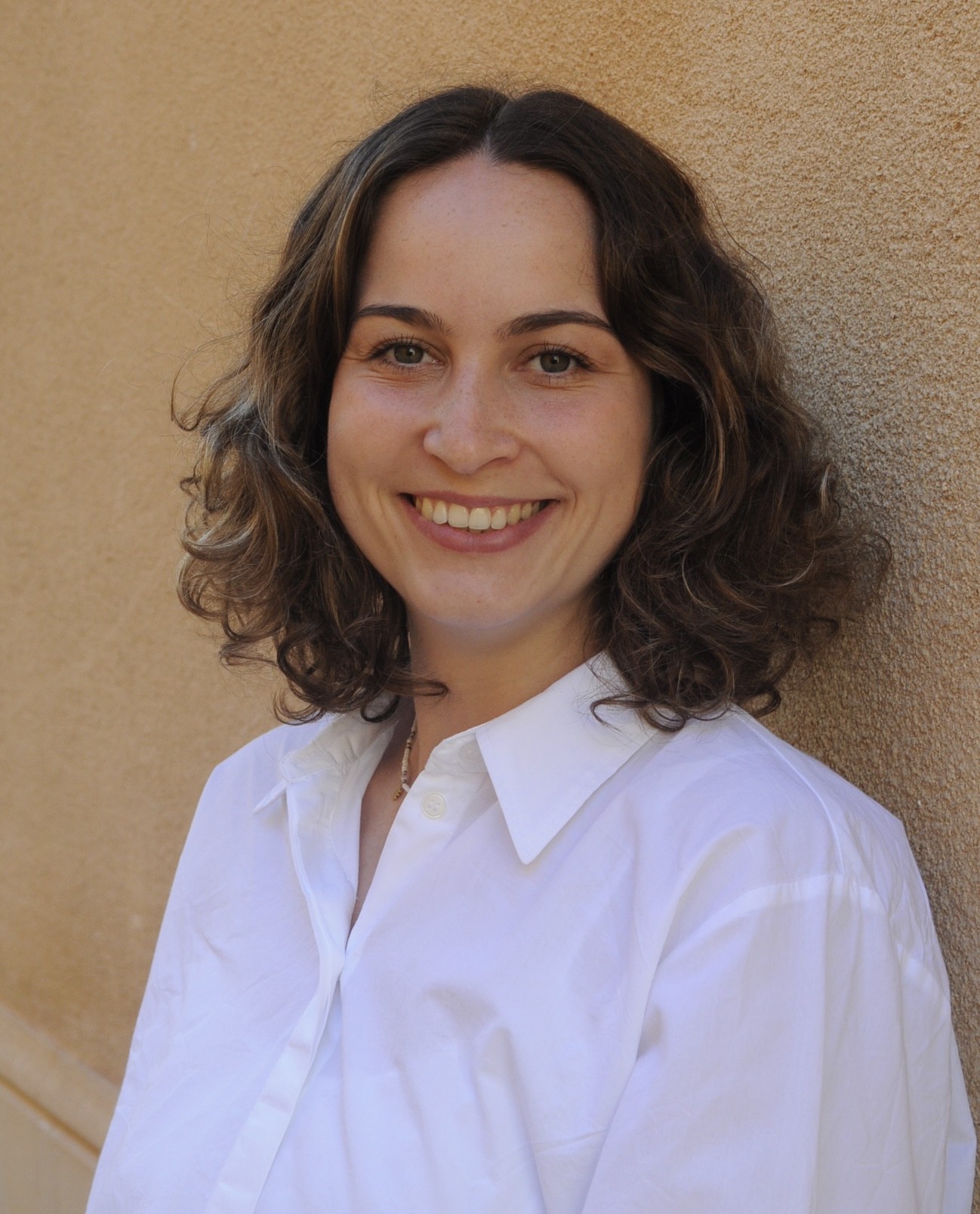
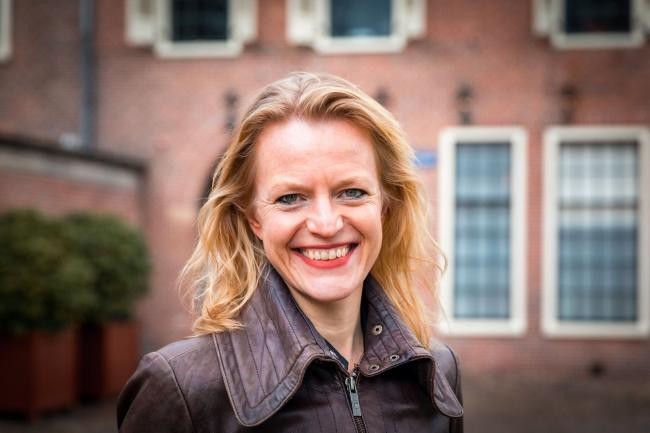
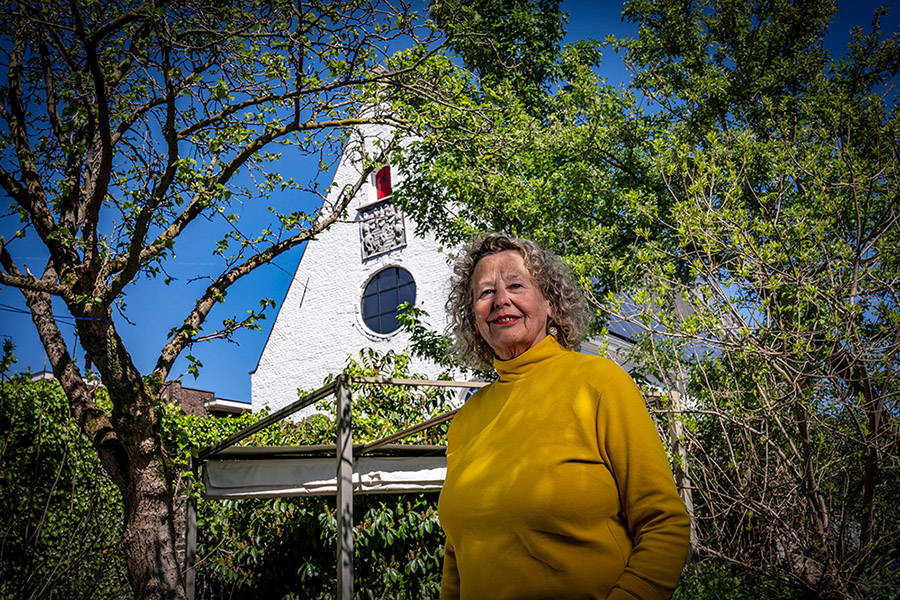
Janneke Frambach
Janneke Frambach is an associate professor at the School of Health Professions Education and the Department of Educational Research and Development at the Faculty of Health, Medicine and Life Sciences. She conducts research on globalisation, internationalisation and cultural diversity in healthcare education. She studied cultural sciences at the Faculty of Arts and Social Sciences and management at the Leuven School of Business and Economics. In 2017–18, she led the EDview research project at EDLAB.

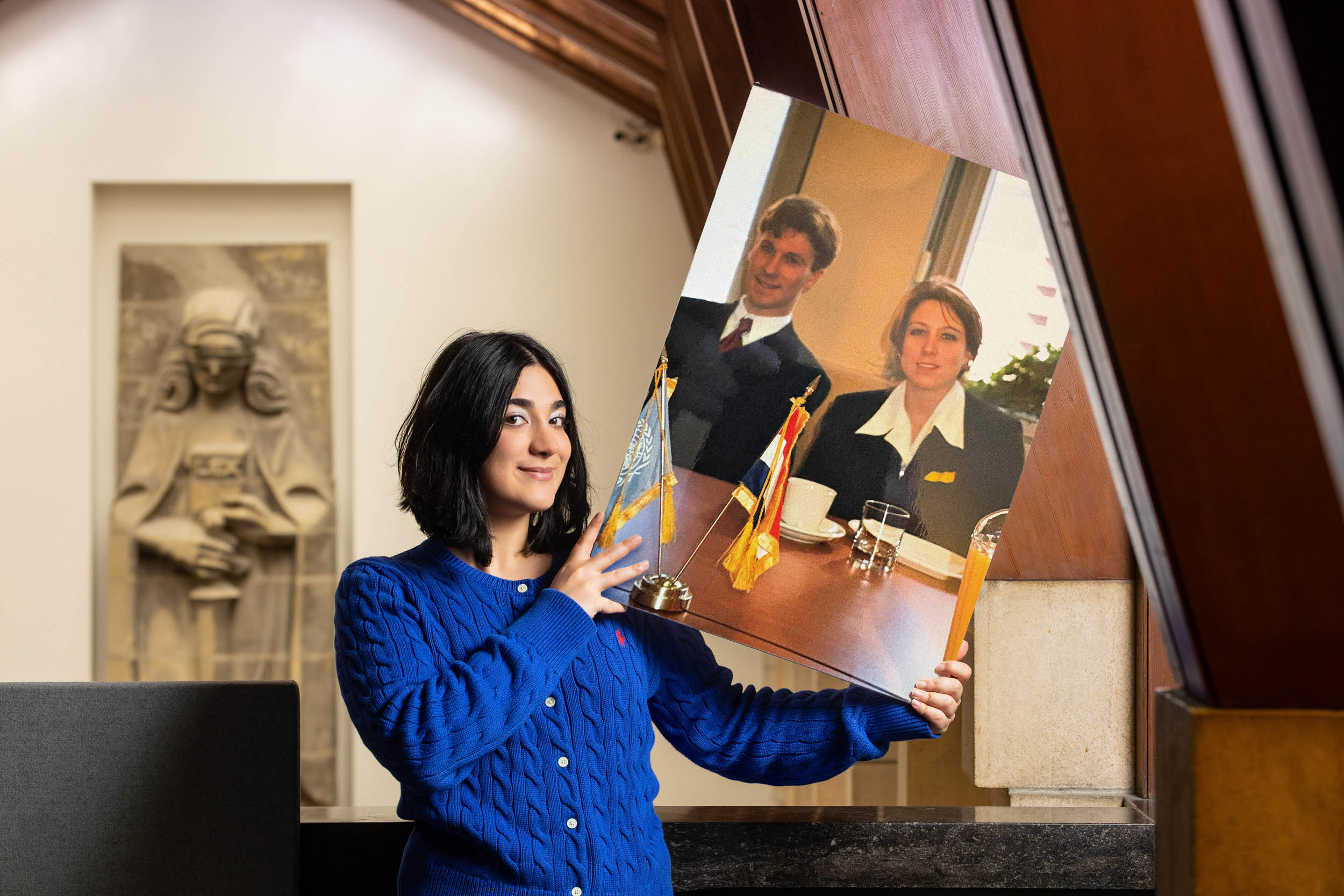
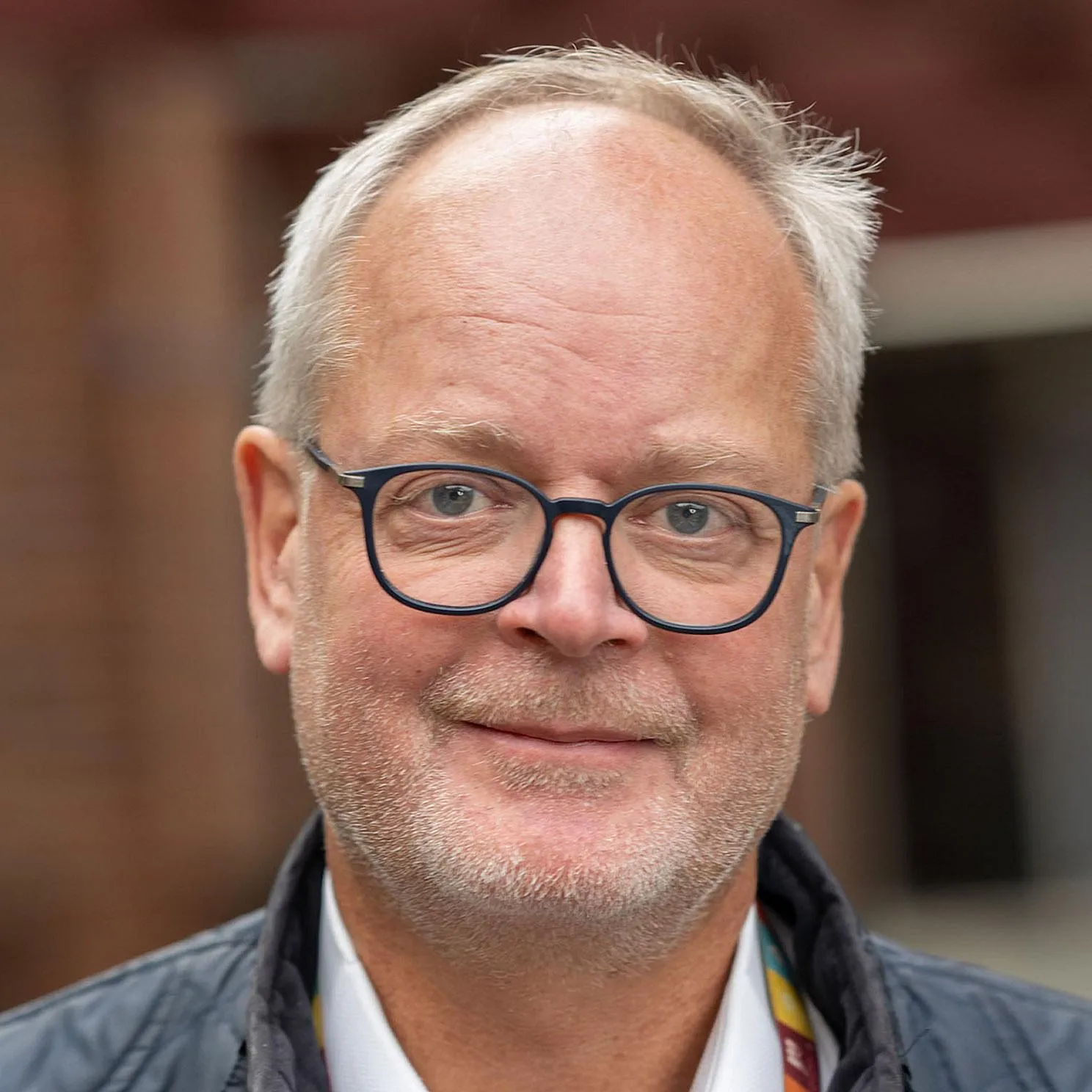
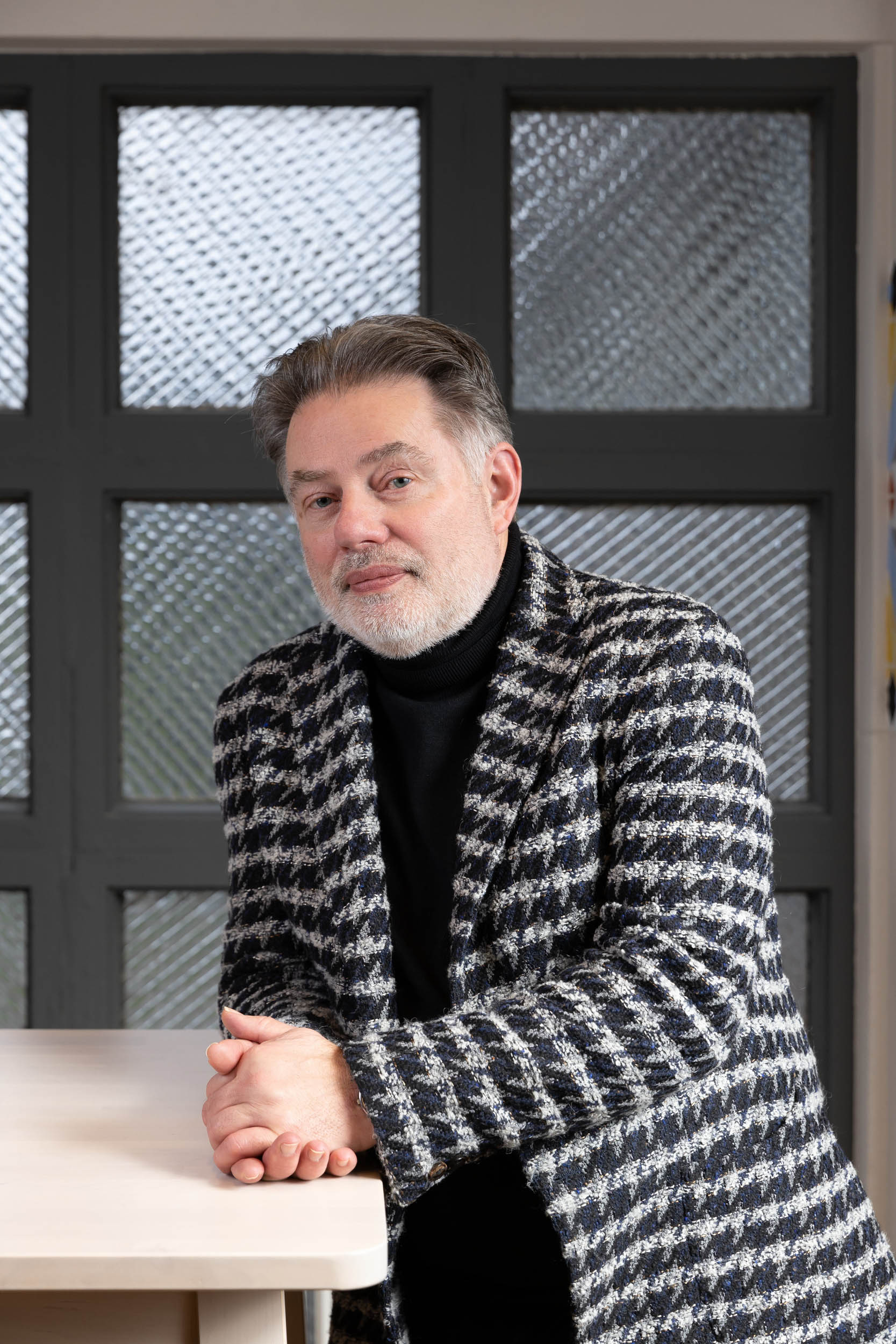
Wim Gijselaers
Professor Wim Gijselaers studied educational sciences at Radboud University Nijmegen. In the early 1980s, he was involved in the educational development of Maastricht University. Later in his career, he translated the insights he gained into a range of domains in higher education, including medicine, business, economics and technology. Gijselaers currently works at the School of Business and Economics. In 2025, he received the Distinguished Career Award (Division I) of the American Educational Research Association, which he regards as the crowning achievement of his work.
Future of PBL
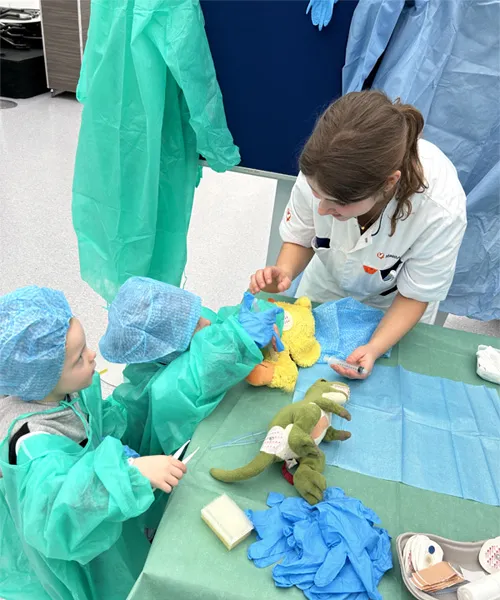
In recent years, PBL has more than proven its value for UM. But what does the future of PBL look like? “Learning in real-life situations – outside the walls of the university – is becoming increasingly important,” Dolmans says. “The same goes for interdisciplinary and transdisciplinary education. There’s also growing attention for the link between the university and society: what does the average Maastricht resident gain from the topics we study? PBL fits that well, because its underlying principles give us a lot of room and flexibility to keep developing education.”
Frambach also sees PBL as a way to integrate AI into education. “It’s our role, as a university, to educate students as critical thinkers who don’t blindly accept whatever AI serves up. We can teach them to examine AI output critically and discuss it with one another, guided by a teacher. And PBL lends itself perfectly to that.”
Text: Martina Langeveld
Photography: Philip Driessen