Tag
24 June 2026

From the heart of Maastricht to Venlo:

discover the places that make the Faculty of Science and Engineering unique

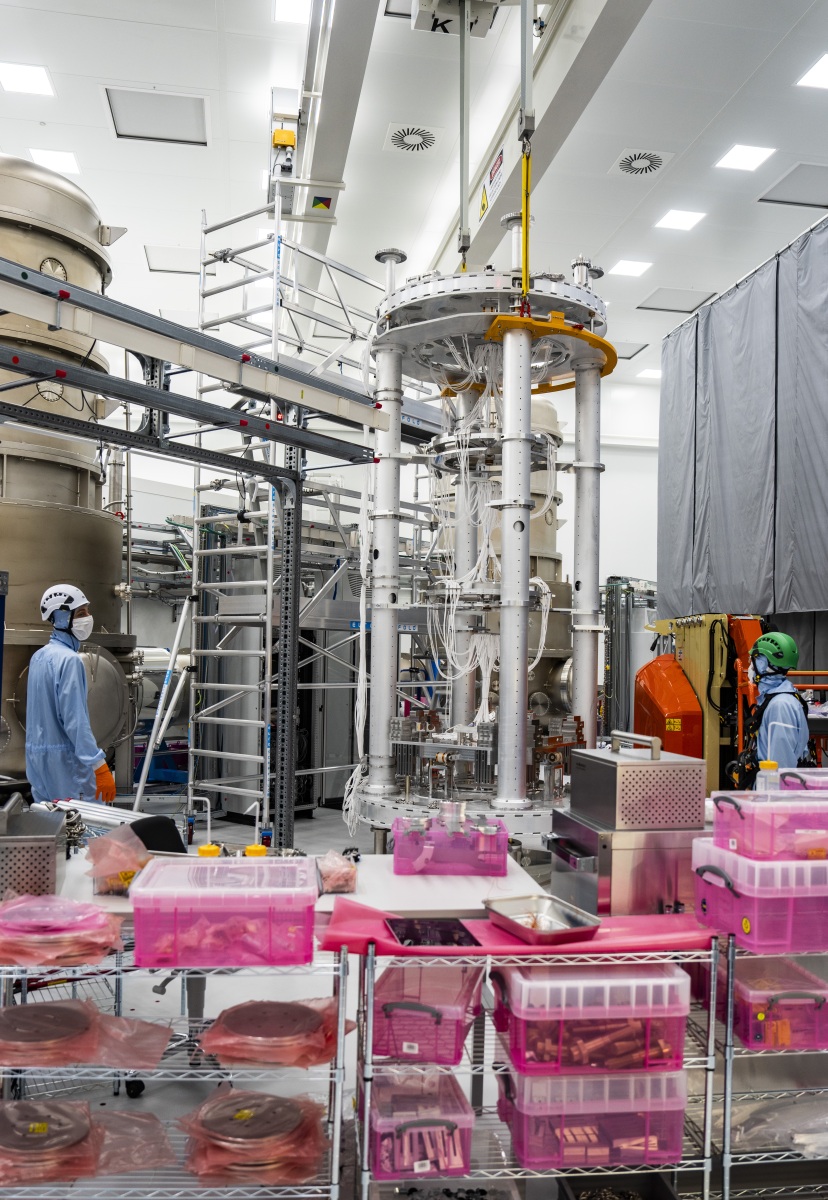
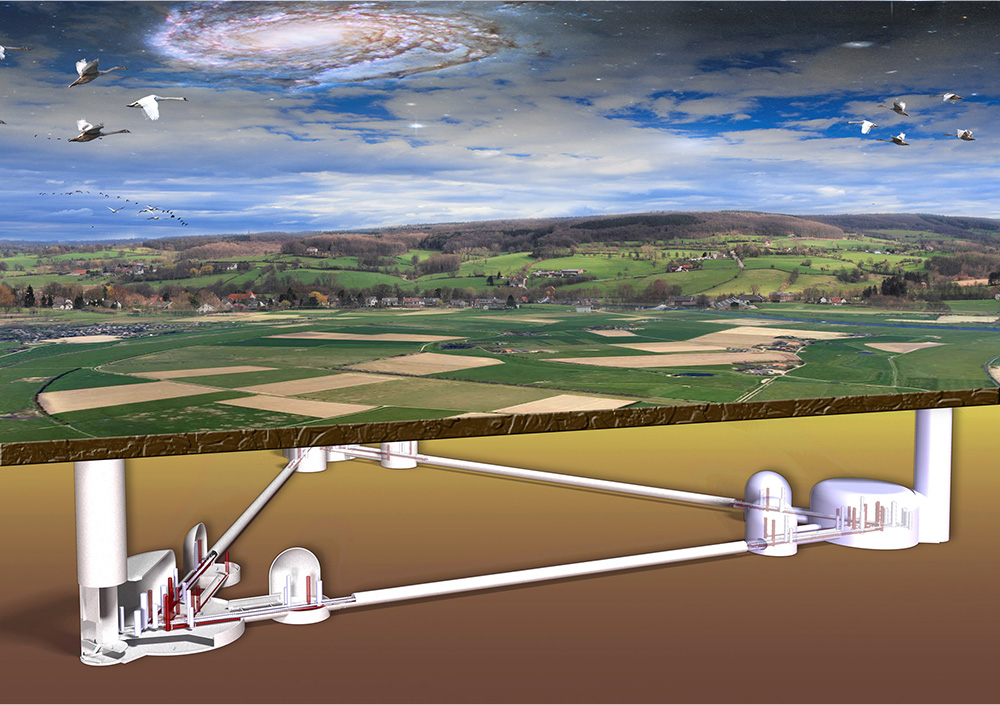
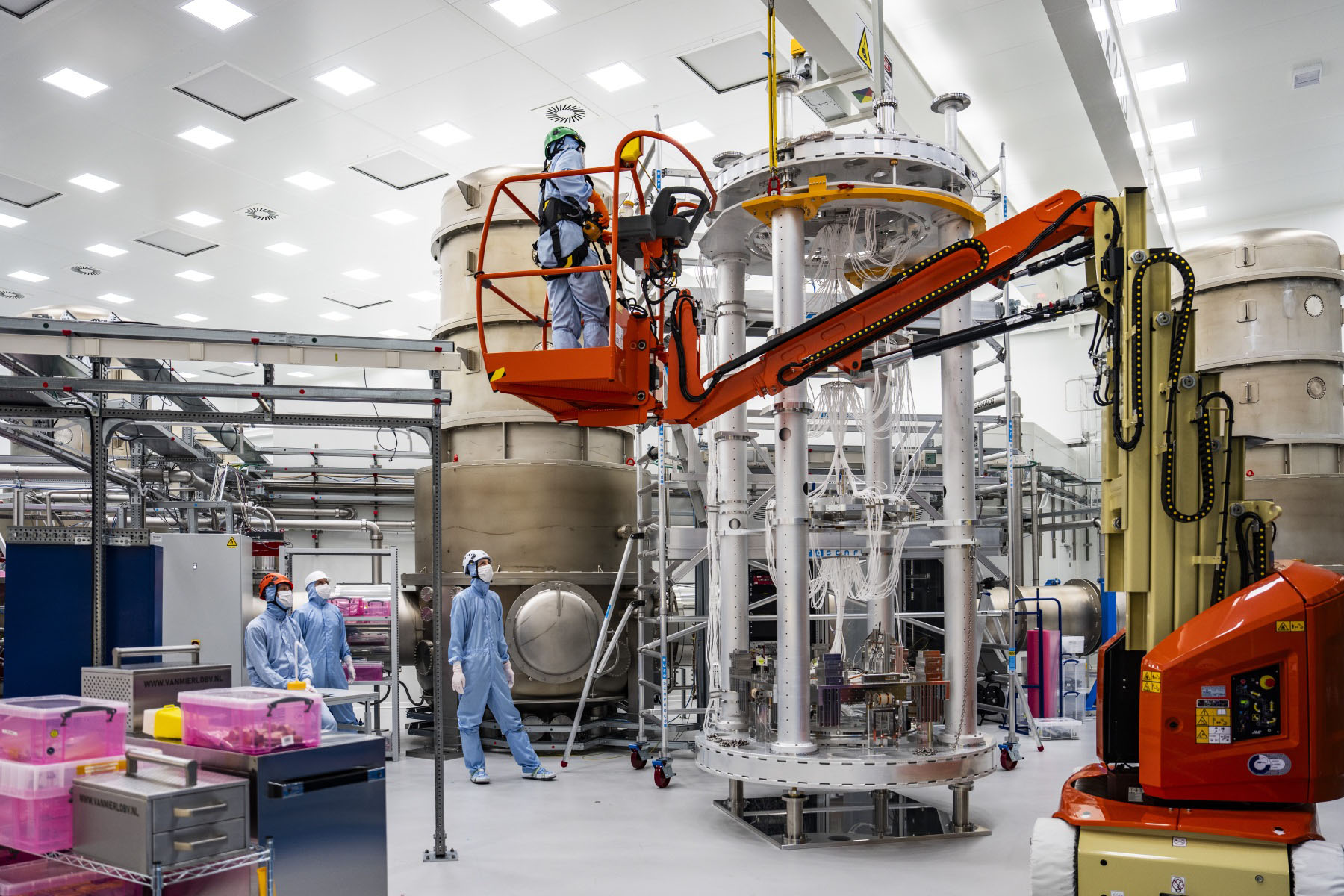
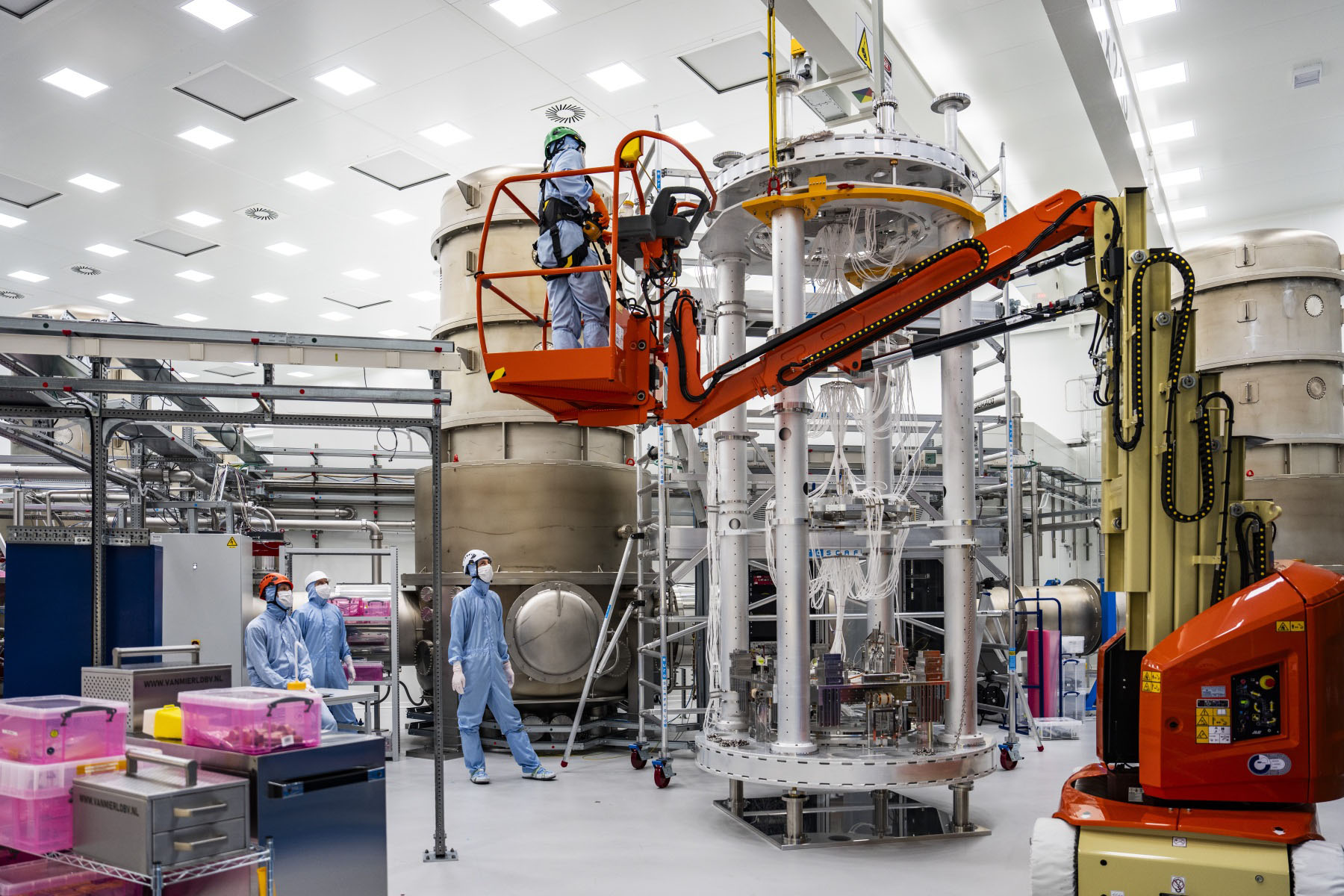
The ETpathfinder: a key test site at FSE for an international space project.

From theorigins of the universe to the future of our food here on Earth, researchersand students at the Faculty of Science and Engineering (FSE) are working oncutting-edge research. Join us on a journey through the faculty’s variouslocations and discover the story behind this remarkable faculty.

At FSE, students can pursue programmes in the natural sciences, technology, engineering and computer science. The faculty offers 9 bachelor's programmes and 7 master's programmes, including Data Science and Artificial Intelligence and Circular Engineering. It is also home to University College Maastricht, a small-scale liberal arts and sciences programme that brings together the natural sciences and the humanities.

FSE is based in Maastricht and on the Brightlands campuses in Sittard-Geleen, Heerlen and Venlo. Across these campuses, students, researchers and businesses work together to develop solutions to some of today’s most pressing challenges.


Humble beginnings

Looking at FSE today, it is hard to imagine how small it once was. In 1987, the Faculty of General Sciences established a department of mathematics and a department of computer science, primarily to support other academic programmes.

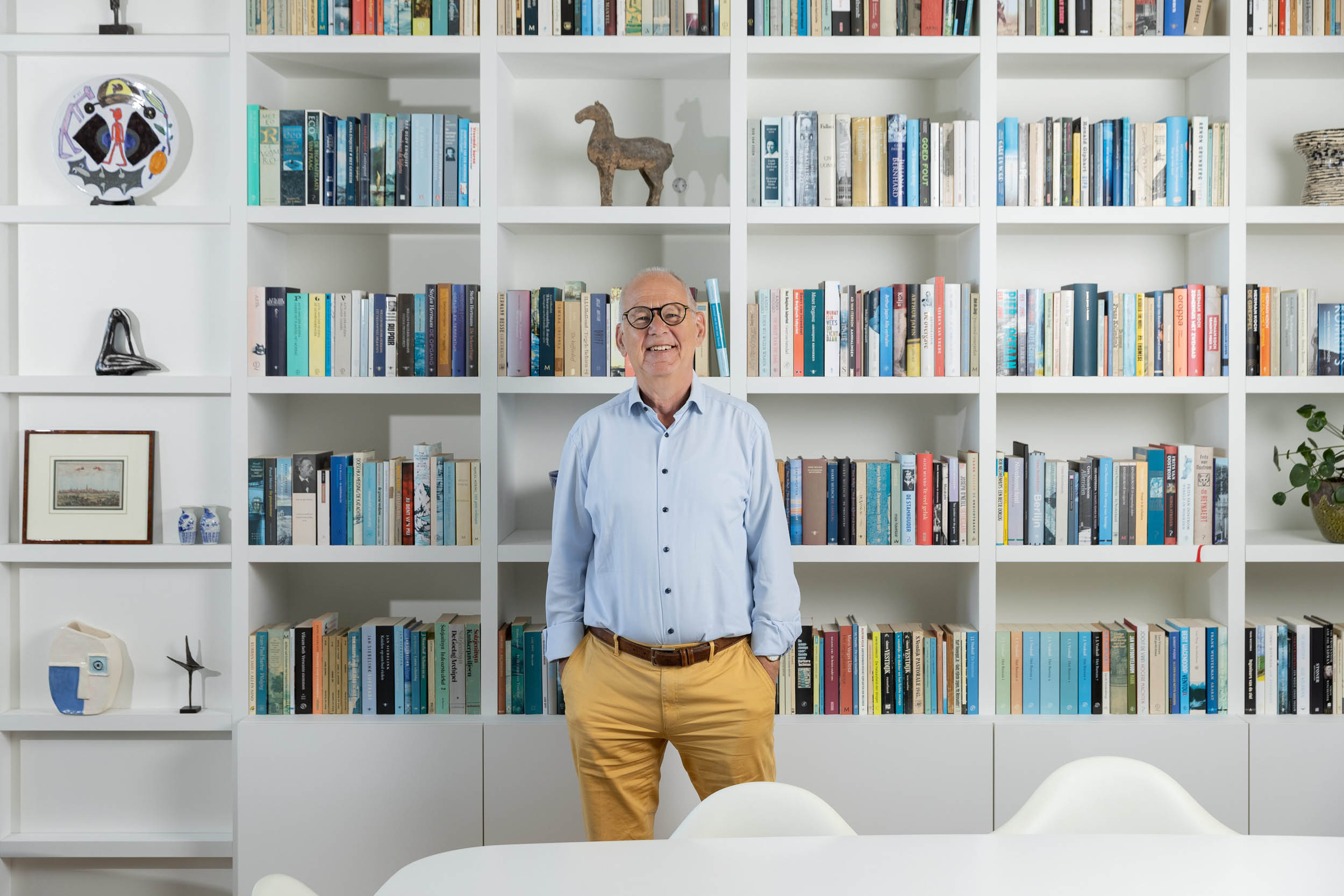
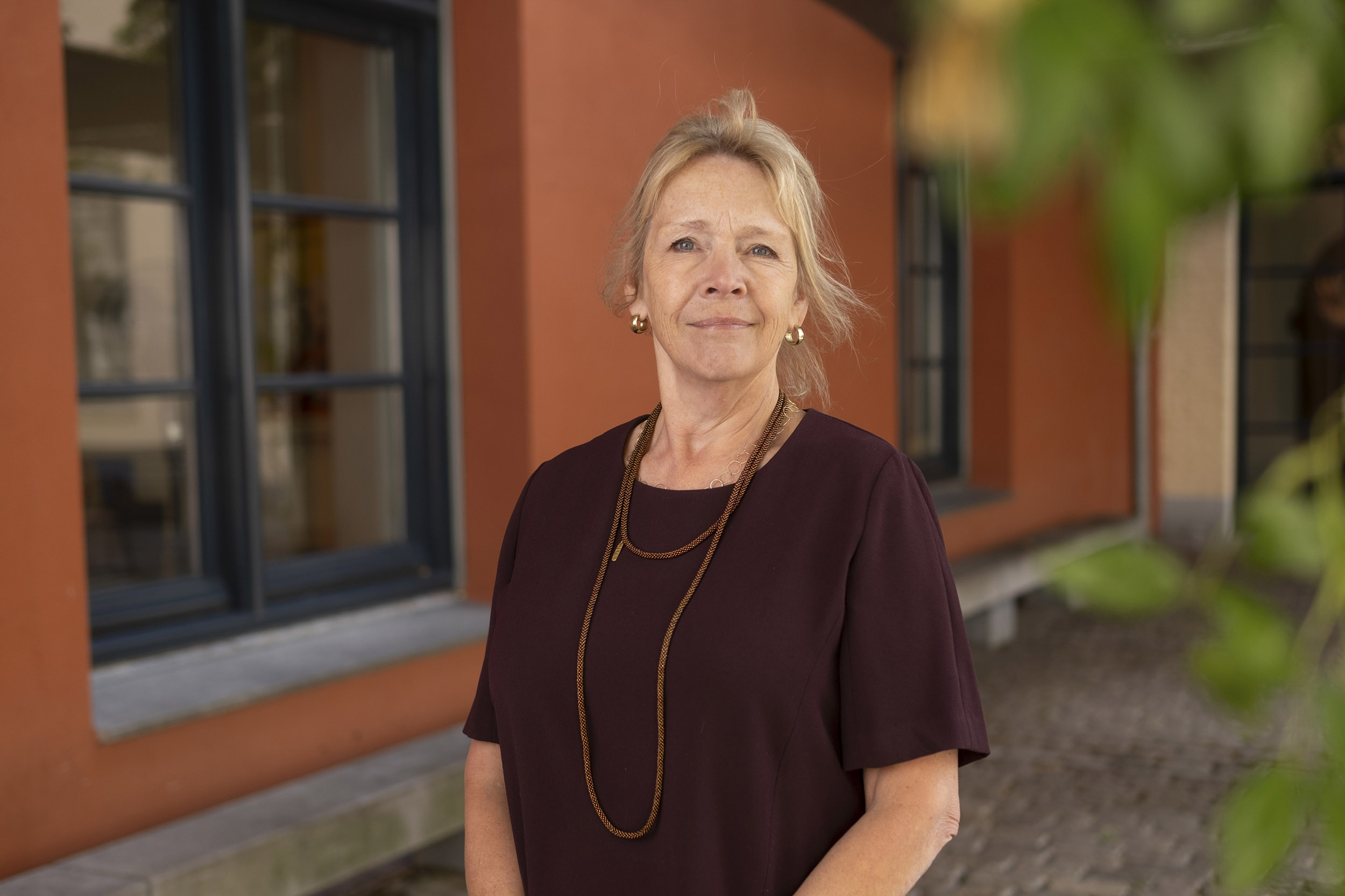
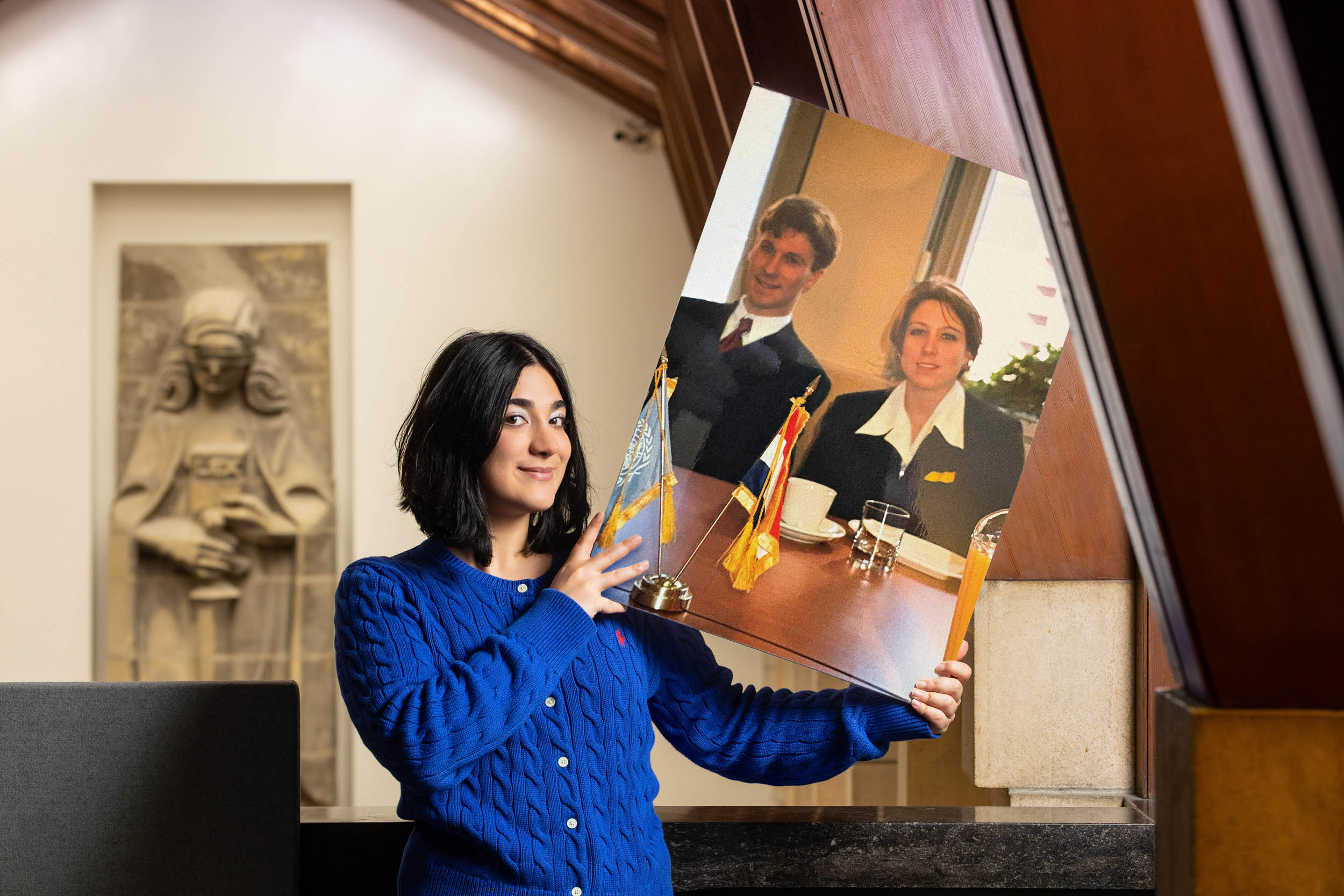
Professor Frank Thuijsman of the Department of Advanced Computing Sciences has been involved from the very beginning. He taught mathematics to Human Movement Sciences students, helping them better understand the mathematical concepts used in academic research.

“In the 1980s, there was little demand for degree programmes in mathematics and computer science”, says Thuijsman. “When we launched our own programme, Knowledge Engineering, in 1992 – the predecessor of Data Science and AI – student numbers were extremely low. Today, we attract many students from all over the world.”
Humble beginnings

Across Limburg and Maastricht

In 2007, the Faculty of Humanities and Sciences was established, succeeding the Faculty of General Sciences. It brought together a wide range of research groups and degree programmes that did not fit within any of the university’s other faculties at the time.

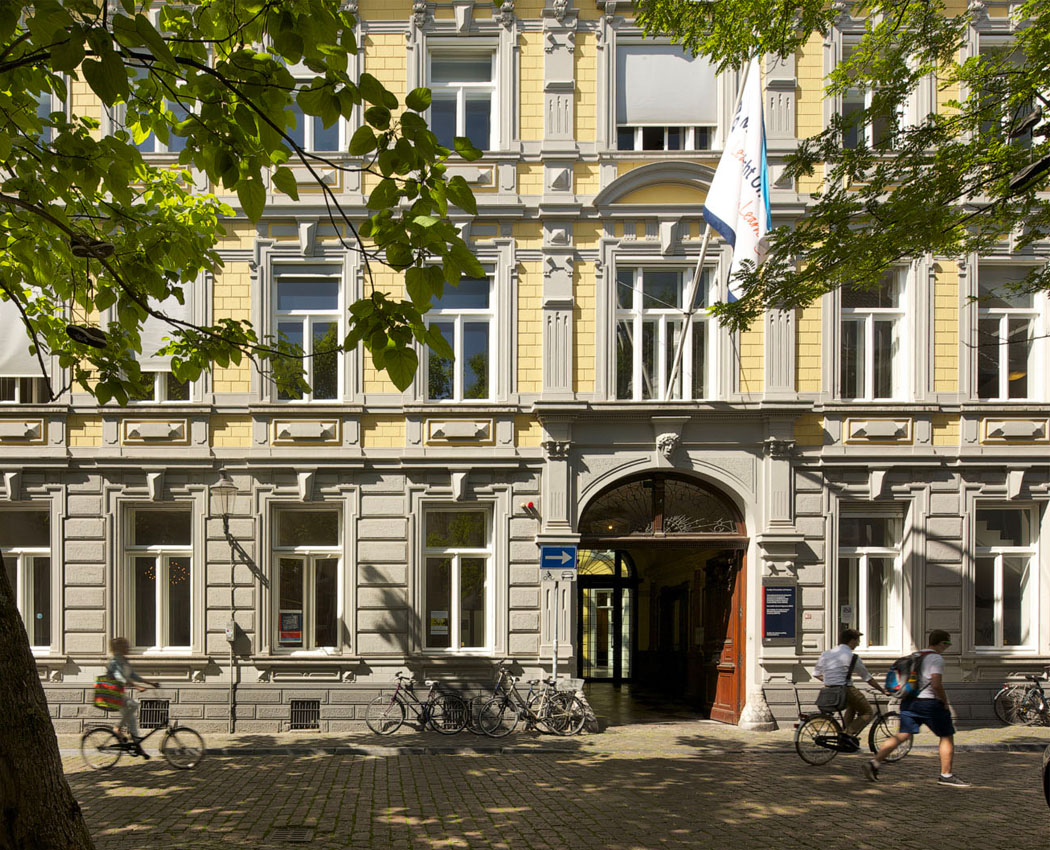
The faculty board was based in the townhouse on Kapoenstraat, while teaching and research took place at locations including Bouillonstraat, Zwingelput, Randwyck and, later, the Brightlands campuses.

Kapoenstraat 2, waar de Faculty of Humanities and Sciences begon.

Across Limburg and Maastricht

Former buildings

Over the years, FSE has been based in several different locations. Below, you can watch videos about some of the buildings that housed the faculty in its early years. These premises are not only part of FSE’s history, but also have fascinating stories of their own.

A new home

As demand for science and engineering programmes increased in the region, the technical and scientific disciplines within the Faculty of Humanities and Sciences grew quickly.

In 2018, the university decided to establish a separate faculty for these programmes, appointing Professor Thomas Cleij as its first dean. The Faculty of Science and Engineering had officially arrived!

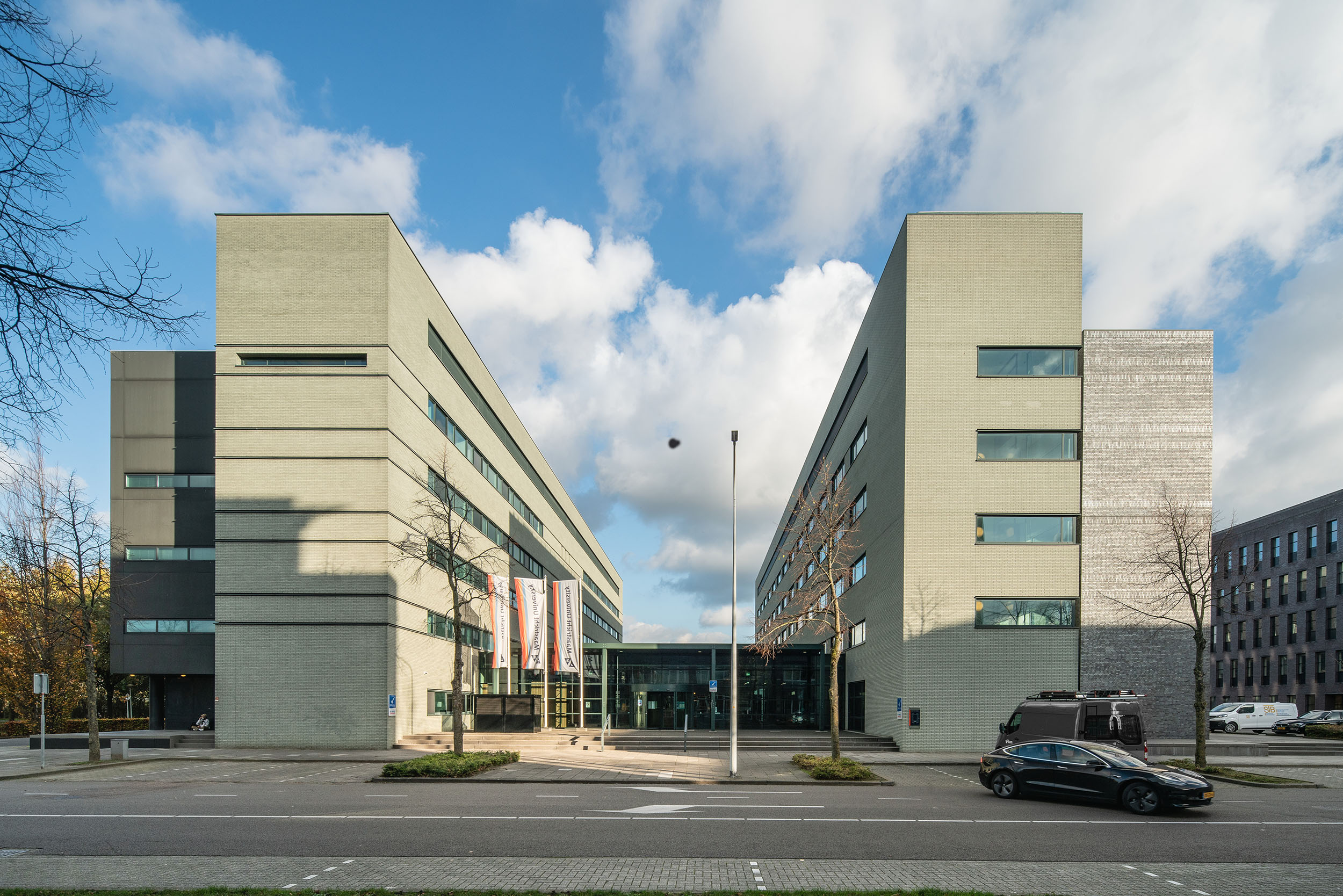
Most of FSE moved to Paul-Henri Spaaklaan 1 in Randwyck (PHS1). Two former Mercedes-Benz office towers were transformed into the faculty’s board's new home.

Today, the building houses programmes including bachelor's degrees in Data Science and Artificial Intelligence and Computer Science, as well as master's programmes in Artificial Intelligence and Data Science for Decision Making.

“Because we are no longer spread across the city, departments can connect much more easily”, says Thuijsman. “That has been incredibly valuable for collaboration within the faculty, even though part of FSE is based on the Brightlands campuses.”

Paul Henri Spaaklaan 1, FSE’s main site.

Student numbers brought to light

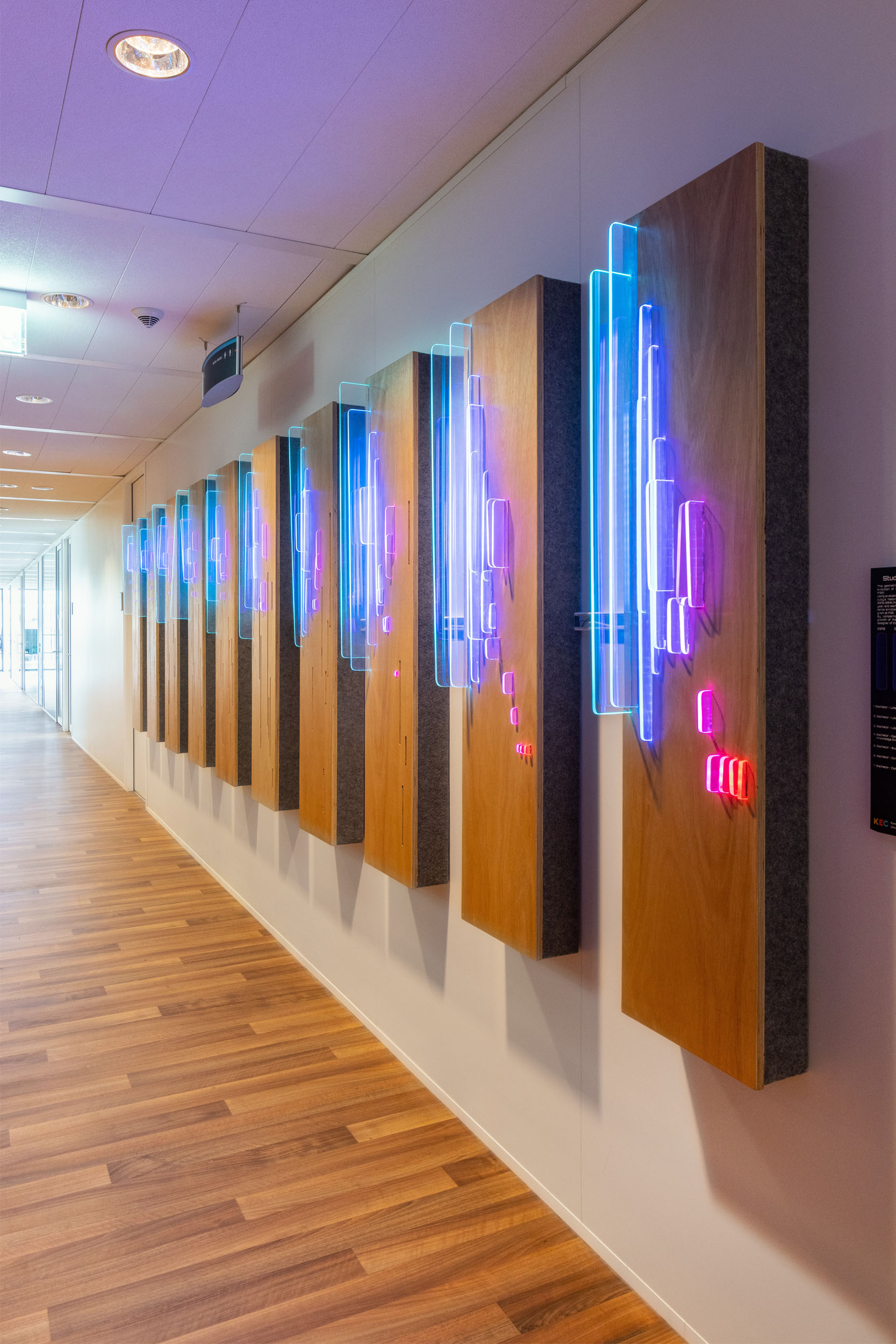
FSE has come a long way since the days when only a handful of students chose a science or engineering degree. That growth is beautifully captured in Datastroom II, a light installation created by engineer and designer Jules Sinsel.

The artwork can be found on the fourth floor of PHS1. It tells the story of FSE through student enrolment data from the academic years 2015/2016 to 2024/2025.

Each illuminated object represents one academic year, while the lines of light show the number of students enrolled in bachelor's and master's programmes during that period.

Datastroom II by Jules Sinsel.

Student numbers brought to light

Artistic croissant

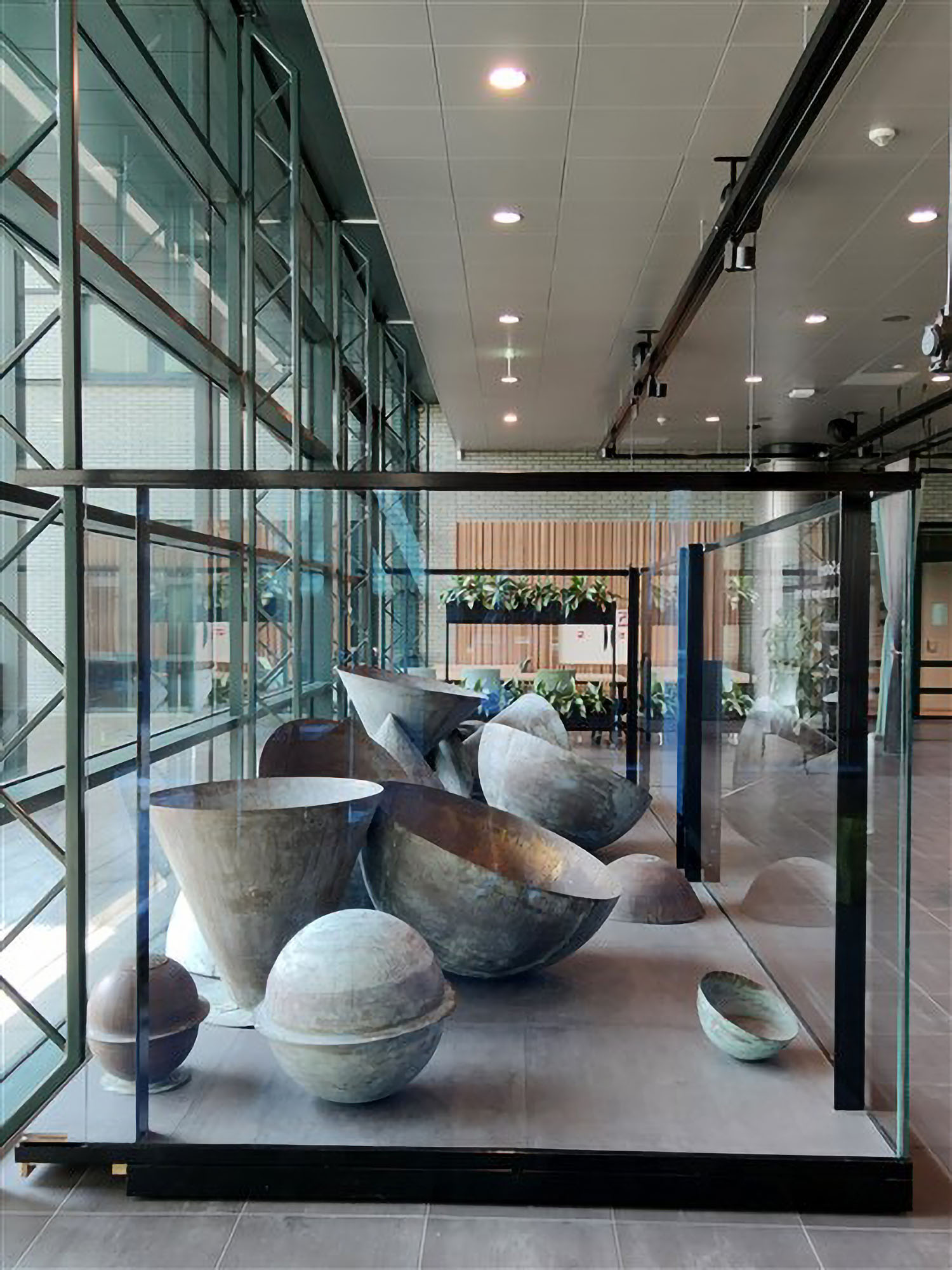
Another remarkable artwork is Croissant la demi-lune, which looks as though it has rolled straight out of a museum gallery. It can be found in the study area of PHS1, where sixteen abstract brass forms are displayed in a glass case.

Spanish sculptor Susana Solano created the work. Commissioned specifically for Maastricht University, it has little to do with the buttery breakfast pastry. In French, croissant also means “waxing moon”.  

Although Solano created Croissant la demi-lune in the early 1990s, it only became part of PHS1 following the building’s renovation. Before that, it was displayed at the Bonnefanten.

Croissant la demi-lune by Susano Solano.

Artistic croissant

Cosy corridors

We also take a closer look at University College Maastricht (UCM). UCM allows students to design their own academic programme, choosing courses from the humanities, social sciences and natural sciences. When it was launched, this was a completely new concept in the Netherlands.

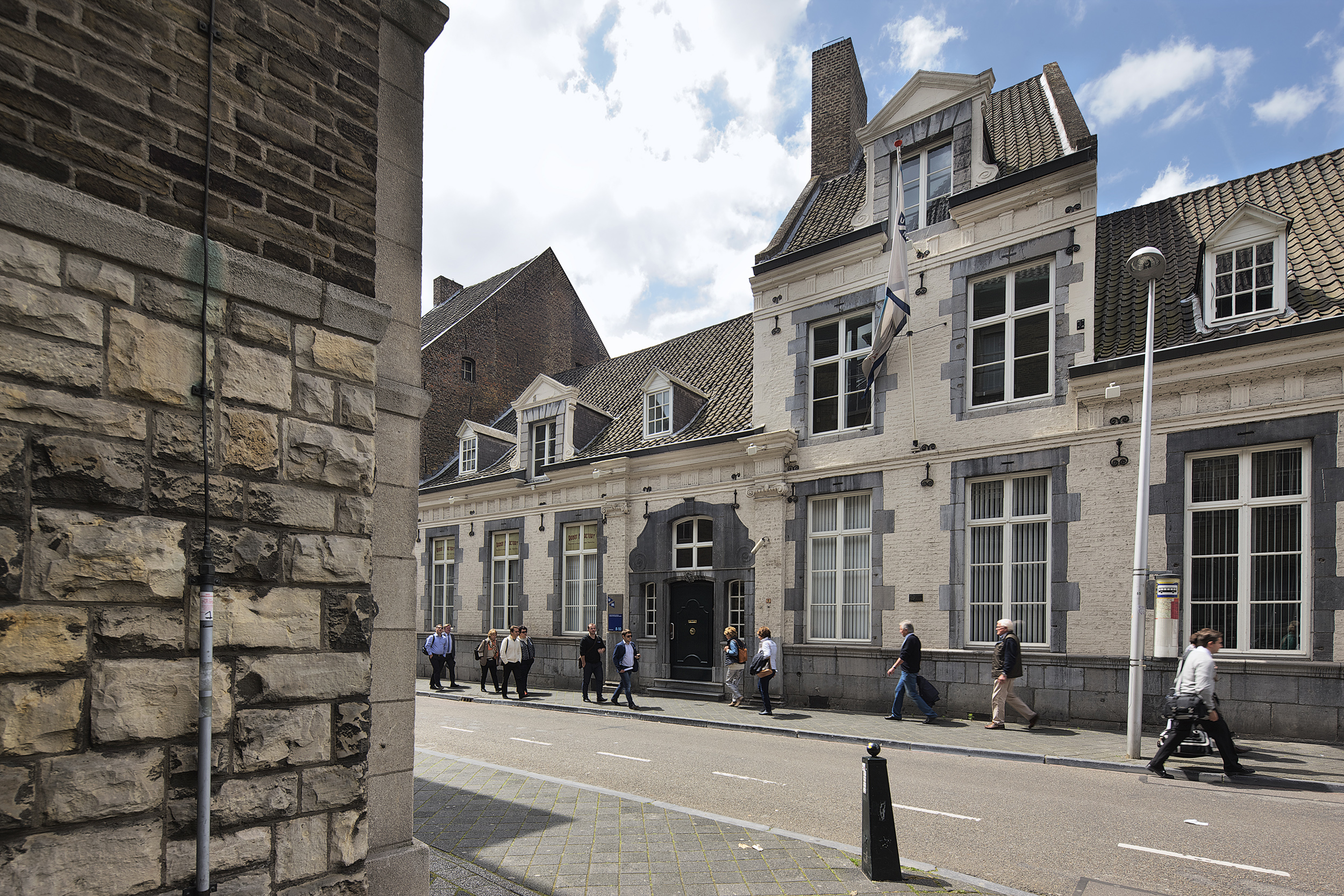
UCM originally started at Bouillonstraat 8–10, in the historic city mansion known as Hof van Slijpe. According to local lore, the sister of philosopher Karl Marx once lived there, and Marx himself occasionally stayed with her.

When UCM later moved to Zwingelput, the Department of Advanced Computing Sciences took over the building. “It was a cosy, homely place”, recalls Thuijsman. “I mainly remember the narrow corridors and the summer barbecues we held in the garden. I also remember we had to choose between turning on the air conditioning or using the projectors. If we did both, the electricity would cut out.”

Bouillonstraat 8-10, the 'Hof van Slijpe'.

Inverted chapel

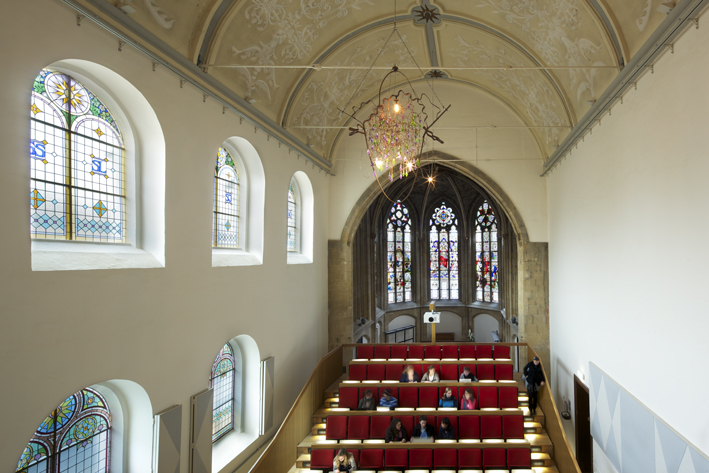
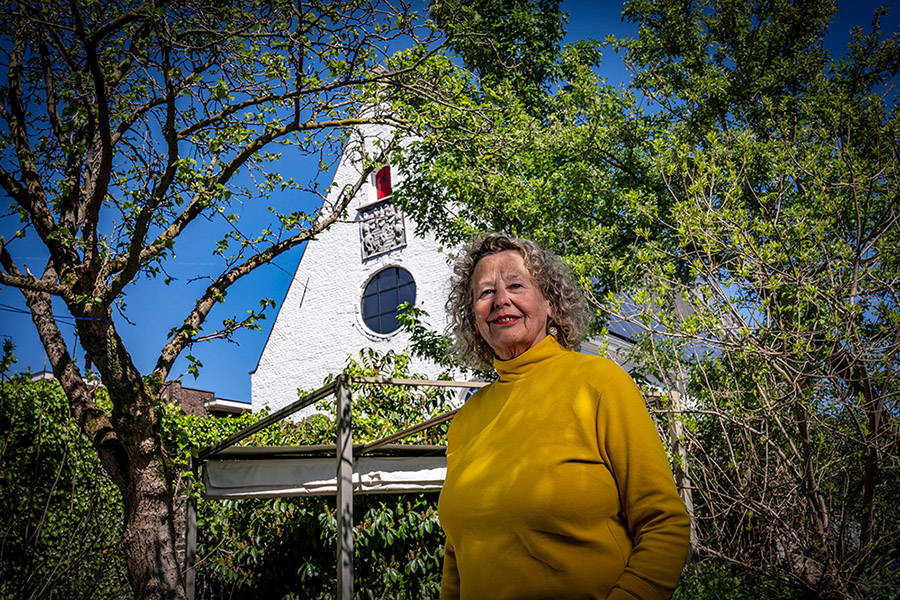
At the beginning of the new millennium, UCM moved into the former convent at Zwingelput. The building has a rich history. It began life as a beguinage, later became a convent, then an orphanage, and today serves as the home of UCM.

One of its most striking spaces is the chapel. Here, visitors encounter Baroque details, Gothic arched windows, stained glass and specially designed college furniture.

What immediately catches the eye is that the seating is not arranged facing the altar, but towards the raised gallery at the rear. According to local tradition, this layout was chosen because lecturers preferred not to teach from the altar itself.

the former convent by the Zwingelput.

Inverted chapel


Underground space observatory

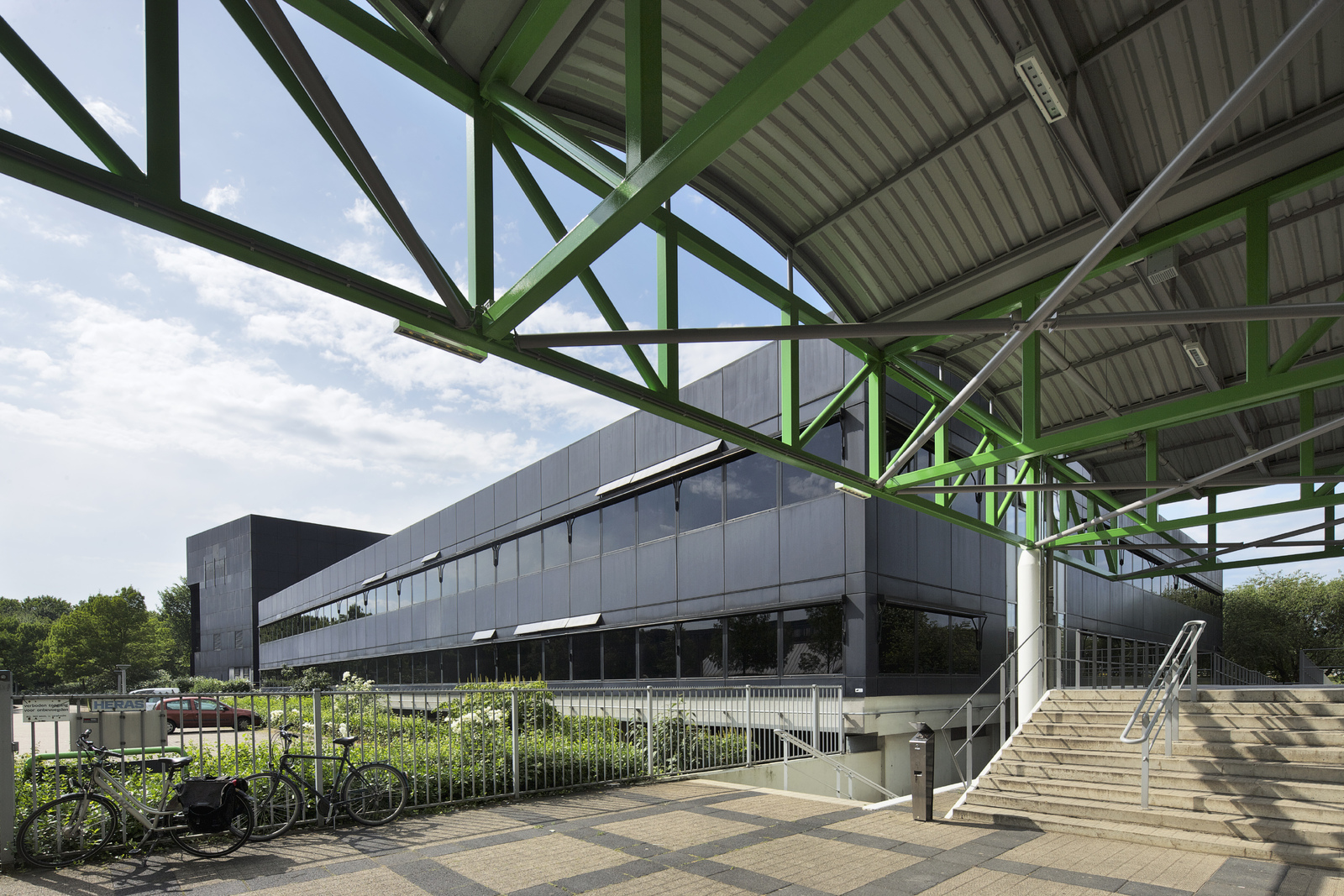
Another distinctive FSE building is known to many Maastricht residents as “the Black Box”. Duboisdomein 30 (DUB30) probably owes this mysterious nickname to its dark exterior, but what happens inside is equally fascinating.
Once the headquarters of regional newspaper De Limburger, DUB30 is now home to the ETpathfinder, an important test facility for the Einstein Telescope.

The Einstein Telescope is a proposed underground observatory that may be built in South Limburg starting in 2027. Scientists plan to use it to detect gravitational waves from across the universe, helping us better understand the origins and evolution of the cosmos.

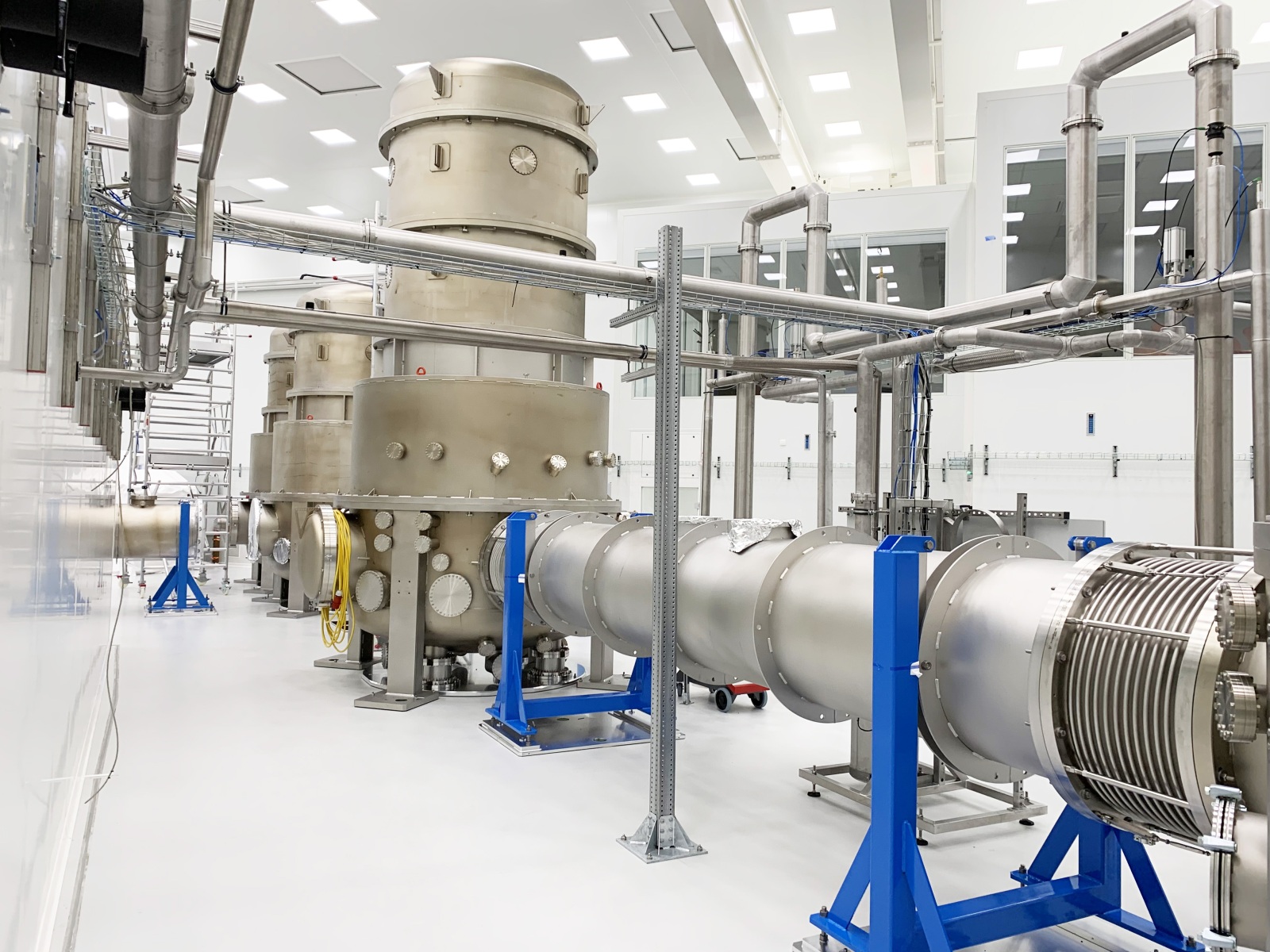
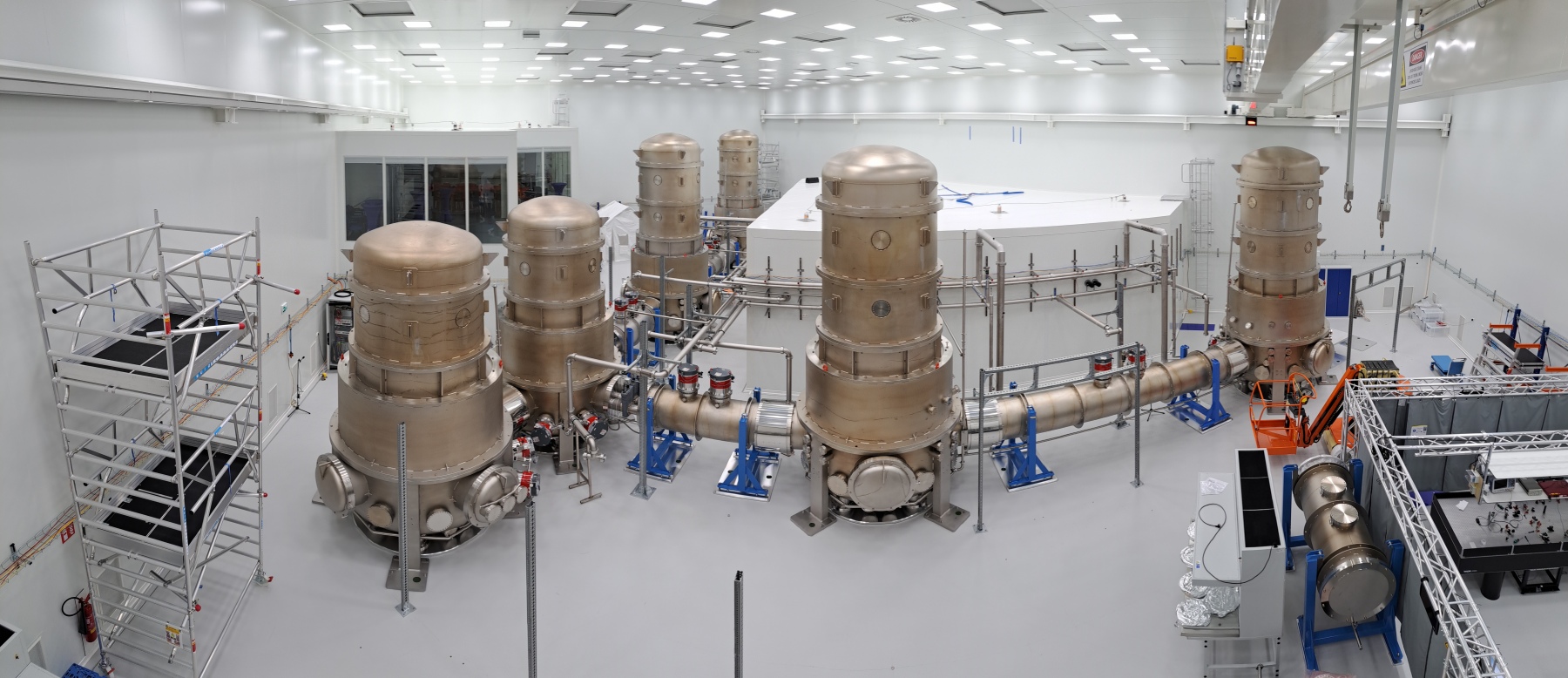
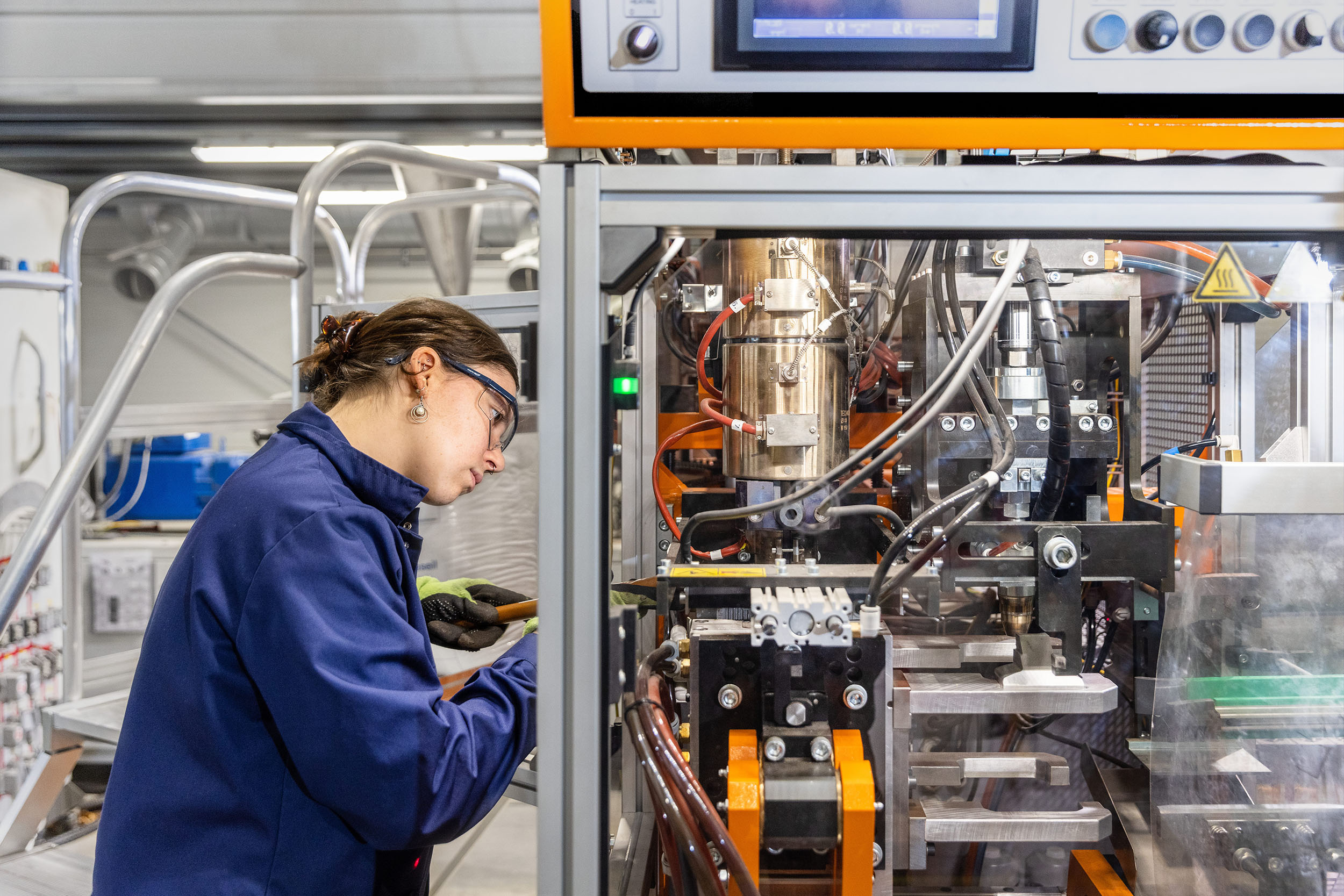
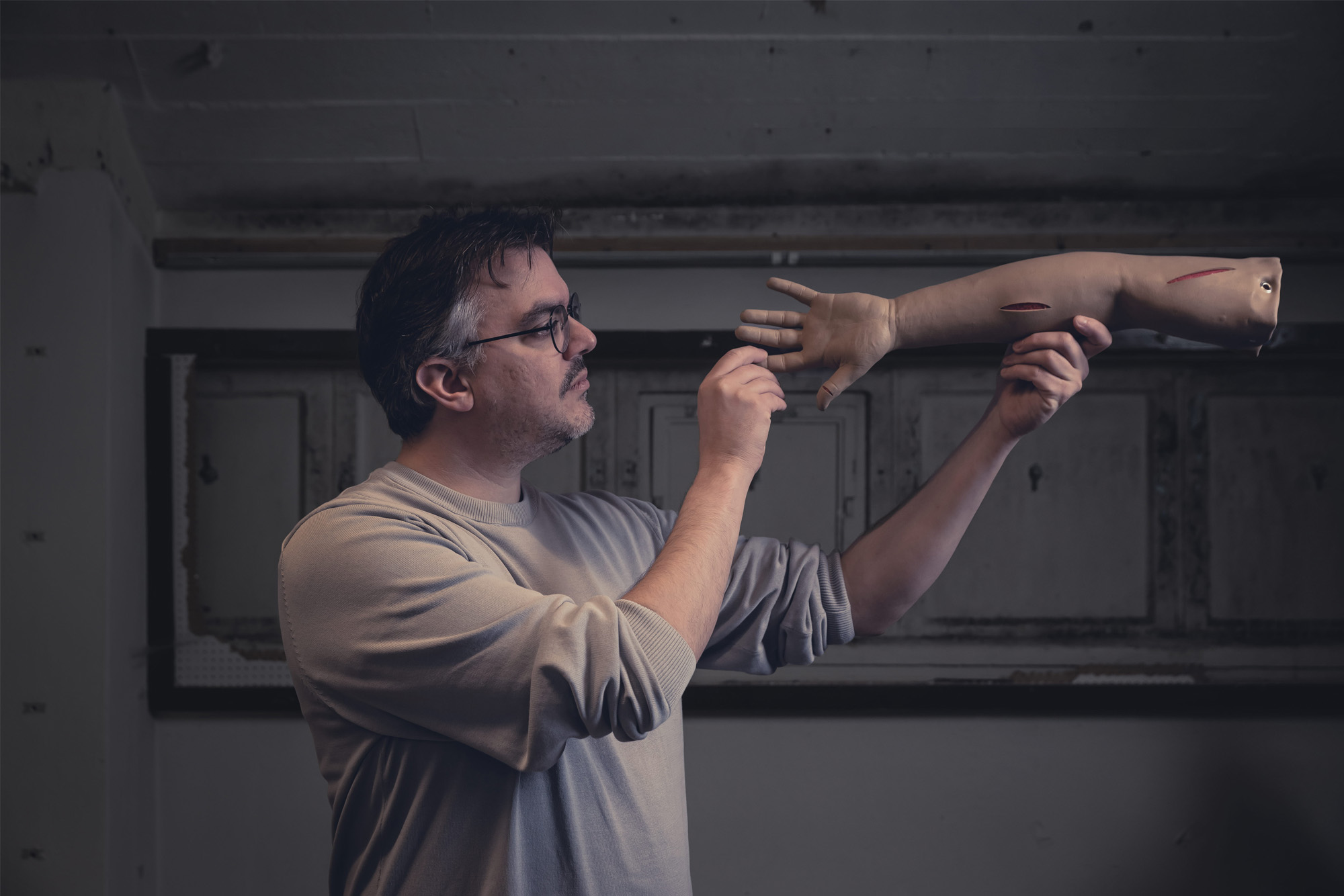
The ETpathfinder serves as a smaller-scale version of the Einstein Telescope, allowing researchers to test technologies and experimental setups. Within FSE, scientists are already developing technologies here that may eventually be incorporated into the telescope itself.

Part of the ETpathfinder in Duboisdomein 30.

Underground space observatory

A second home in Venlo

FSE’s presence in Venlo continues to grow. Maastricht University has been active in the city since 1999. What began as a small front office in the city centre developed into a fully-fledged campus ten years later. In 2009, the first programmes focusing on food, health and sustainable agriculture were launched.

“The university wanted to contribute to one of the major questions of our time: how can we sustainably feed a growing global population?”, explains Bakir Bulić, director of FSE. “What knowledge and technologies will be needed to achieve that? And how does that help the North Limburg region economically? Those ambitions led to the establishment of the campus in Venlo.”


A second home in Venlo

Nassaustraat 36 in Venlo: the historic building where the Venlo campus began.

‍Student studio’s with history

The university built its first teaching and research campus outside Maastricht: the Brightlands Campus Greenport Venlo.

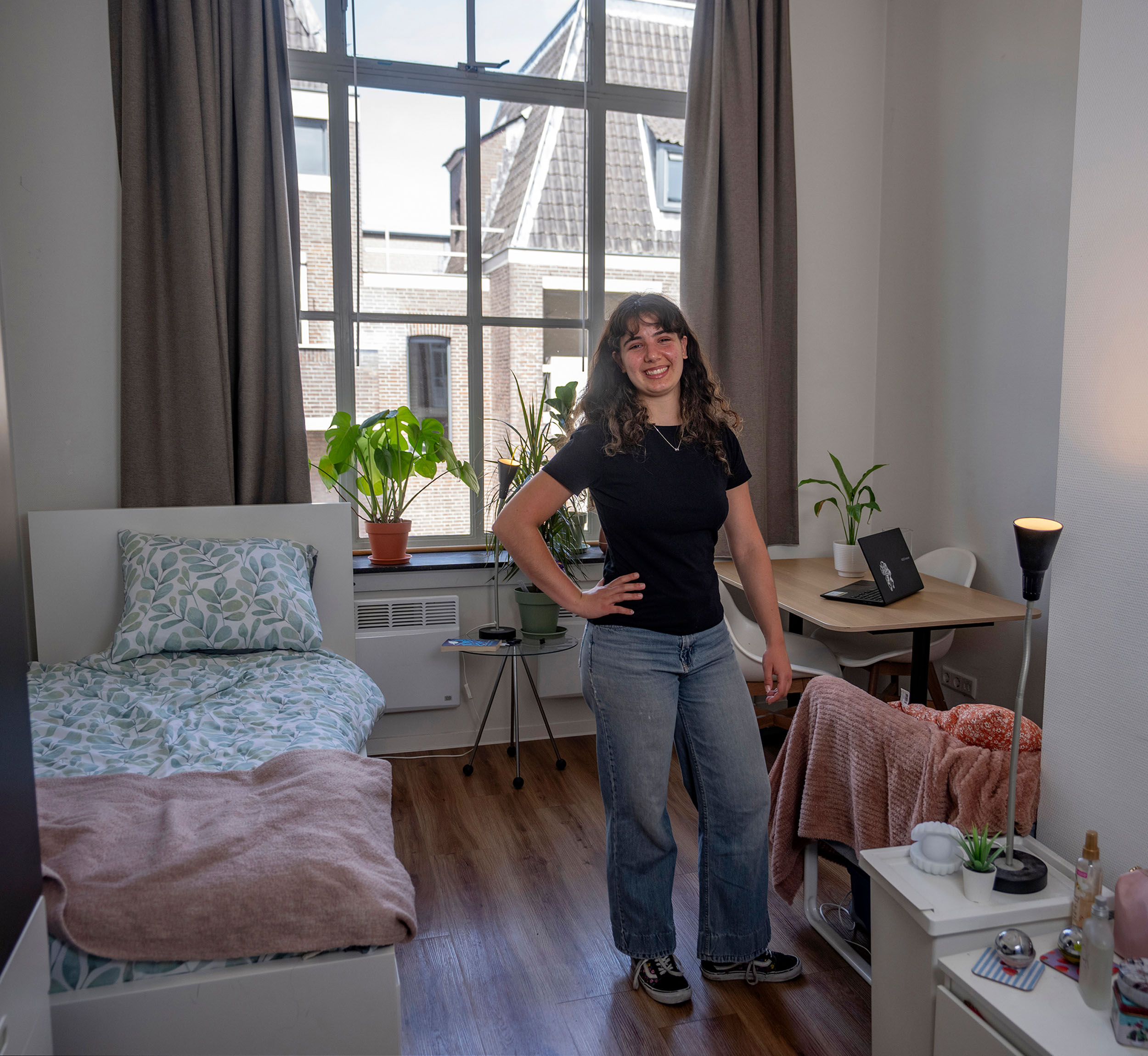
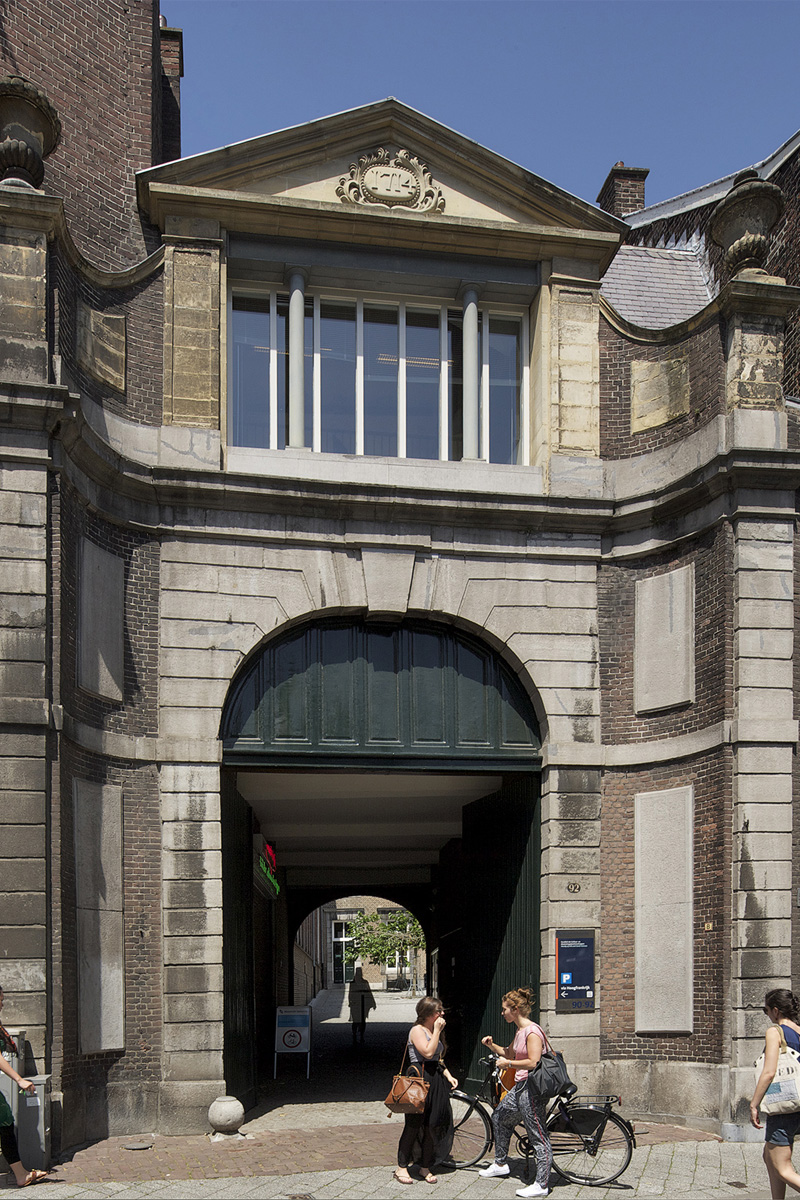
It all started with a historic building in the city centre. The building is still in use today and now houses University College Venlo. Students even live in studios above the lecture hall.

The building itself has a fascinating history, having served as an eighteenth-century arsenal and later as a police station. Many historical features remain, including stained-glass windows, a monumental staircase and a ceramic mural depicting the Province of Limburg.

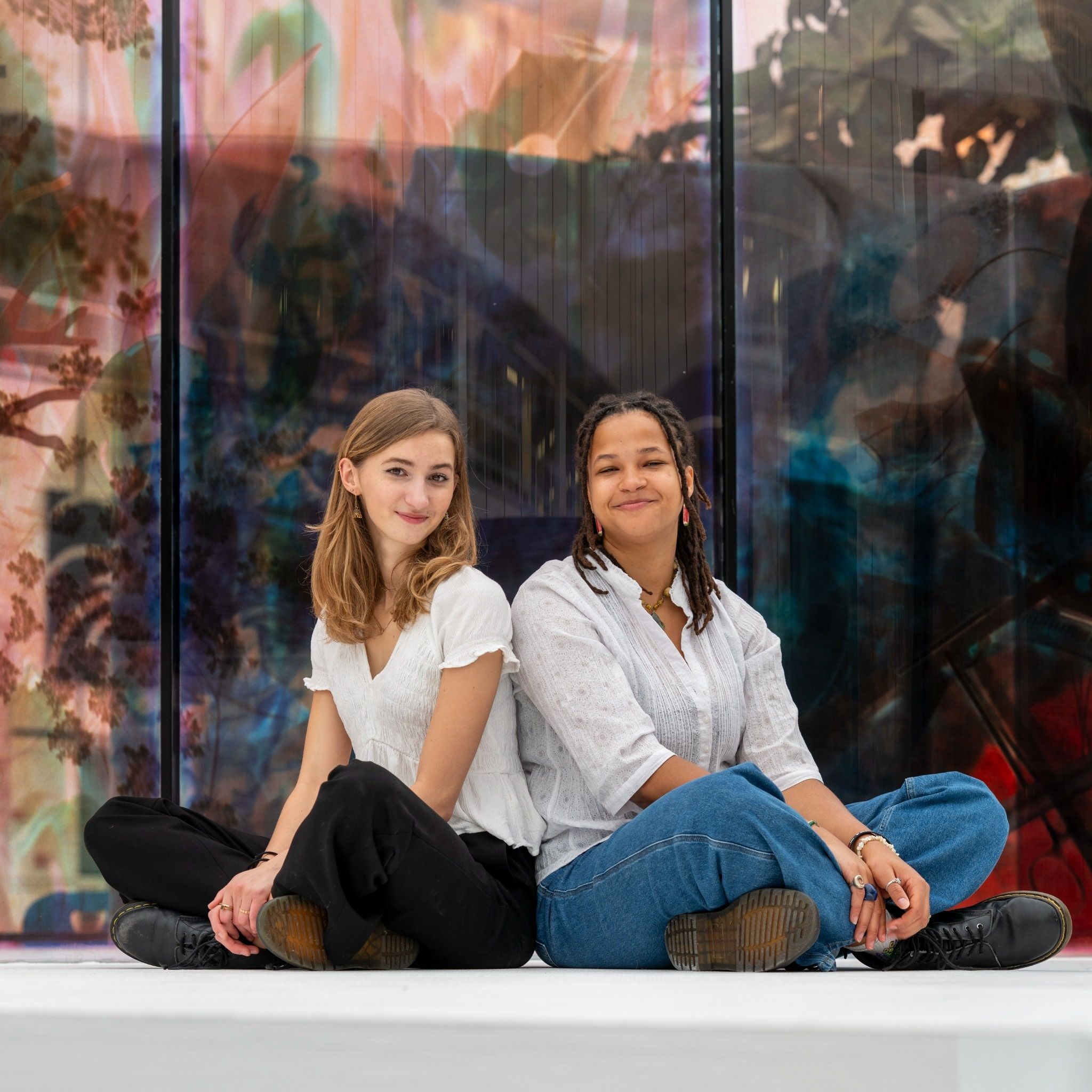
Student Gema Profili Rossotto in her studio above the lecture hall.

Student studio’s with history

The beating heart of the campus

The UM soon recognised an opportunity to expand its research and teaching in Venlo. In a unique location just outside the city, in green surroundings, with scope for interaction with the business community. With Villa Flora at its very heart.

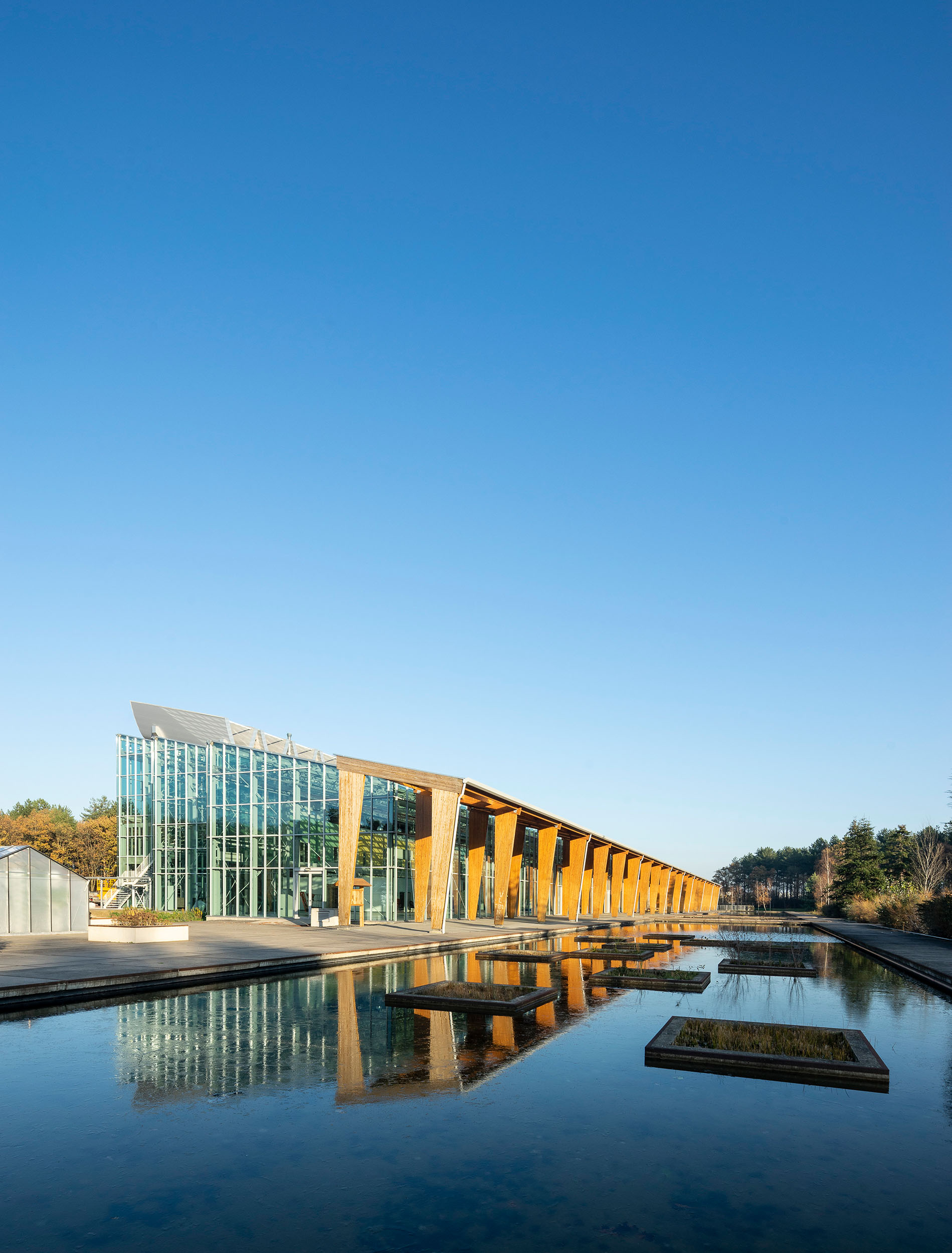
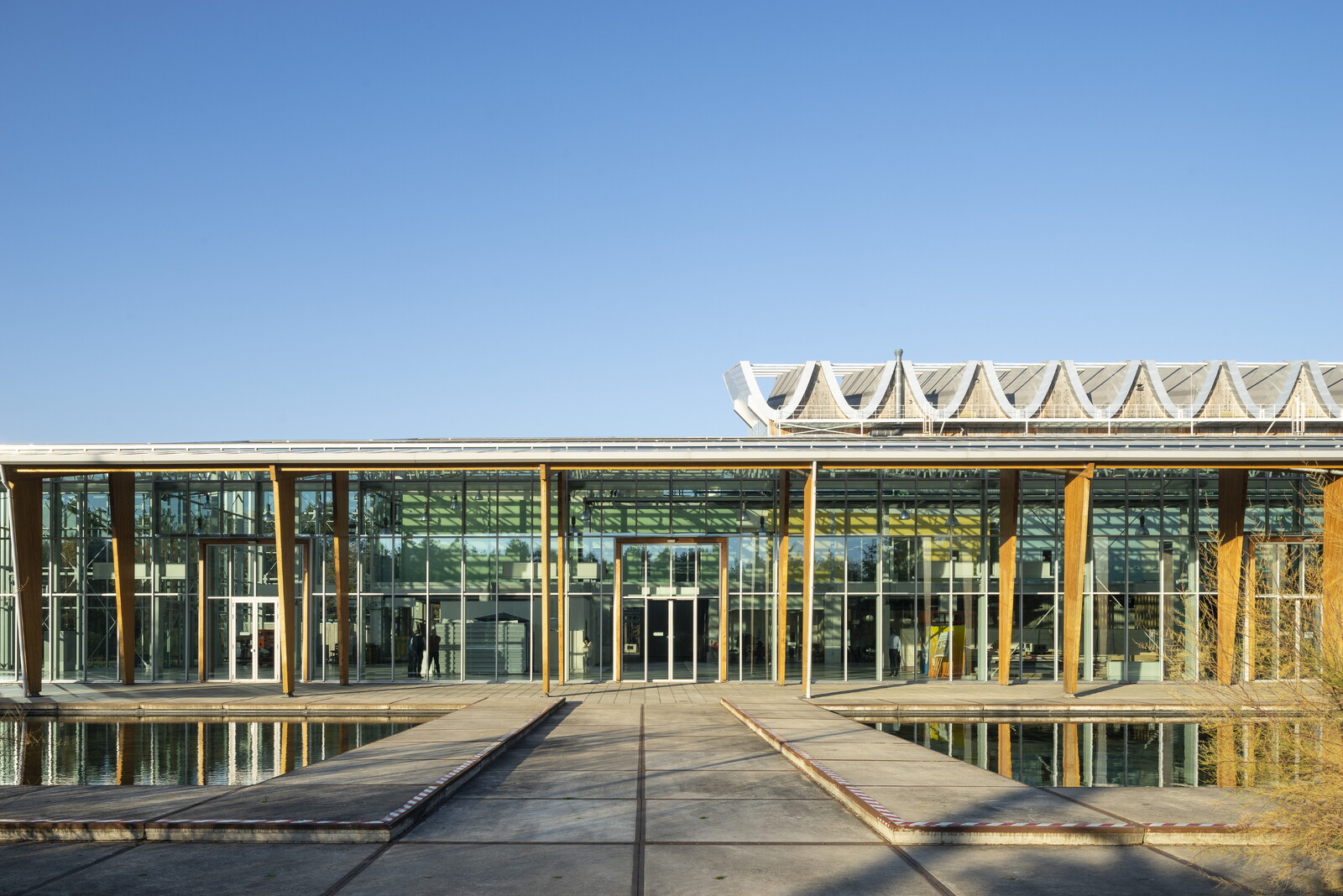
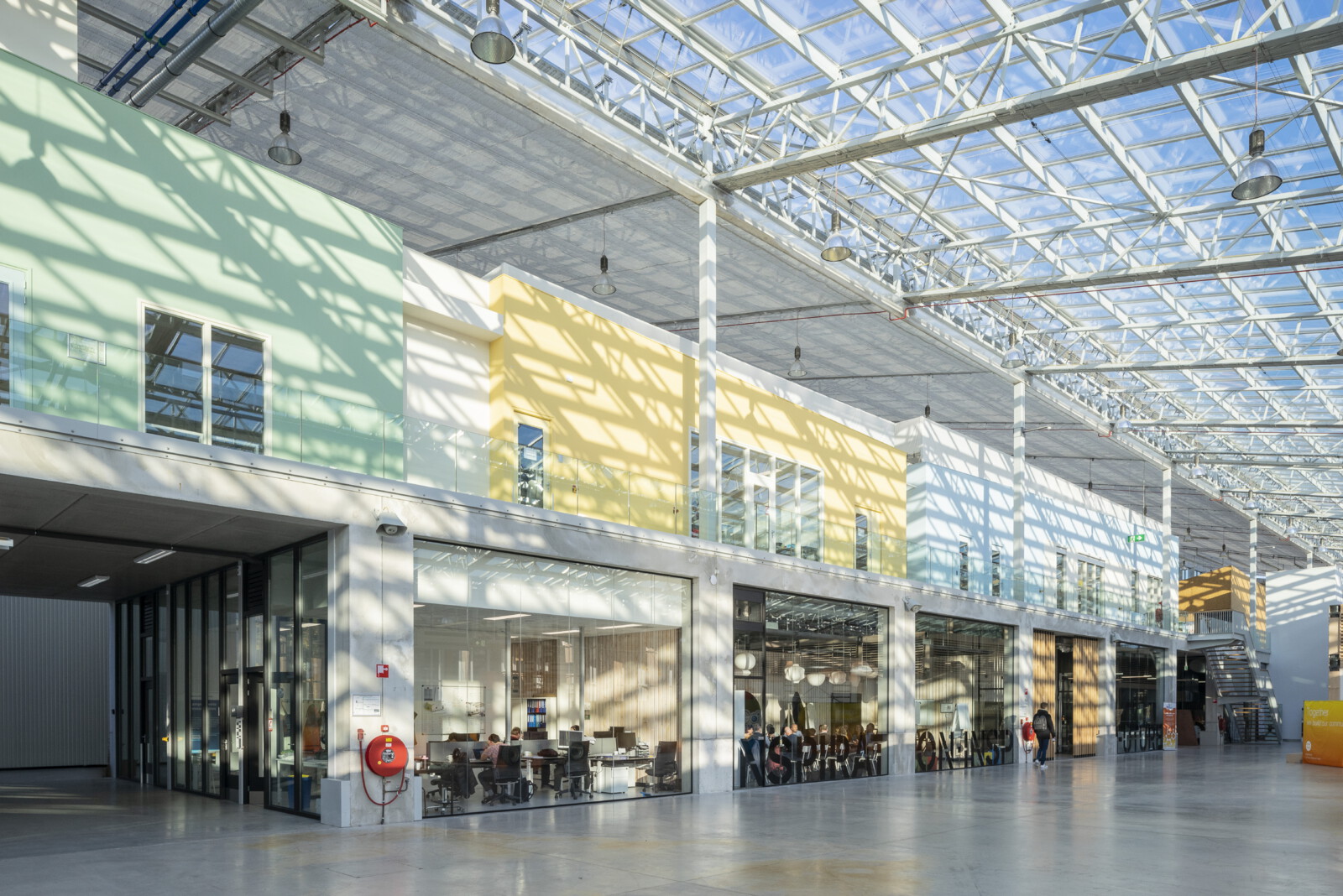
Villa Flora is an iconic building that was one of the main attractions of the Floriade horticultural world exhibition in 2012. With its extensive glass façade, it resembles a modern greenhouse. Since 2015, it has been used by FSE.

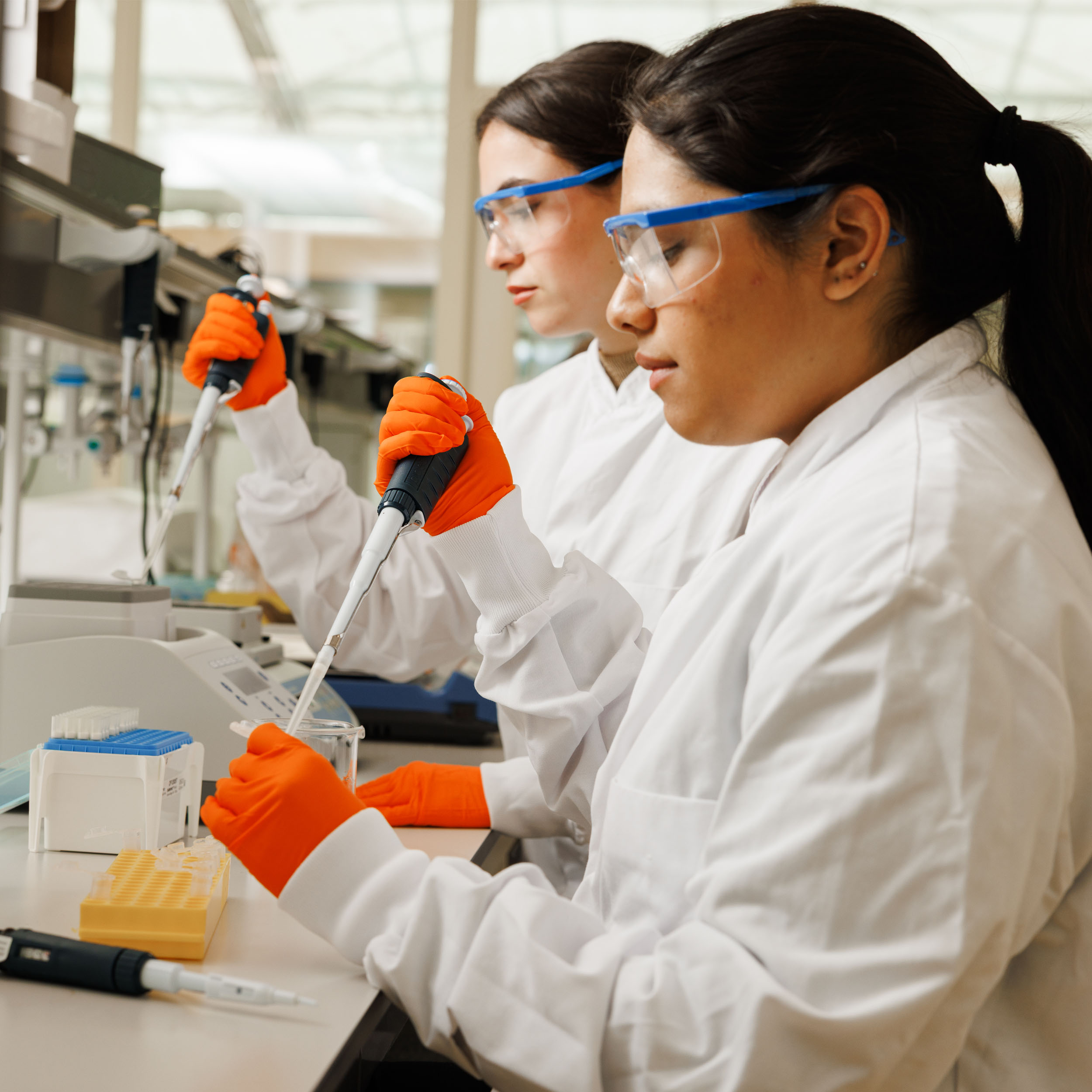
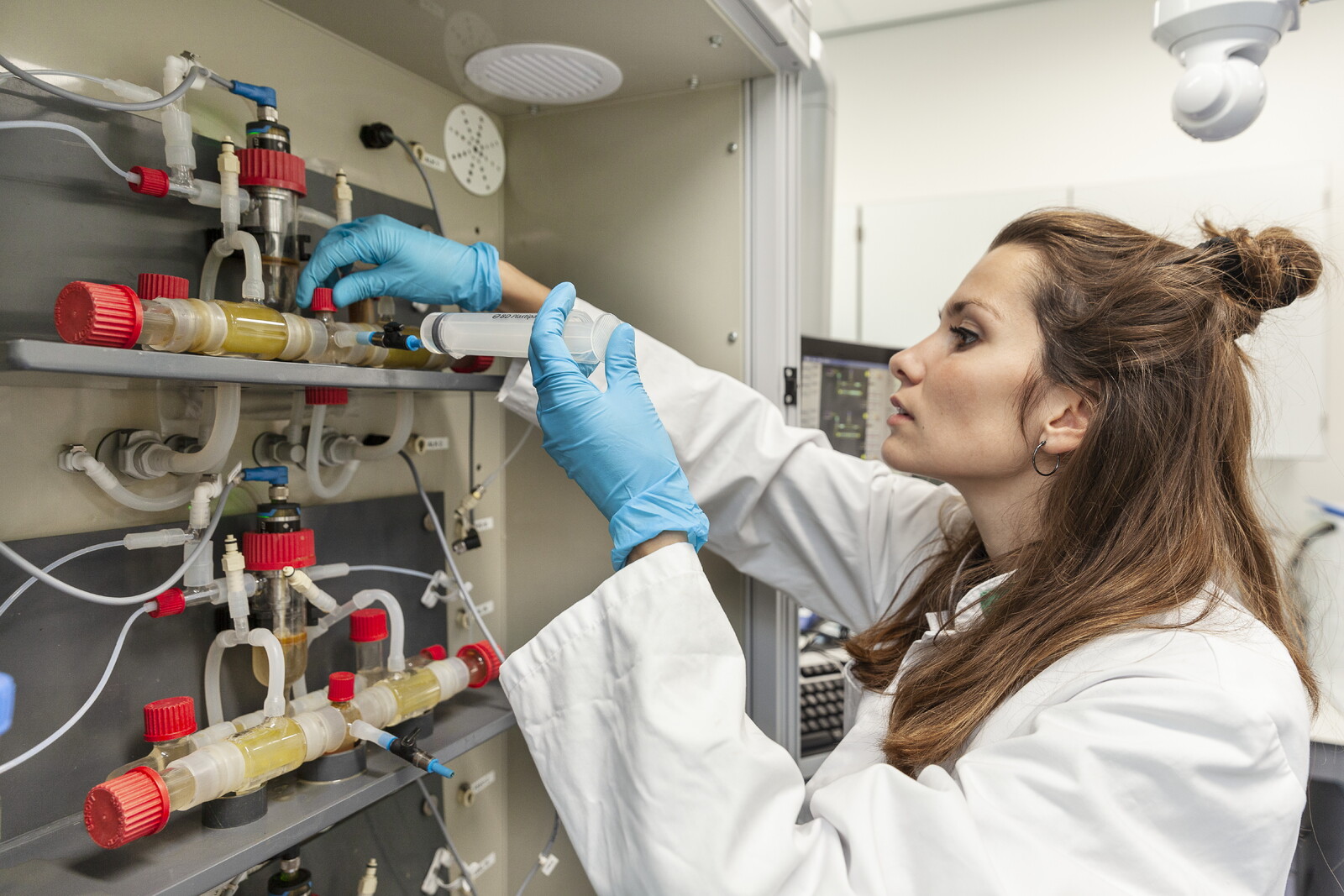
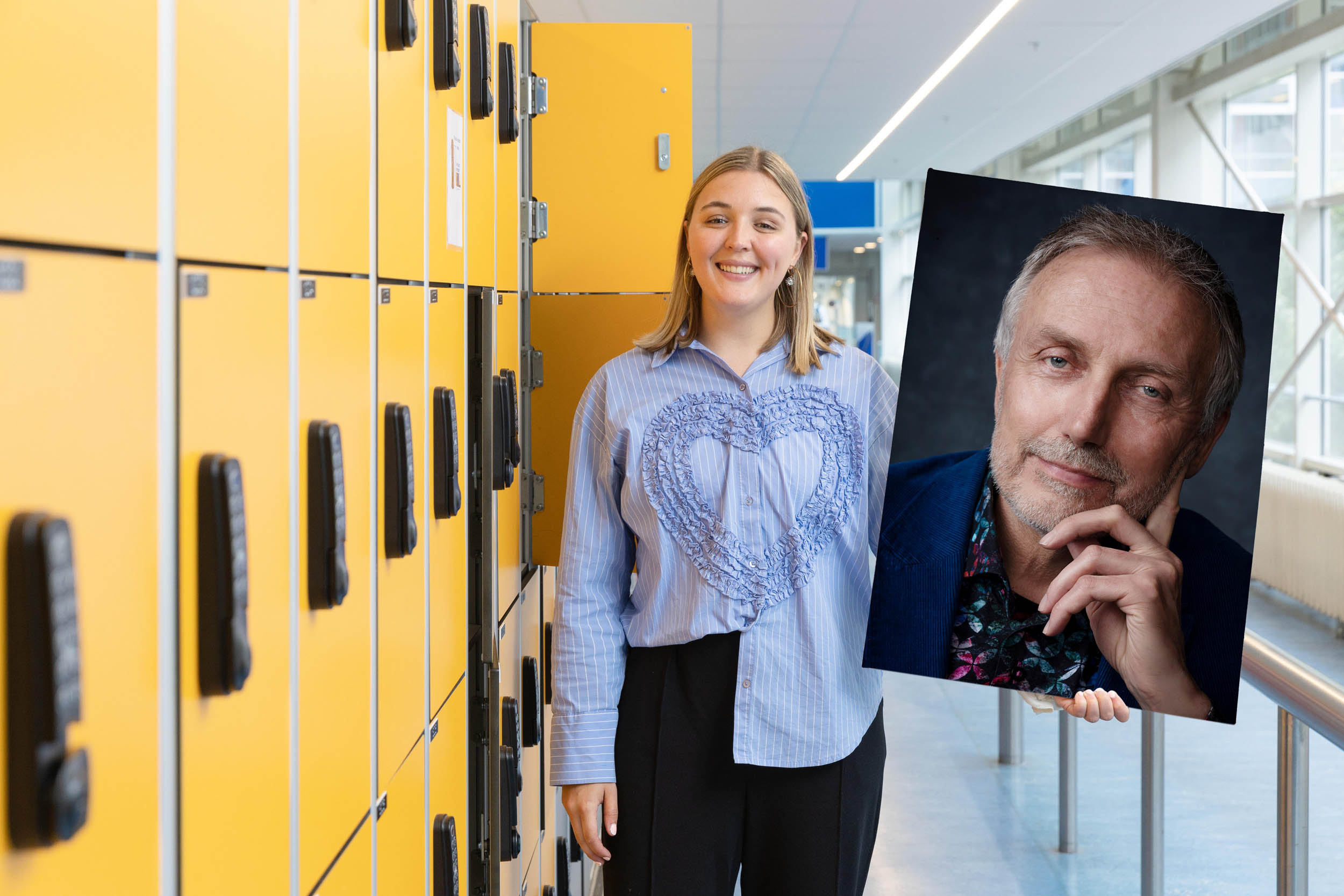
“What actually makes food healthy? That is one of the questions we investigate in Villa Flora”, says Cyriel Mentink, Director of Campus Development in Venlo. “For example, we use an artificial digestive system in our laboratories to study how food is digested and fermented.”

Villa Flora

The beating heart of the campus

Genius greenhouse

Healthy, sustainable food begins with the seed in the ground. That is why Maastricht University opened the Nick Bos Greenhouse in 2024, a state-of-the-art facility where researchers and students explore the future of agriculture and horticulture.

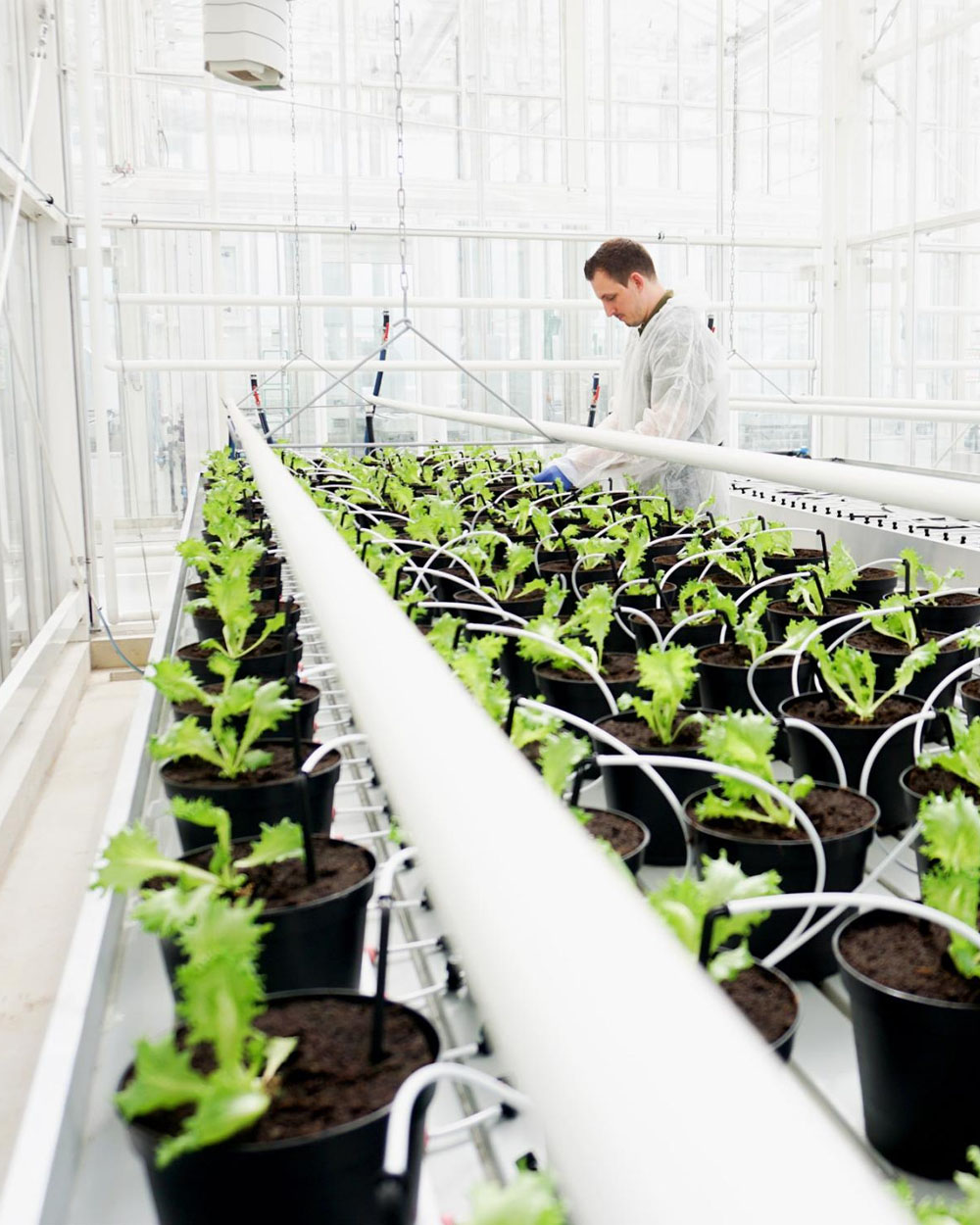
“We investigate questions such as how to increase the nutritional value of tomatoes so they become healthier”, says Mentink. “Or how lettuce plants can be grown closer together, reducing the amount of land required. We are also researching heat resistance: how can crops continue to thrive in hotter and drier climates?”

The Nick Bos Greenhouse is divided into several sections, each with its own microclimate. This allows multiple crops to be cultivated and studied simultaneously. The facility operates sustainably and efficiently, combining double glazing, heat pumps and LED lighting - a unique combination within horticulture.


Genius greenhouse

The Nick Bos Greenhouse.

‍Abstract biology

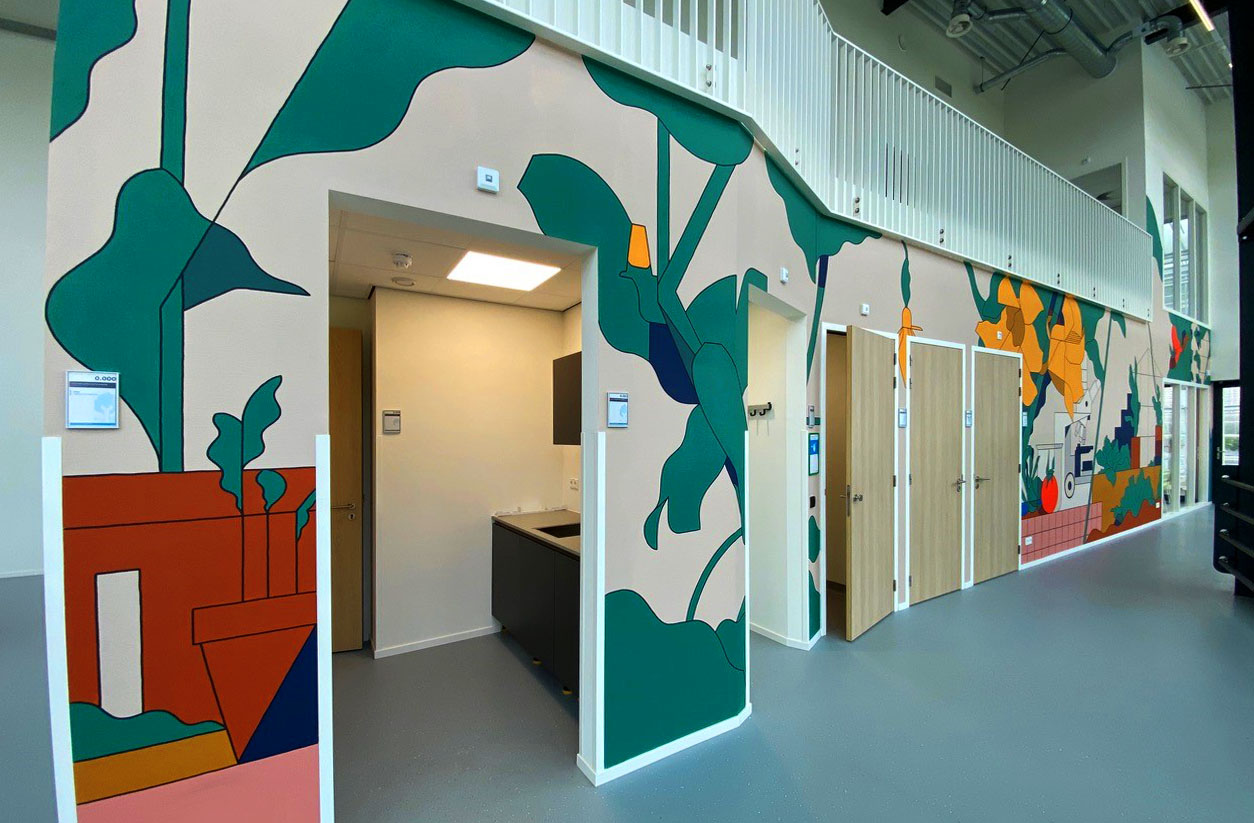
As you walk from Villa Flora towards the Nick Bos Greenhouse, you’ll see a mural by graffiti artist Robin Nas. The artwork has clean lines and an abstract style.

Mentink explains: “We wanted the outside of the building to reflect the research being done inside the greenhouse. That’s why the mural features elements such as a tomato and a microscope.”

Robin Nas’s mural at the Nick Bos Greenhouse.

Abstract biology

From its earliest days, FSE has played an important role in Limburg’s economic development and in the transition towards a more sustainable society.

Through the Brightlands campuses, the faculty contributes not only to pioneering research but also to practical solutions that help businesses and society move forward. “That connection is something we want to strengthen even further in the future”, emphasisesBulić.

According to Board Secretary Rob Kock, FSE can also take pride in how much it has already achieved. “We are the youngest faculty at Maastricht University”, says Kock. “Compared with similar faculties at other universities, we are still very much the younger sibling. That is precisely why we should be extra proud of everything we have built so far.”

Text: Caya Forman
Photography: Laura Knipsael, Philip Driessen, Joris Hilterman, Harry Heuts