

Tag
13 May 2026

The places that make FASoS special –

from the best coffee to a real-life ghost story

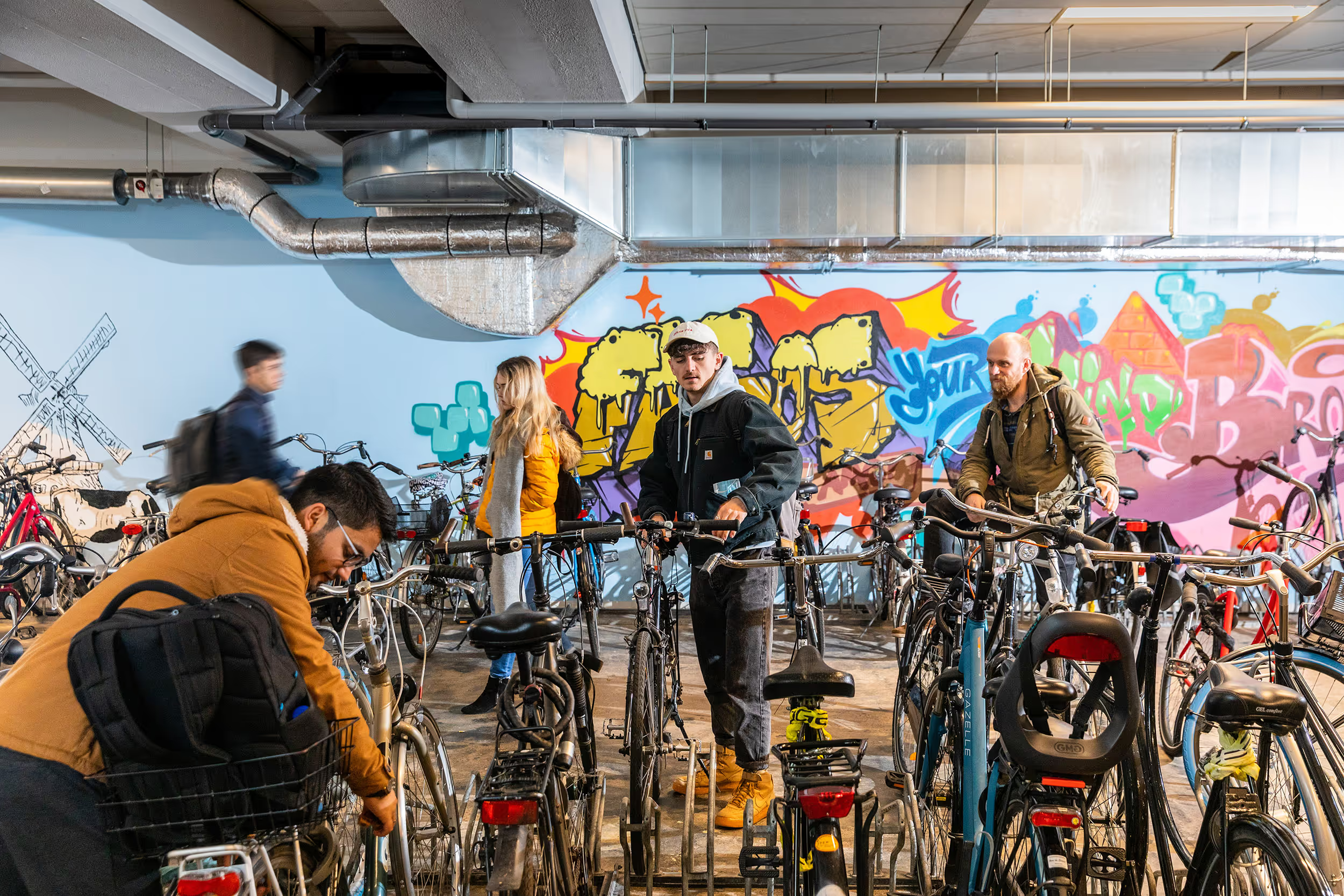
FASoS' bike cellar.

The Faculty of Arts and Social Sciences (FASoS) is more than just a faculty. It is full of remarkable historic places, where people from all over the world come together. Join us as we explore some of the most beautiful, striking and even spooky corners of FASoS.

The Faculty of Arts and Social Sciences (FASoS) is home to perhaps the most diverse group of students and staff in the entire university. FASoS brings together people from a range of disciplines, including history, political science, philosophy and literature. It is also UM’s most international faculty: around 77 per cent of students and 42 per cent of staff come from abroad.

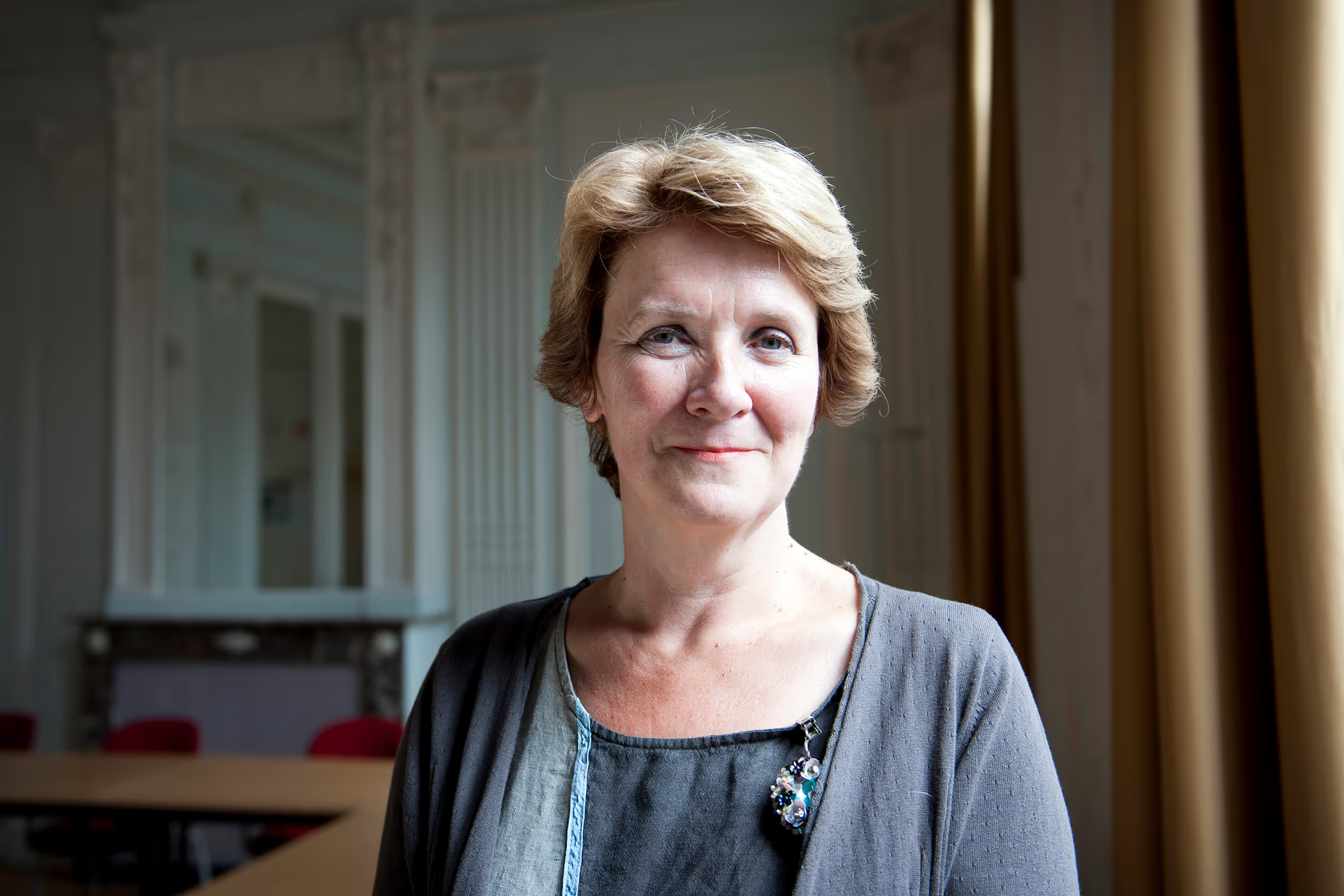
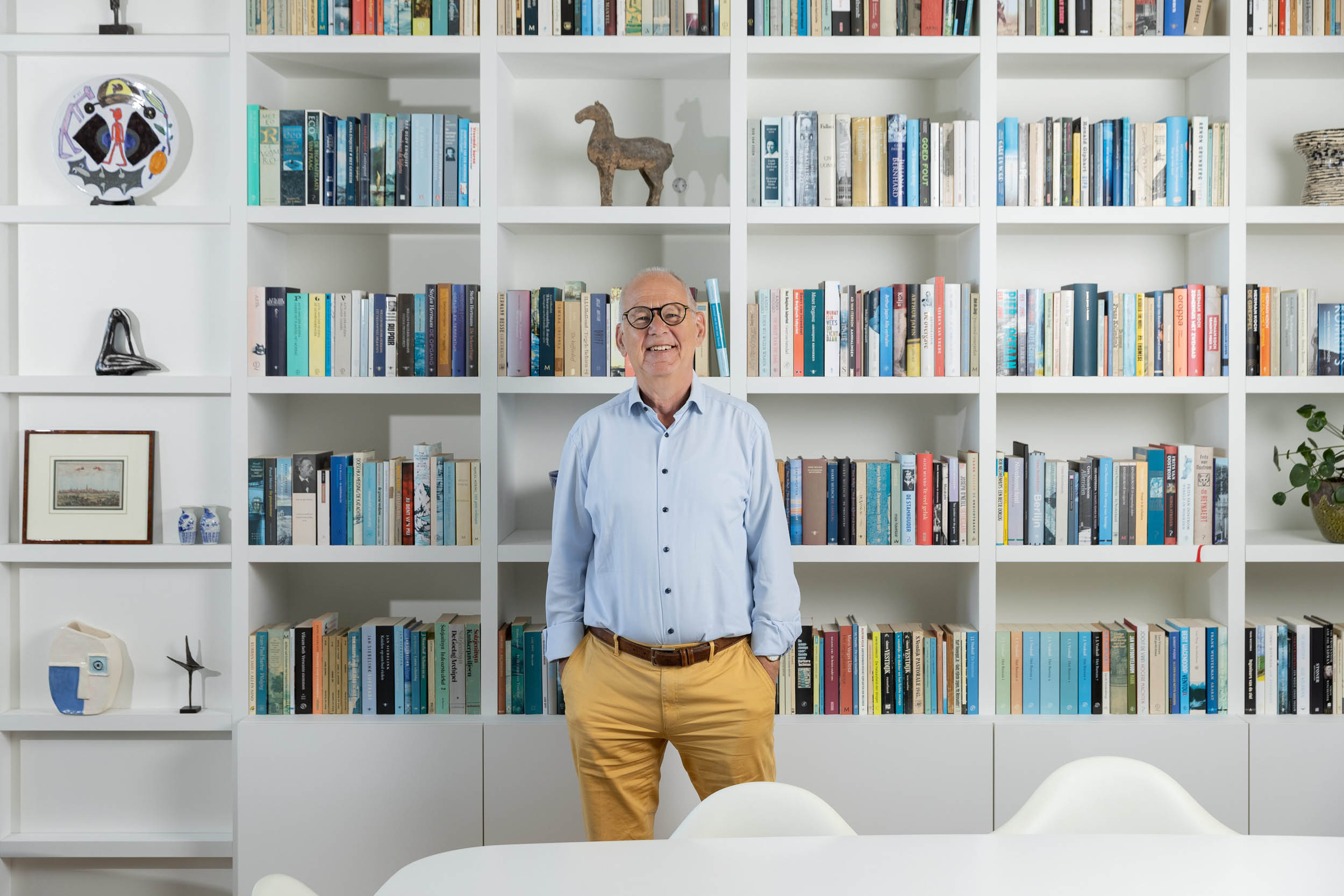
The faculty also stands out for the number of women working there, says Prof. Dr Sally Wyatt, Professor of Digital Cultures at UM: “More than half of the professors and almost all the heads of department are women. That also says something about our culture: FASoS is incredibly open and everyone is welcome.”

The faculty was founded in 1994. Initially, it consisted solely of the Cultural Studies programme. Following the establishment of European Studies in 2000, FASoS suddenly grew rapidly. Today, it offers four bachelor’s programmes and eight master’s programmes, including two research master’s degrees.

Hof van Tilly

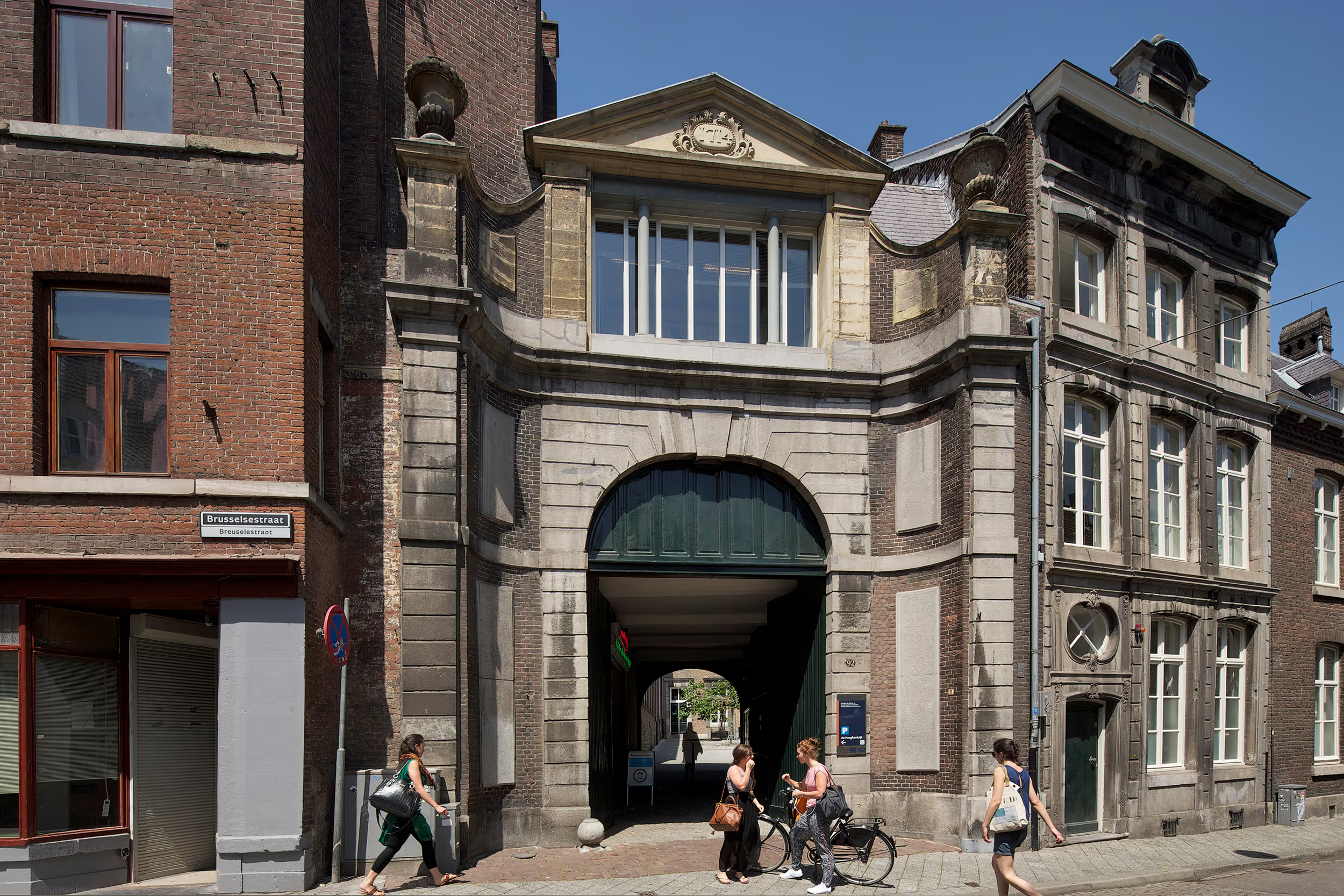
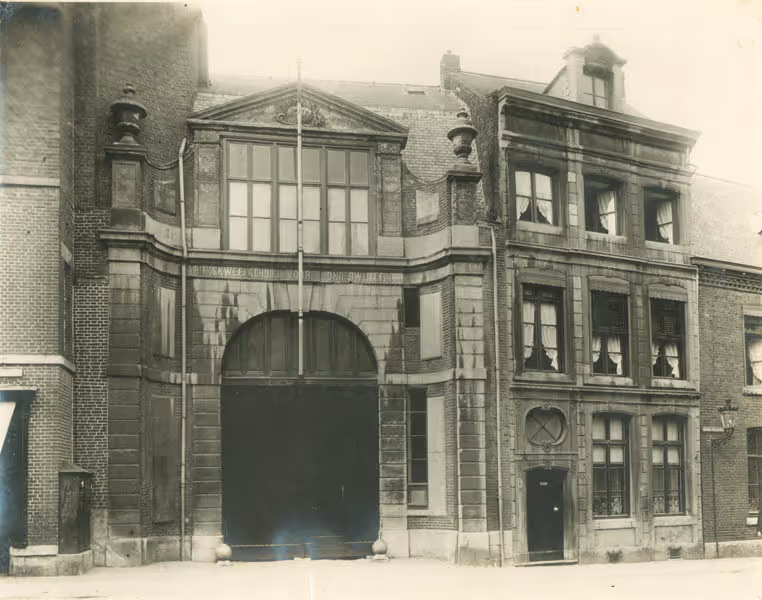
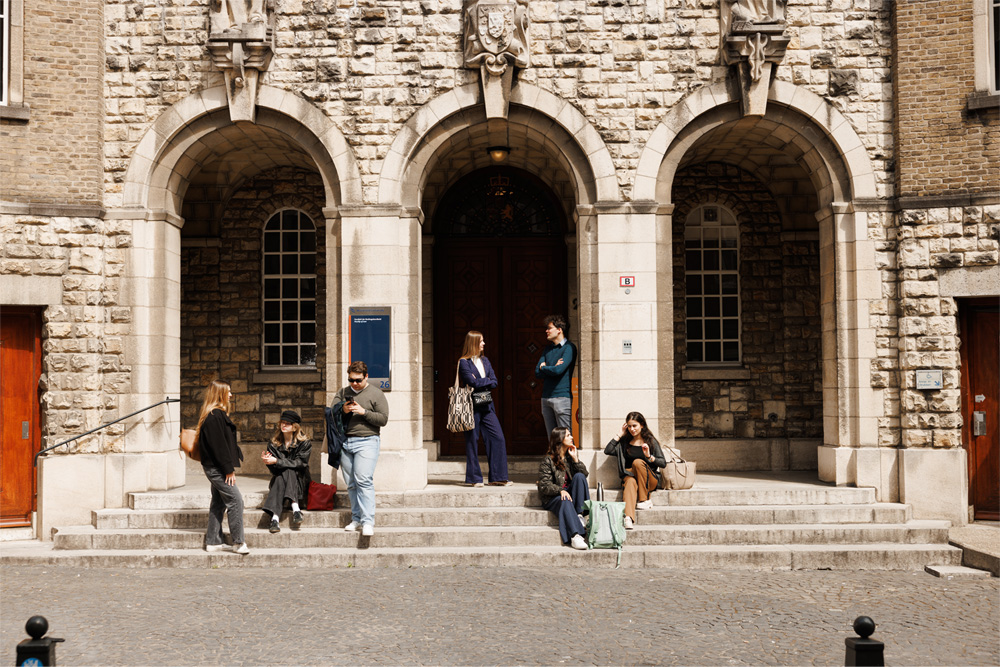
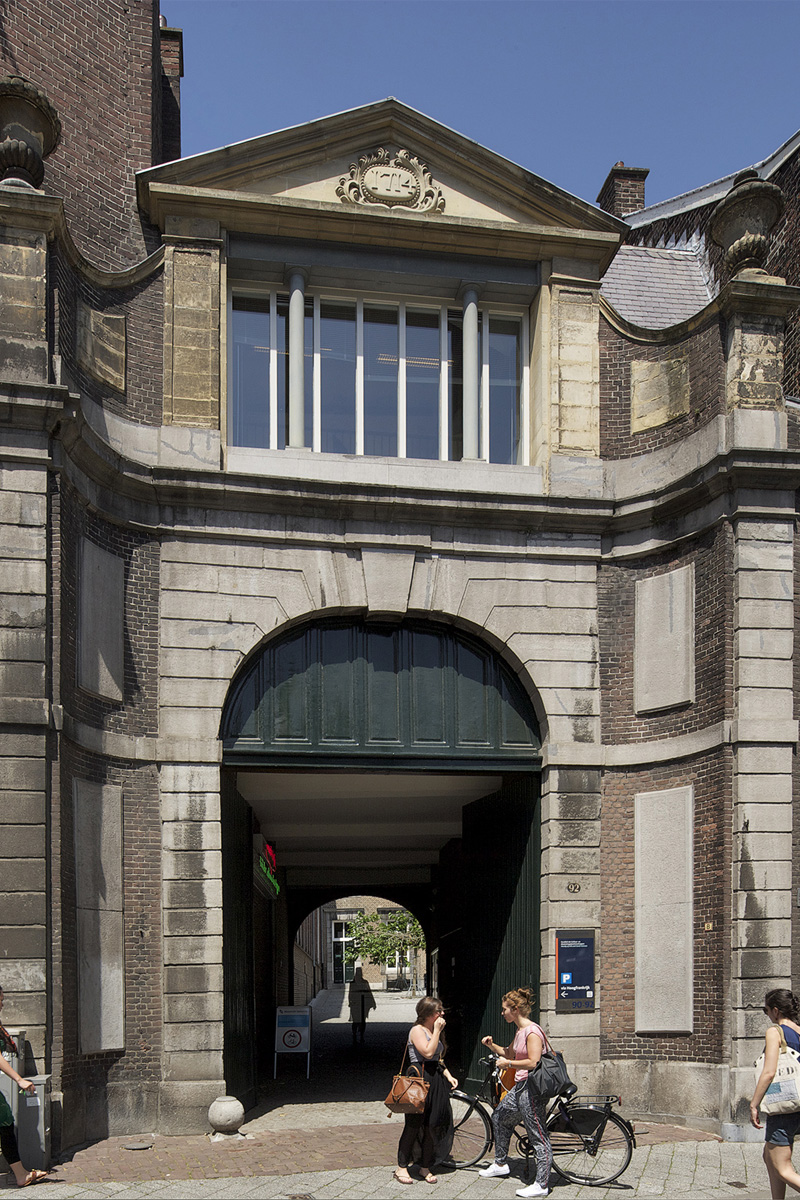
FASoS’s main location makes an immediate impression. The Hof van Tilly is, in fact, a stately mansion dating back to 1714. When European Studies was added, the university moved into the building at Grote Gracht 90-92. “The old building suddenly became far too small”, says Armand Schoonbrood, former facilities officer at FASoS.

The Hof van Tilly was built in the 18th century in the style of a French hotel of that era. Complete with a gate through which horse-drawn carriages could drive into the courtyard. Claude-Frédéric ’t Serclaes, Count of Tilly, was a career soldier. He once lived here with his family. The building has been regularly renovated over the centuries and has served various purposes.

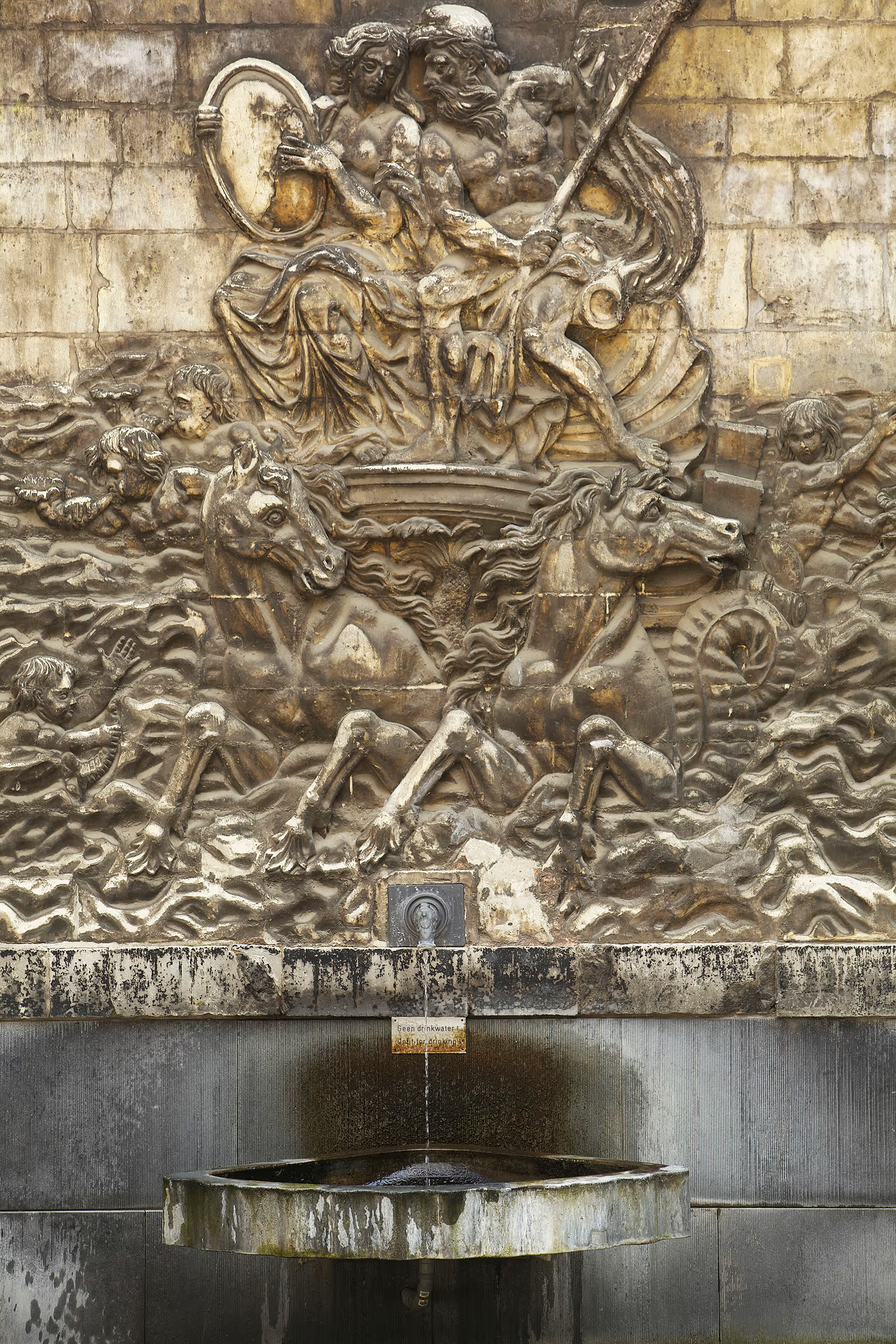
This marlstone relief shows the abduction of Amphitrite
by Poseidon.
Hof van Tilly

The entrance of Hof van Tilly now.

The entrance of Hof van Tilly back then.

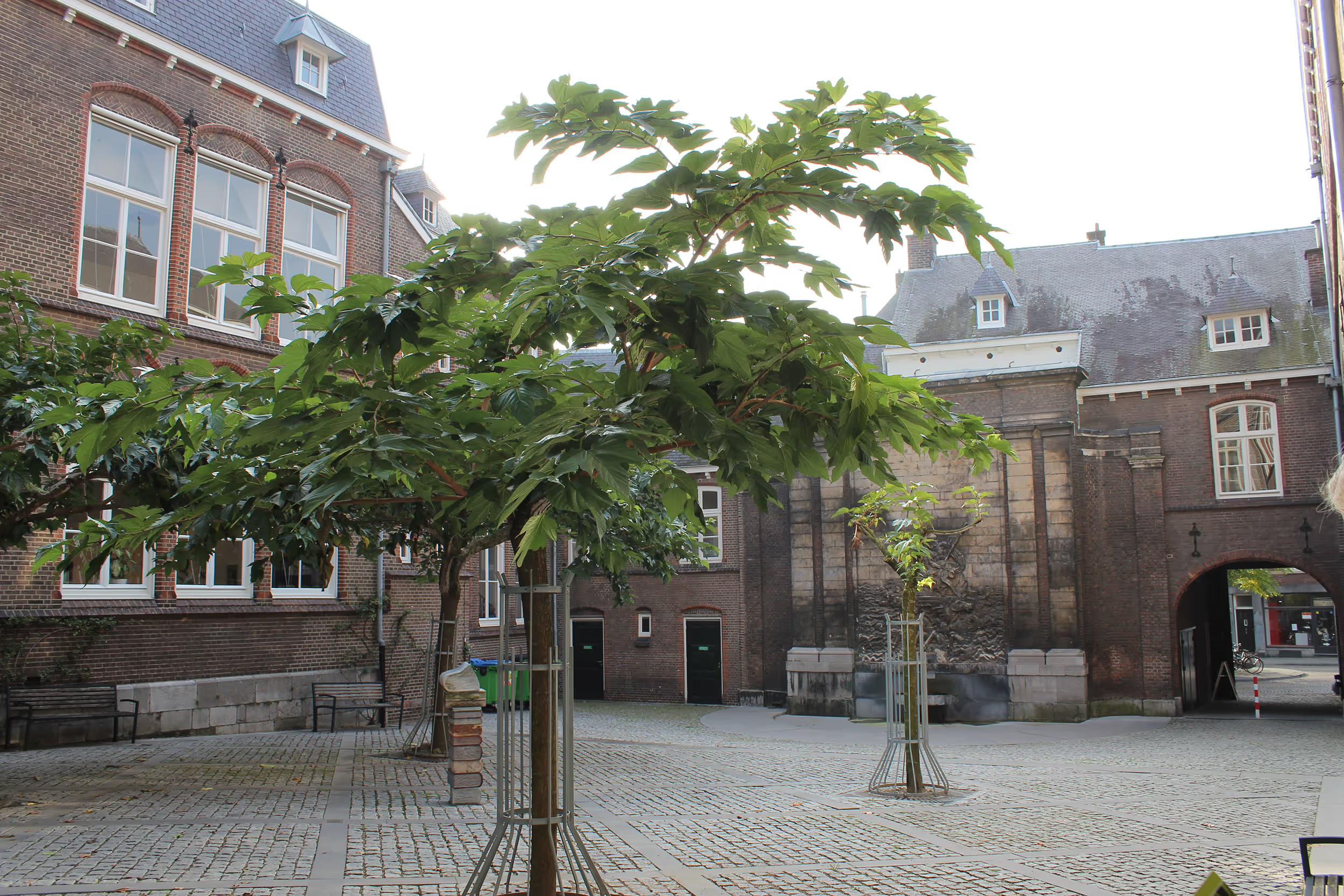
The courtyard now.

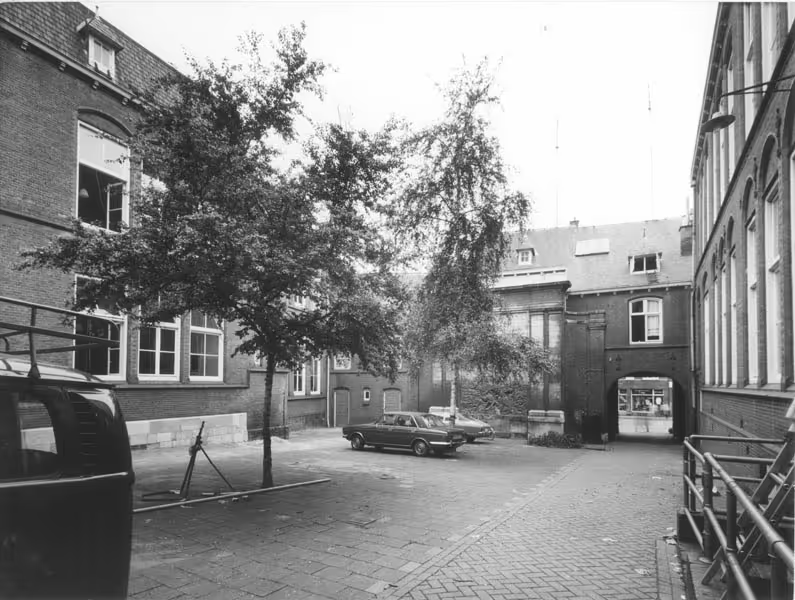
The courtyard back then.

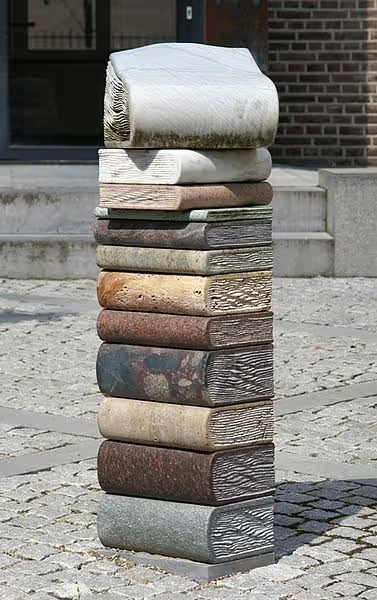
One piece of art immediately catches the eye at the entrance: a stack of books made from stones sourced from all over the world. “The Executive Board presented the stack of books to the faculty as a gift when the building opened”, explains Schoonbrood. The artwork was created by the artistic duo Kubach-Wilmsen and installed in 2004. No two books are the same; they vary in size, shape and colour.

The stack of books artwork by Kubach-Wilmsen.

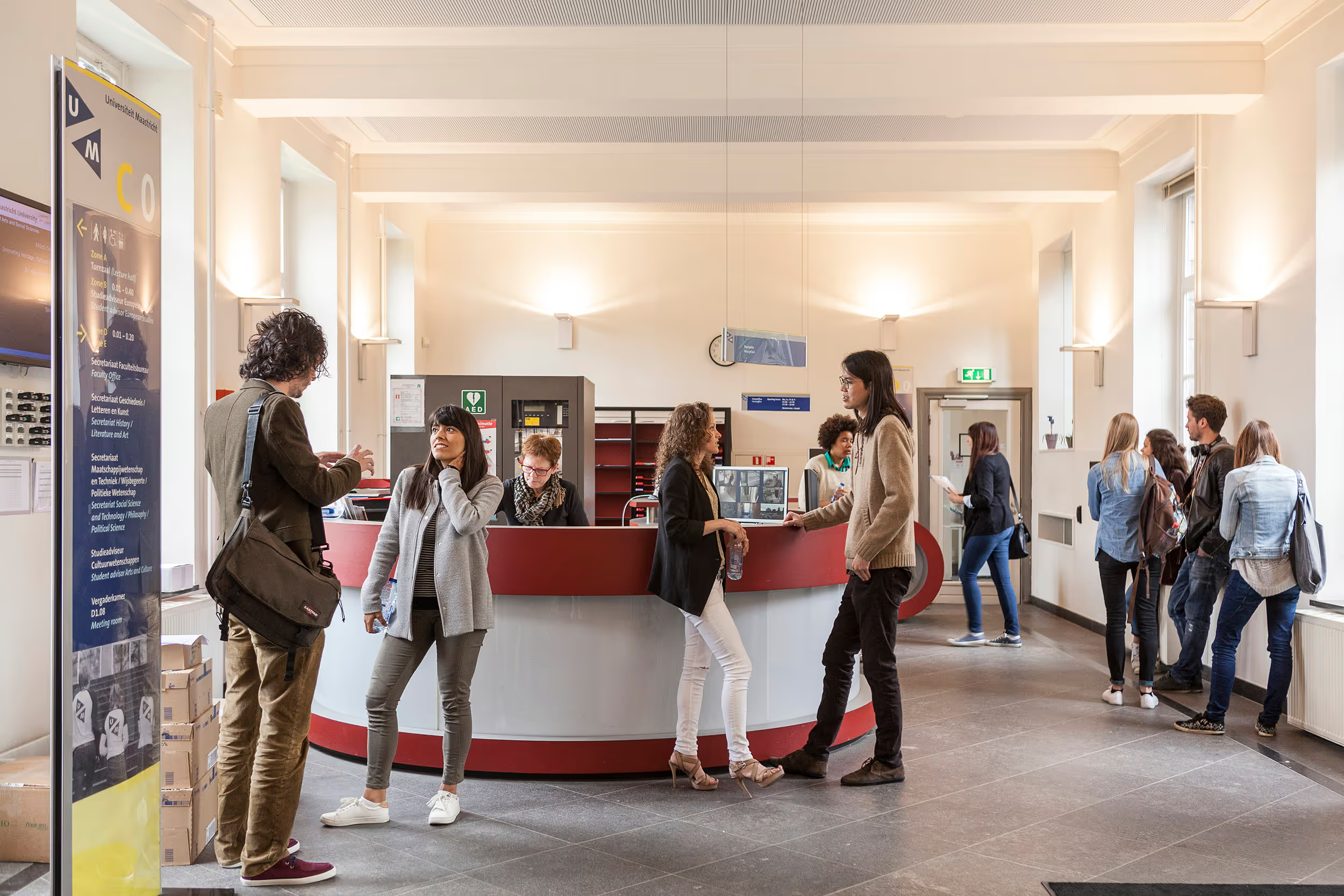
FASoS' reception desk.

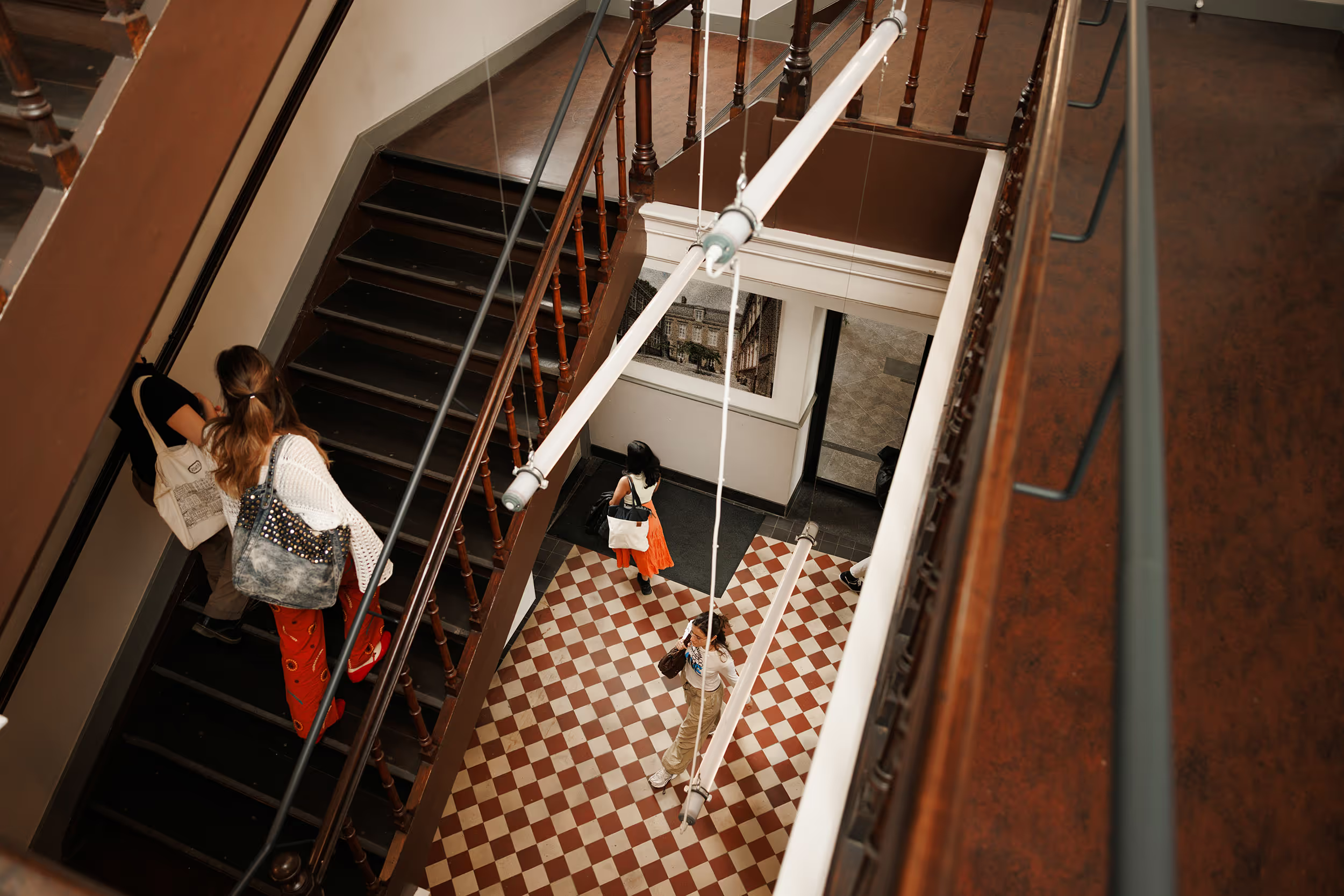
The stairwell.

Bio

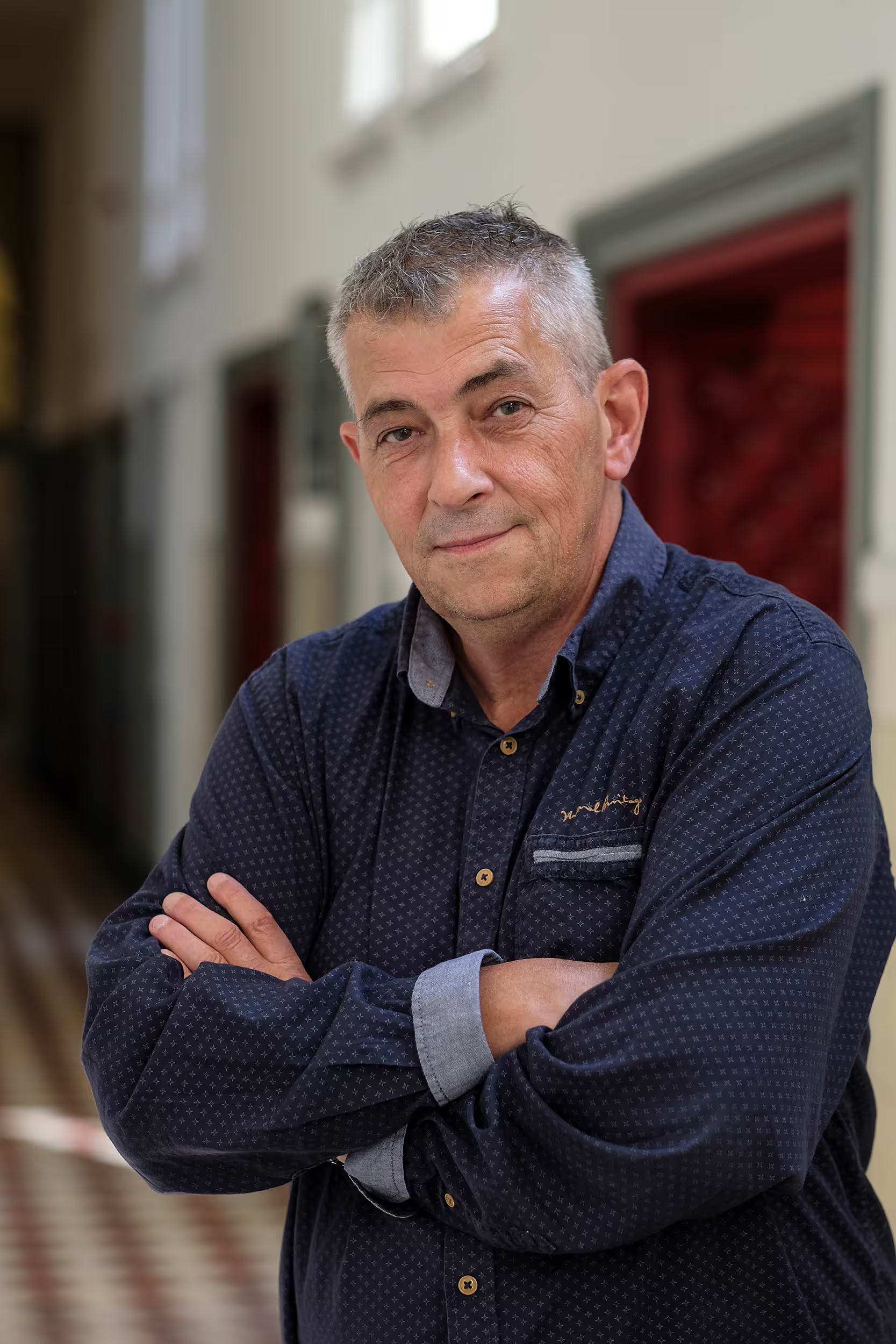
Armand Schoonbrood

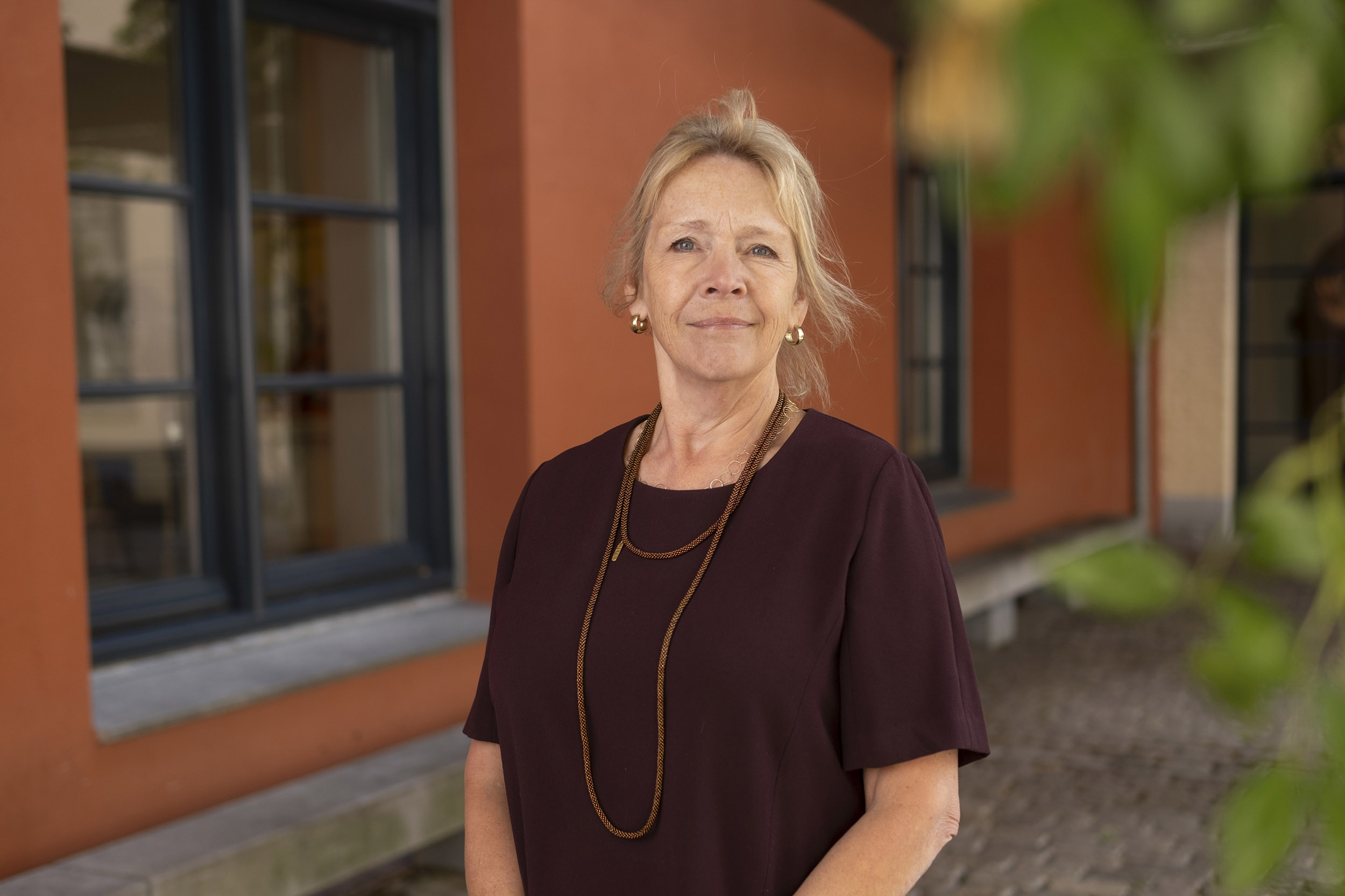
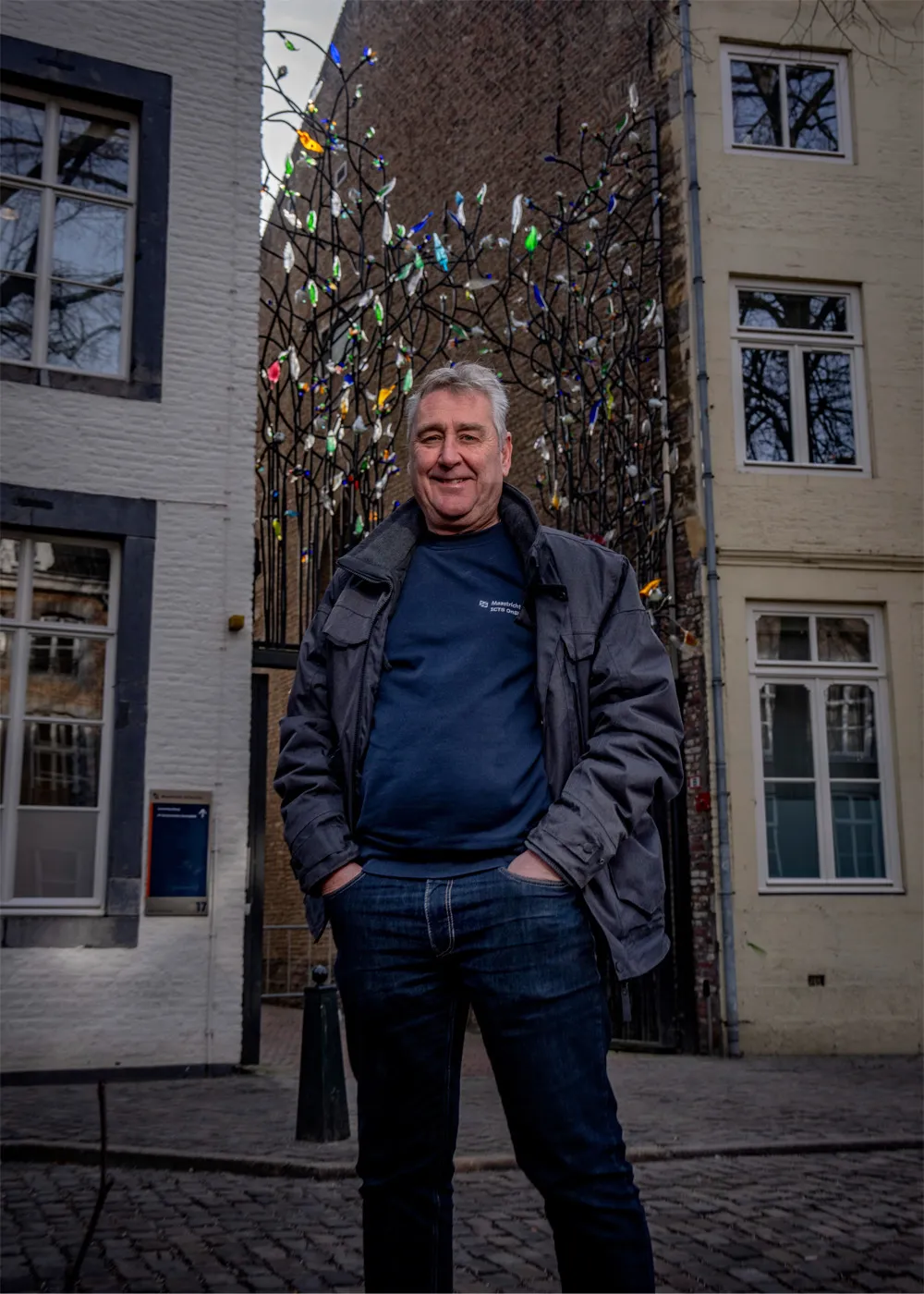
Armand Schoonbrood joined Maastricht University in 1994. In 2001, he became a facilities officer at the Faculty of Arts and Social Sciences. Before retiring in 2025, Schoonbrood was one of the faculty’s longest-serving staff members.

Read more below

Bandito Espresso

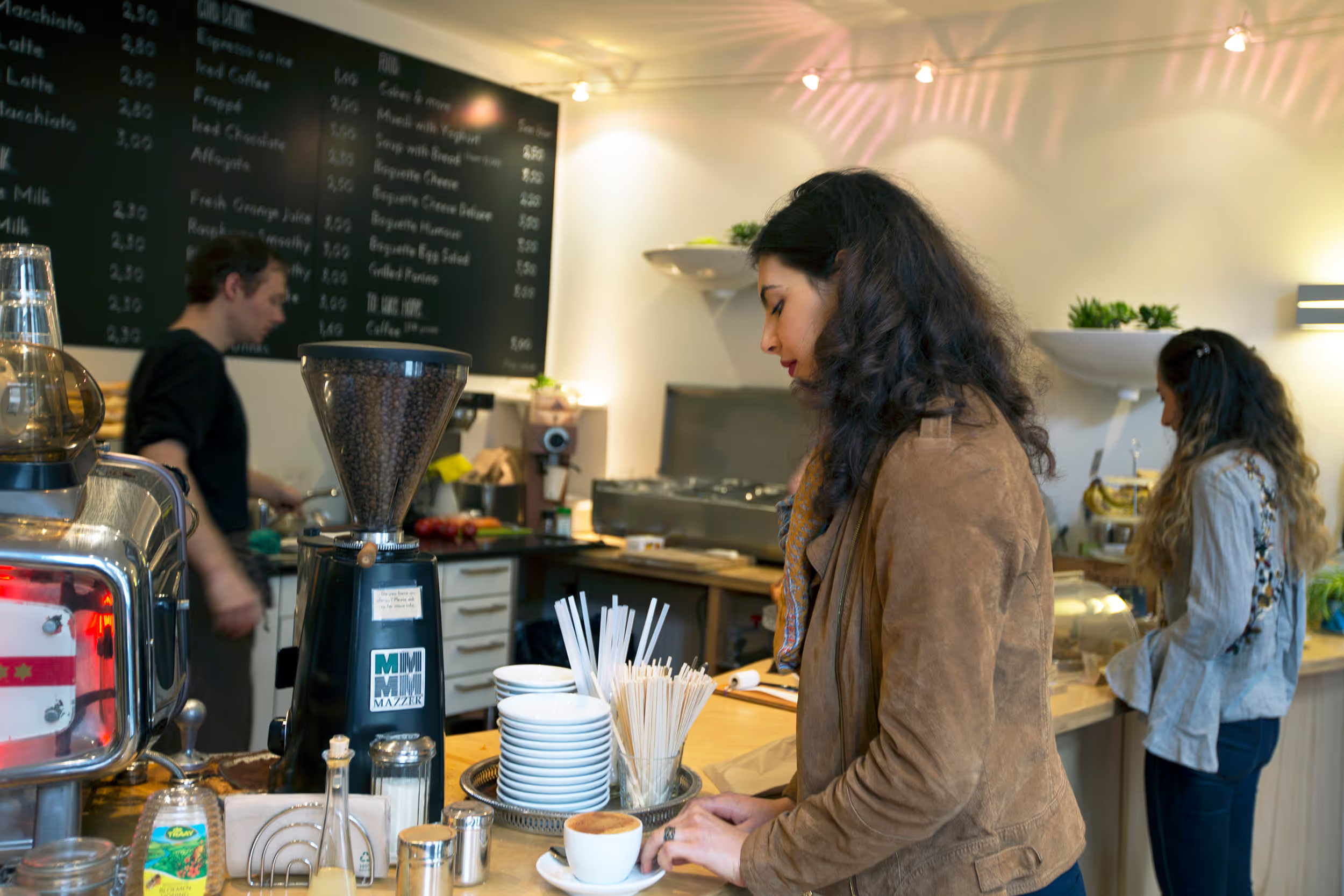
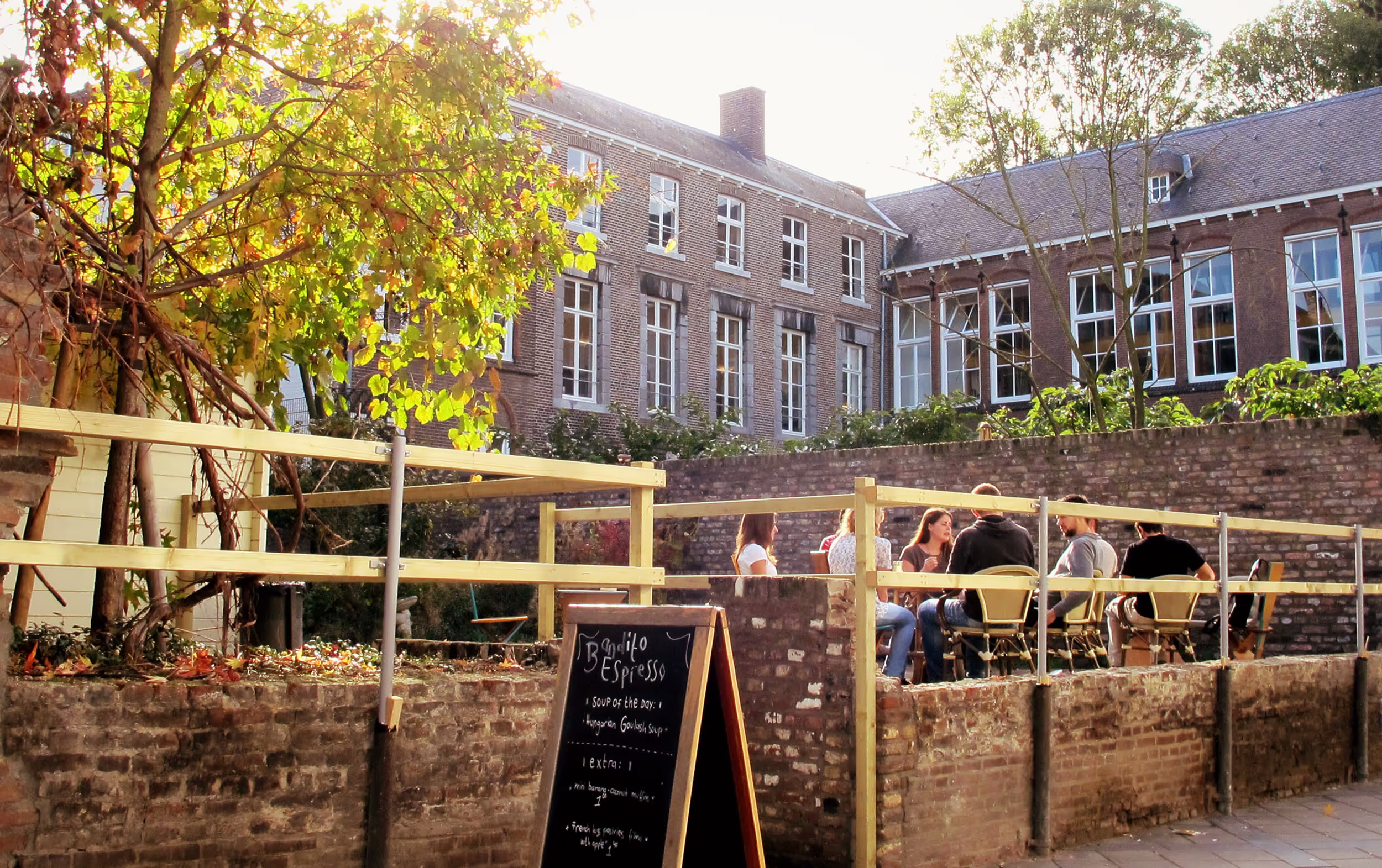
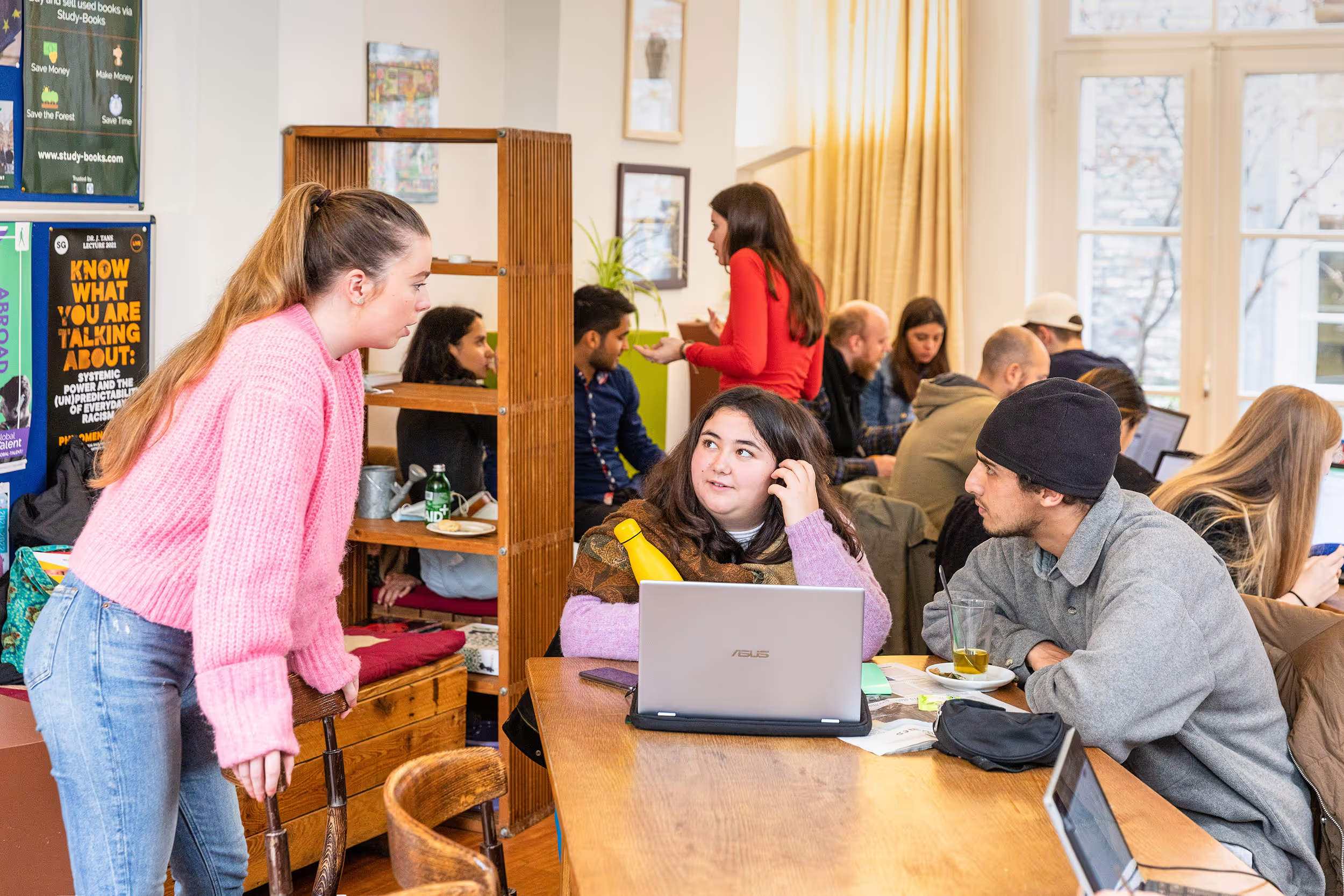
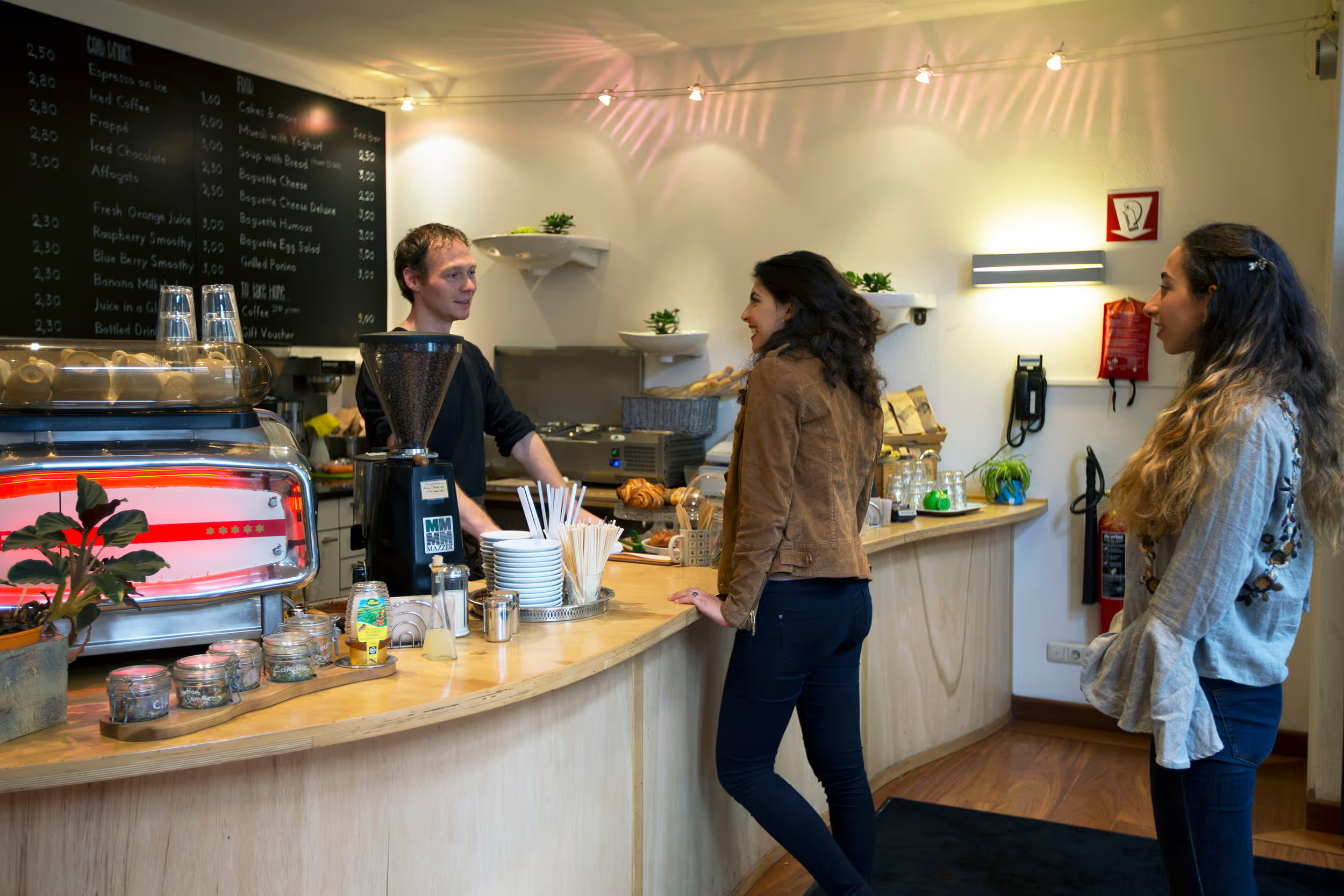
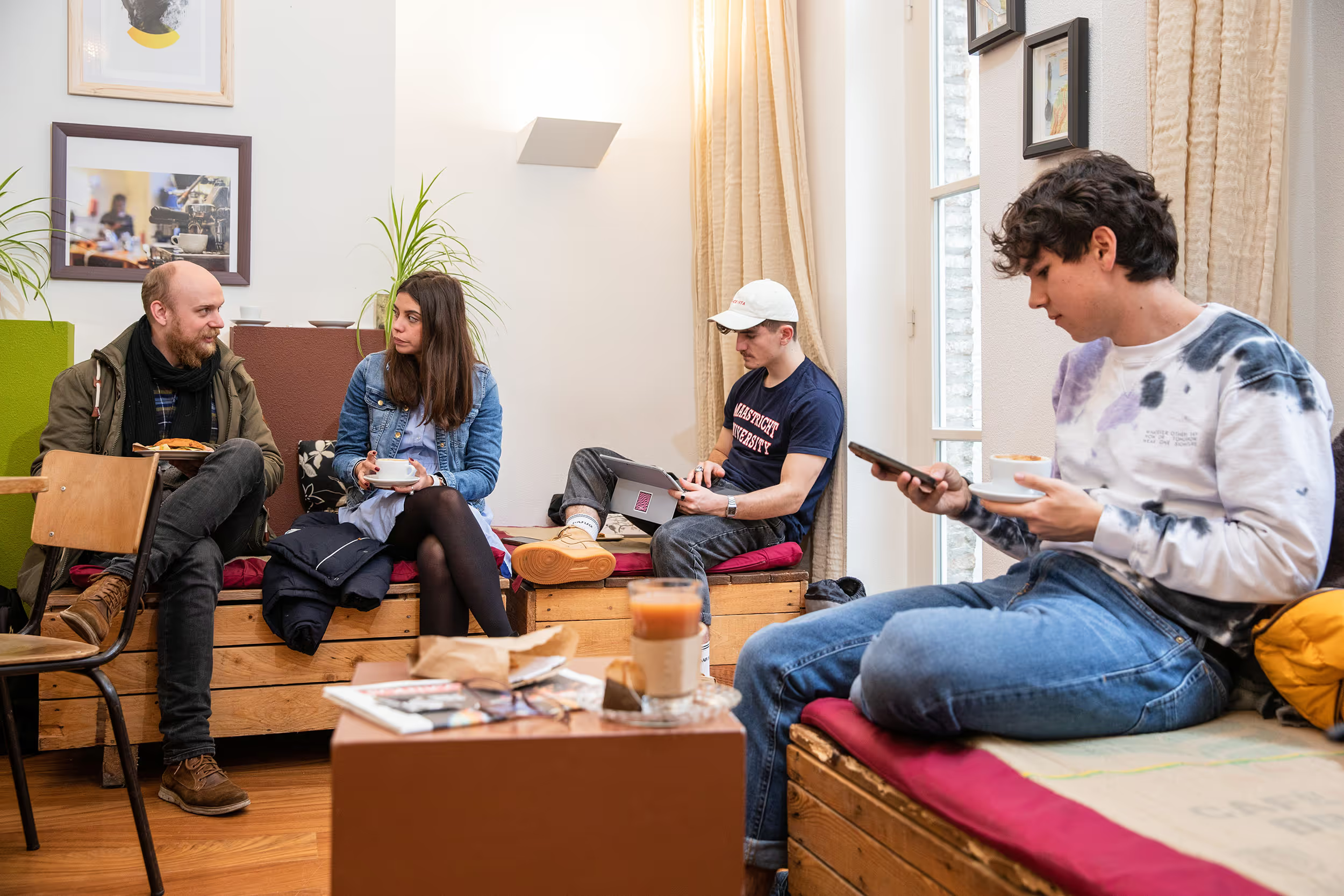
First things first: coffee. Many people think Bandito Espresso serves the best coffee at UM. “I reckon they even have the best cup in the whole of Maastricht”, says Schoonbrood. Bandito Espresso uses a vintage Italian espresso machine from 1965. The coffee bar has its own blend of coffee beans and homemade organic coffee syrups. You have to know where to look for the best coffee at UM. Bandito Espresso is tucked away behind Grote Gracht 86.

Bandito Espresso

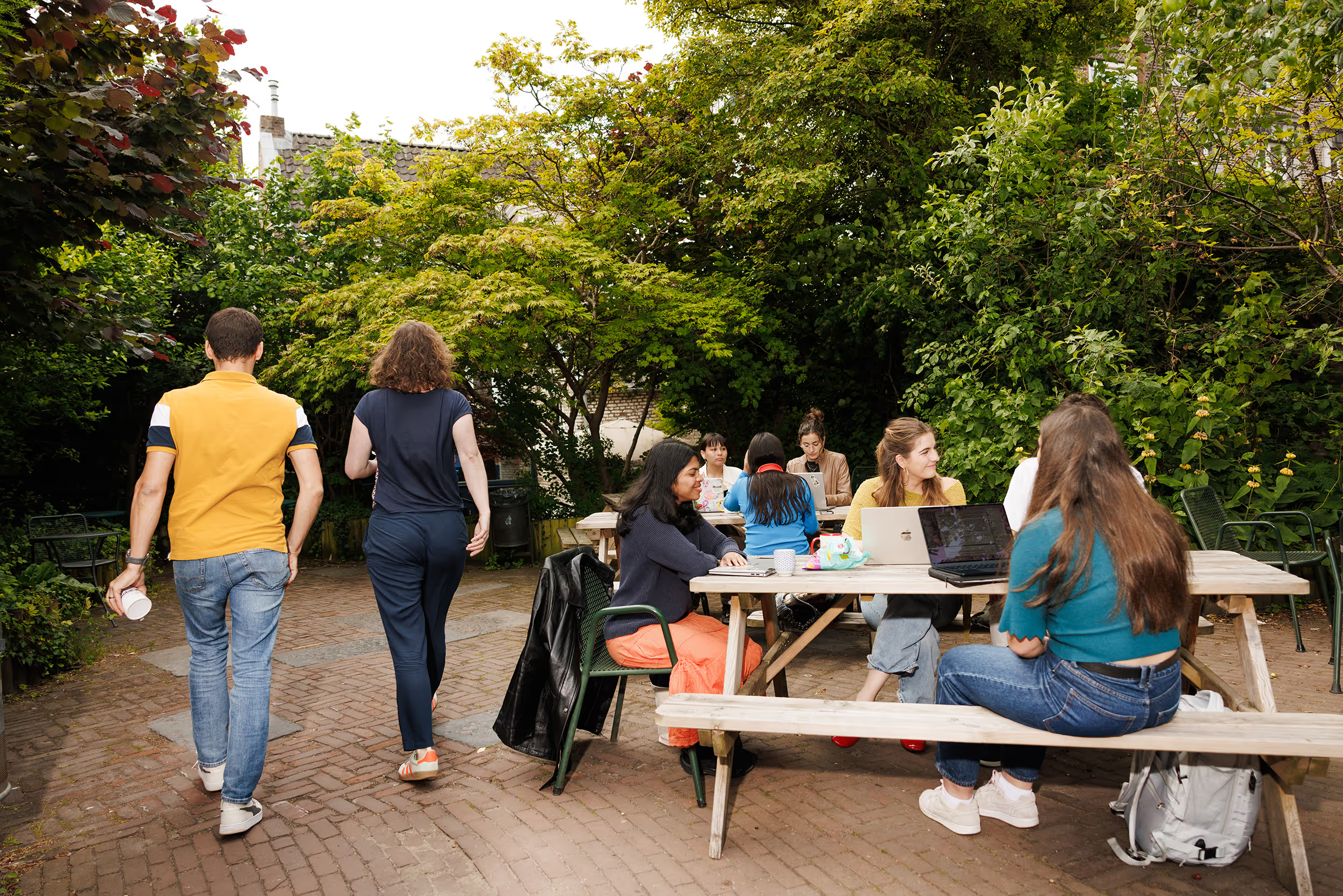
The charming courtyard garden next to the coffee bar is a lovely spot to relax, surrounded by wild oregano, rosemary and raspberry brambles. “Did you know there used to be a mental health institution here?”, says Schoonbrood. “The coffee bar used to be the kitchen, and the garden was part of the living area.”


The oldest gym hall

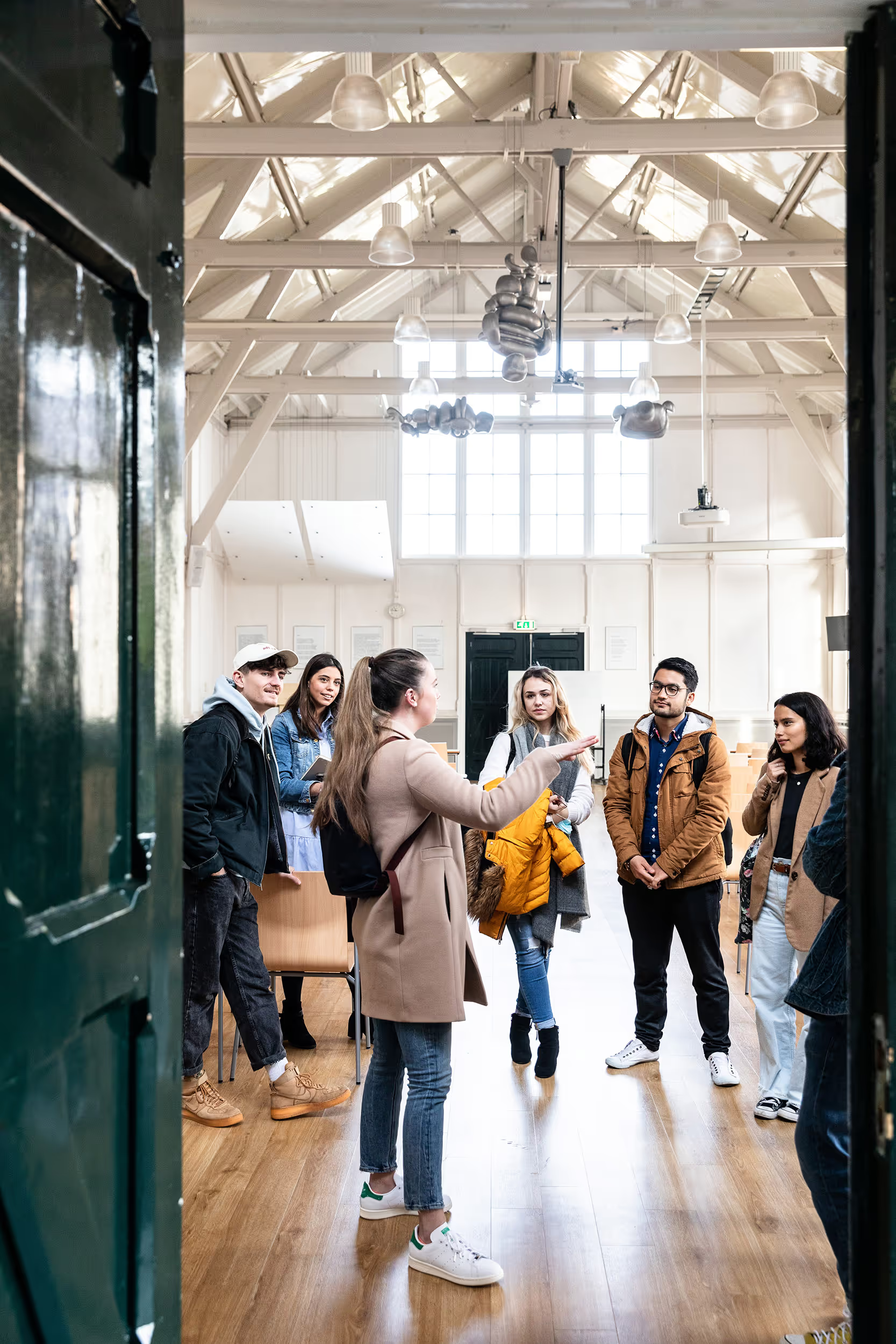
‘De Turnzaal’ is the oldest gym hall in the Netherlands. Today, the space is mainly used as a lecture theatre, but in 1885 it was intended for the physical education classes of the former teacher-training college housed in the main building. For its time, the hall was very modern. It was here that boys and girls had their first joint physical education lessons.

Looking up, you’ll see curvy, silver-coloured gymnasts hanging from the roof trusses. Sculptor Tom Claassen created the gymnasts in 2007 as a nod to the room’s original purpose. He drew inspiration from one of the oldest works of art in the world: the Venus of Willendorf, a limestone female figurine dating back some 25,000 years.

The oldest gym hall

'De Turnzaal'.

The FASoS garden

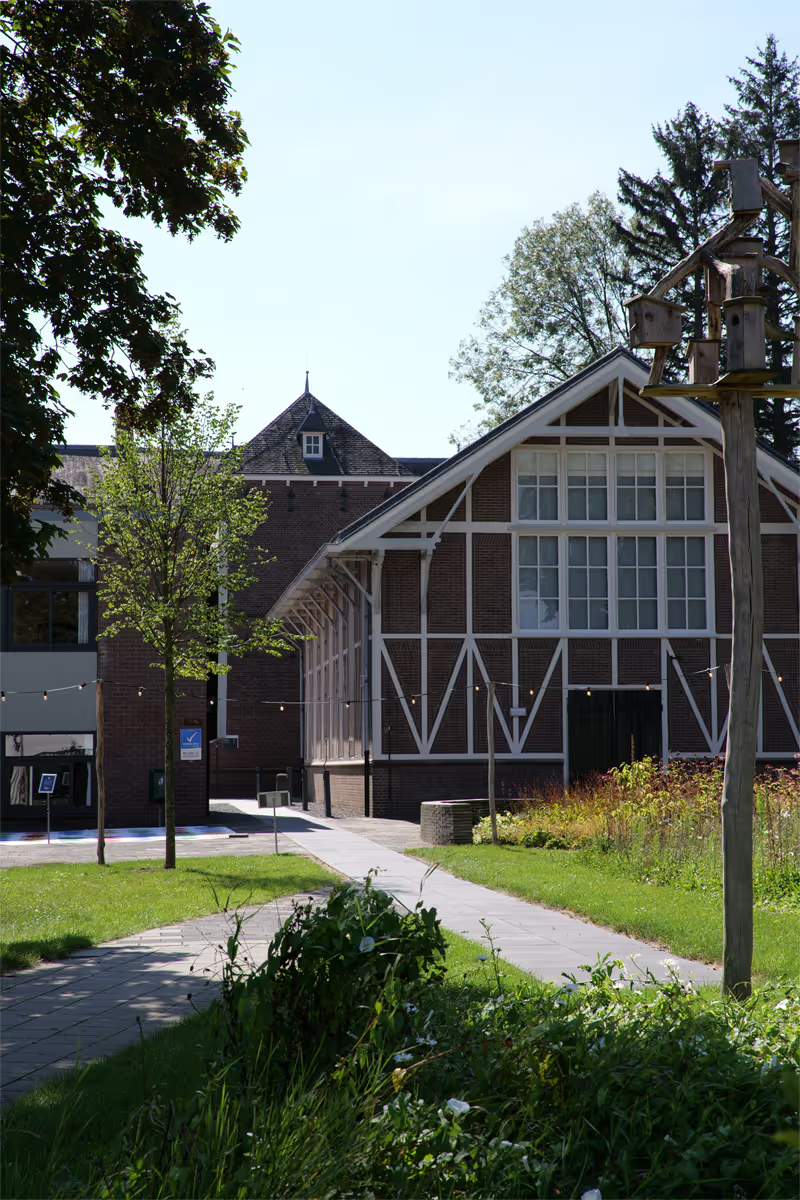
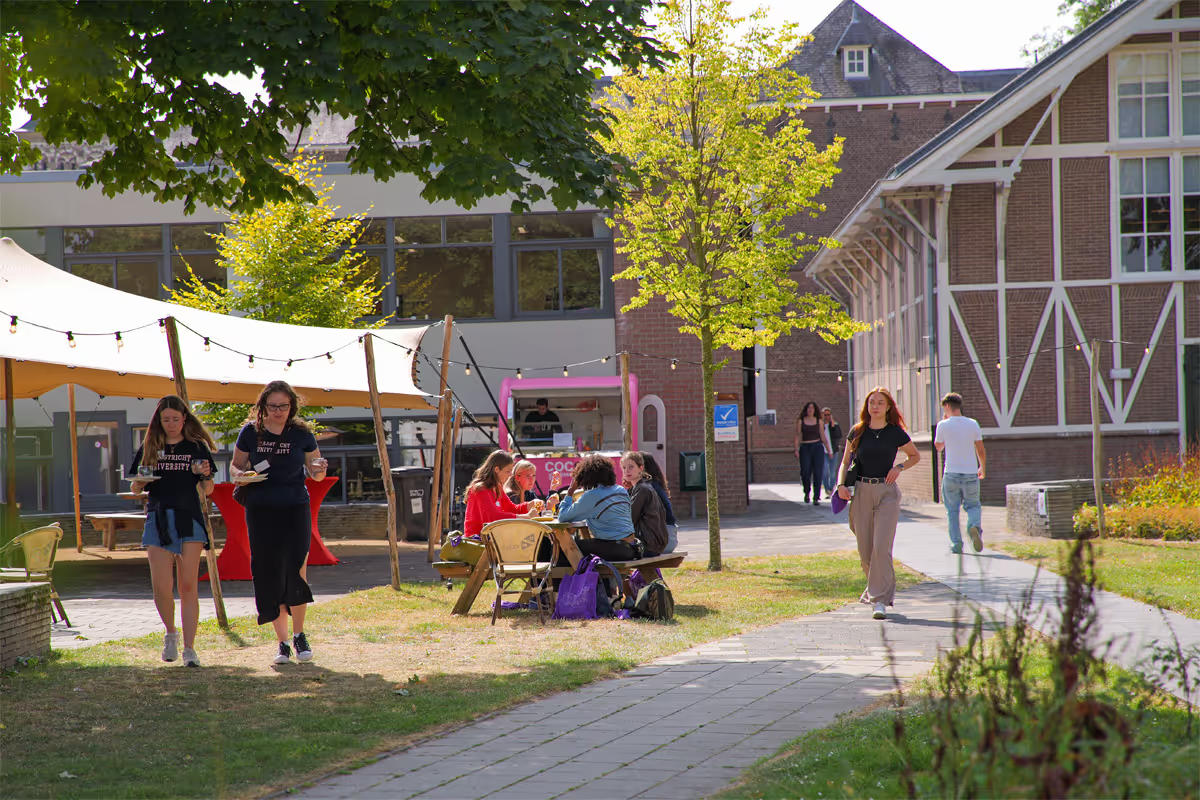
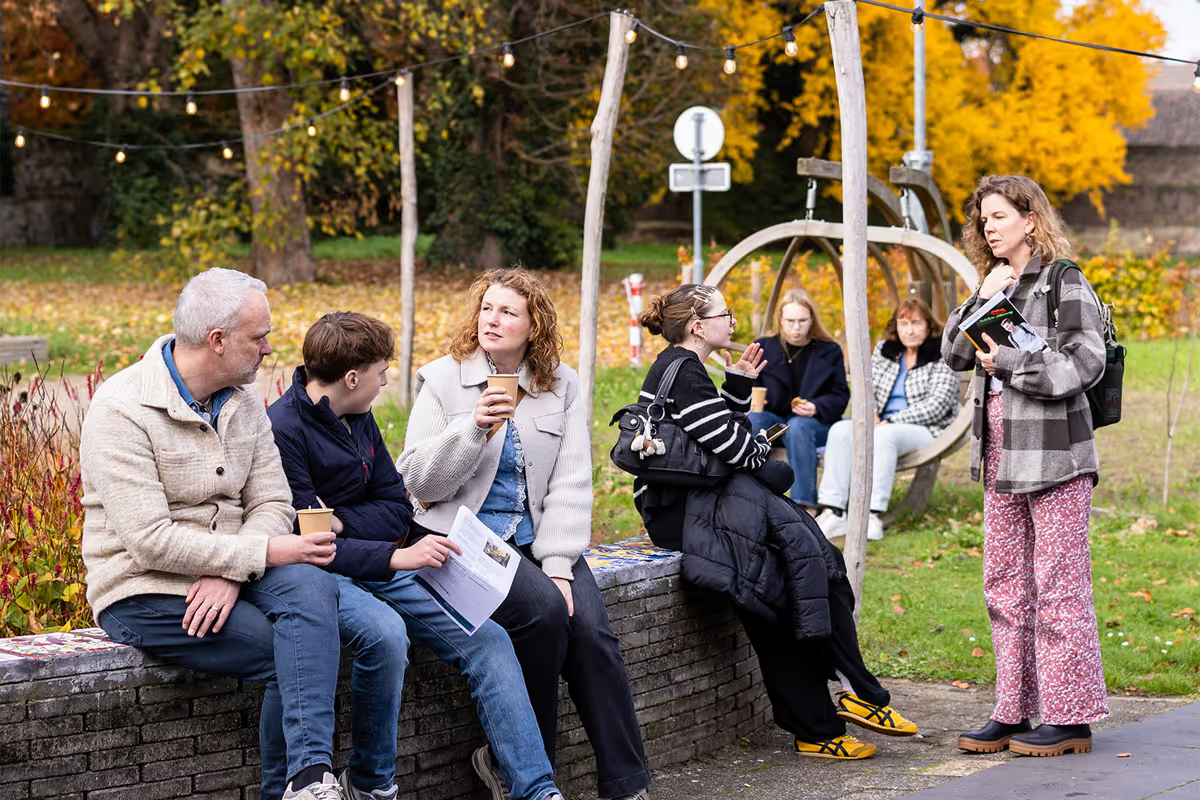
The garden behind the gym is one of Sally Wyatt’s favourite spots. About five years ago, it was still a concrete expanse bordering a car park. Nowadays, it is a lovely garden where countless flowers bloom from spring onwards.

The stone benches with mosaics are a real eye-catcher. Staff and students from FASoS created the various mosaics in 2025, giving free rein to their creativity. “It’s a lovely spot to sit on a sunny day”, says Wyatt. “Actually, the garden is at its best in July and August, but unfortunately, the students aren’t here then.”

The renewed garden.

The FASoS garden

The renewed garden.

Bio

Sally Wyatt

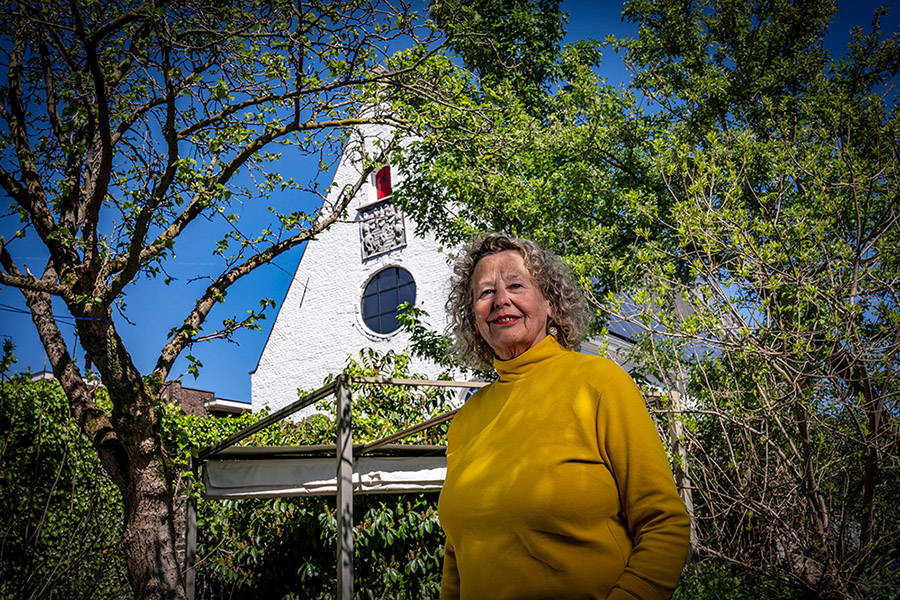
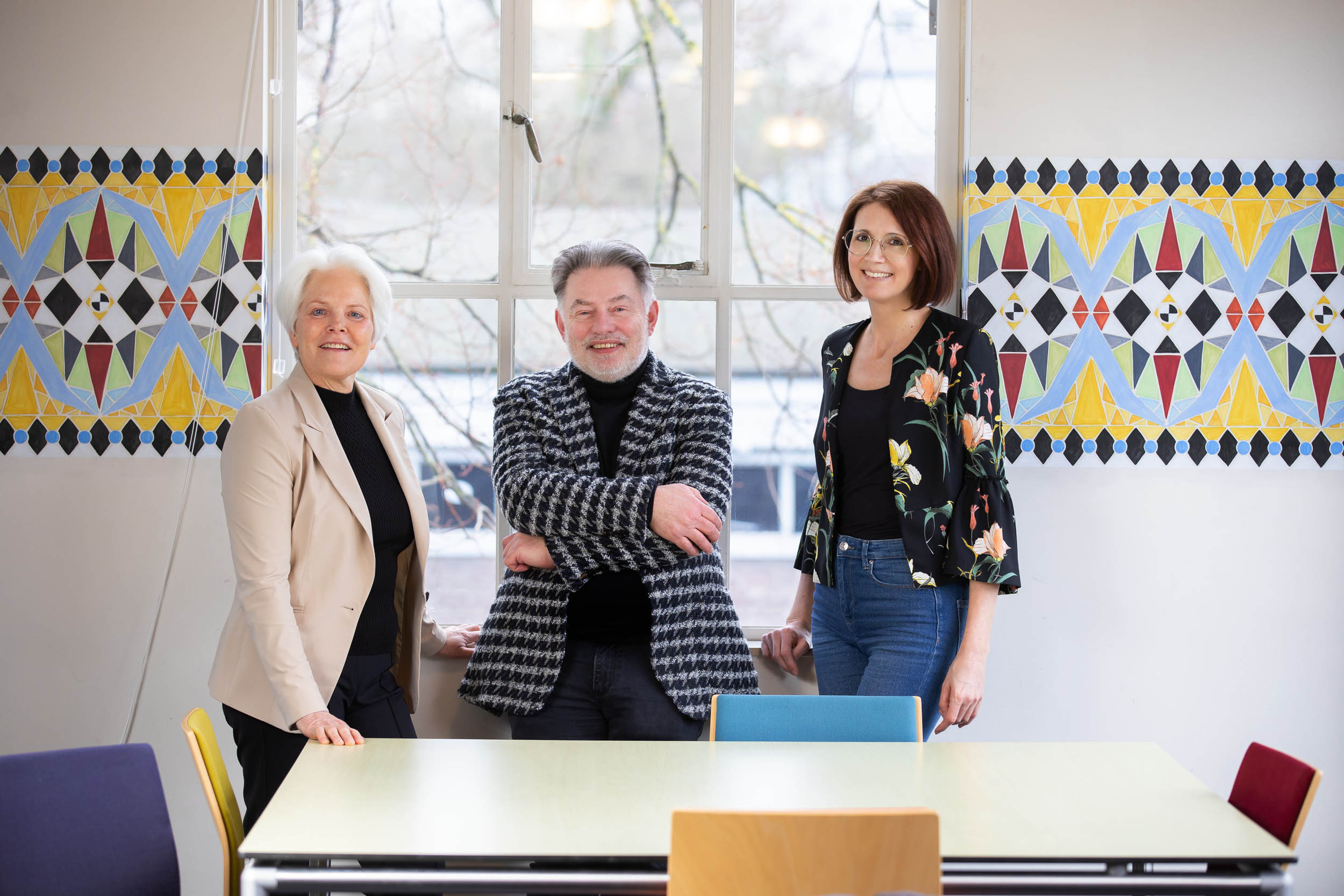
Prof. Dr Sally Wyatt is Professor of Digital Cultures at Maastricht University. The researcher in the field of Science and Technology Studies (STS) grew up in Canada and England. She has been living in Amsterdam for many years. Wyatt has been working at the Faculty of Arts and Social Sciences at Maastricht University since 2007.

Read more below

The Greek Alley

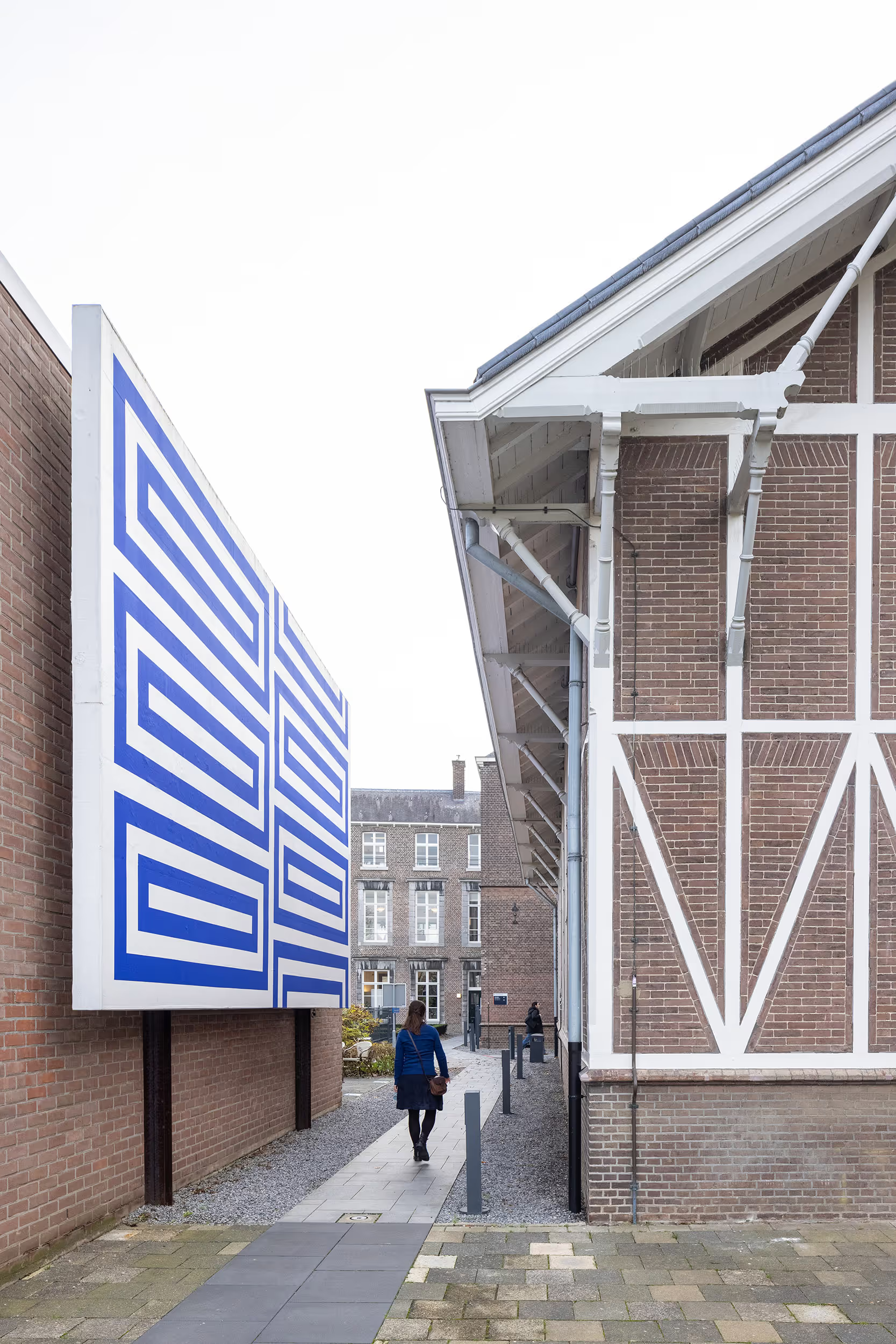
On your way to the FASoS garden, you pass through what is known as the Greek Alley (‘De Griekse Gracht’): a narrow passageway between two buildings. The spot immediately catches the eye thanks to the large blue-and-white artwork on the façade: an abstract painting by Jan van der Ploeg. For many people, the work is reminiscent of the Greek flag.

“Everyone knows the Greek Alley”, says Schoonbrood. “One day, the owner of Bandito Espresso and I were having a coffee together. We joked that we should give the alley an official name. We had an original ANWB street sign made and placed it at the entrance to the path."

The Greek Alley.

The Greek Alley.

The Soiron Building

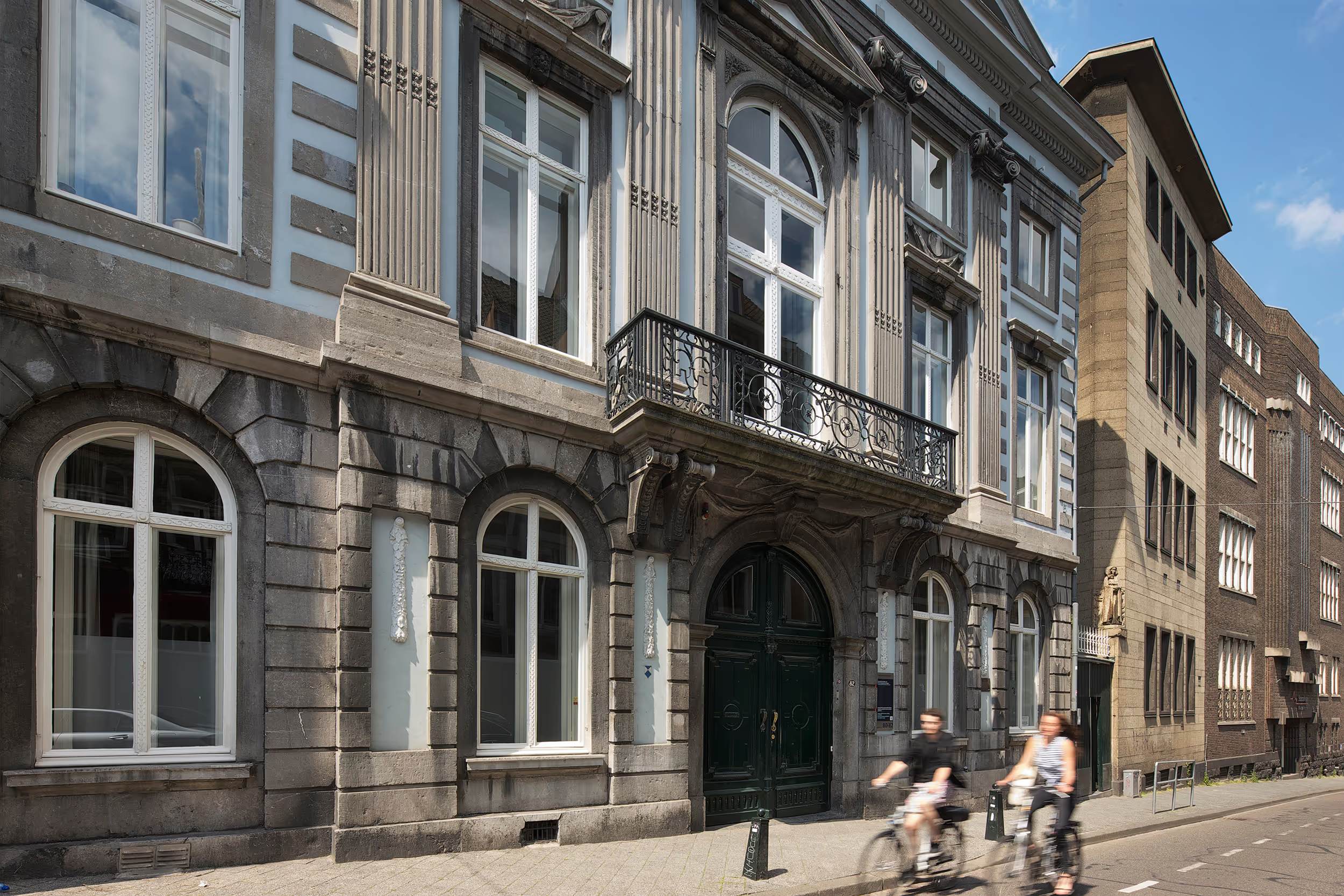
If you walk a little further along the Grote Gracht, you will come to the Soiron Building. This building was constructed in the eighteenth century by Matthias Soiron. He was an architect and designed the mansion for his two brothers, Andreas and Wilhelmus Soiron. They were both canons (priests) of the Chapter of St Servatius. The purpose of the stately home was to display the power and wealth of the two canons.

The Soiron Building.

The Soiron Building

Spiegelzaal (Mirror Room)

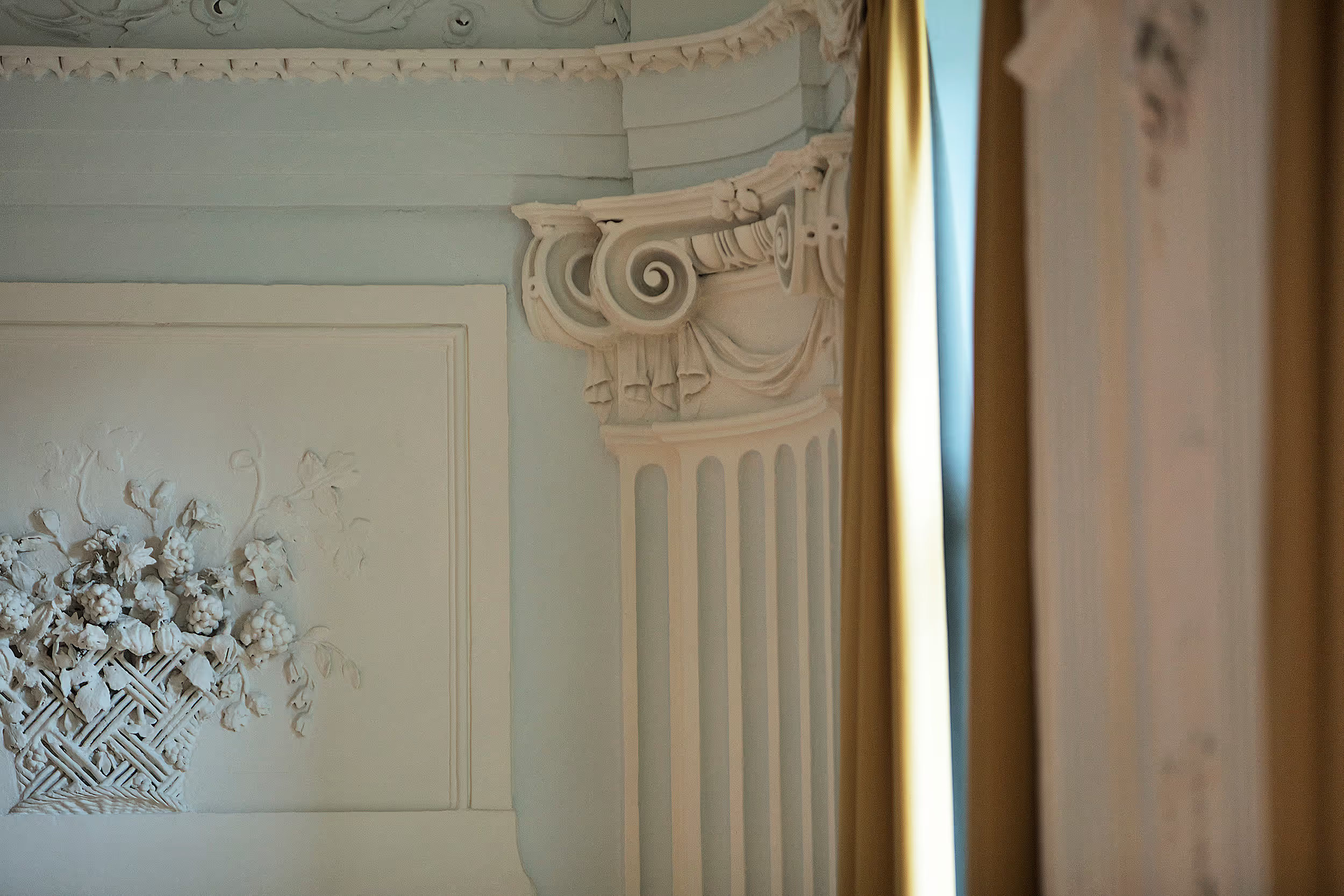
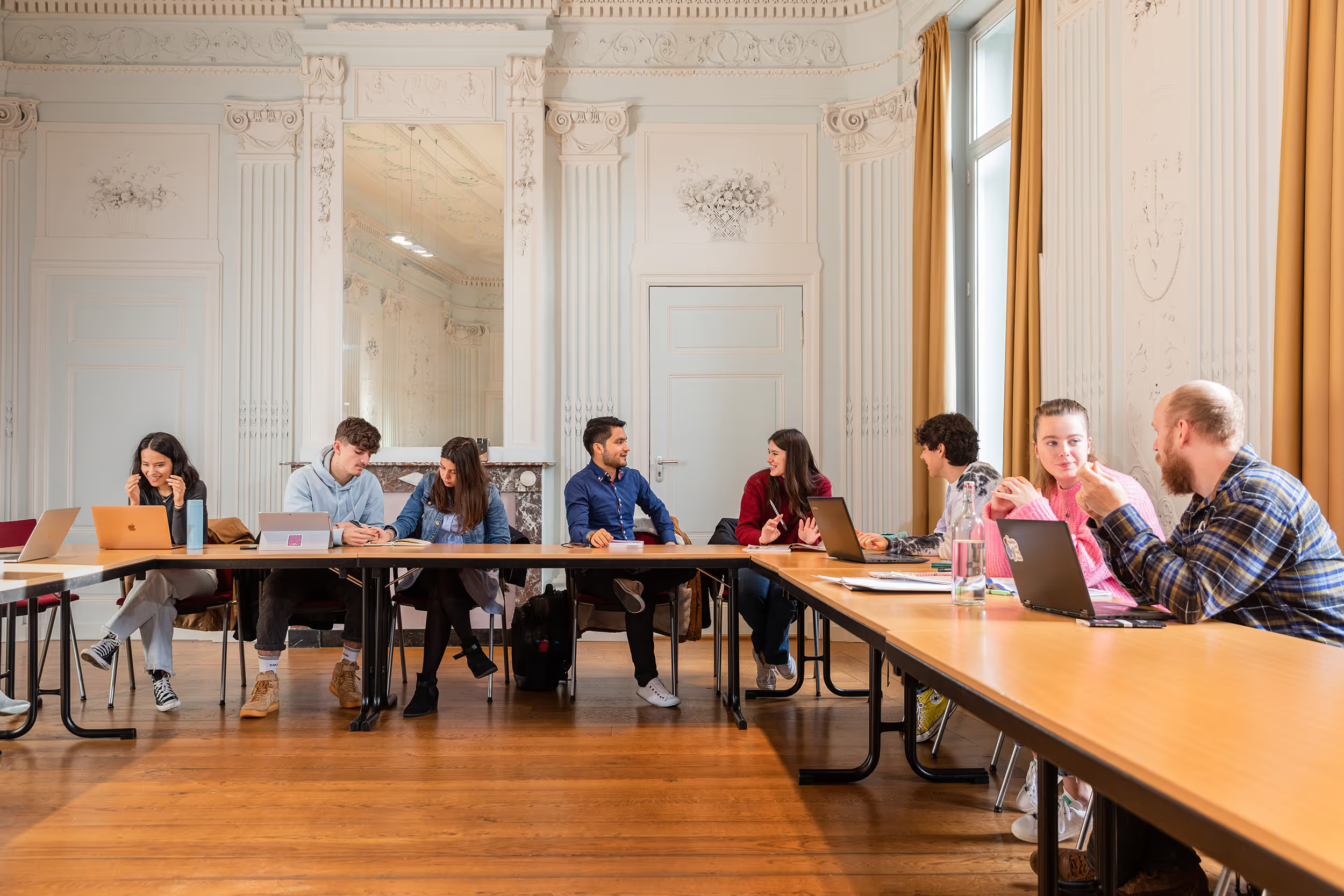
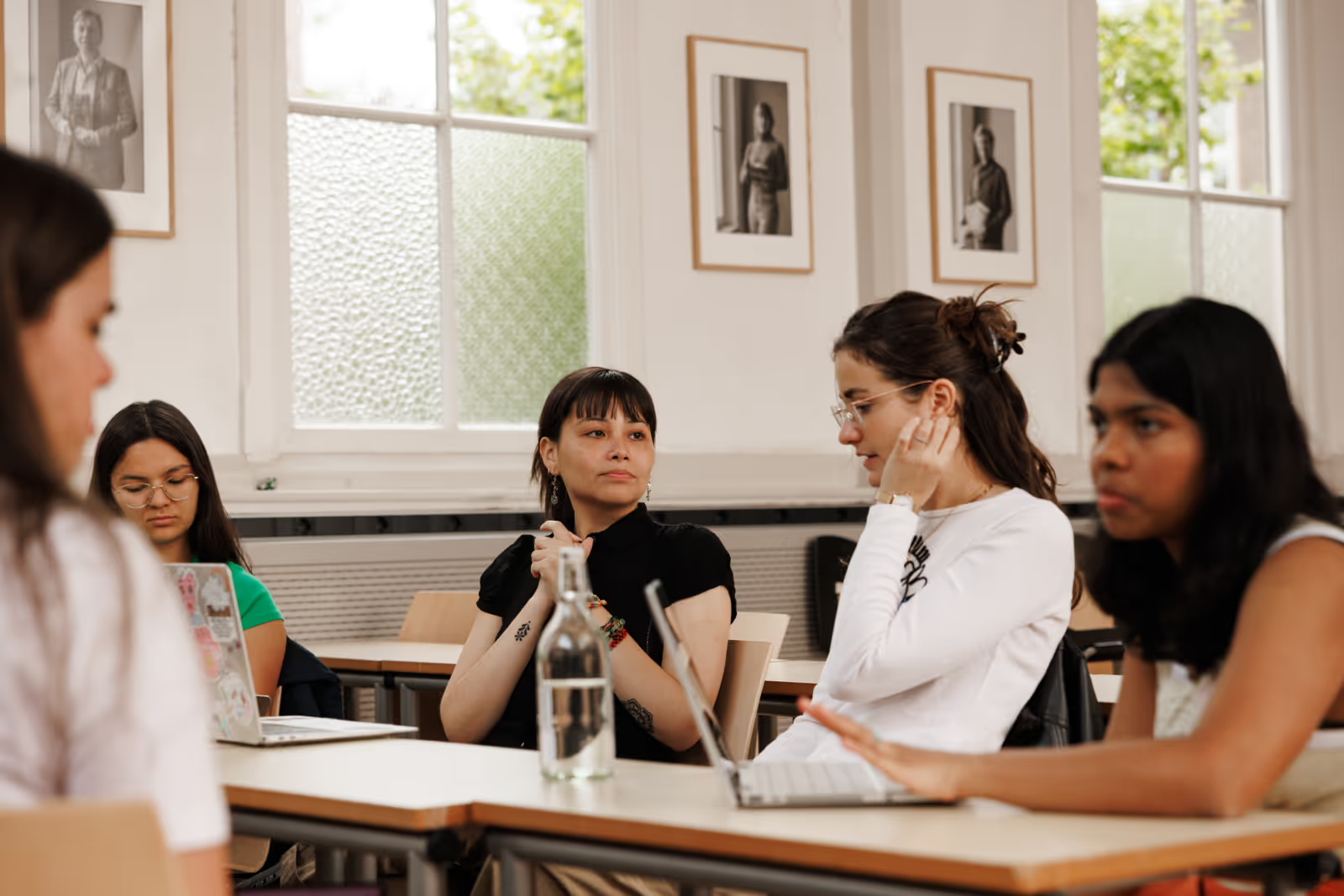
The most striking room in the building is the Spiegelzaal (Mirror room). High ceilings, fine stucco work and, of course, two impressive mirrors. It’s easy to see why the room was once used for receptions and celebrations. These days, it serves a different purpose: it is a teaching and meeting room.“

The UM has restored this hall entirely to its original state”, says Schoonbrood. “From the light blue walls to the white stucco decorations. During the renovations, they even came across gold leaf beneath the layers of paint, but that was probably applied later. That’s why you can’t see any of it now.”

Students in the Spiegelzaal.

Spiegelzaal (Mirror Room)

The PLANT

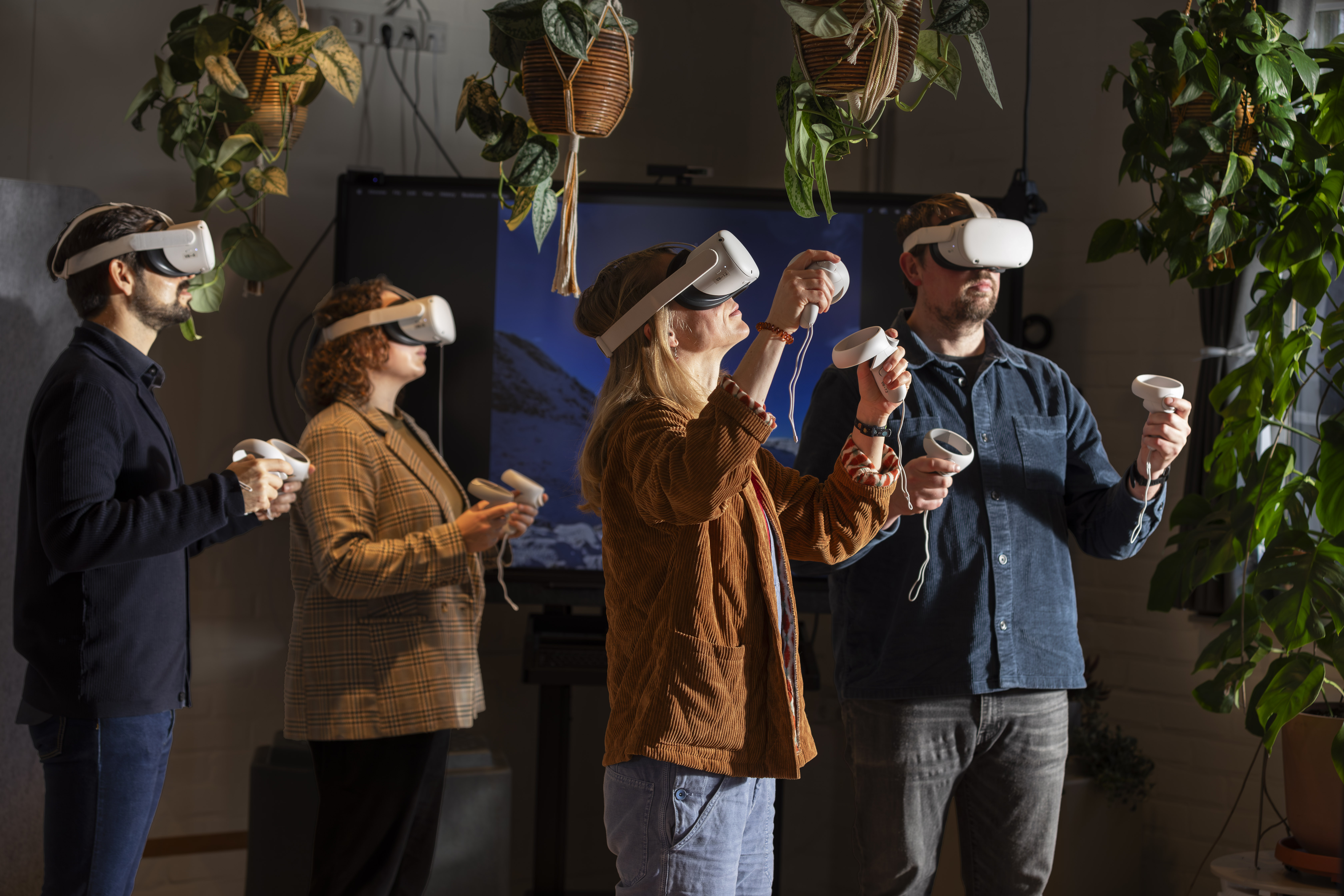
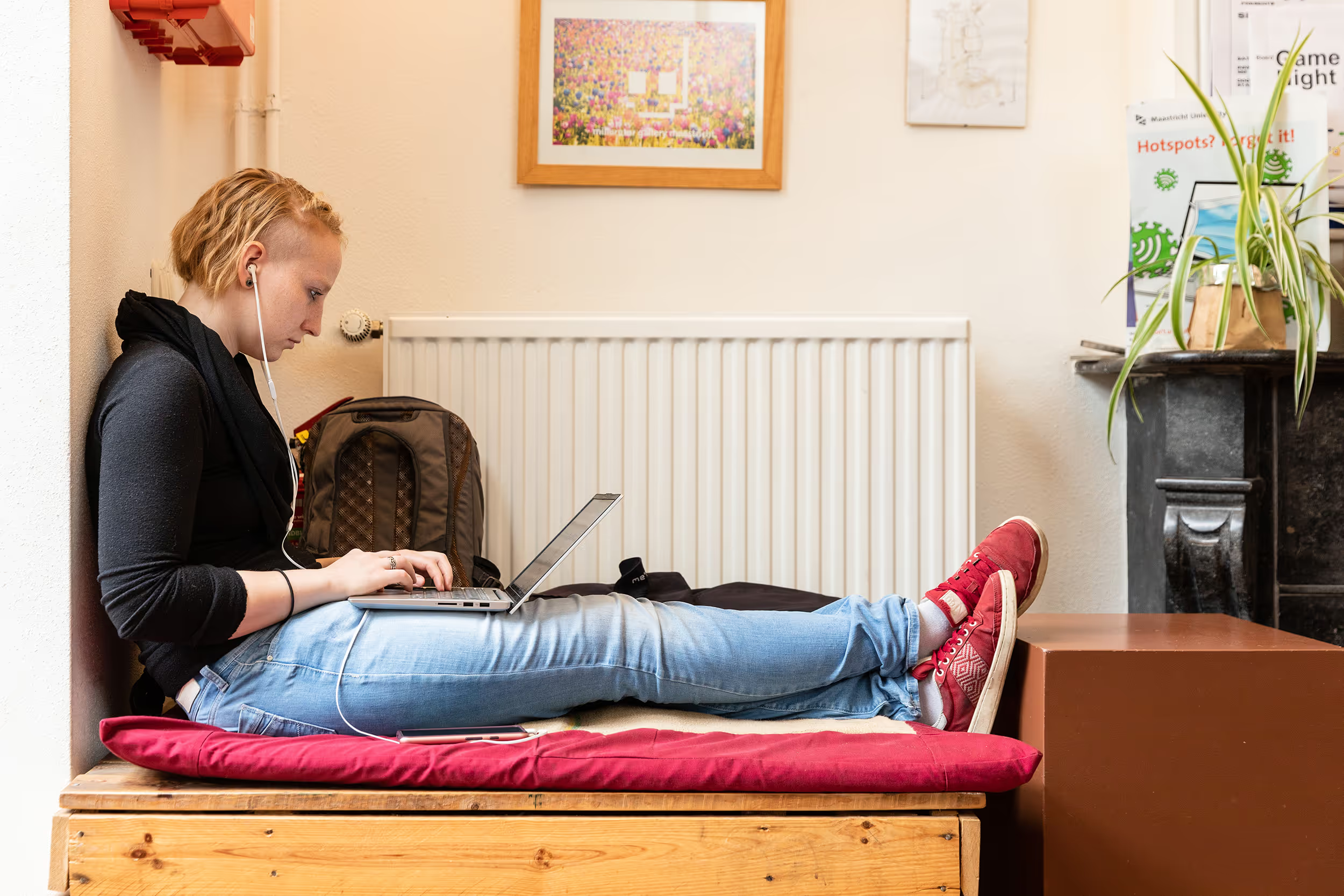
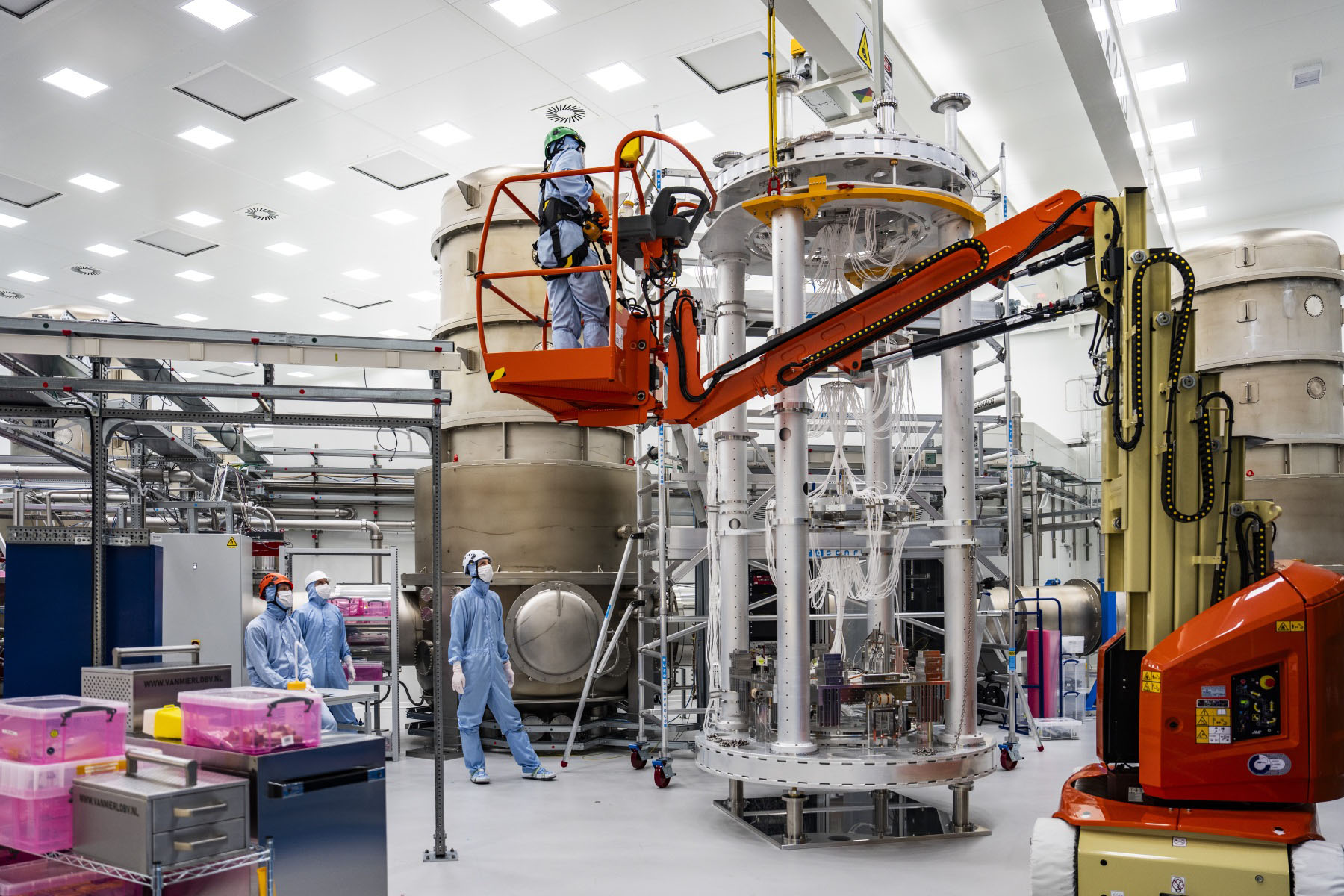
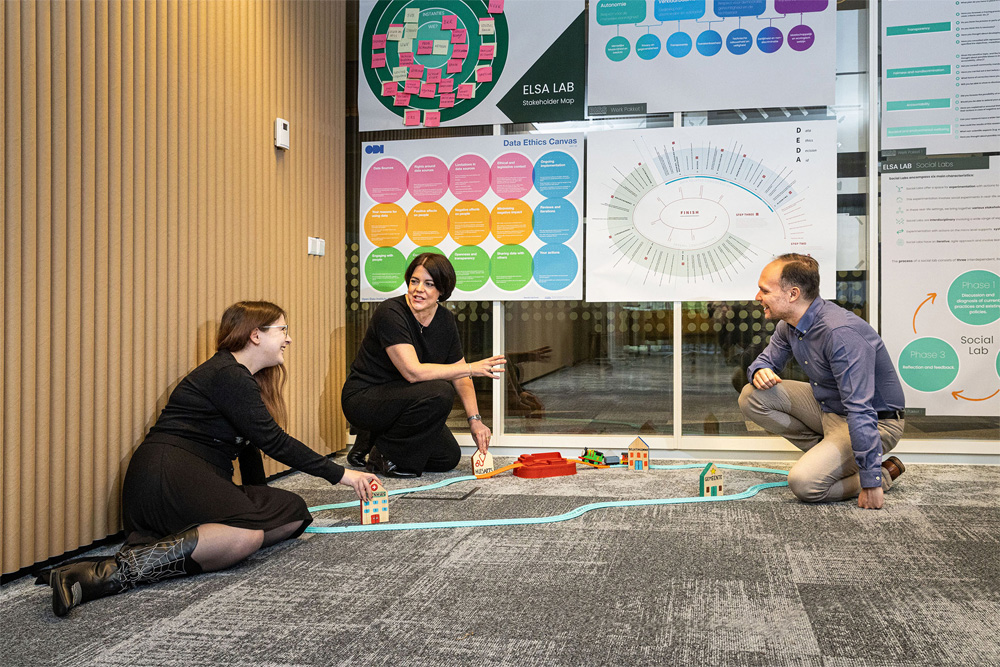
We’re moving at lightning speed from the past to the digital future. That’s because The PLANT is where FASoS staff and students can go for digital support and tools. Think, for example, of virtual reality (VR) or 3D scanning.

The aim? To give faculty members the technical skills and confidence to get started with digital research and teaching. The idea here is to explore and experiment. It’s no coincidence that The PLANT stands for Playground and Laboratory for New Technologies.

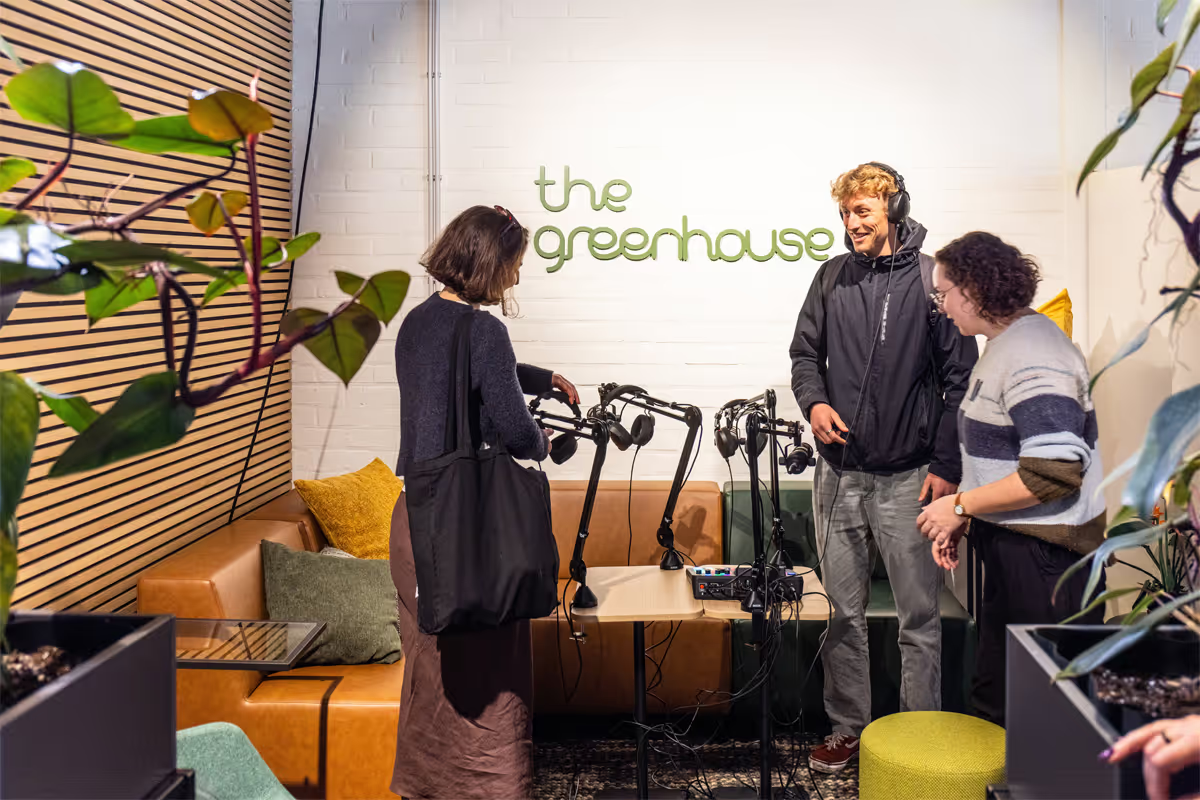
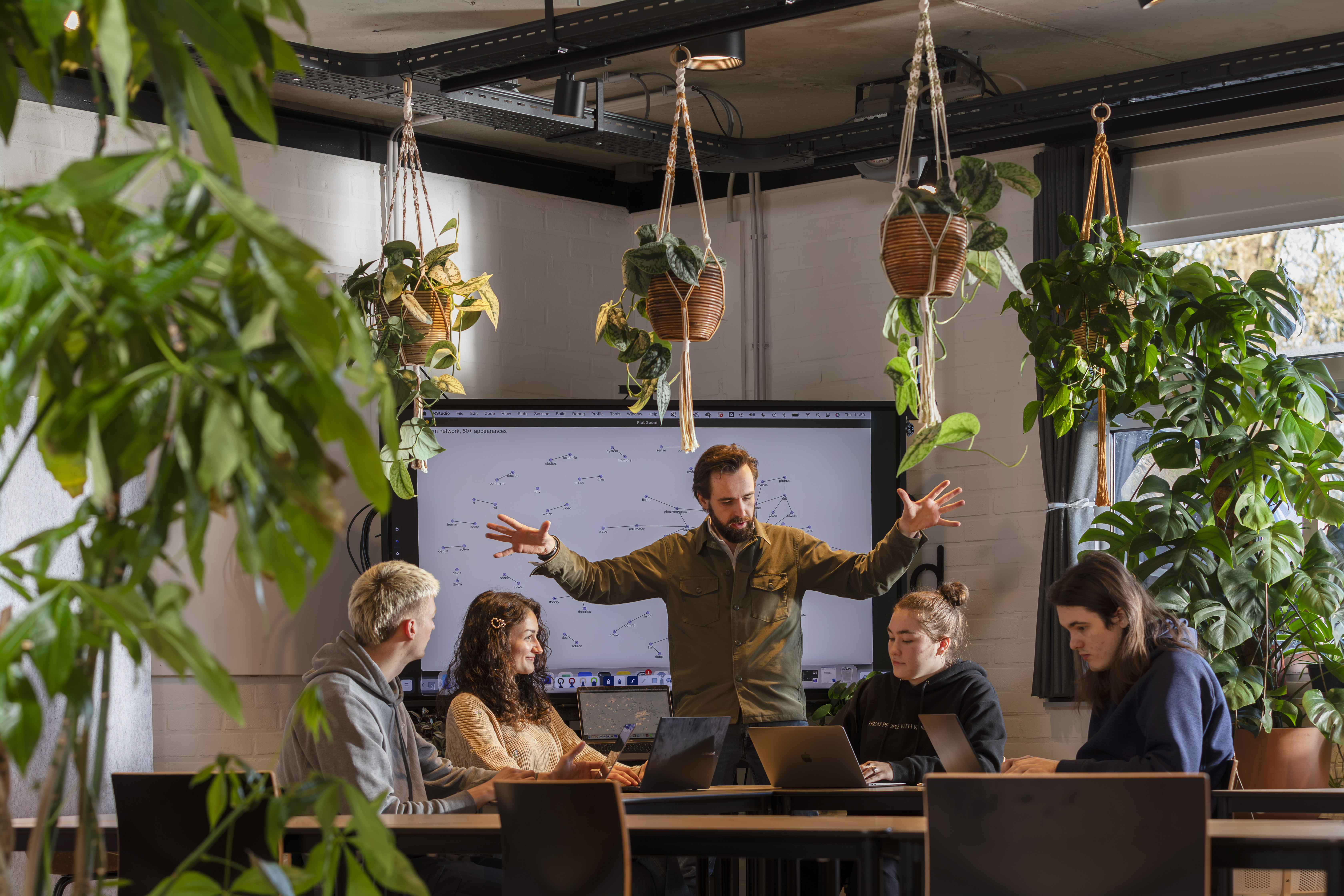
The PLANT is spread across three spaces, each with its own layout designed to facilitate creative and digital collaboration:

• The Greenhouse: a co-working space and venue for project meetings

• The Stem: the research space for computational research

• The Field: a flexible space for seminars and workshops

Artwork featuring and created by staff

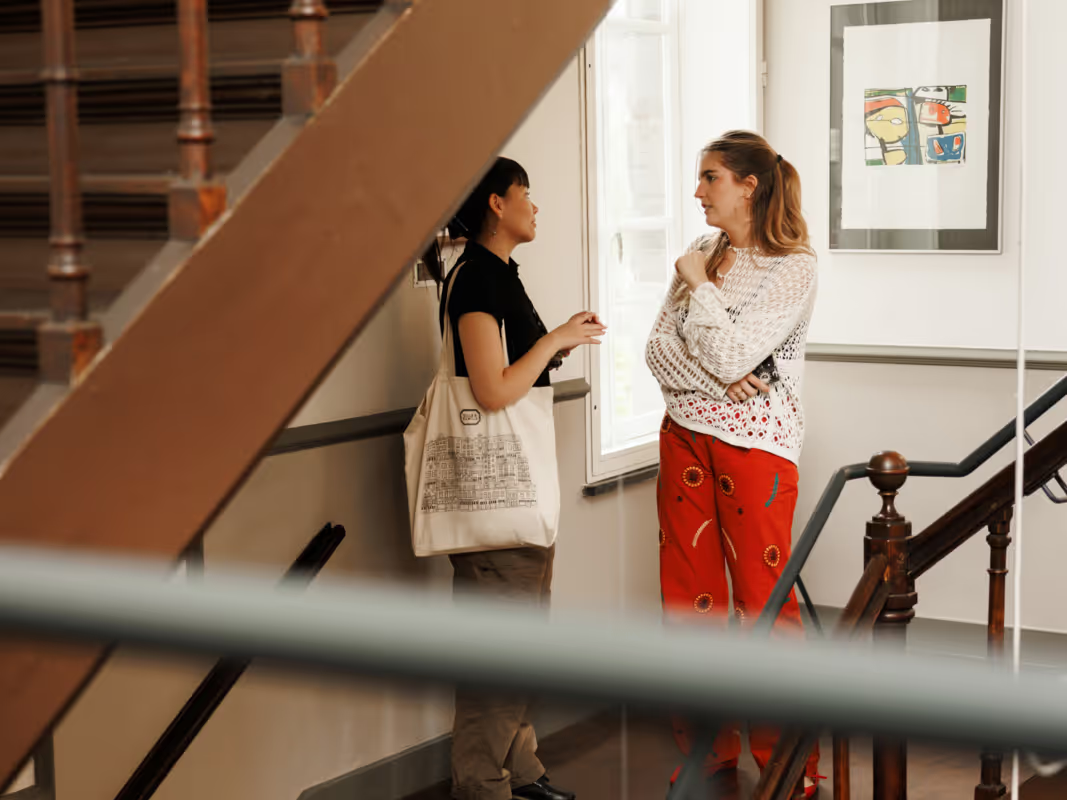
At FASoS, staff members are literally part of the building. If you enter Grote Gracht 90–92 and turn immediately left, you’ll find yourself in a stairwell full of memories. On the walls hang team photos from various years, featuring both current and former staff members.

There are also two special works of art on display. On the right-hand side hangs an image of the Hof van Tilly. From a distance, it looks like an ordinary photograph, but if you look closer, you’ll discover that the image is made up of many small portraits of staff members.

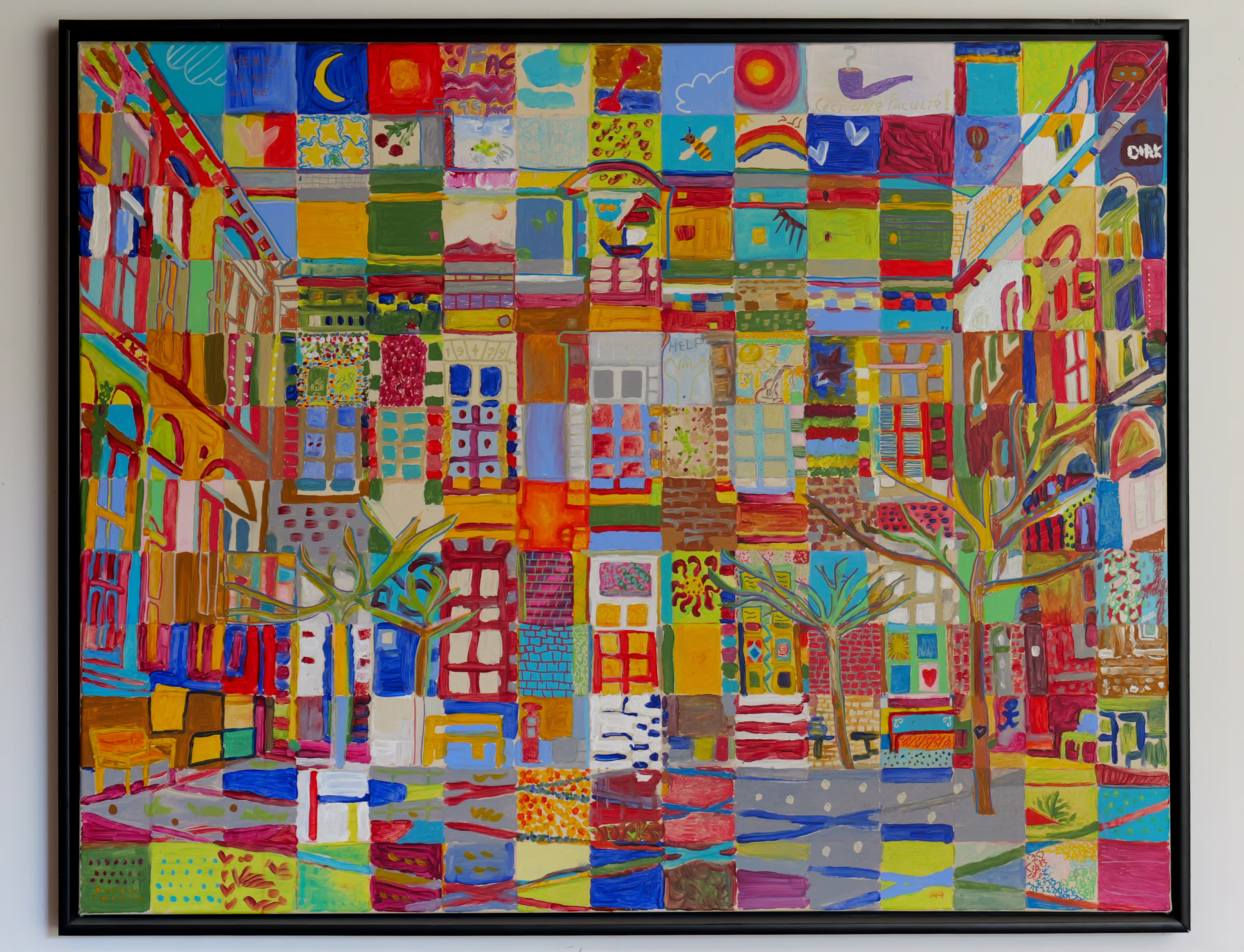
In the same hall hangs another piece: a large painting created by the staff themselves, in honour of the faculty’s 15th anniversary. It consists of various small squares that have been filled in creatively. Together they form a colourful patchwork quilt.

In one of the squares, you’ll find a little ghost – a nod to the FASoS ghost, which you can read more about next.

The artwork that FASoS staff made.

The ghost of FASoS

The story goes that a ghost roams the first floor of Grote Gracht 90-92 at night. It is a well-known legend, but few know how it came about.

Schoonbrood explains: “Two security guards were doing their evening rounds of the buildings. They were sweeping their torches across the corridors, as all the lights were already off. When they went up the stairs by the gym, they saw a chair standing in front of the door to the corridor. They pushed it into a corner and carried on. A moment later, they heard a noise. They turned around – and the chair was back in front of the door.”

They couldn’t explain how that had happened. “That morning, a representative from the security firm was in my office”, says Schoonbrood. “He told me this story, and I thought: is this real, or am I dreaming? The two security guards called in sick and never returned to work here. And that’s how the legend of the FASoS ghost came about.”

FASoS Anthology: The Stories We Tell

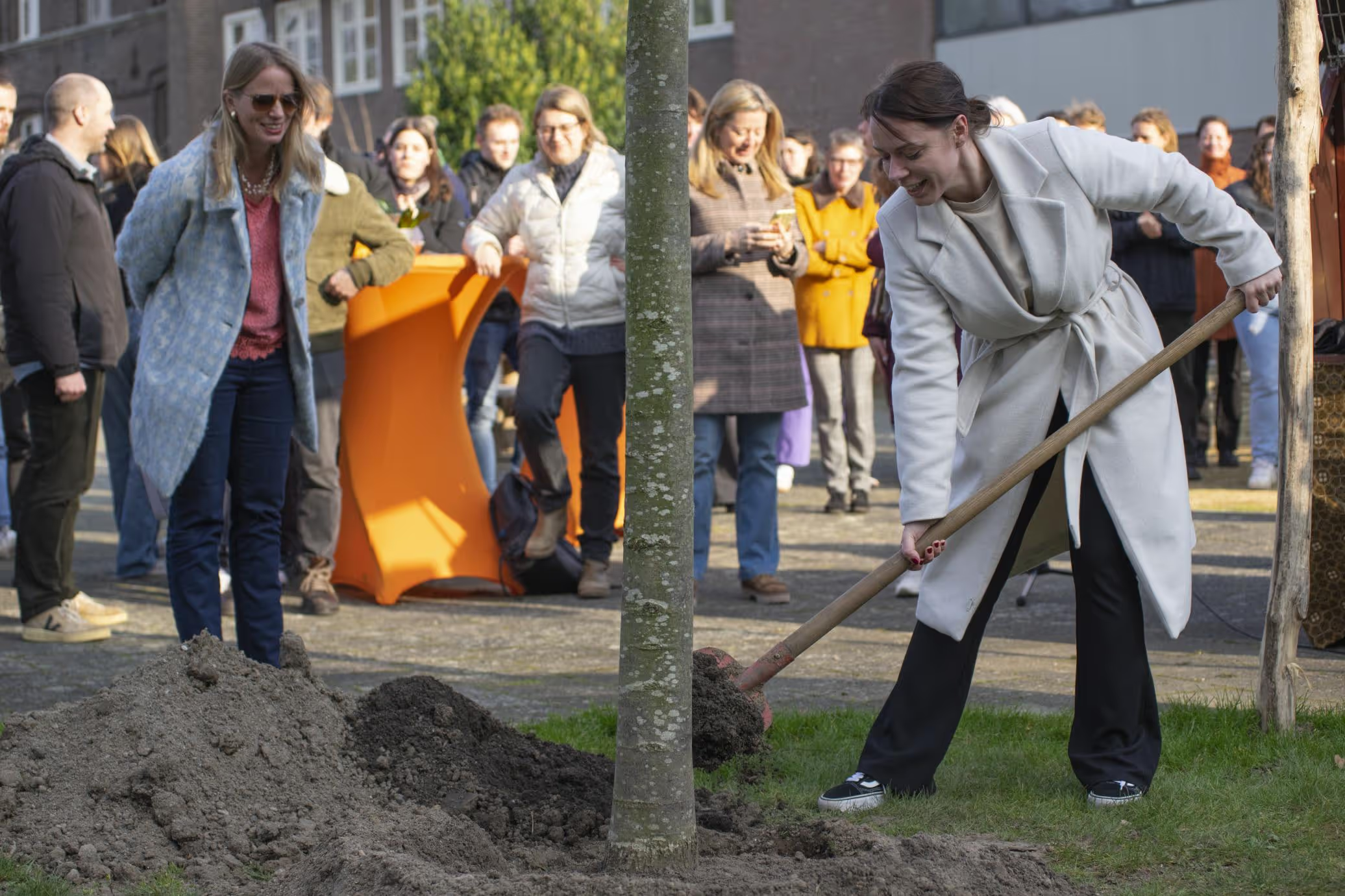
One thing that definitely isn’t a myth, is that there is a treasure hidden in the FASoS garden. A commemorative tree was planted during the faculty’s 30th anniversary. Buried next to that tree is a time capsule. Inside that capsule, you will find, among other things, FASoS Anthology: The Stories We Tell, a collection of creative non-fiction by researchers from the faculty.

Wyatt herself wrote one of the stories in the book. “We were awarded a small grant to find new ways of communicating our research”, she explains. The faculty wanted to take a different approach to the usual. All sorts of wild ideas were floated – from podcasts to an exhibition.

But in the end, they went for a different idea. “Within the faculty, we have people who write creatively and have even published novels and poetry collections”, says Wyatt. “That’s why we decided to tell our research story in the form of creative non-fiction.”

Each researcher wrote their own story and received feedback from colleagues with writing experience. “It was great fun to do. The launch of the Dutch translation took place at Boekhandel de Dominicanen in Maastricht and was very well attended.”

Fancy reading the stories? You can read them here.

Planting the commemorative tree during FASoS' 30th anniversary.

Special FASoS pastries honouring the faculty's 30th anniversary.

At FASoS, you immediately sense the warm, open and personal atmosphere. The historic buildings are a perfect match for the focus on art and culture, while initiatives such as The PLANT look firmly towards digital innovation. At FASoS, the best of the past and the future come together.


Text: Caya Forman
Photography: Philip Driessen, Joris Hilterman, Laura Knipsael, FASoS footage