Tag
22 October 2026

Then and now:


Arts & Culture

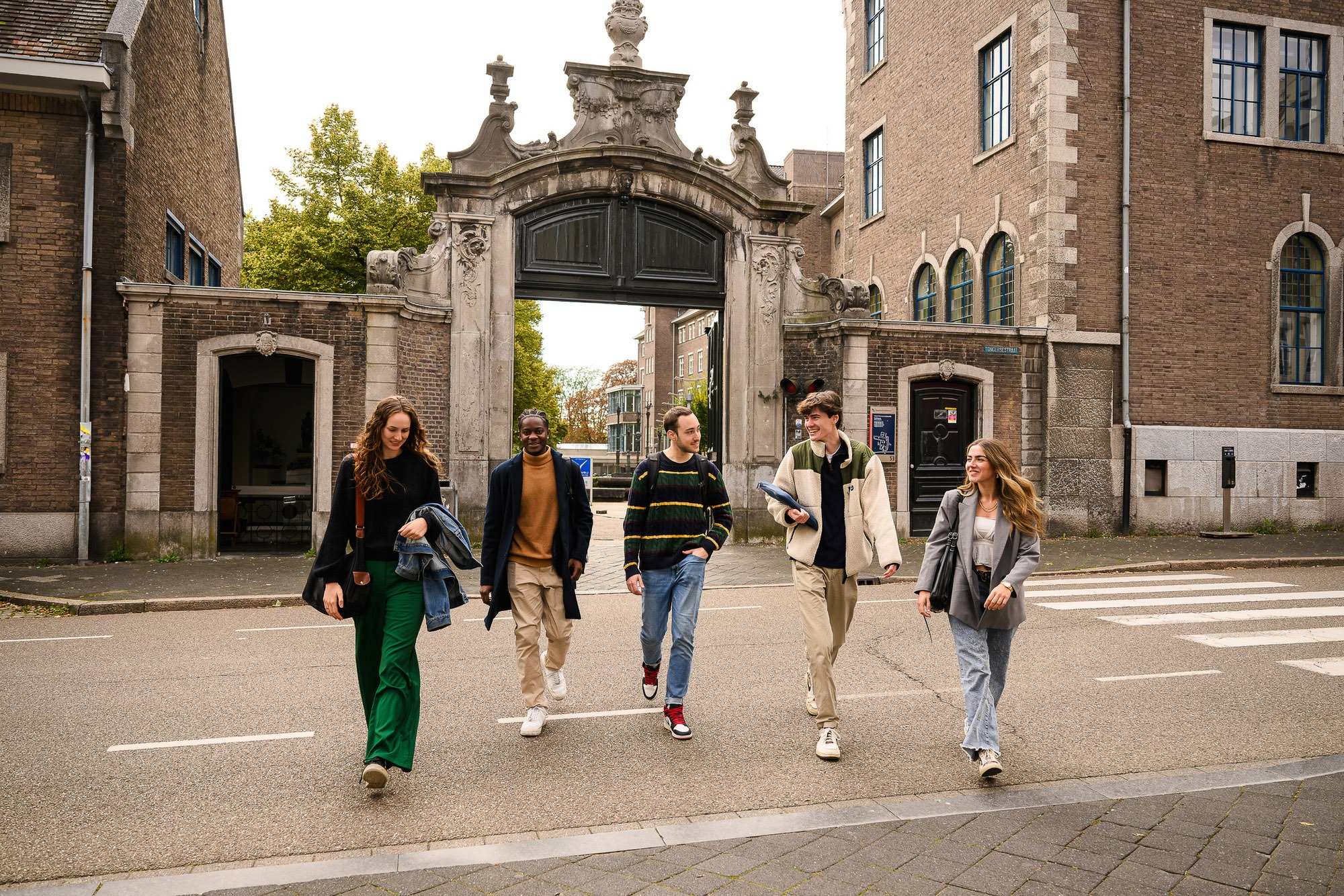
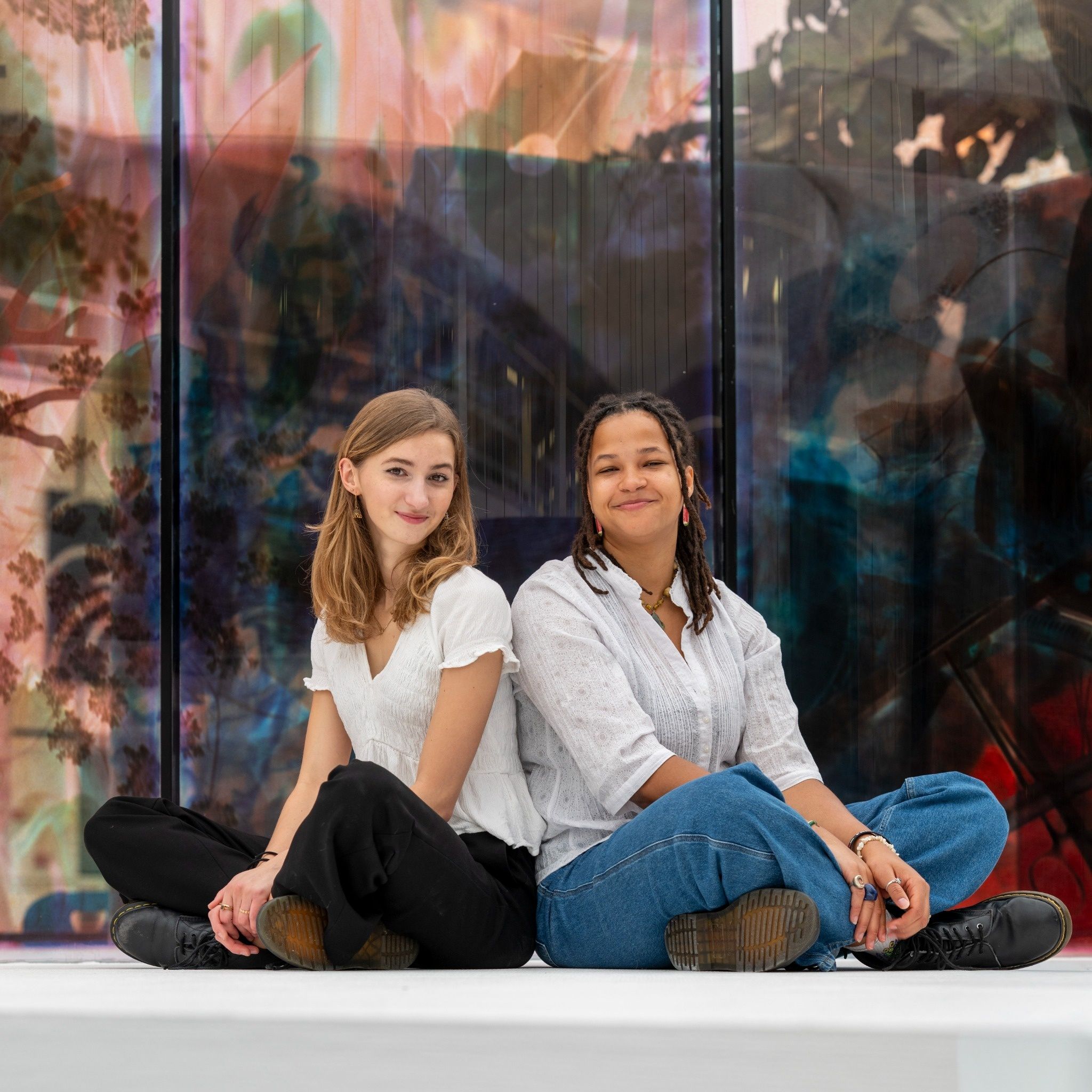
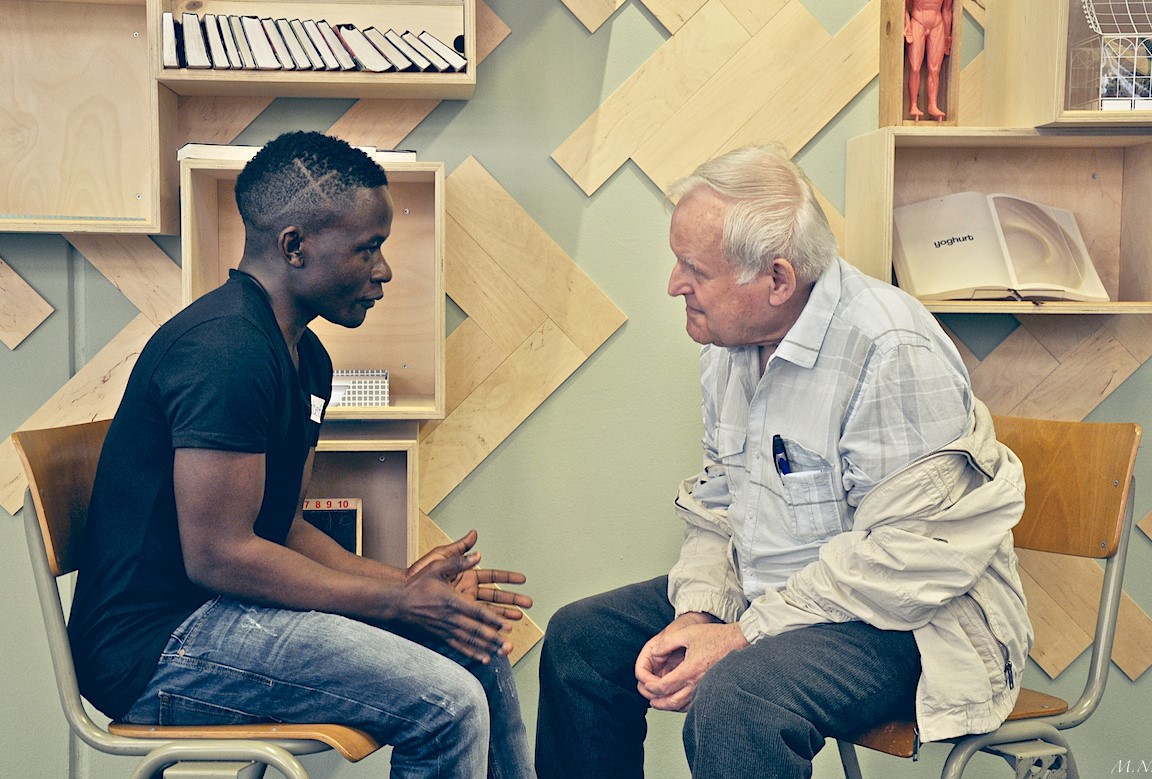
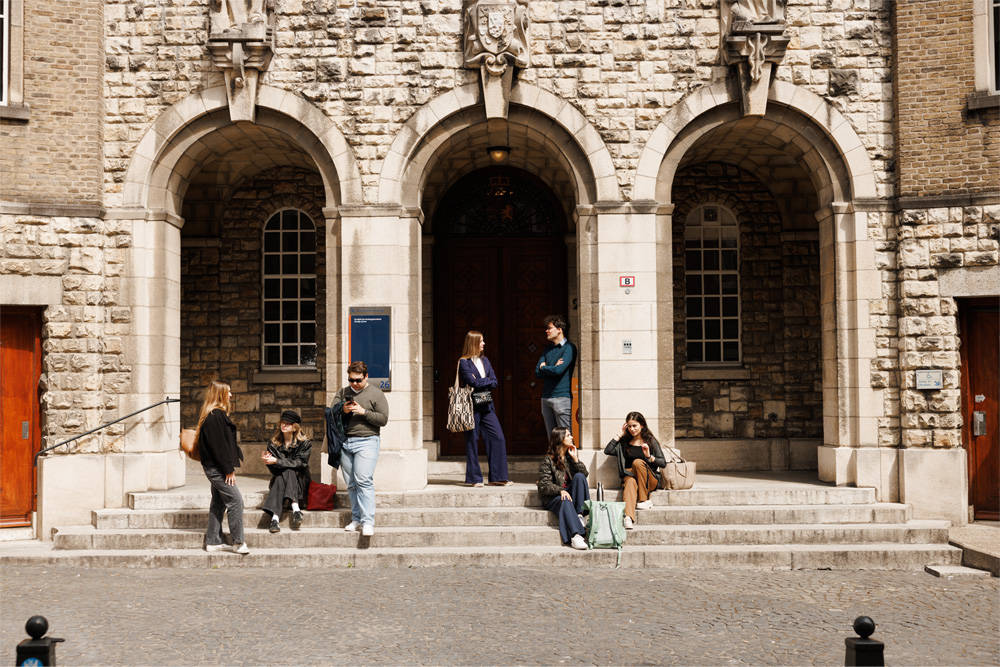
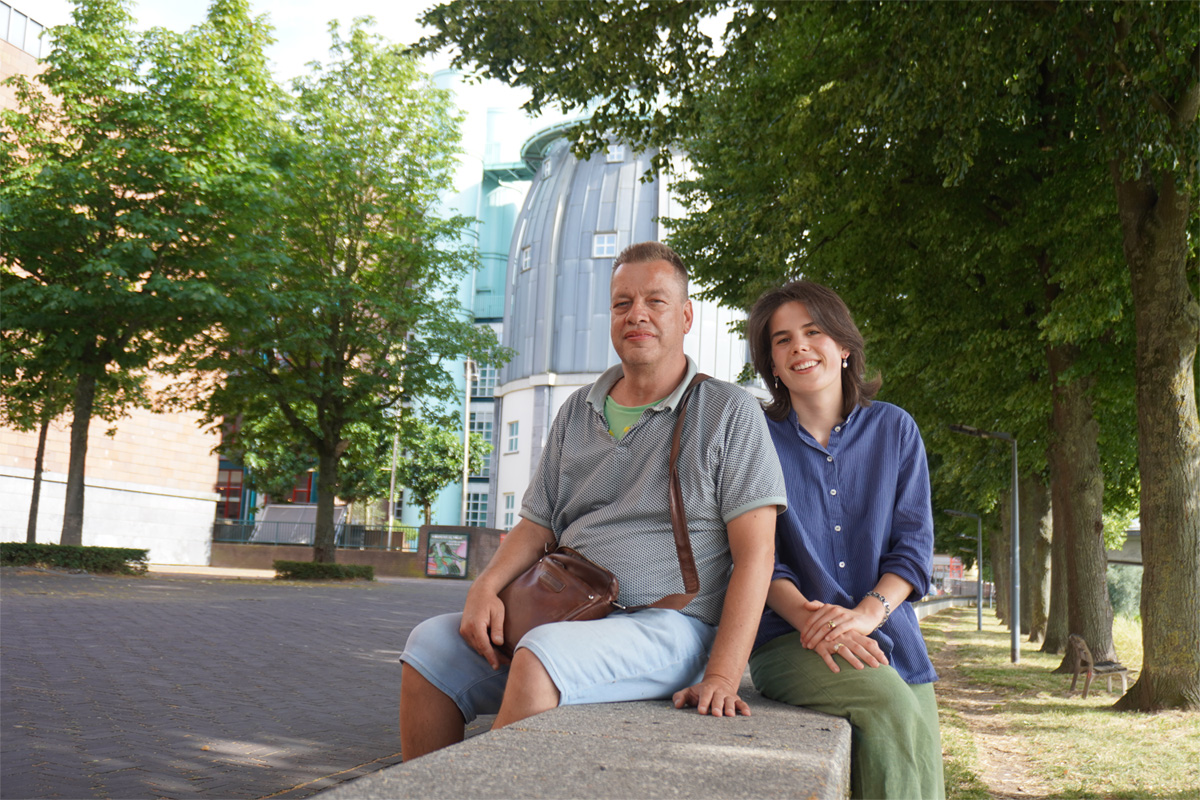
Over the past 50 years, both education at Maastricht University and the university itself have changed enormously. New buildings have been added; at the same time, new degrees have been developed and curricula have evolved with the times. Study programmes that were still finding their feet decades ago have now come of age. The same goes for the first cohorts of students who took them. To shine a spotlight on these changes, we’re speaking to an alum from the first cohort and a current student at each faculty. This time, Marcia Luyten and Lieve Wijnands, alum and student of Arts & Culture at the Faculty of Arts and Social Sciences, share their experiences.

Bio

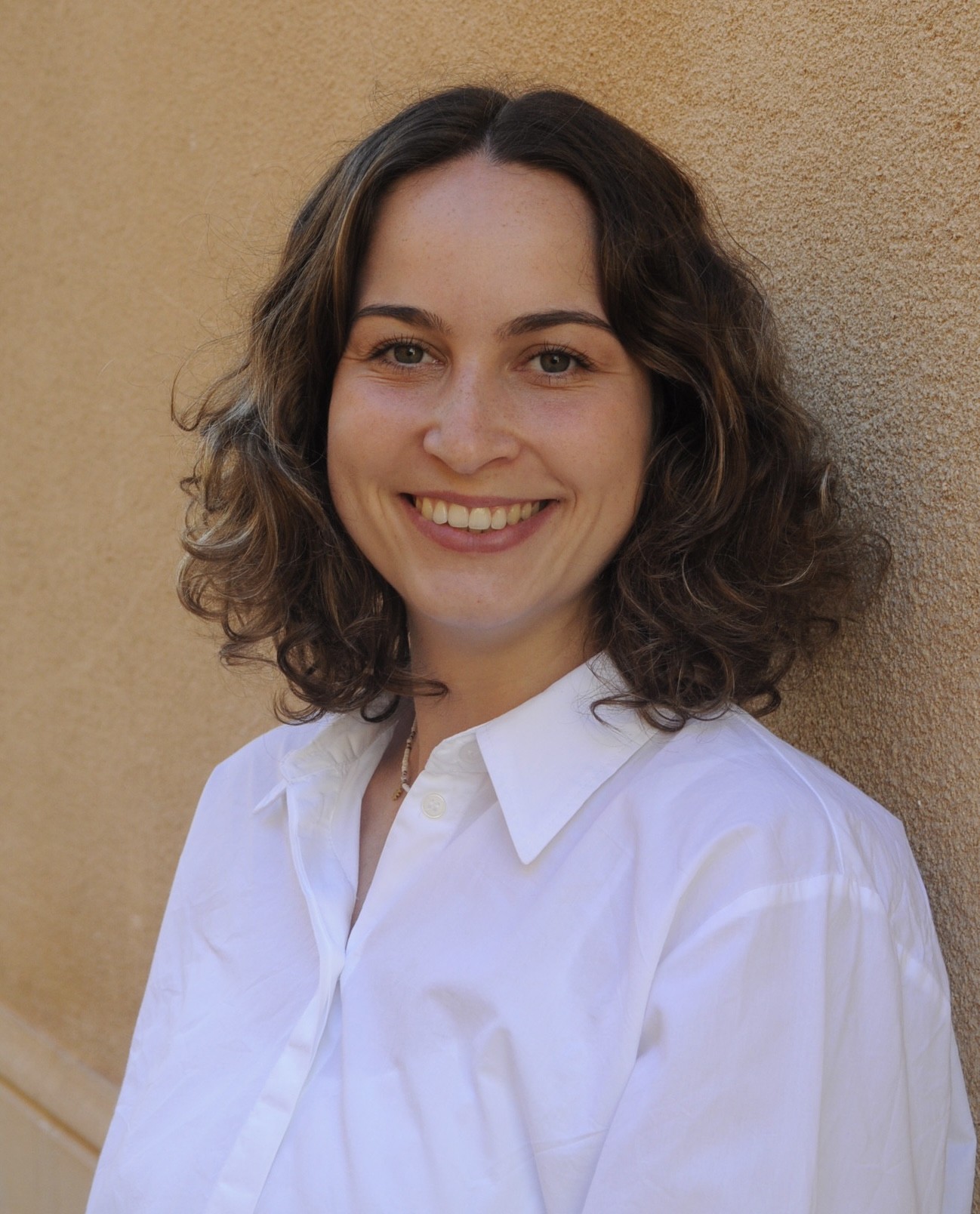
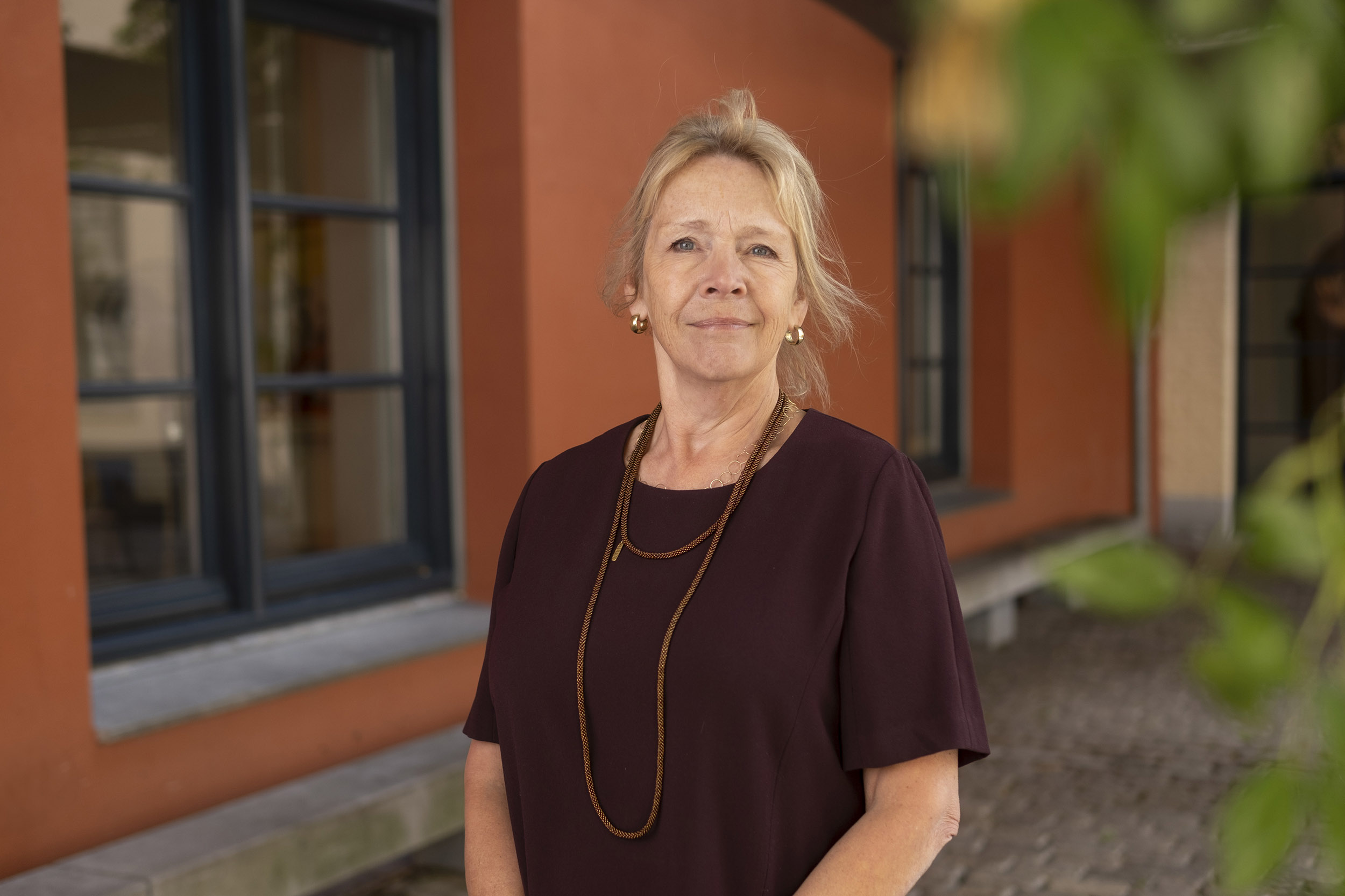
Marcia Luyten

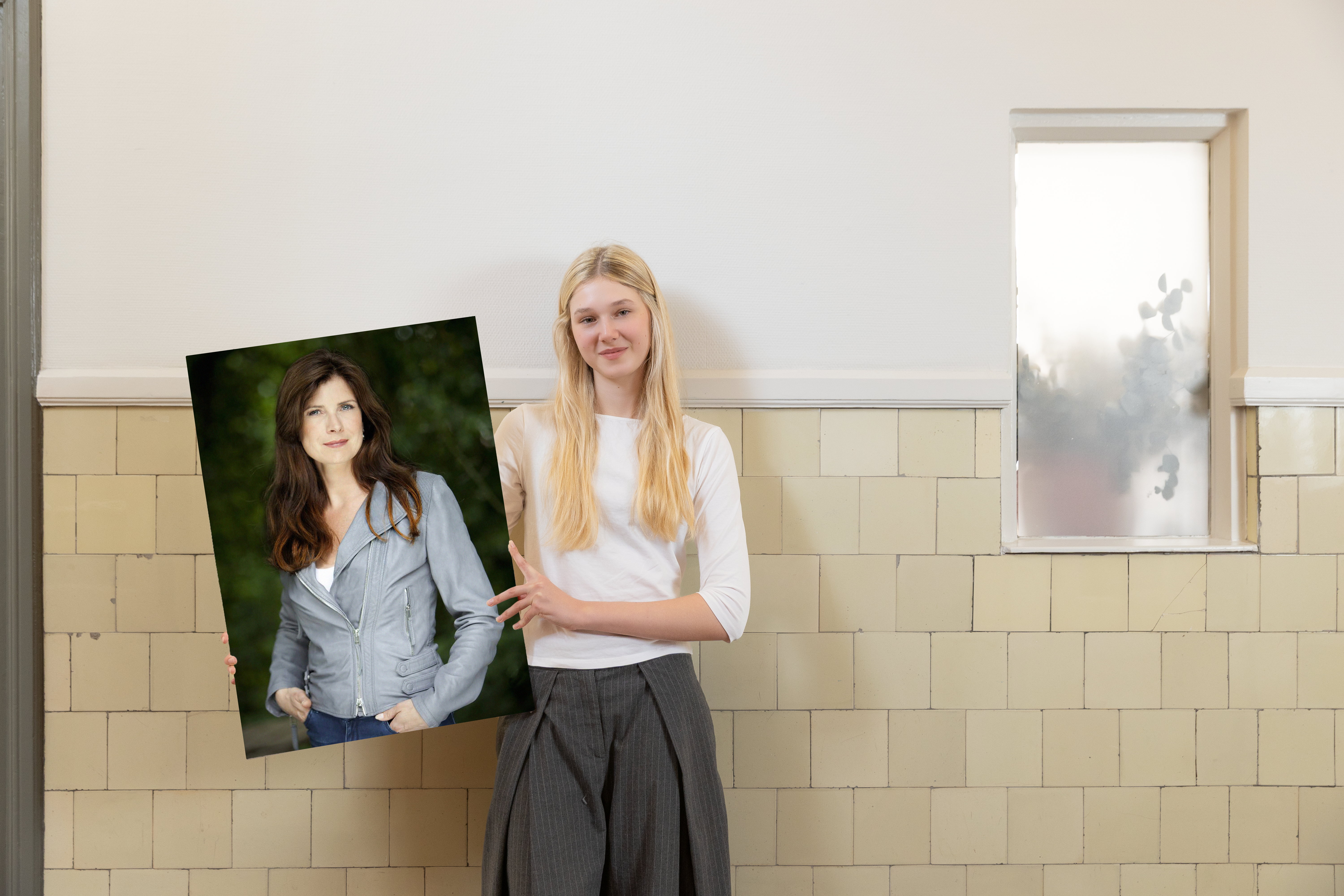
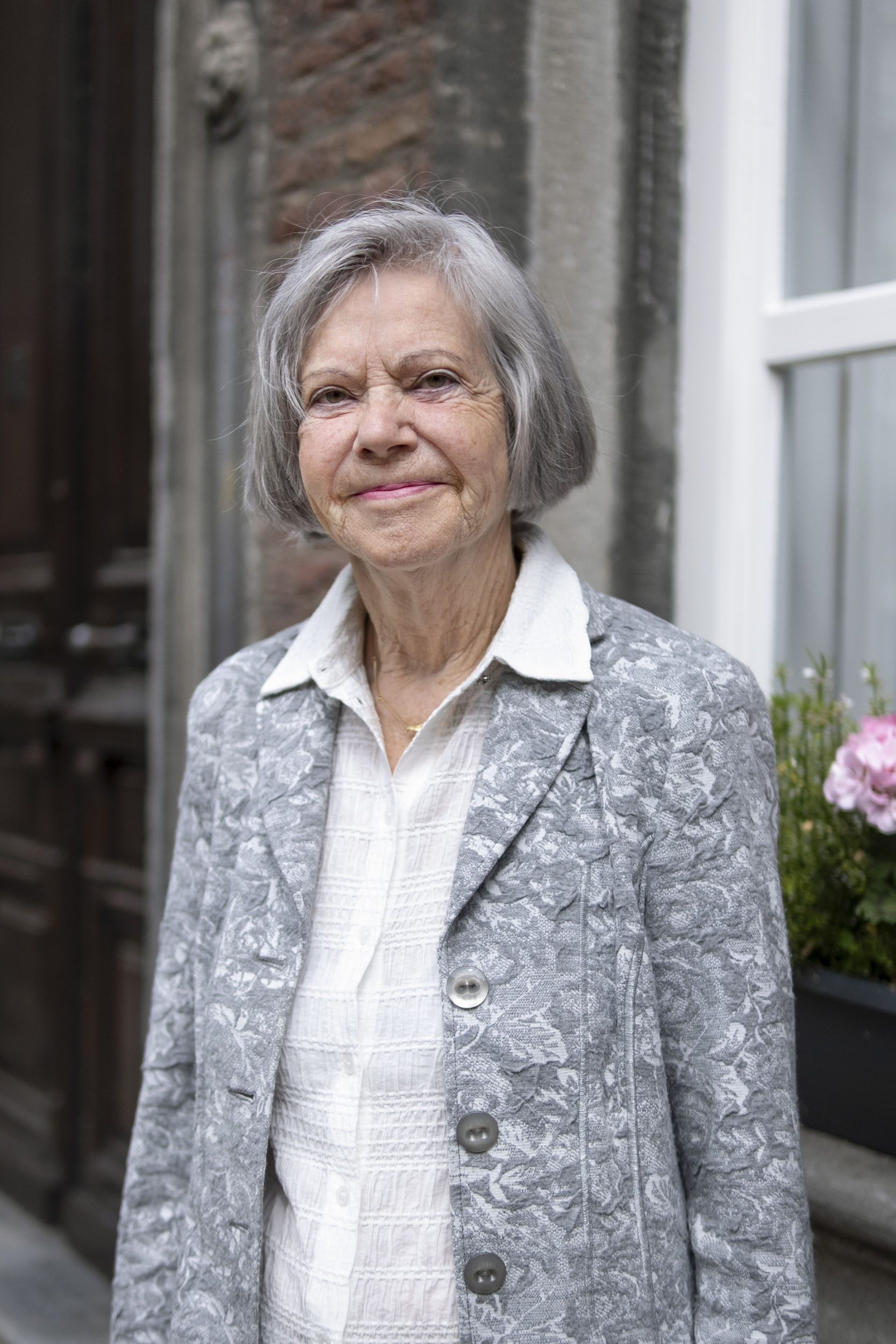
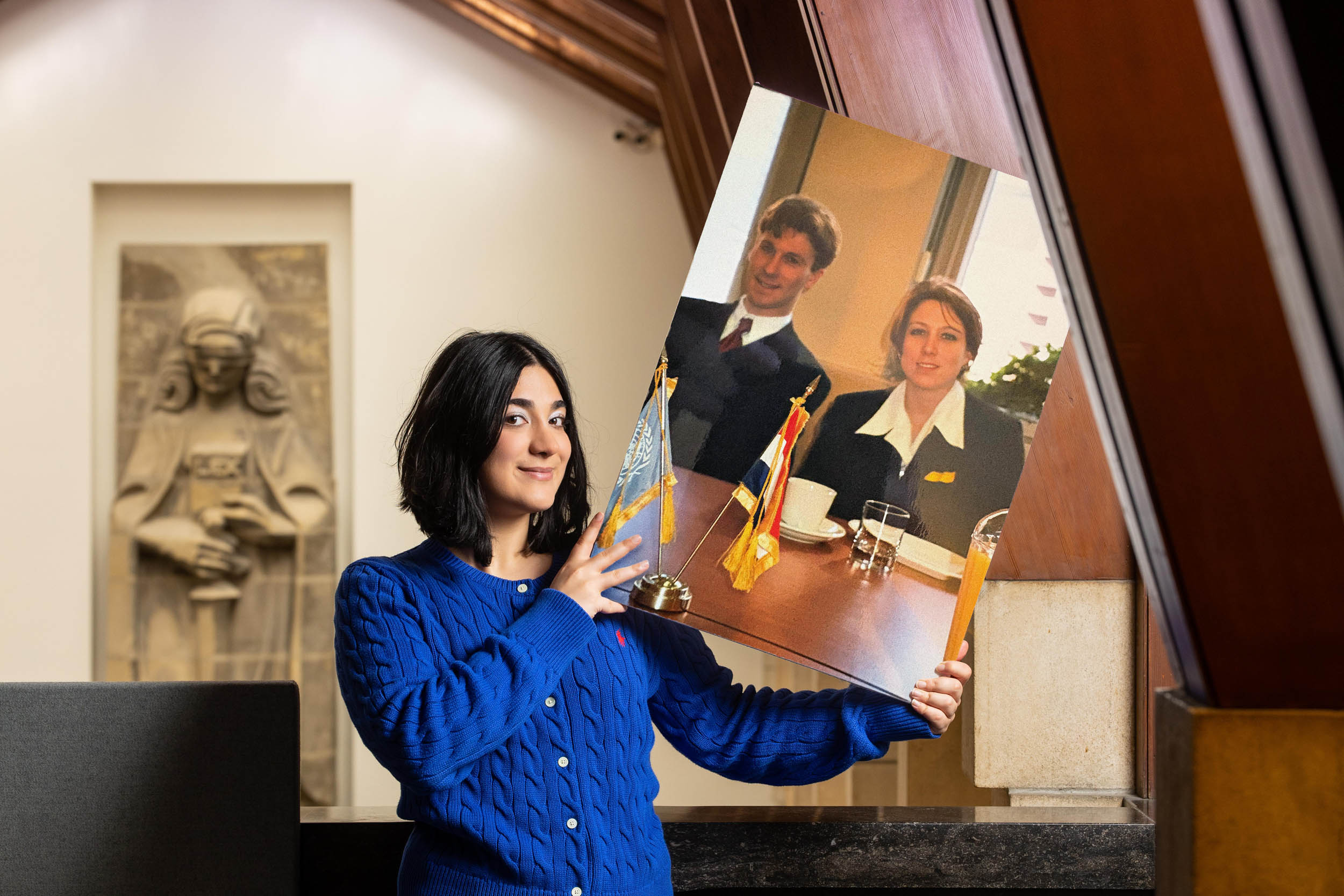
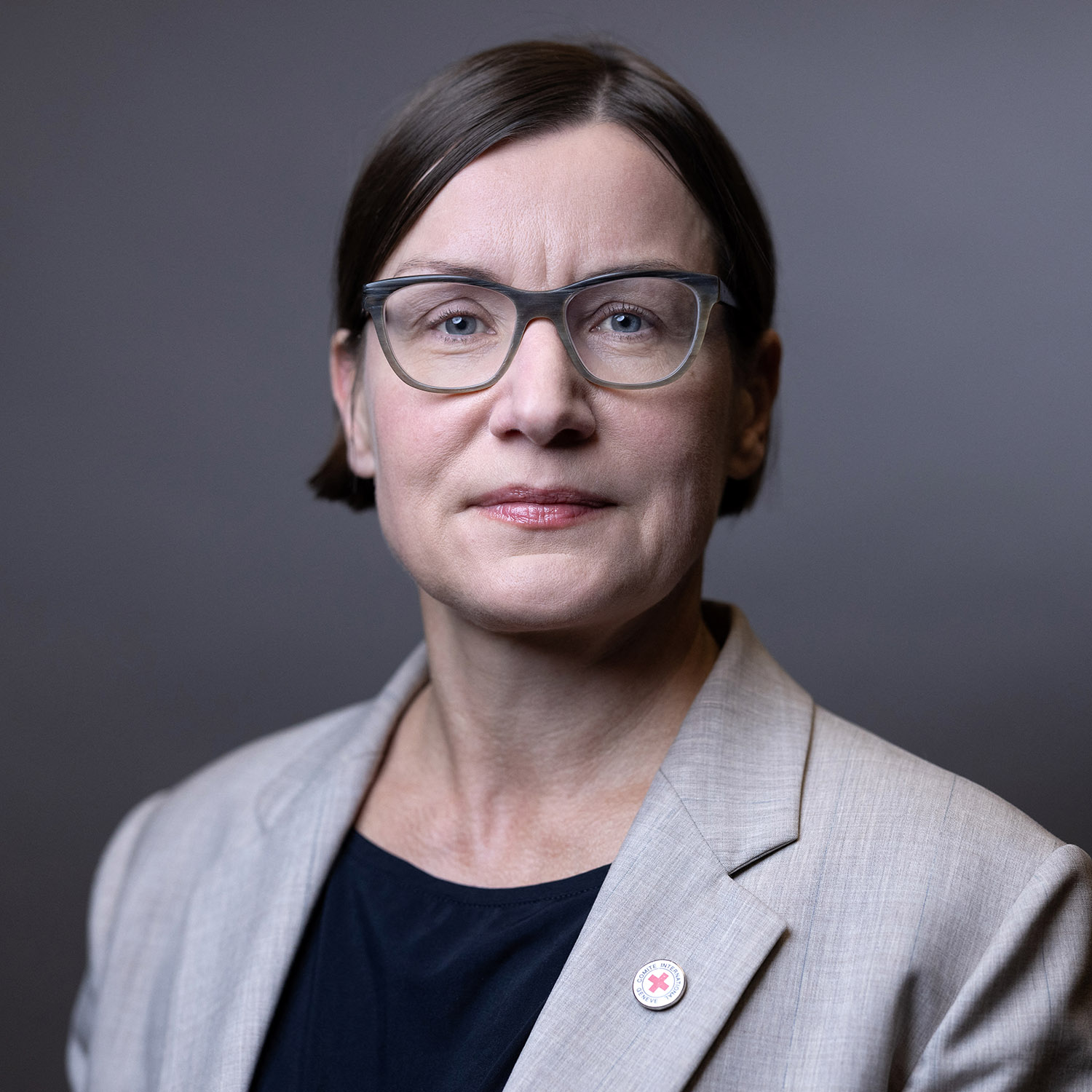
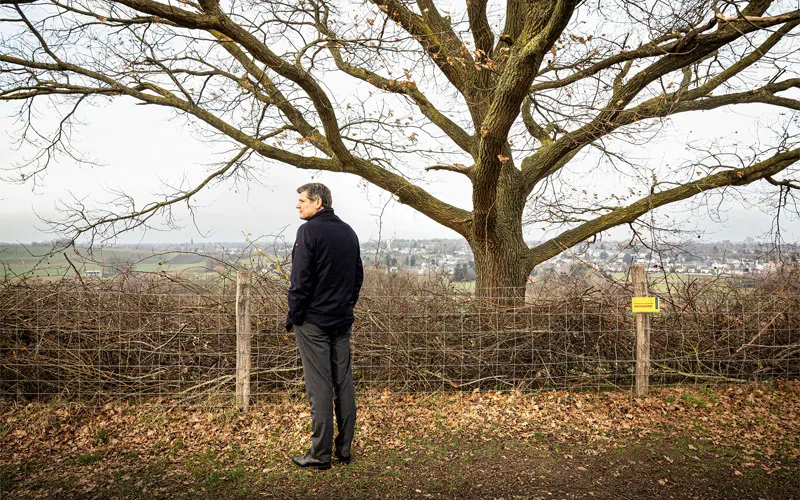
Marcia Luyten was one of the first Arts and Sciences students at the Faculty of Arts and Social Sciences in 1991. She also graduated in Economics from Maastricht University. Today, she works as a journalist in a wide range of roles. She writes columns for the Volkskrant, presents the radio programme Met het oog op morgen and gives lectures. She has also written several books, including a biography of Queen Máxima which was used for the script of the TV series Máxima. She presented the TV programme Buitenhof for many years.

Read more below

You may know journalist Marcia Luyten from the TV programme Buitenhof. But presenting is only part of what she does: she also writes columns and books, gives lectures, conducts interviews and carries out research. She says she owes her broad, holistic way of thinking to her years in Maastricht. “The Arts and Sciences programme felt like coming home. We often stayed behind after lectures to keep talking. Even with friends, I constantly wanted to share what I’d been reading.”

‍

Dead end

In 1991, Luyten was part of the first cohort of Arts and Sciences students. She says she had the time of her life, especially after having previously arrived at a dead end. “I studied economics, but I wasn’t happy there. I didn’t know what I wanted.” She was interested in art, culture and philosophy, but didn’t see herself as ‘just’ a philosopher or an art historian. “I was looking for something broader, something more holistic. When this new programme came along, I thought: let’s do it.”

She laughs. “I was so relieved to have finally found my place that I drove other people mad with it. I’d copy out texts by Plato and hand them to friends, saying: you have to read this.” Her enthusiasm paid off: two of her friends ended up enrolling in the programme as well.

“The teaching reminded me of
‍Dead Poets Society.”

Dead Poets Society

She almost wished the programme could have lasted a few extra years. She felt like a character in Dead Poets Society, she says, referring to the film in which students learn from an inspiring teacher to think for themselves. “The teaching often went on long after the lectures had finished. If we had a tutorial until six, we could still be talking about it hours later in Café De Pieter. The lecturers were incredibly enthusiastic and involved. They were also very driven to show that this programme was different from, say, Cultural Studies in Amsterdam.”

‍

Political journalist

In her first year, Luyten still imagined becoming something like a theatre director. But her theatre ambitions had faded by the age of 22, when the “political junkie” in her took over. She was drawn to the idea of becoming a political journalist, partly inspired by the courses on politics in Europe. “I had a romantic image of political journalists. At the time, I had no idea that the job also involves spending a lot of time standing around outside closed doors at the Binnenhof [the parliament building in The Hague].”

In the end, she did go into journalism, and as the presenter of Buitenhof she interviewed countless politicians. “Although I did have to revise my original image a bit. In the TV studio, politicians have often already decided in advance what they are and aren’t going to say. As a journalist, you’re constantly trying to break through a solid layer of armour. In that respect, I often find interviews with writers and thinkers more inspiring.”

‍

Learning by doing

Today, Luyten puts her journalistic skills to use in books and columns, on investigative committees and in interviews for TV and radio. She says she benefited enormously from Problem-Based Learning. “Because the lecturers were so ambitious, they were very critical when it came to marking our papers. Looking back, that helped me a lot as a writer. And chairing tutorials taught me to be a good discussion leader and interviewer.”

Her advice to current students is to follow their curiosity, but also to gain practical experience. She wrote for the university newspaper Observant and interned at a theatre company, Het Parool and De Balie, an Amsterdam debate centre. “If there’s something you want to do, start doing it already,” she says. “For me, it was while writing that I discovered I wanted to be a writer.”

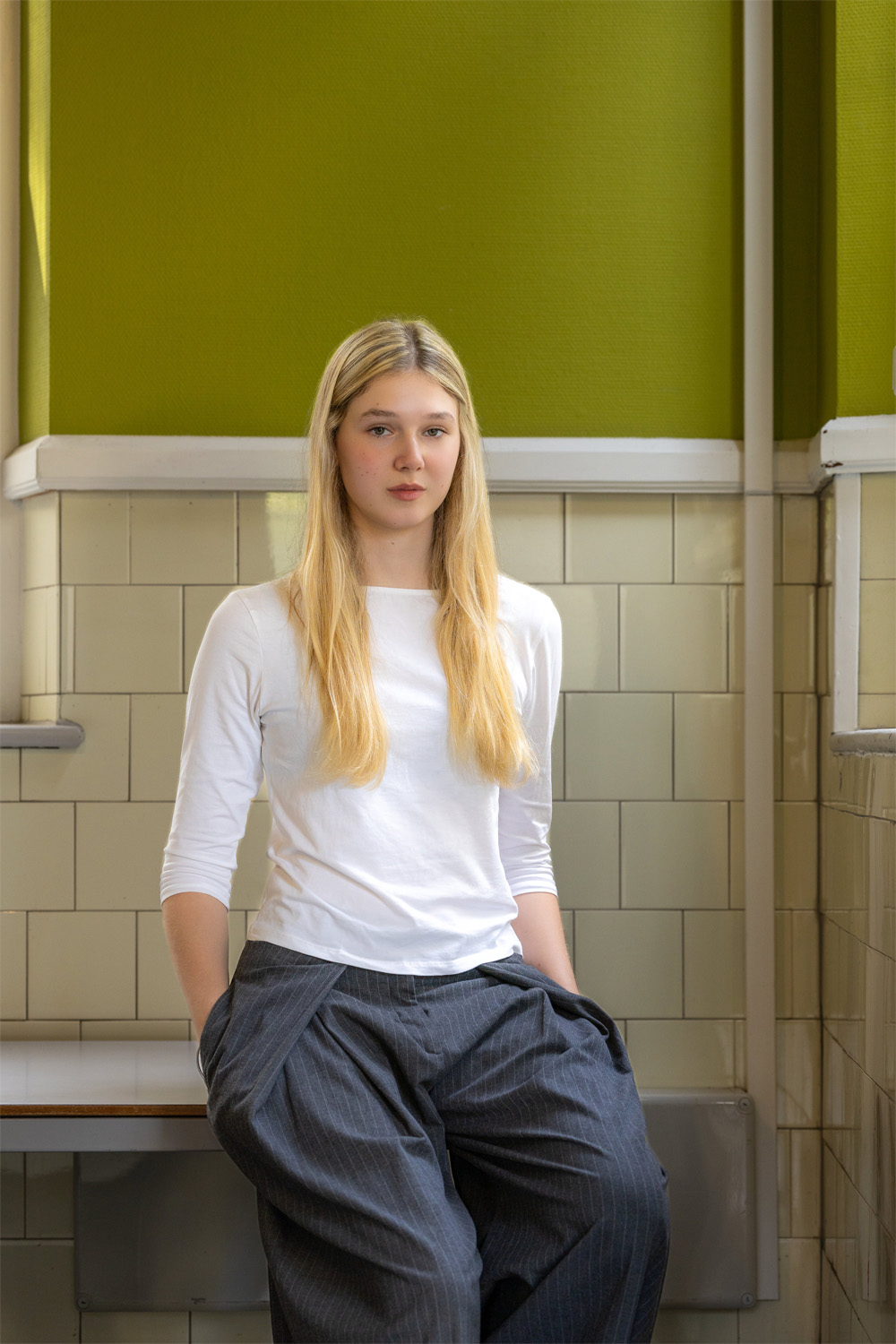
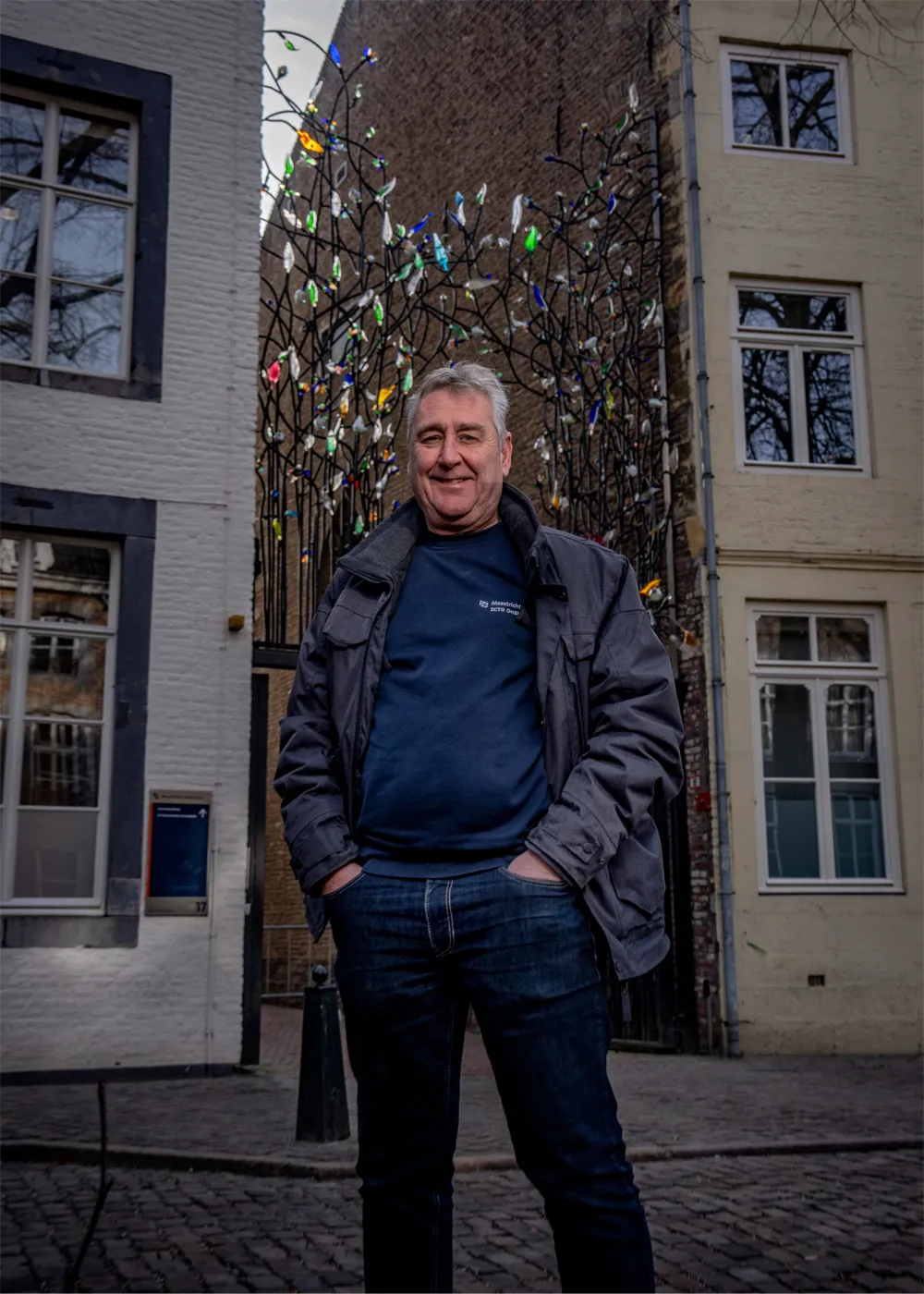
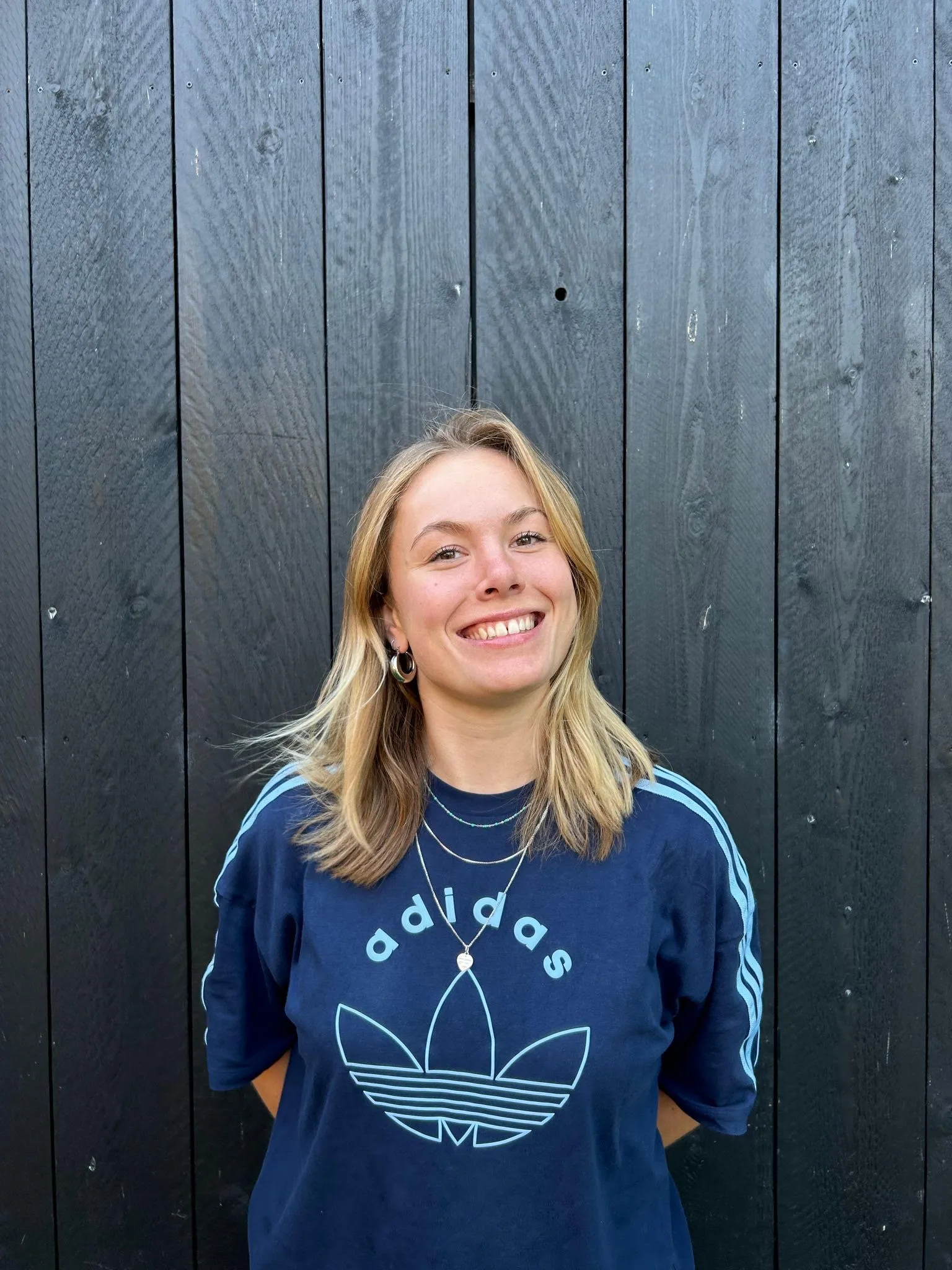
Lieve Wijnands’ mother studied Arts & Culture at Maastricht University a few decades ago. Wijnands was determined not to follow in her footsteps. But she changed her mind after attending the open day, and is now a first-year Arts & Culture student. “I often felt angry watching the news and found myself thinking: something has to be done.” Perhaps the programme will eventually lead her into politics. But for now, she is mainly enjoying the many projects that come her way – including research on Dutch stereotypes in Belgian jokes.

‍

Multidisciplinary

So what changed her mind about the programme? “Arts & Culture is a fully English-taught programme and it’s very interdisciplinary. It brings together elements of philosophy, science, politics and art. At the same time, there’s a clear common thread, and things from one subject often come up in another.”

She is also enthusiastic about Problem-Based Learning. “I like the fact that, as students, we’re responsible for discussing the material ourselves. That forces you to summarise it in your own words, which makes it stick better.”
Bio

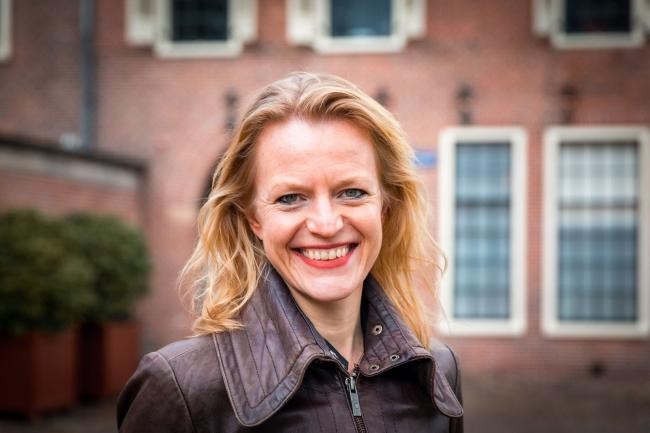
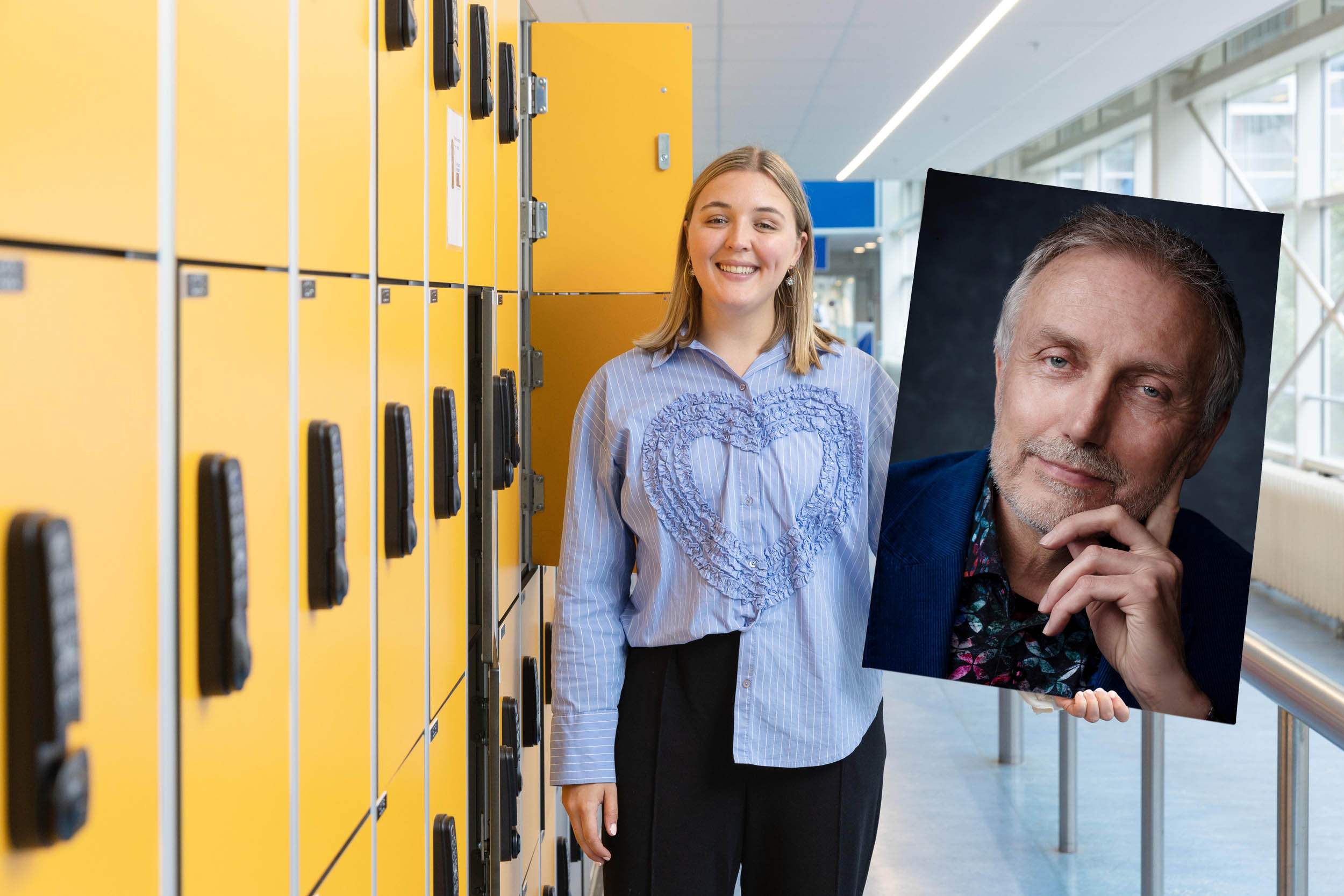
Lieve Wijnands

Lieve Wijnands is a first-year Arts & Culture student at Maastricht University’s Faculty of Arts and Social Sciences. In the future, she may like to work in politics.

Read more below

Science in society

For Wijnands, the most interesting course so far was Knowledge and Criticism. “We looked at how society has historically related to science,” she says. One thing she learnt was that Western countries sometimes deliberately withheld scientific knowledge during the colonial period. “For example, when people in colonised regions discovered a plant that induced abortion, the colonial powers prevented that knowledge from reaching women in the West. Otherwise, it might have slowed population growth there, which was economically undesirable.”

‍

Cooking together

With around 70 to 80 students, Arts & Culture is not a large programme, which is exactly what Wijnands likes about it. “By the end of the bachelor’s, I’ll probably have been in a tutorial group with every fellow student at least once.”

She also values the diversity within the group. “The students come from lots of different countries, and there’s a big age range.” She has already made several close friends. “We meet up or cook together. Often we end up talking about topics from the tutorials while we’re cooking, just because they’re so fascinating.”

“As part of my studies, I researched stereotypes about Dutch people in Belgian jokes.”

Dutch stereotypes

Her best experience so far was a project for the Research and Writing course. “We were allowed to write our own research paper. I’d never had to find sources myself to support an argument before. Luckily, the teacher helped, and it was a fun puzzle to put together.”
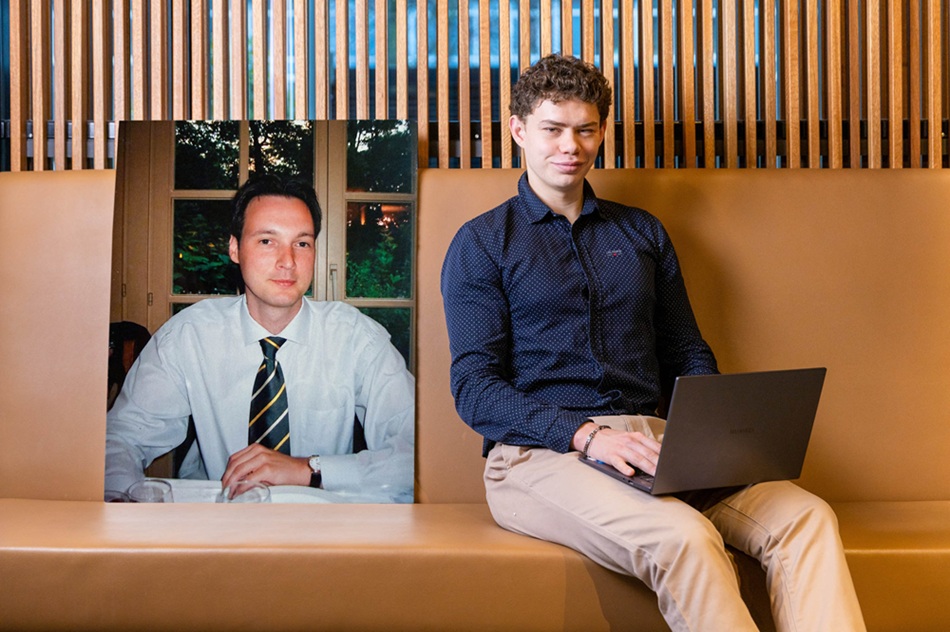
The topic of her paper? Stereotypes about Dutch people in Belgian jokes on social media. That choice was no accident. “I have both nationalities, so I’ve grown up hearing stereotypes about both Dutch people and Belgians. The Dutch are supposedly stingy, loud, direct and rude, and eat loads of cheese. I looked at how those stereotypes are expressed on social media.”
More female thinkers

Does she now watch the news with less anger than before she started university? “Actually, I think the programme has made me angrier,” she says with a laugh. “But it’s also taught me that social problems are often far more complex than they initially seem.”
At the same time, she sees positive developments in the programme itself. “Many of the texts we read still focus on male philosophers and scientists, because they were often the most visible figures in history. But the programme is consciously trying to include more texts about influential female thinkers. I can only support that.”


Text: Romy Veul
Photography: Philip Driessen

More female thinkers