
Tag
18 February 2026

ELSA Lab uses artificial intelligence to

combat poverty and debt

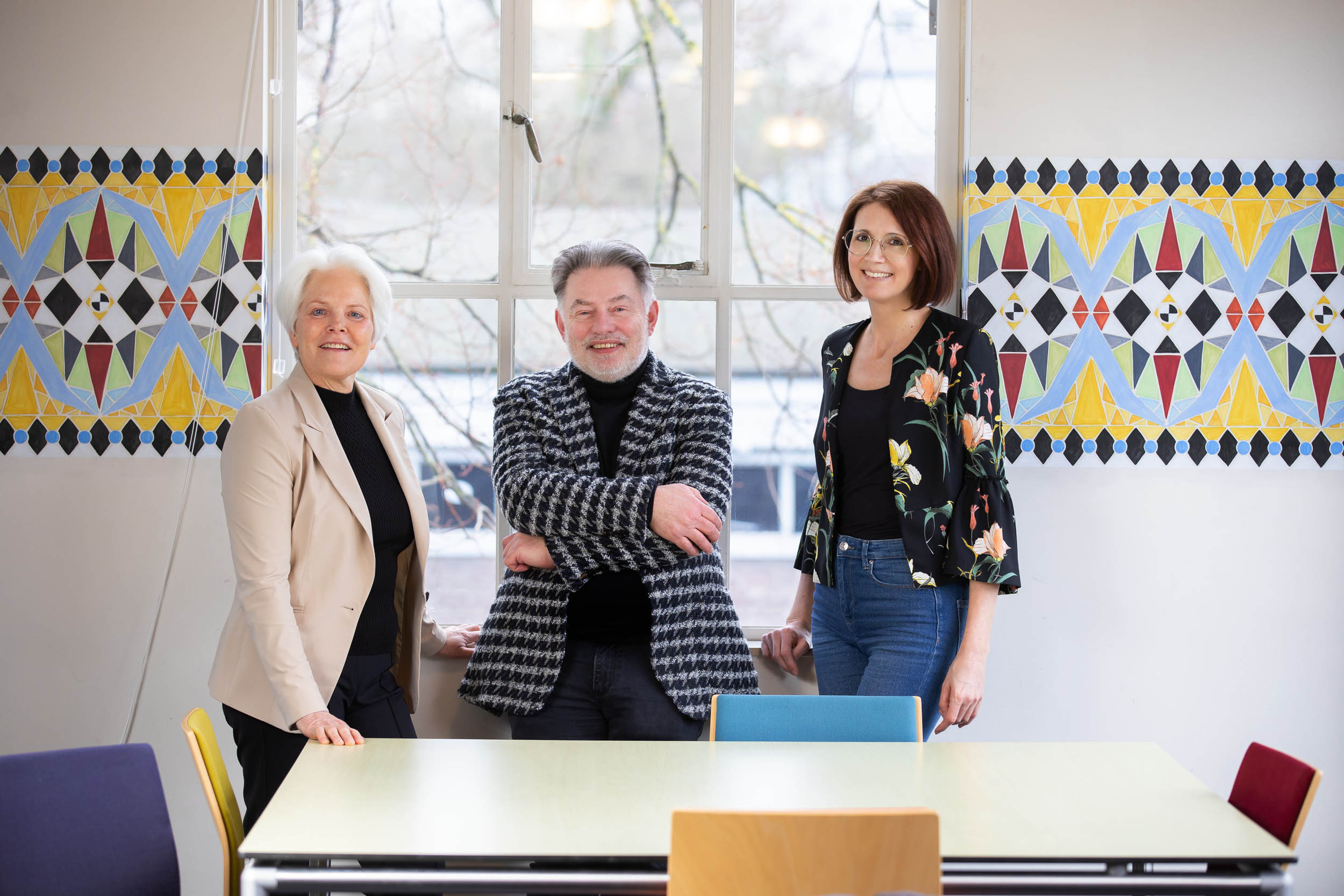
More and more Dutch people are struggling with debt and poverty. And just as you don’t put a band-aid on a broken leg, you can’t solve the problems of debt and poverty by helping one individual at a time. Genuine change calls for a systematic approach, which is where the ELSA Lab for Poverty and Debt—part of Maastricht University’s Brightlands Institute for Smart Society (BISS)—comes in. Take a look behind the scenes with researchers Cassy Juhasz, Johan van Soest and Lisa Brüggen.

“The ELSA Lab aims to tackle poverty and debt through the responsible use of technology and artificial intelligence,” says Brüggen. “We’re supported by a subsidy from the Ministry of the Interior. And because you can never achieve a goal like this alone, we collaborate with many different partners. The municipality of Heerlen—one of the poorest in the Netherlands—serves as a testing ground for our research.”

Juhasz comes from Heerlen herself, and knows what it’s like to contend with poverty and debt. “The municipality of Heerlen has a programme that enabled me to study at UM, and when I graduated, my debt was forgiven. My personal experiences give me a great understanding of the topics of poverty and debt reduction. I see my work for the ELSA Lab as an opportunity to give something back to my hometown.”

Bio
Project update

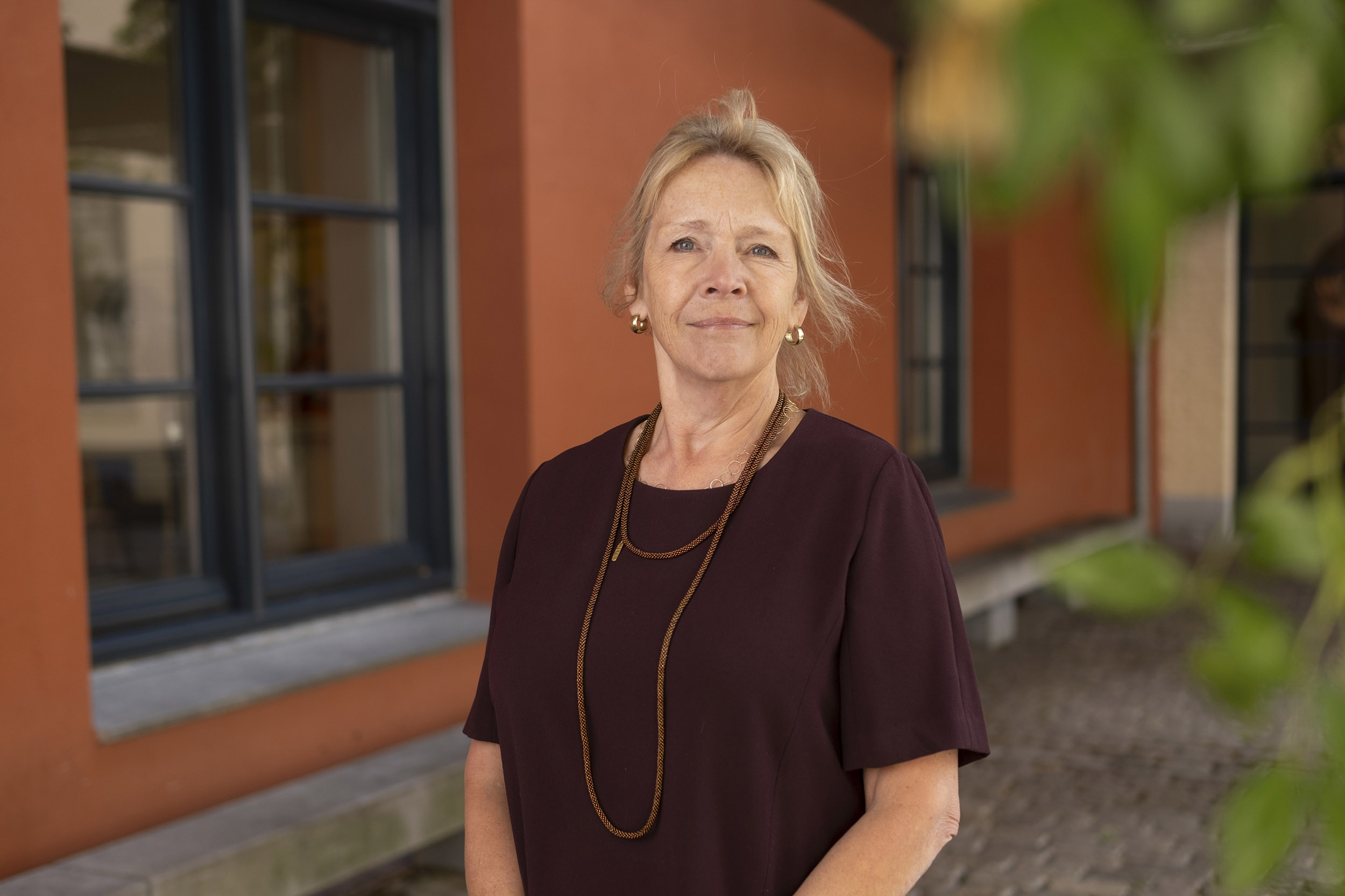
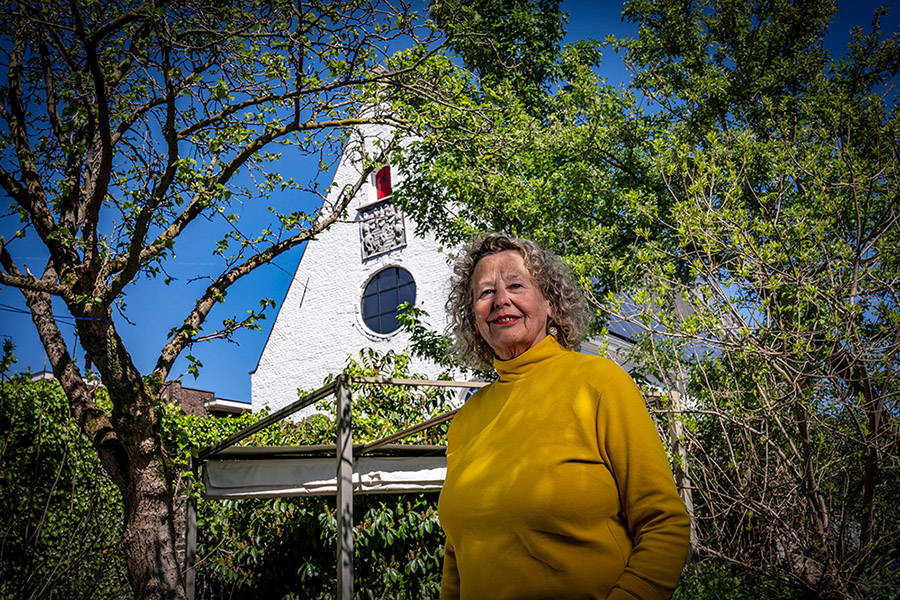
Lisa Brüggen

Lisa Brüggen is principal investigator at BISS and professor of Financial Services at the School of Business and Economics.

She is internationally recognised for her expertise in financial services, financial behaviour, choice guidance and pension communication.

In addition, she is director of the Network for Studies on Pensions, Ageing and Retirement (Netspar), endowed professor of Pension Communication and Choice Guidance at Tilburg University (funded by the Gak institute) and a member of the Supervisory Board of the Dutch National Institute for Family Finance Information (Nibud).

Read more below

Data science and artificial intelligence

ELSA stands for ethical, legal and societal aspects. “We investigate these different aspects for data analysis and AI applications, including the use of datasets and algorithms. Data science and AI offer all sort of opportunities, but you have to use them responsibly if you want to avoid major problems,” Juhasz says. “Just think of the childcare benefits scandal,” Brüggen adds.

The ELSA Lab investigates issues such as how early detection can help to reduce poverty and debt. “Municipalities have a legal duty to help residents with debts, so they receive automatic notifications from the authorities if residents fall behind on their rent or gas, water and electricity bills,” Van Soest explains. “We’d like to pinpoint when and how municipalities intervene. Is it after one month or three months? And do residents receive a text message, phone call or home visit?

“To find out which approach works best, we’re working on a research design. The idea is that all available data will be analysed using AI, which will then advise policy officers on the right time and the best way to address problems related to poverty and debt. It’s up to them whether or not to follow the advice—making decisions like that remains a job for humans.”

Bio
Project update

Johan van der Soest

Johan van Soest, senior researcher at BISS, holds a master’s in Medical Informatics and a PhD in Clinical Data Science in Radiotherapy.

He works on tools to make data more FAIR (findable, accessible, interoperable, reusable), develops FAIR descriptions of AI models and studies how to maintain privacy in machine learning across multiple data sources.

Read more below

Better policy through virtual reality

The ELSA Lab is also investigating how virtual reality can improve policies for poverty and debt relief. “These policies are usually based on statistics and drawn up by policymakers who have no sense of what it’s actually like to struggle with poverty or debt,” Brüggen says. The researchers are working to develop a VR experience that will enable policymakers to experience for themselves what someone with financial problems is up against.

That is why the ELSA Lab is currently developing two VR experiences, specifically for policymakers. By putting on a VR headset, policymakers experience for themselves the challenges faced by a family with financial difficulties: an unexpected car repair, higher energy bills, a school trip to Rome, a letter from a bailiff … all while there is no money available.During the testing phase, policy officers indicated that the stress and panic experienced by the family were clearly palpable. They also realised that they tend to think in terms of solutions very quickly. This is because they themselves are very familiar with all the relevant laws and regulations. Through the VR experience, they discover that these solutions are far from obvious for people living in poverty. They do not know where to turn for help.

It is expected that the VR experiences can be rolled out to municipalities after the summer of 2026. Brüggen: “Our hope is that VR will foster more understanding and empathy among policymakers, and that this will ultimately be reflected in the policies.”

Better policy through virtual reality
Bio
Project update

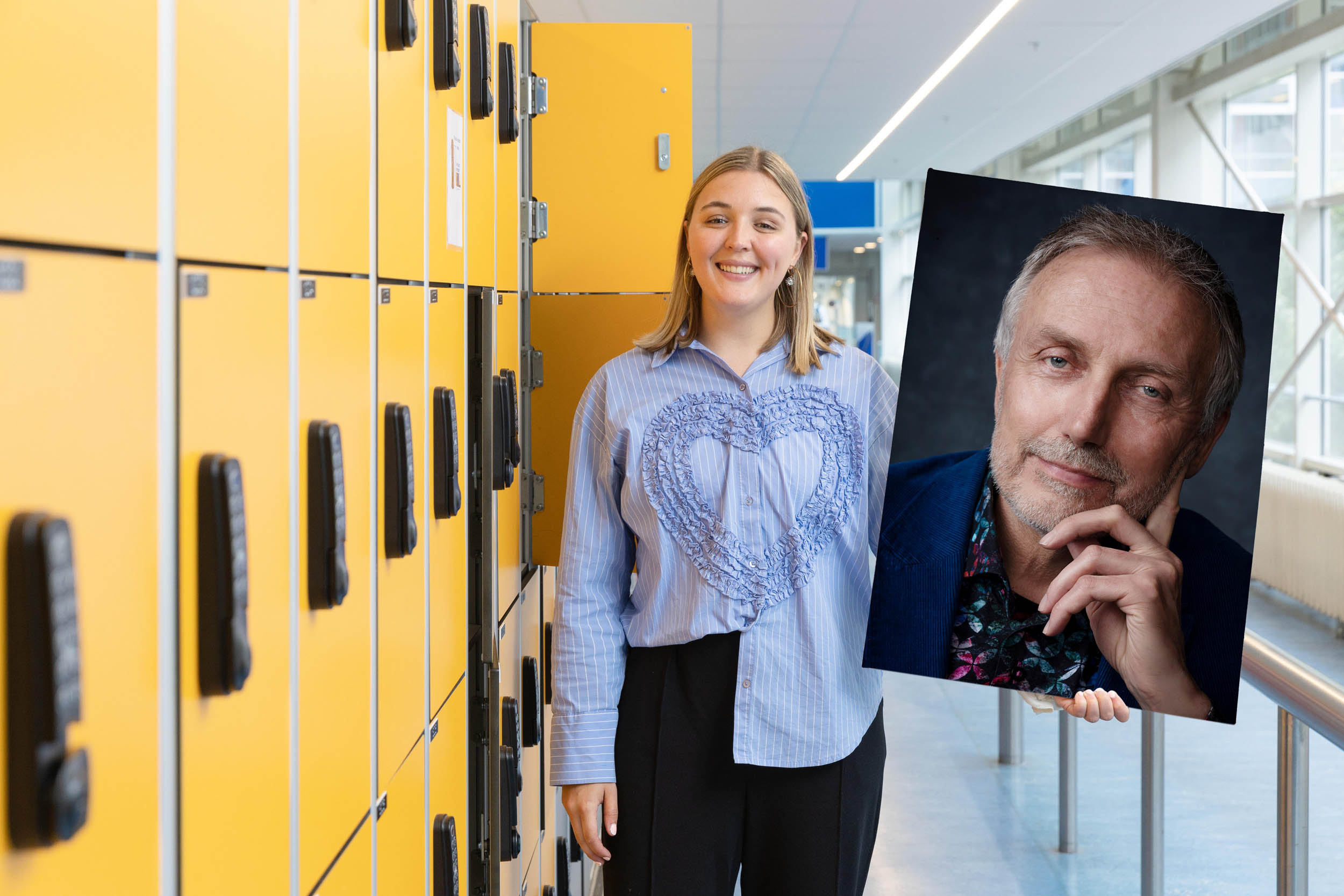
Cassy Juhasz

Cassy Juhasz is a PhD candidate at the Brightlands Institute for Smart Society (BISS).

She holds a bachelor’s in Arts & Culture and a master’s in Cultures of Arts, Science & Technology from the Faculty of Arts and Social Sciences (FASoS).

She now teaches at FASoS and conducts research at the ELSA Lab.

Read more below

Valuable collaboration

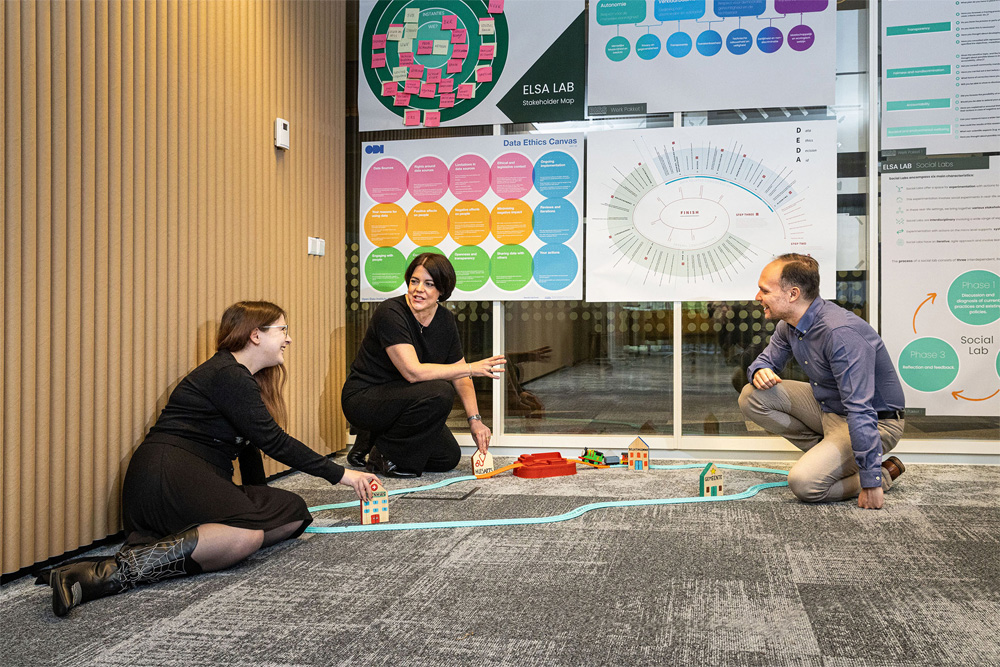
Within the ELSA Lab, professionals from various disciplines work together. Van Soest and his colleagues consider this extremely valuable. “We examine an issue from multiple perspectives. What are the ethical, financial or technological implications of certain choices? I find that incredibly interesting. You learn from one another and broaden your horizons. Moreover, this approach helps to prevent tunnel vision.”

Brüggen, Van Soest and Juhasz all agree that research within the ELSA Lab requires patience and perseverance. Juhasz explains: “We start locally – within the municipality of Heerlen – and take small steps. If a project delivers good results, we can then apply it in other municipalities as well. However, it remains tailored work, because every municipality is different. By involving residents at an early stage, we take their needs into account and ensure that the eventual solutions are accepted by society.”

It is not yet possible to say when the first results of the ELSA Lab will become visible. “It is not realistic to expect an impact after just two years,” says Brüggen. “That is why it is important to recognise interim successes and keep the long term in mind.” One example of such an interim success is that implementing agencies and municipalities are increasingly approaching the ELSA Lab for support when they wish to tackle poverty in combination with AI. Brüggen adds: “This keeps us motivated and allows us to play our part in the major challenge of eradicating poverty and debt problems.”
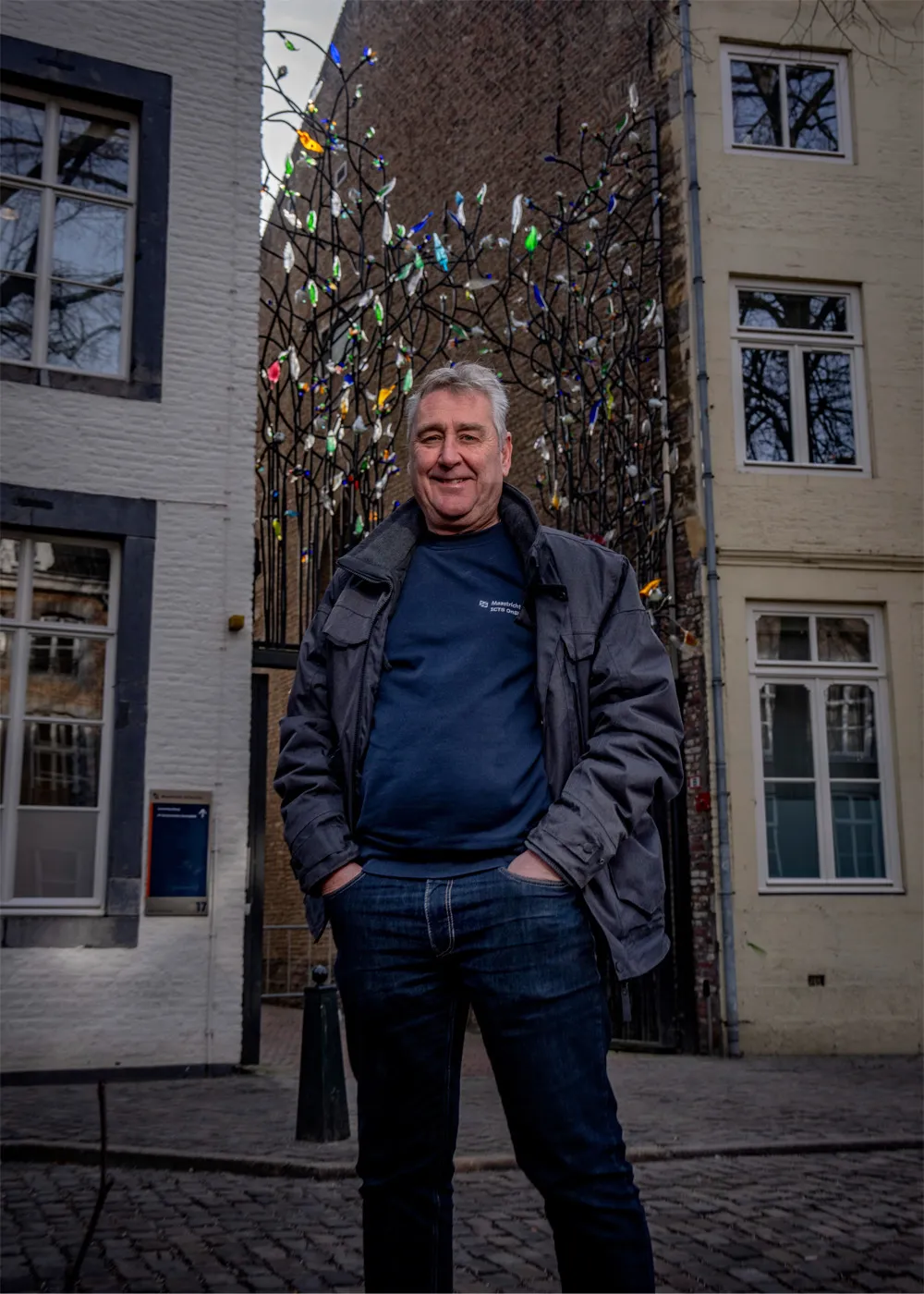

Text: Martina Langeveld
Photography: Paul van der Veer

Valuable collaboration