Then and now:
Health Sciences
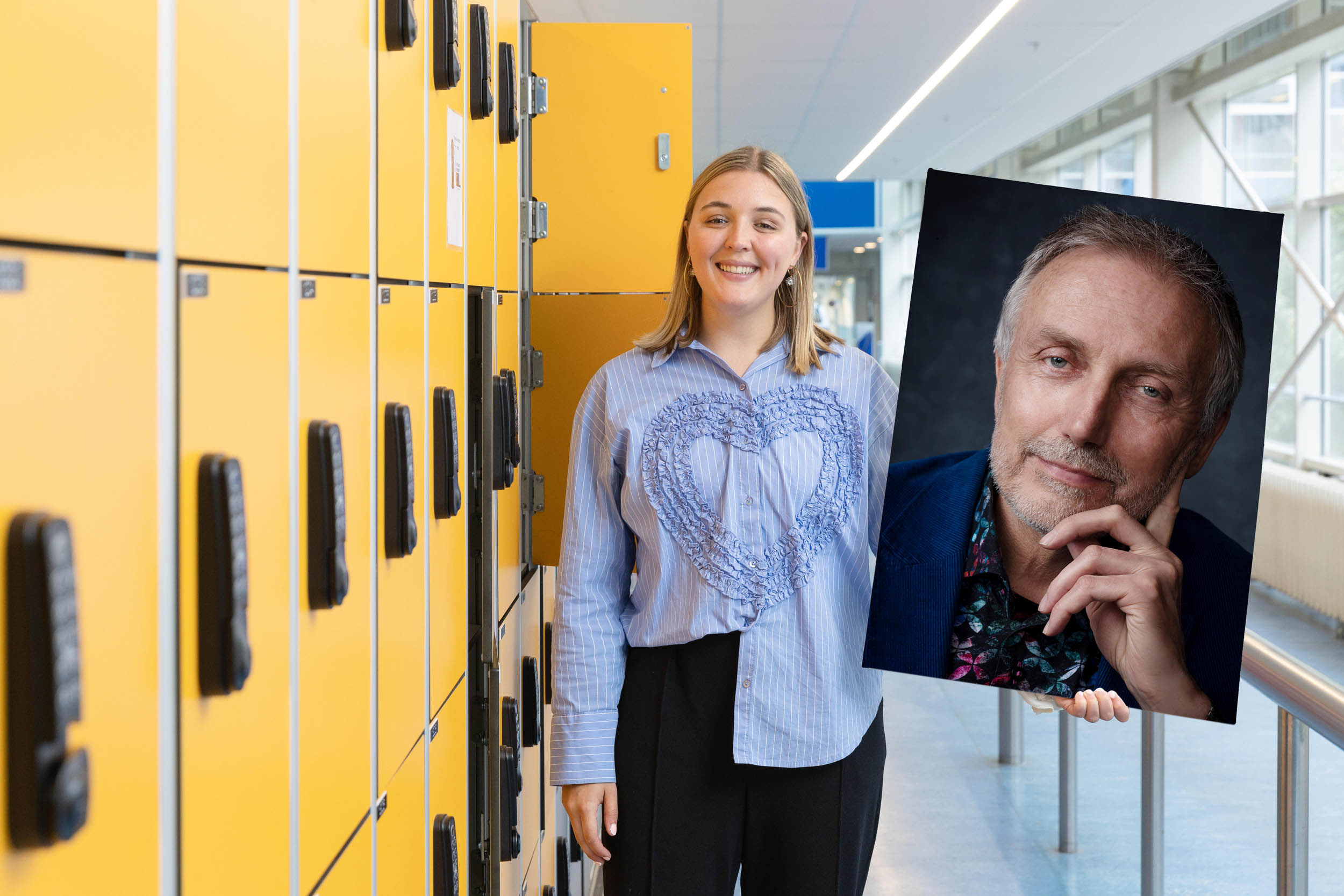
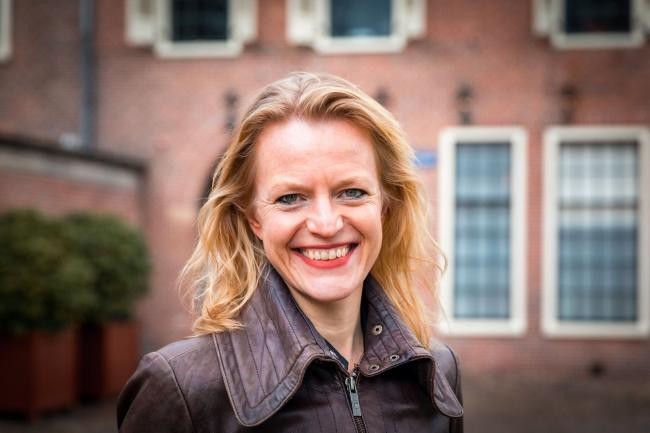
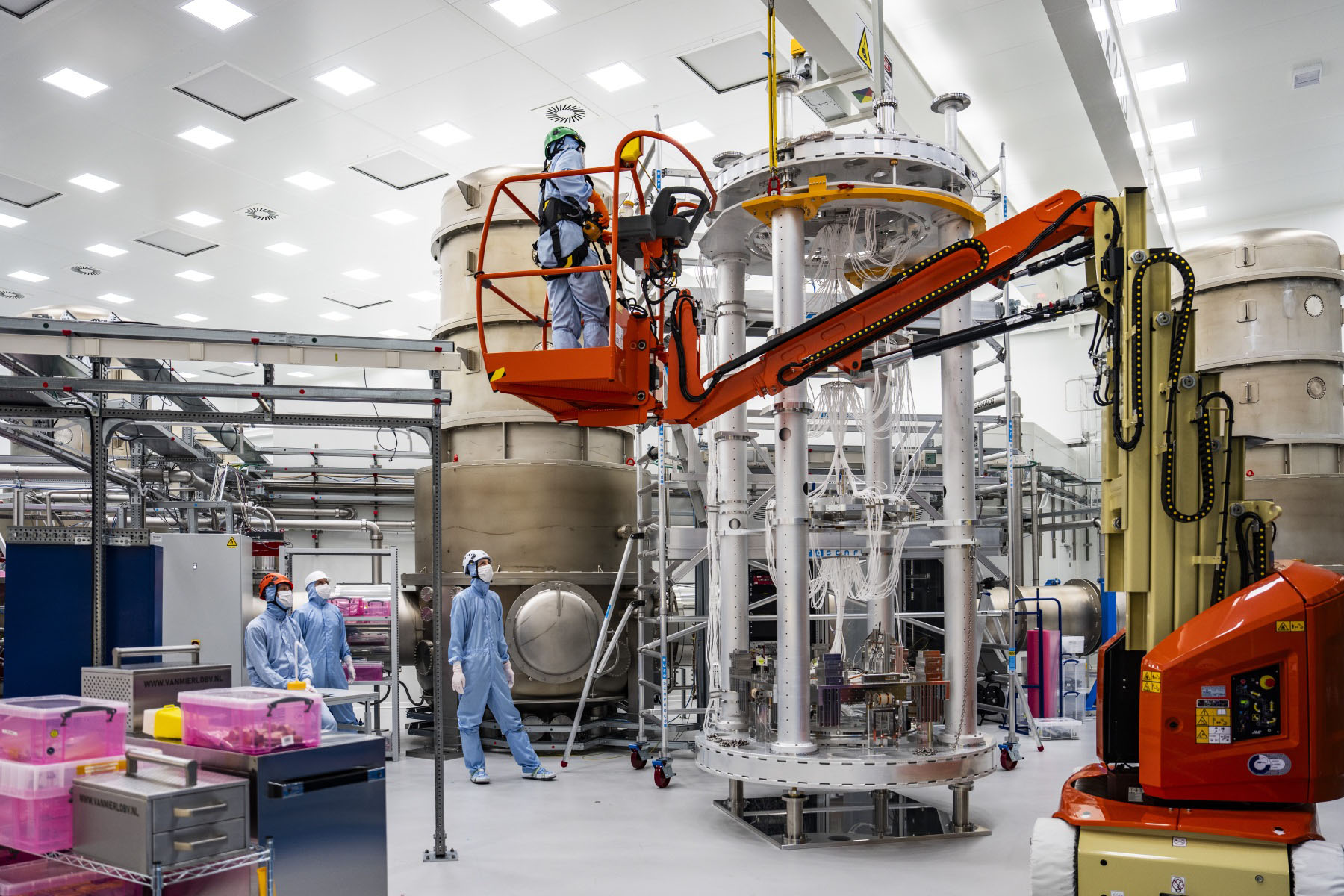
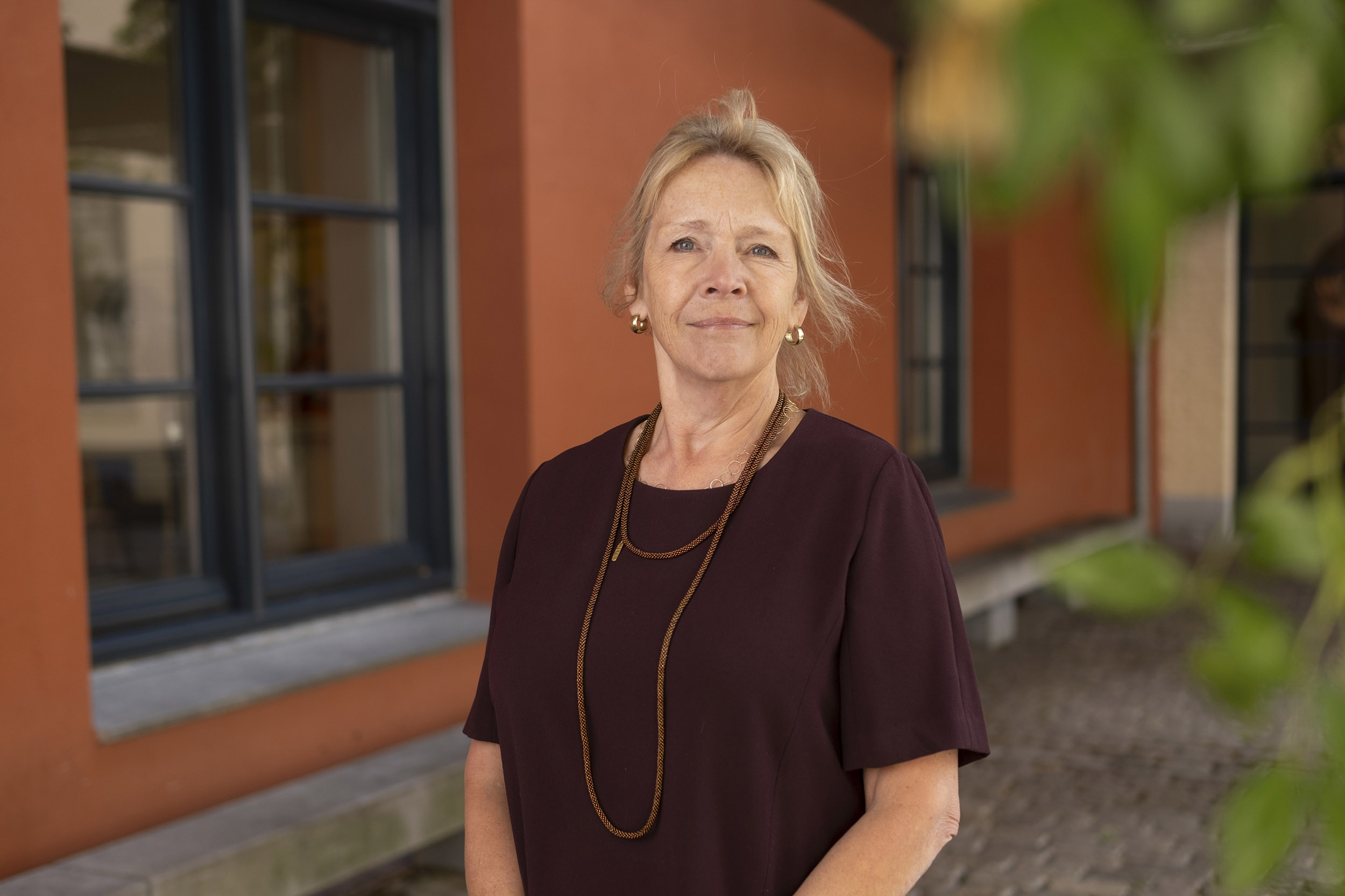
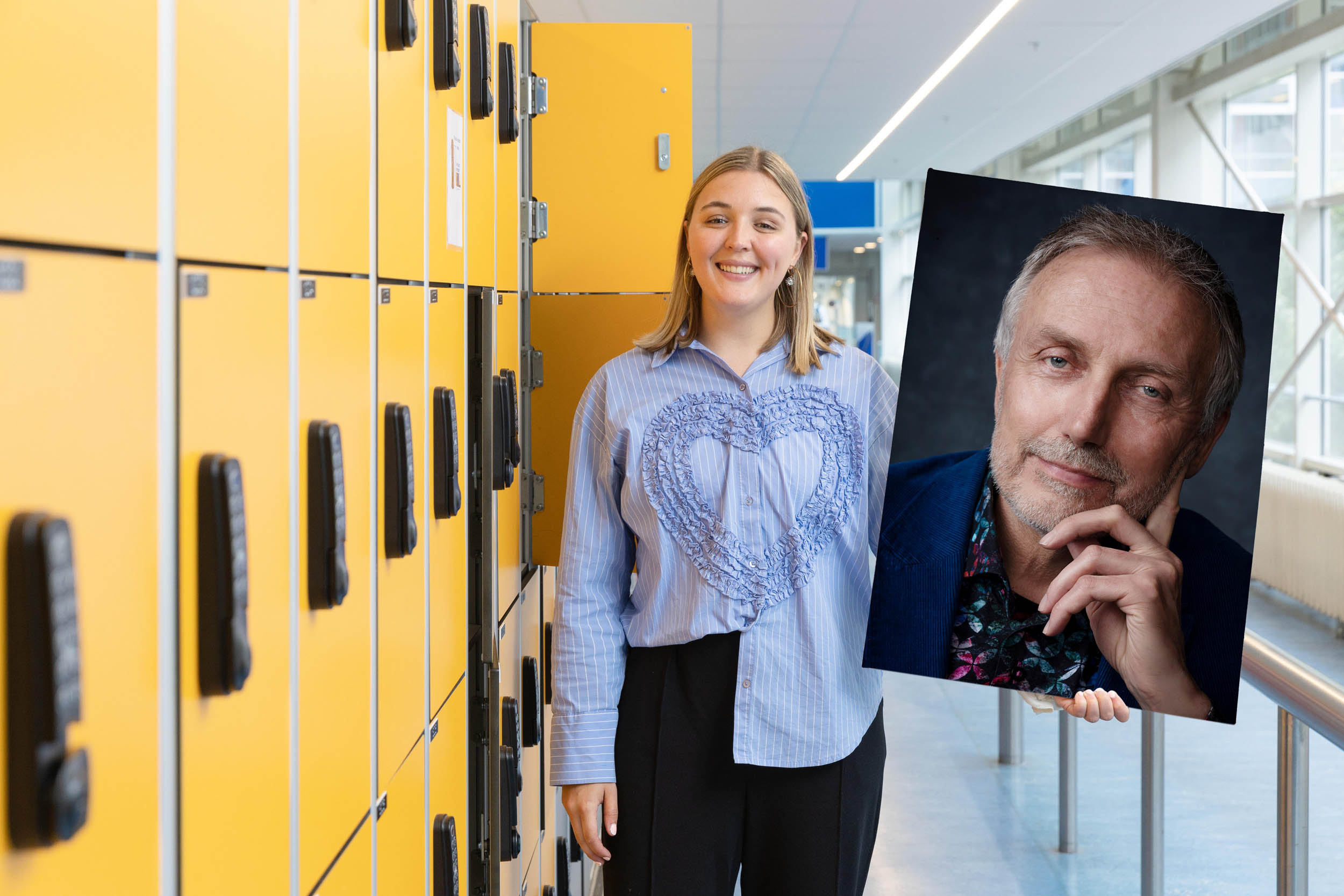
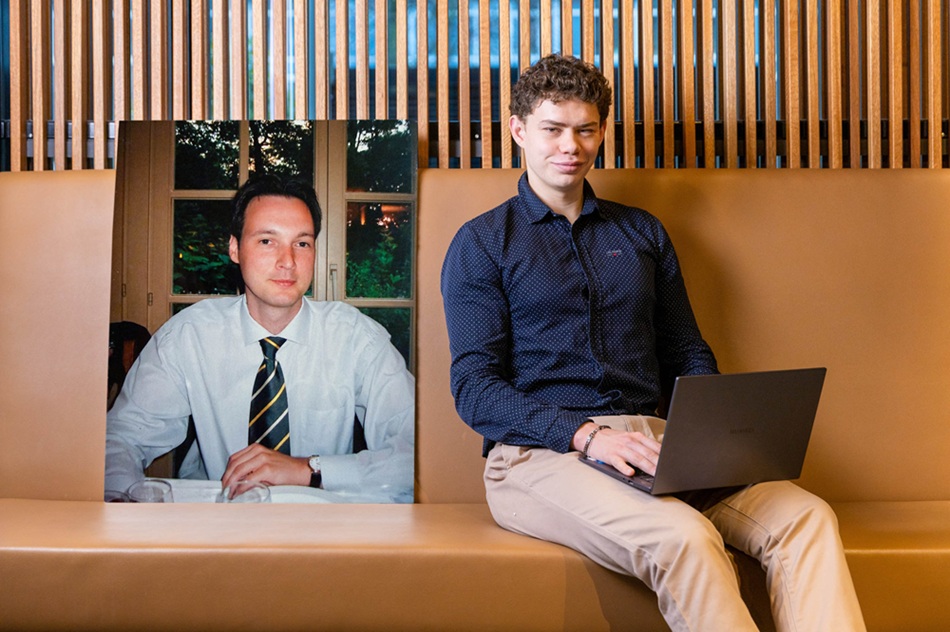
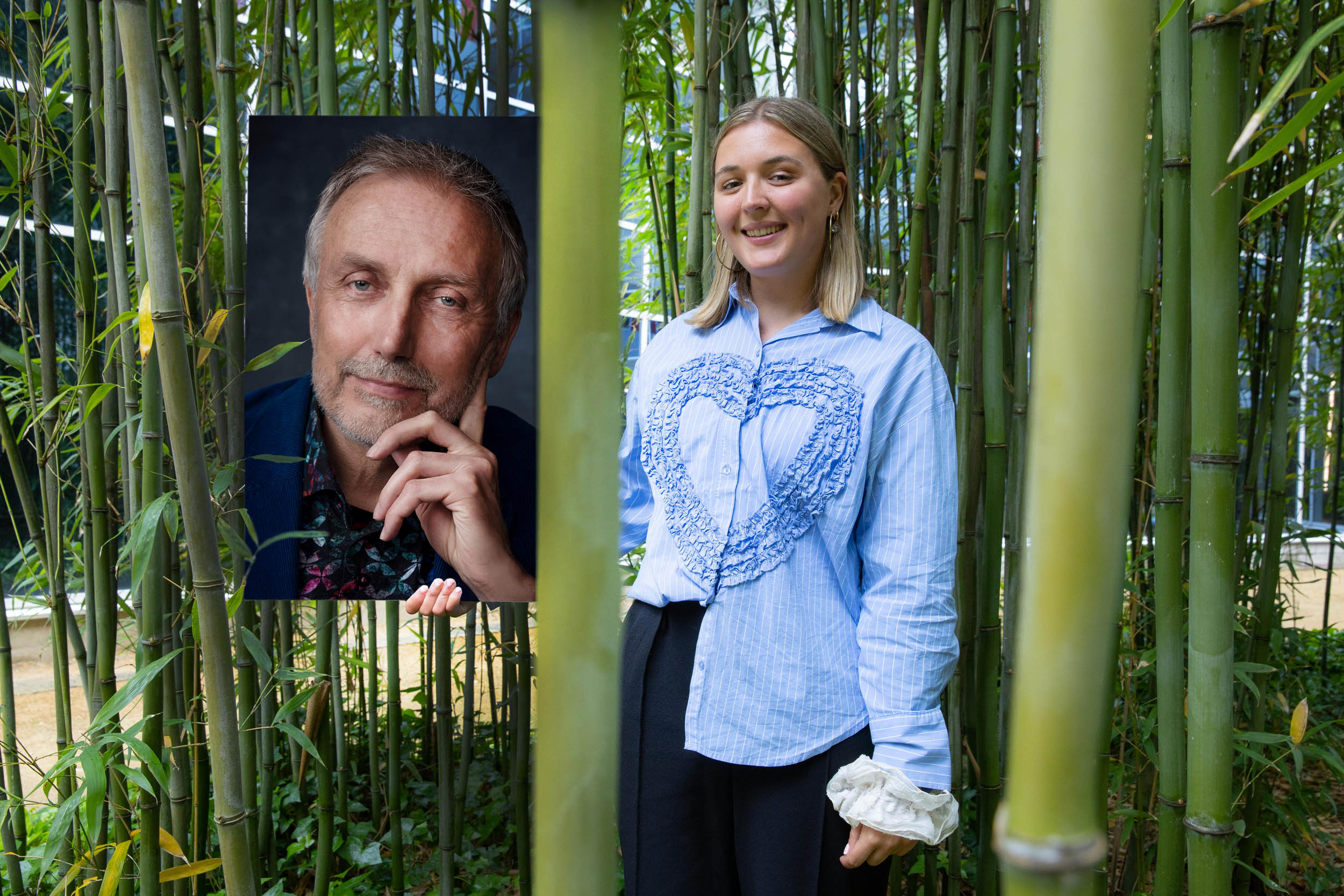
Over the past 50 years, both education at Maastricht University and the university itself have changed enormously. New buildings have been added; at the same time, new degrees have been developed and curricula have evolved with the times. Study programmes that were still finding their feet decades ago have now come of age. The same goes for the first cohorts of students who took them. To shine a spotlight on these changes, we’re speaking to an alum from the first cohort and a current student at each faculty. This time, Henk Smid and Renske Dalm, student and alum of the Faculty of Health, Medicine and Life Sciences, share their experiences.
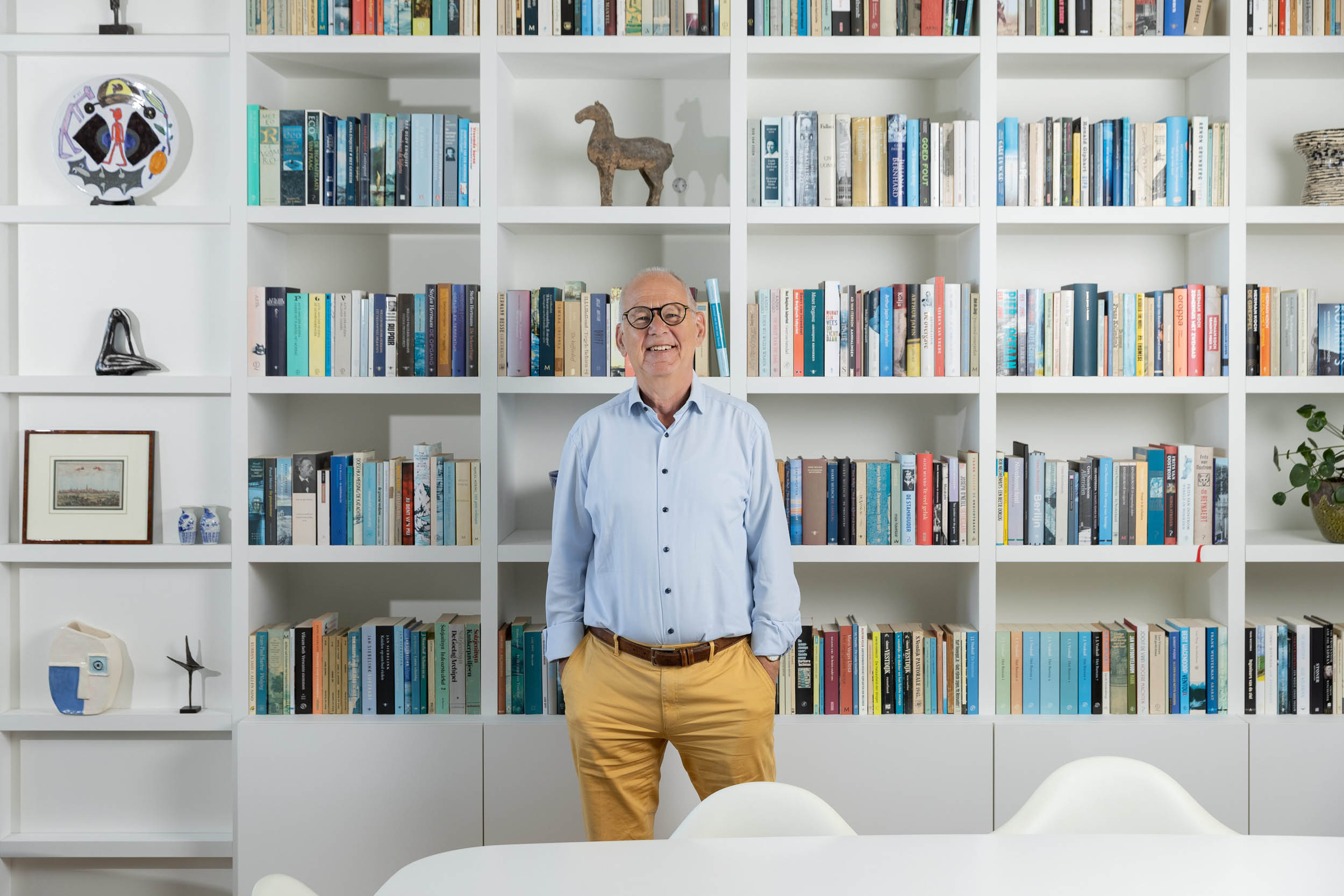
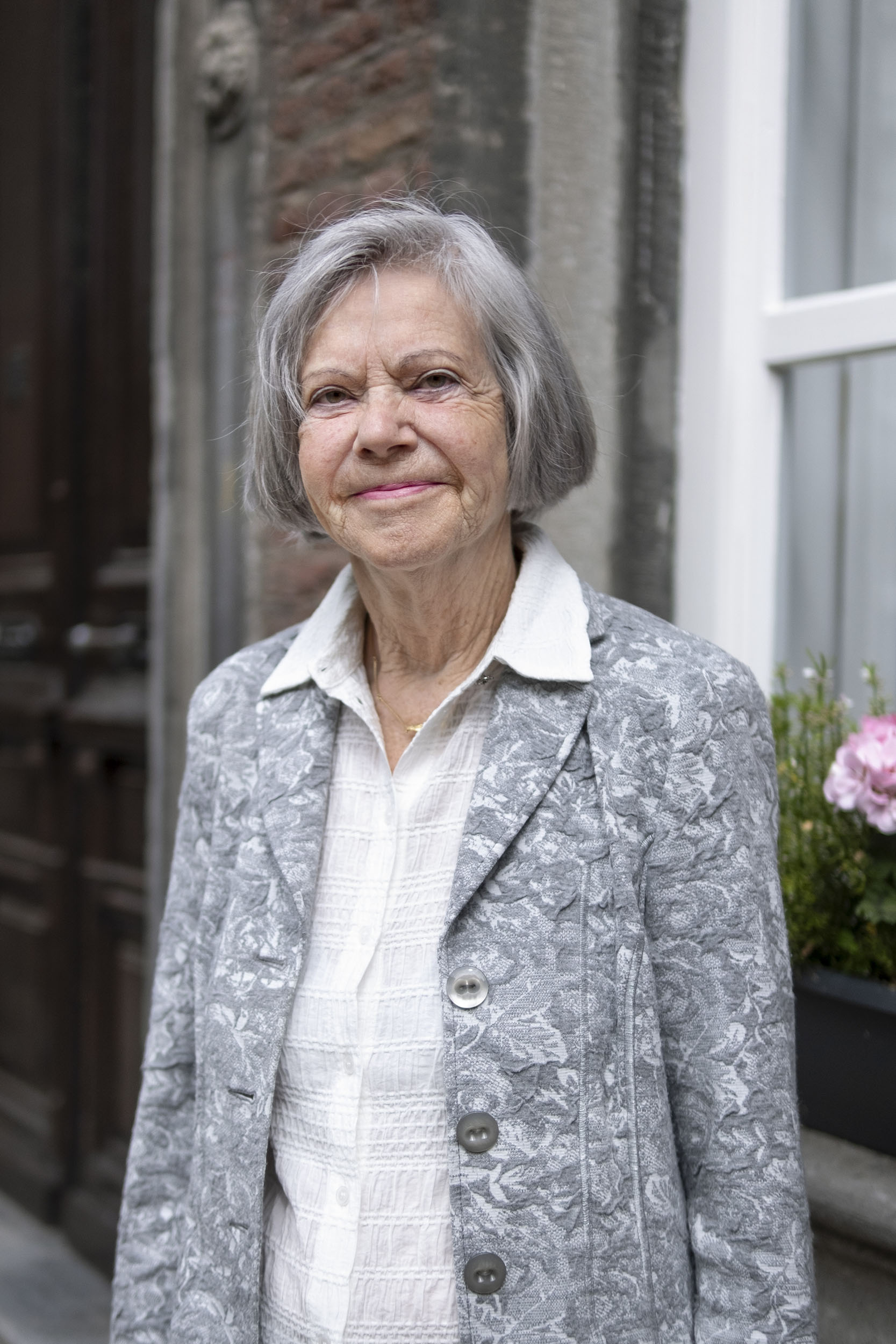
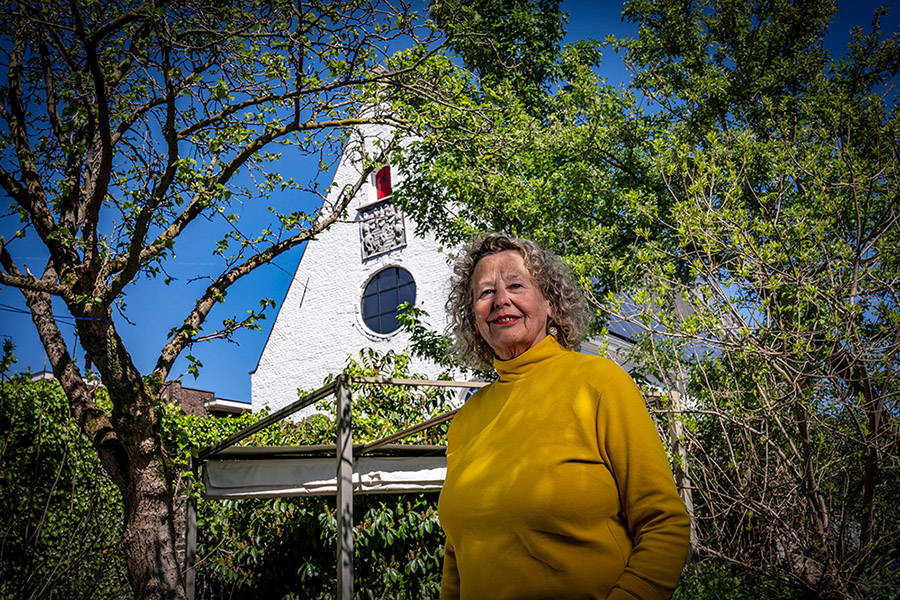
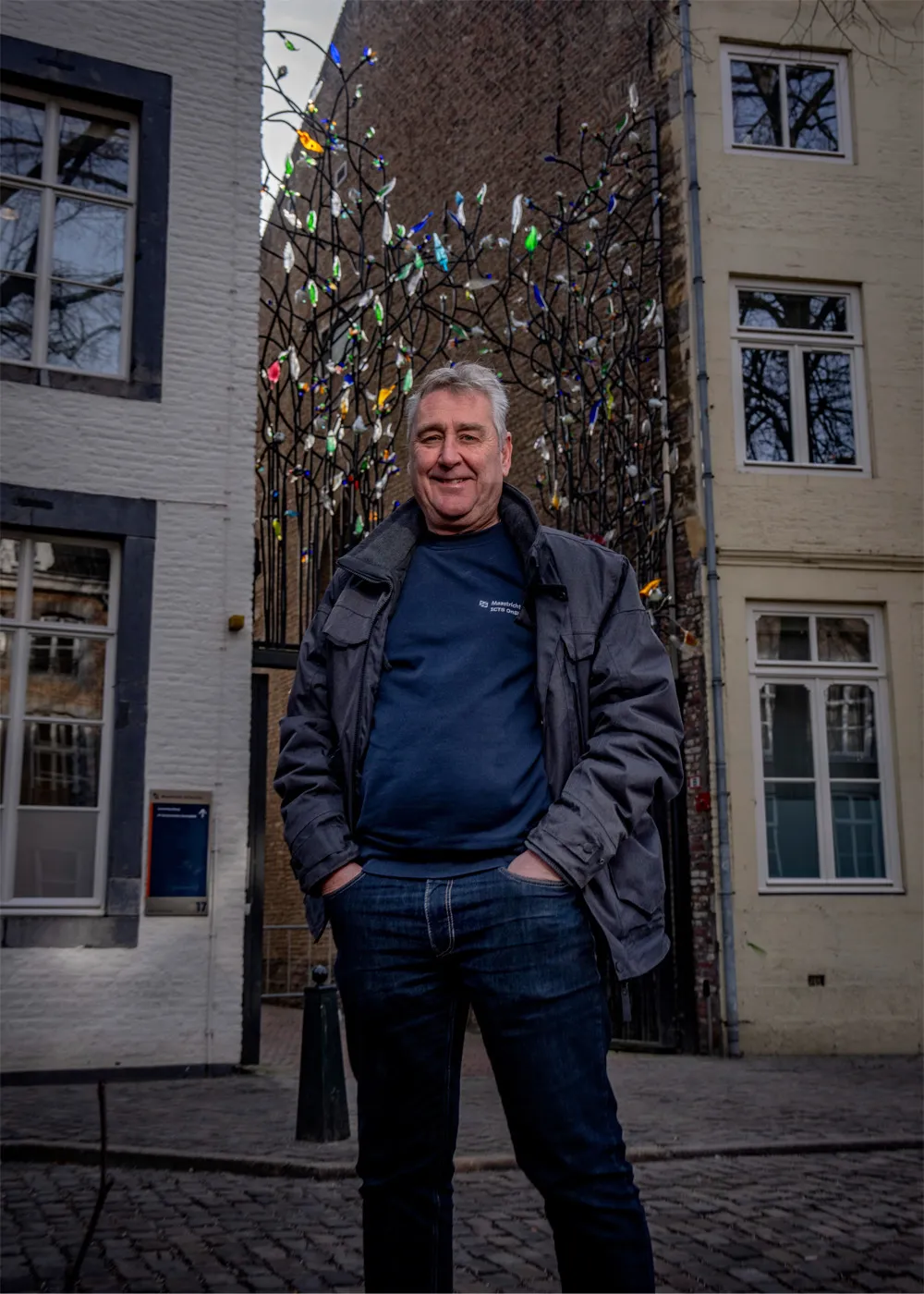
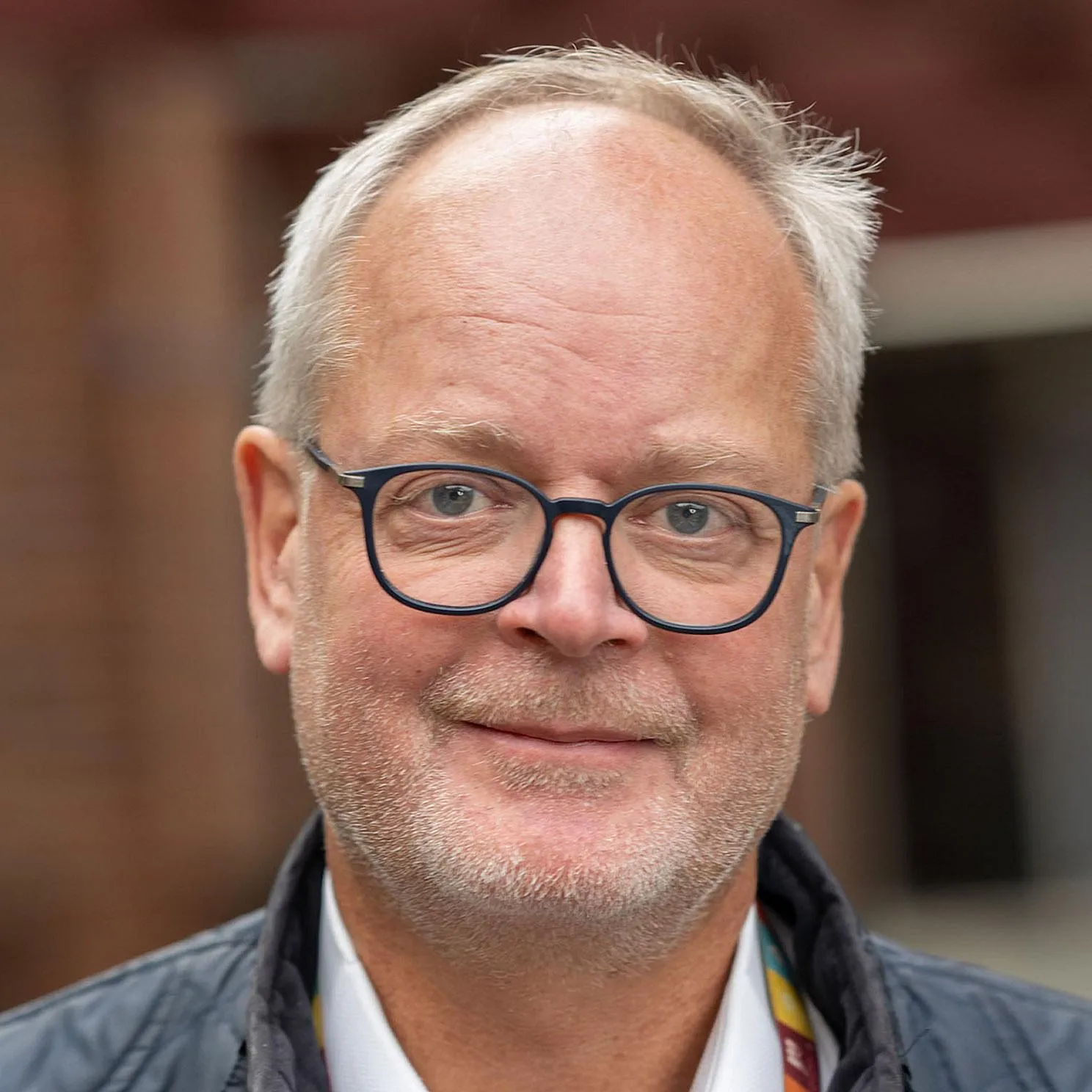
Henk Smid
Henk Smid studied Health Sciences (previously Social Health Sciences) at Maastricht University from 1980 to 1984. He worked at ZorgOnderzoek Nederland and the Ministry of Health, Welfare and Sport before moving to ZonMw, where he spent 20 years as director. Since retiring, he has worked part time as an adviser and Supervisory Board member for organisations such as Koraal, a care organisation for people with disabilities. He has also volunteered for organisations such as World Animal Protection.
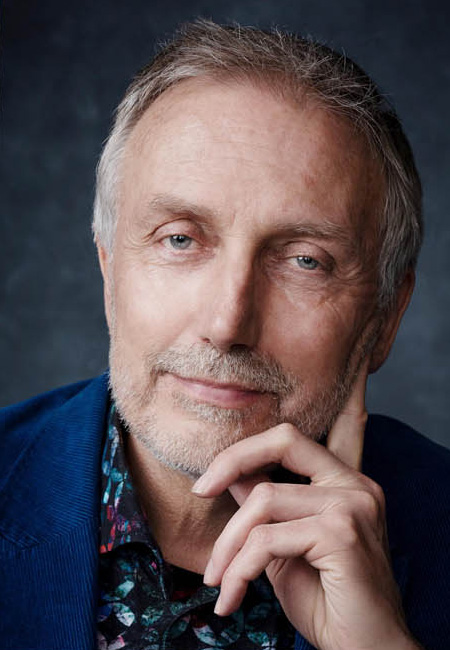
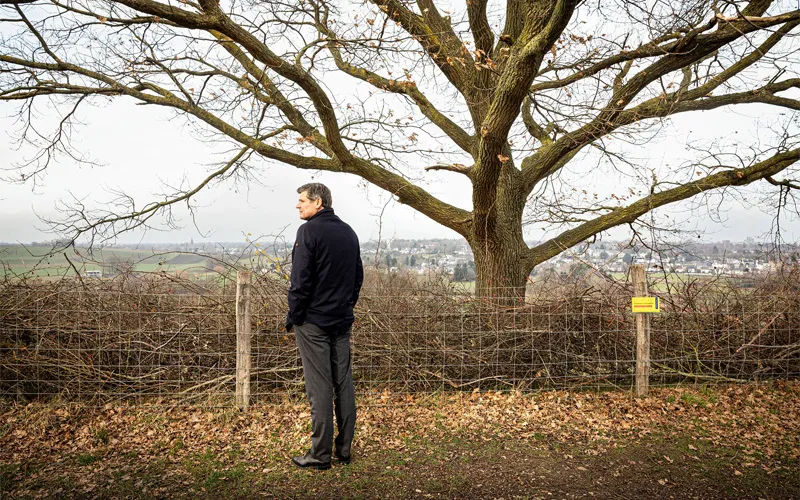
Working in health policy appealed to Henk Smid when he began studying Health Sciences at Maastricht University in 1980. Part of the first cohort, he went on to leave his mark on health policy in the Netherlands as director of ZonMw, an organisation focused on research and innovation in healthcare. “The great thing about Health Sciences is that you learn how to make a difference across the entire healthcare system and thus for all patients.”
Pioneering
“Pioneering is the word that comes to mind when I think back to my student days,” Henk says. He saw the advantages of being among the first Health Sciences students. “I was the student representative on the Education Committee, which meant I joined in on the thinking about the study programme. It was also the lecturers’ first experience with the programme, so we had plenty of scope to give feedback on how we felt about the programme and what we wanted to learn.”
Making an impact
Henk chose Health Sciences because he was interested in healthcare but didn’t want to study medicine. “At the time, UM was the only university in the Netherlands where you could do Health Sciences, and also the only one in Europe offering the programme in this form. The health policy world badly needed people, and the programme met that need.”
He was also driven by a desire to make a difference. “If you work in health policy, you really can contribute. You’re turning the dials of the entire healthcare system. That way, you can make an impact for the whole community.”
Mini-lectures
Problem-Based Learning was another drawcard. “We didn’t have lectures. We worked in study groups on cases, looking at them through the lens of different disciplines.” Still, he and his fellow students sometimes missed the lecture format. “A few of us arranged to get mini-lectures. There were professors at the university who could speak brilliantly about their fields, and they appreciated our showing interest.”
Volunteering
For Henk, student life held less appeal. He was too busy volunteering for the Society for the Protection of Animals. “I felt privileged to be able to study in this country and I wanted to give something back.”
That commitment to the vulnerable, whether people or animals, stayed with him long after graduation. He served for many years on the Supervisory Board of World Animal Protection and, for a time, acted as a buddy to a psychiatric patient. In 2012, he anonymously donated a kidney. “I figured: I’ve got two kidneys and I’m healthy, while other people spend years on a waiting list. Why not give my kidney to someone else?”
Best job in the Netherlands
In his final decades before retiring, Henk was general director at ZonMw, the Dutch organisation for knowledge and innovation in health, healthcare and wellbeing. “ZonMw is involved in anything and everything to do with healthcare innovation in the Netherlands. I had lively discussions about health innovation on a daily basis and worked with people with the most creative ideas. There’s a reason I call it the best job in the Netherlands. Health Sciences taught me to look at health issues from different angles, and that’s exactly what I did every day in my work.”
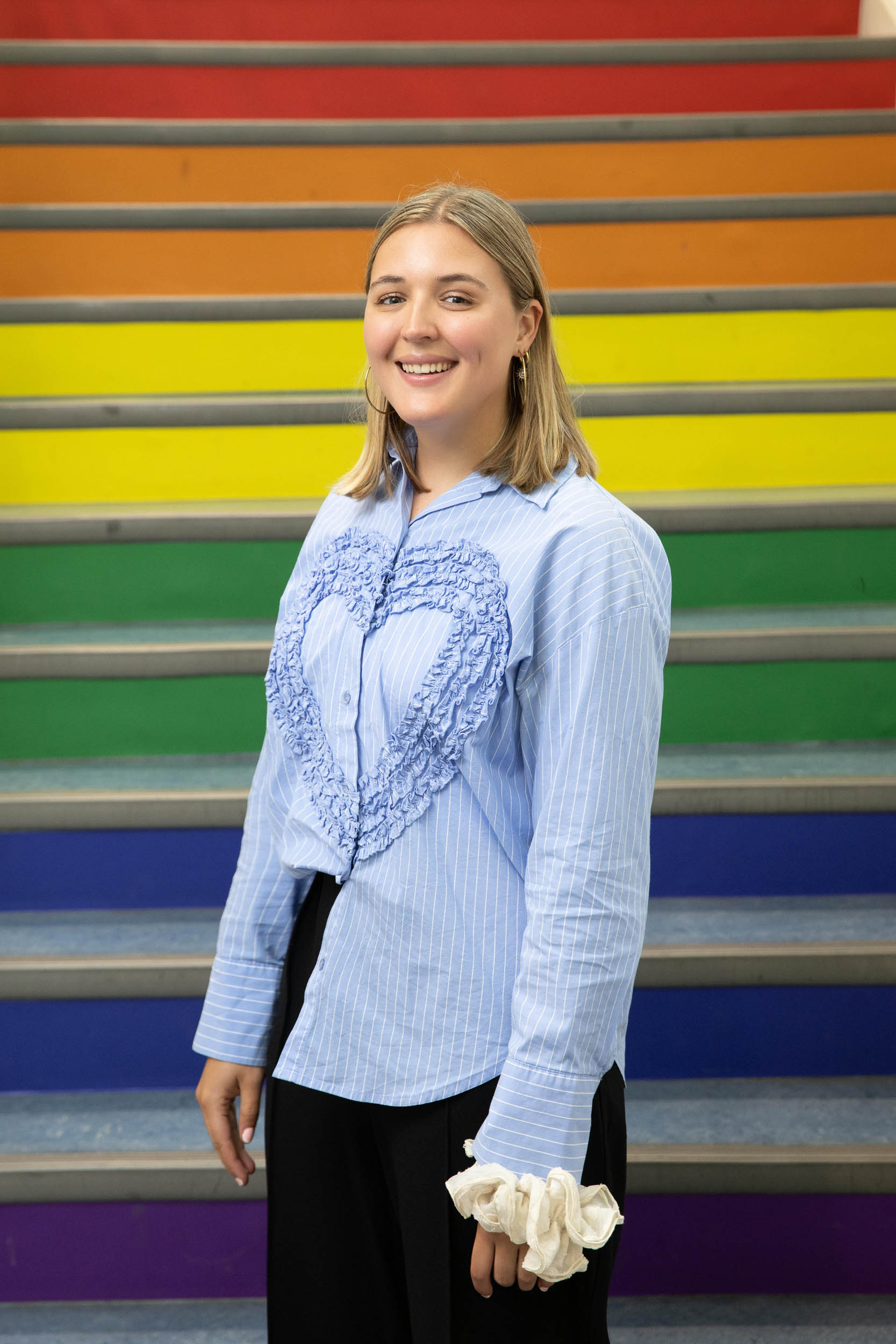
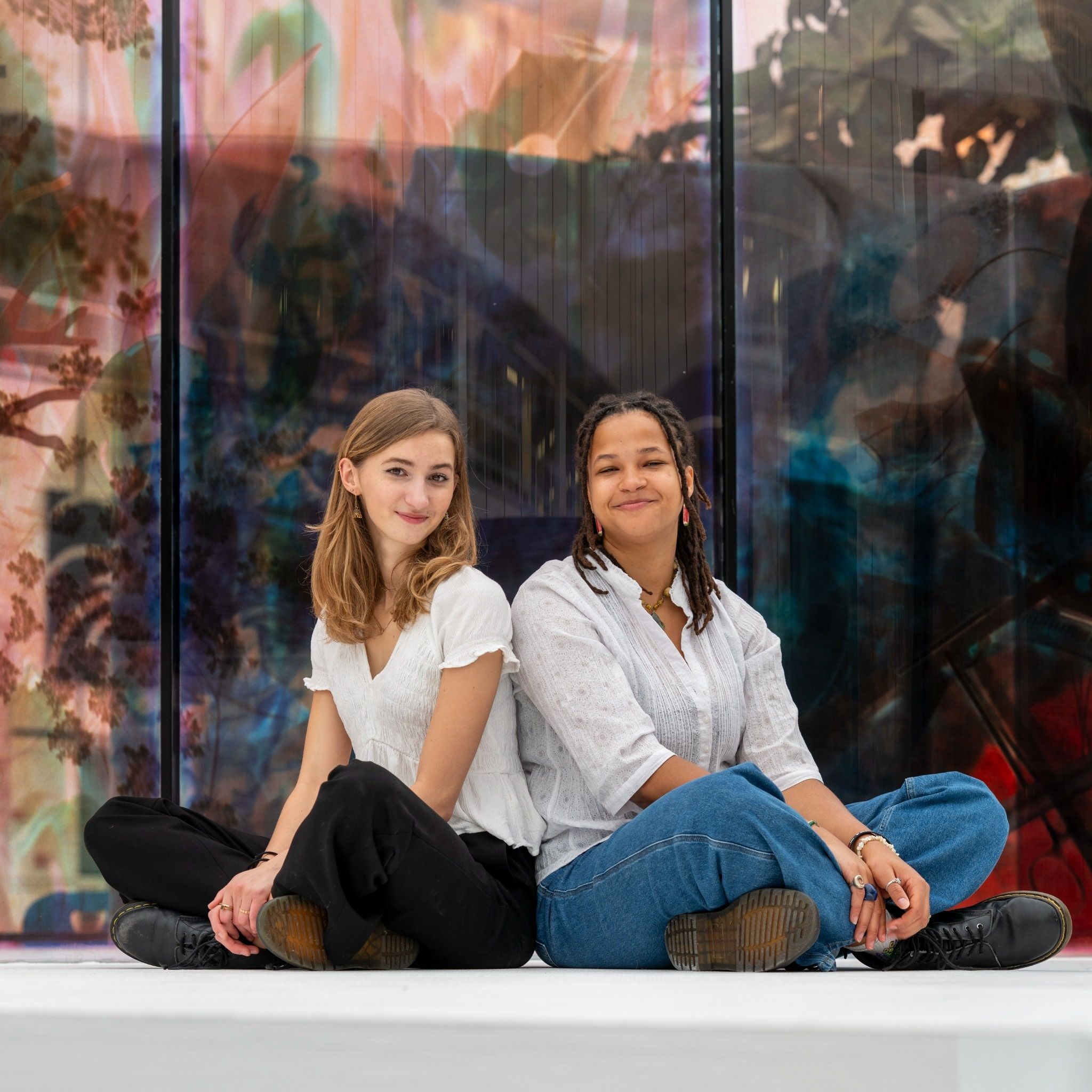
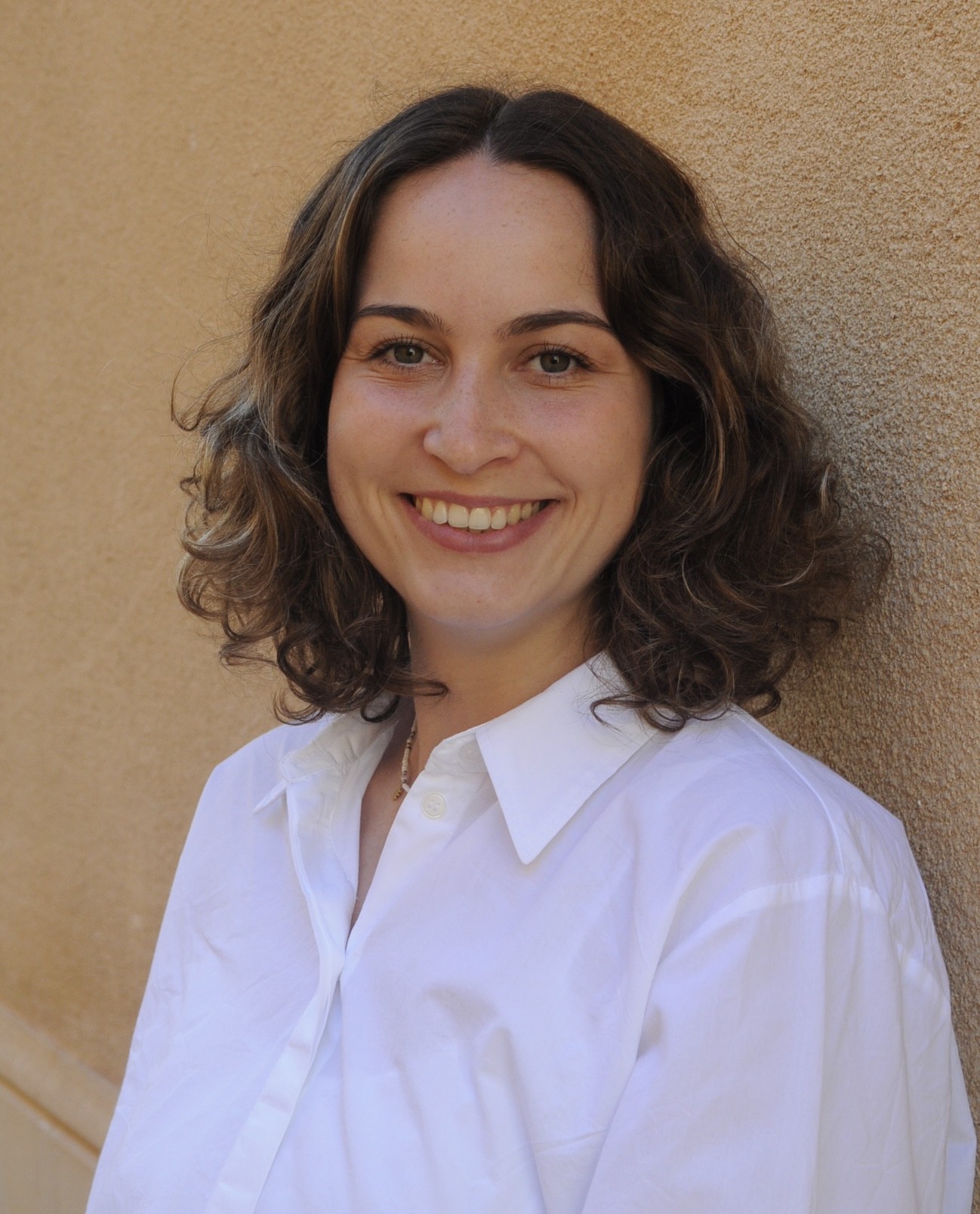
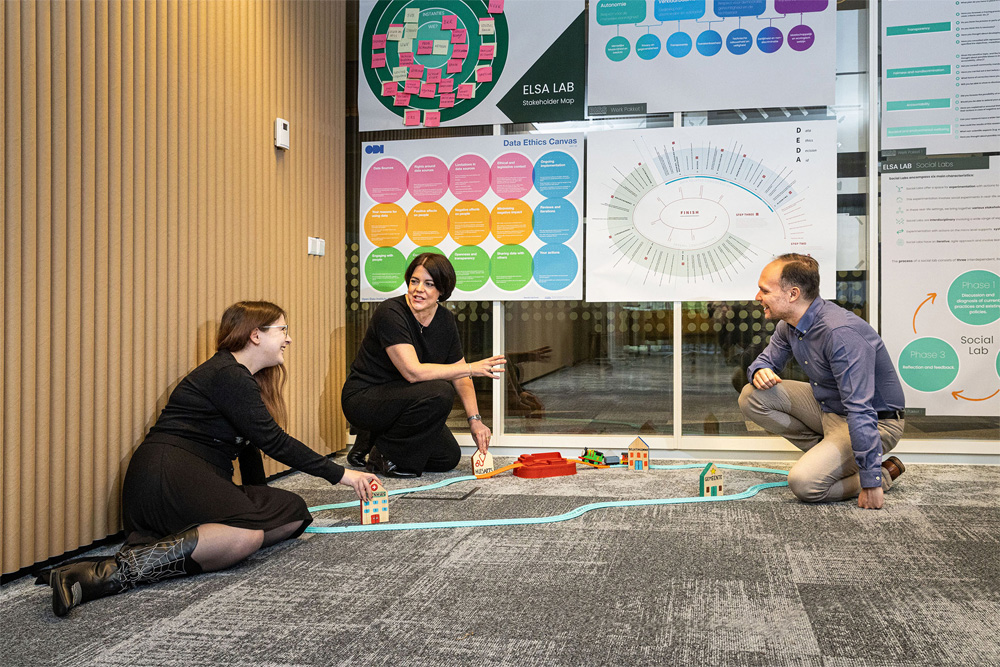
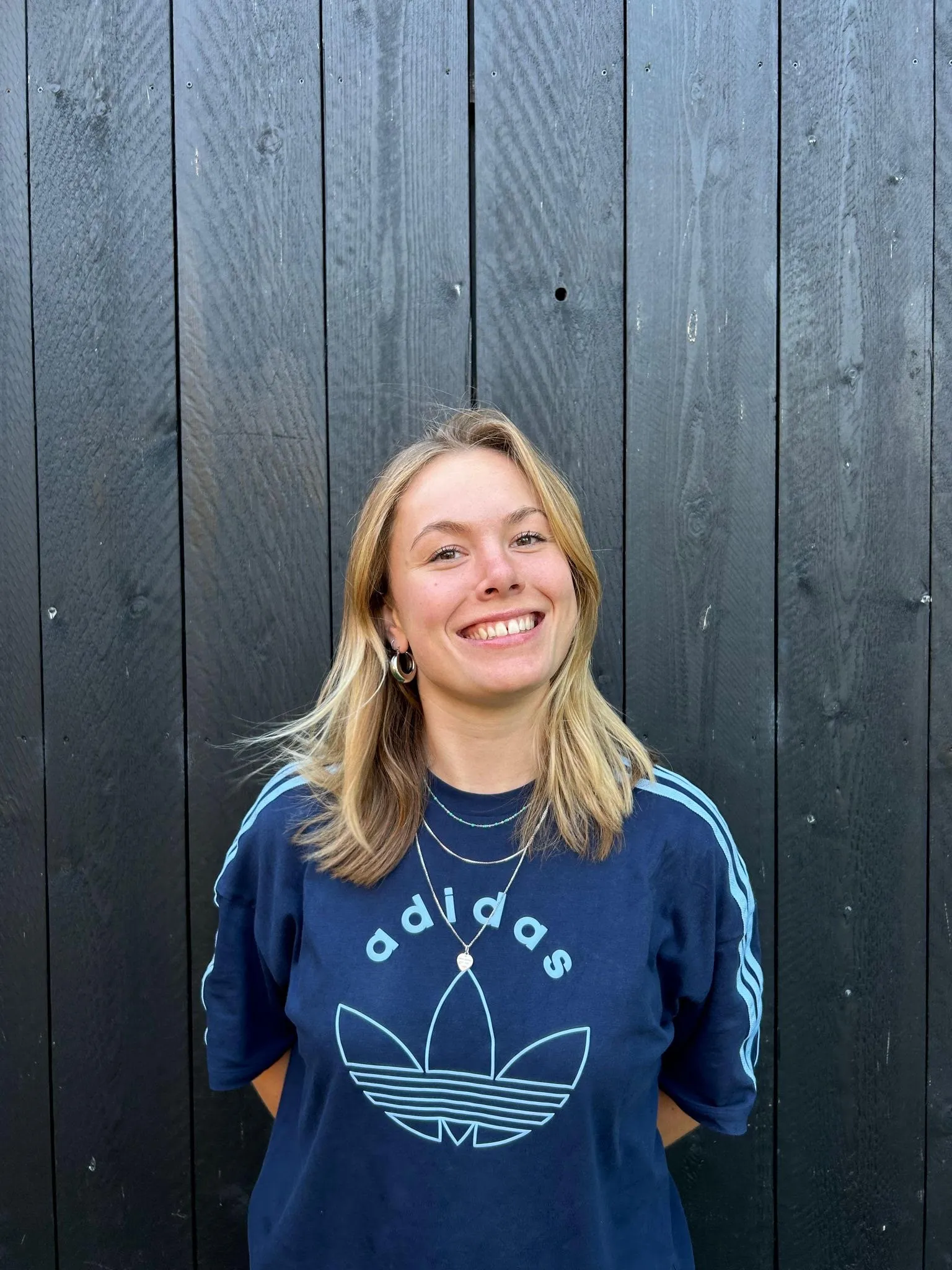
Even in high school, Renske Dalm knew she wanted to do something with psychology. She was fascinated by human behaviour and emotions. When she fell ill during the application period and didn’t get into the Psychology programme, she chose Health Sciences at Maastricht University instead. It turned out to be a great fit. “On second thoughts, maybe I don’t want to become a clinical psychologist at all. The broad basis of this degree means I can go in lots of different directions.”
Broad foundation
After missing out on Psychology, Renske threw herself into Health Sciences. “I liked that the programme gives you a broader view of all aspects of health. It covers not only the psychological side, but also policy and prevention. That broad foundation gave me the time to work out where my interests really lie.”
Biology
The first year took some getting used to. “I didn’t studied biology at high school, so at first I found the courses about cells and cell bodies difficult.” She now considers it a positive experience. “Looking back, I’m glad I also learnt about biology. For example, I found it surprisingly interesting to learn how your brain works when you carry out certain tasks.” From the second year onwards, she enjoyed the programme even more, especially once she could start choosing her own direction and opted to focus on mental healthcare.
Role play
One of Renske’s favourite courses was on child and adolescent pathology. “We learnt about psychosocial disorders that young people can have from an early age and how that affects the rest of their lives. I liked seeing how you can make a difference early on.”
She also looks back fondly on the role plays. Students were given a case in advance, for example someone with depression, and then took turns playing the psychologist and the patient. “I was quite insecure; I’d never done anything like that before. But by actively taking part you learn much more than you do from a book. And because we helped one another, it felt like a safe space to practise.”
Large programme
Renske was one of roughly 300 Health Sciences students. “So you don’t know everyone, but you do meet lots of new people. I learnt a lot from fellow students who approached things differently or saw things from another angle.” Because so much of the work happens in small groups, she didn’t initially realise just how big the programme was. “It wasn’t until we got a WhatsApp group for the programme that I saw how many of us there were. It doesn’t feel that large-scale in practice.”
Clinical psychologist
Since completing the bachelor’s Renske has, perhaps unsurprisingly, continued in a psychological direction: she is currently doing the master’s in Developmental Psychology. Whether she still wants to become a clinical psychologist, as she envisioned as a young girl, she isn’t yet sure. “I think it would be tough to hear distressing stories every day. Maybe something in positive psychology, or working with children, would suit me better. Luckily, with my bachelor’s and master’s, I’ve got plenty of options.”
Text: Romy Veul
Photography: Philip Driessen
Photo Henk Smid: Robert van Hall