Tag
22 January 2026

IT support officer
Rob van Sebille on


Maastricht University’s first steps online

Emailing, texting, Googling things—we’re constantly online. But it wasn’t always like this. As part of our 50th anniversary celebrations, we look back at the early days of the digital revolution at UM. Rob van Sebille is one of the longest-serving colleagues at the ICT Service Centre. Which memories stand out the most?

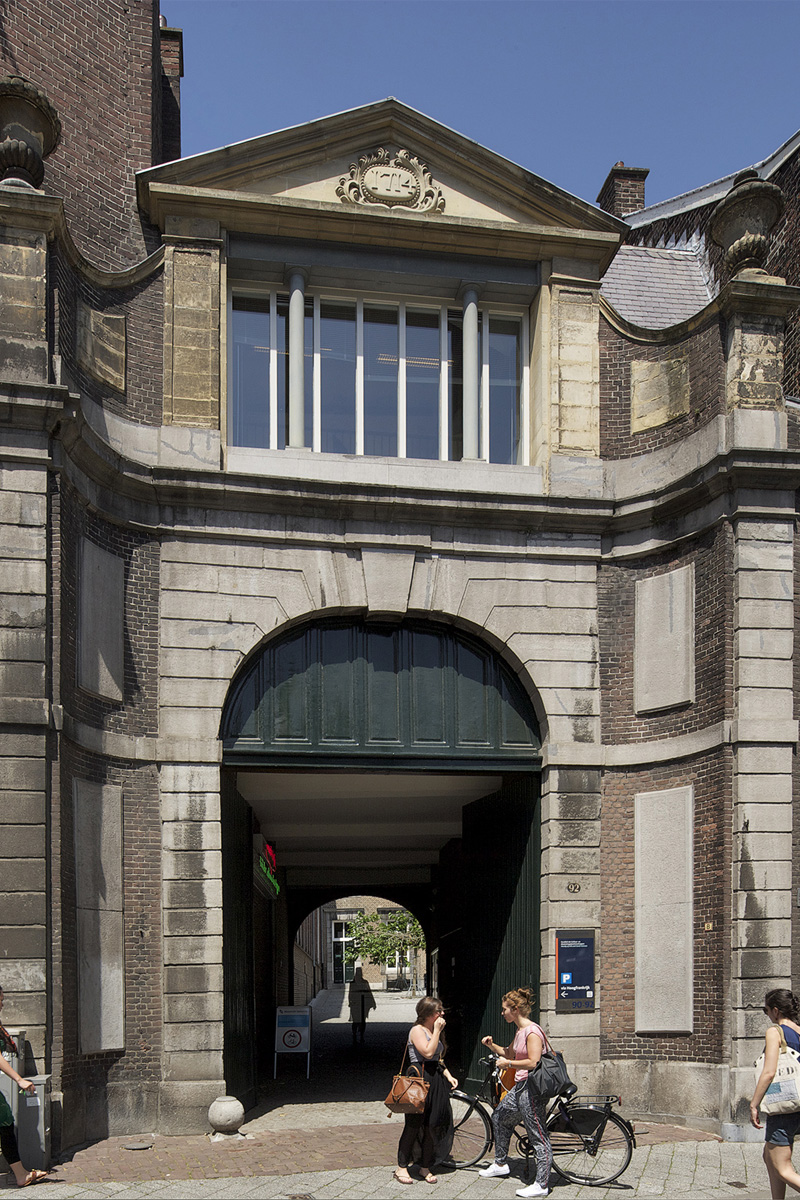
It was a big day. In the early 1990s, Van Sebille and his colleagues, armed with a network map, arrived at the old provincial government building Boullionstraat 1–3 in Maastricht. There they connected UM’s first computer to the internet. From that day on, the university was digitally linked to the rest of the world.

From phone line to internet cable

When Van Sebille started at UM, personal computers were still the stuff of fantasy. “In 1984, my department was called the Information Processing Unit,” he says. “I’d come straight out of a technical college and had no idea what I was getting into. I didn’t even know what information processing meant.”

In those early years, he was involved in requesting new telephone lines from the PTT, the former state telecommunications company. This is how the various university buildings in Maastricht came to be connected.

Ten years later, colleagues would email each other for the first time. “UM’s first PC was an Olivetti M24,” Van Sebille recalls: an Italian machine with a bulky, silver monitor. “I did a course in Veldhoven on how to take it apart and repair it. If someone had a problem with their computer, they’d call me and I’d jump on my bike.”

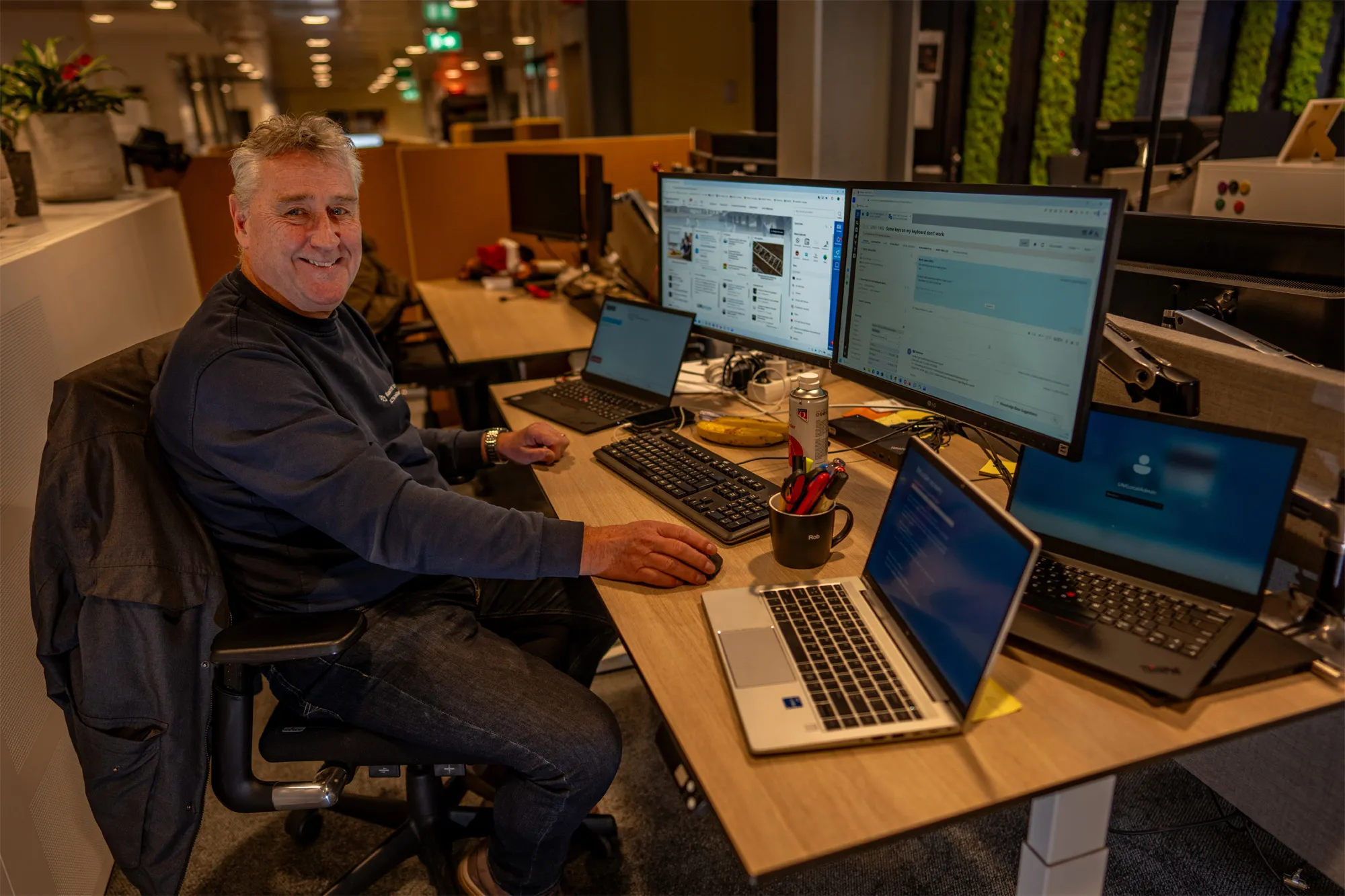
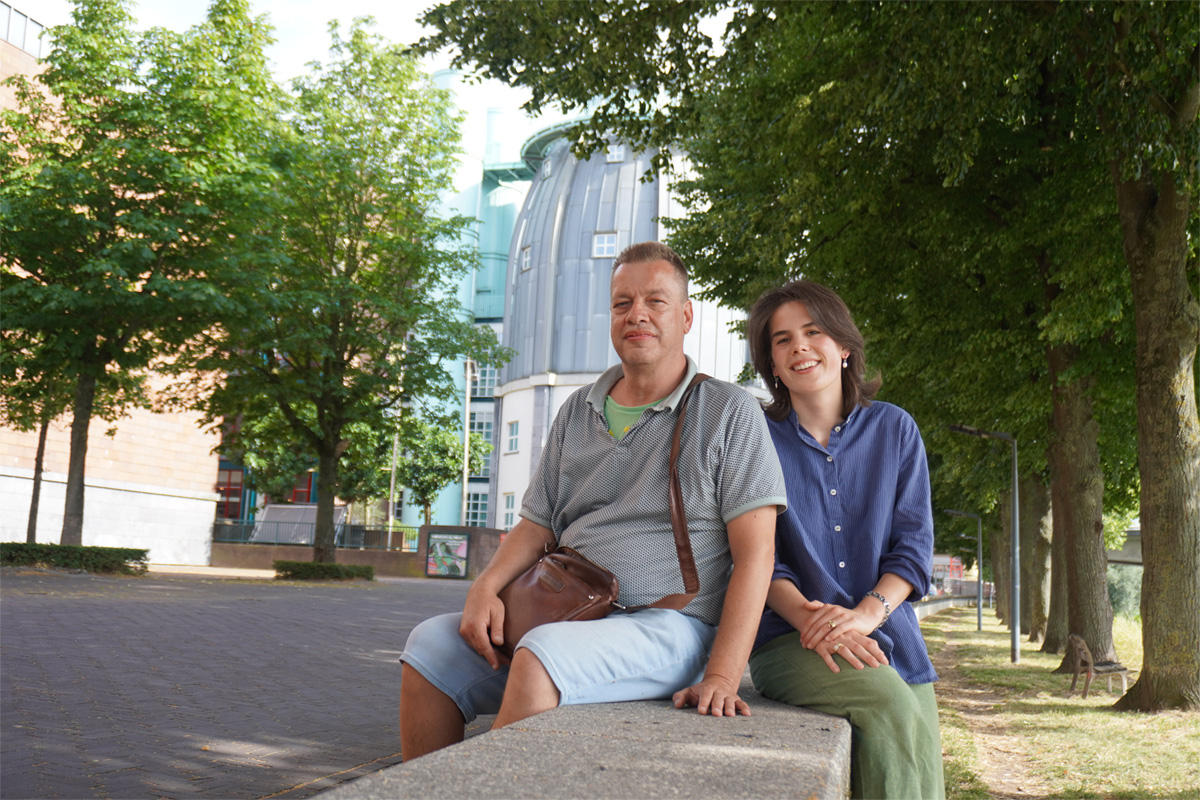
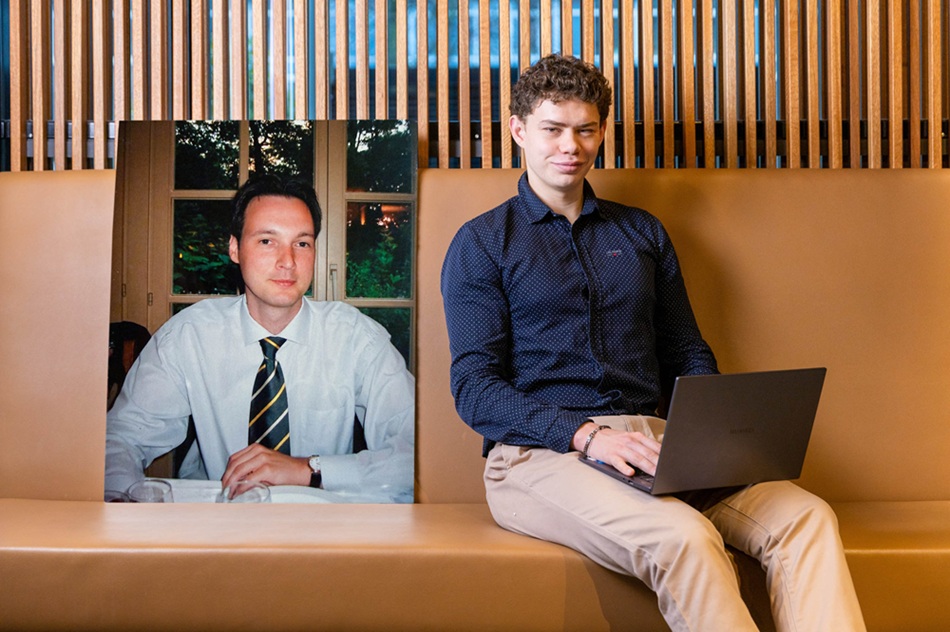
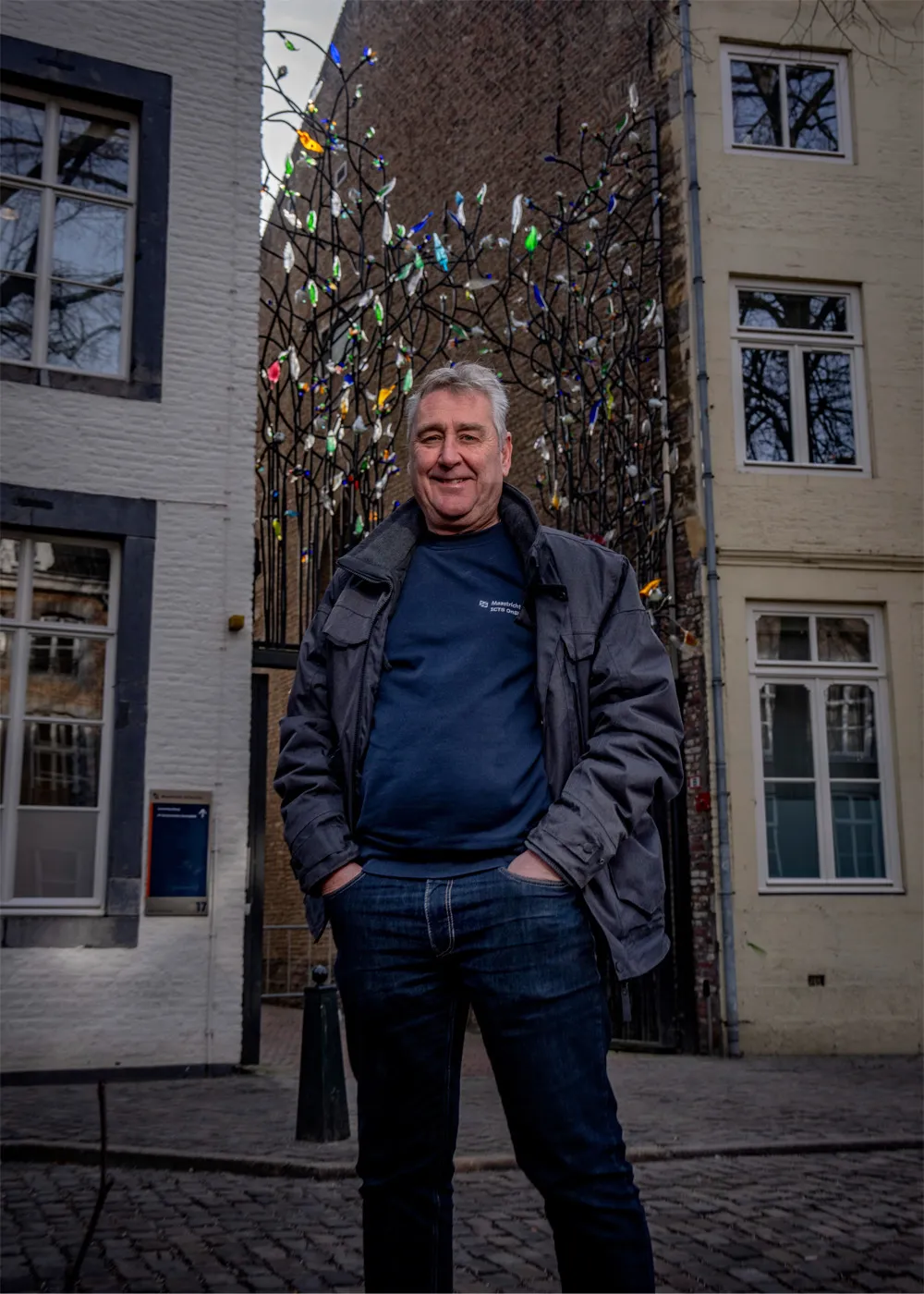
Rob van Sebille is a support officer at Maastricht University’s ICT Service Centre. He has worked at the university since 1984.  

From phone line to internet cable
“My colleagues and I pulled all the power cables out of their sockets on New Year's Eve.”

Fridges going haywire

The risks of the new technology first became tangible in the late 1990s. The world was gripped by the ‘millennium bug’: fear that computers wouldn’t be able to cope with the change from 31 December 1999 to 1 January 2000. “A group of student assistants known as the Flying Brigade checked whether all the computers were ready for the new millennium.” A red sticker meant a device needed work; a green sticker meant it was ‘millennium-proof.’
“My colleague Jos and I went round on New Year’s Eve pulling all the power cables out of their sockets,” Van Sebille recalls. “Nobody knew what would happen if a device suddenly jumped to the wrong date. Even the fridges had to be unplugged in case they went haywire.”

That night, the world watched and waited. News channels ran extensive coverage on how systems were holding up. “Australia was one of the first countries to hit 1 January. When nothing crazy happened there, we thought: it’ll probably be fine here too.”

Bitcoin ransom

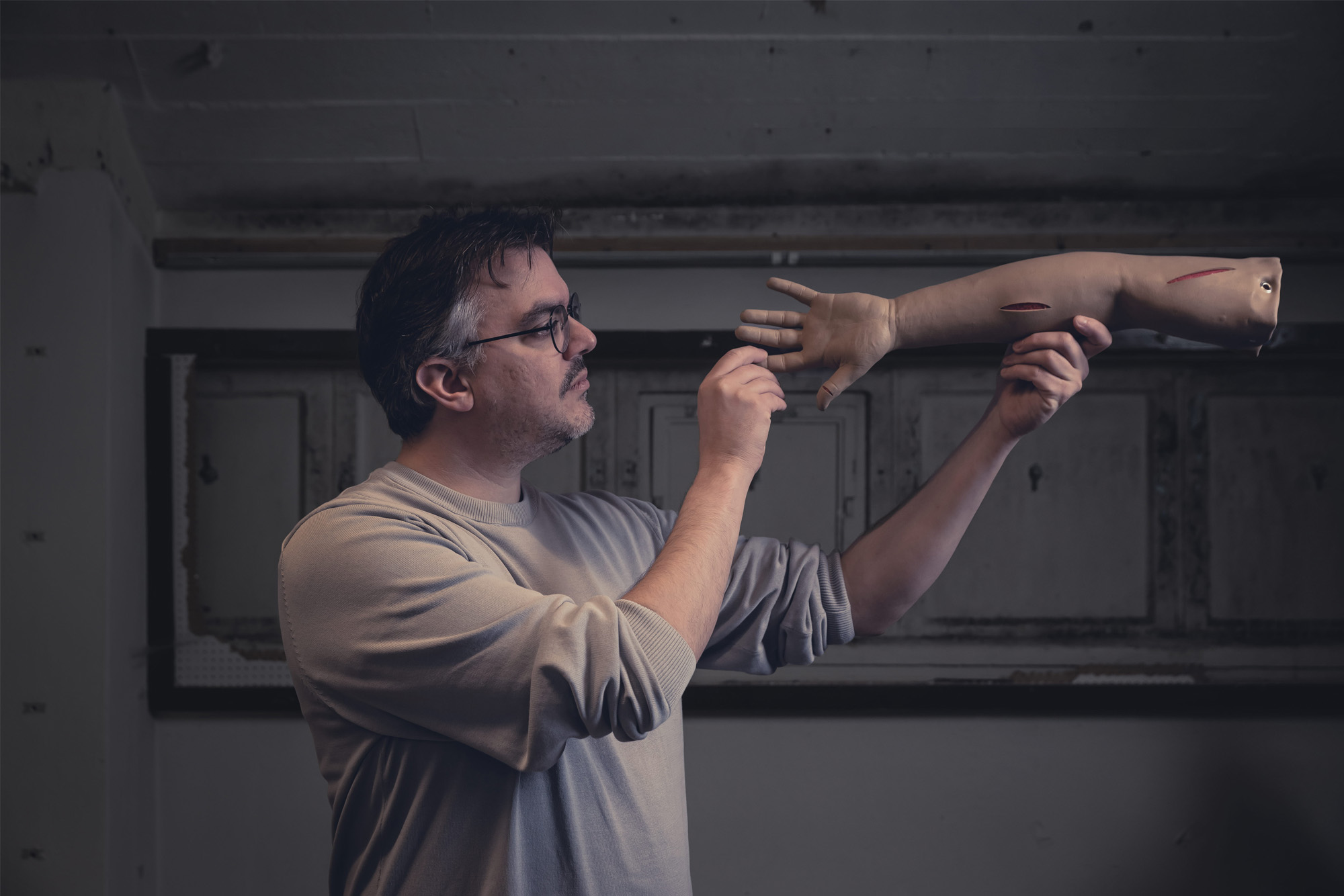
The fear turned out to be unfounded. It wasn’t until 2019 that a real IT nightmare came true: the university’s servers were hacked. The laptop that started it all—‘patient zero’—is still on display in a cabinet in the administration building at MBB4–6. “It happened the day before Christmas,” Van Sebille says. “Suddenly I couldn’t send emails, look anything up or print. After a while you couldn’t even log on.”

The hackers demanded around €200,000 in bitcoin in exchange for a decryption key. With exams scheduled for early January, the university panicked and ultimately paid the ransom.

Secure digital future

UM was able to recover the ransom in 2022, which has now grown to a value of €500,000. Even so, there was little reason to celebrate. “After the hack, we stepped up security drastically: we redesigned the network, replaced outdated equipment and expanded the team. That all cost money, but digital security is now paramount,” Van Sebille says. “Prevention is better than cure.”


Tekst: Caya Forman
Fotografie: Harry Heuts

Secure digital future