Tag
15 October 2026

The places that make the School of Business and

Economics special

The School of Business and Economics (SBE) is not atraditional business and economics faculty. Numbers are important here, but so too are social impact and an international outlook. Join us on a tour of SBE’s buildings and hotspots—and discover the story of this unique faculty at Maastricht University.

At SBE, students naturally learn all about business and economics. But they also explore issues affecting society, from sustainability and governance to broader questions of public concern. They discover how organisations and markets work, as well as how they affect the world around us.

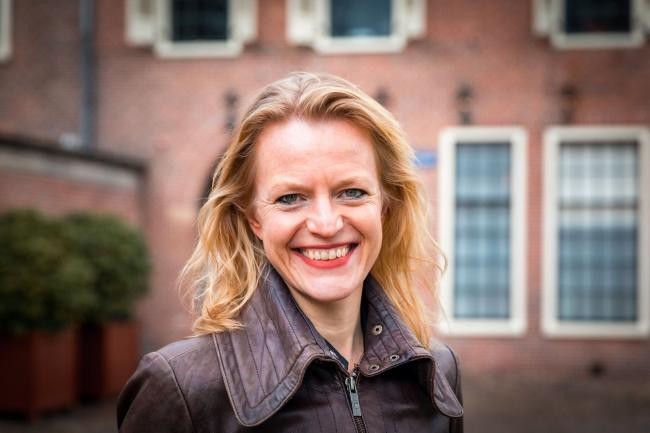
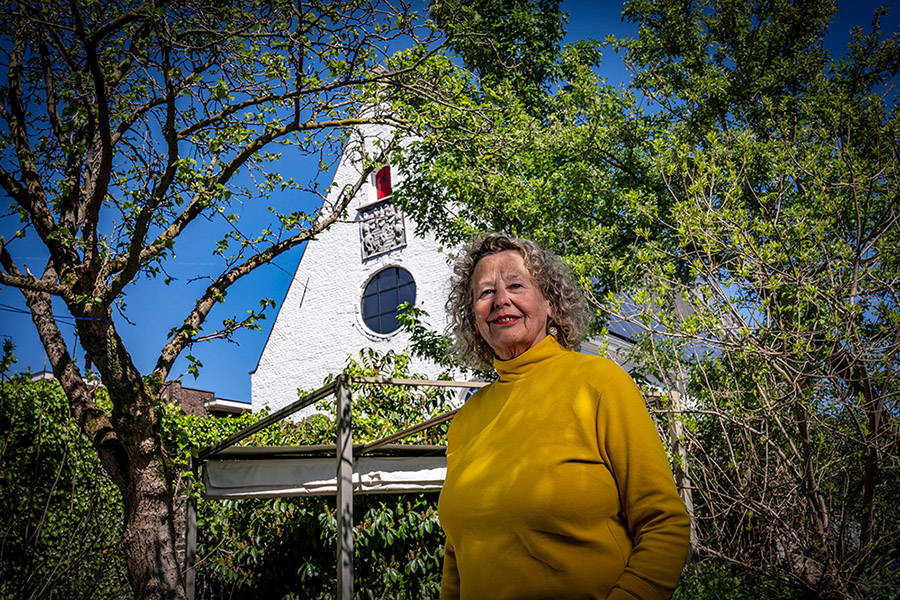
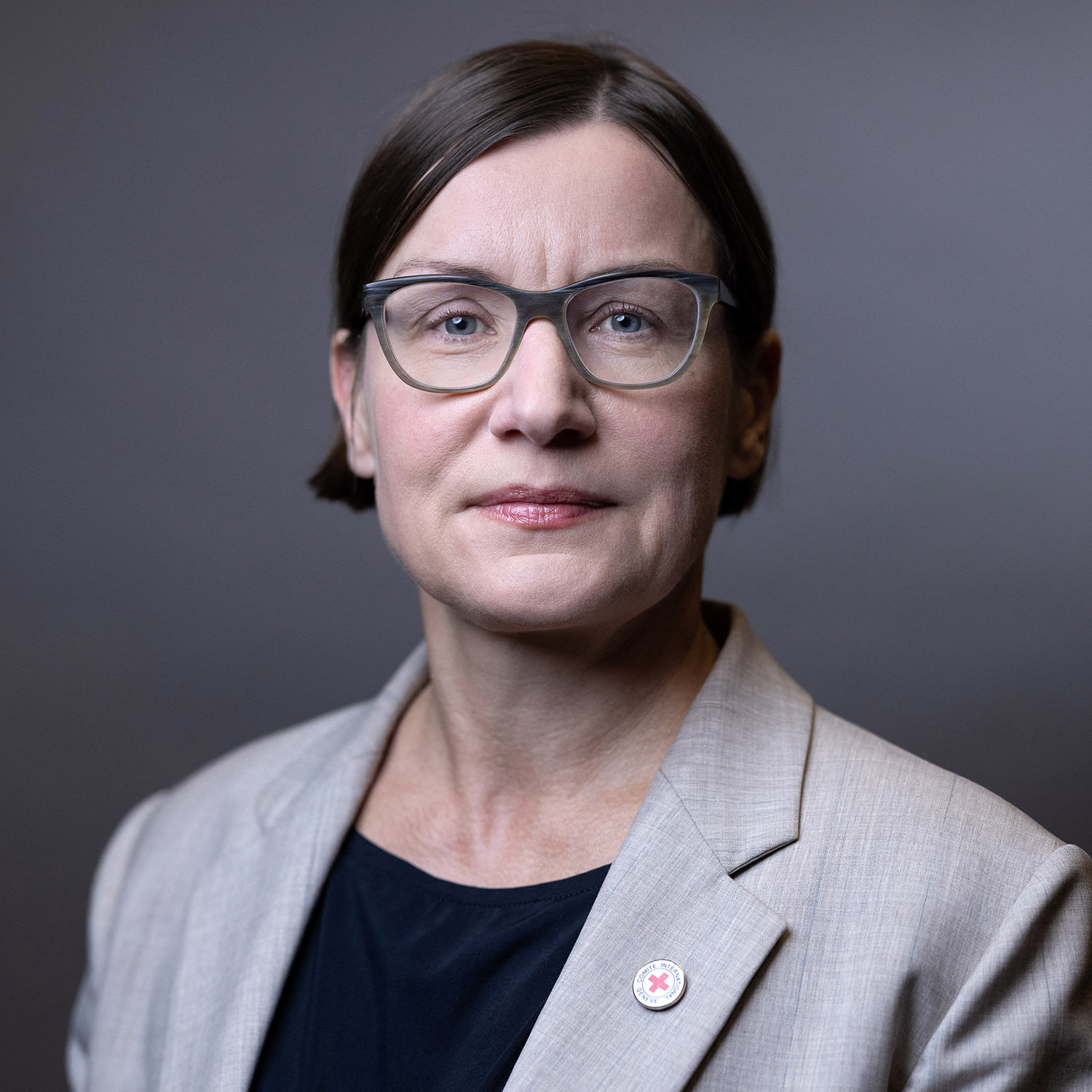
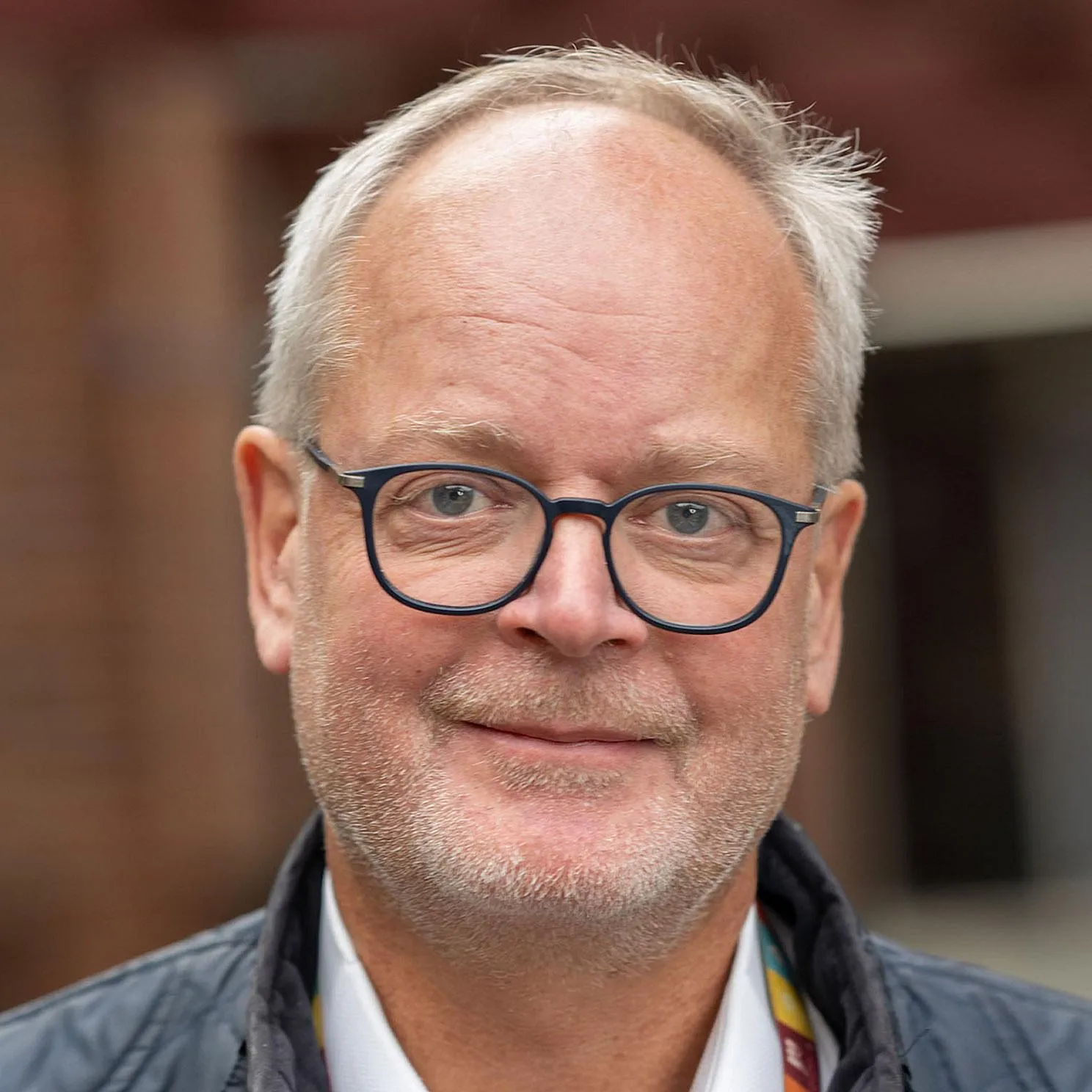
The same applies to SBE’s academics. “At other universities, being a good researcher is largely about publishing in important academic journals,” says Lisa Brüggen, professor of Financial Services. “We take a broader view of impact. Are policymakers actually doing anything with our research? How can we collaborate with the business sector? And are we genuinely changing lives as a result?”

SBE also has a strong international outlook. Students come into contact with people and ideas from different countries and learn to look beyond the borders of the Netherlands.

The school offers five bachelor’s programmes, including Business Analytics and International Business. At master’s level, the choice is much broader, with 35 programmes in total. Master’s students can specialise in areas such as economics, finance, sustainability and entrepreneurship.

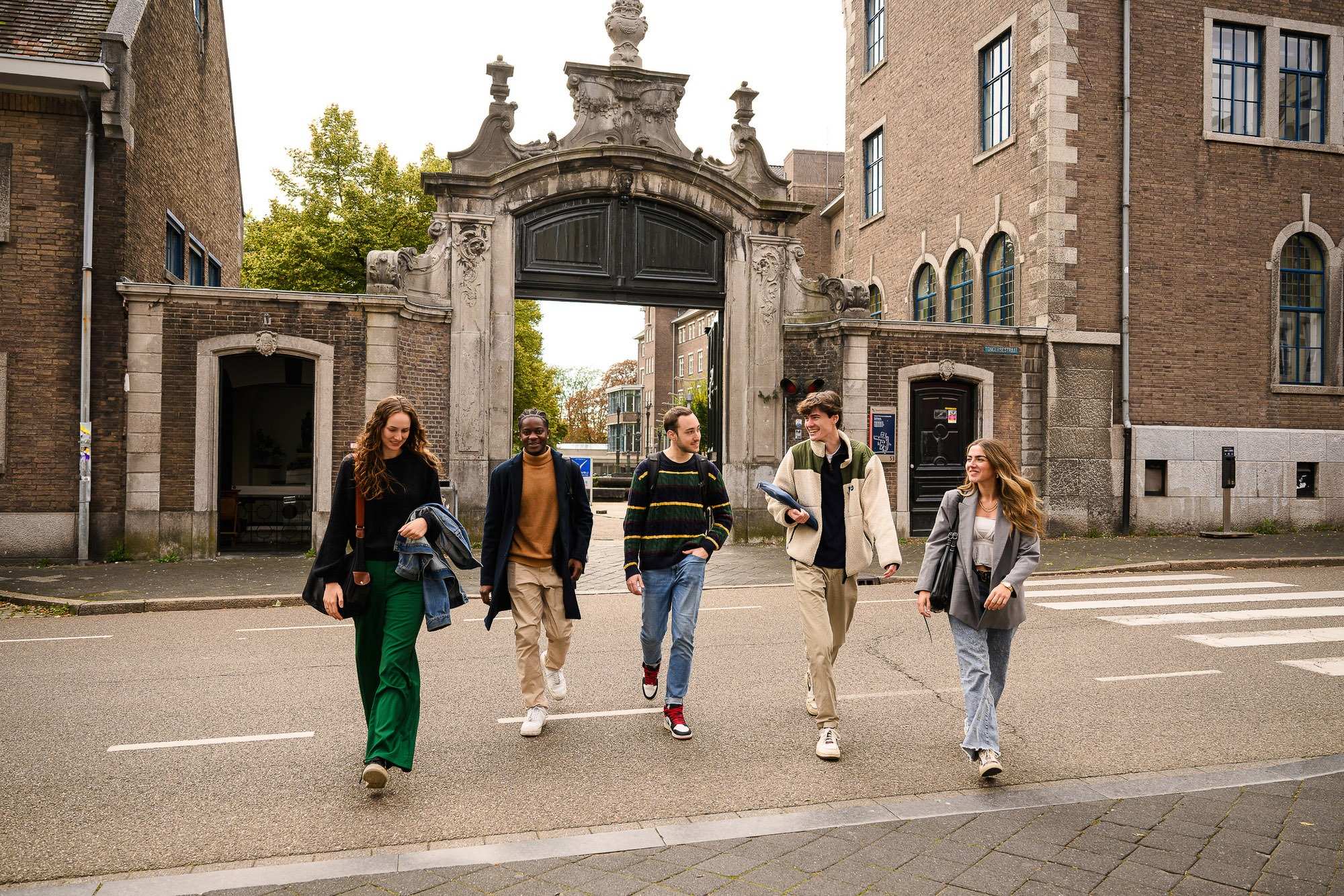
Tongersestraat 49

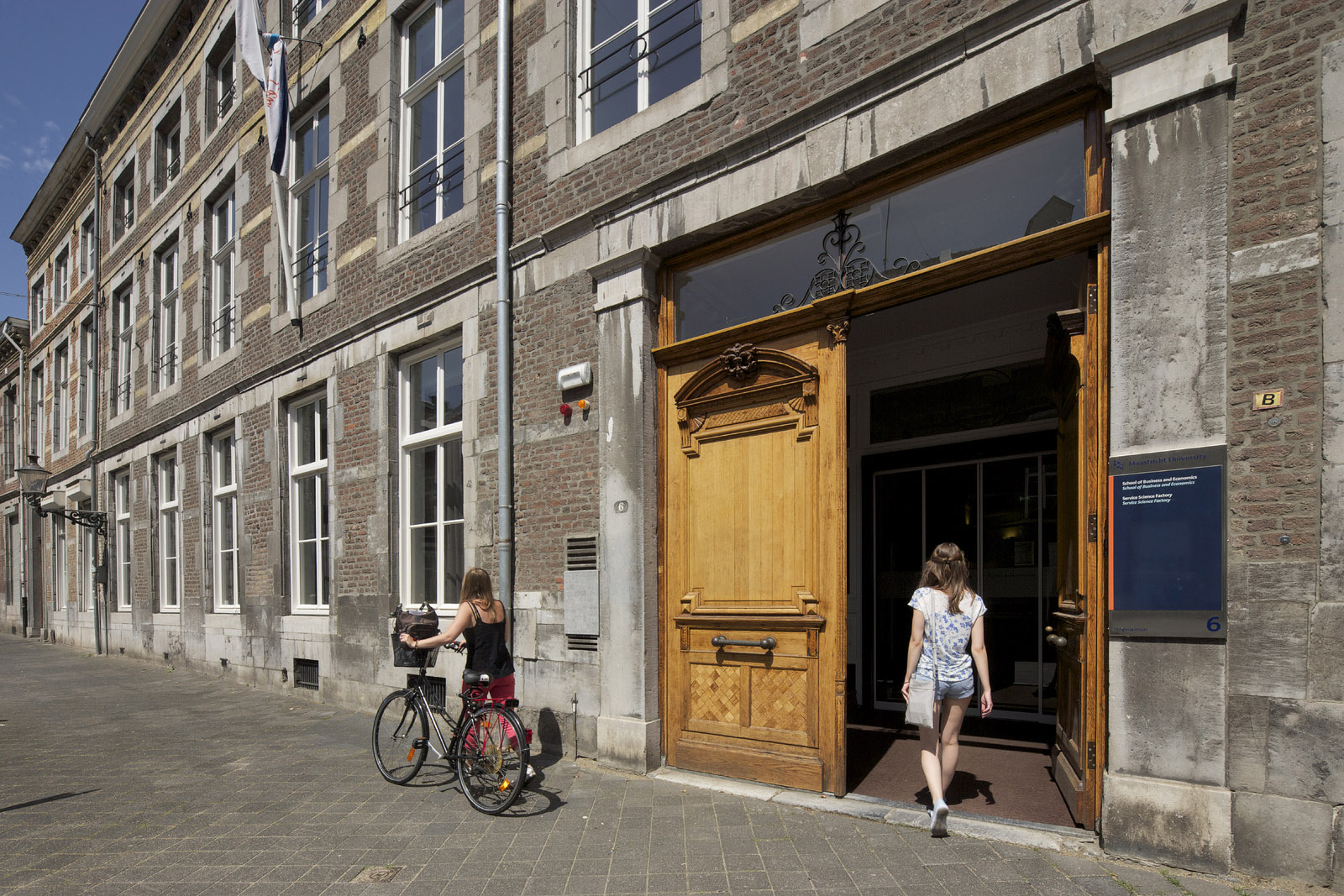
Tongersestraat 6

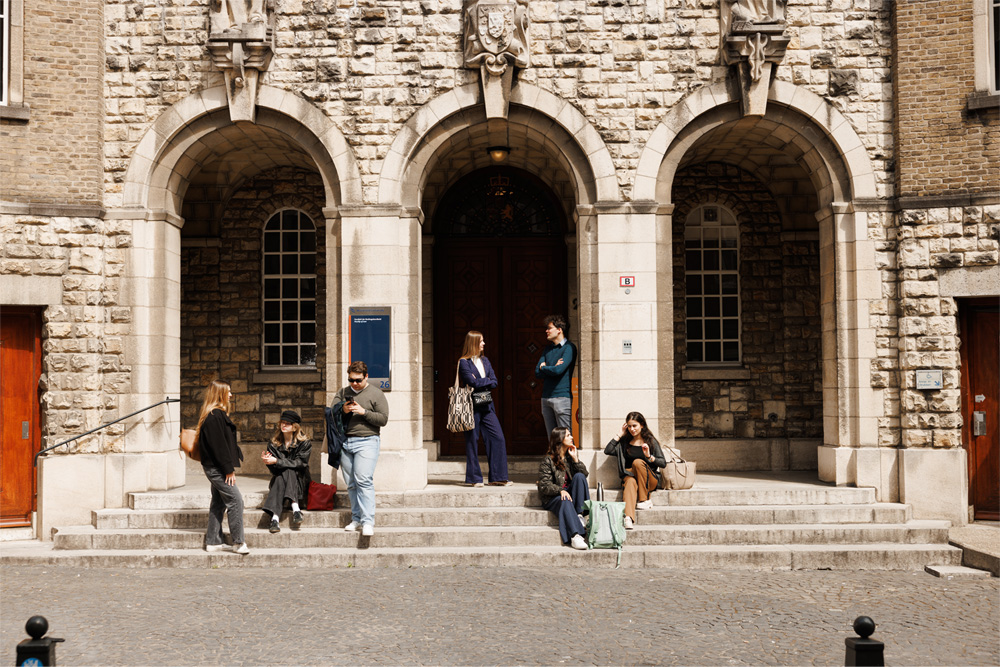
Two of SBE's locations at Tongersestraat

Young pioneers ‍

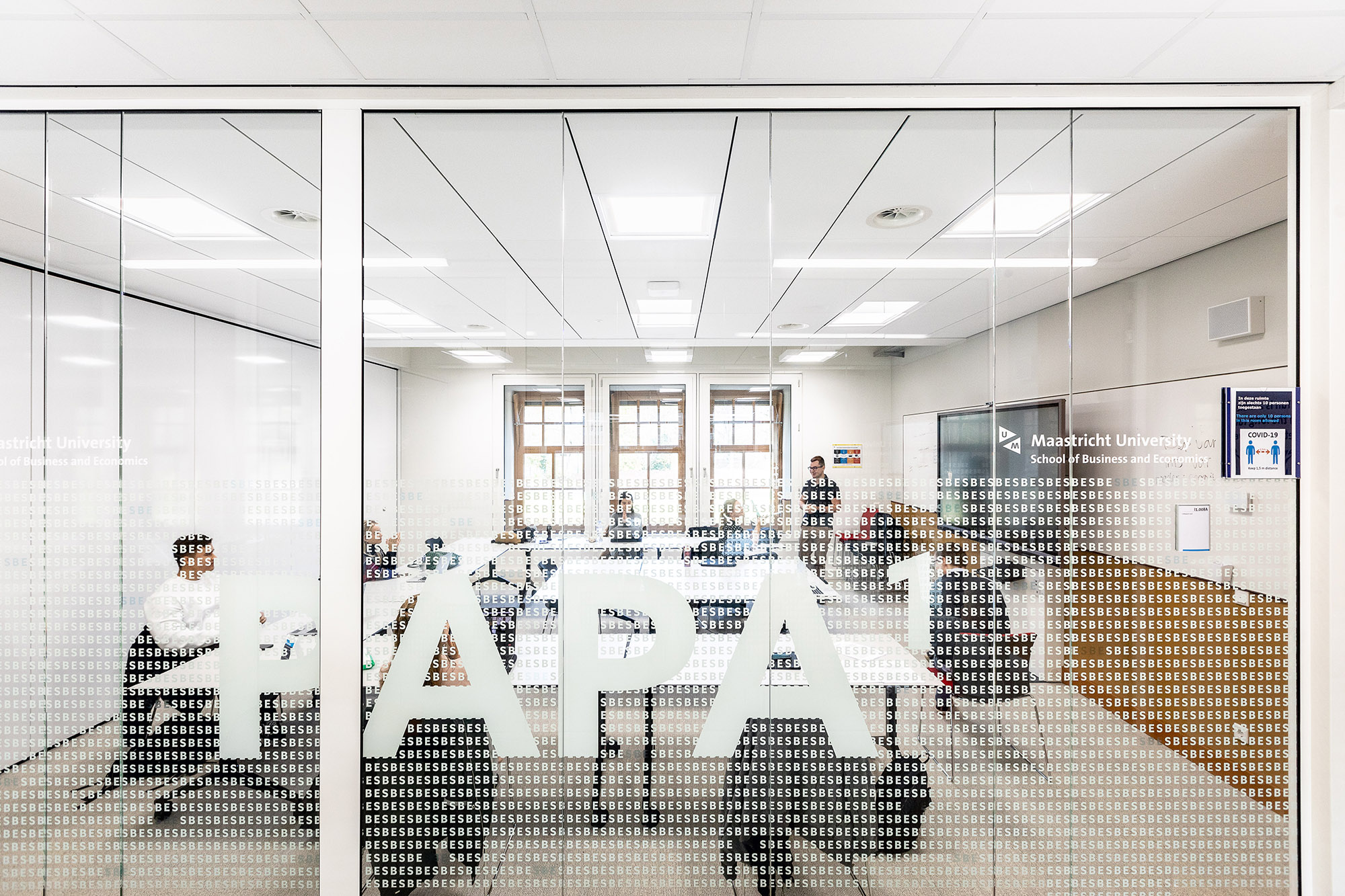
Another thing that sets SBE apart is its practical approach to teaching. As at UM’s other faculties, students work in small groups on real-world problems. This educational approach is known as Problem-Based Learning (PBL).

SBE was the first business and economics faculty to adopt this approach. In September 1983, 13 young academics began laying the groundwork for the new faculty. The group was led by Wil Albeda, a former professor of economics at Erasmus University Rotterdam and Minister of Social Affairs.
‍

“Got a good idea? Let’s hear it!”‍

SBE was officially founded a year later, in 1984. From the outset, teaching staff and students worked together to find the best way to provide small-scale, practice-based education. They experimented and tried out new ideas.

That open, entrepreneurial attitude remains a defining feature of SBE today, Brüggen says. She has worked at the faculty for 25 years. “I immediately sensed this attitude of: got a good idea? Let’s hear it!”

People at SBE are given the freedom to try new things, she says. “We operated differently from the very beginning. We were always looking for ways to innovate. That spirit is still very much alive today.”

Bio
Project update

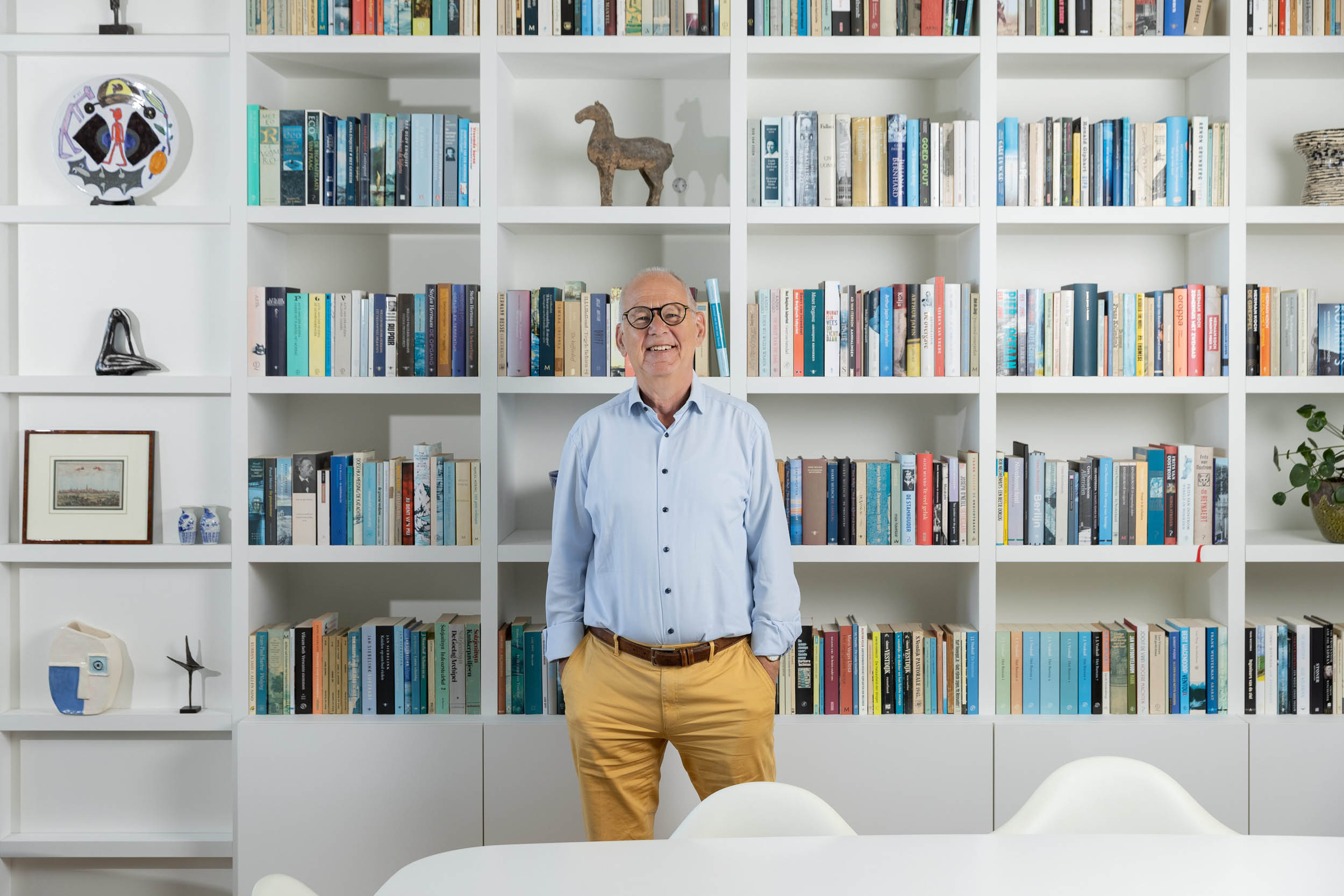
Lisa Brüggen

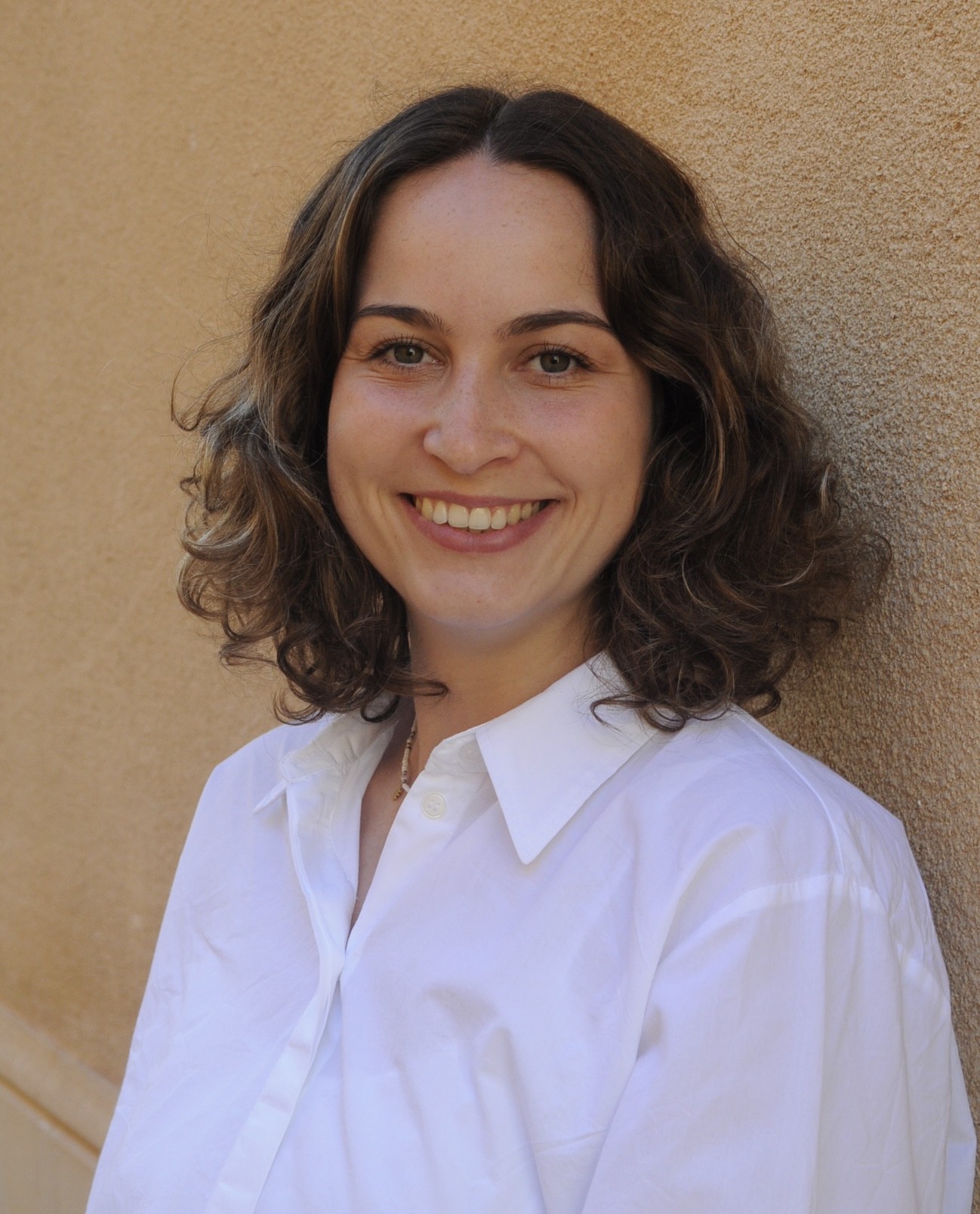
Lisa Brüggen is professor of Financial Services at Maastricht University. She has worked at the School of Business and Economics since 2001, having previously studied there herself. She is also director of Netspar and principal investigator at the Brightlands Institute for Smart Society.

Read more below

Steeped in UM history‍

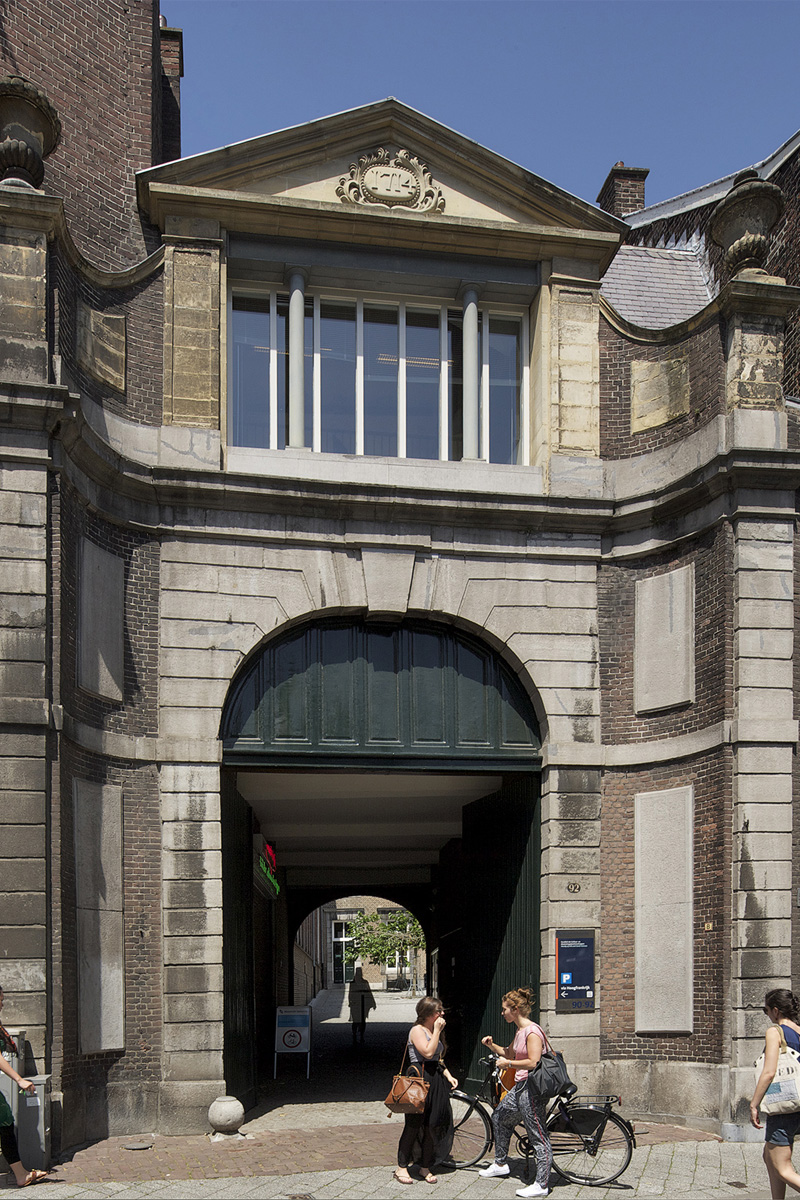
The heart of SBE is on the Tongersestraat, in a former monastery with an imposing entrance gate. The building occupies a special place in UM’s history.

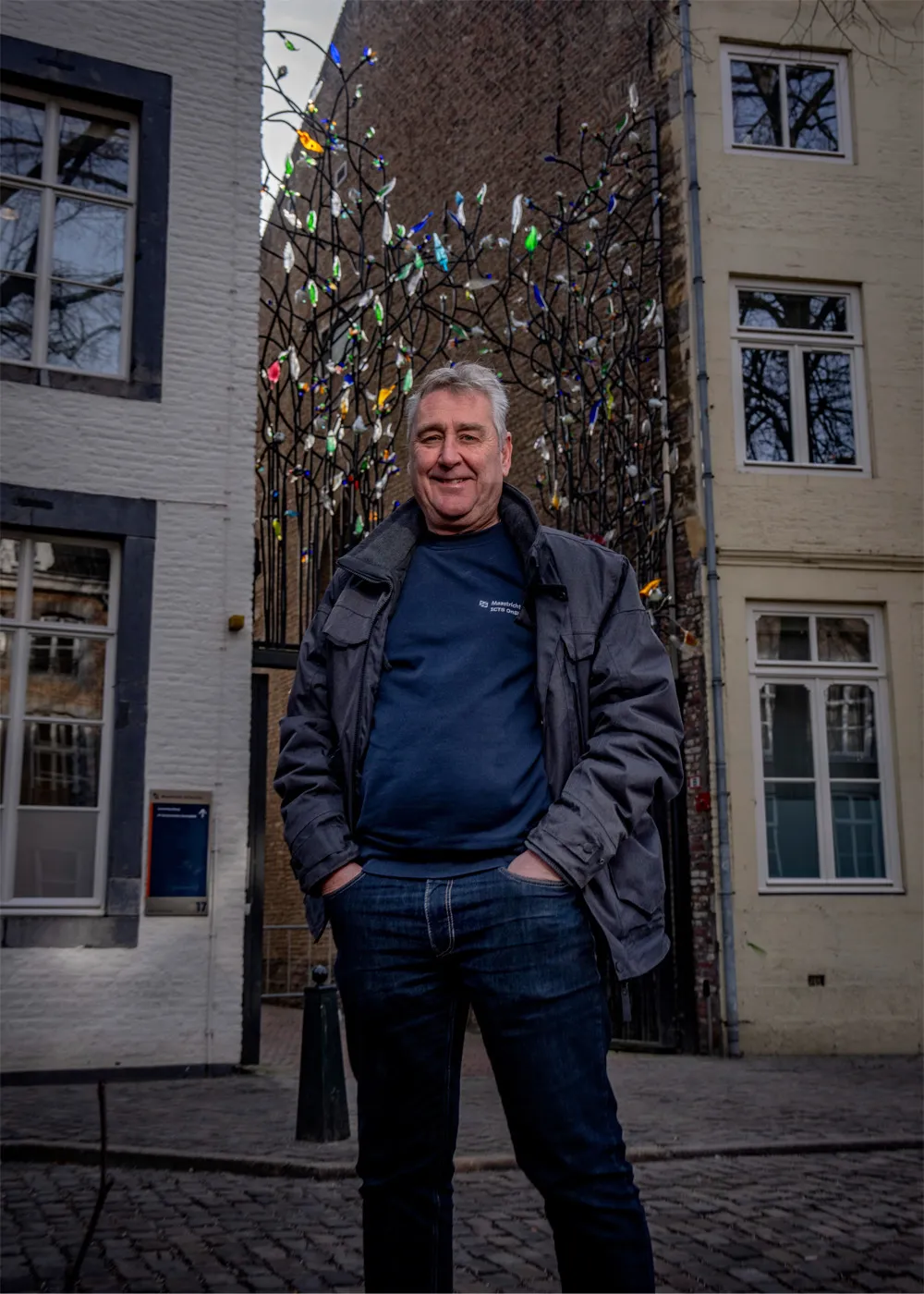
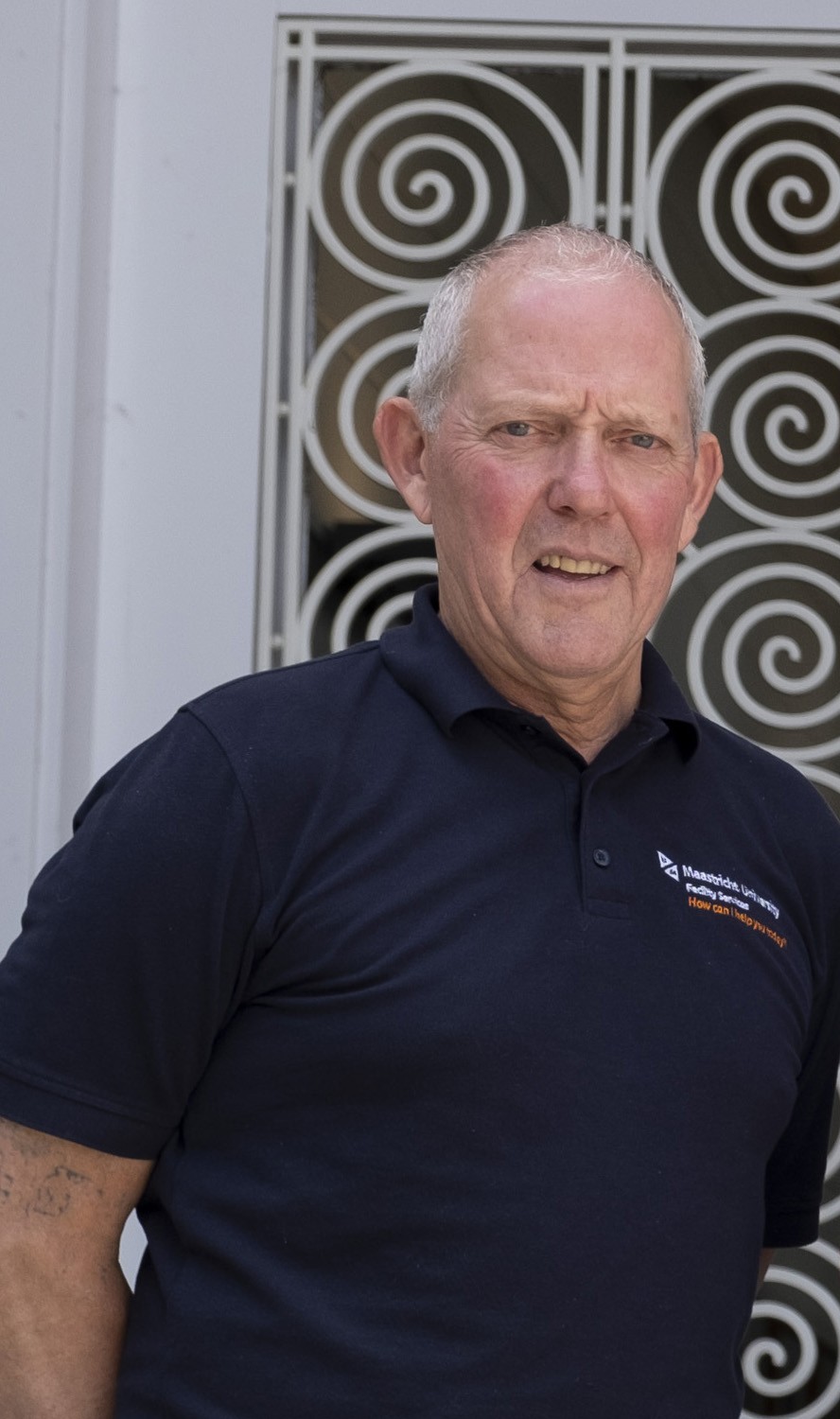
“This is where the medical faculty, the university’s first faculty, opened in 1974,” says Evert van Zoeren, a coordinator at UM’s Facility Services. Van Zoeren also leads historical tours of the university’s buildings. “The dissection rooms were on the ground floor, where medical students trained using real human bodies and organs.”

In those pioneering years, the building even served as the young university’s headquarters. So when the economics faculty was subsequently established, it found a home at a location of great significance to UM.
‍

Huis Vilain‍

But the building’s history stretches back much further. A grand city palace once stood on this site. “At the end of the 18th century, the Vilains, a Belgian noble family, bought the site,” Van Zoeren says. “The Count of Vilain had his city palace built here. The entrance gate dates from that period and still bears his family coat of arms.”

Much of the palace was demolished in the 1930s. The Jesuits, a Catholic religious order, built a new monastery on the site. They retained only the historic carriage gate and reconstructed a small part of Huis Vilain, which now stands to the right of the gate.

The monumental entrance gate at Tongersestraat 53

Bio
Project update

Evert van Zoeren

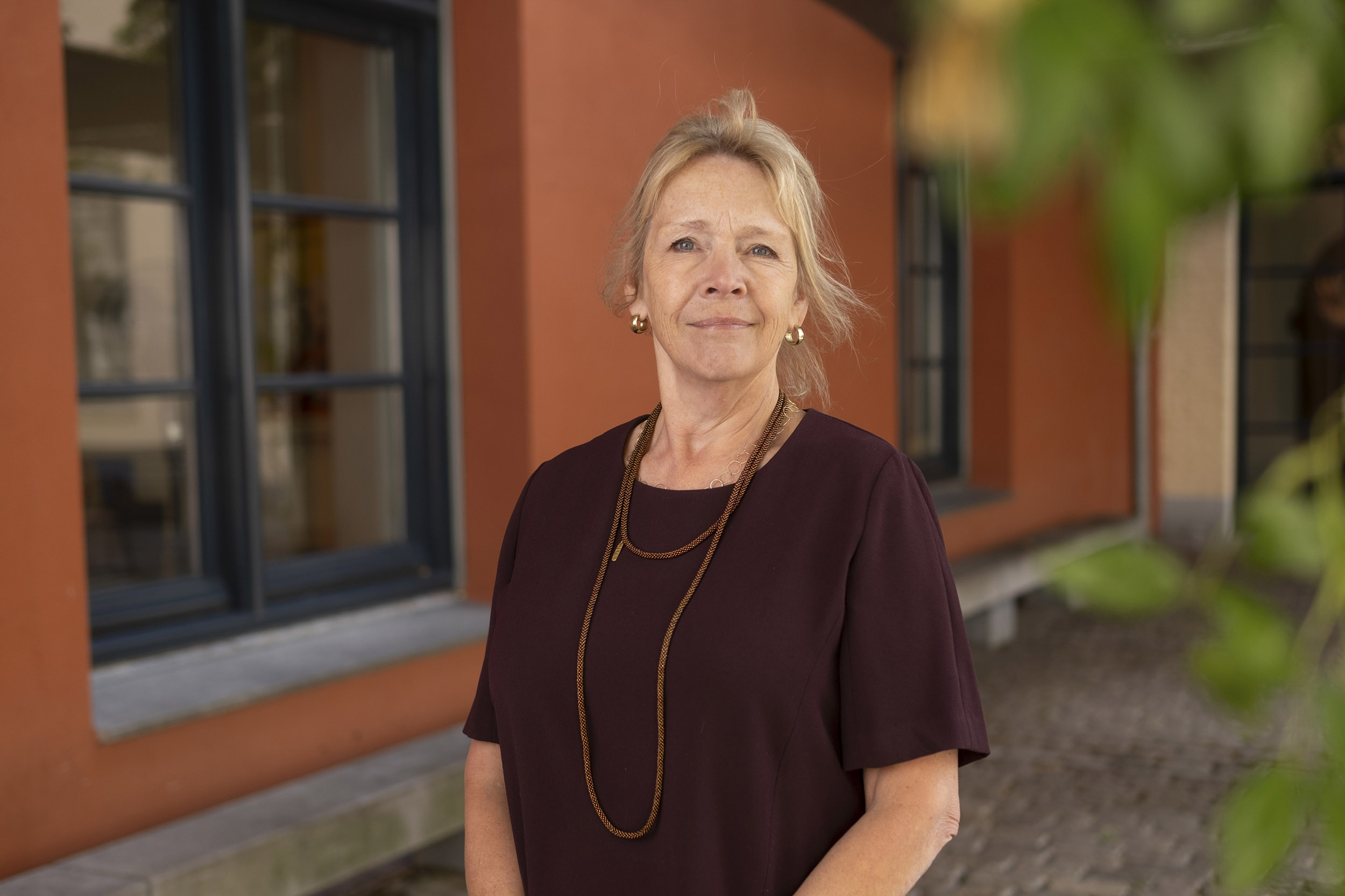
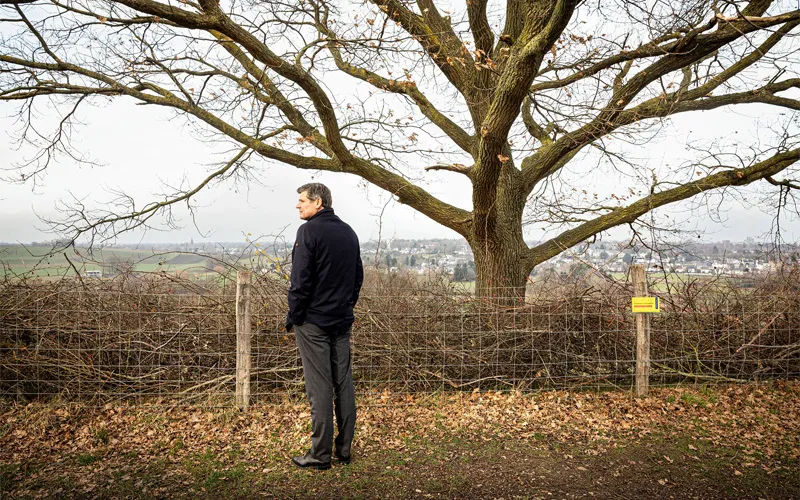
Evert van Zoeren joined Maastricht University’s building maintenance department in 1988. He is now a Facility Services technician and coordinator of the city centre operations team, where his responsibilities include managing and preserving the university’s heritage. He also writes about the hidden stories behind its buildings and leads guided tours.

Read more below

A chapel full of character‍

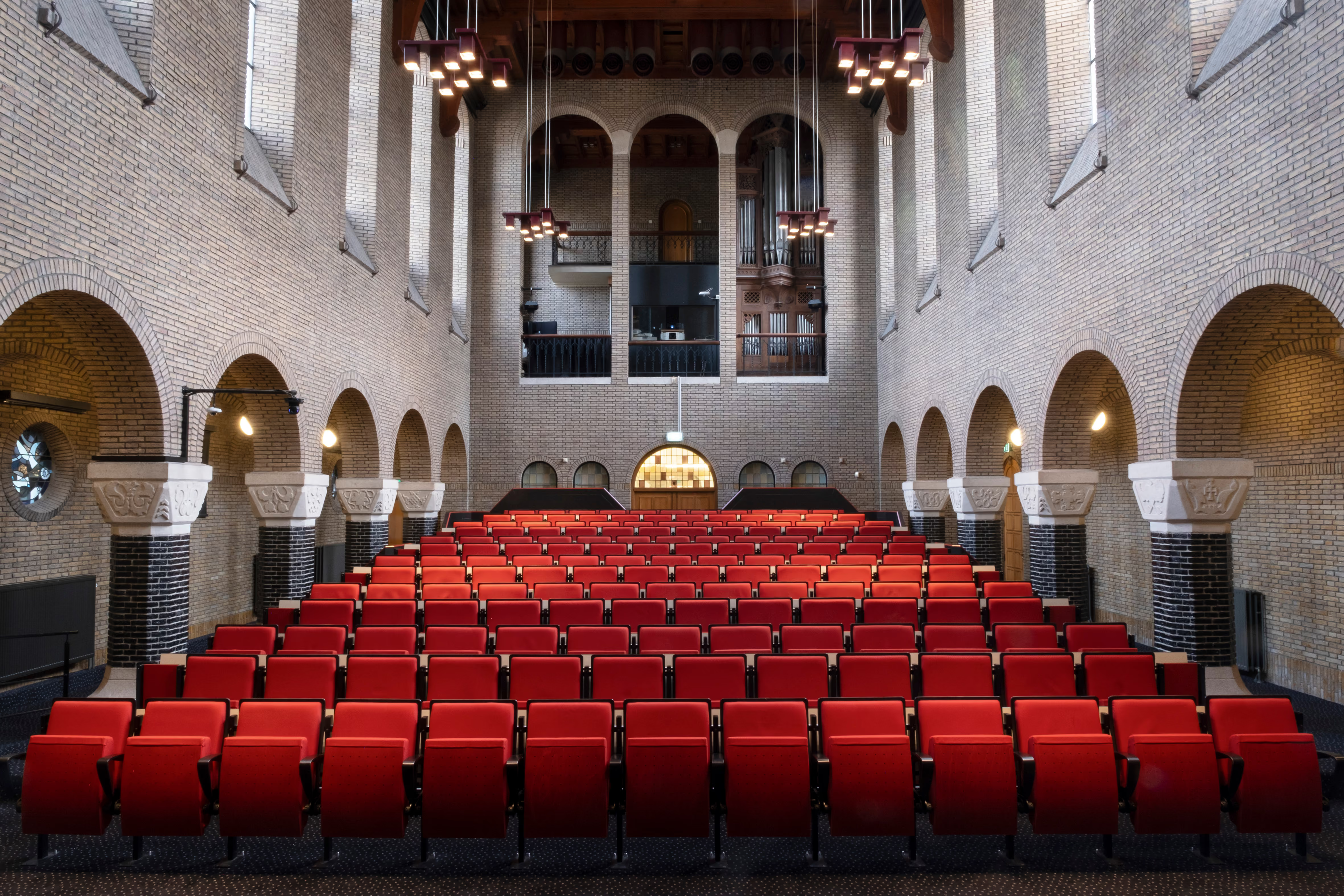
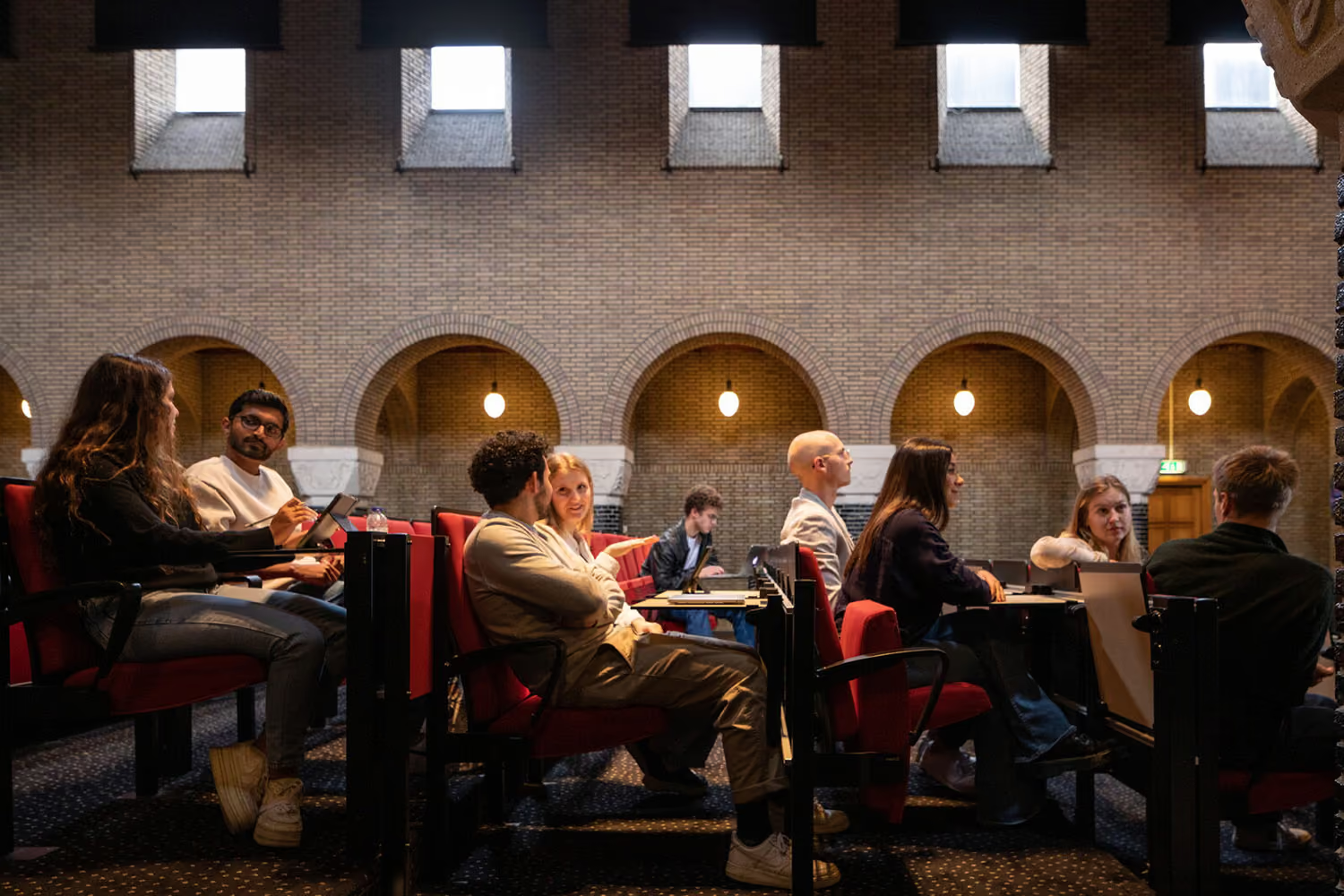
The building’s past life as a monastery is visible even today. For example, the former chapel still stands at its centre, which SBE now uses as an auditorium and lecture hall.

Remarkably, the chapel remains largely in its original state. After UM moved in, many references to the Catholic faith were removed. “The university was independent of the Church, so you no longer see crosses hanging everywhere,” Van Zoeren says.

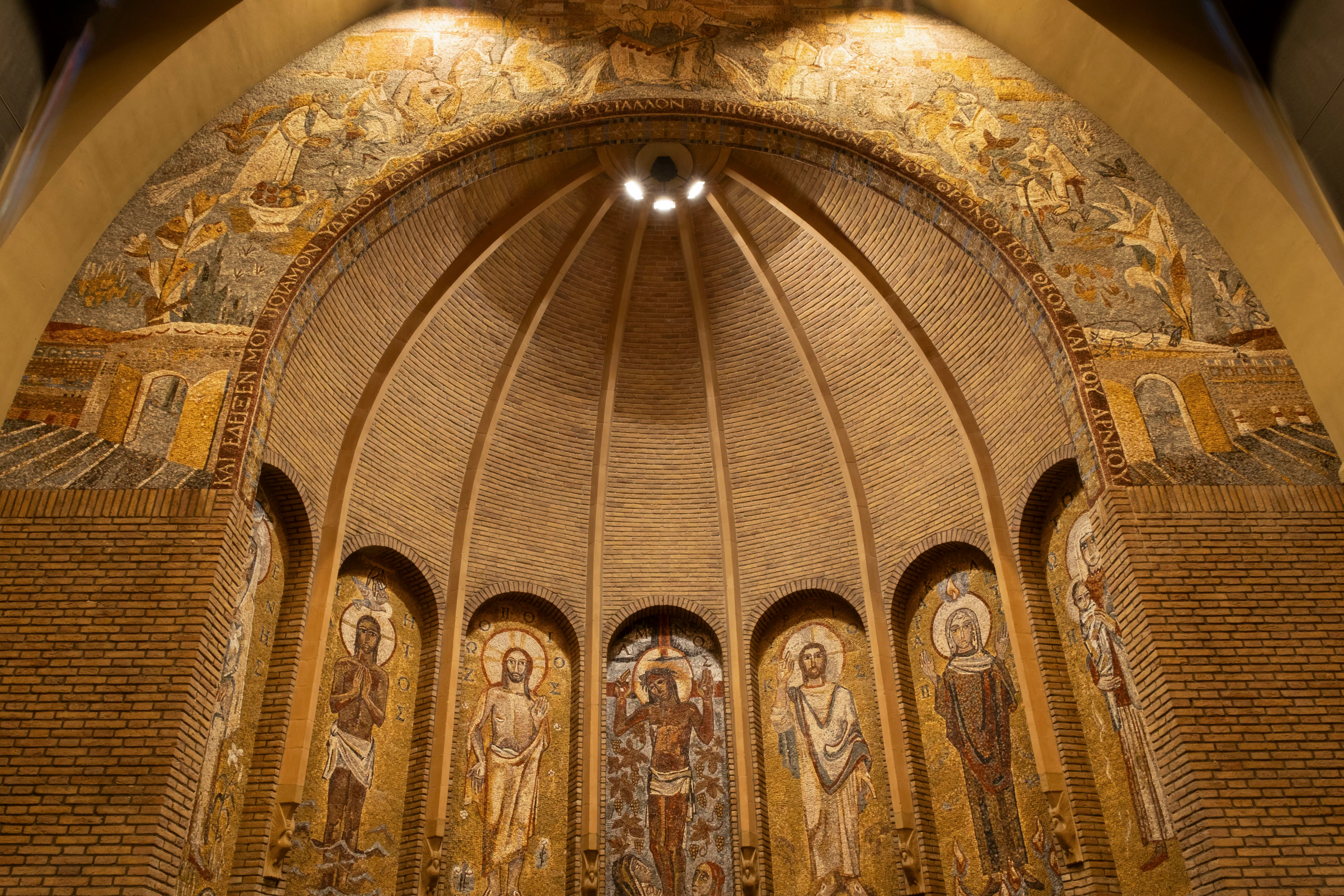
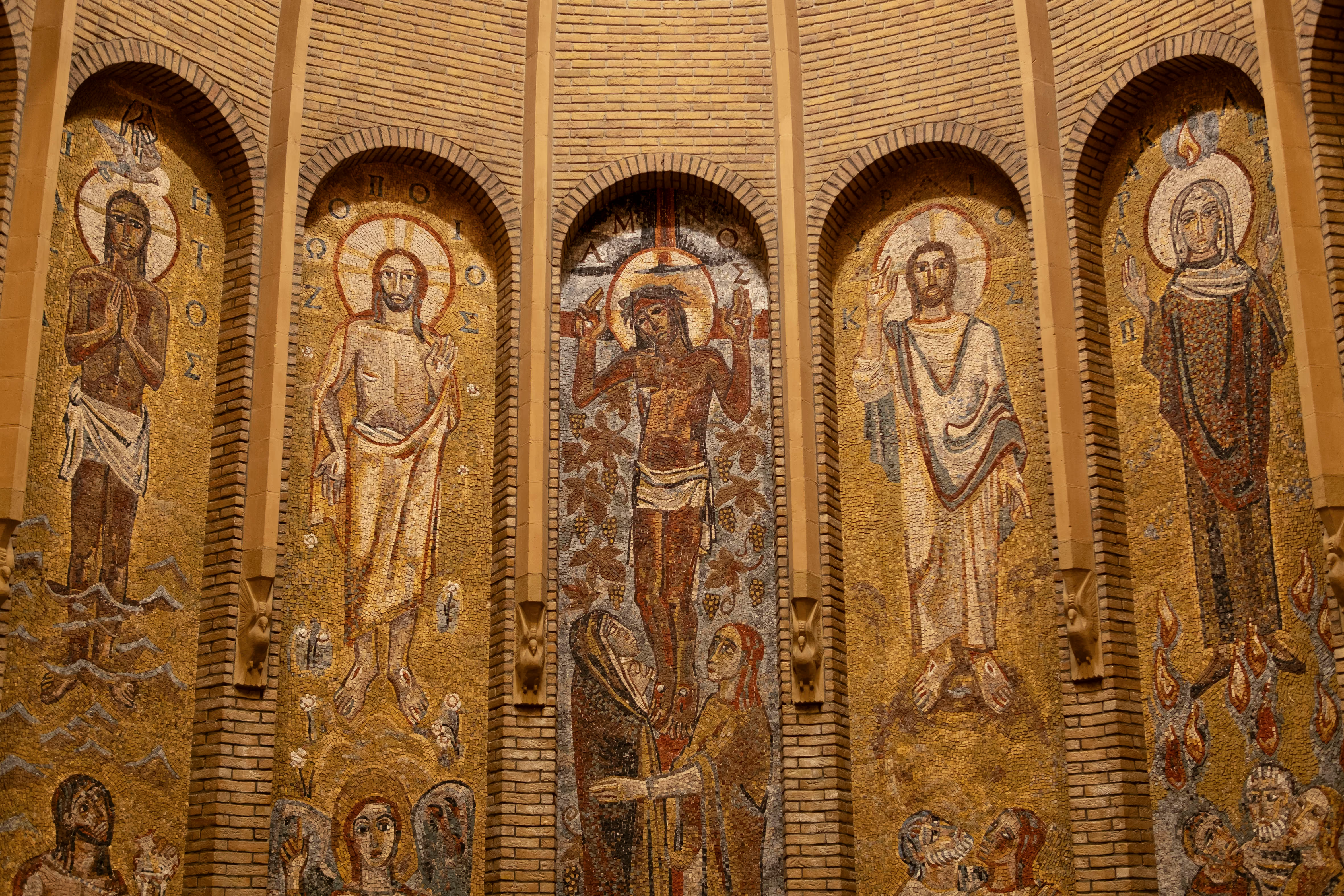
But many other features, such as the old pews, were preserved to retain the building’s charm and character. They now stand outside the auditorium, offering seating for staff and students. Inside, you can still see the original apse, the semicircular recess where the altar once stood. At one point, there were plans to plaster over the apse mosaic. “Fortunately, the university realised that would be going too far.”


‍A 19th-century organ ‍

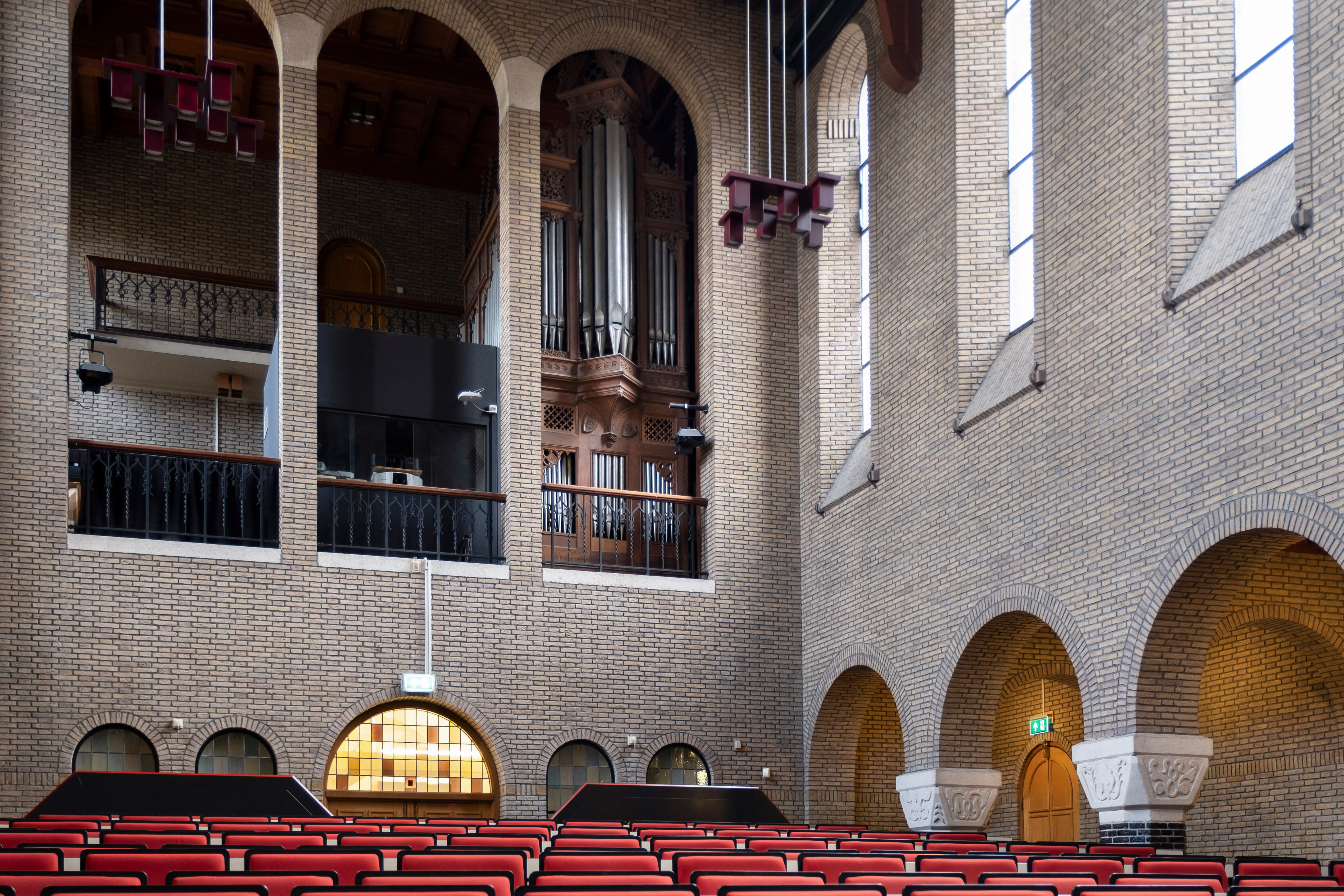
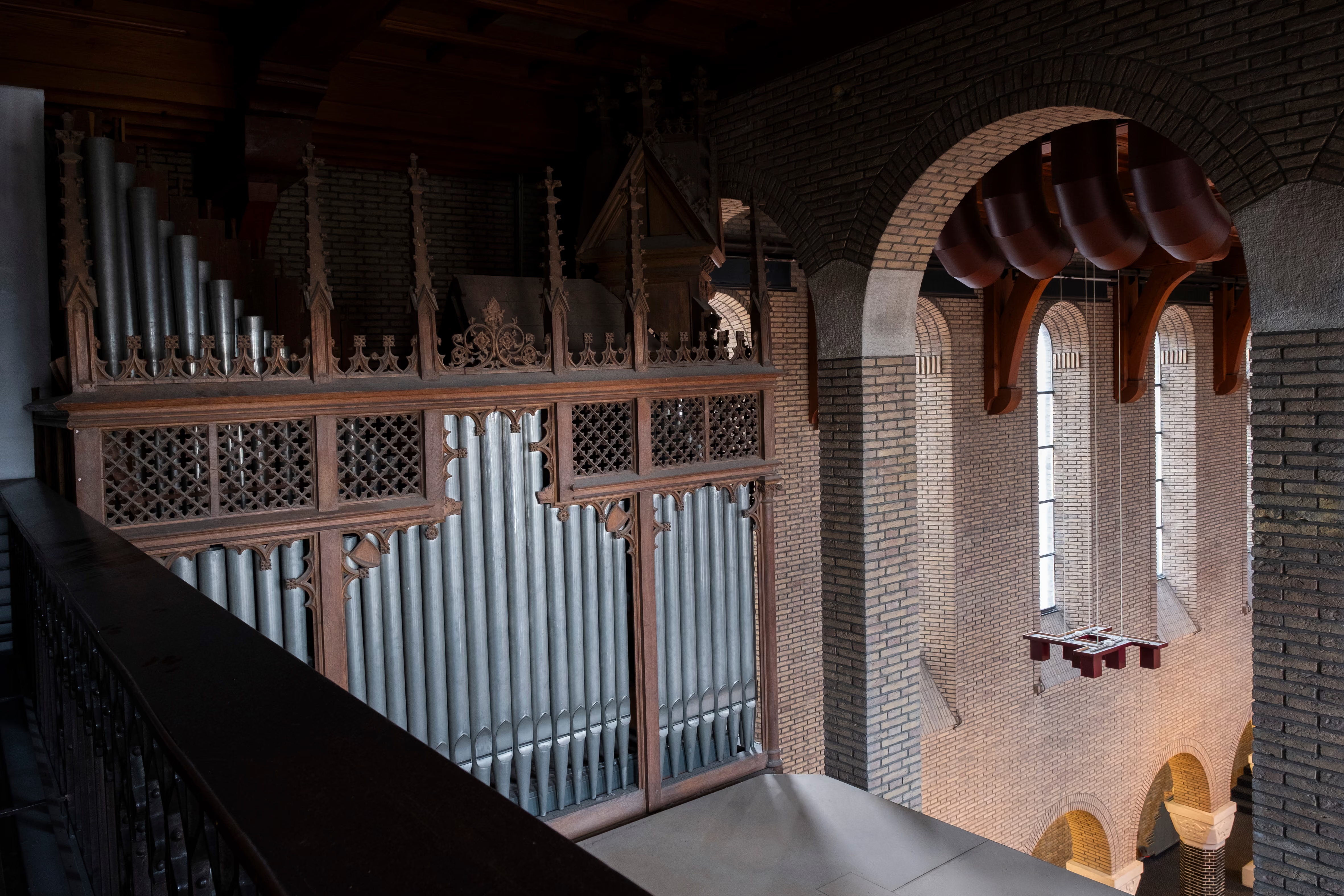
The auditorium holds another surprise: a historic organ. At the back of the hall, on the balcony, stands an instrument crafted in 1888 by the Aachen organ builder Georg Stahlhuth & Sohn. It was originally made for the Jesuits’ Sacred Heart Church in Maastricht.

When the church closed in 1967, the organ was moved to the chapel of the Jesuit monastery. After UM took over the complex, the instrument found a new home in an academic setting. Despite being thoroughly cleaned and restored in 2006, the organ eventually fell out of use.

“Until about 10 years ago, people would still regularly come here to play it,” Van Zoeren says. Emeritus professor Johan Heemskerk, a biochemist, would make a special trip from the medical faculty in Randwyck to do so. “That wasn’t always appreciated,” Van Zoeren adds with a laugh.

The former church nowadays used as an auditorium and lecture hall.

The organ

The organ from the inside

Students in the former church

The apse mosaic

Close-up of the mosaic

Old books and a new entrance‍

While UM preserved much of the building’s historic charm, plenty changed too. In 1985, for example, a new main entrance was created. Instead of entering through the old monastery doors on the Tongersestraat, visitors would now enter at basement level beside the car park.

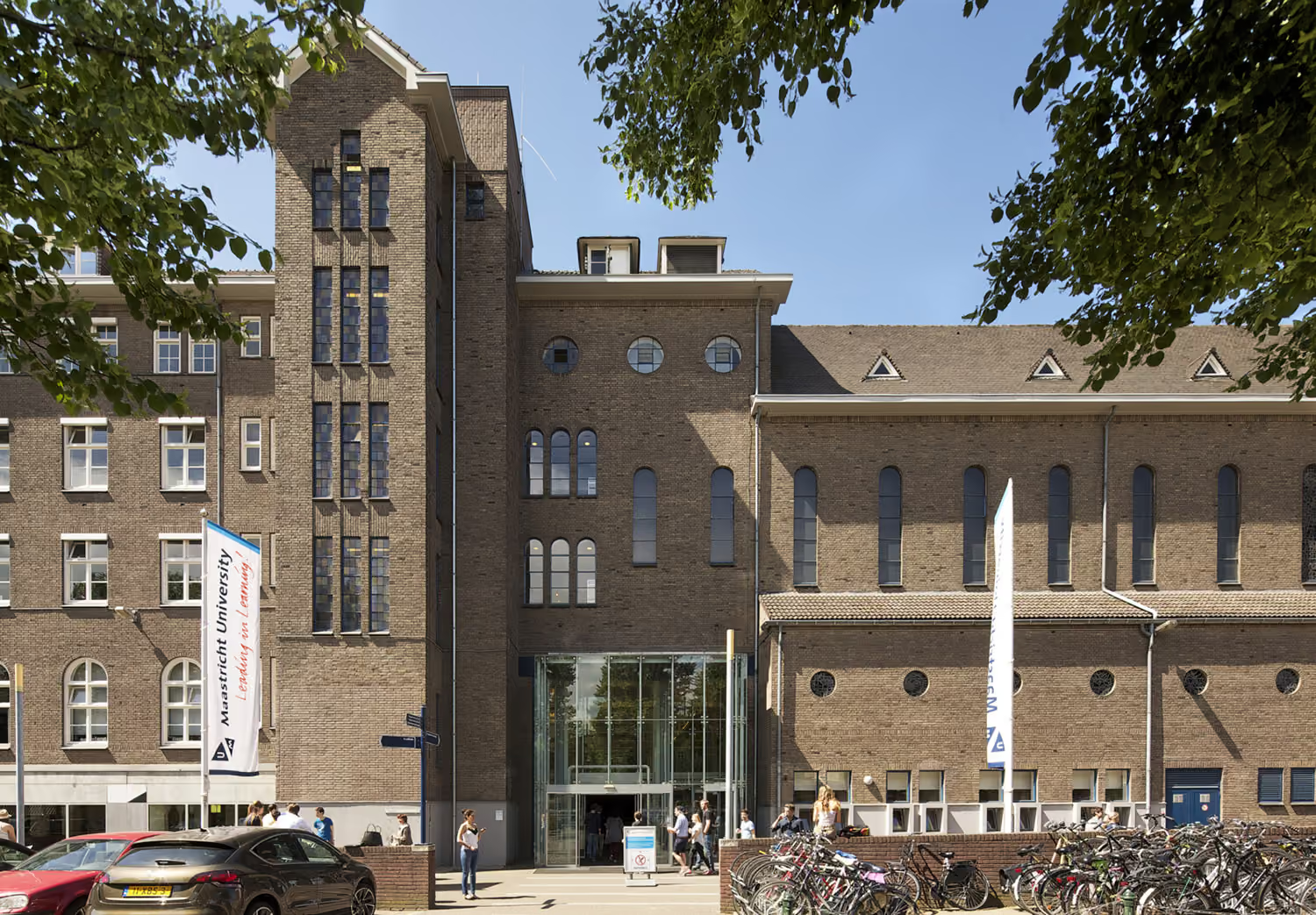
The new entrance was designed by the renowned Limburg architect Jo Coenen. He created a spacious, light-filled entrance with a large glass façade extending from the ground floor to the first floor.

“When I started working here, this was still the basement,” Van Zoeren says as we stand by the reception. “The building maintenance department, where I worked, was based here. But before that, it had been the archive of the Jesuit fathers. We found all sorts of old documents and books here. Some are now in our University Library, others are kept in a special repository.”
‍

An underground lecture hall‍

Coenen designed more than just the new entrance. He also contributed to plans for a new cafeteria, where students and staff could have lunch. But his most striking design was built in the 1990s: an underground lecture hall with no fewer than 500 seats.

Coenen wanted the new hall to blend into its surroundings. He felt it would be a shame to compromise the monastery’s historic character by putting a large modern building next to it. Instead, he placed most of the lecture hall underground, beneath the SBE garden. It was later named the Franz Palm Lecture Hall in honour of Professor Franz Palm, one of the faculty’sfounders and a three-term dean.

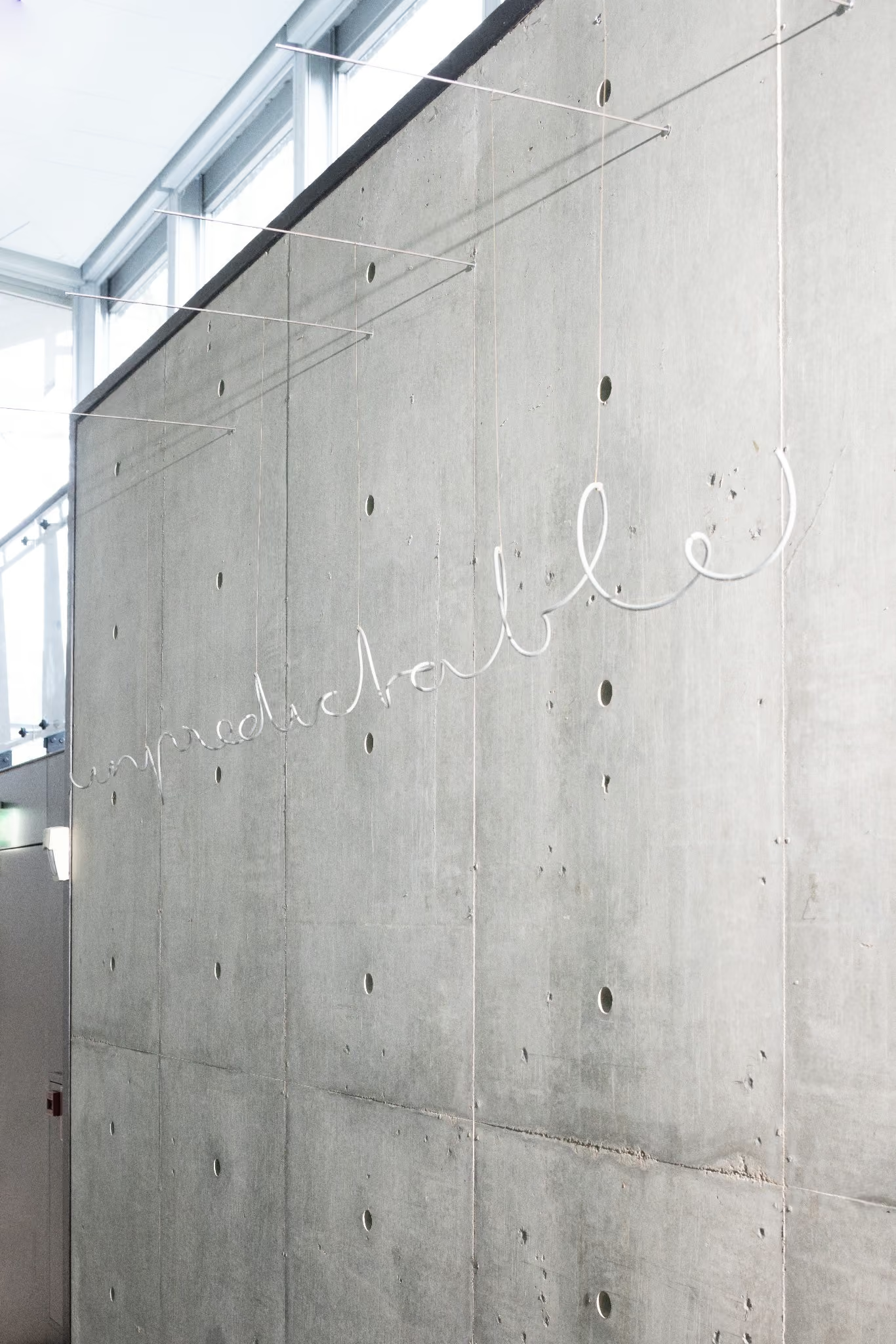
“Franz Palm was an outstanding professor,” Brüggen says. One of the walls features an artwork created by the sculptor Fred Eerdekens in Palm’s honour. “It looks like loops of steel, but if you stand at exactly the right angle, you can read the word ‘unpredictable’. It represents the way he never stopped asking questions.”

The current entrance of the School of Business and Economics, designed by Jo Coenen

De Franz Palm Lecture Hall, designed by Jo Coenen

The artwork by Fred Eerdekens in honour of Franz Palm

A piece of Africa in Maastricht ‍

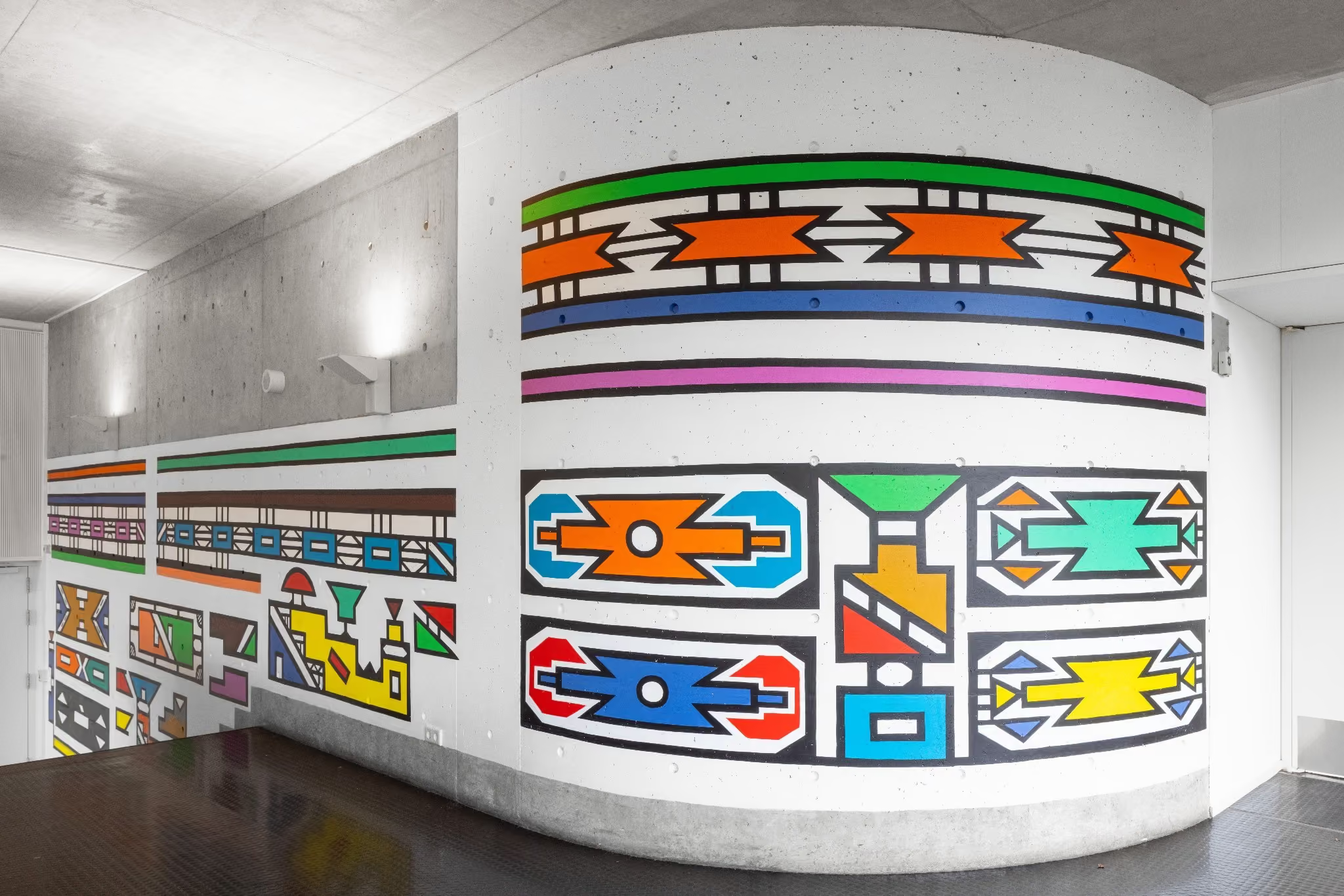
En route to the lecture hall is another striking work of art. A colourful piece composed of bold lines catches the eye on one of the corridor walls. The line drawings were created by Franzina and Angelina Ndimande, well-known mural painters from South Africa.

“A mother-and-daughter team from the Ndebele community,” Van Zoeren says . “The women of this tribe wear rings around their necks, adding another ring for every year of their lives. Jo Coenen invited them to Maastricht to create this artwork.”

At first glance, the lines appear to have been made using a stencil. “Everything was painted by hand; they didn’t even use a ruler,” he says. “If you look very closely, you can see that the lines aren’t completely straight. That’s what makes the work so special.”

The colourful artwork created by Franzina and Angelina Ndimande

Ahidden gunpowder store

Behind the lecture hall lies the SBE garden, a green oasis bordered by part of the old city wall. Beneath the tall trees are peaceful places to sit and several bronze sculptures. One depicts a wood nymph reclining in the grass, created by the artist Luk van Soom in 2006.

The garden offers a view of the cafeteria and the roof of the underground lecture hall. But another unusual structure lies beneath the ground, one that not everyone knows about: the gunpowder store. “The large gunpowder store was once used to store gunpowder and ammunition,” Van Zoeren says. “But what many people don’t know is that there’s also a small gunpowder store in the garden.”
‍
A stone staircase leads down to a semicircular wooden door. Behind it is a short passageway with a small storage room. During the coronavirus pandemic, this hidden spot unexpectedly acquired a new use. “Young people had broken open the door and were holding parties in here at night,” Van Zoeren says. “After that, we reinforced the entrance.”

Wood nymph in the grass, created by Luk van Soom

Ahidden gunpowder store

The stone staircase leading down to the semicircular wooden door

The small gunpowder store

Former barracks‍

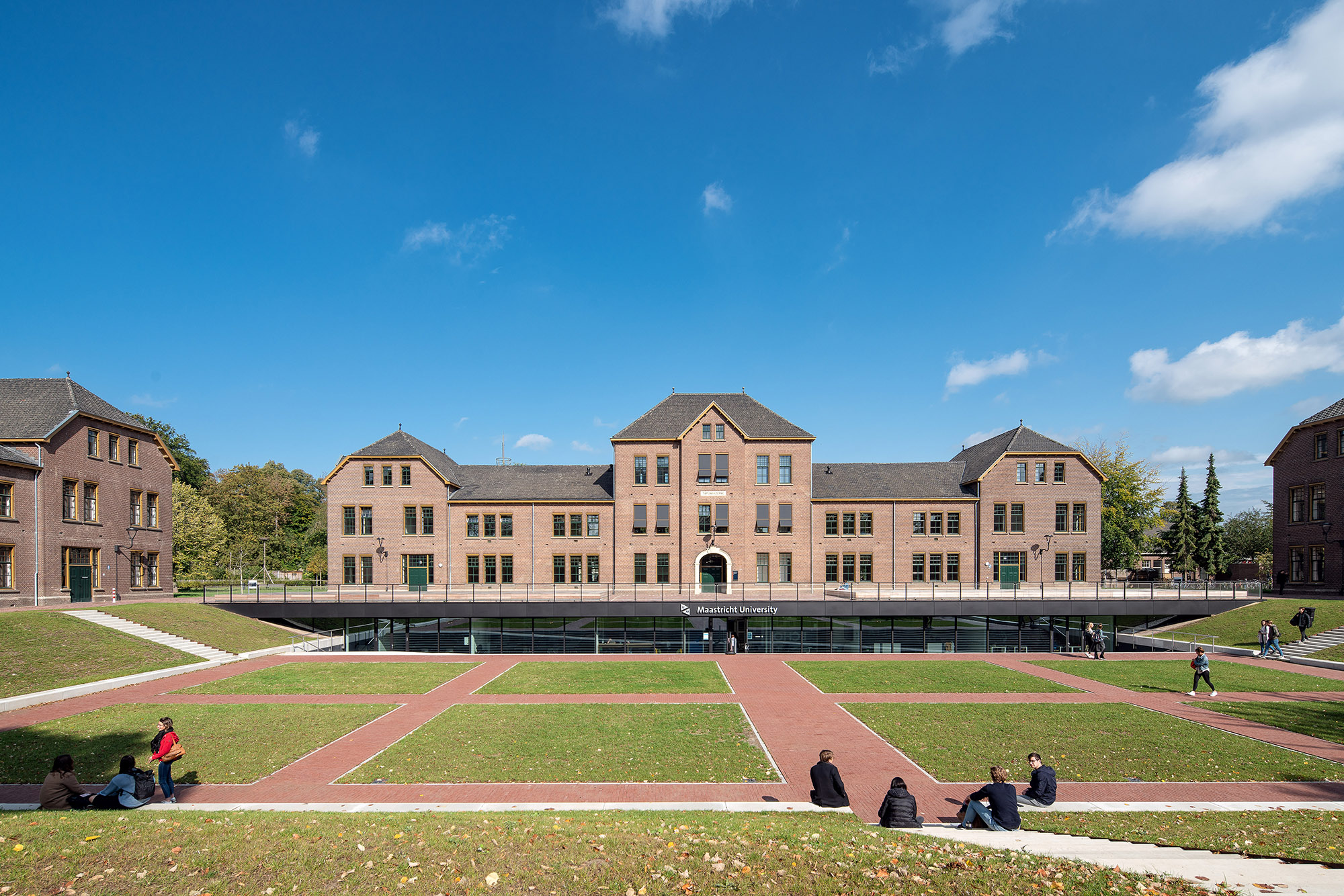
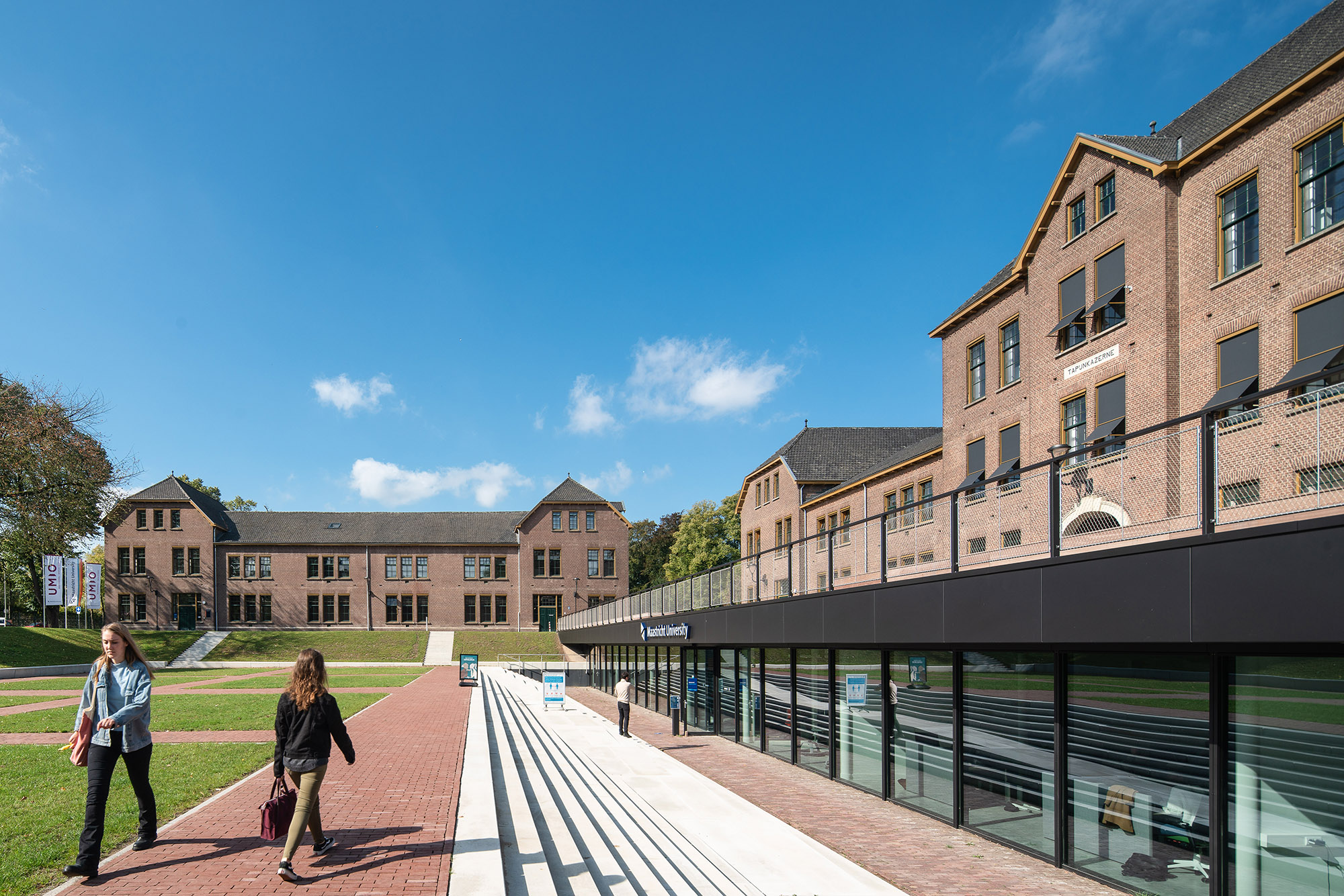
During their lunch breaks, Brüggen and her colleagues regularly stroll from the garden along the old city wall to SBE’s second location: the Tapijn site. This former military barracks complex stands on the edge of the city park. Today, SBE, UMIO and the University Library share this historic site.

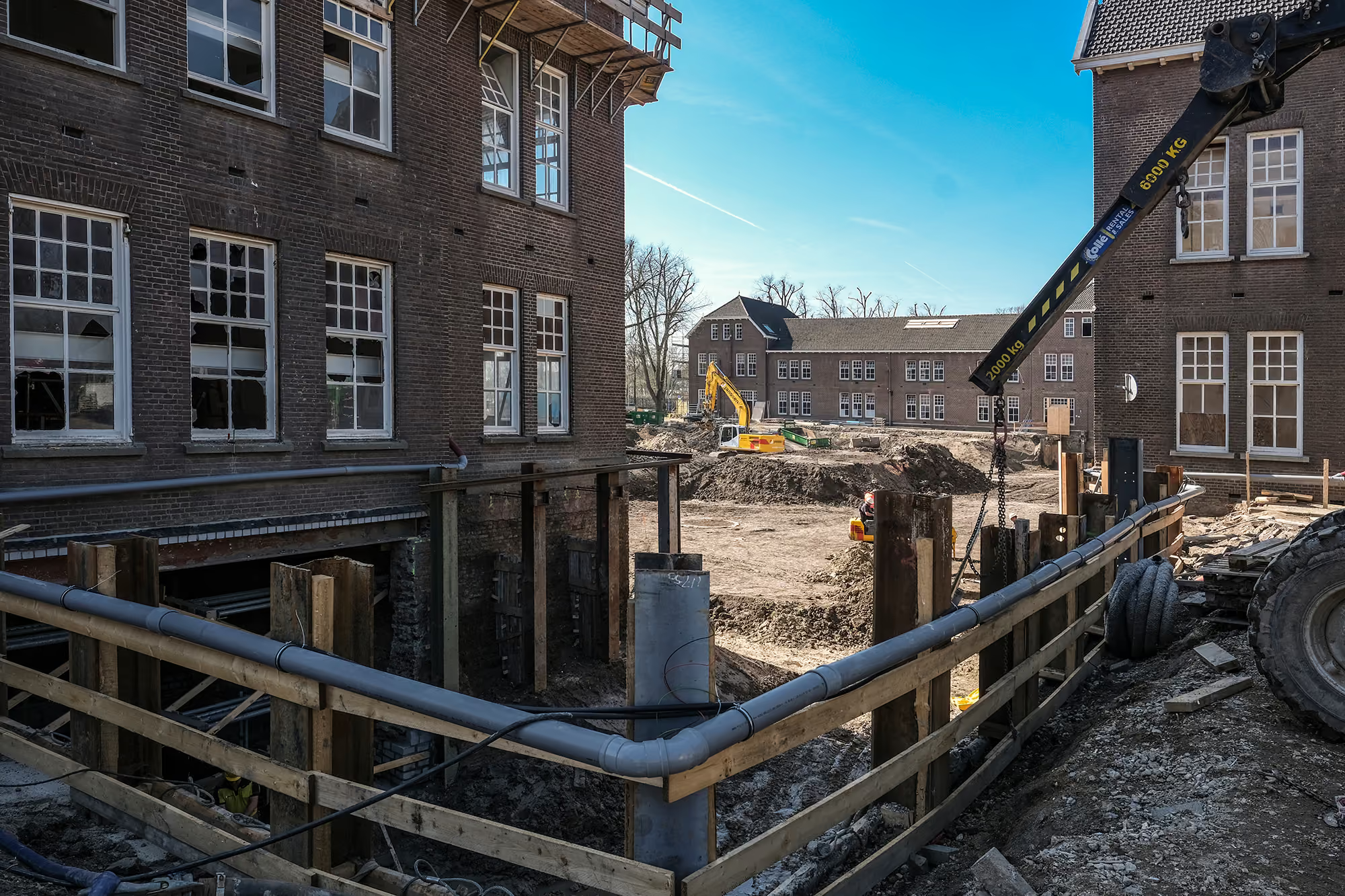
The barracks were built in 1916 as a military base. By the time UM took over, the complex had stood empty for years and the buildings were in need of extensive renovation. The university began using parts of the site in 2014, with the major redevelopment for SBE and UMIO completed in early 2020.

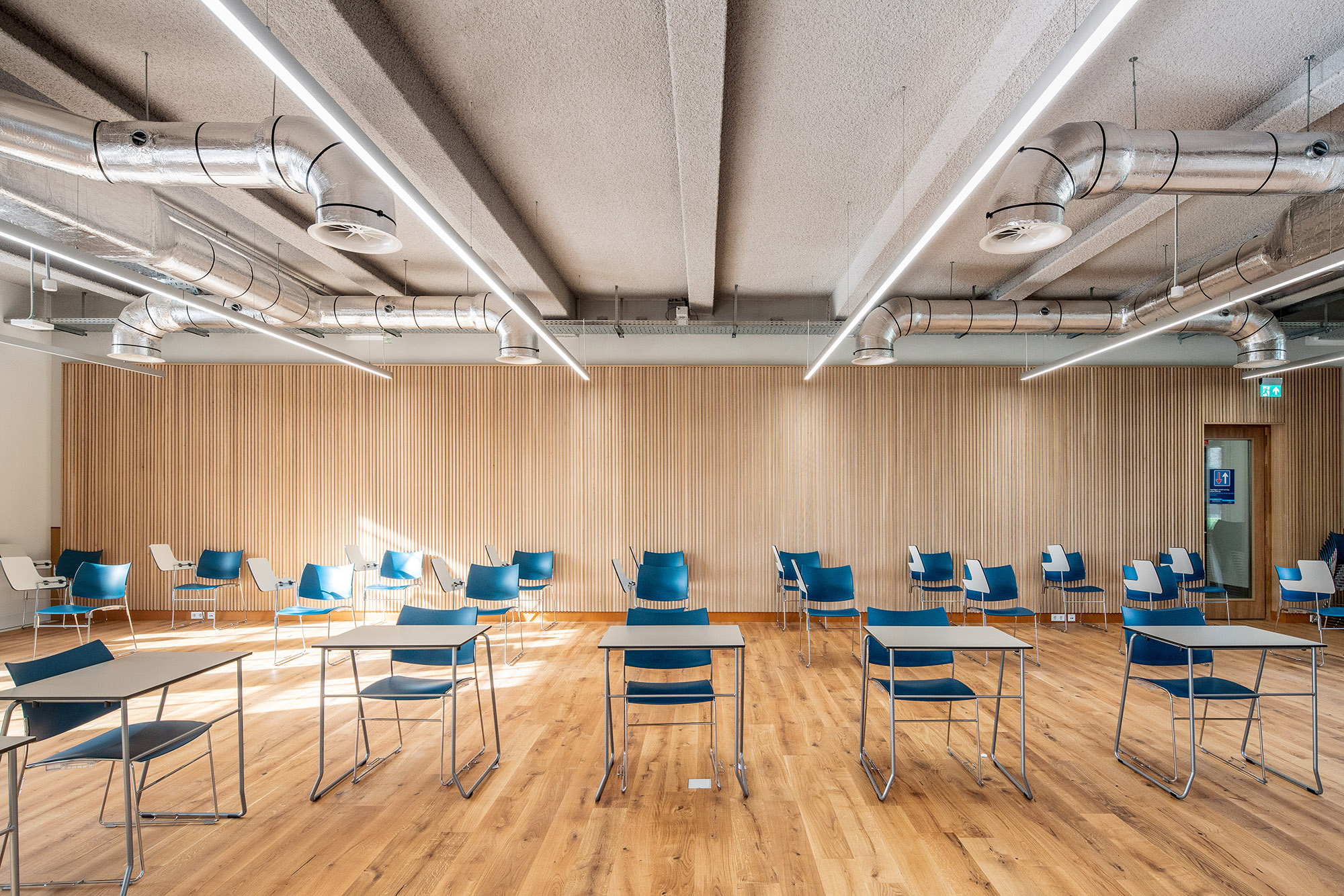
Today, the Tapijn barracks offer a modern learning environment, with comfortable study areas, quiet rooms, classrooms and two lecture halls. At the same time, much of its historic character remains visible, including the original staircase and windows.

The Tapijnkazerne

The stairs leading to the modern entrance

The Tapijnkazerne during the renovation

The well-known colourful study spaces

Classrooms are open and modern

These spaces are often used for meetings as well

SBE has grown rapidly over the past few decades. It all began in the 1980s, when a group of young, enthusiastic academics got together in a room at Tongersestraat 53. Today, SBE is an international faculty of business and economics, with alumni around the world and a distinctive approach to education.
In 2007, SBE’s quality was recognised with the Triple Crown accreditation. To achieve this, a business school must simultaneously meet the requirements of three major international accreditation bodies. Only 1% of business schools worldwide hold this accreditation.

According to Brüggen, this reflects the teaching approach that has long characterised SBE. “PBL is what makes us unique,” she says. “Students work closely together and spend a lot of time discussing ideas with one another and with tutors. That creates an intimate, close-knit atmosphere. Even though SBE is a large faculty, people really get to know one another. That still defines who we are today.”


Text: Caya Forman
Photography: Joris Hilterman, Philip Driessen, Arjen Schmitz, Jonathan Vos, beeldmateriaal SBE