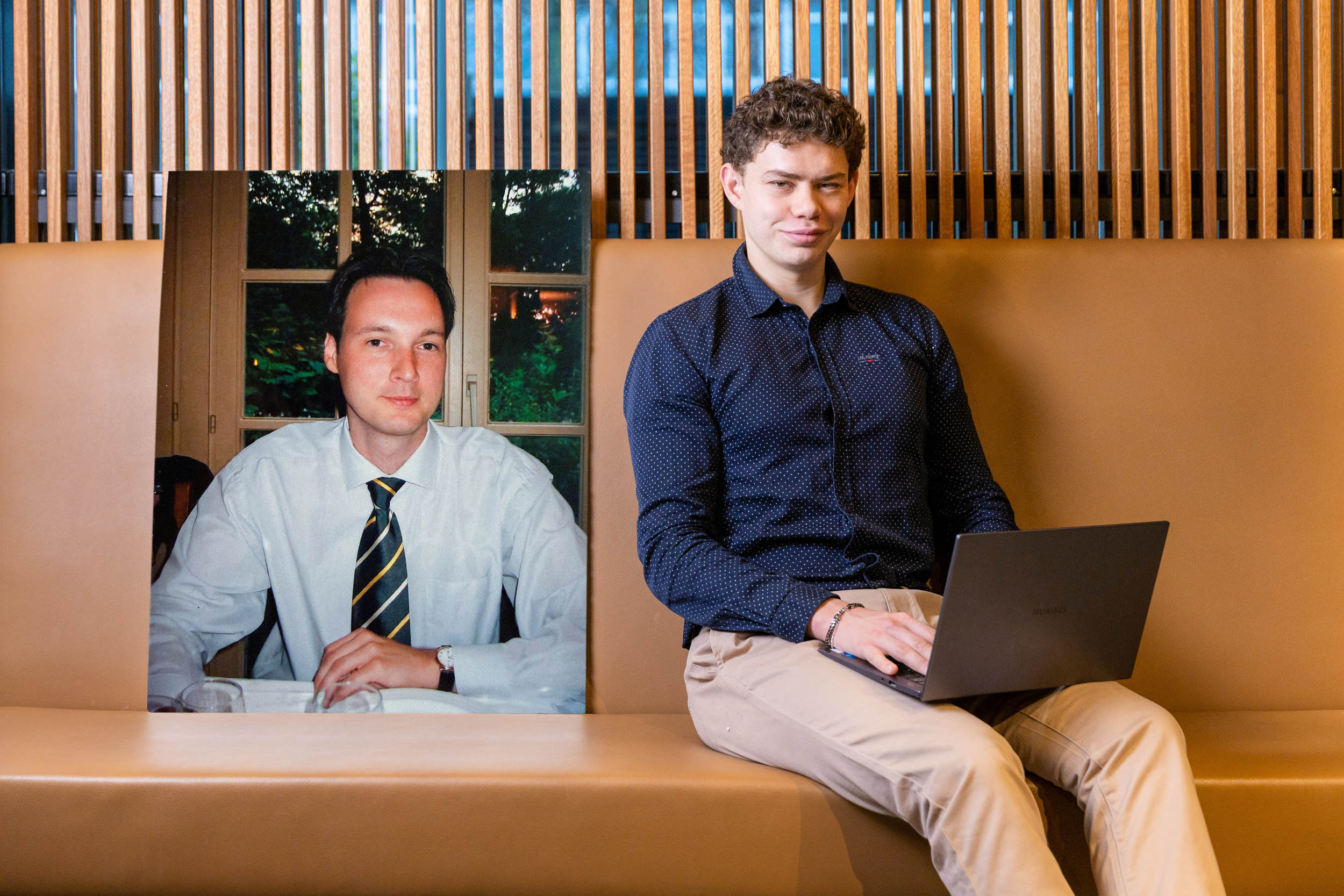
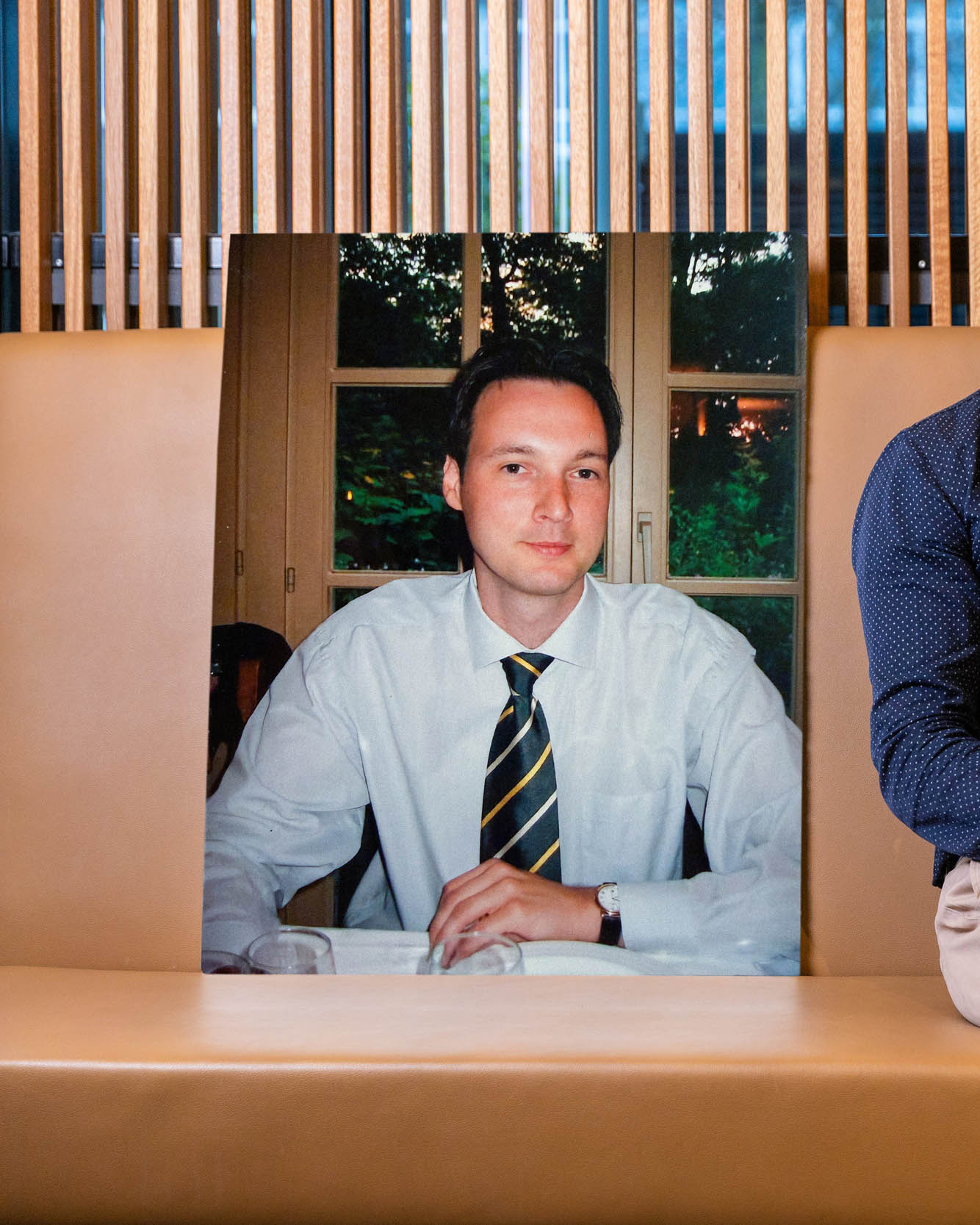
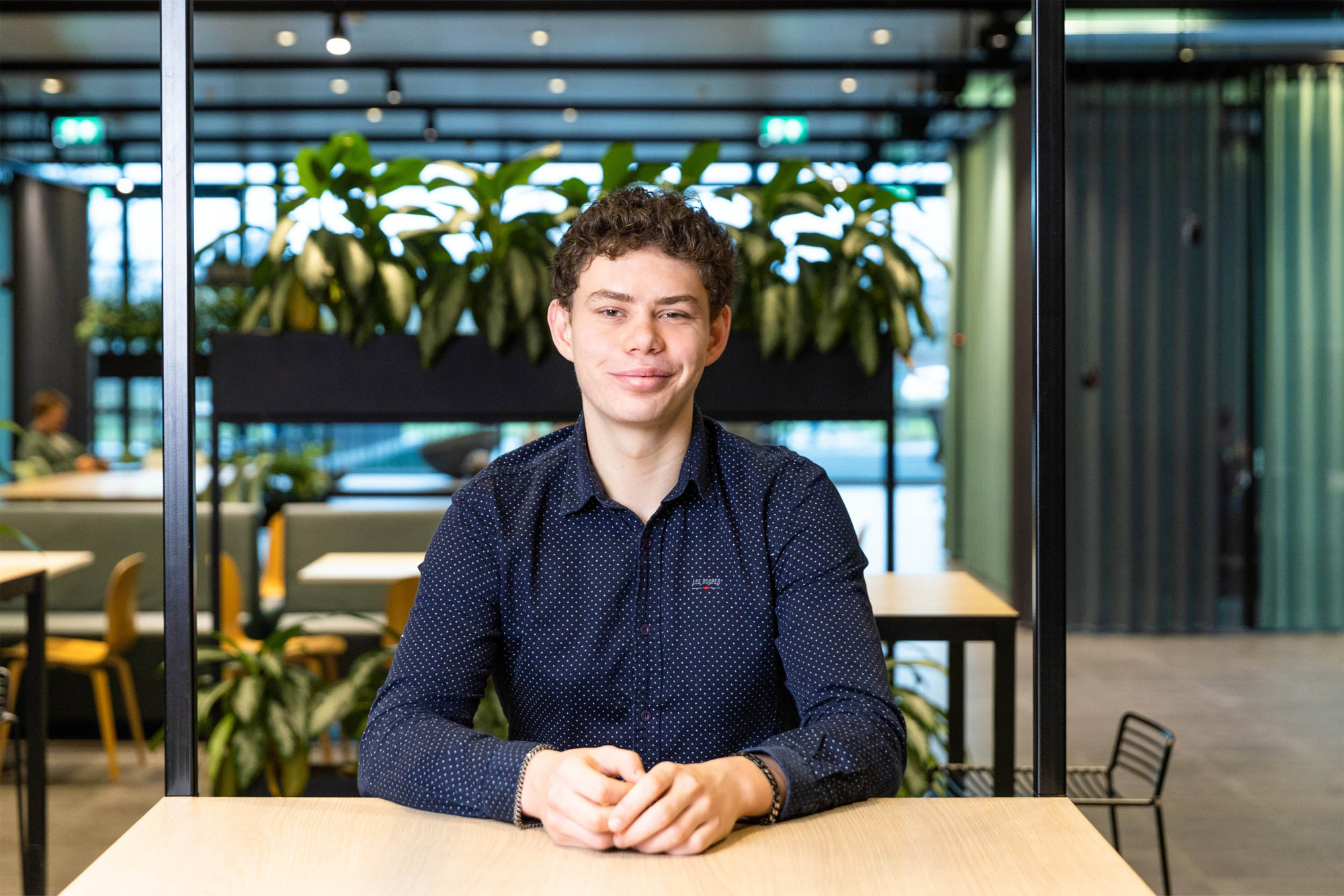
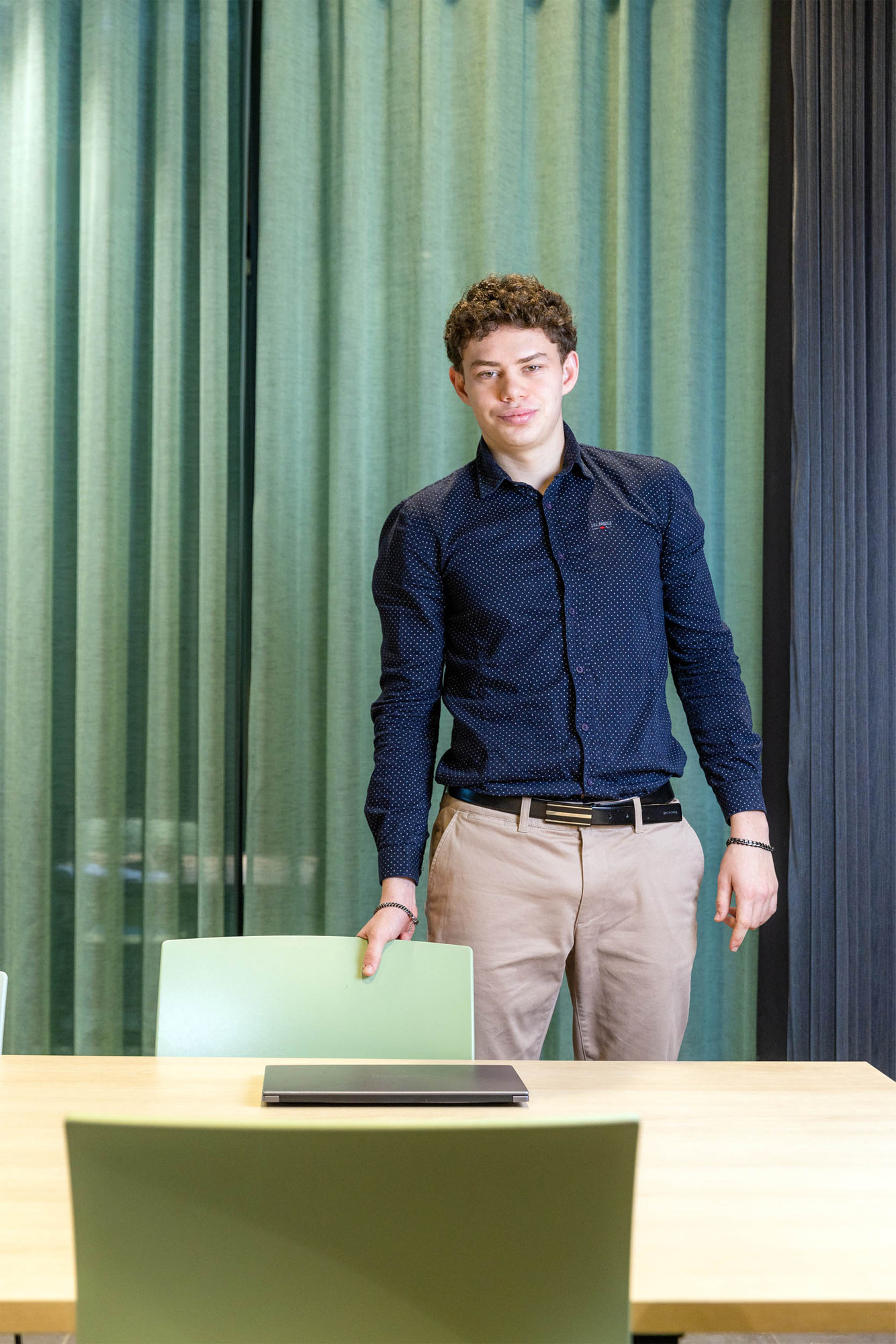
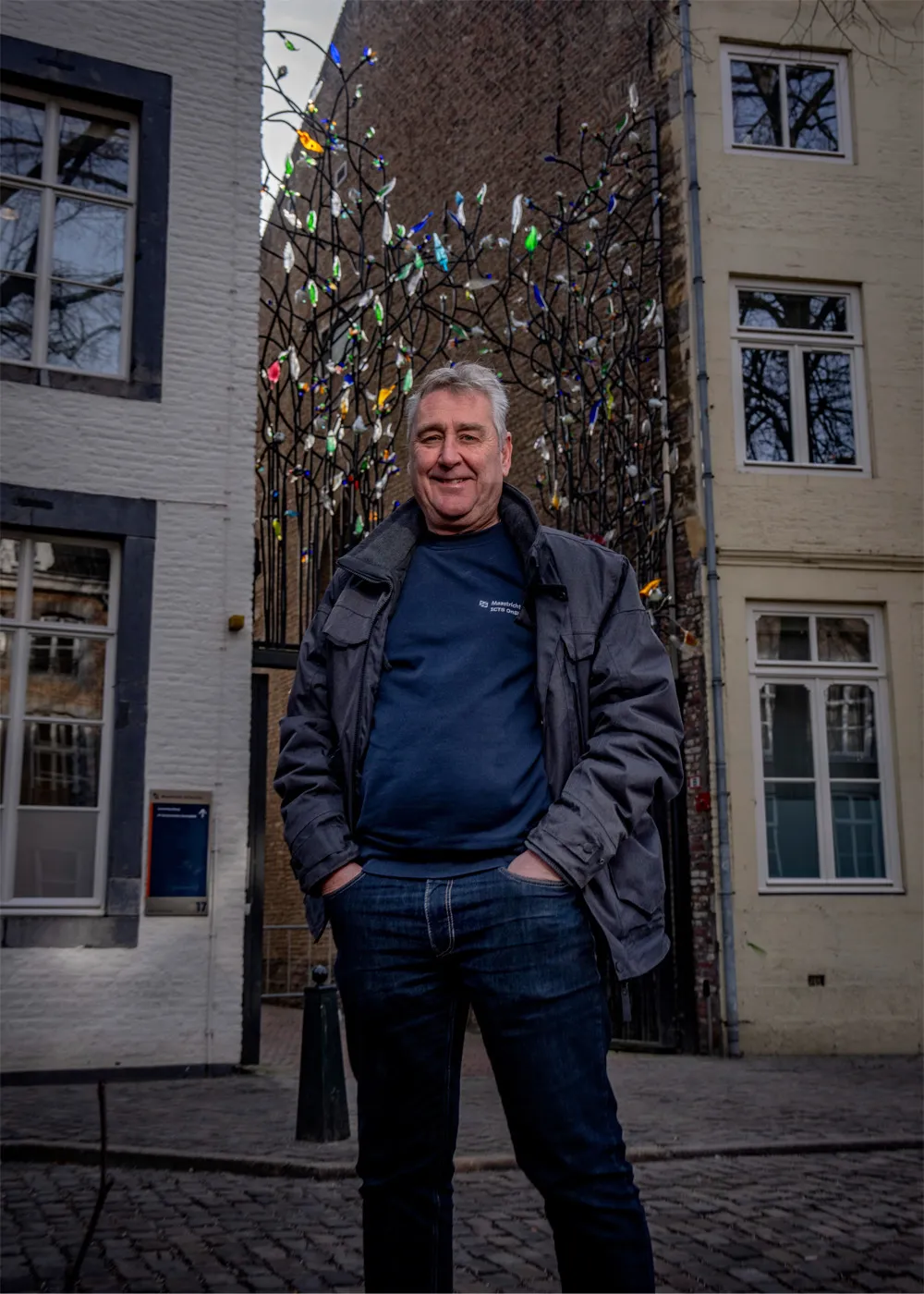
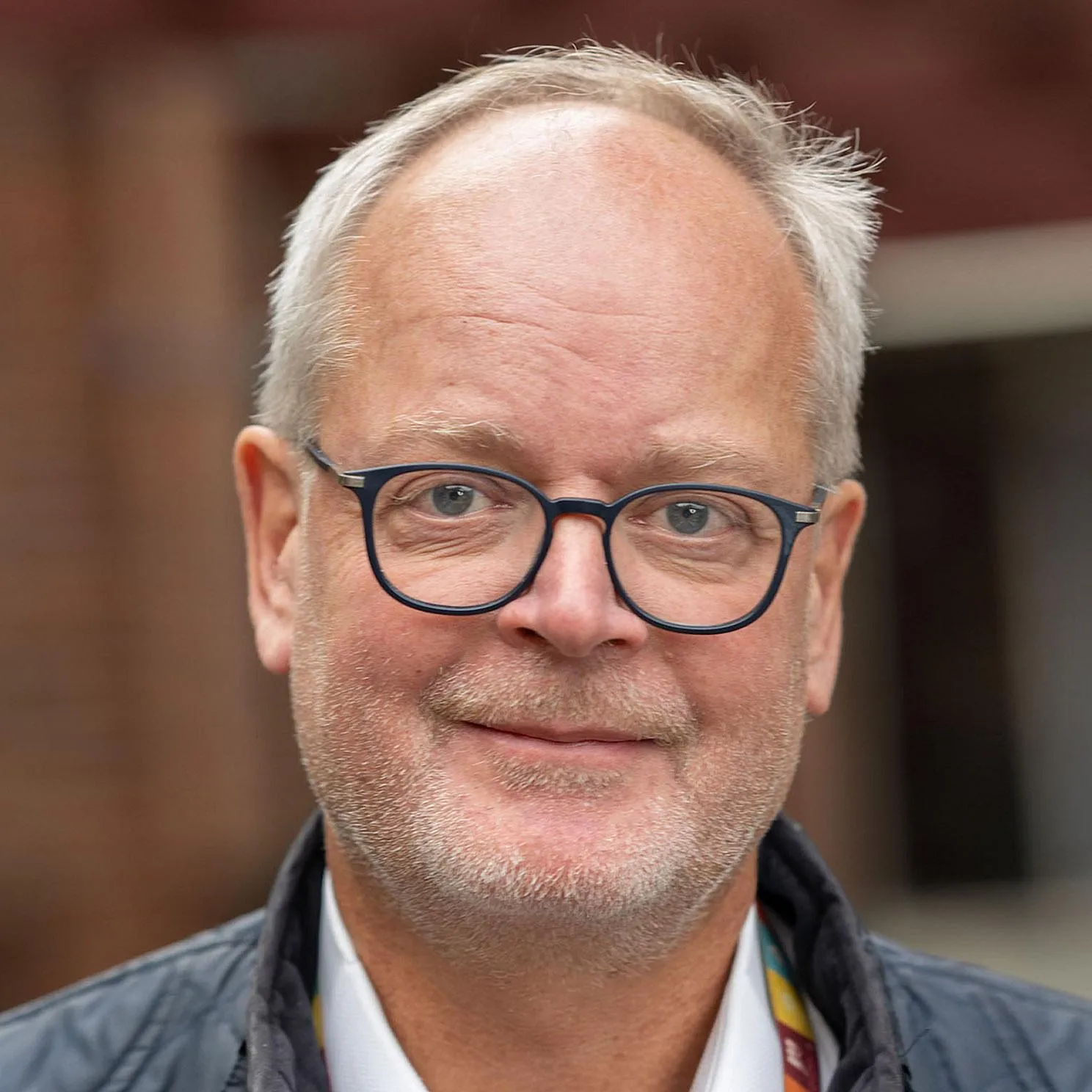
Rogier Thissen was among the very first students to enrol in Knowledge Engineering in 1993. At the time, the programme was a collaboration between Maastricht University and the LUC (Limburgs Universitair Centrum) in Diepenbeek (now Hasselt University). Partly because of the demanding mathematics component, his compatriots dropped out one after another until Thissen was the only Dutch student left. Fortunately, even the maths exams turned out not to be in vain: more than 30 years later, he still uses what he learnt every day in his role as Chief Technology Officer.
One-on-one lectures
“I don’t think the collaboration with the LUC was a great success,” Thissen says with a laugh. “We started with about 15 Dutch students, and I was the only one left in my year.” This led to some unusual situations: on occasion, Dutch lecturers travelled to Belgium especially for him. “That did have one advantage,” he recalls. “If I failed a course, 100% of the class would have failed. That must have motivated the lecturers to explain things extra well.”
The Netherlands vs Belgium
Thissen looks back most fondly on the lectures in Maastricht. “They were much more to the point and interactive than the lectures in Diepenbeek. In Belgium, we sometimes had to reproduce 15 pages of mathematical proofs. That didn’t suit me as well. And in Maastricht, we addressed the professors by their first names; in Belgium there was a lot more distance.”
Nightmares about maths exams
While he enjoyed most courses, he found the maths lectures tough. “We attended them together with maths and computer science students. The level was extremely high. Sometimes I still have nightmares about a maths exam I haven’t studied for,” he laughs. “Fortunately, I had high marks in other subjects, so I was able to compensate.”