Have a chat
with an 'open book'
As part of the anniversary celebrations, festive events will be taking place throughout the year for students, staff, alumni and residents of the city and region. The two editions of Living Library are part of this programme.
“It’s only when you’re face to face with someone telling their story that it really hits home"
Are you curious about other people, even if they might be very different from you? Then the Living Library is for you. During these events organised by Maastricht University (UM), you can ask someone you wouldn’t normally meet all of your questions.
To celebrate the 50th anniversary, the university is supporting initiatives that strengthen the bond between the university and the Maastrichtregion. The two Living Library events being organised in October are a fine example of this.
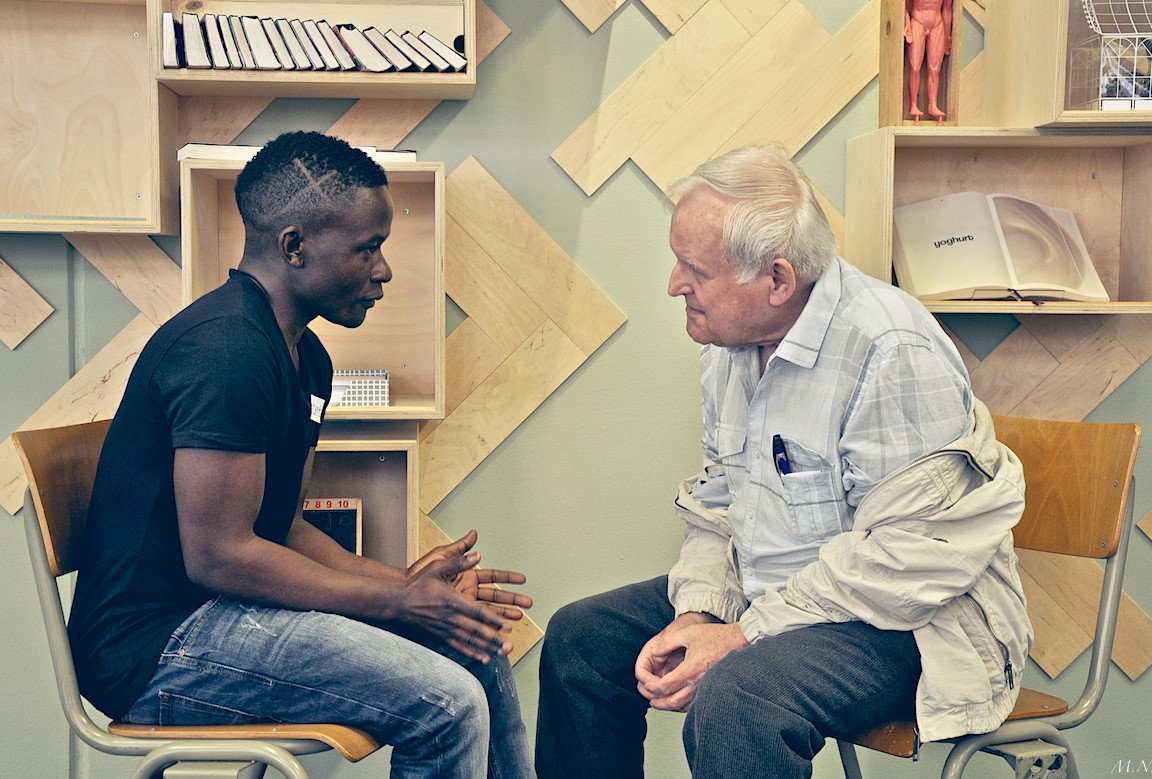
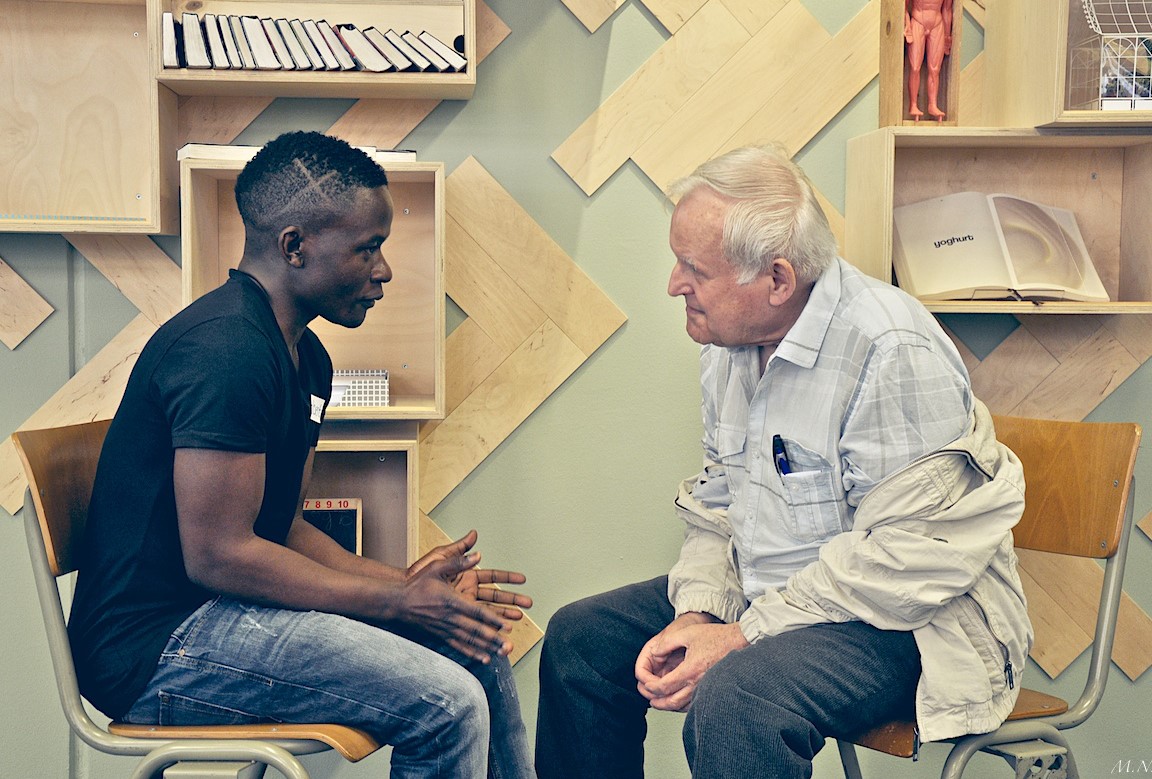
A Living Library is a place where the ‘books’ are people. Visitors ‘borrow’ a book for a twenty-minute conversation. During that conversation, visitors can ask questions they might not dare to ask in a normal situation. The living books provide open and honest answers to these questions.
Breaking down prejudices
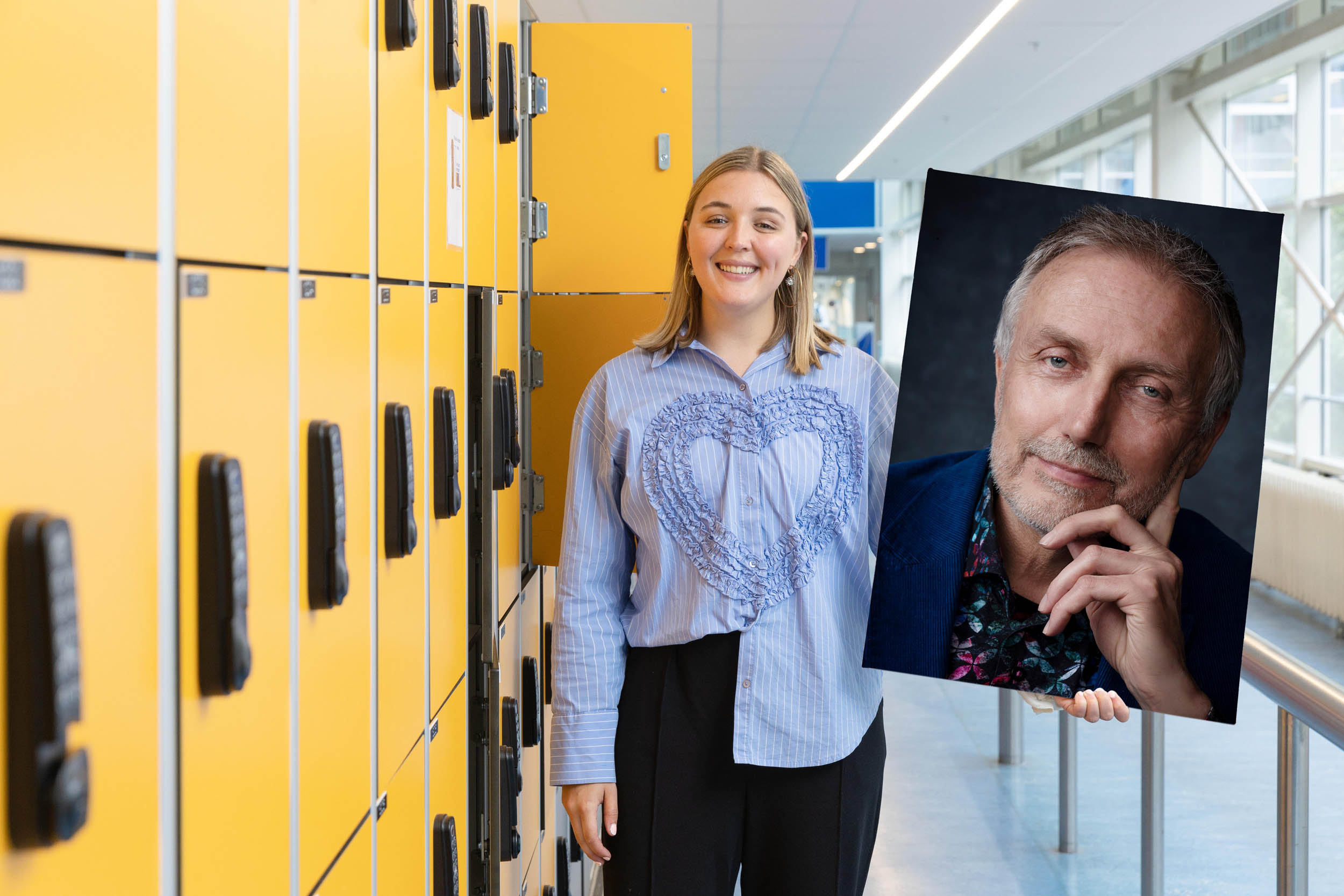
The ‘living books’ are people who often face prejudice or stereotypes. Think, for example, of a professor with a disability, a former miner, a transgender researcher or someone living on benefits.
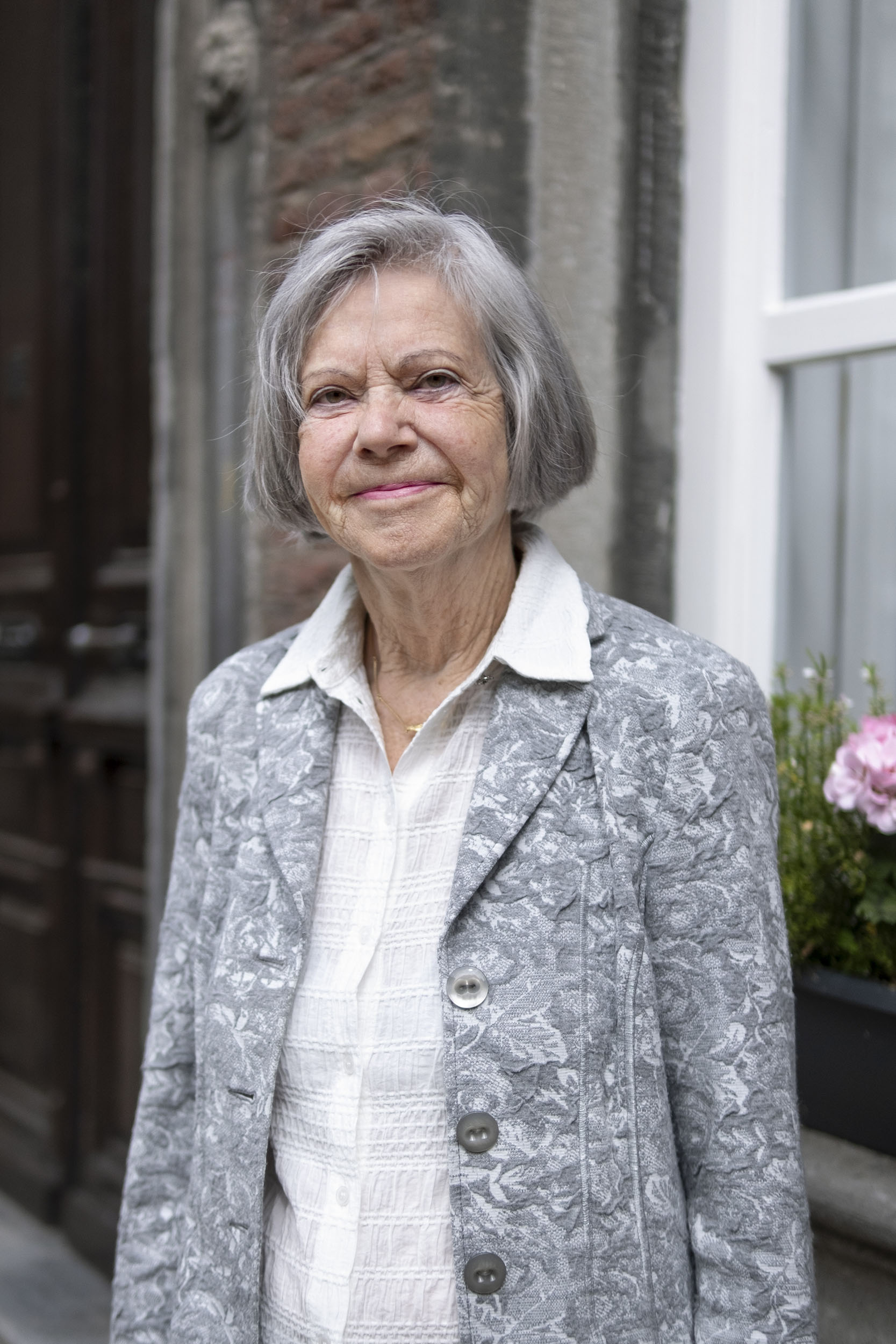
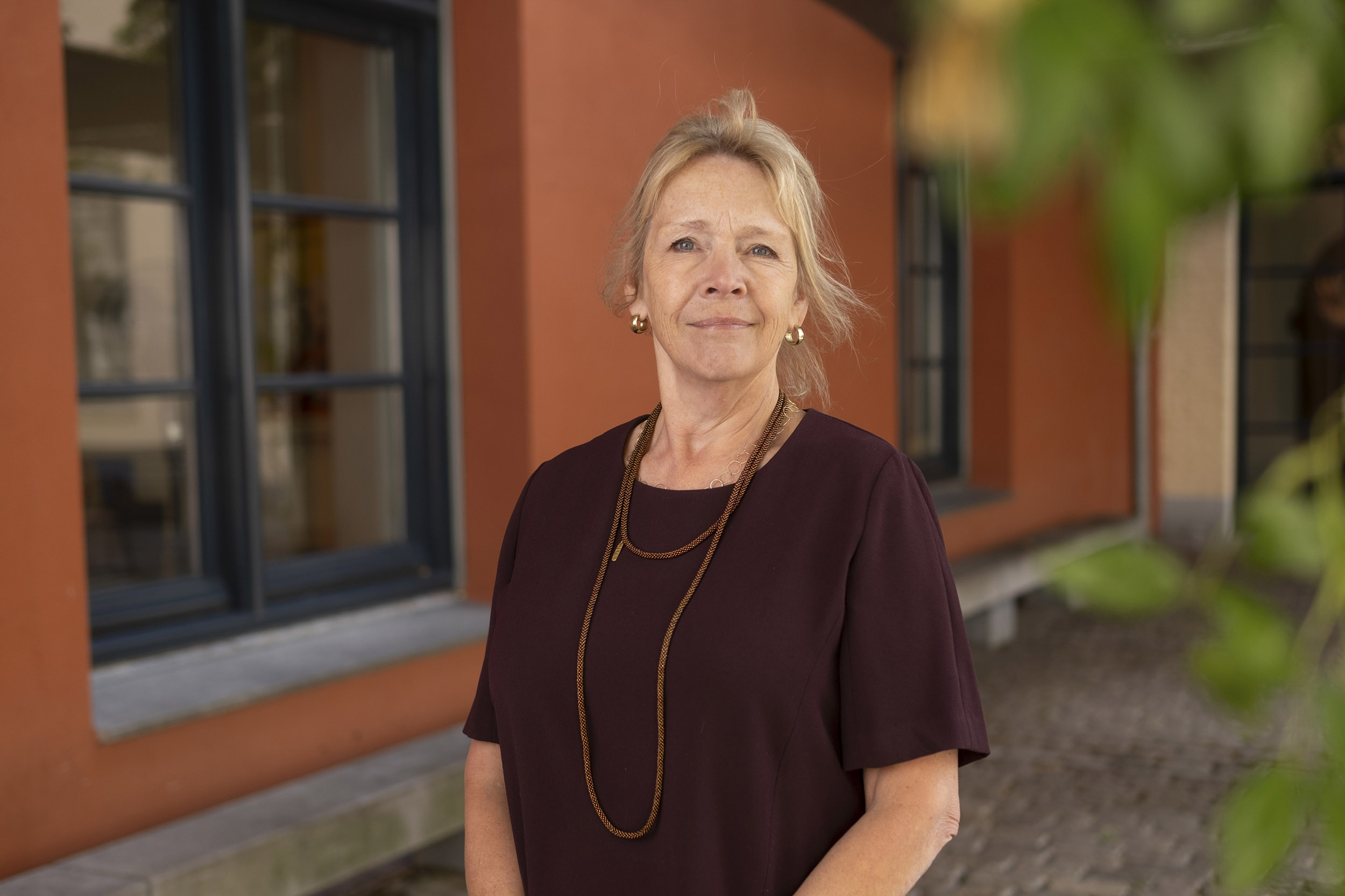
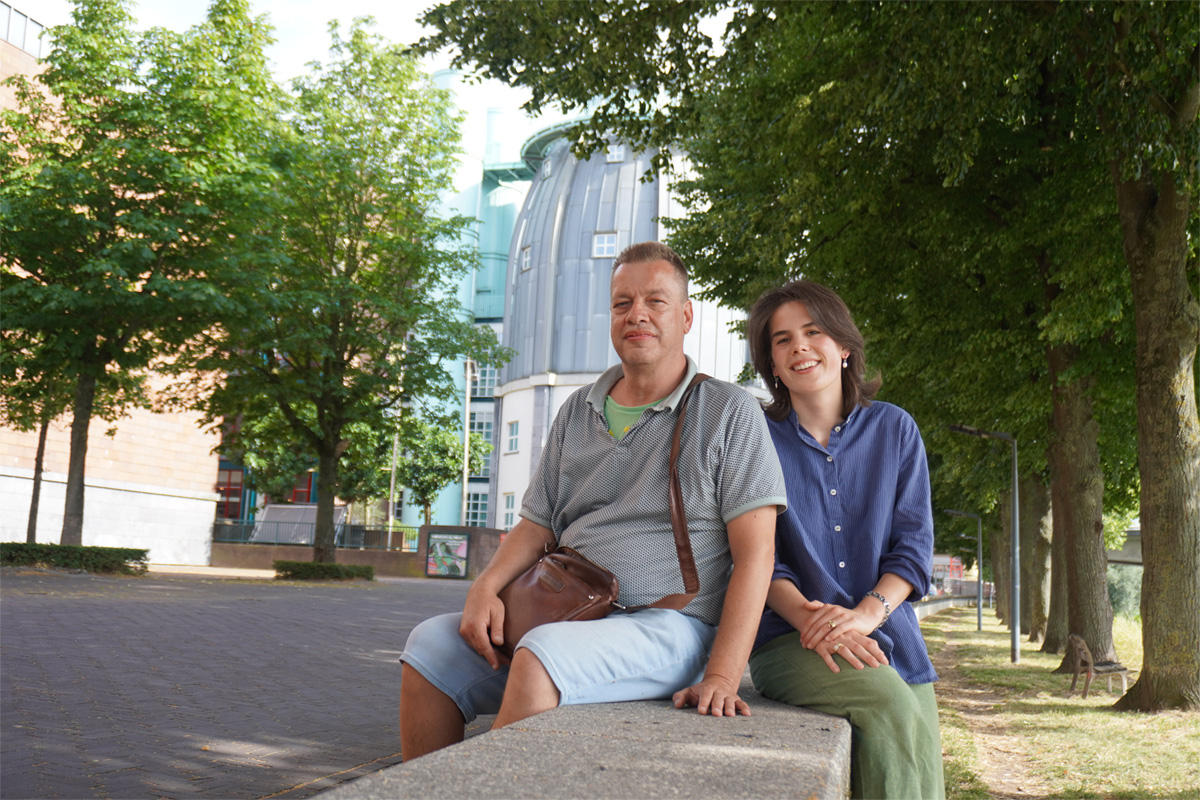
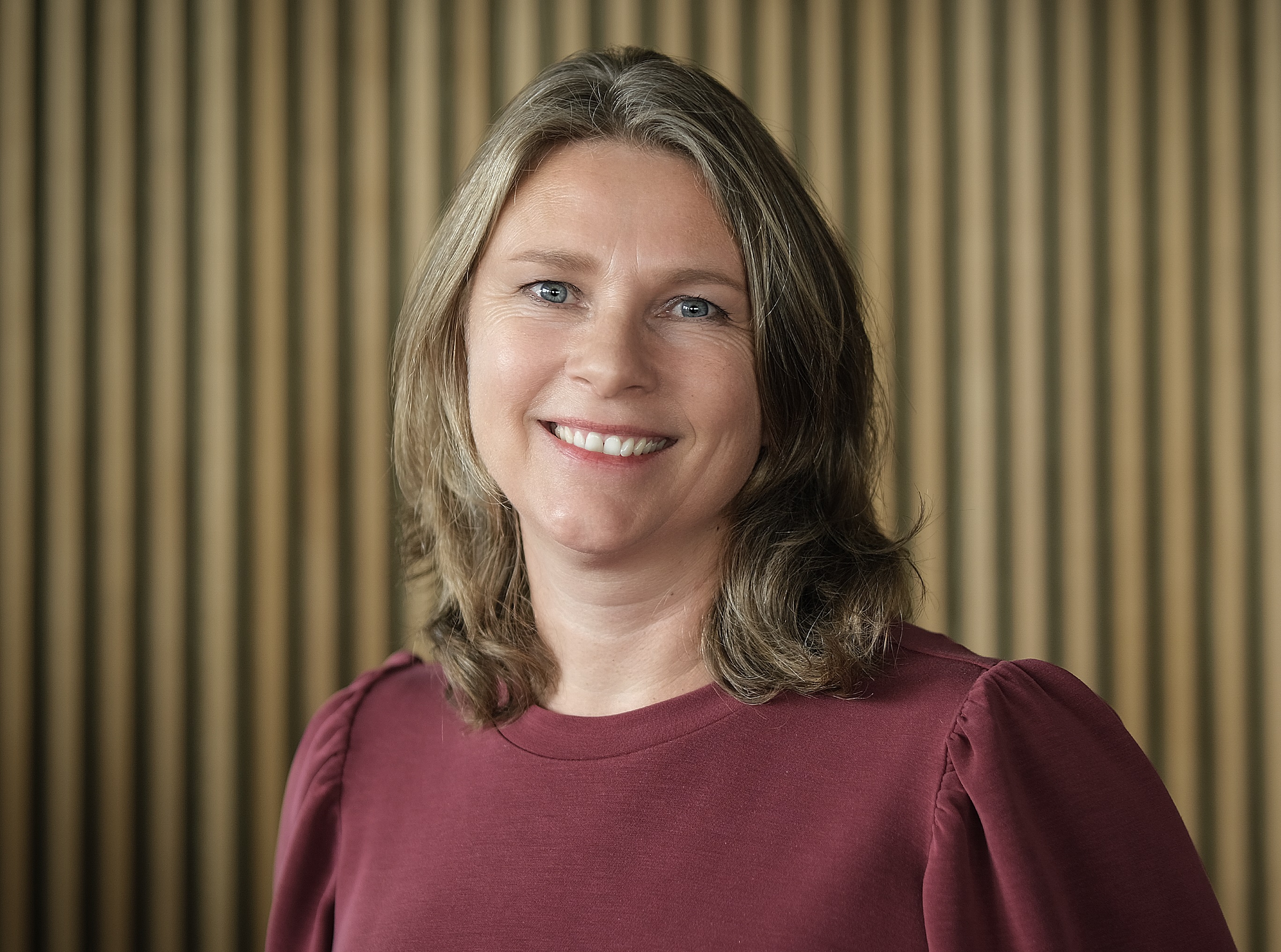
“It’s only when you’re face to face with someone telling their story that it really hits home,” says Netty Bekker-Vos, initiator and member of staff in the Diversity, Equity & Inclusion+ department at UM. “If the ‘living books’ don’t want to talk about something, they can say, ‘This chapter is closed.’ But that doesn’thappen very often, because people are keen to tell their stories. They want to challenge the prejudices they face.”
Valuable insights
Those preconceptions are precisely why it is so important for people to take part in a Living Library. “We all have preconceptions; that’s simply how our brains work”, says Bekkers-Vos. “If you take the time to really get to know the other person, you often gain some very valuable insights. You come to understand them better and learn to think less in terms of groups.”
That is sorely needed right now, if you ask Bekkers-Vos. “We live in a time when the differences between people seem to be growing ever wider, and we find ourselves increasingly pitted against one another. The UM’s Living Library is a small step towards breaking down that polarisation in society.”
When she took part in a Living Library herself, she realised that she, too, still had unconscious assumptions about certain people. That surprised her: “My work at UM revolves around diversity and inclusion. Even with all my years of experience, I learnt new things.”
Part of the region
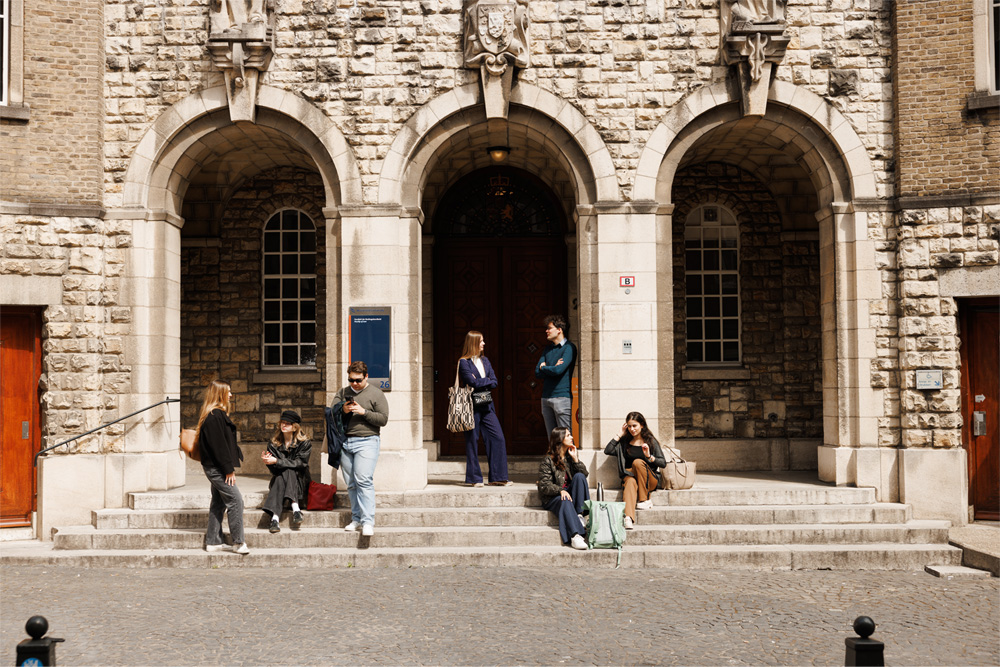
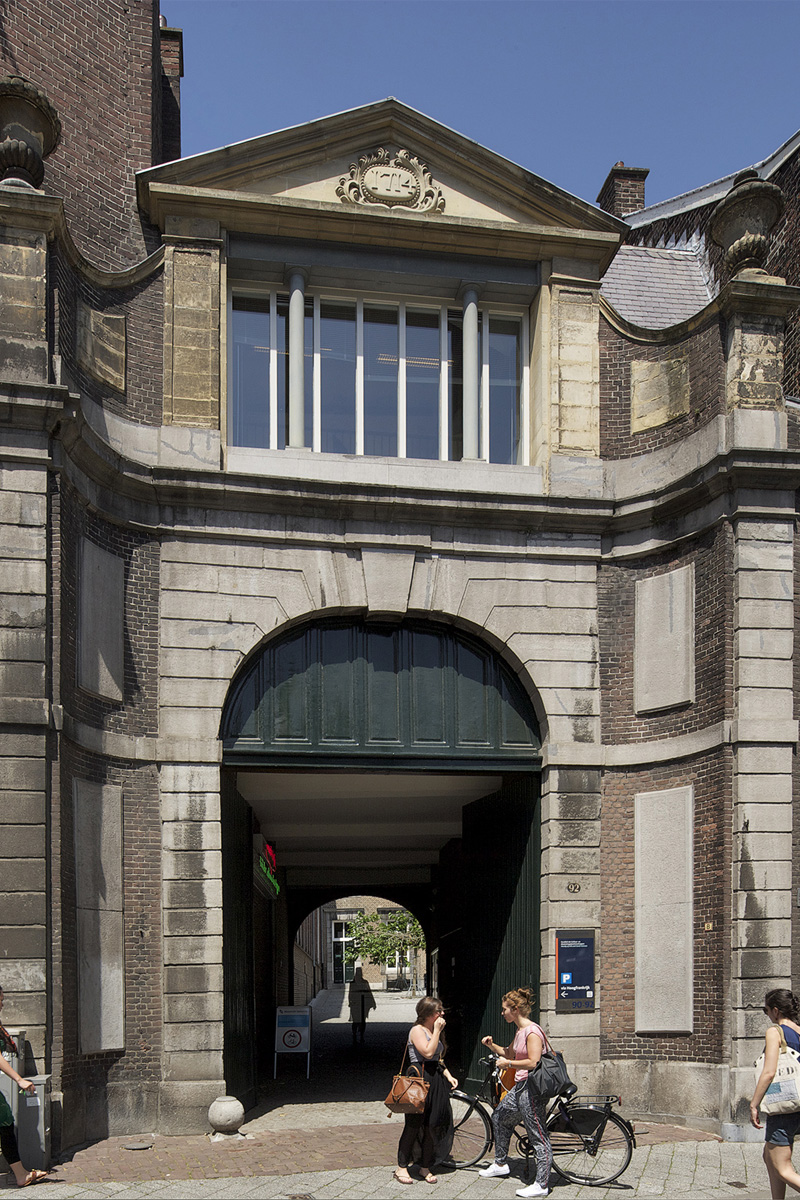
The two Living Libraries in October are being organised in collaboration with UM. One of the events will take place in the university library. You might well bump into a few UM staff and students amongst the living books.
“The living books are a mix of people from the region and from UM”, says Bekkers-Vos. “We often hear people talking about these different groups, but we’re actually all part of one society. That’s the beauty of these initiatives marking UM’s fiftieth anniversary: we can help people experience, on a deeper level, that the university is part of Maastricht and the region.”
Event information
Event 1: Living Library at the Randwyck University Library
Date: Thursday 1 October
Time: 1.30 pm–5.00 pm
Venue: Randwyck University Library
Universiteitssingel 50
6229 ER, Maastricht
Event 2: Living Library at De Rink
Date: Saturday 10 October
Time: 1.30 pm–5.00 pm
Venue: De Rink
Zoetmanstraat 75
6217 NT, Caberg-Maastricht
Each event will begin with a short opening address. You do not need to register to take part.
TText: Caya Forman
Photography: Joey Roberts