The
University Fund Limburg
is building a future with healthy brains
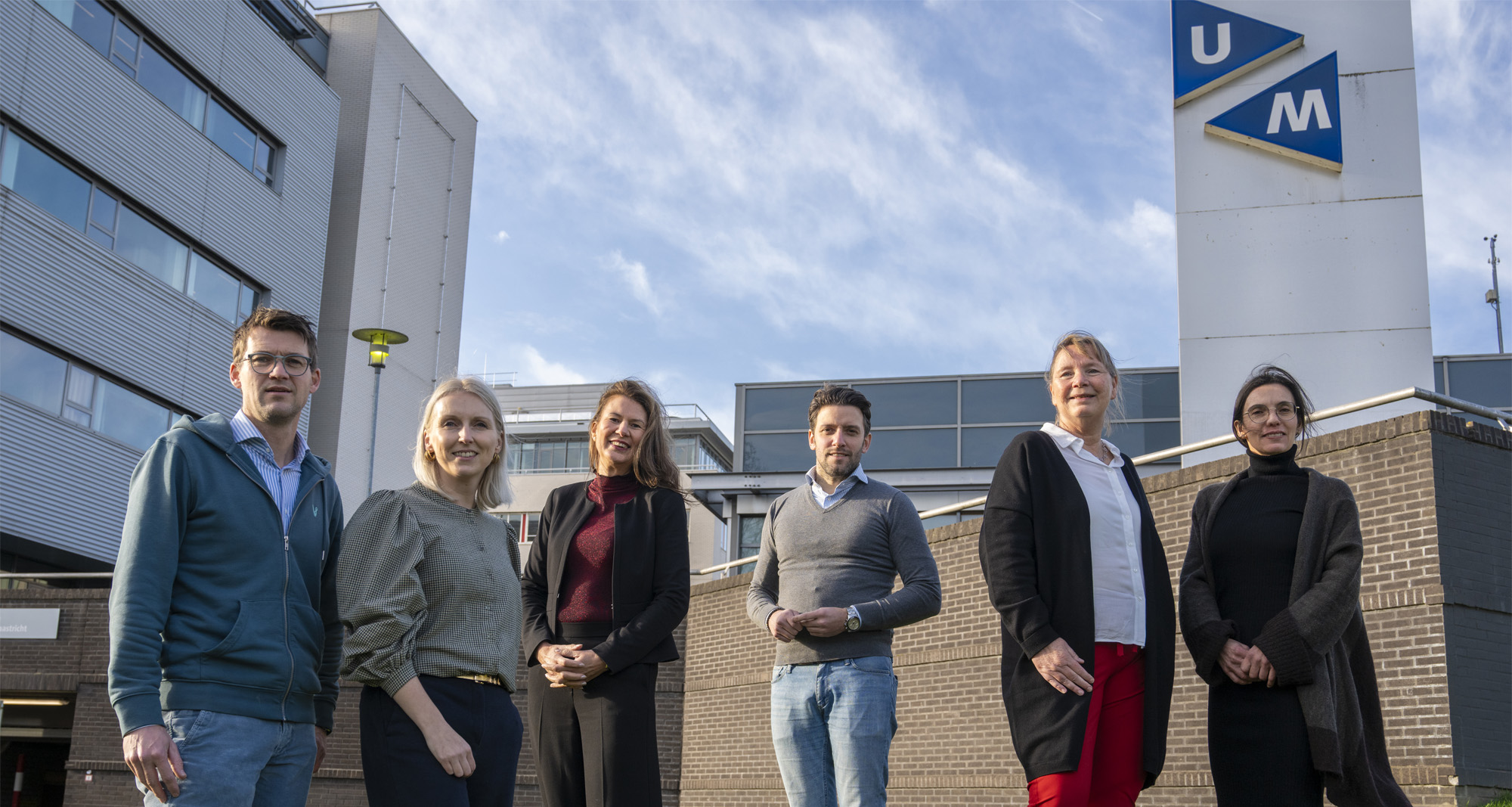
Our brains shape how we think, feel and live. Yet millions of people are affected by conditions that threaten this vital organ, from dementia and mental health problems to acute brain injury caused by a cycling accident or stroke. The University Fund Limburg (UFL) is working strategically with four of its Named Funds—the Brain Battle Fund, the Brain Injury Fund, the Age@Minds Fund and the Smart Tears Fund—to build a future with healthy brains.
In the Netherlands, 25% of people live with a brain disorder, a figure that continues to rise. This is a serious concern: patients often experience a lower quality of life or require long-term, intensive care. It also poses a challenge to society through growing pressure on the healthcare system. The urgency to improve brain health has therefore never been greater.
Multidisciplinary brain health research at Maastricht University spans the full spectrum, from cellular processes to human behaviour. UM plays a leading role in the field both nationally and internationally. At the same time, private individuals—including alumni—and organisations are increasingly willing to contribute to brain health research. This creates a powerful movement to tackle these challenges together.
Help build.
Contribute.
Scientific innovation can enable earlier detection of disease, offer people with dementia more effective therapies and improve survival and recovery after acute brain injury. Do you want to help build a future in which brain health is within reach for everyone? You can contribute via www.ufl.nl/en.
Joint mission
Brain health is a particular focus of the philanthropic partnerships the UFL forms to strengthen cutting-edge research at UM. The UFL has established four Named Funds, each with its own angle across the different phases of illness: prevention, diagnosis, therapy and rehabilitation. Their shared mission is clear: to improve the quality of life of patients and their loved ones through smart technology, better diagnostics and personalised treatments.
To bring these themes to a wider audience, the Funds organise a range of public fundraising campaigns, from art auctions to cycle races. Such initiatives are a good match for the UFL’s preferred approach: creating visible impact with broad public support.
by committed volunteers.”
Brain Battle Fund
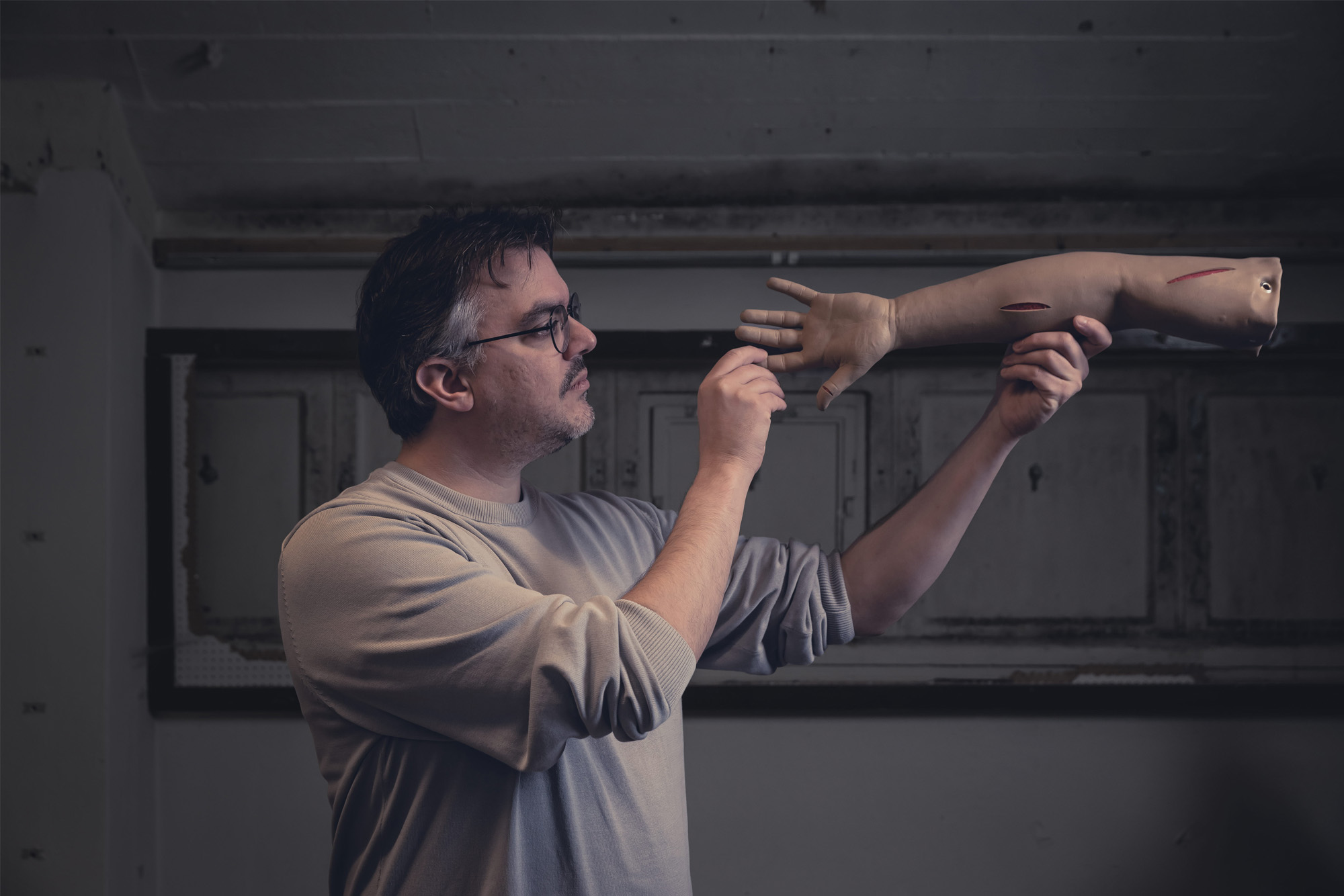
Led by Dr Marcel Ariës, the Brain Battle Fund aims to improve care for patients with severe brain injury. After a stay in intensive care, many leave hospital with lasting damage. Because prevention is better than cure, the Brain Battle Fund also focuses on preventing brain injury, with campaigns on issues such as bike safety.
Brain Injury Fund
The Brain Injury Fund, led by Professor Caroline van Heugten, goes a step further by also supporting patients’ loved ones. This Fund is active in all stages of recovery, with the aim of improving physical and cognitive rehabilitation, including the emotional wellbeing of patients and the people around them.
Age@Minds Fund
Mental illness is one of the most common brain-related health problems, particularly among older people. Led by Dr Sjacko Sobczak, the Age@Minds Fund focuses on treating psychological symptoms that can be difficult to recognise in dementia, such as post-traumatic stress disorder (PTSD). The Fund aims to improve older people’s quality of life and independence.
Smart Tears Fund
There is also much to be gained in dementia detection. Dr Marlies Gijs discovered that disease-specific substances (biomarkers) for Alzheimer’s disease can be detected in tear fluid. The Smart Tears Fund was established to further investigate this finding.
Gijs and colleagues are exploring when tears can best be used in the course of the disease: during diagnosis, to make predictions, or to monitor whether a therapy is effective. While tear fluid has long been used in ophthalmology, for example to diagnose dry eye, its use in brain disorders is still new. “Yet it makes sense, given the direct connection between the eyes and the brain,” she says. “Tear fluid can also be collected quickly and easily using a paper strip that absorbs basal tears, the tear film that’s always present on the surface of the eye.”
Her ambition is for this method to become a standard part of clinical care. “My hope is that tear-fluid collection can eventually replace an epidural, and that we can use it to detect not only Alzheimer’s earlier, but also other brain disorders.”
move society forward!”
Scientific innovation through social engagement
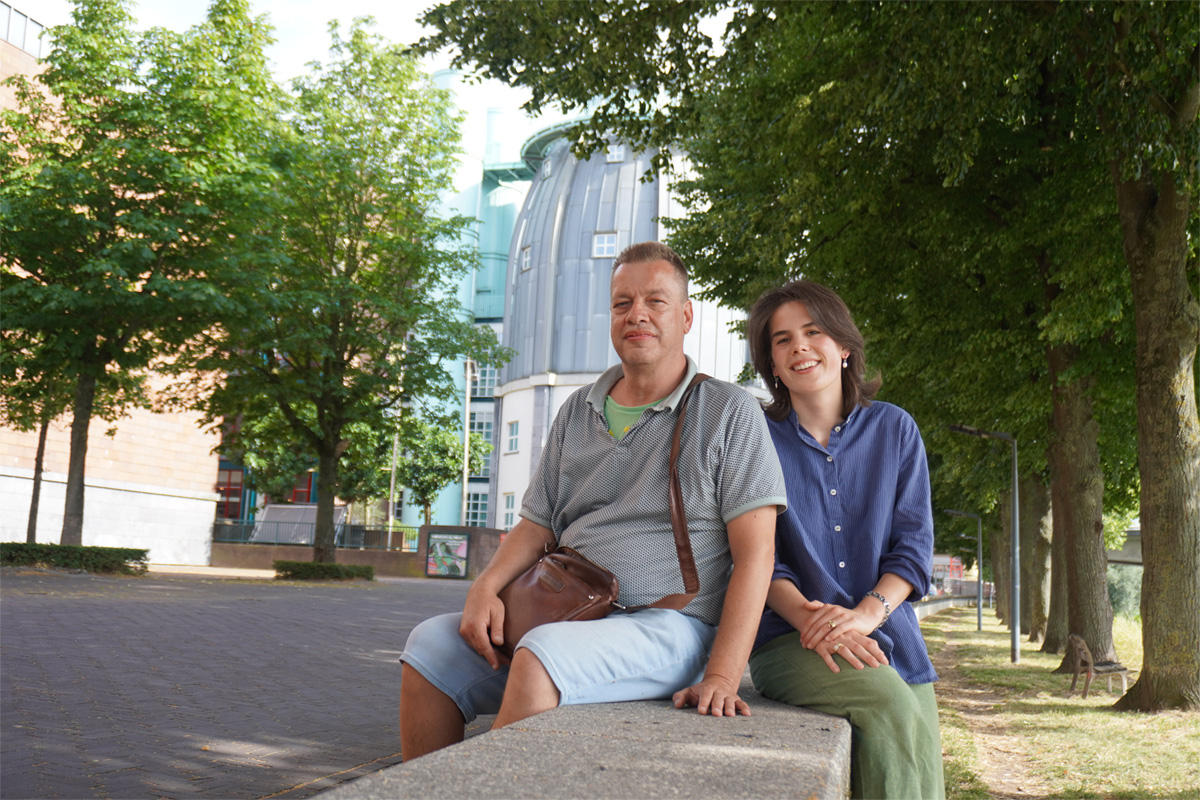
The success of these Funds depends in part on donors who support research. Hans Petri was among the first cohorts of medical students in UM’s early years. Inspired by that formative experience, he co-founded an alumni group in London. With undiminished enthusiasm, he is now actively committed to supporting these Funds. “I’ve always been involved with UM. I like putting my energy towards a good cause by backing research that improves brain health. Because I worked in the medical profession, healthcare projects appeal to me.”
Petri contributes on several fronts: he supports the Smart Tears Fund financially, has advised the Age@Minds Fund and volunteers with the Brain Battle Fund. “It’s wonderful to see what can be achieved by committed volunteers.” Thanks to his dedication, he is able to make a difference, stay connected to the wider UM community, and have a positive impact on society. “I would say to everyone: don’t wait until you retire. Think now about how you can support your alma mater. Show your commitment and help move society forward!”
Text: Noa Reijnen
Photo: Alf Mertens
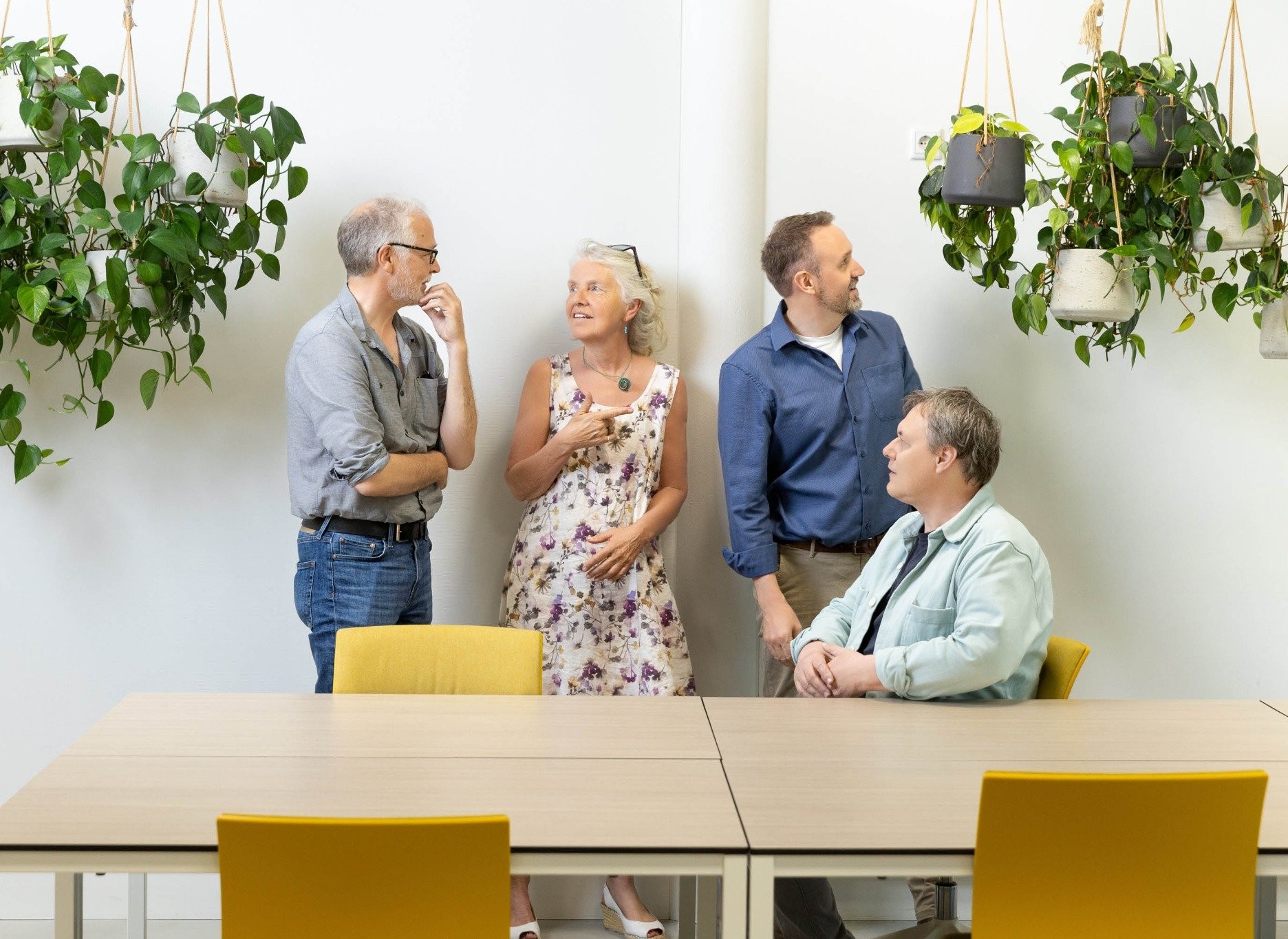
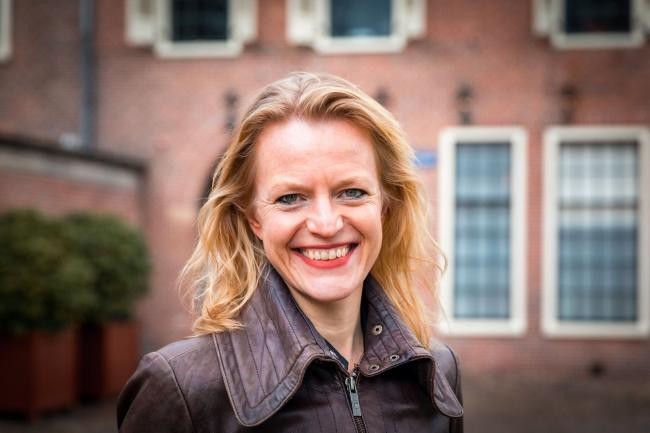
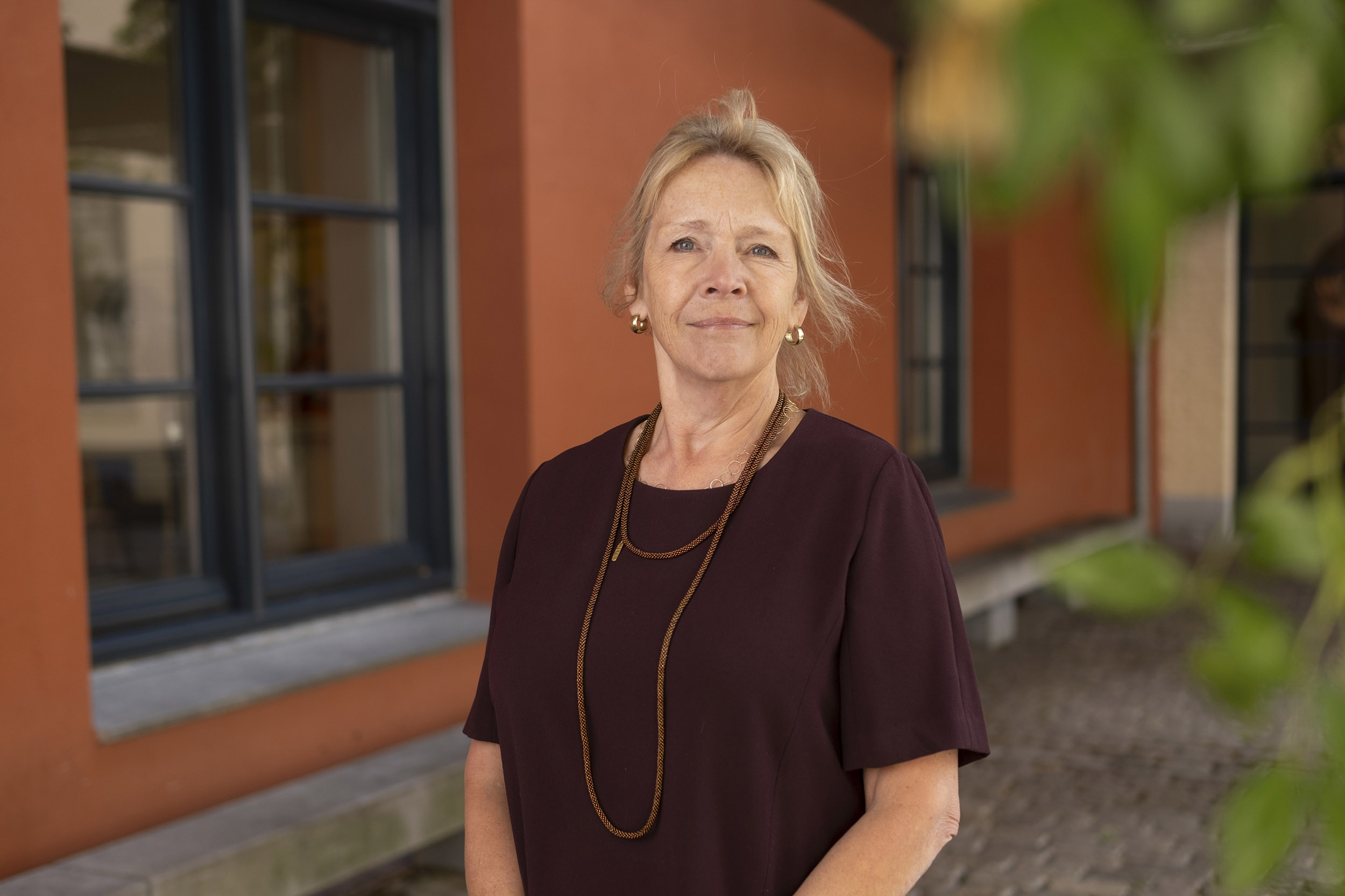
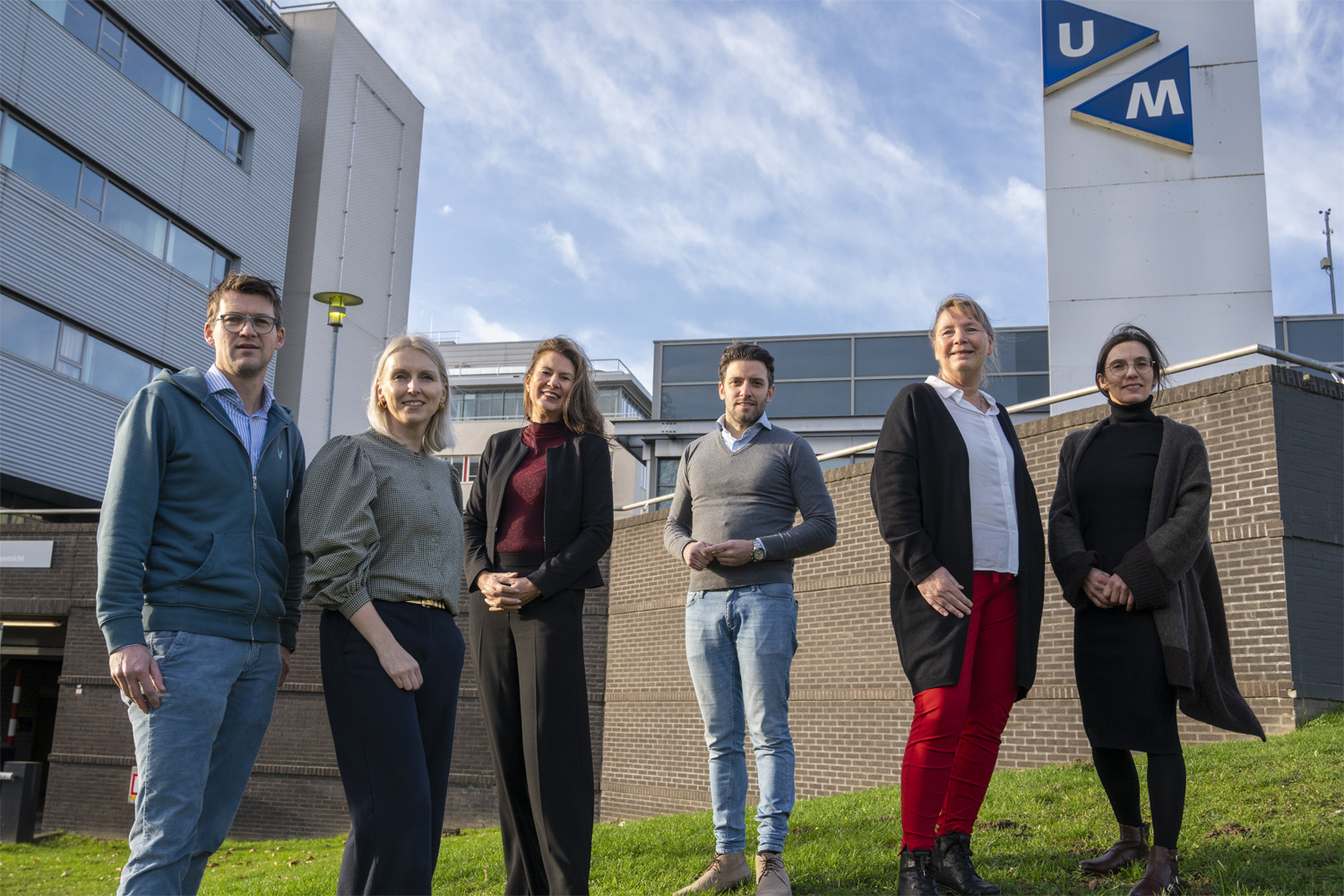
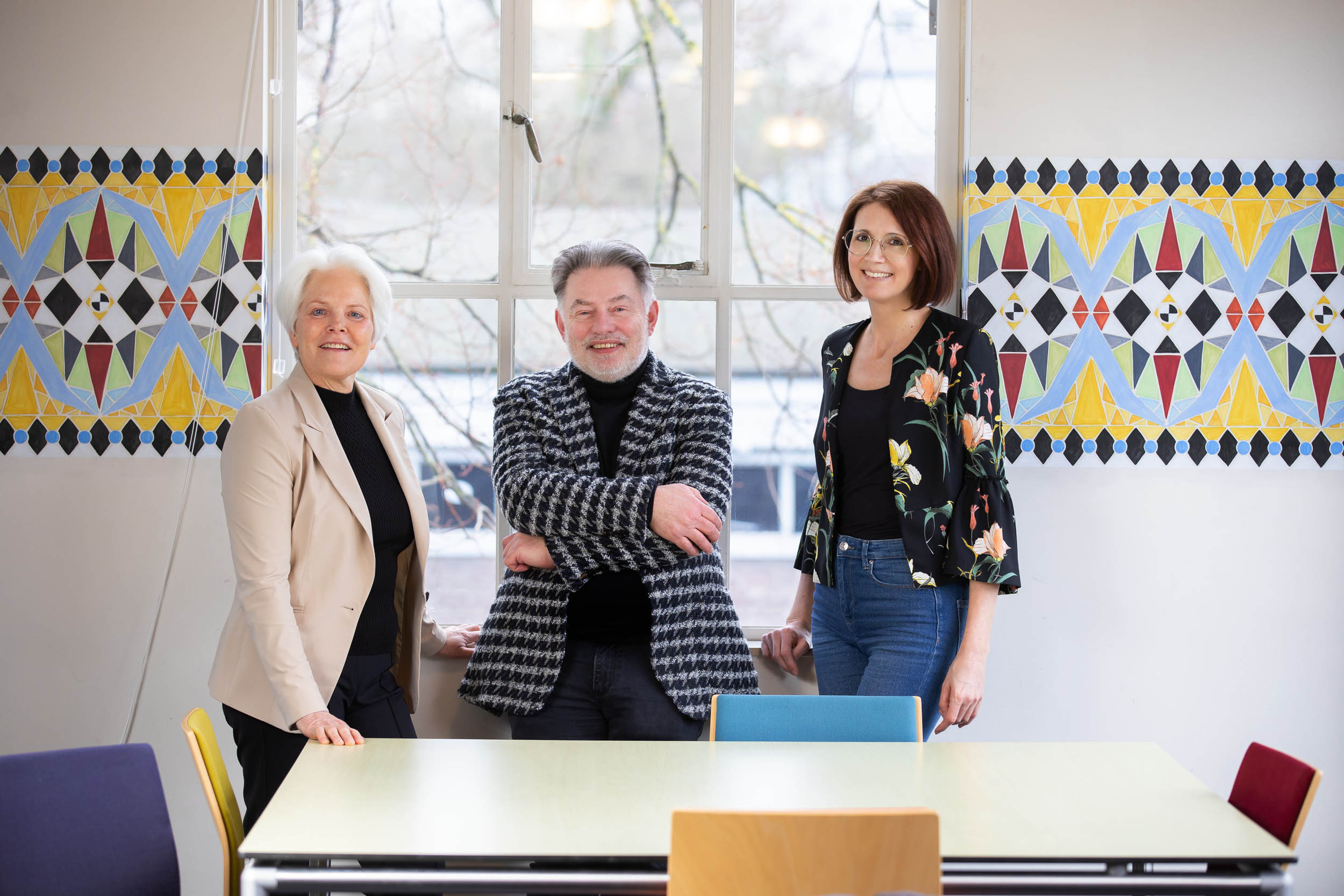
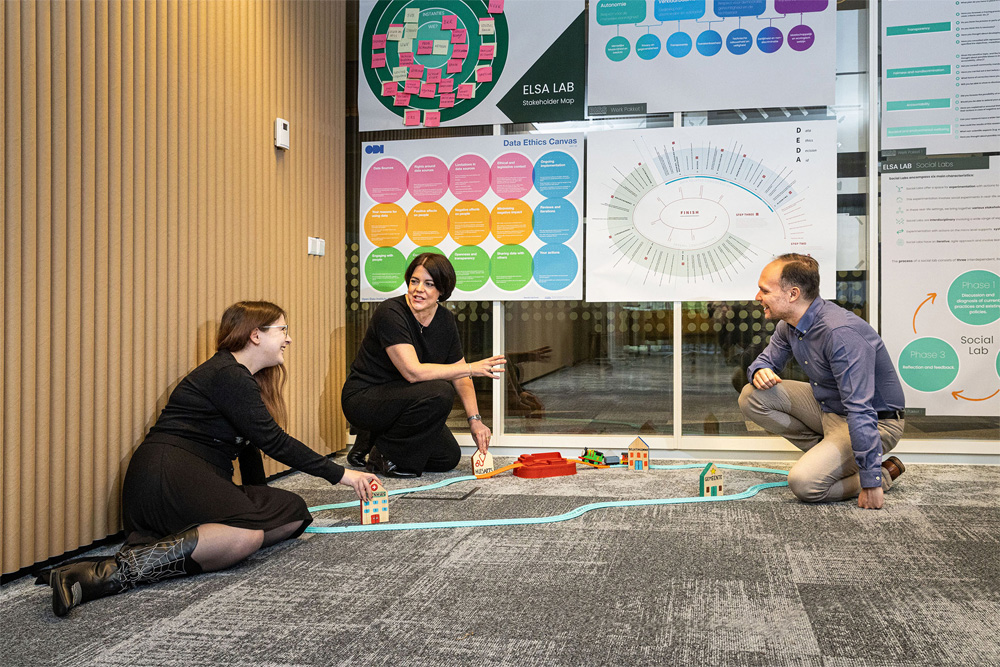
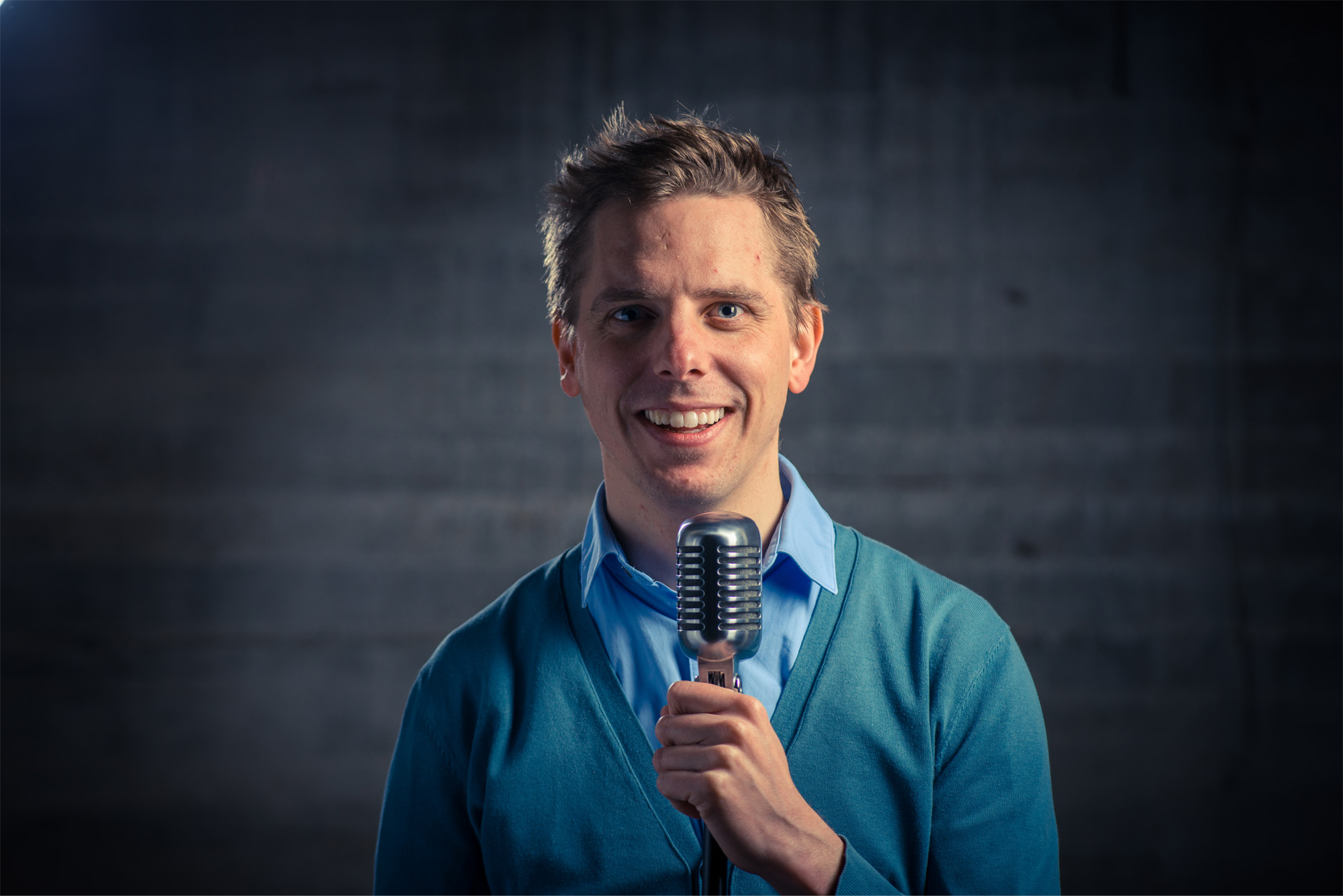
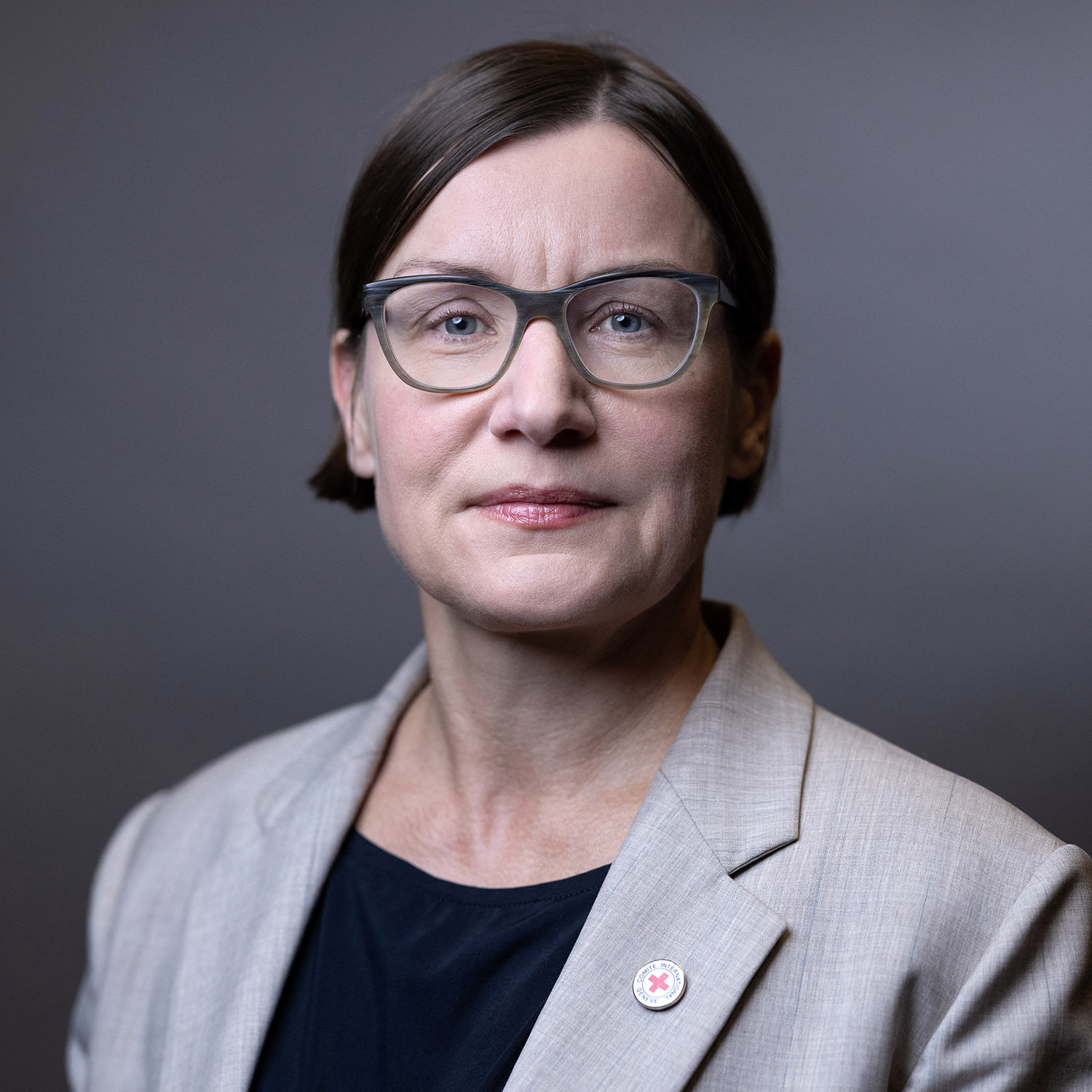
In the photo:
Marcel Ariës (Brain Battle Fund),
Marlies Gijs (Smart Tears Fund),
Bouwien Janssen (UFL),
Guido Vanderbroeck (UFL),
Caroline van Heugten (Brain Injury Fund),
Sjacko Sobczak (Age@Minds Fund)