Together
against poverty
This year, UM is celebrating its 50th anniversary, marking 50 years of engagement with society through our education, research and wider initiatives. We’re proud of the many great initiatives UM is involved in, and of the active role our students and employees play in society. During this anniversary year, we’re shining a spotlight on a selection of initiatives that have emerged over the past half-century.
“Poverty goes far beyond spending less or earningmore”
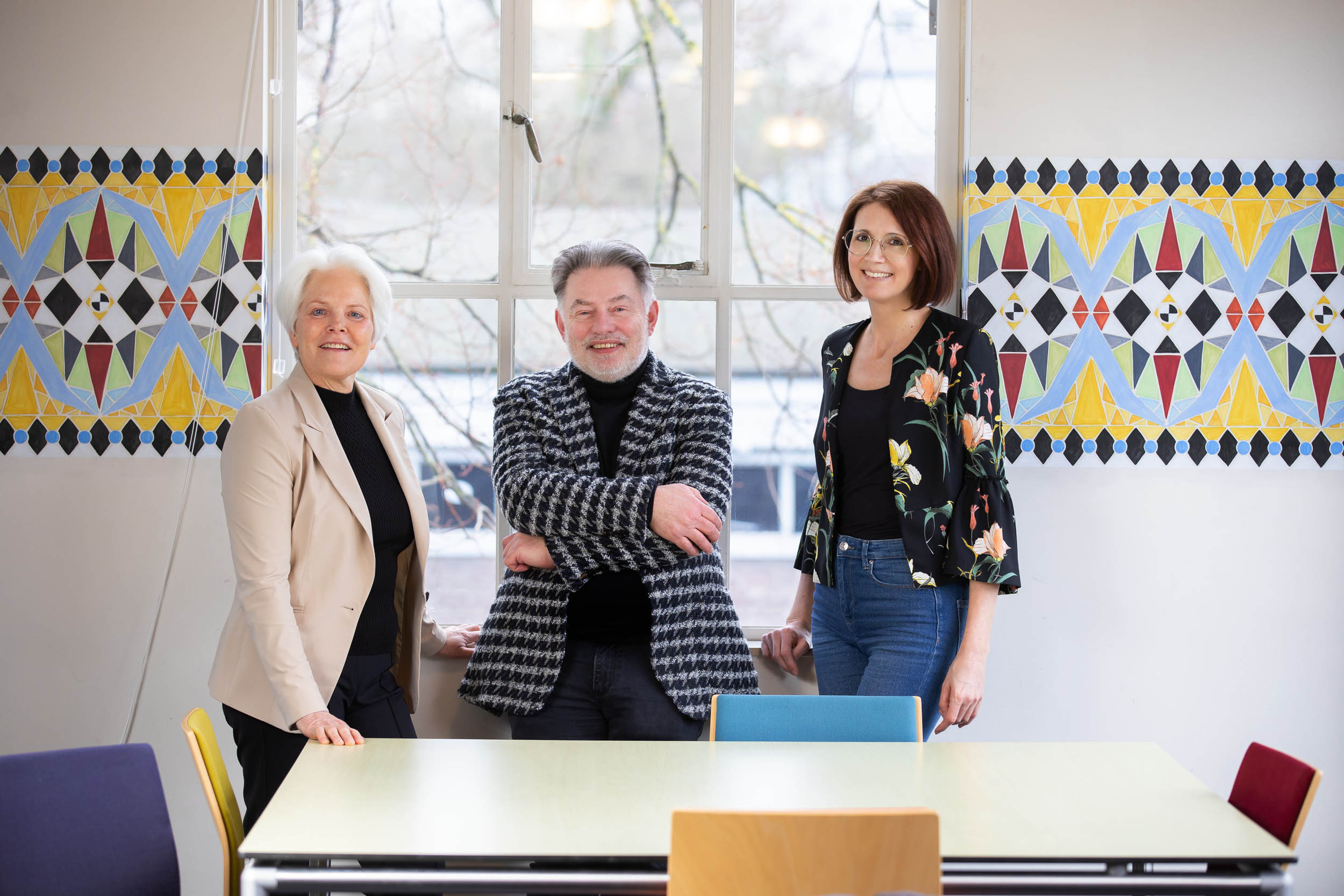
Poverty is not always visible from the outside. In Maastricht too, there are families who struggle to make ends meet and, as a result, sometimes face a range of other problems. Fortunately, there are many organisations that want to support them. However, people do not always know about these organisations or how to reach them, and the organisations themselves do not know enough about one another. The Day of Charity on 25 September aims to change this. Ronald Wilmes, Hans Kasper and Latifa Abidi – all three involved in the event – explain what is needed to tackle poverty effectively.
Poverty can be closer than you think
When we think of poverty, we often think of people in developing countries. But poverty also exists closer to home, emphasises Ronald Wilmes. “Poverty can be just as profound in our own communities. It can affect families in your immediate surroundings, sometimes without you even realising it.”
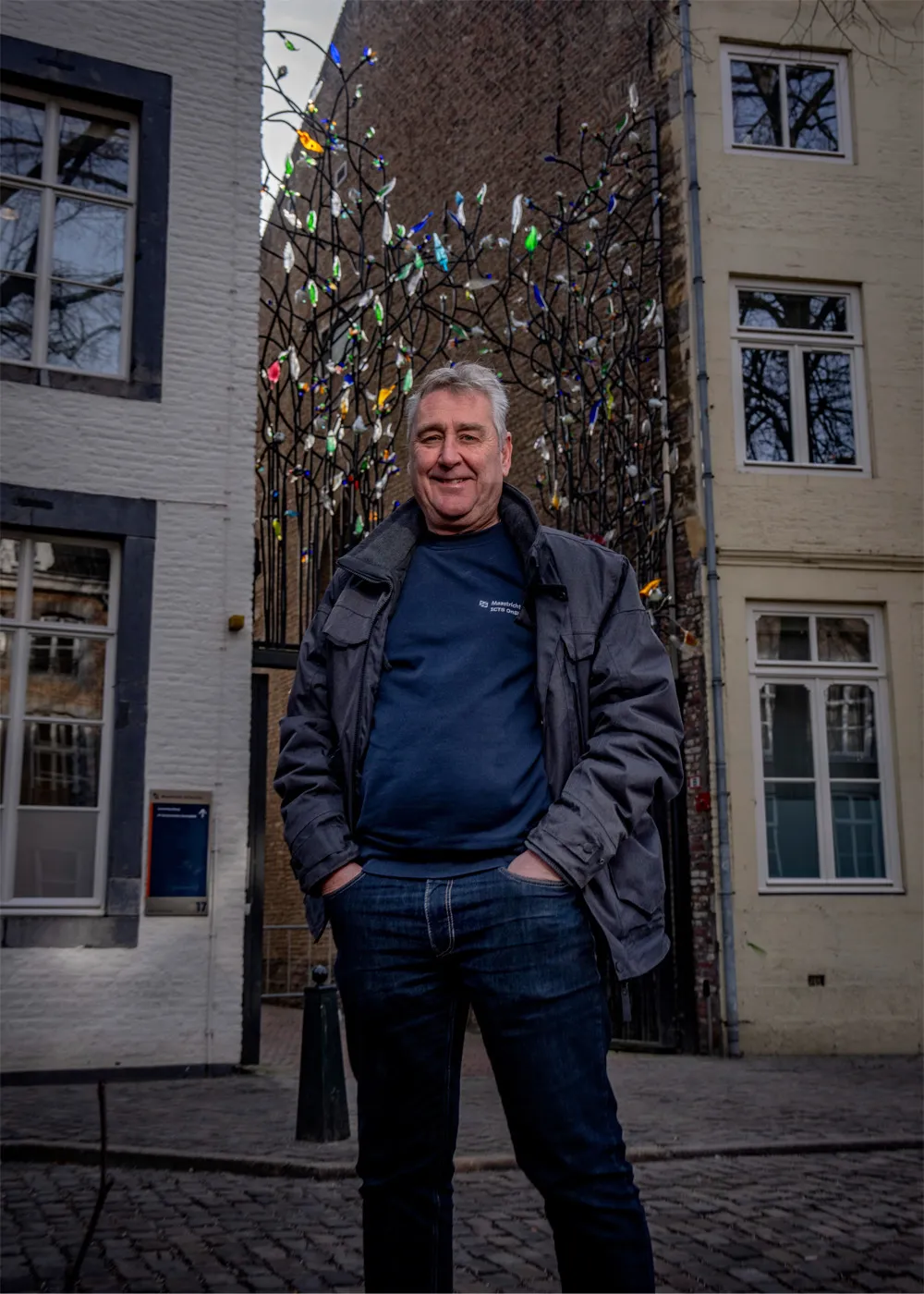
Wilmes is the former Head of Real Estate at Maastricht University and a board memberof Stichting Kanunnik Salden/Nieuwenhof. The foundation supports social, cultural and community initiatives in Maastricht and the surrounding area, including music and sports activities for children and young people. “By giving young people a solid foundation, we increase the likelihood that they will be able to participate fully in society later in life,” he explains.
University lecturer Latifa Abidi also sees that financial problems extend far beyond someone’s wallet. “People experiencing financial difficulties also experience stress as a result. This, in turn, affects their health.” Research has shown that people in lower socioeconomic positions can experience significant health inequalities. “That is why it is important to strengthen their socioeconomic position and, in doing so, reduce health inequalities.”
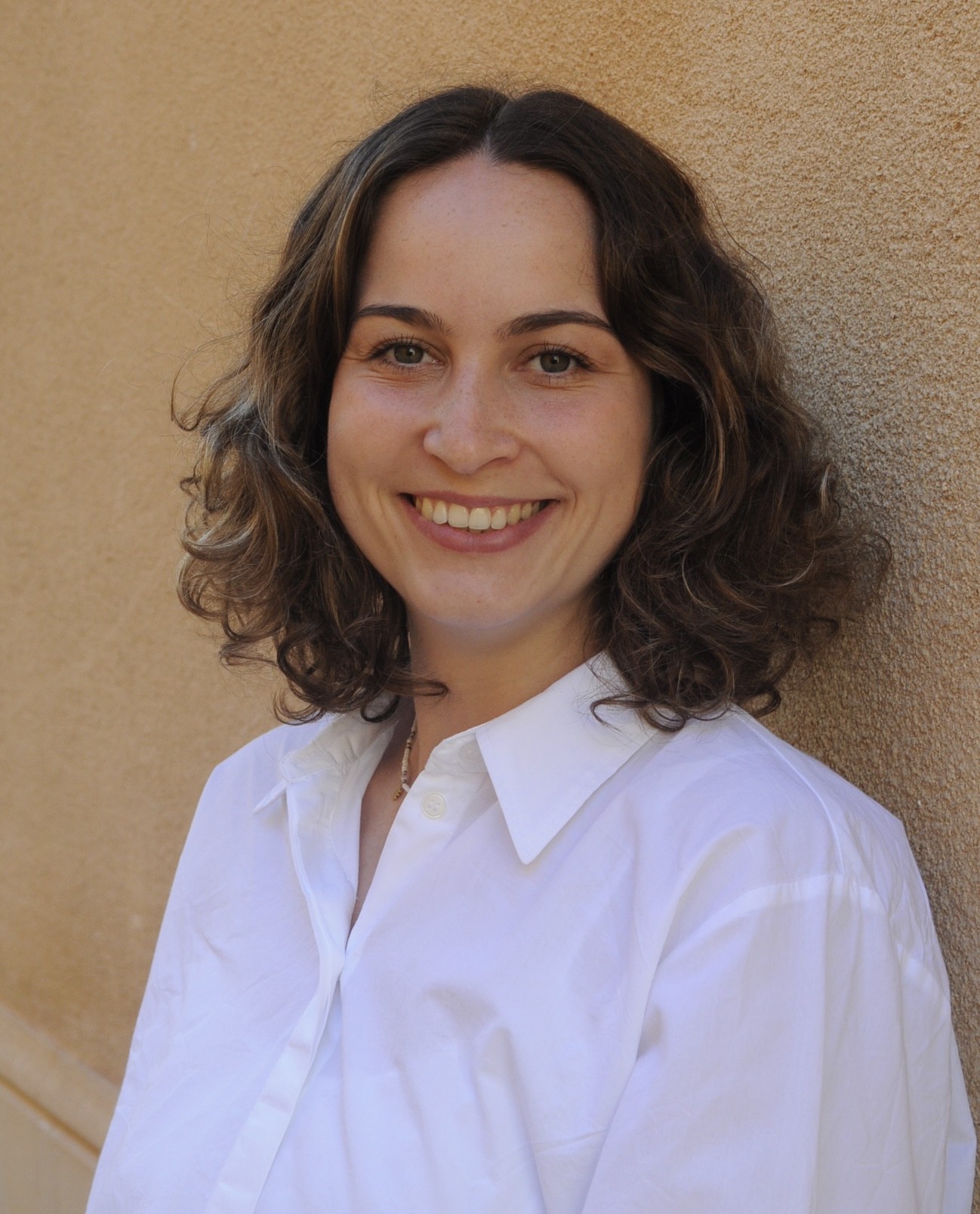
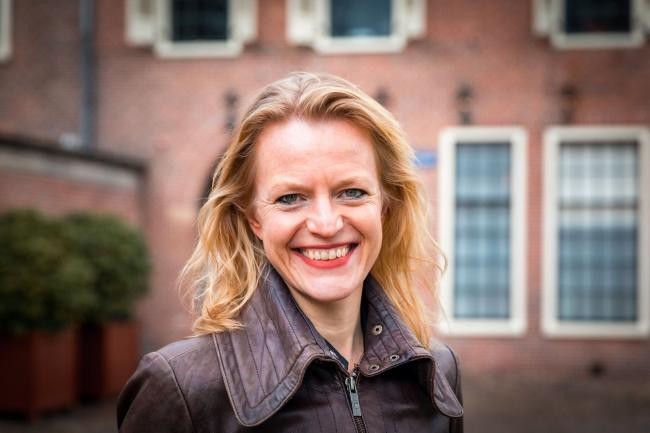
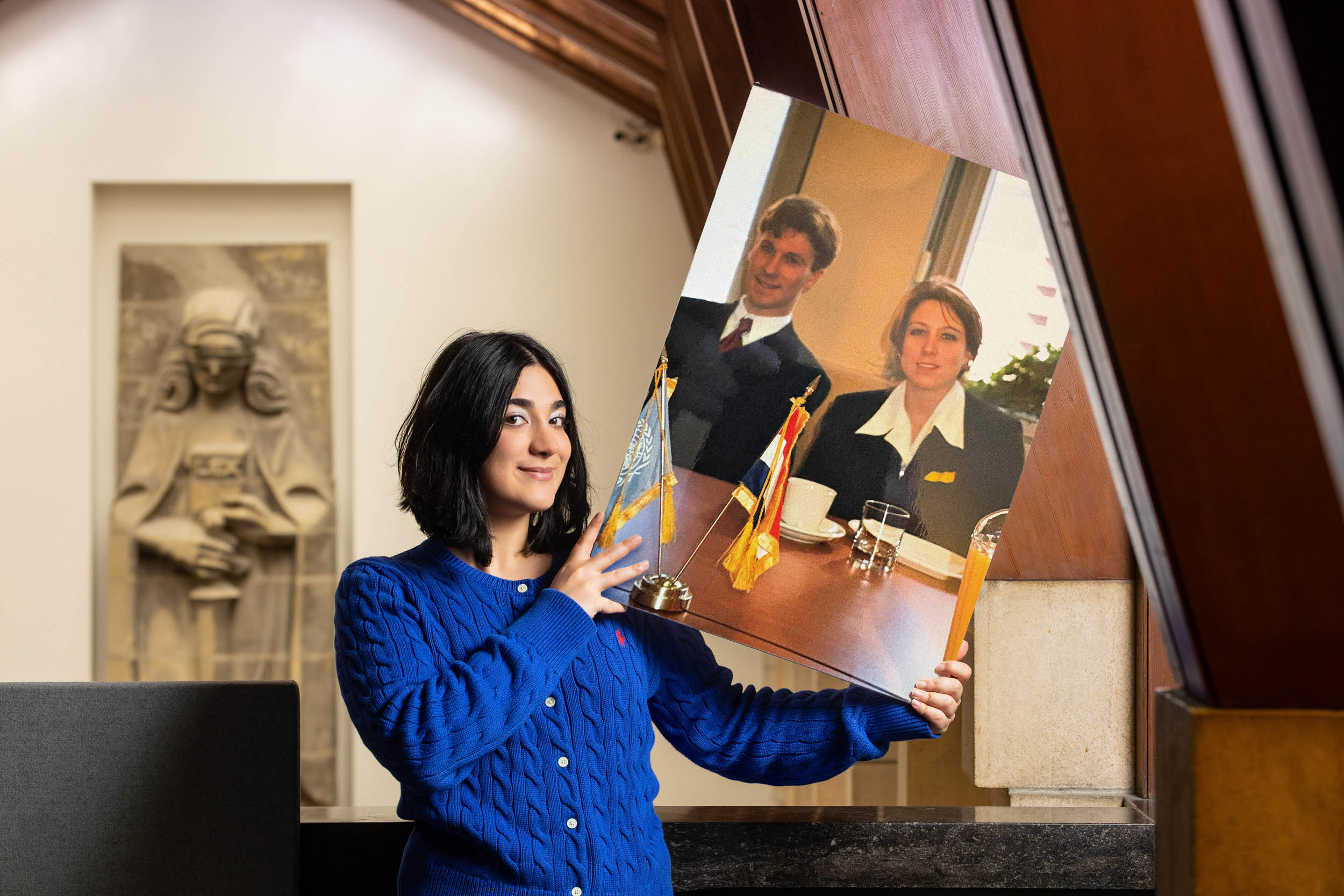
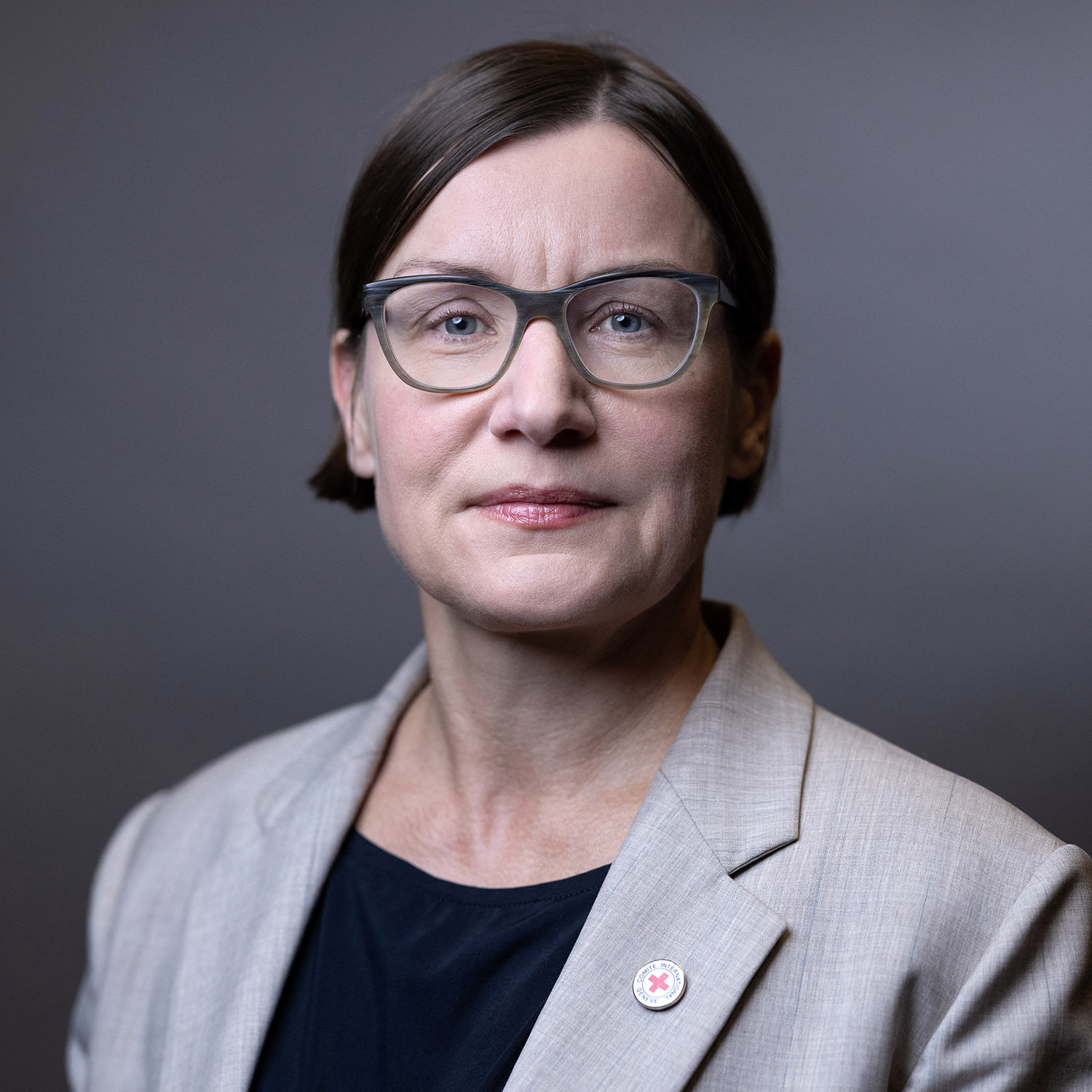
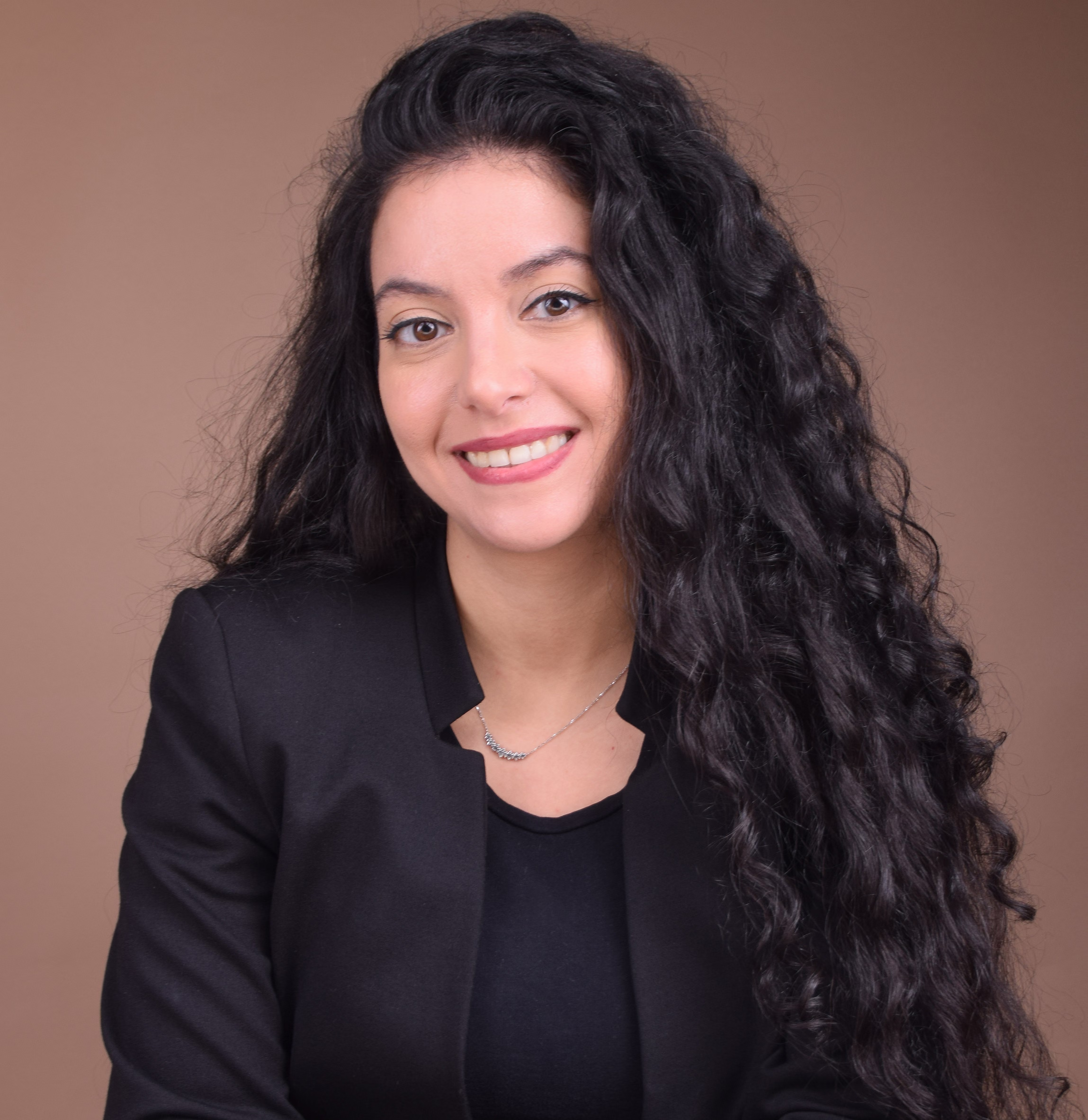
Latifa Abidi
Latifa Abidi is assistant professor at Maastricht University. At the Day of Charity, she will give a keynote on socioeconomic health inequalities and inclusive research. Abidi believes it is important that people whose voices are often heard less are involved in scientific research on an equal and active basis. This will therefore be one of the themes of her talk.
More than a financial problem
Hans Kasper, emeritus professor of Marketing and Supply Chain Management at Maastricht University, became more closely involved in tackling poverty after his retirement. In 2018, his Rotary Club Maastricht asked the then Mayor, Annemarie Penn-te Strake, what the club could do for the city. Her answer was clear: find a way to tackle poverty in Maastricht in a structural and sustainable way. A great deal was already being done, but the number of people living in poverty was not decreasing.
Kasper and the other Rotary members subsequently realised that poverty goes far beyond what someone earns or spends. He explains: “Families living in poverty may face a range of problems at the same time. These can include unemployment, poor housing, health problems, debt, or simply not knowing which organisation to turn to for help.”
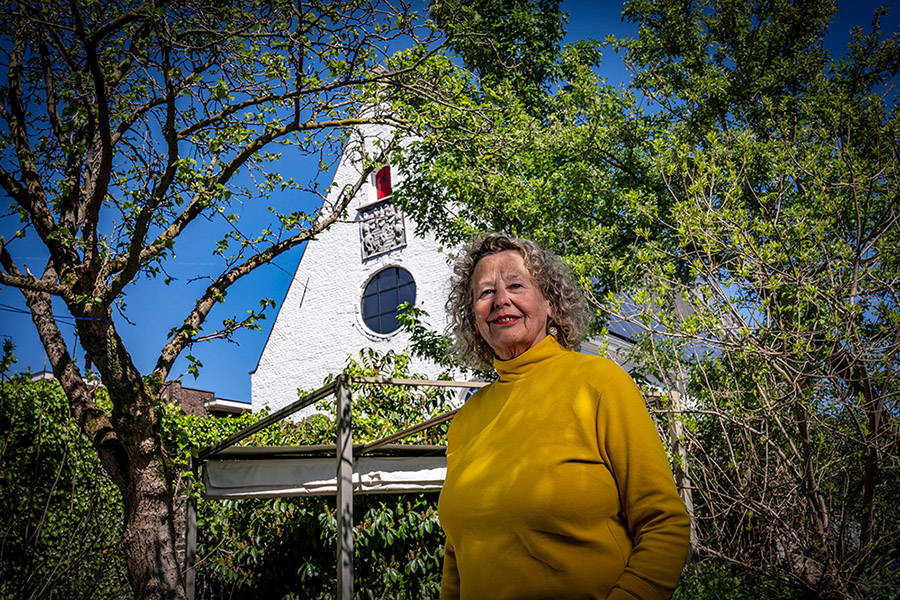
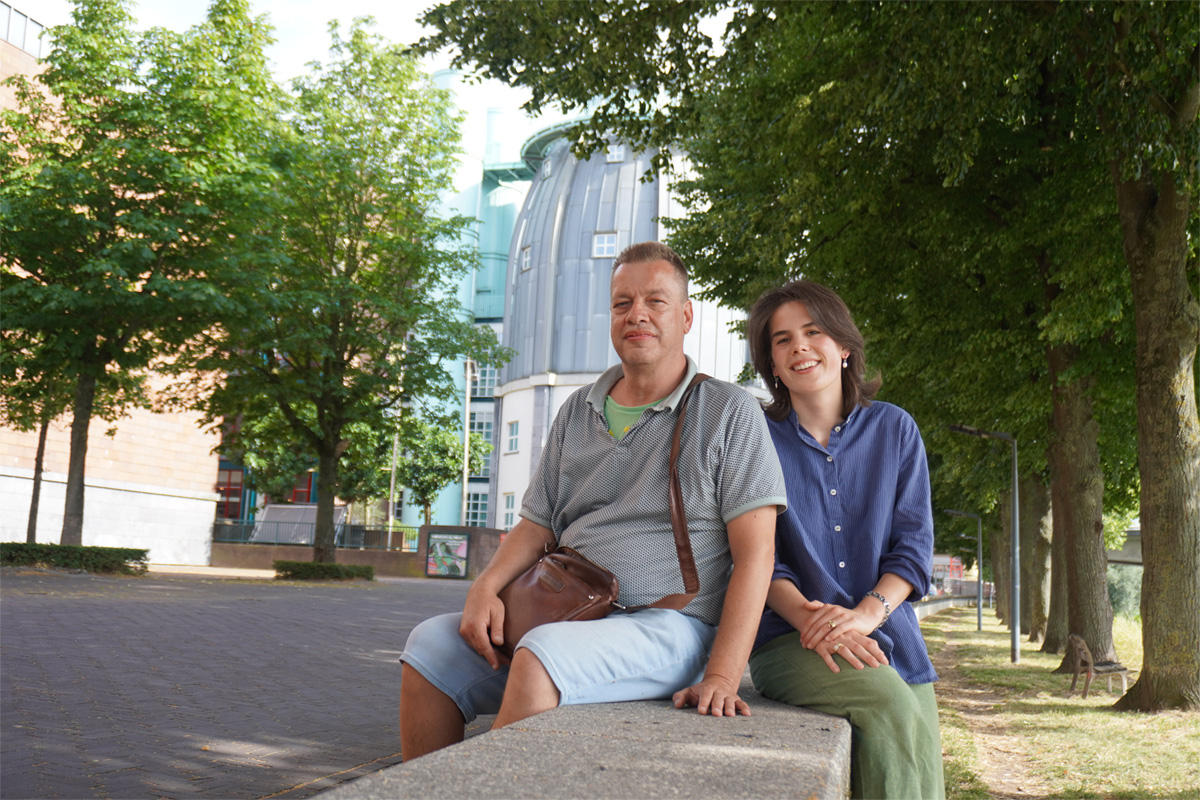
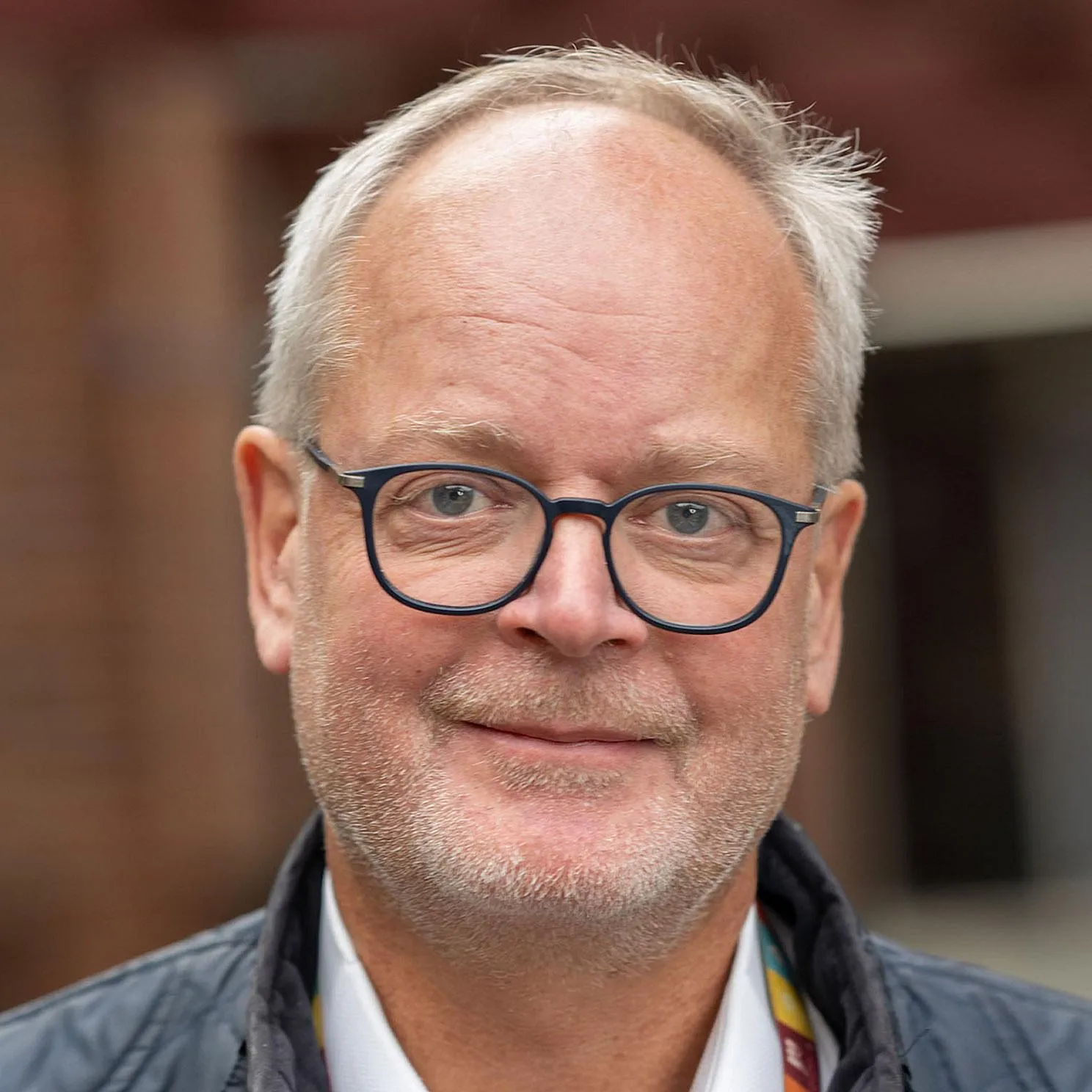
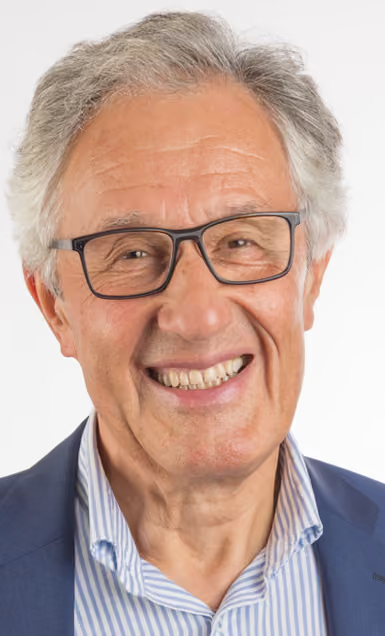
Hans Kasper
Hans Kasper is Professor Emeritus of Marketing and Supply Chain Management at Maastricht University. He will also give a talk at the Day of Charity. Through Rotary Club Maastricht, he is involved in a programme that provides people living in poverty with personal support over several years.
Listen first, help after
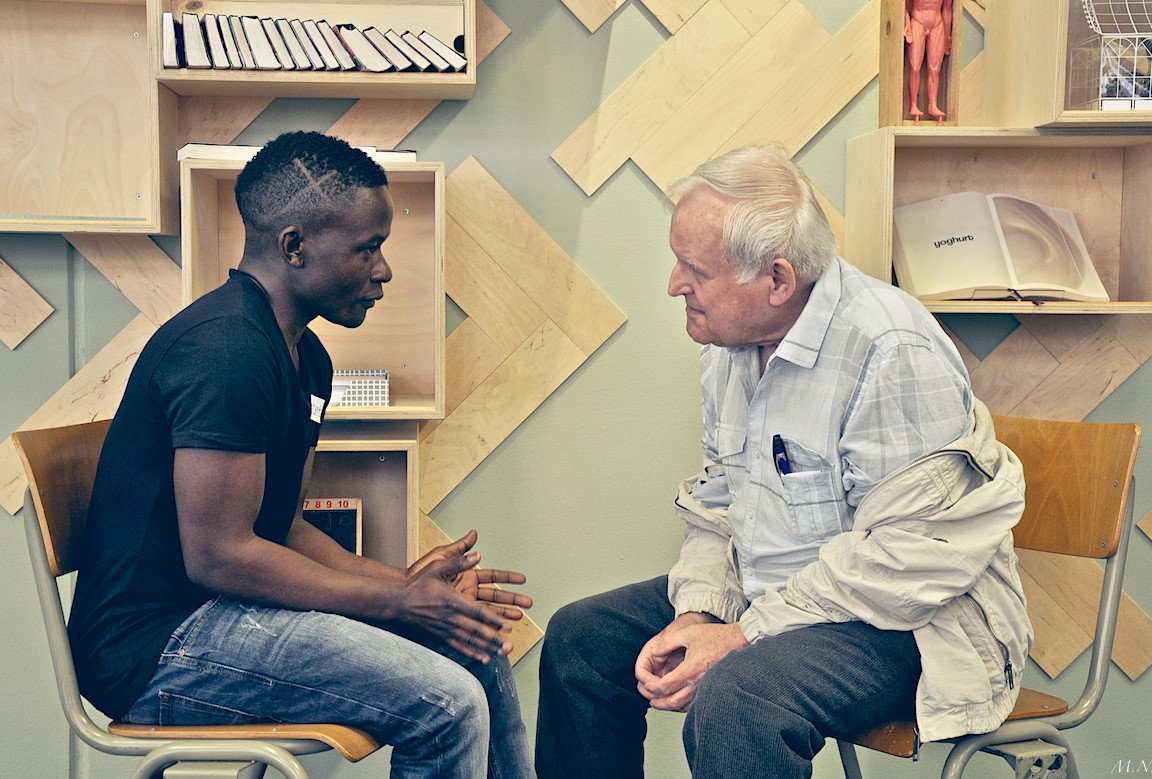
The commitment of Rotary Club Maastricht is one of many successful initiatives in the fight against poverty. Rotary members work in pairs, each supporting one family with children living in poverty. They offer advice, help families find the right organisations and provide practical support. The families themselves identify the problems they are facing and what they consider to be their priorities.
For example, the Rotary Club supported a divorced father with two teenage children. The man was unemployed, found it difficult to communicate and hardly ever smiled. From the outside, finding a job might seem like the obvious first step. But when the volunteers asked him what he considered his priority, he pointed to his teeth. They were in such poor condition that they were preventing him from interacting with other people.
A dentist within the Rotary Club helped the man; through a dental technician, he was given a new set of teeth. He can now smile and communicate again – and he has even found a job. “Solutions to complex problems do not have to be complicated,” Kasper concludes from this case. “You just have to listen to the people concerned.”
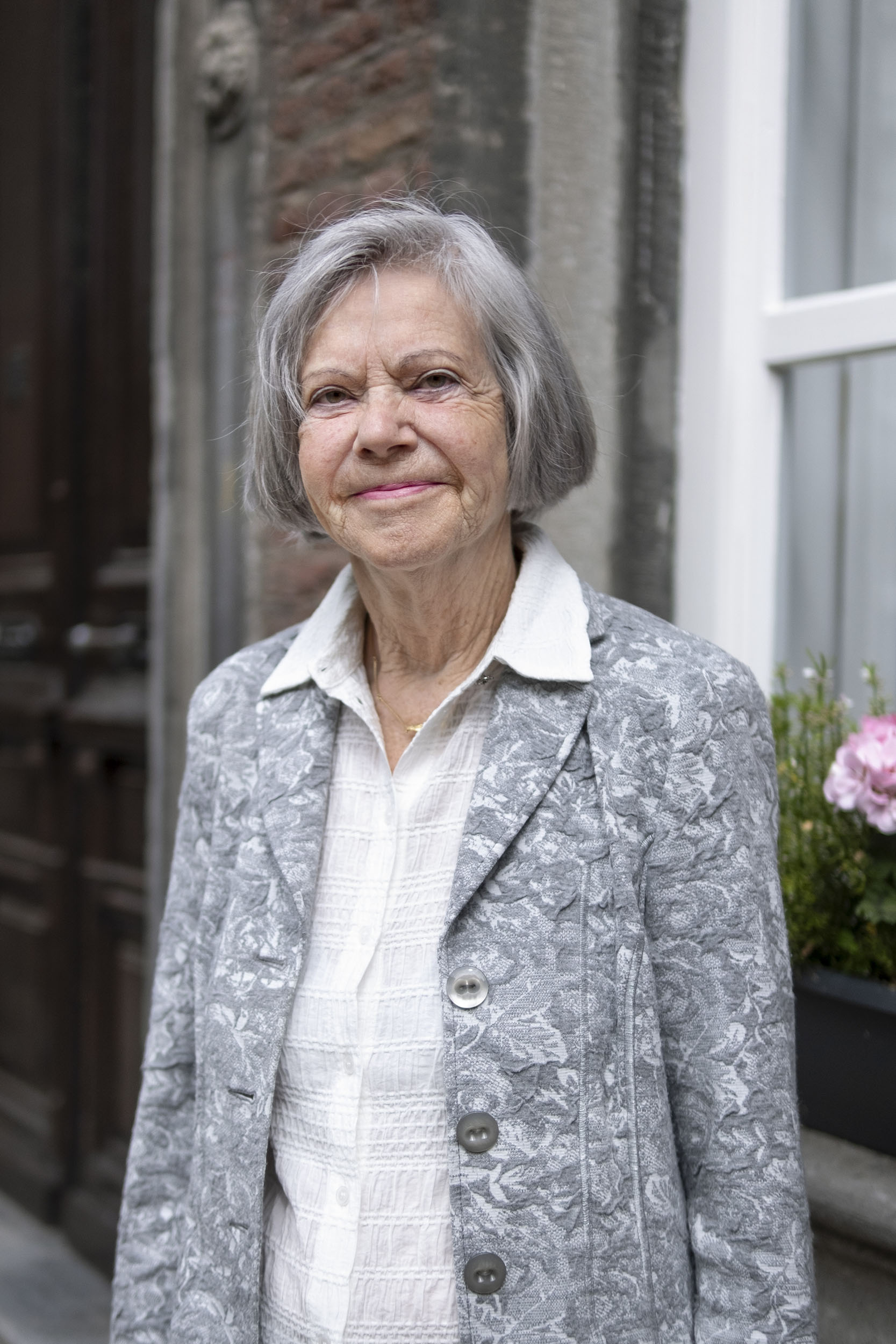
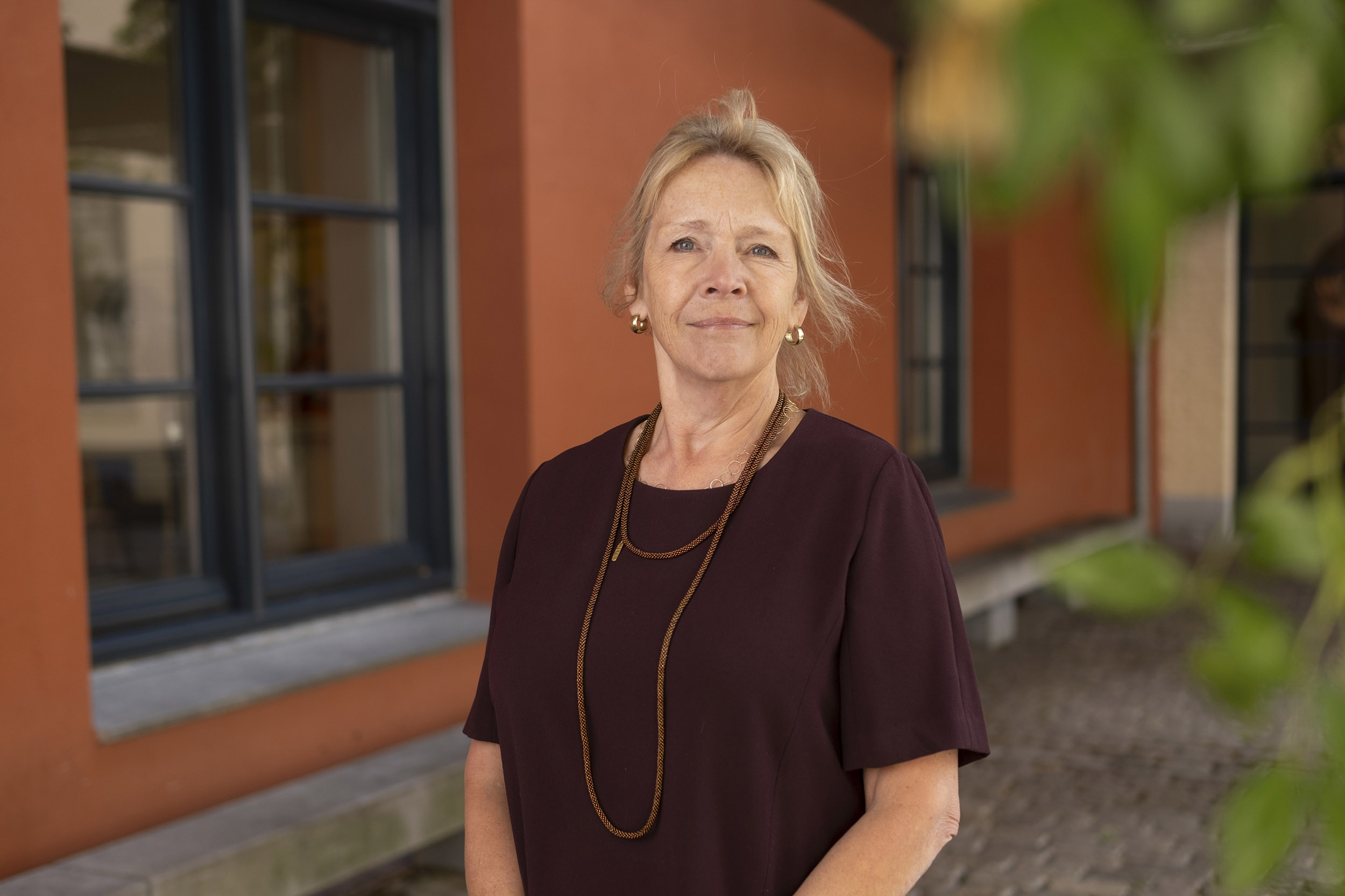
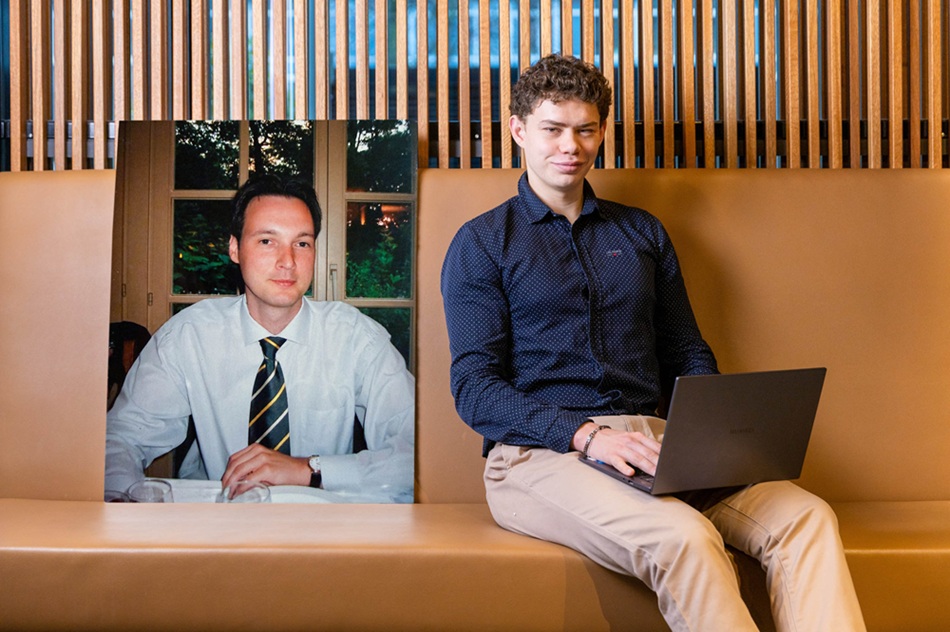
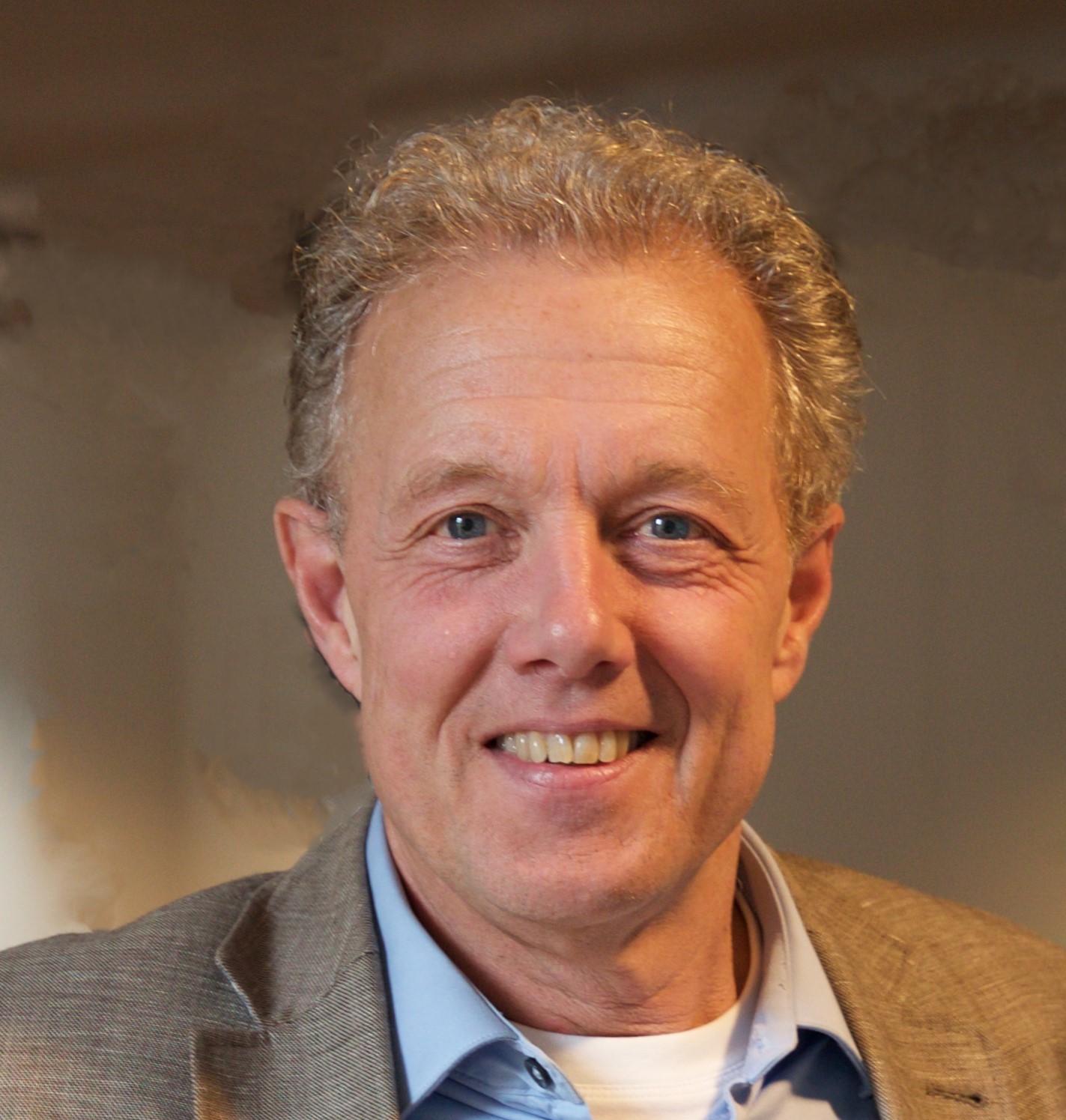
Ronald Wilmes
Ronald Wilmes is the former Head of Real Estate at Maastricht University and a board member of Stichting Kanunnik Salden/Nieuwenhof. For more than fifty years, the foundation has supported organisations and associations with social and community significance in Maastricht and the surrounding area. The foundation has also made a financial contribution to help make the Day of Charity possible.
Joining forces
Listening to people living in poverty is important, but so is cooperation between organisations. That is why the Day of Charity was established. “There are many foundations and private initiatives in Maastricht focused on alleviating poverty,” says Wilmes. “But often, they do not even know that one another exists.”
The Day of Charity brings these many different organisations together. Stichting Kanunnik Salden/Nieuwenhof provided financial support to make the event possible. Wilmes was also involved in the preparations. “By improving coordination between all these initiatives, we can respond to requests for help more effectively.” Abidi also hopes that the day will lead to new connections. “I hope organisations and residents will find each other more easily, and that there will be more and better cooperation.”
Sharing knowledge and experiences
During the Day of Charity, various organisations and people involved in tackling poverty will share their experiences. Kasper, for example, will speak together with fellow Rotarian Roel Pijsel about Rotary Club Maastricht’s approach and the lessons they have learned. Abidi will also give a keynote on socioeconomic health inequalities and inclusive research. She will explain how scientists can involve people living in poverty in research on an equal footing. In her view, talking not only about these people but with them can lead to new insights.
The Day of Charity can also provide inspiration for people who would like to volunteer themselves. “If that is the case, look at the initiatives that are presented and think about what suits you,” Wilmes recommends. And what about people who do not currently have the time or capacity to volunteer? Through the Day of Charity, they can discover how much is already being done to tackle poverty in Maastricht. At present, this is often done by individual organisations, but hopefully increasingly through joint efforts in the future.
Text: Romy Veul
More information?
Get in touch!
The Day of Charity takes place on 25 September. Unfortunately, registration is no longer possible, but you can obtain more information via email. This is also a way to discover which initiatives in Maastricht and the surrounding area are working to tackle poverty and where you might like to get involved yourself. Additional volunteers are always very welcome.