Tag
Datum

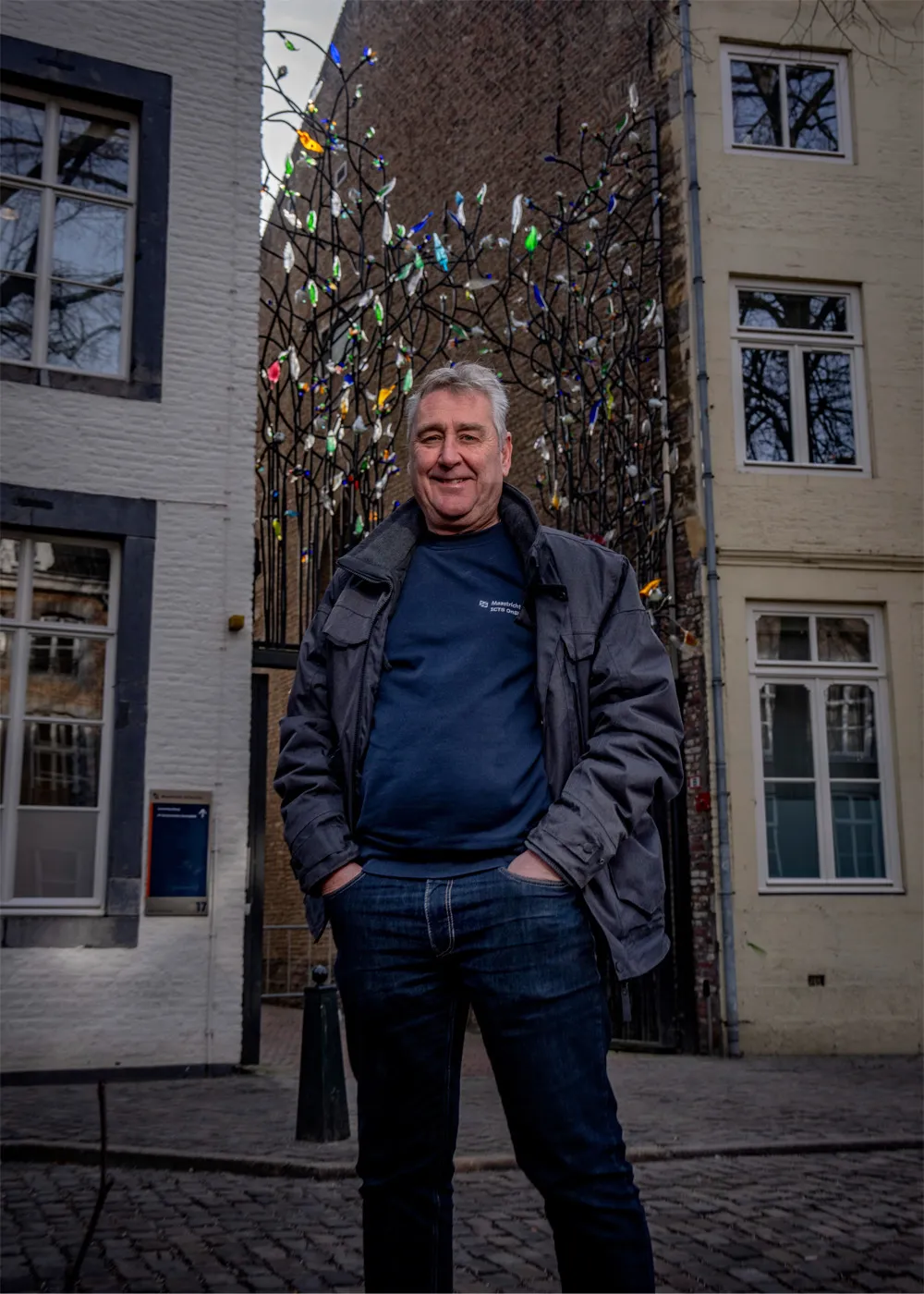
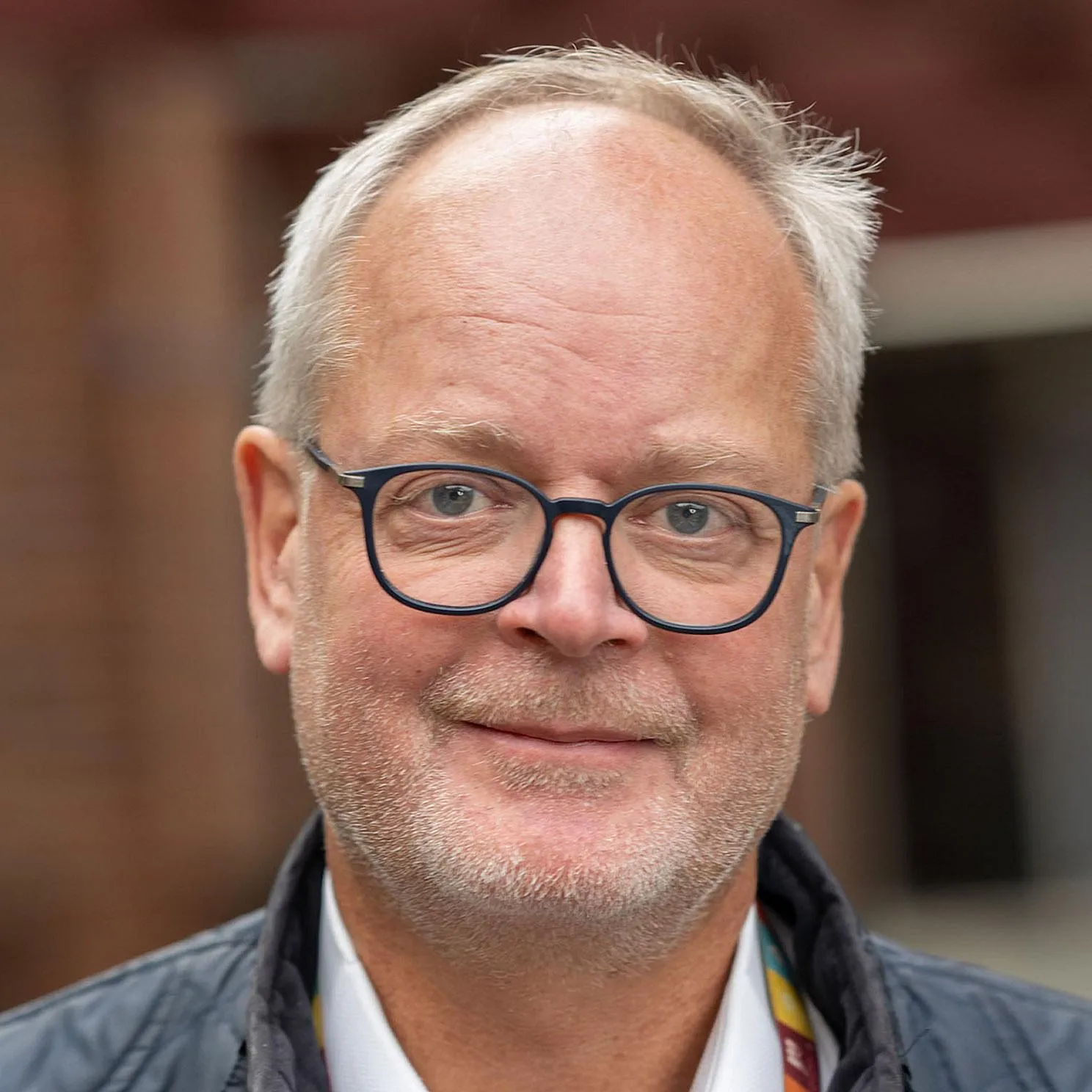
Mayor Wim Hillenaar

on 50 years of Maastricht University

Maastricht University has become part of the city. What once began as a young university has grown into a driving force for innovation, employment and international connections. What does that mean for Maastricht? Mayor Wim Hillenaar explains.

“In Maastricht, enjoying life has been elevated to an art form”, says Hillenaar, who grew up in North Brabant himself. “Great gastronomy and joie de vivre are even more prominent here. You notice that straight away.”

But it is not just the hospitality industry and the lifestyle that make an impression. “The city feels like Europe in miniature. The diversity of people and backgrounds creates an open, cosmopolitan atmosphere. That’s why I quickly grew to love Maastricht.”

Vibrant student city

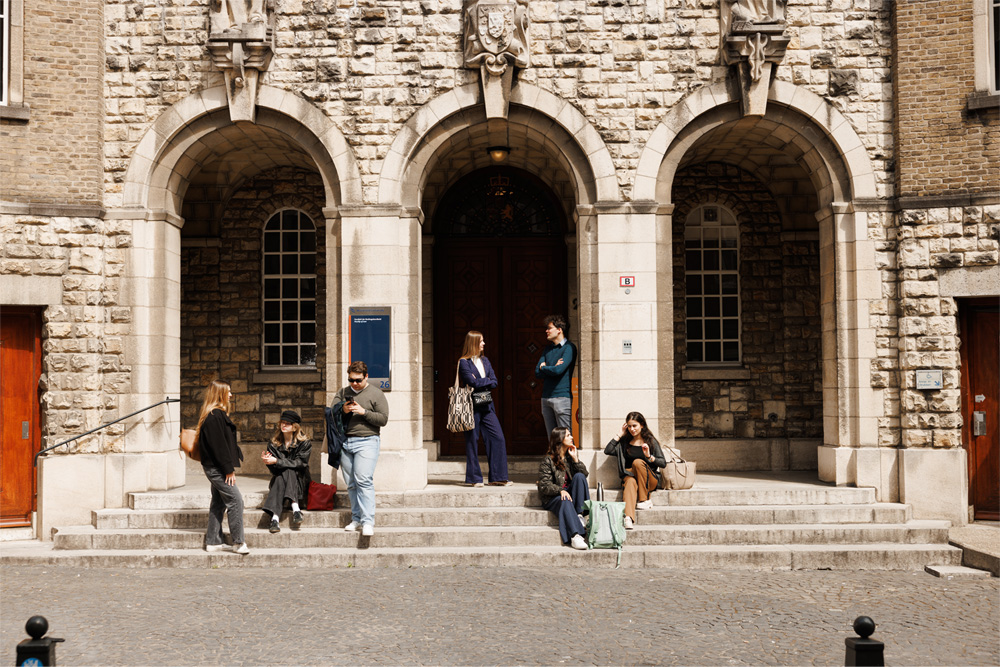
Although Maastricht has always had an international character, the arrival of the university gave it a real boost. Students and staff from both the Netherlands and abroad found their way to the city. As a result, Maastricht has transformed into a vibrant student city over the past fifty years.

“The students bring liveliness and innovation”, says Hillenaar. “Of course, there’s the odd grumble about it. But then I always say: be glad, because we need people to work in all those wonderful cafés and restaurants we have. And it’s almost always students who bring you a lovely slice of vlaai and a cup of coffee.”

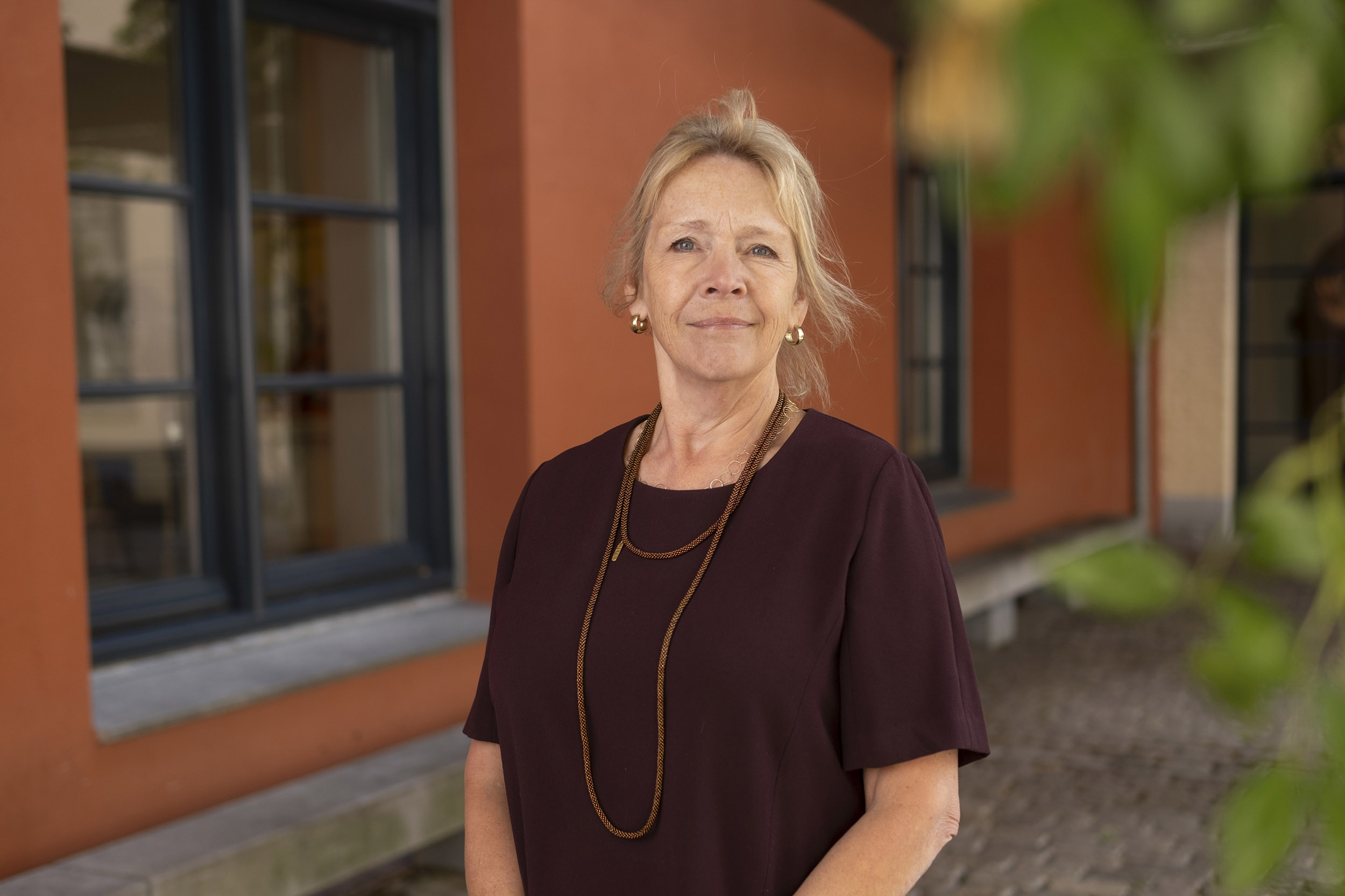
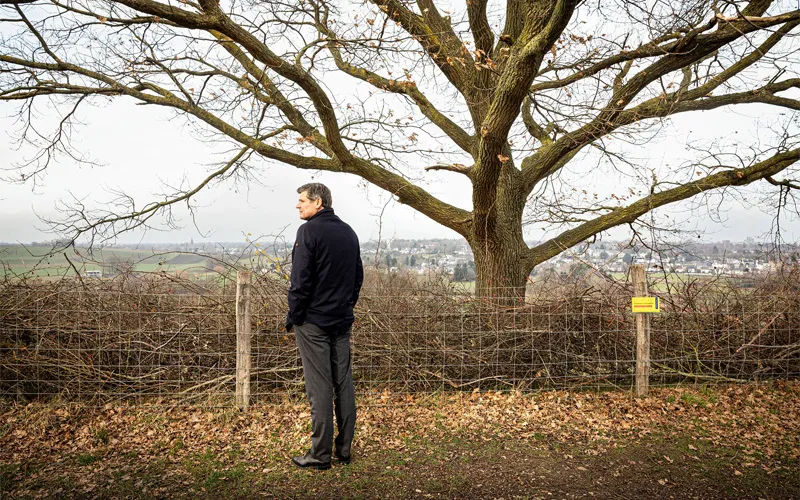
Wim Hillenaar has been Mayor of Maastricht since 1 July 2023. Before that, he served as Mayor of Cuijk for eleven years and for one year in the subsequent merged municipality of Land van Cuijck.

Vibrant student city
“If the university were to disappear tomorrow, that would truly be a scar on the soul of the city.”

Driving force for the future

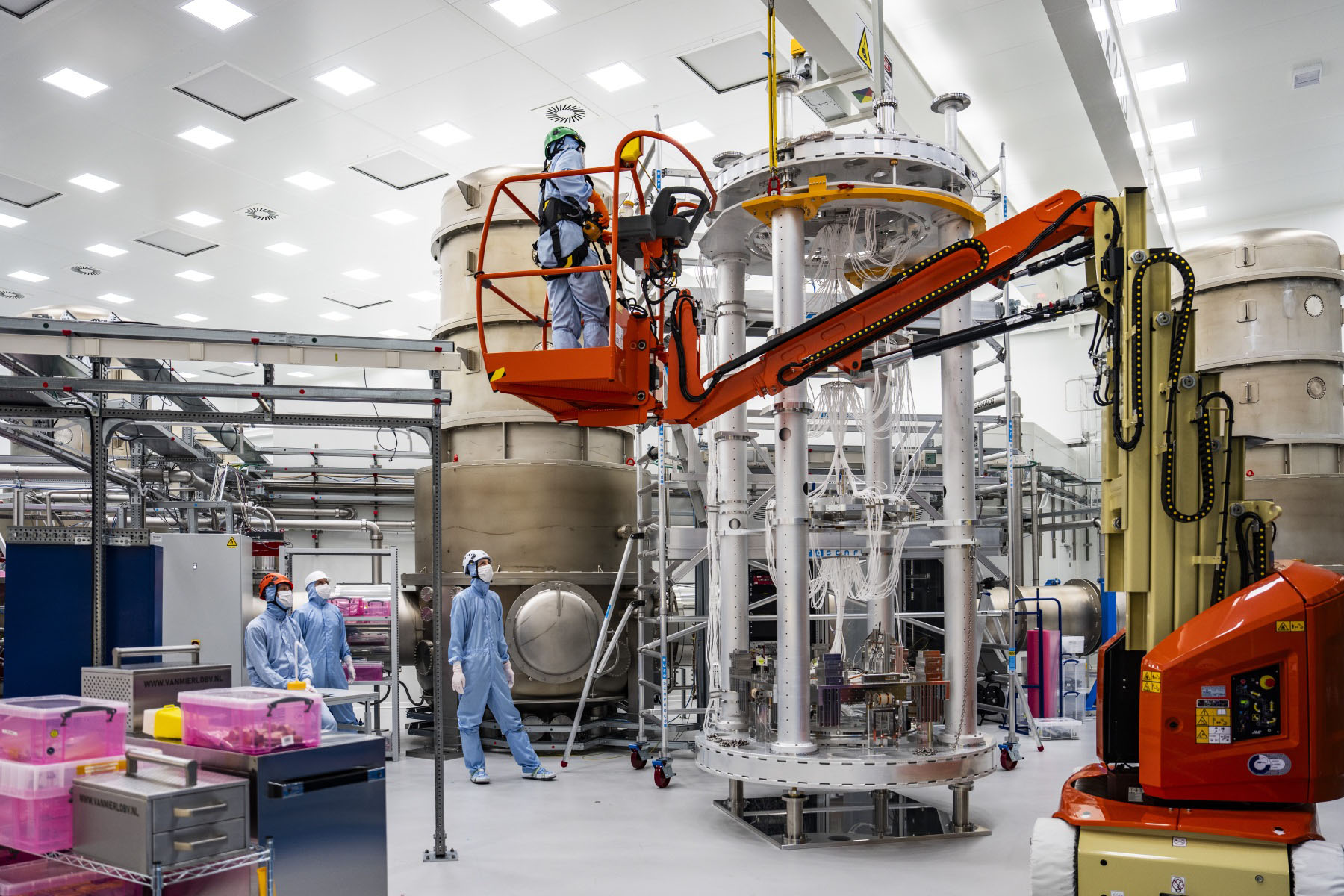
The university's arrival naturally had other consequences for the city as well. Over the years, for instance, it has provided an economic boost to Maastricht and South Limburg. “UM works closely with entrepreneurs in the region”, says Hillenaar. “Take the Brightlands Campuses, for example, where knowledge and entrepreneurship come together. These initiatives are incredibly important for our future.”

The mayor sees that the economy is changing: “We are transitioning from a manufacturing industry to a knowledge economy. To secure the jobs of tomorrow’s Maastricht, we absolutely need UM.”

Inextricably linked

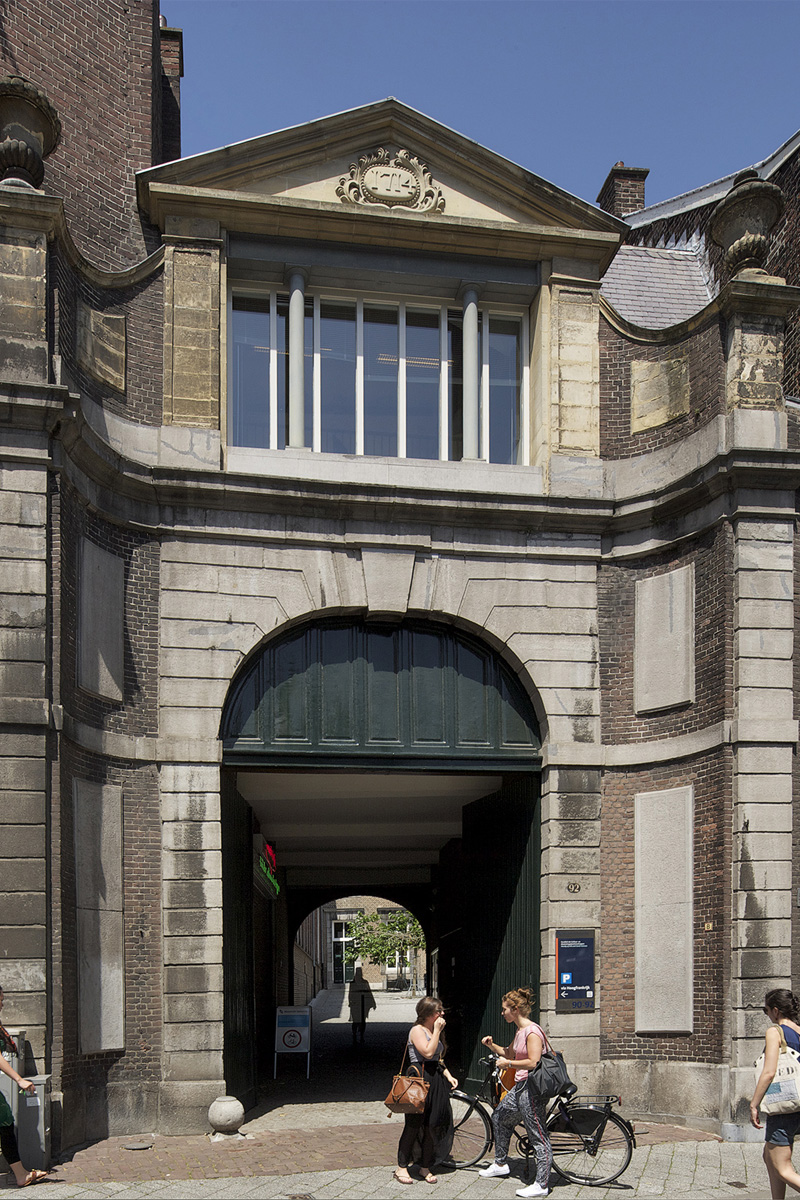
Alongside innovation, UM has simultaneously ensured that history is preserved. “Many listed buildings in the city centre have been given a new purpose thanks to the university”, he explains. “They are maintained and remain part of the cityscape. If the university were to disappear tomorrow, many of those buildings would stand empty. That would truly be a scar on the soul of the city.”

Looking to the future, Hillenaar sees opportunities above all. “It would be lovely if the people of Maastricht embraced the students more”, he says. “But that also requires something from us. High-quality and sufficient housing is essential in this regard, for example, around the Maastricht Health Campus in Randwyck.”

He also hopes that residents will continue to recognise that Maastricht University and the city are not isolated entities. “Maastricht University is more than just a place to study. It is a breeding ground for innovation and start-ups. A job creator that attracts young people and families.”

His conclusion is clear: “The university and the city are inextricably linked. Together, we ensure that Maastricht can look to the future with confidence.”

Text: Caya Forman
Photography: Ermindo Armino