Tag
3 September 2026

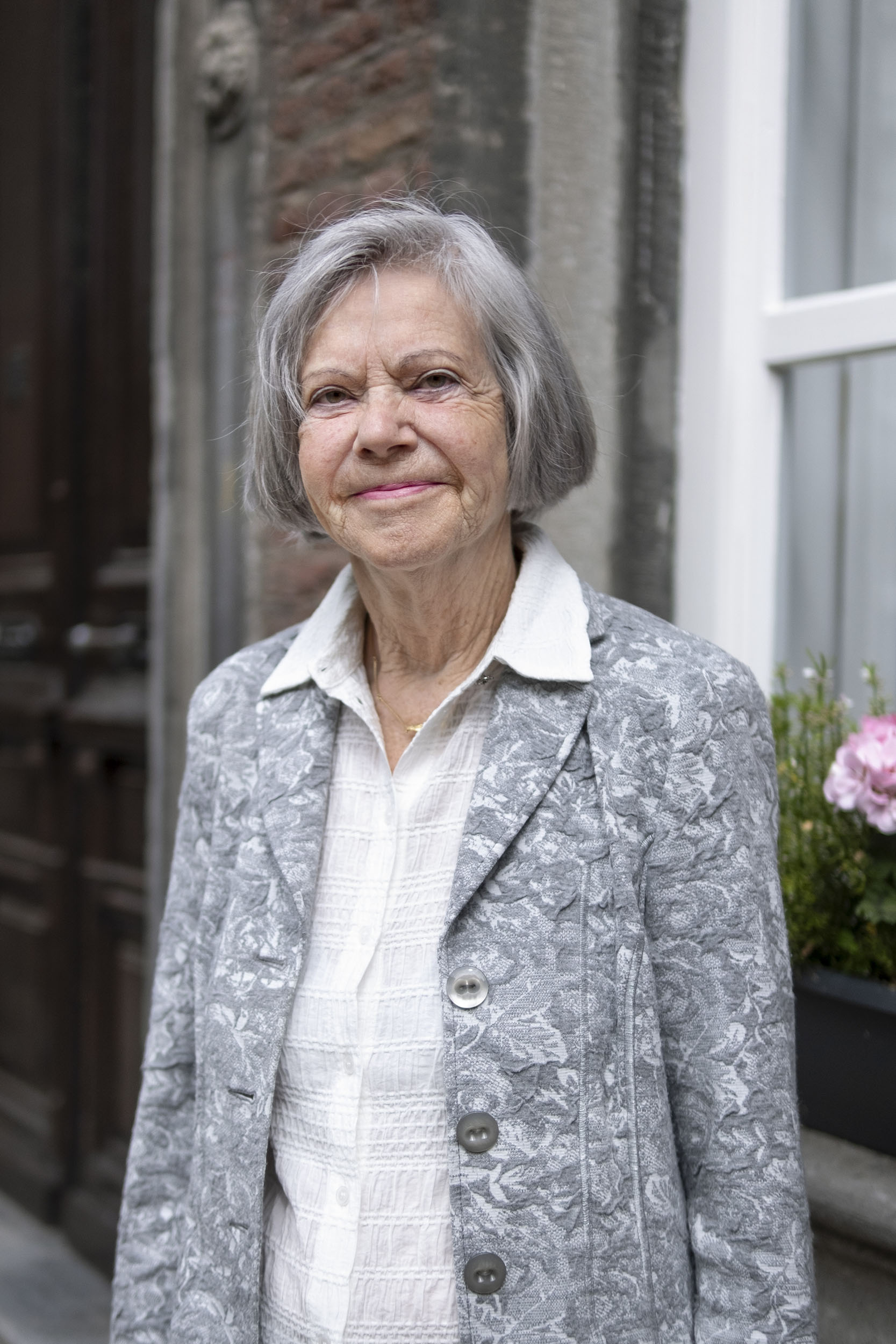
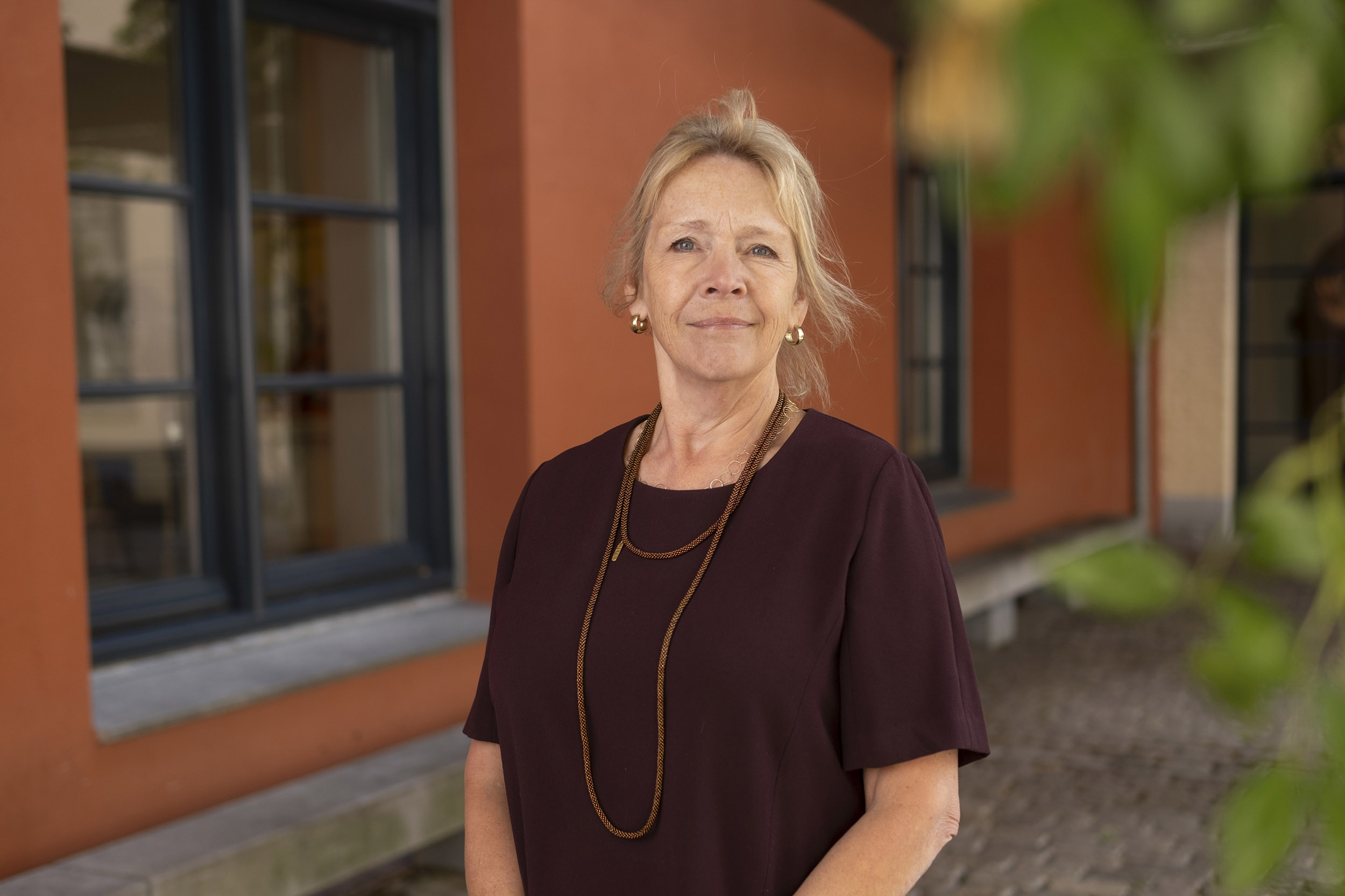
Bep Weijenberg-Habets


was UM's first employee

UM and me

To mark UM’s 50th anniversary, people from in and outside the university share what it means to them. What makes them proud of UM? How has it influenced their career? And what does it mean for the city and the region? They share their fondest memories to help us celebrate the university’s story together.

“The university was desperately needed to breathe new life into the region”

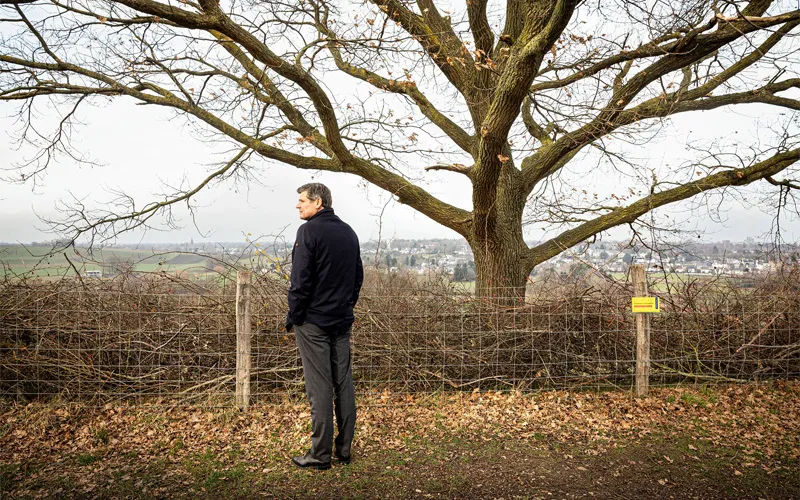
A typewriter, a tiny office, and an ambitious plan. More than fifty years ago, these were the beginnings of preparations for what would become Maastricht University. Bep Weijenberg-Habets witnessed it all at close quarters. As secretary to the university’s founding pioneers, Sjeng Tans and Ben Niessen, she saw how they fought to establish a medical faculty in Maastricht.

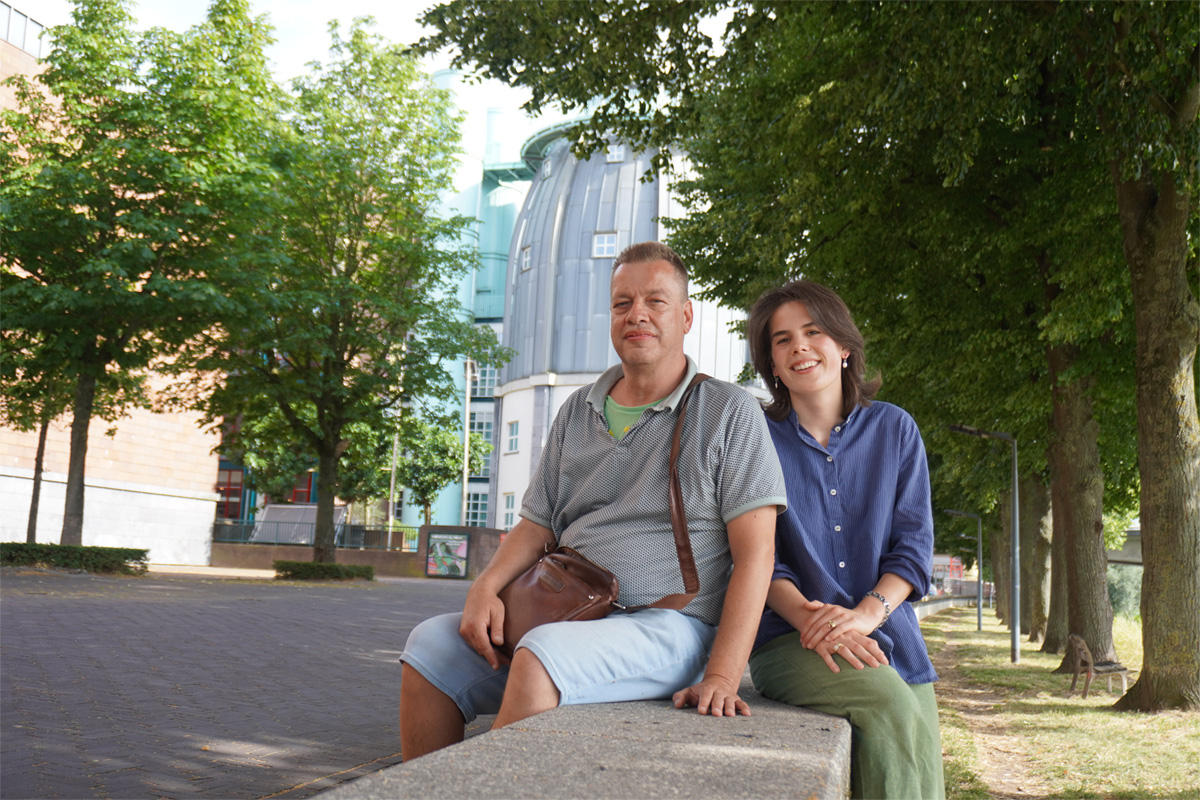
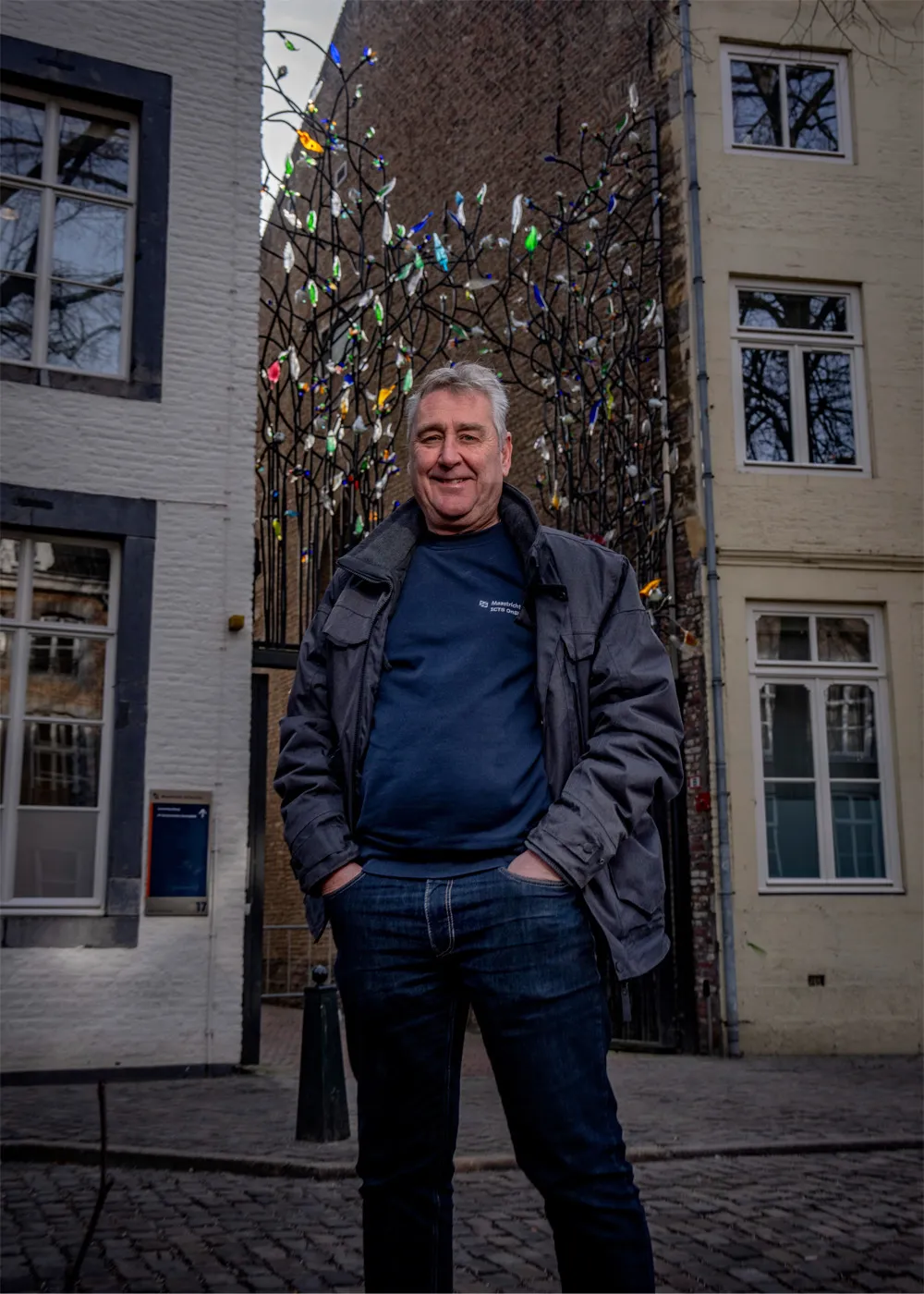
“Looking back, I realise how special it was to have played a part in what we were doing at the time,” says Bep Weijenberg-Habets. At Onze Lieve Vrouweplein, where we meet her, the terrace tables are still empty, awaiting the lunchtime rush. The morning sun shines on the façade of number 29, an imposing corner house. “That’s where we started in July 1970,” she says. “I was twenty years old and had only just left school.”

Weijenberg-Habets had no idea who Sjeng Tans and Ben Niessen were or what they were planning to do. “But before I knew it, I had been taken on as secretary to the chair and secretary of the Committee for the Preparation of the Maastricht Medical Faculty.”

Bio

Bep Weijenberg-Habets

Bep Weijenberg-Habets was UM’s first employee. She was secretary to the university’s founding pioneers, Sjeng Tans and Ben Niessen. She later studied law at UM before working at the municipality. She eventually became deputy municipal secretary.

Read more below

New life

The reason for setting up the committee was the government’s plan to establish a new medical faculty in the Netherlands. Tans, a Maastricht politician, and Niessen, a government official, did everything in their power to bring the faculty to Maastricht.

“It was very important that the university came here,” says Weijenberg-Habets. “There wasn’t a single university course here. Limburg was a disadvantaged region and a blind spot for the rest of the Netherlands. At the same time, the closure of the mines was looming, which meant that around 40,000 people would soon be out of work. The university was desperately needed to breathe new life into the region.”

But the committees tasked by the government with deciding where the new faculty should be located did not take this into account. “They simply looked at the best location for the new faculty,” says Weijenberg-Habets. “Maastricht wasn’t actually the front-runner.” It was up to Tans and Niessen to make sure their dream for the city became a reality after all.


Clashing personalities

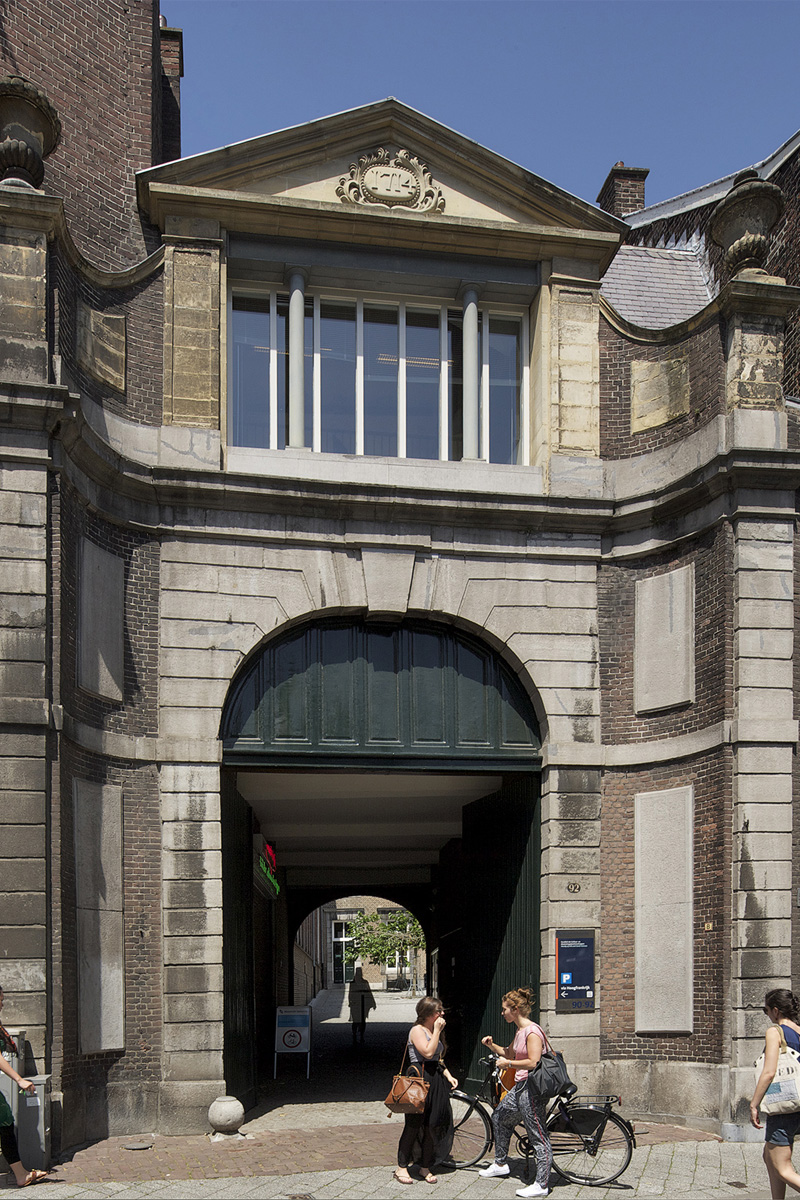
Just a few weeks later, the team moved to a building on Havenstraat, directly opposite the offices and printing works of De Limburger. The building still bears a large stone plaque bearing the inscription ‘De Nieuwe Limburger’, the name of the regional newspaper at the time.

“Large rolls of paper for the printing works were delivered here every day,” Weijenberg-Habets recalls. “Having the newspaper literally across the road was, of course, very convenient. Tans was regularly interviewed about the progress of the plans. He was a real politician: outspoken and willing to take risks. Niessen was more thoughtful and cautious. They were very different, which often led to clashes.”

Ultimately, their differences proved to be no disadvantage. Quite the opposite: together, they managed to achieve their goal. In 1975, the Rijksuniversiteit Limburg was officially established as the predecessor of today’s Maastricht University.

“By then, we had around a hundred employees and had moved again, this time to Tongersestraat,” she recalls. “A year later, in 1976, we already had three hundred members of staff.”

“UM can be incredibly proud of what has been built here in just fifty years.”

Unique approach

At the time, UM consisted of a medical faculty and a general faculty. In the years that followed, more faculties were added, ranging from Arts and Social Sciences to Science and Engineering. They all had one thing in common: they used Problem-Based Learning, an approach involving small-scale teaching in which students actively work on societal issues.

“It was a good decision to adopt this form of teaching,” says Weijenberg-Habets. “This practical approach is perfect for many degree programmes, particularly law and medicine. It allows doctors and lawyers to apply what they learn to their profession straight away.”
Unique approach

Graduated with honours

“UM can be incredibly proud of what has been built here in just fifty years,” she says. The university has also meant a great deal to her personally. Years after leaving her job there as a secretary, she returned – this time as a student at the Faculty of Law. After graduating, she worked for the municipality and eventually became deputy municipal secretary.

“Without a law degree in Maastricht, I would never have been able to study again,” she says. “I was 34 when I started, and I had two young children. There was no childcare available, and online education didn’t exist either.”

Thanks to the way UM’s Problem-Based Learning programme was organised, she only had to go to the university twice a week. She could fit this around her children’s school hours. “If I had had to travel outside the region, I would never have managed to complete the degree. In the end, I even graduated cum laude. I’m still very grateful for that.”

Text: Caya Forman
Photography: Joris Hilterman