Tag
12 November 2026

Ad Veenhof reflects on his
‍

time as a member of UM’s Supervisory Board

UM and me
‍
To mark UM’s 50th anniversary, people from in and outside the university share what it means to them. What makes them proud of UM? How has it influenced their career? And what does it mean for the city and the region? They share their fondest memories to help us celebrate the university’s story together.

“Together with Siemens, we drew up plans for a research centre with three MRI scanners”

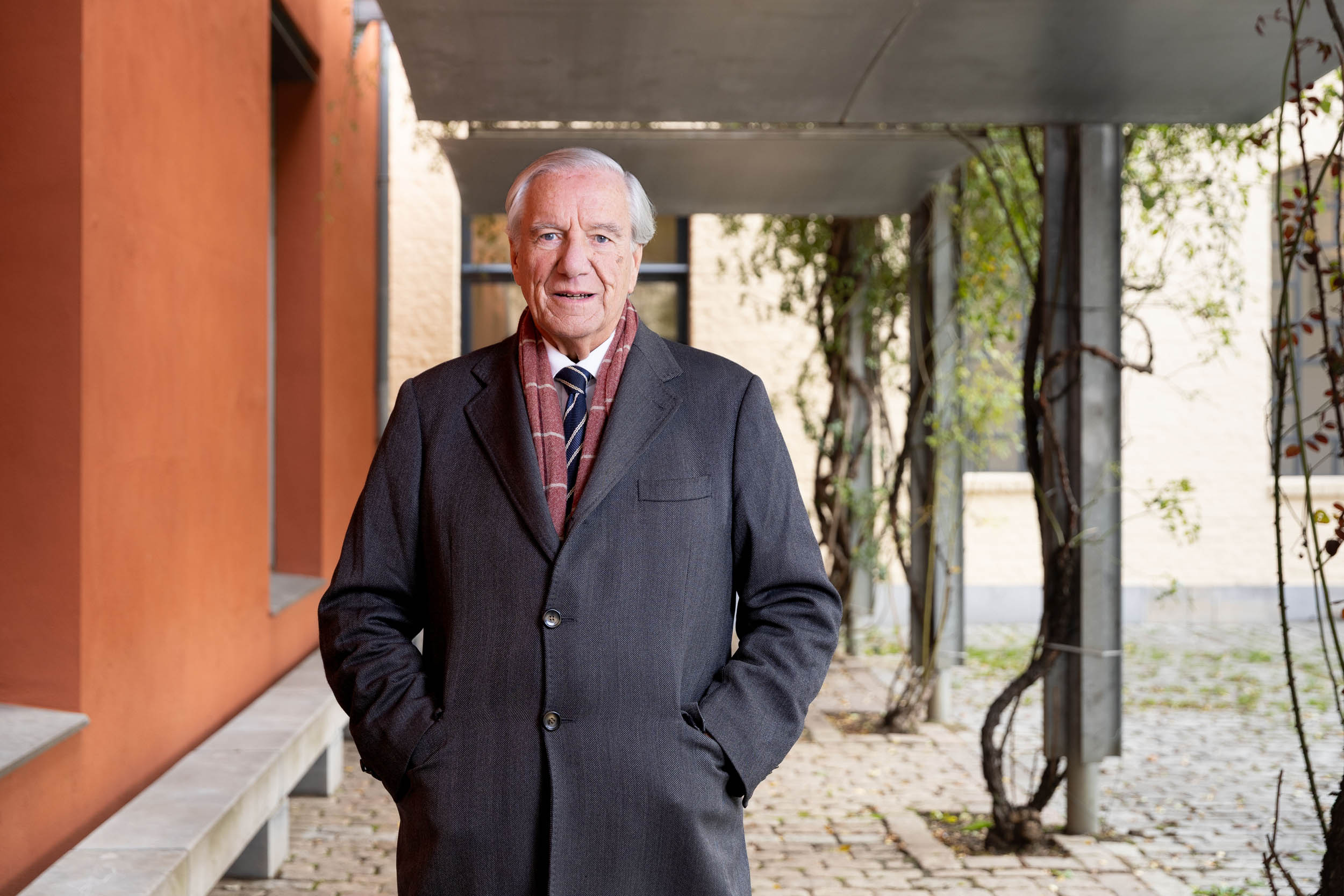
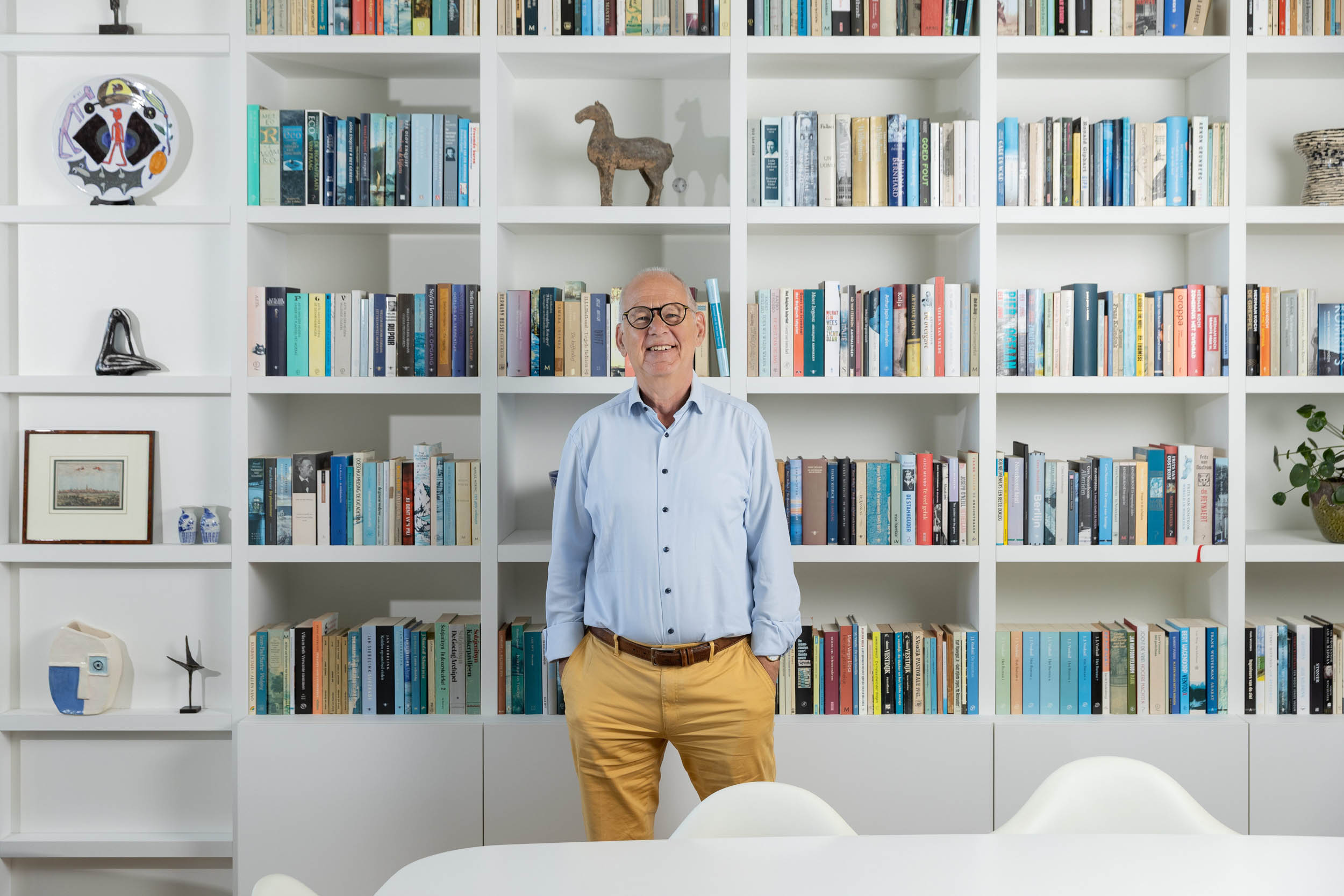
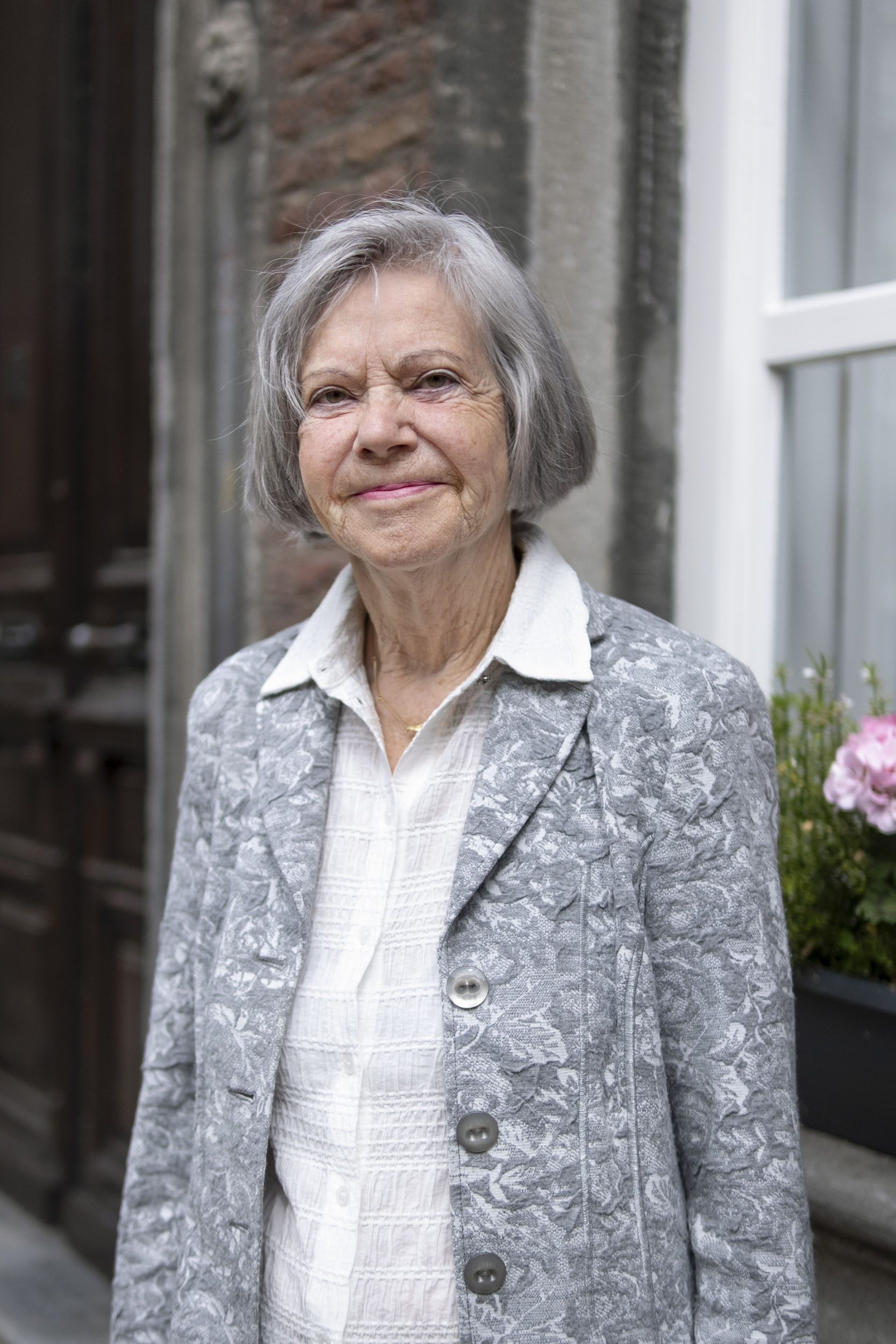
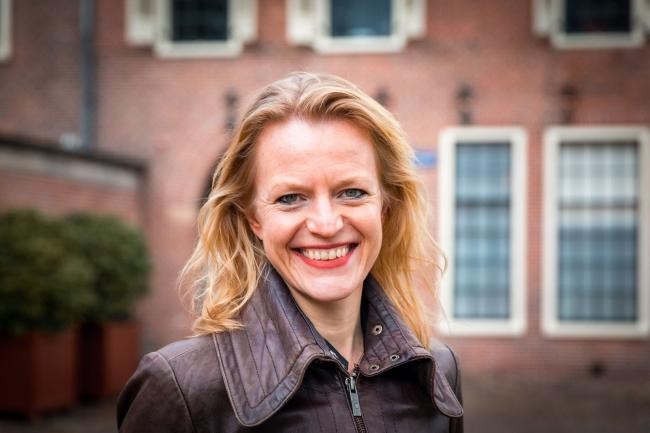
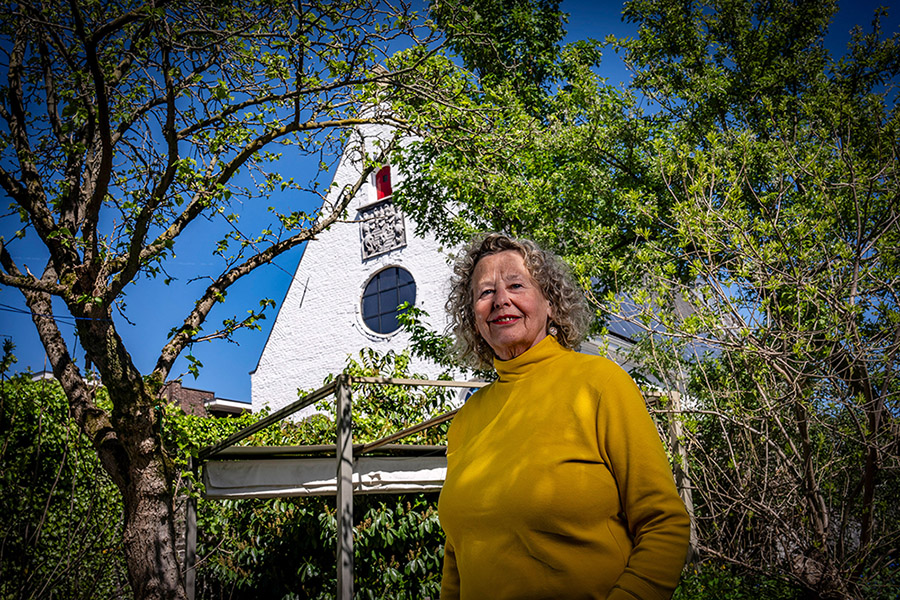
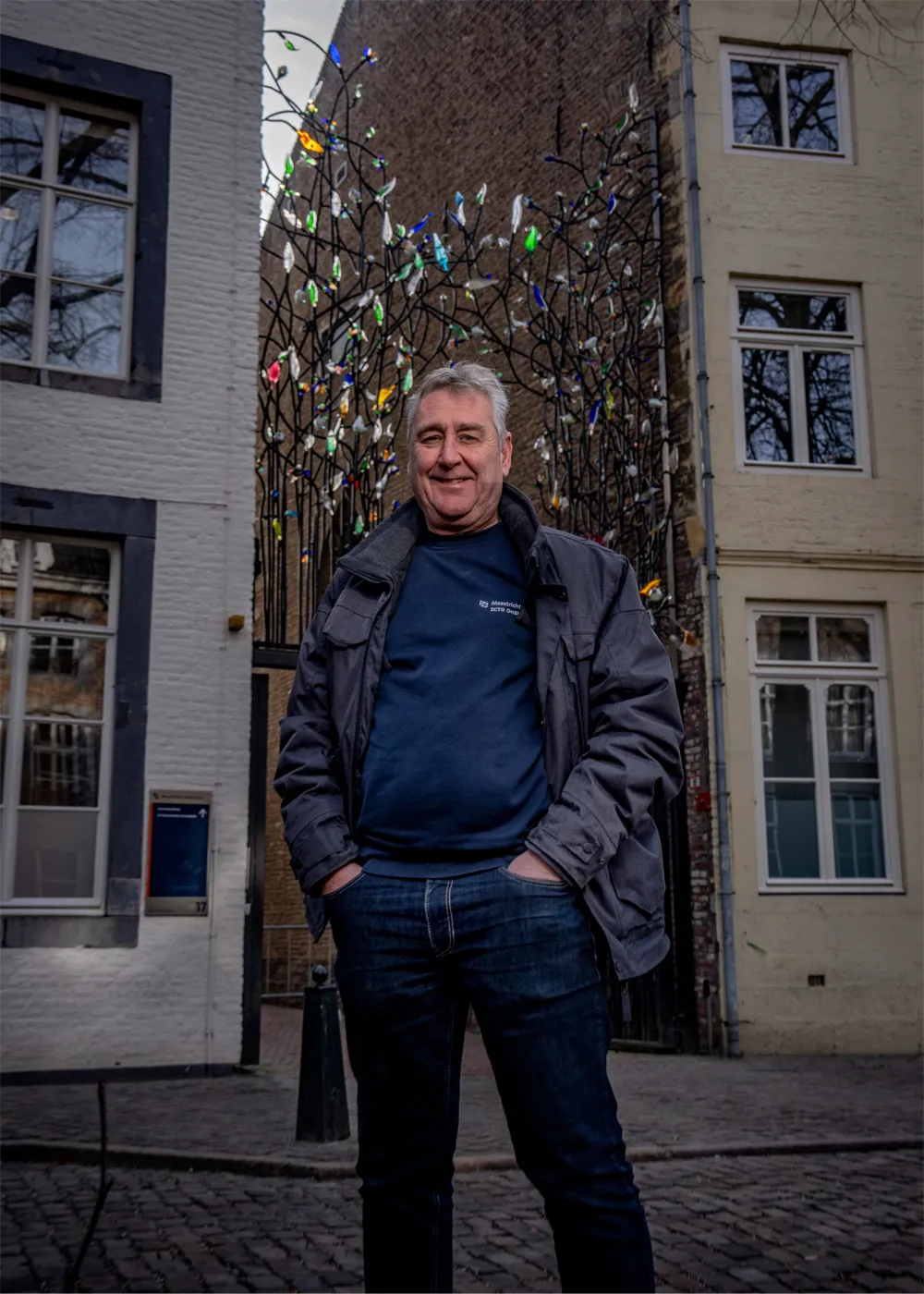
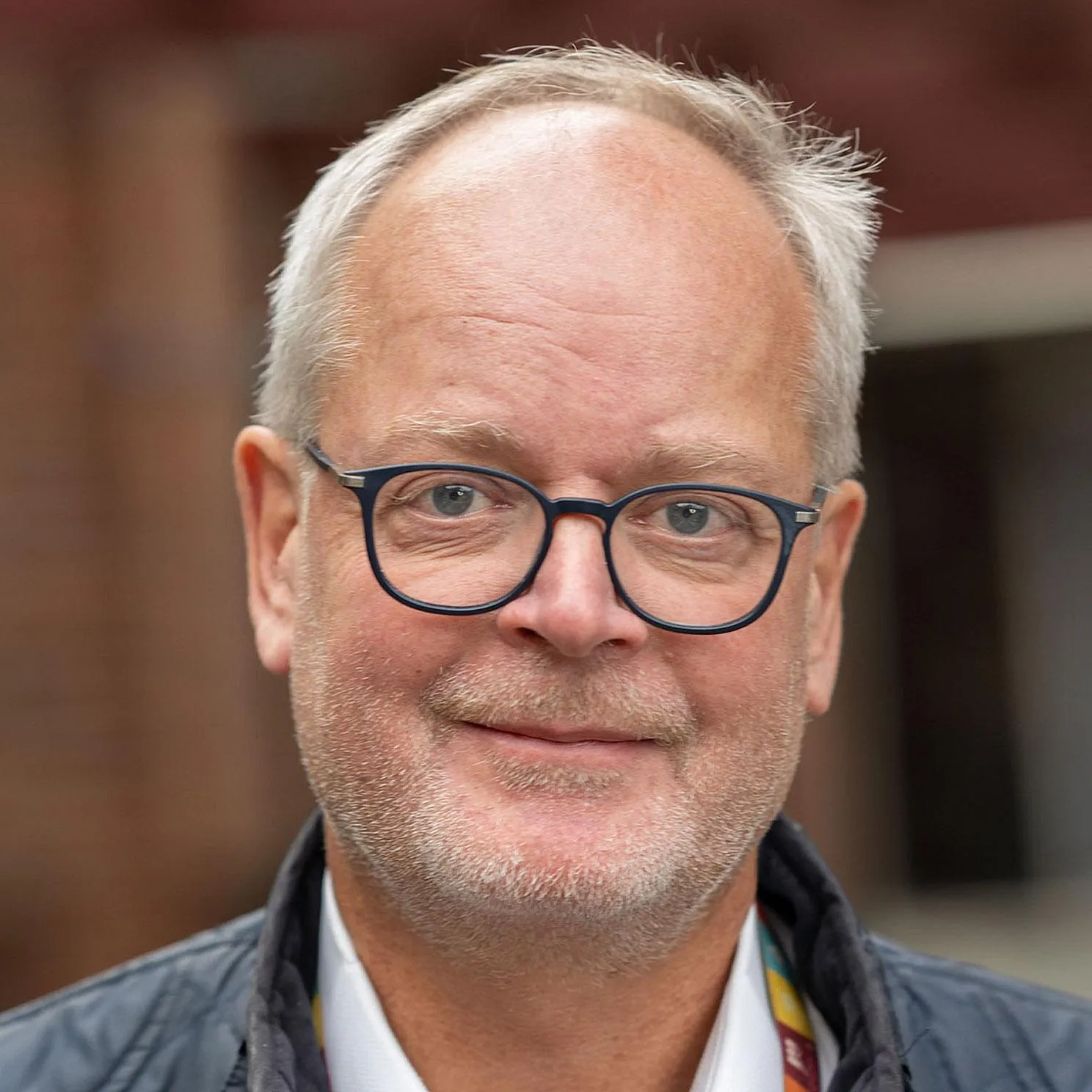
When Ad Veenhof was asked to join Maastricht University’s Supervisory Board in 2006, he jumped at the chance. After many years in senior positions in the business world, he was keen to put his knowledge and experience to good use in other sectors. He was also eager to explore the new territory offered by UM and the academic world. Veenhof threw himself into his duties and was appointed chair of the Supervisory Board in 2010. He played an important role in the university’s development. Here, he shares his reflections on those years.

For Ad Veenhof, UM’s founding in 1976 was a hugely positive development for the city. “The closure of several factories and the mines in Limburg in the 1960s and 70s had taken a heavy toll on Maastricht’s economy. The university gave the city a boost. Initially, it had only a medical faculty. Over the years, more and more faculties were added, and UM grew into what it is today: an international university and one of the region’s largest employers.”

As a member of the Supervisory Board, Veenhof was involved in appointing the new UM president in 2011. “We approached the process very carefully,” he recalls. “We spoke with internal and external candidates and consulted the Executive Board and the deans. In the end, we chose Martin Paul. He was already a UM professor and he was well-acquainted with the organisation. He also had an extensive international network, which he drew on after his appointment to further strengthen the university’s international standing.”

Bio
Project update

Ad Veenhof

Ad Veenhof was born in Maastricht. After completing a two-year programme at Nyenrode, he studied business economics at the University of Groningen. He then spent 32 years at Philips, holding various senior management positions. Among other roles, he was a member of the Group Council and president of the Personal Care and Domestic Appliances division. He then spent six years as CEO of Wessanen, a Dutch food company. He has held supervisory and advisory positions at organisations including NIBC Bank, the Dutch Heart Foundation and Maastricht University. Today, he chairs four local and regional foundations in the fields of culture, heritage and gastronomy in Limburg.

Read more below

Brains Unlimited Imaging Centre

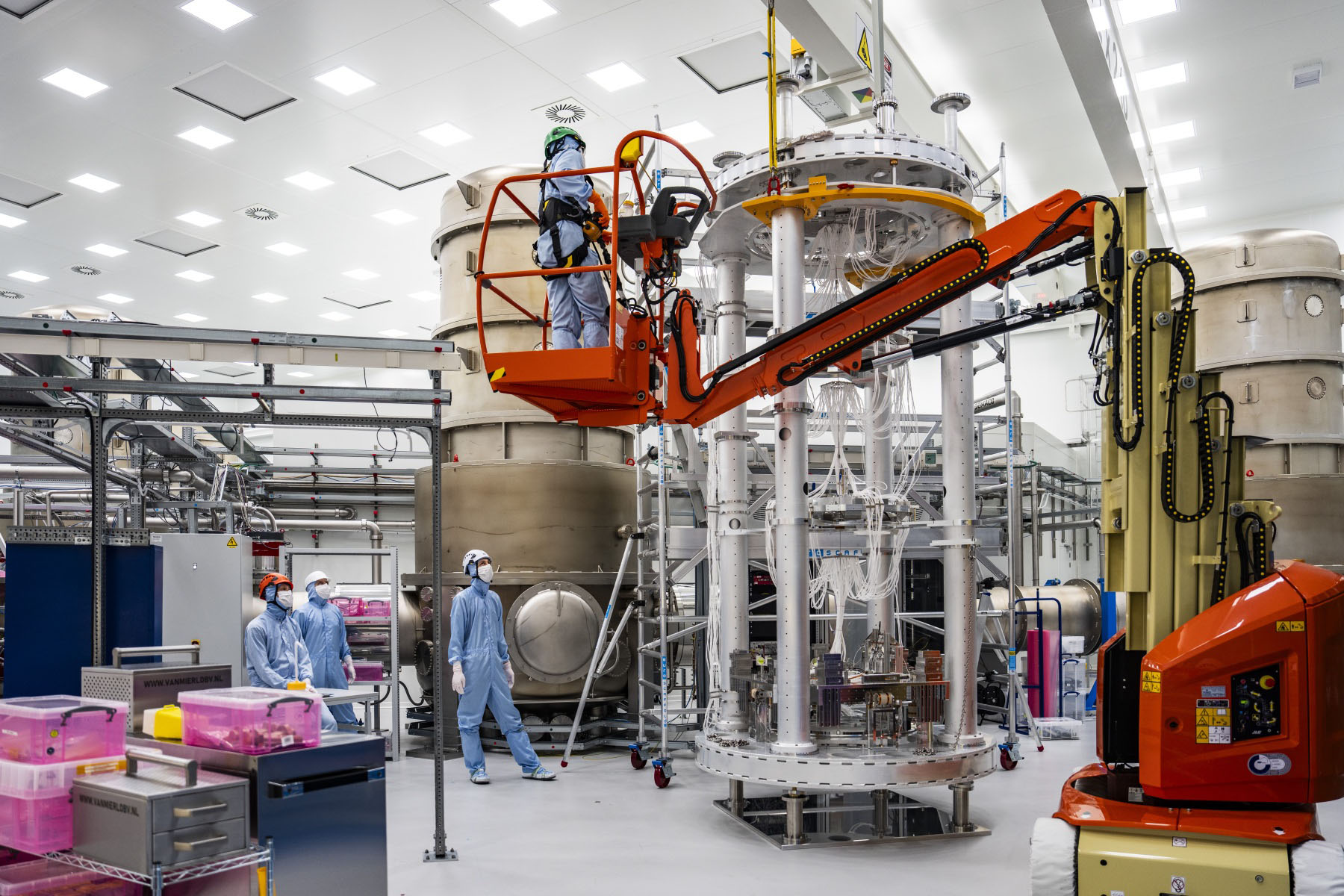
Veenhof also looks back with satisfaction on the development of UM’s international research profile. “To compete at the highest level scientifically, UM needed to expand and improve its research facilities,” he says. “Together with the technology company Siemens, we drew up plans for a research centre with three MRI scanners. These advanced machines were not yet commercially available, and opened up new possibilities for brain research that we hoped would attract leading scientists and their research teams to Maastricht. The plan required an investment of more than €40 million. It got off the ground thanks in part to support from the Province of Limburg. In 2013, King Willem-Alexander officially opened the Brains Unlimited Imaging Centre at the Brightlands Maastricht Health Campus, where groundbreaking research on the structure and function of the brain is still being done to this day.”

Veenhof also experienced the occasional disappointment during his time on the Supervisory Board. One was the failure of plans to integrate the governance of UM and the Maastricht academic hospital (azM) in 2013. “UM and azM are both relatively small organisations. A joint board would put them in a much stronger position in relation to larger universities and university hospitals. That’s why I was in favour of integrating their governance structures.

“Initially, the negotiations went well. I was in close contact with the chair of azM’s Supervisory Board, and we had the support of the Executive Board, the deans, the University Council and other stakeholders. We were very close to an agreement, but ultimately things fell through. I have my suspicions as to why, but I’ll keep those to myself. I still think it’s a shame that such a lengthy, thorough process ultimately came to nothing.”

“The closure of several factories and the mines in Limburg in the 1960s and 70s had taken a heavy toll on Maastricht’s economy. The university gave the city a boost.”

Measured growth

Veenhof is proud of how the university has developed over the past 50 years. “UM performs well in international rankings of young universities. It also attracts large numbers of students from the Netherlands and abroad. The region can benefit from this influx of young people as a counterbalance to its ageing population. I hope UM continues to develop in the years ahead, but in a measured and sensible way. That’s quite a challenge. Higher education funding depends partly on student numbers, which makes it tempting to keep expanding.”

Veenhof believes growth should never be an end in itself. “My many years in business taught me that a strong focus on growth can also have negative consequences, for example by compromising quality. That’s something you have to guard against. One of UM’s greatest strengths lies in Problem-Based Learning, which asks a lot of teaching staff. They need to be able to support students effectively while also having the necessary subject expertise. It’s easier for a smaller university to maintain that quality than for a very large institution. So should UM grow? Yes, but gradually, so it can preserve its unique strength in the years to come.”

Text: Martina Langeveld
Photography: Philip Driessen
Measured growth