Tag
2 July 2026

Then and now:


Psychology

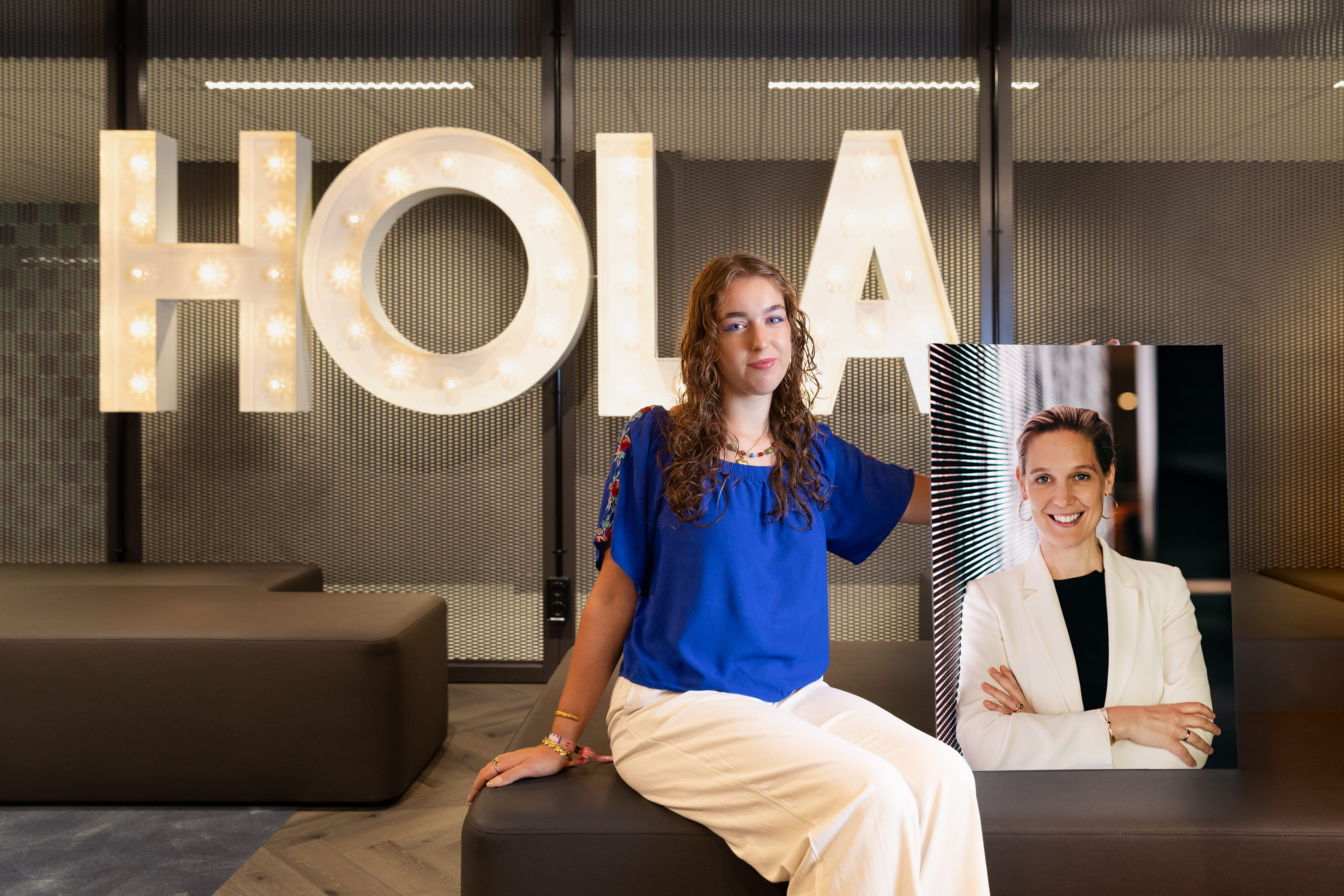
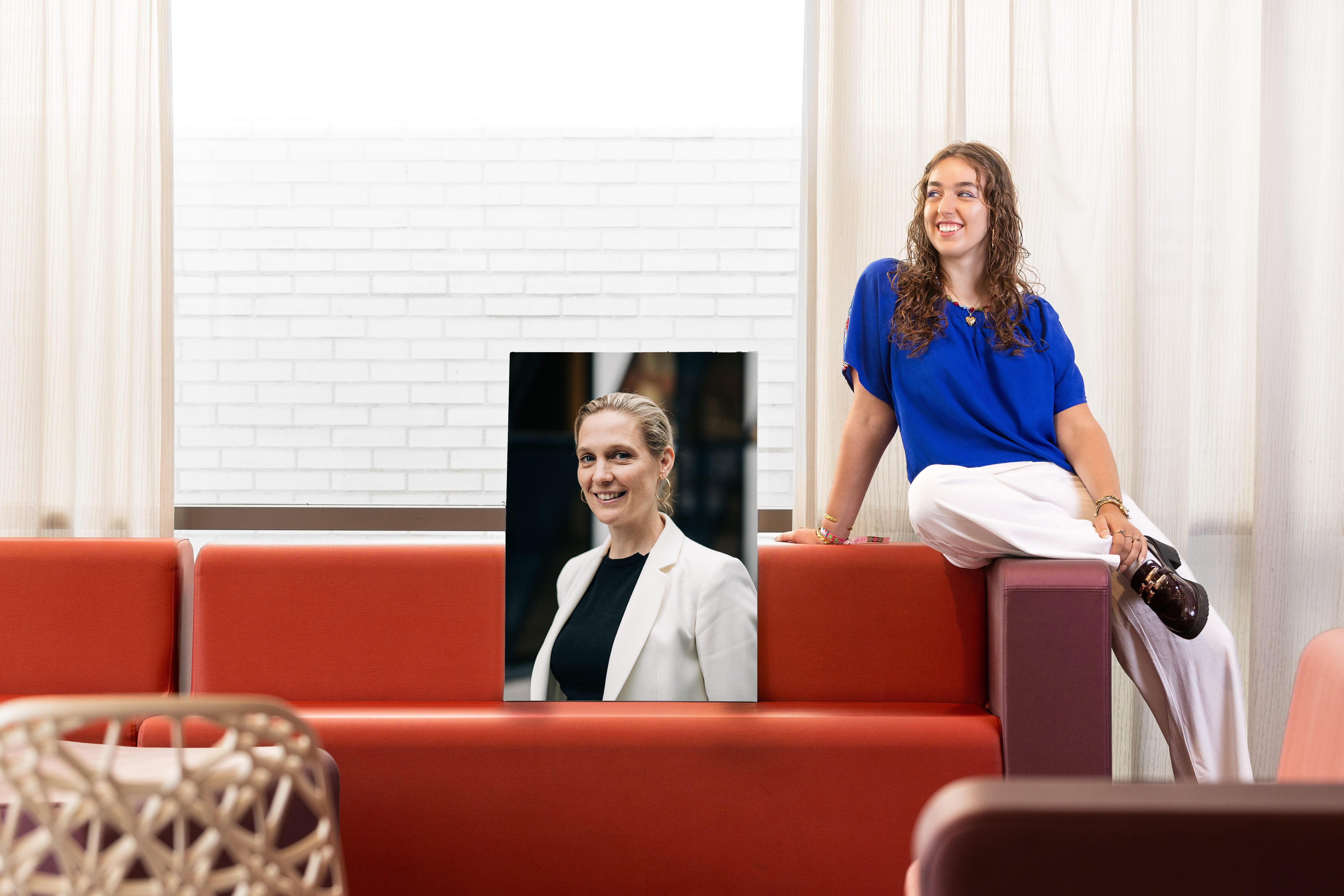
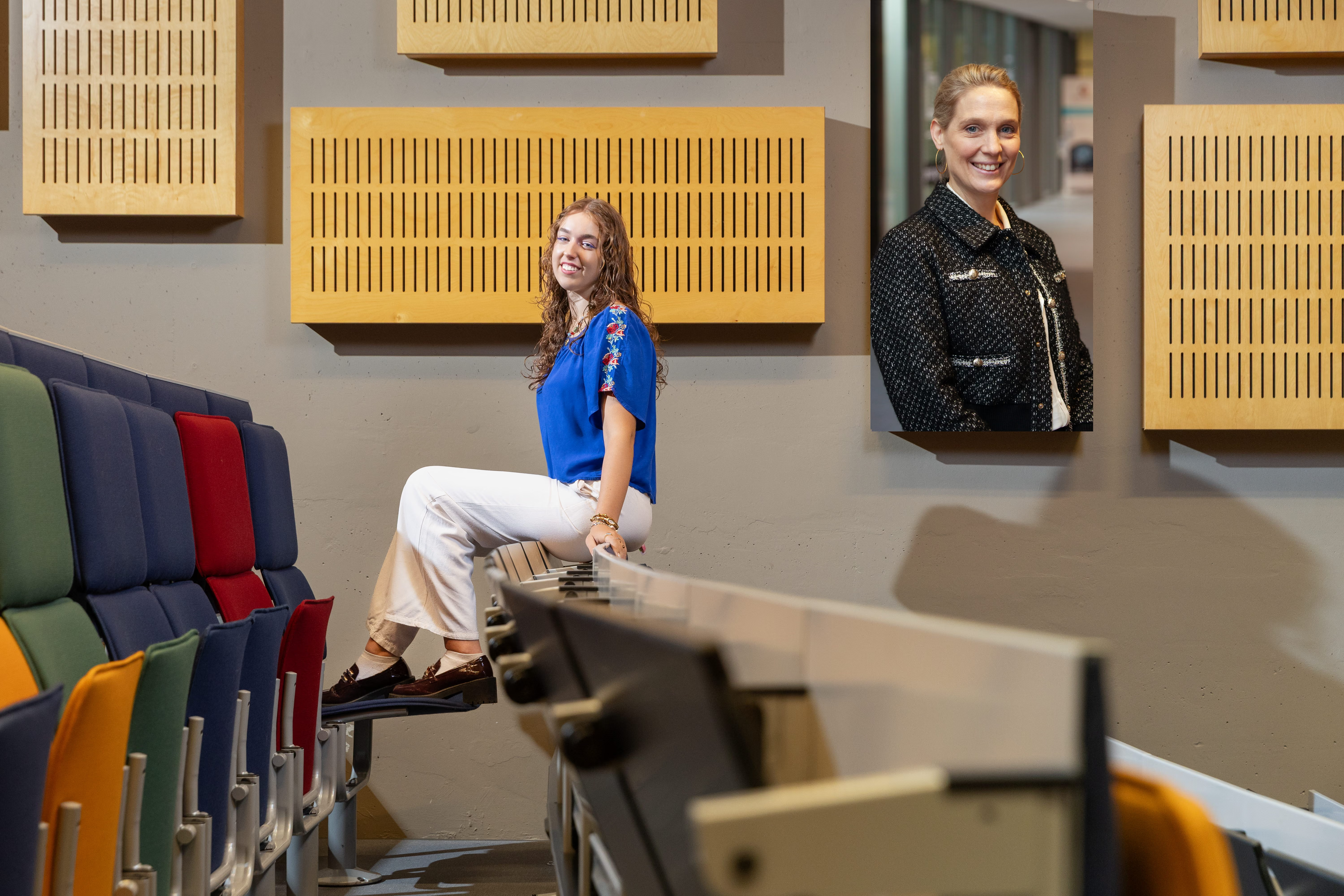
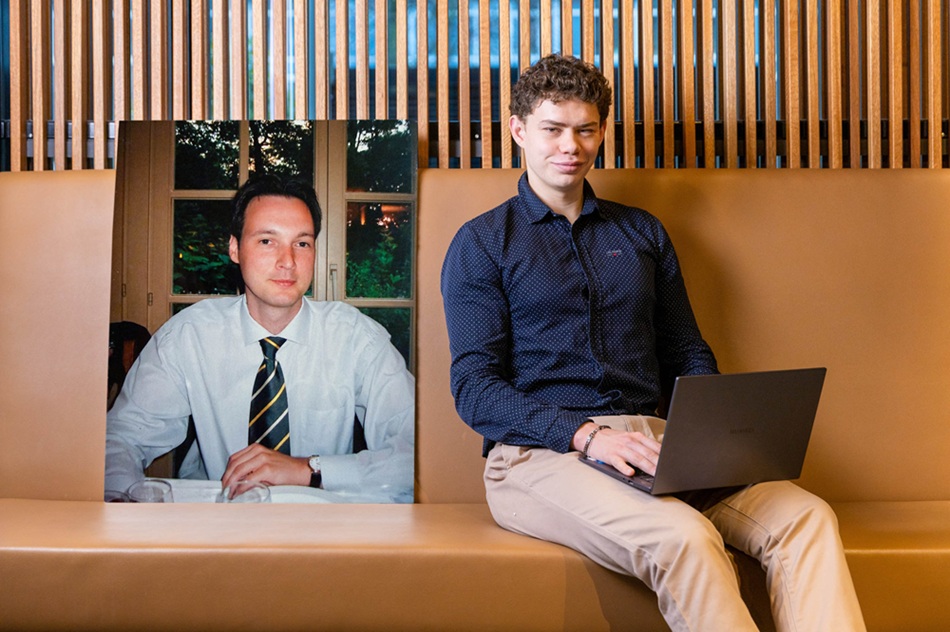
Over the past 50 years, both education at Maastricht University and the university itself have changed enormously. New buildings have been added; at the same time, new degrees have been developed and curricula have evolved with the times. Study programmes that were still finding their feet decades ago have now come of age. The same goes for the first cohorts of students who took them. To shine a spotlight on these changes, we’re speaking to an alum from the first cohort and a current student at each faculty. This time, Bella Geraerds and Anique de Bruin, student and alum of the Faculty of Psychology and Neuroscience, share their experiences.

Bio
Project update

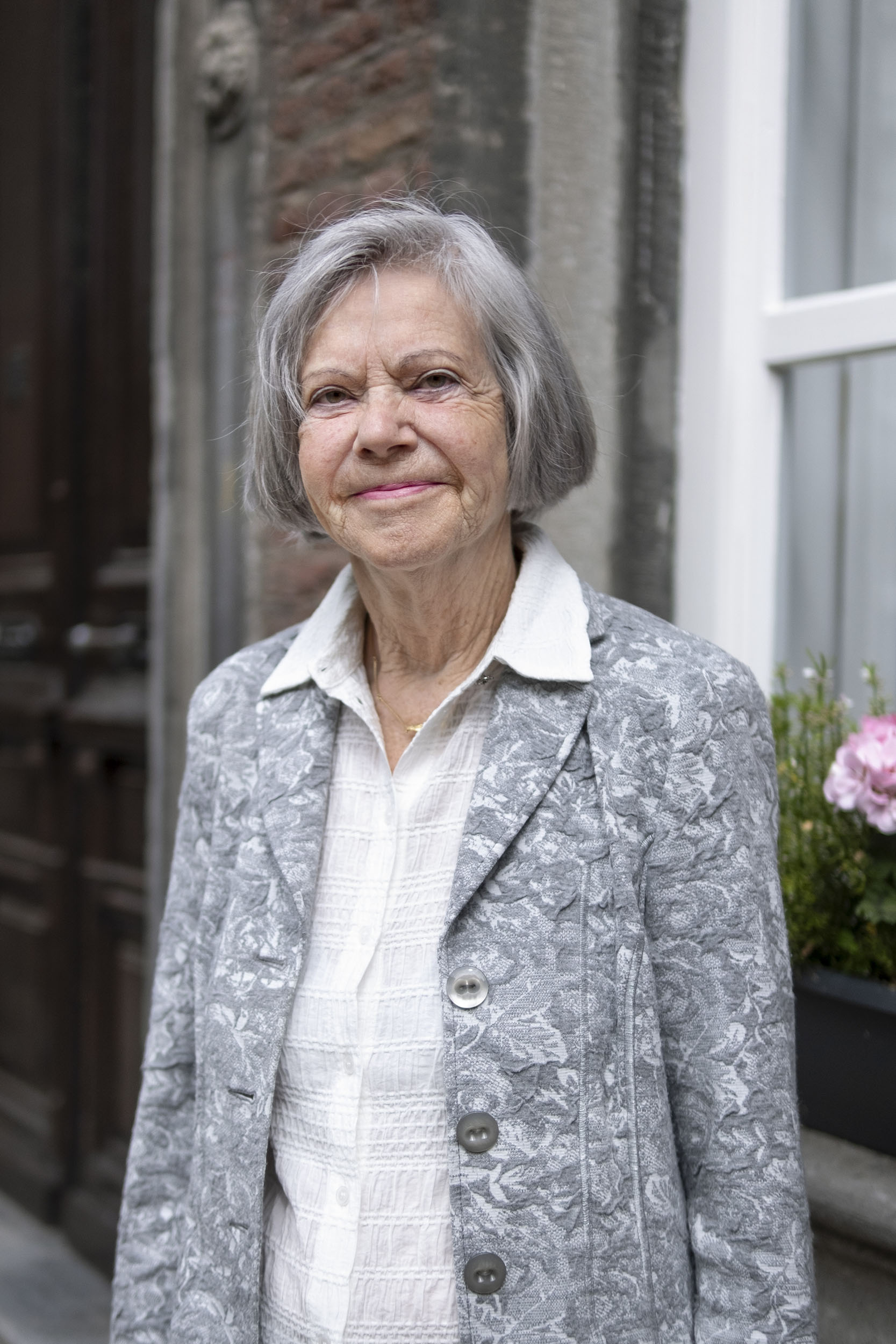
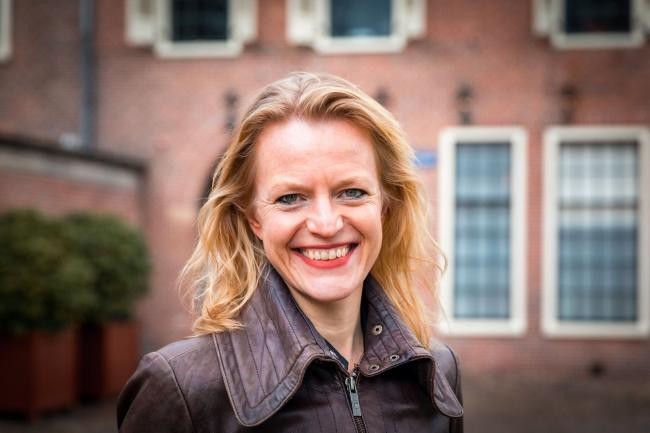
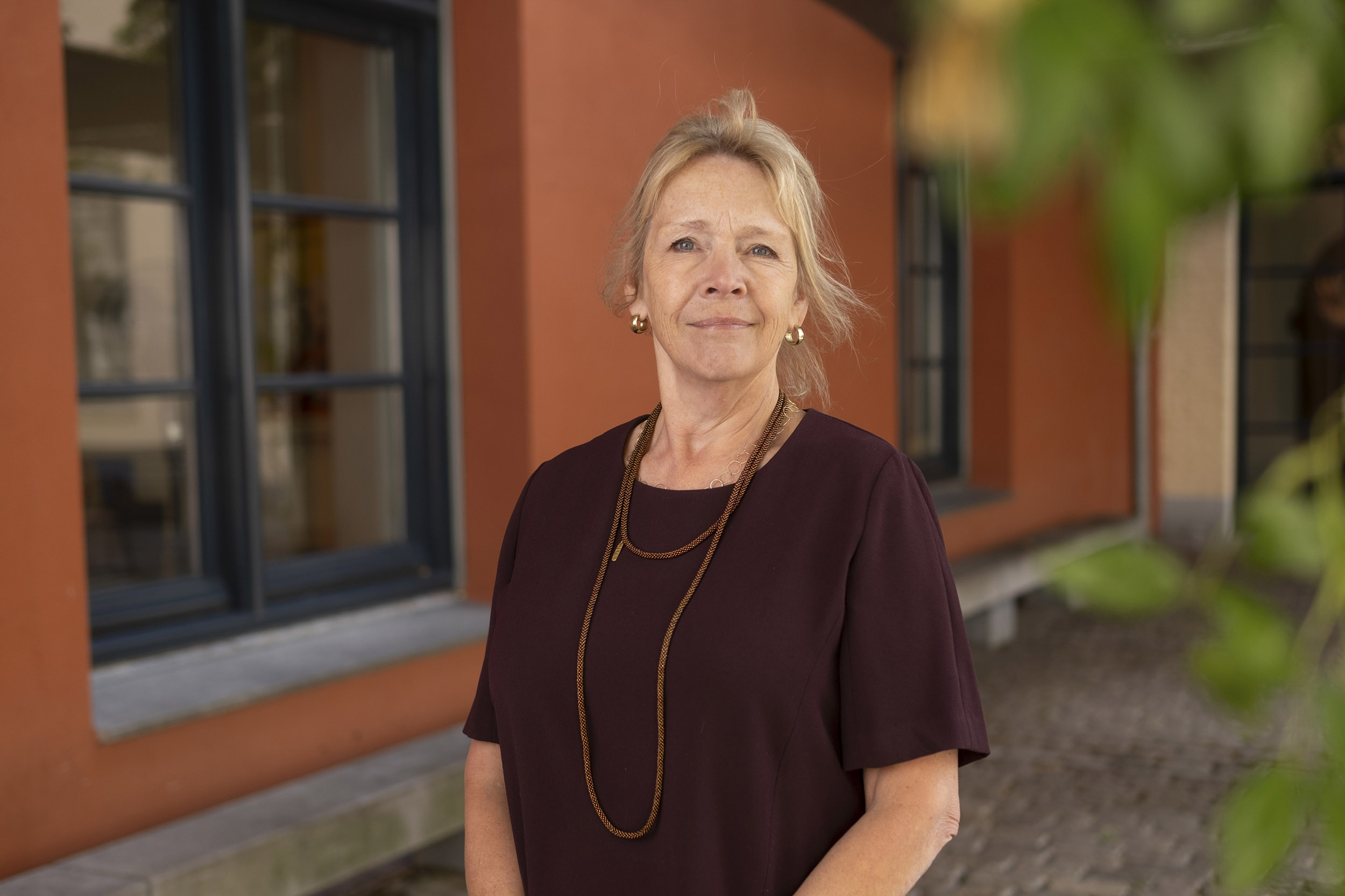
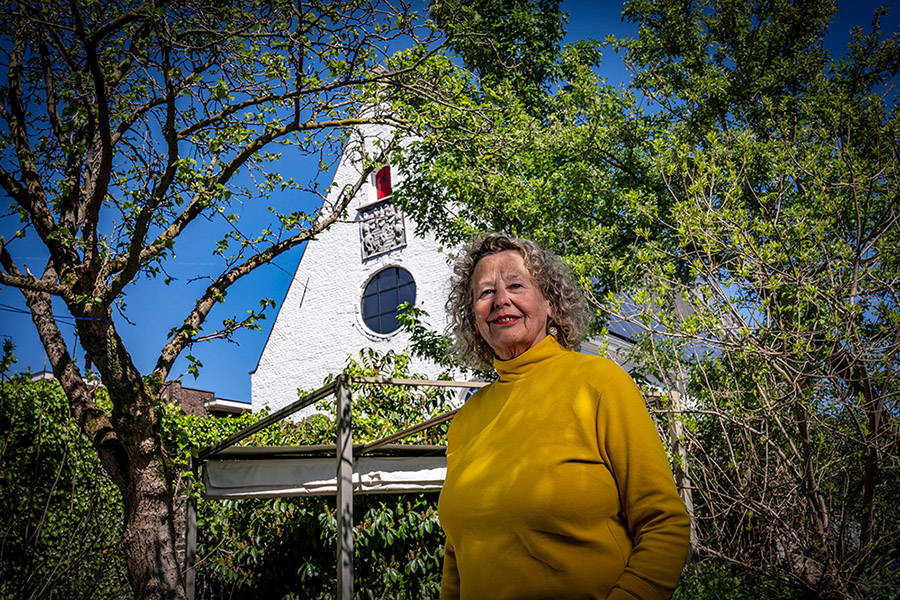
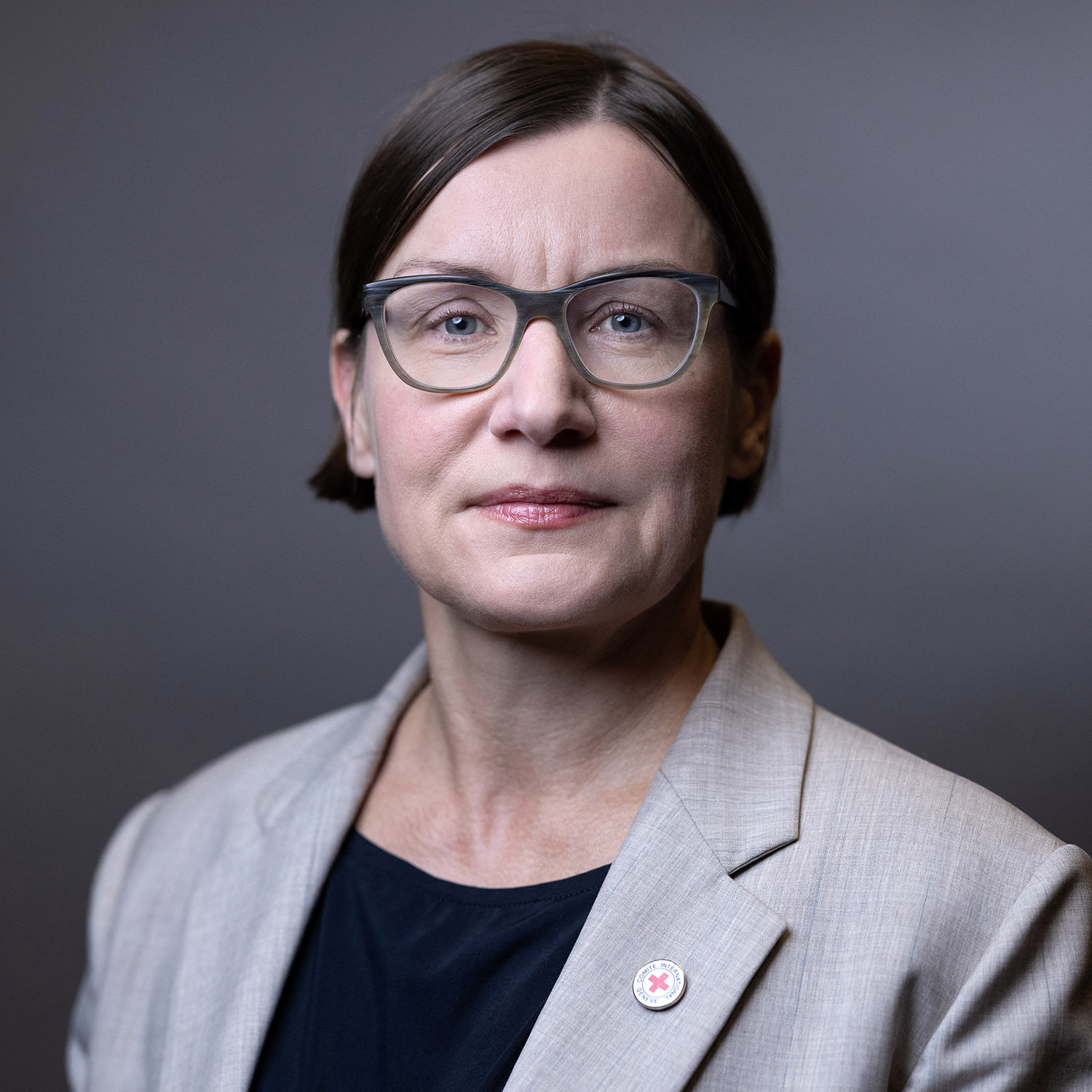
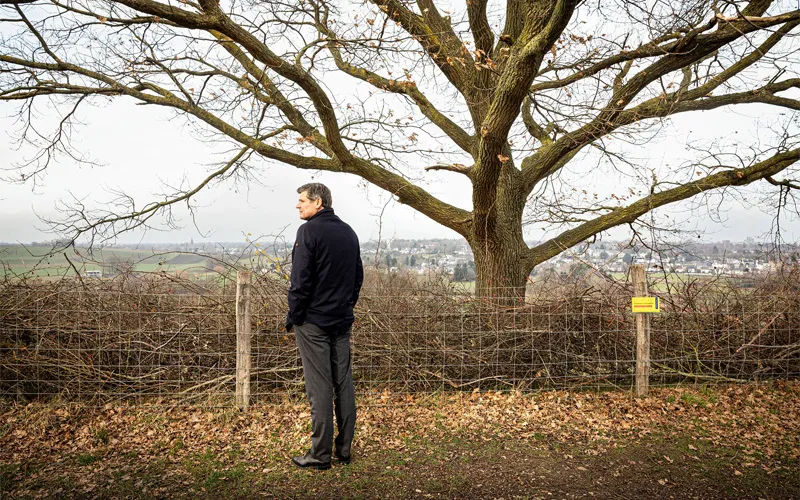
Anique de Bruin

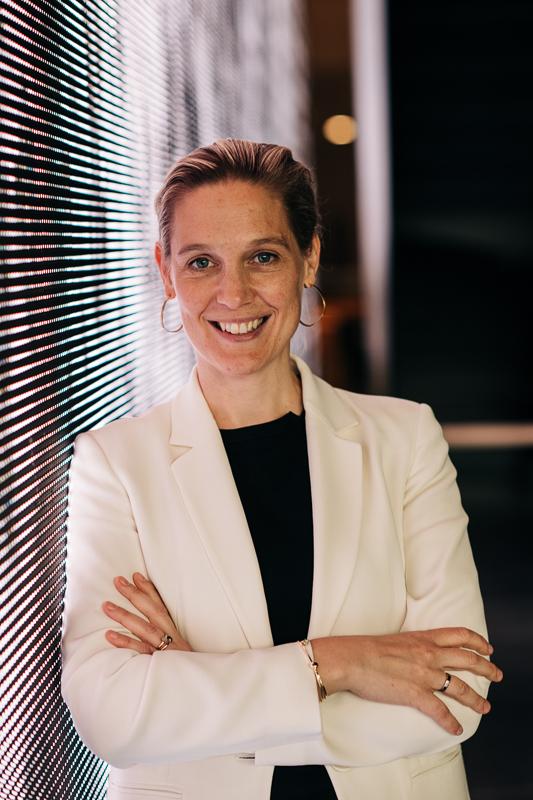
Anique de Bruin is scientific director of the School of Health Professions Education (SHE) at the Faculty of Health, Medicine and Life Sciences at Maastricht University. She is also professor of Self-Regulation in Higher Education at SHE and at the Department of Educational Development and Research. She studied psychology at UM from 1995 to 1999. After her studies, she worked for eight years at Erasmus University Rotterdam, where she also obtained her PhD on expertise development. Alongside this, as an assistant professor, she contributed to the development of the new psychology programme in Rotterdam.

Read more below

“When I studied in Madrid for six months and had to cram for exams again, I appreciated what we had in Maastricht even more,” says Professor Anique de Bruin. From 1995 to 1999, she was part of the first cohort of psychology students at UM’s Faculty of Psychology and Neuroscience. “I was used to small groups and Problem-Based Learning, with lots of interaction.” More than 25 years later, she looks back fondly on her student days. She meets up with her old friends every year, and can still be found at UM every day. How did it all come about?

Problem-Based Learning

De Bruin had initially enrolled in psychology in Nijmegen. But when she heard about Problem-Based Learning in Maastricht, she decided to stay here in her hometown. “In Maastricht, you didn’t just read summaries and then sit an exam. We had lots of discussions and worked in small groups.”

Being among the first psychology students had its advantages, she says. “The teaching staff were incredibly enthusiastic and really went all out. You could see how invested they were in the tutorial groups, lectures and teaching materials.”

“I still see my fellow students from 30 years ago every year.”

Language and awareness

De Bruin enjoyed most of the courses, but some stood out more than others. “In the second year, we had a course on cognitive science. I found it endlessly fascinating. That was followed by an equally interesting course on consciousness. Does free will exist? How aware are you really of your own behaviour?”

Biological psychology was less her thing. “Learning brain areas by heart didn’t suit me. I would probably have found cognitive neuroscience, as it’s offered now, more interesting.”

On not becoming a therapist

At first, De Bruin imagined she might become a therapist, partly inspired by her father, who worked as a psychotherapist. But during a course on clinical psychology, she realised it wasn’t for her. “I think I’d find it hard to constantly see one client after another, and there’s a lot of repetition in the work. I wasn’t keen on that.” Research, on the other hand, did appeal to her.

Around the time De Bruin graduated, few young psychologists were working in and around Maastricht, so there were plenty of job opportunities. She secured a PhD position in educational psychology even before she’d completed her master’s thesis. “My PhD research was on expertise development: how do people become very good at something? I studied that among chess players from the Dutch junior team, as well as chess players who’d dropped out of that select group.”

Annual get-together

De Bruin’s student days may be more than 25 years behind her, but she still sees her fellow students at least once a year. “Every first weekend of October, about 12 of us go away together. Five of them, like me, work at UM.”

De Bruin herself “stuck around” at UM after working in Rotterdam for eight years on the launch of a new psychology programme. “Now I’m back at UM as a scientific director and researcher. I supervise PhD candidates and do my own research on self-regulation skills in higher education. I also have a challenging management role within the faculty – at my ‘home’ university – that gives me a lot of satisfaction.”

Bio
Project update

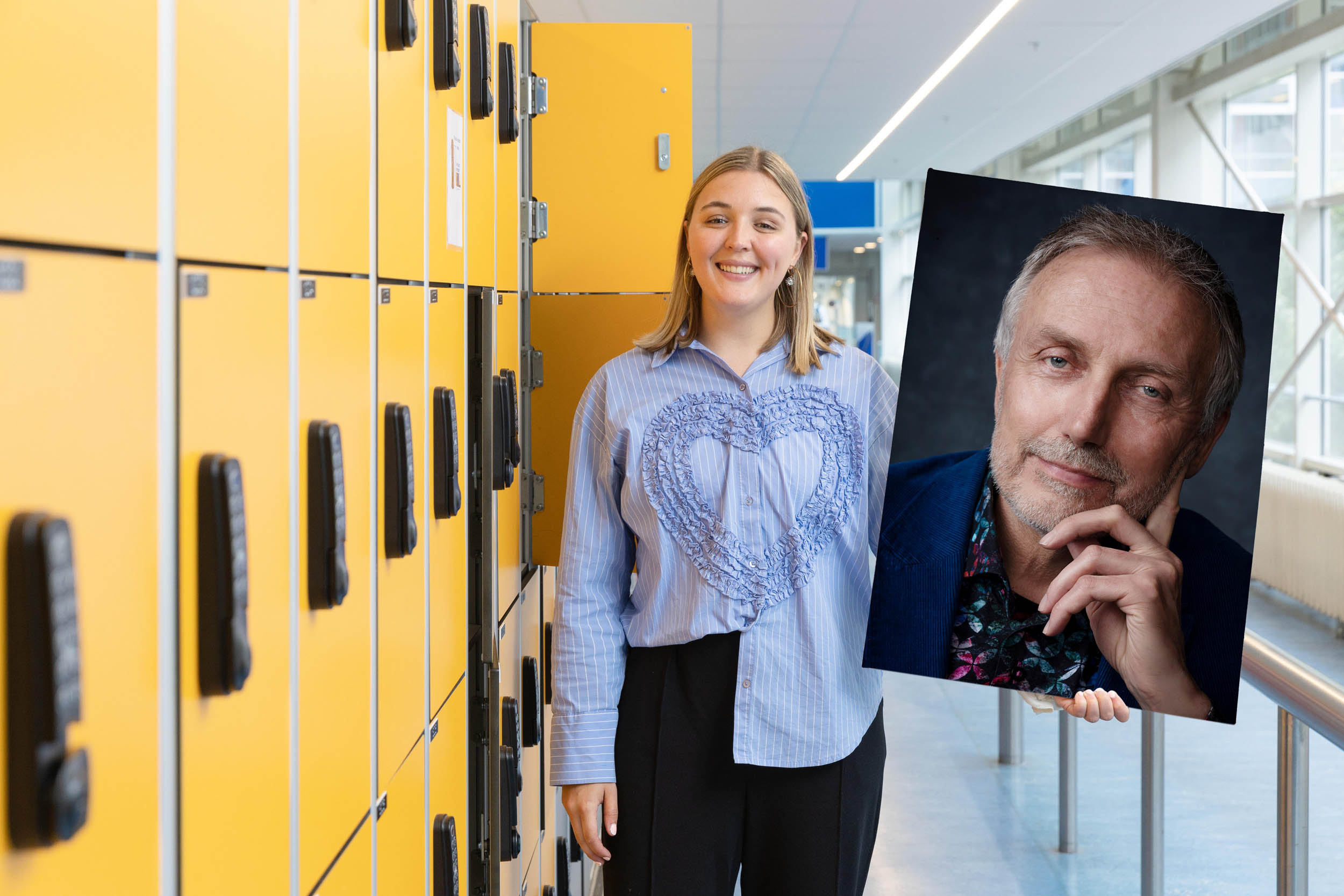
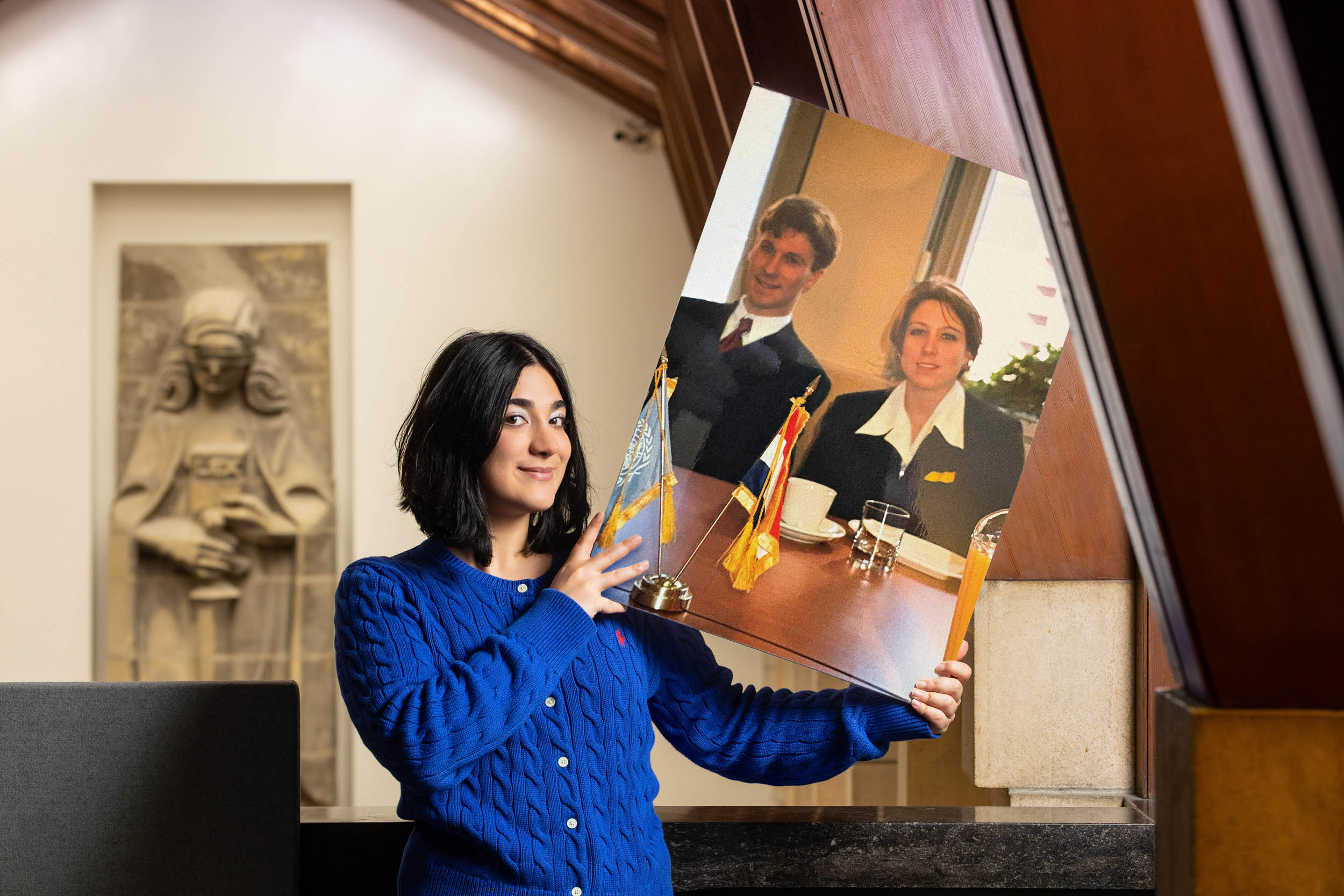
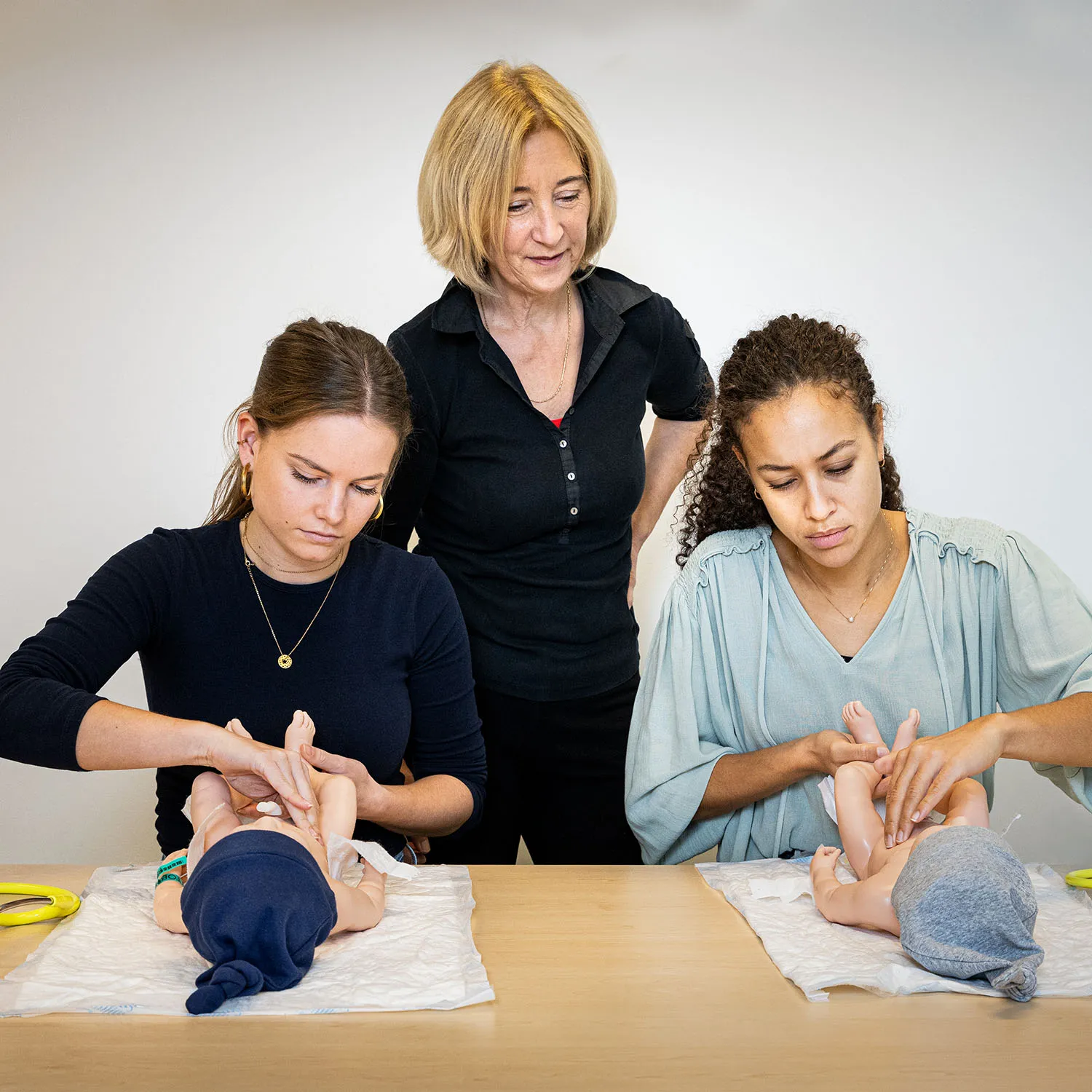
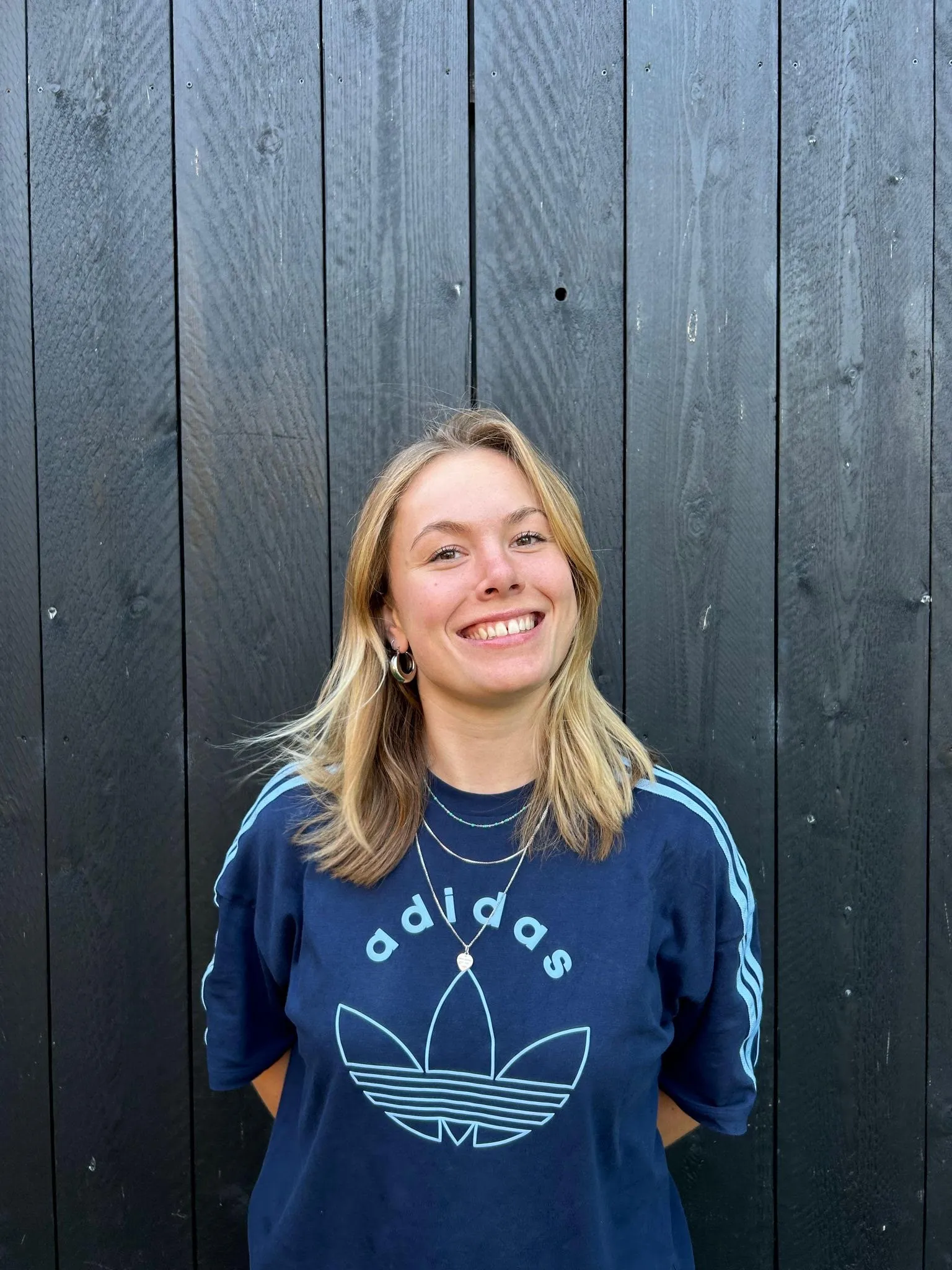
Bella Geraerds

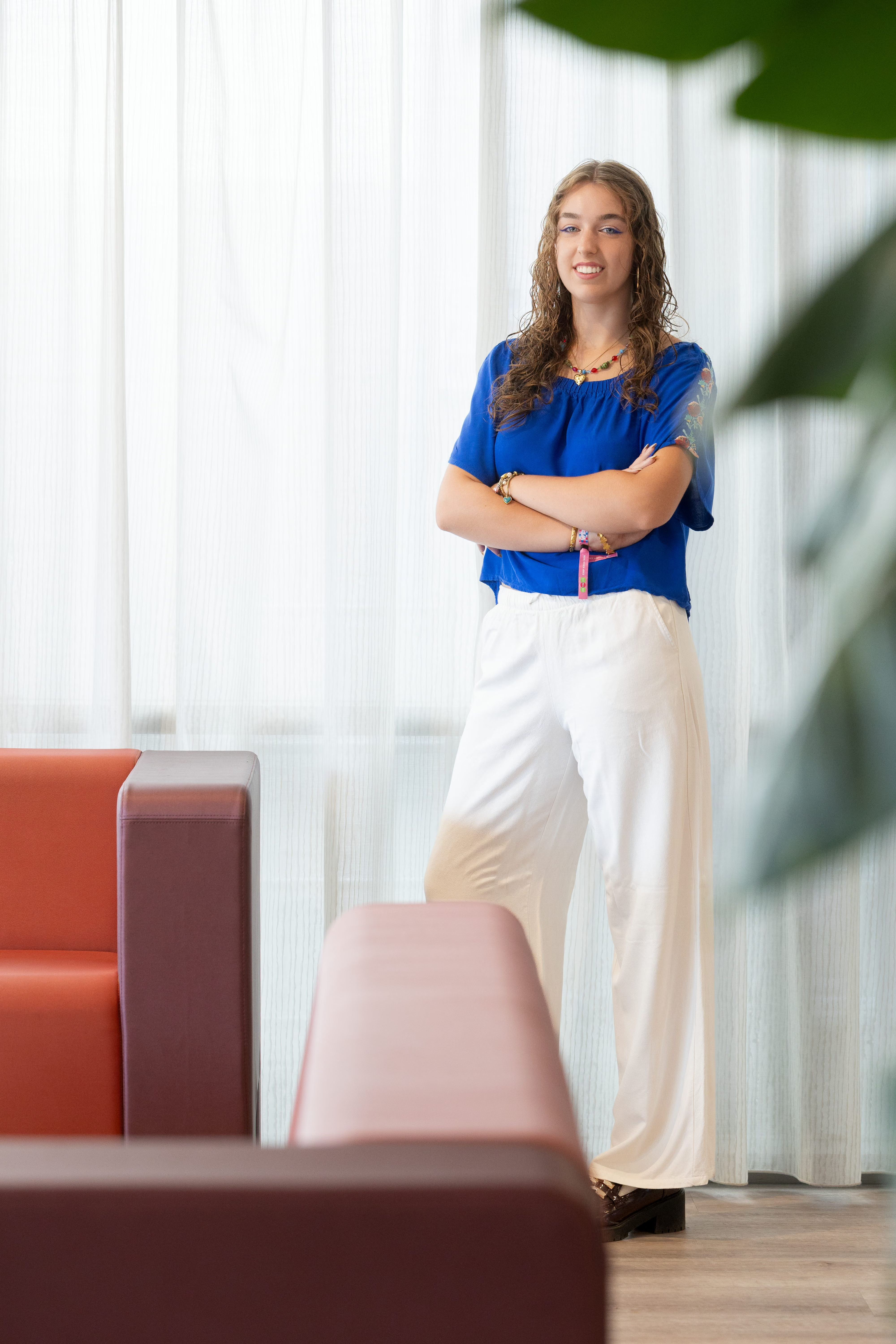
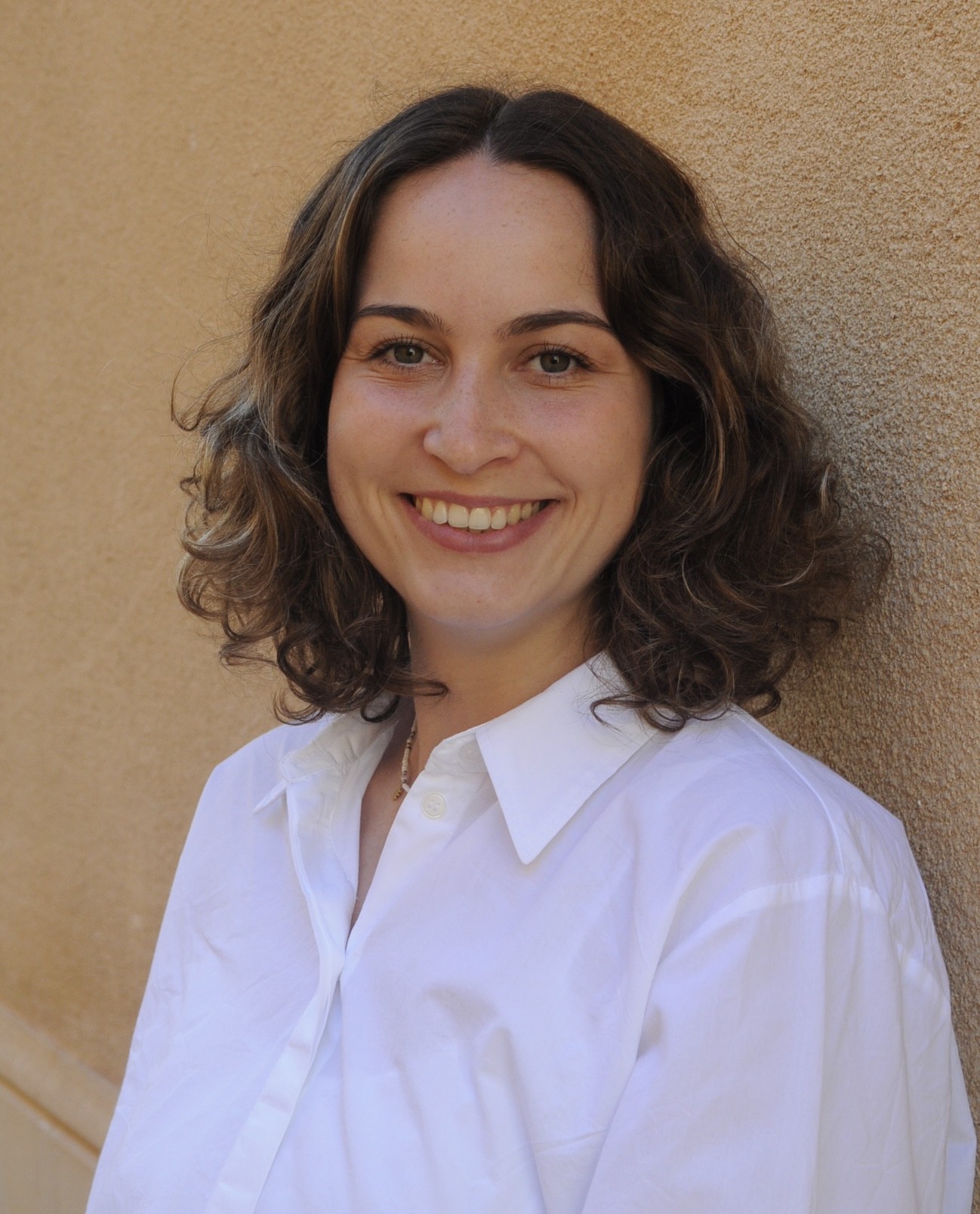
Bella Geraerds is a second-year Psychology student at Maastricht University. She hopes to continue with the master’s in Forensic Psychology. Alongside her studies, she works as a student tutor for first-year students in the improvisation sessions.

Read more below

Psychology student Bella Geraerds was thrilled when she was offered a place on the programme after missing out in a previous round. So far she has enjoyed every course – with the possible exception, she says, of a module on the brain as a ‘computer.’ Her standout favourite has been the improvisation sessions, but she also threw herself into her own research project on depression in adolescents. Her big dream for the future? Working with criminal offenders.

Improvisation lessons

The programme’s variety was a key part of its appeal. “At the start, we spent a lot of time exploring all the different areas of psychology.” She is especially enthusiastic about the improvisation sessions. “When you study psychology, you don’t expect those. But they’re really instructive, they create a strong group bond, and they help you give better feedback. Although I did find it intimidating at first – you really have to step outside your comfort zone.”

Now in her second year, Geraerds is teaching the improvisation sessions herself. “Second-year students can become student tutors and supervise the sessions. I got to do a really interesting training course to prepare for the role. It’s great to see how the students start to flourish.”

Less cramming

Problem-Based Learning suits her perfectly. “I find studying really hard when it’s just lectures and then you have to learn loads in one go for an exam. With PBL, we brainstorm, then there’s a lecture, we read at home, and we discuss the material with other students. That means I’ve already gone over the material four times without really noticing. It saves a lot of cramming during exam week.”

The programme also uses programmatic assessment, meaning students are assessed on their development and commitment throughout the year, rather than purely on exam results. “I like that – it takes a lot of stress off.”

Research project

Her most rewarding study experience so far was a research project on misdiagnosis in adolescents with depression. “With young people, we often assume feeling low is just puberty, or we mistake it for winter blues or an anxiety disorder. As a result, depression regularly goes unrecognised, so young people don’t get the right help.”

Together with a fellow student, Geraerds even had the chance to present her findings to alumni. “The best part was that we were allowed to create a flyer for parents of young people with depression. To work with the tools they learn in therapy, young people also need to feel supported and loved at home. Our flyer helps parents with that.”

Working with criminals

After her studies, Geraerds hopes to work with offenders or people with addiction issues. “I’d love to do the master’s in Forensic Psychology. I’m fascinated by why people commit crimes or develop addictions. These are exactly the groups that really need support. Unfortunately, the master’s has limited places, so I can only keep my fingers crossed that I get in.”

Text: Romy Veul
Photography: Philip Driessen, Erik Cronberg en Christina Couchena

Working with criminals