Problem-Based Learning in practice:
from ThinkTank to honours programmes
Constructive learning, collaborative learning, self-directed learning and learning in a relevant context. These are the four learning principles of Problem-Based Learning, the educational philosophy for which Maastricht University has been known for the past 50 years. But what does this look like in practice? Read on for four examples, as explained by enthusiastic staff members from UM and the MUMC+.
ThinkTank
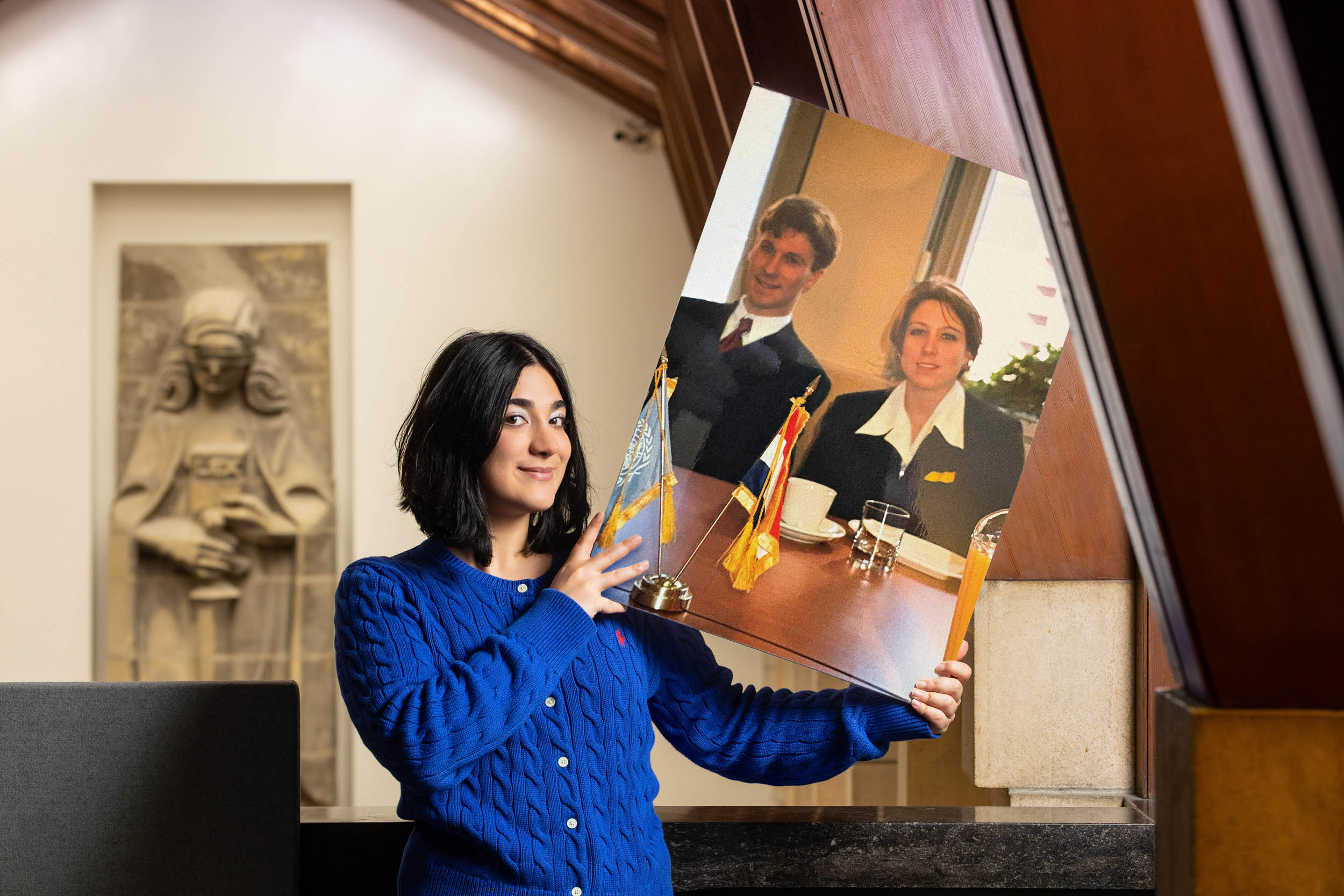
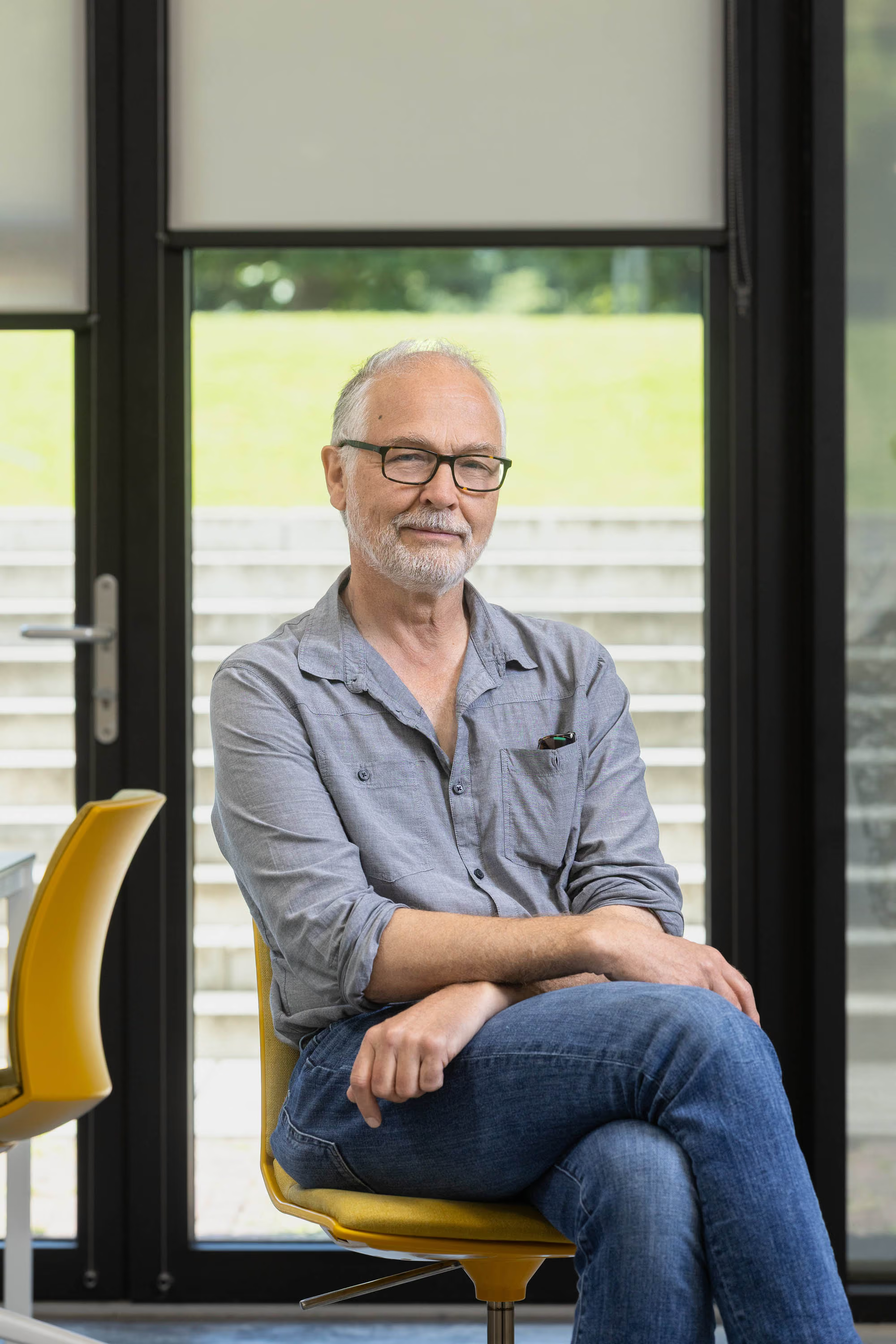
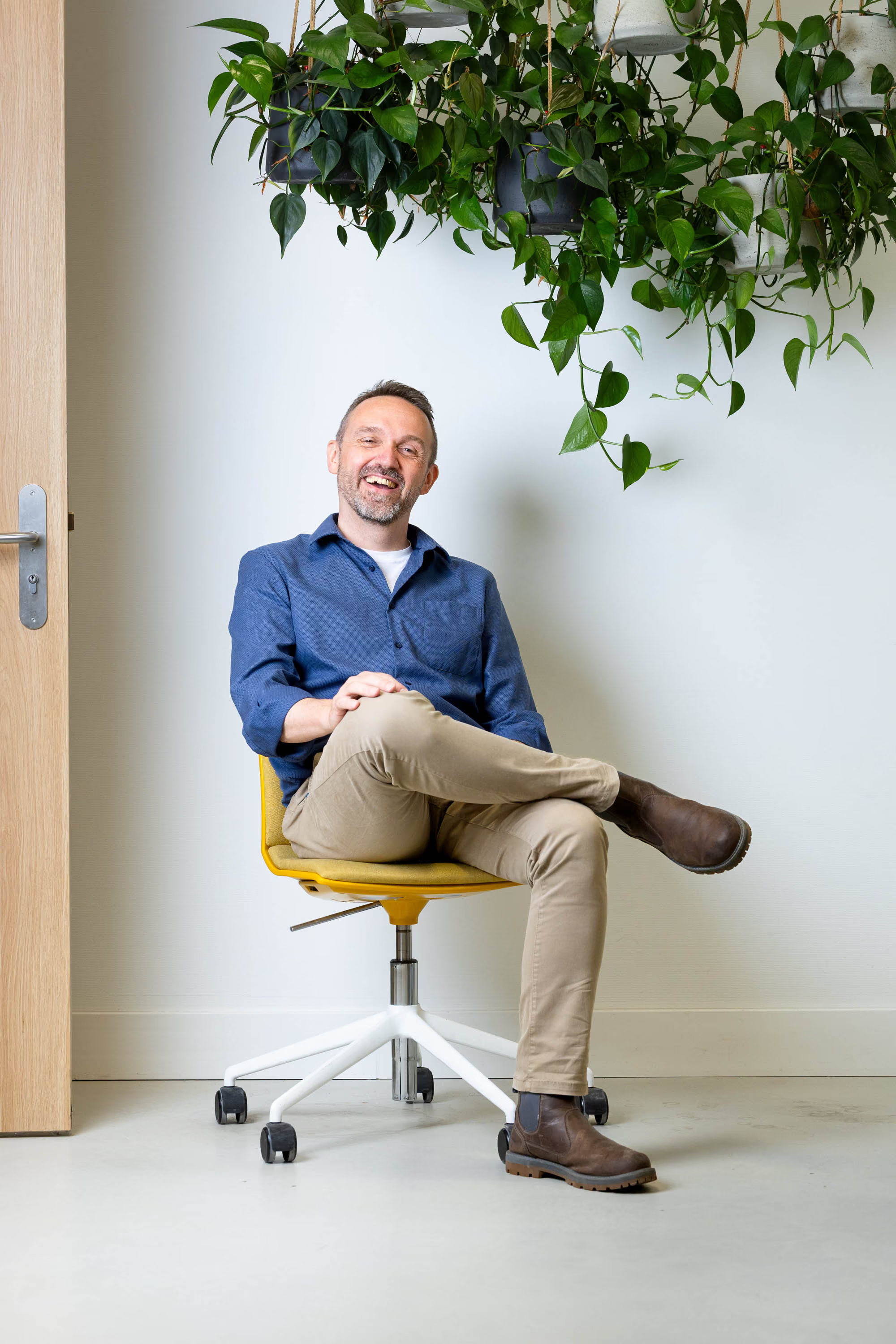
Oscar van den Wijngaard (senior educational development officer at EDLAB) and Wilfred van Dellen (lecturer at University College Maastricht) were among the founders of ThinkTank. In this part of the UCM curriculum, third-year bachelor’s students learn how to advise on issues put forth by external clients. Launched in 2008, ThinkTank has now been running for 18 years. More than 80 organisations have since benefited from the students’ contributions, including Amnesty International, the Ministry of Foreign Affairs and the Province of Limburg.
Multiple perspectives
“The strength of ThinkTank lies in the fact that issues are examined from different perspectives,” Van Dellen explains. “UCM students each have their own area of focus. Some specialise in the social sciences, others in the humanities or the natural sciences. As a result, they all look at the case through a different lens. They also learn how to collaborate with people from other disciplines, which is hugely valuable when they enter the labour market.”
ThinkTank projects, recently extended in duration from 4 to 11 weeks, have followed the same three-step structure since 2008. “Every case begins with an analysis,” Van den Wijngaard says. “After receiving a briefing from the client, the students thoroughly investigate the issue. They review the literature and gather information, for example through surveys and interviews. Finally, they prepare a report with their recommendations and present it to the client. Students are responsible for organising their own work, supported by a tutor. I enjoyed serving in that role for many years, and Wilfred is still a tutor today.”
Regional population decline
Van den Wijngaard vividly remembers ThinkTank’s first client, the Maastricht city council. “They wanted to grow the city from 120,000 to 150,000 residents and were looking for advice on how to achieve that.” What made the project particularly challenging was that Maastricht is located in a region with a declining population. “The students quickly discovered that population decline is a trend across many parts of Europe,” Van Dellen says. “More and more people are choosing to live outside cities, which isn’t a process you can simply reverse.”
In the end, the students advised the council to abandon its growth ambitions and focus instead on retaining its existing population. The council appreciated this honest advice, which also underscored the students’ independence as consultants.
Bridging theory and practice
The beauty of ThinkTank is that it creates value for clients as well as students. Van den Wijngaard: “Students work on genuine challenges and apply the knowledge they’ve acquired during their studies. In doing so, they build a bridge between theory and practice. At the same time, clients receive well-founded and independent recommendations free of charge.”
That ThinkTank is free is a deliberate choice. After all, the students’ learning experience comes first. “We can’t offer clients the guarantees that come with paid consultancy work. And being paid for their advice would probably put pressure on the students rather than encourage them,” Van den Wijngaard continues. Van Dellen agrees. “Fortunately, contributing to the students’ learning process is something our clients enjoy. Many of them come back to us with new assignments. We see that as a great compliment.”
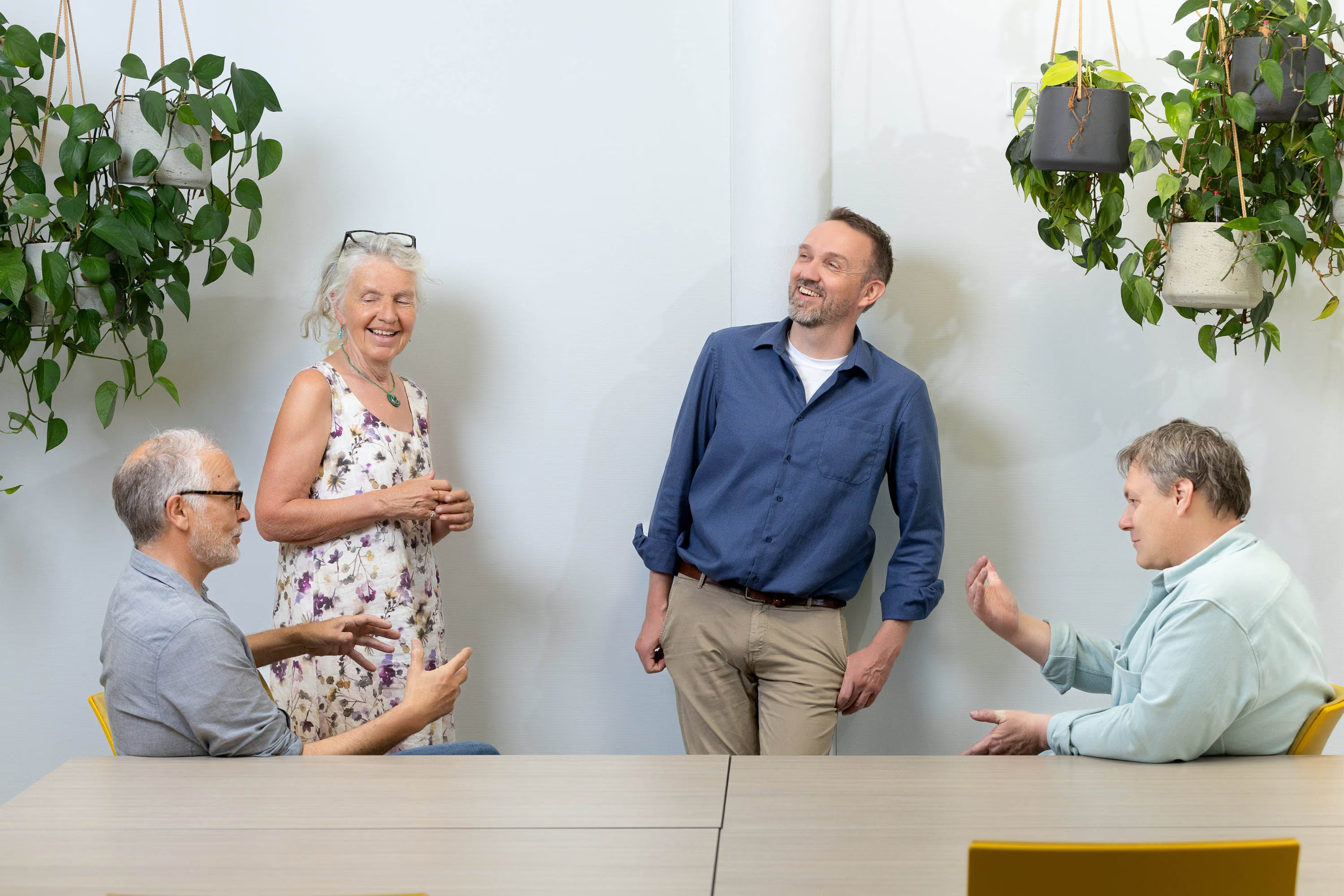
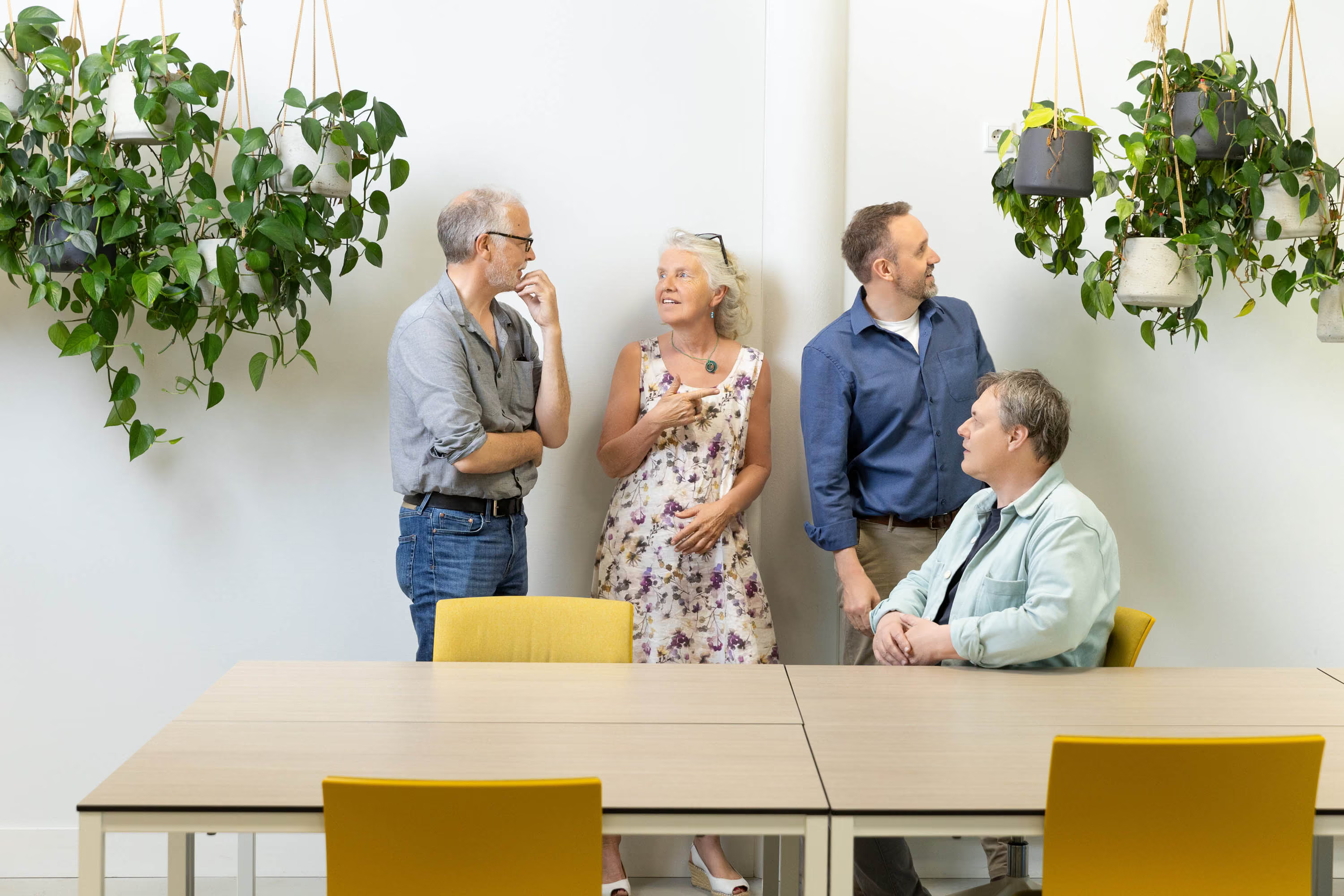
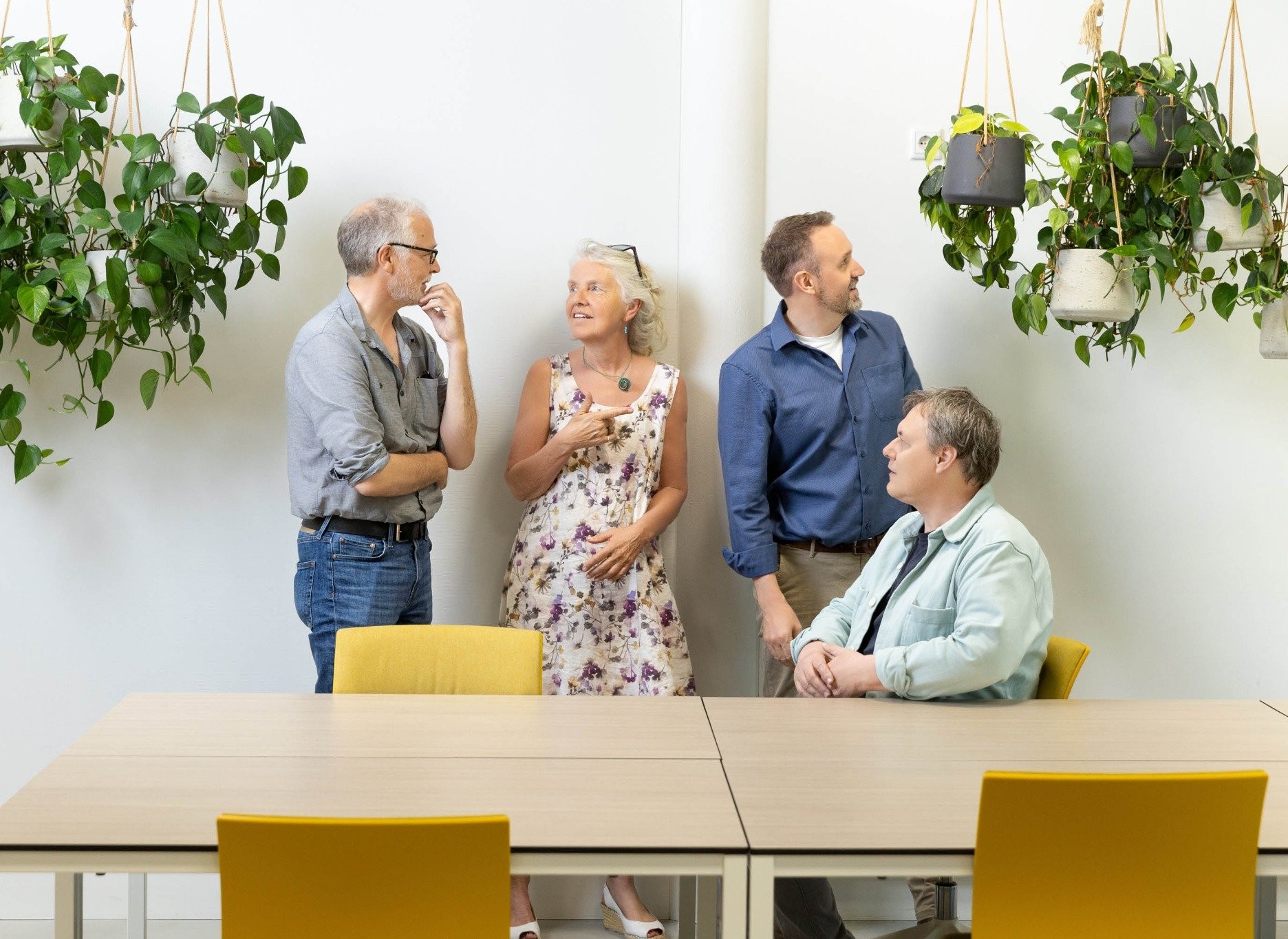
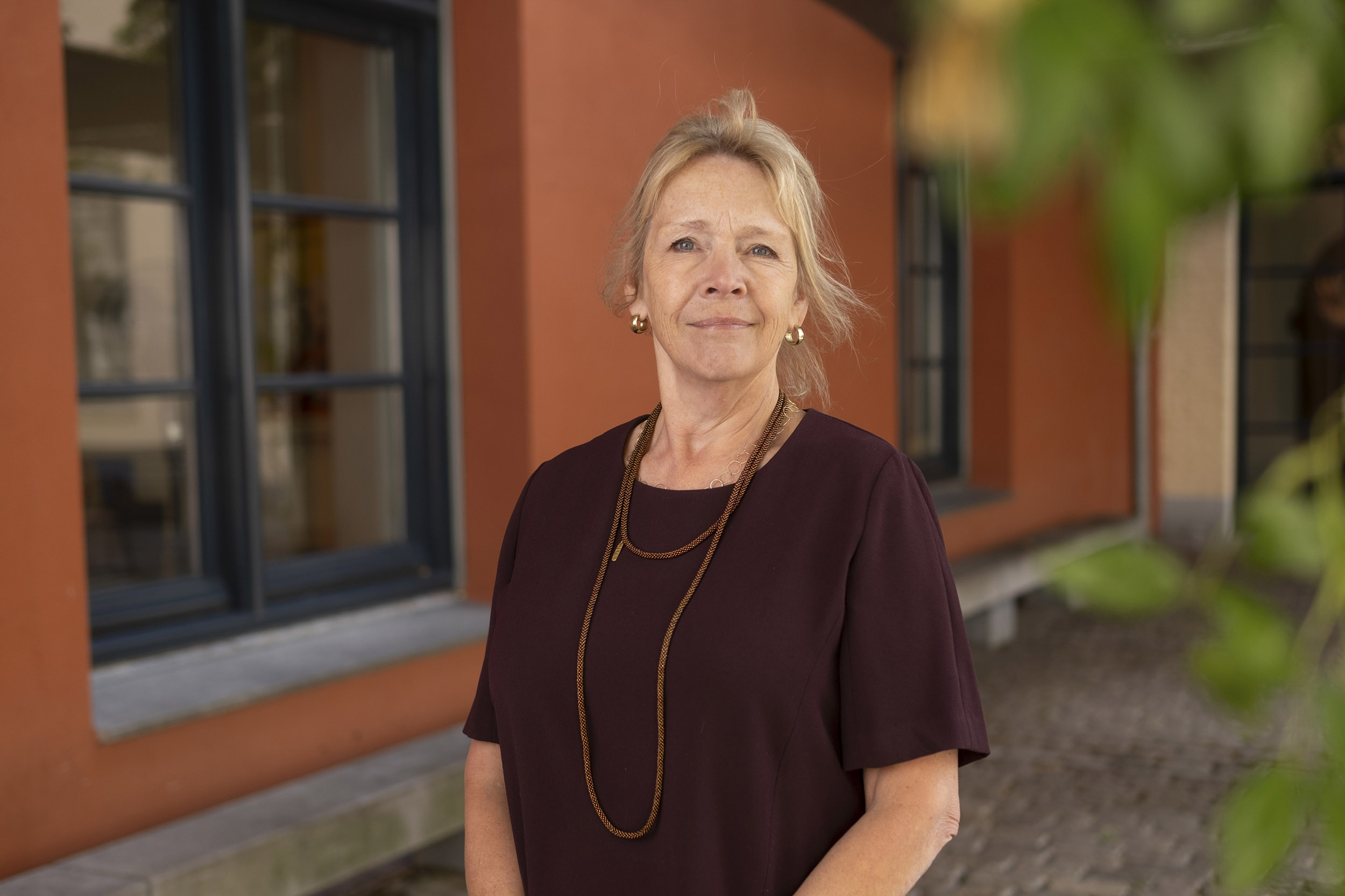
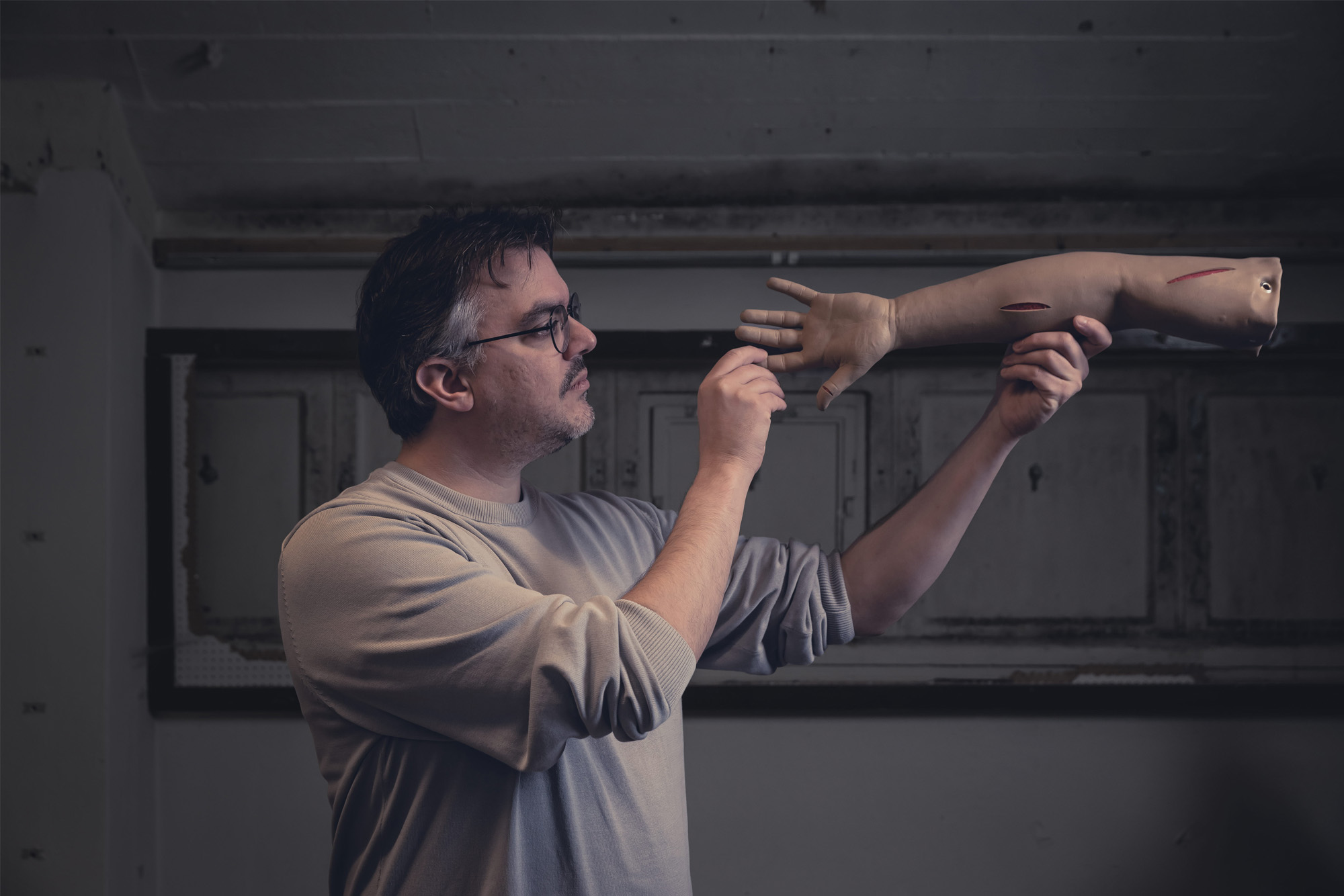
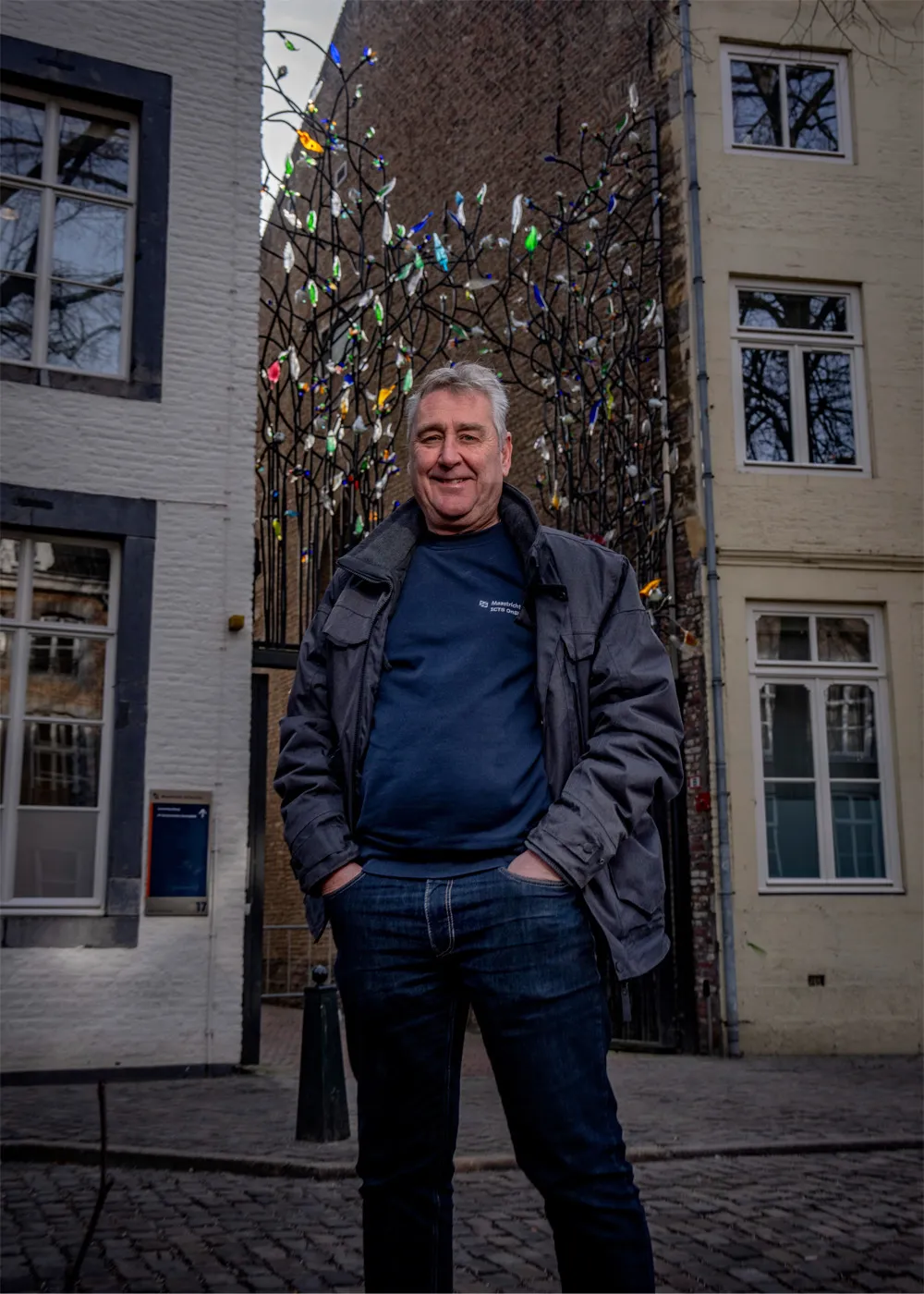
Oscar van den Wijngaard
Wilfred van Dellen
Interprofessional Teaching and Learning
Many graduates will recognise the experience: during your studies, the focus is largely on your own discipline. But as soon as you enter the workforce, you have to collaborate with people from a wide range of professions, each with their own expertise and skills. “That can be challenging, which is why I develop educational activities that revolve around interprofessional collaboration,” says Jascha de Nooijer, professor of Interprofessional Teaching and Learning at the Faculty of Health, Medicine and Life Sciences.
Placement at MUMC+
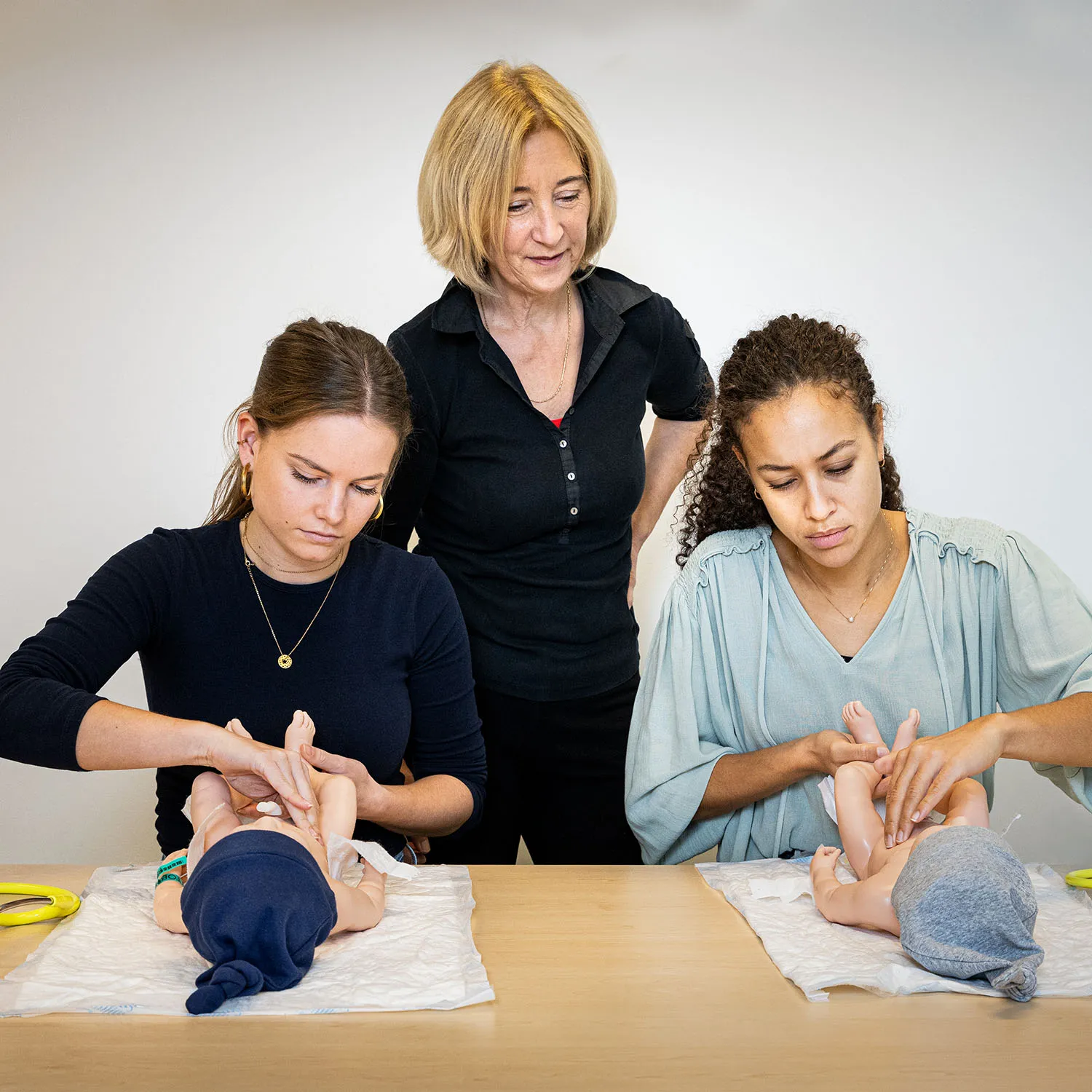
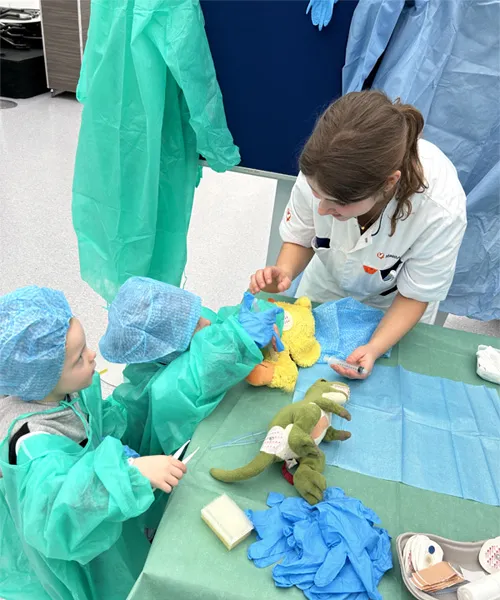
Interprofessional collaboration is a key component of the Sustainable Healthcare minor. The programme begins with a four-week introductory course on sustainable healthcare. Students then undertake a 15-week placement in a department of the Maastricht University Medical Centre+, spending three days there each week. During their placement, they work on complex projects that form part of the Green Deal for Sustainable Healthcare.
“These placements help students develop their professional and interprofessional identities while also gaining experience of the workplace,” De Nooijer explains. “The recommendations made by one group of students become the starting point for the next. I love seeing how proud they are when they finish a project. Through ‘their’ product or recommendation, they make a meaningful contribution to healthcare in the region. That’s incredibly motivating for them.”
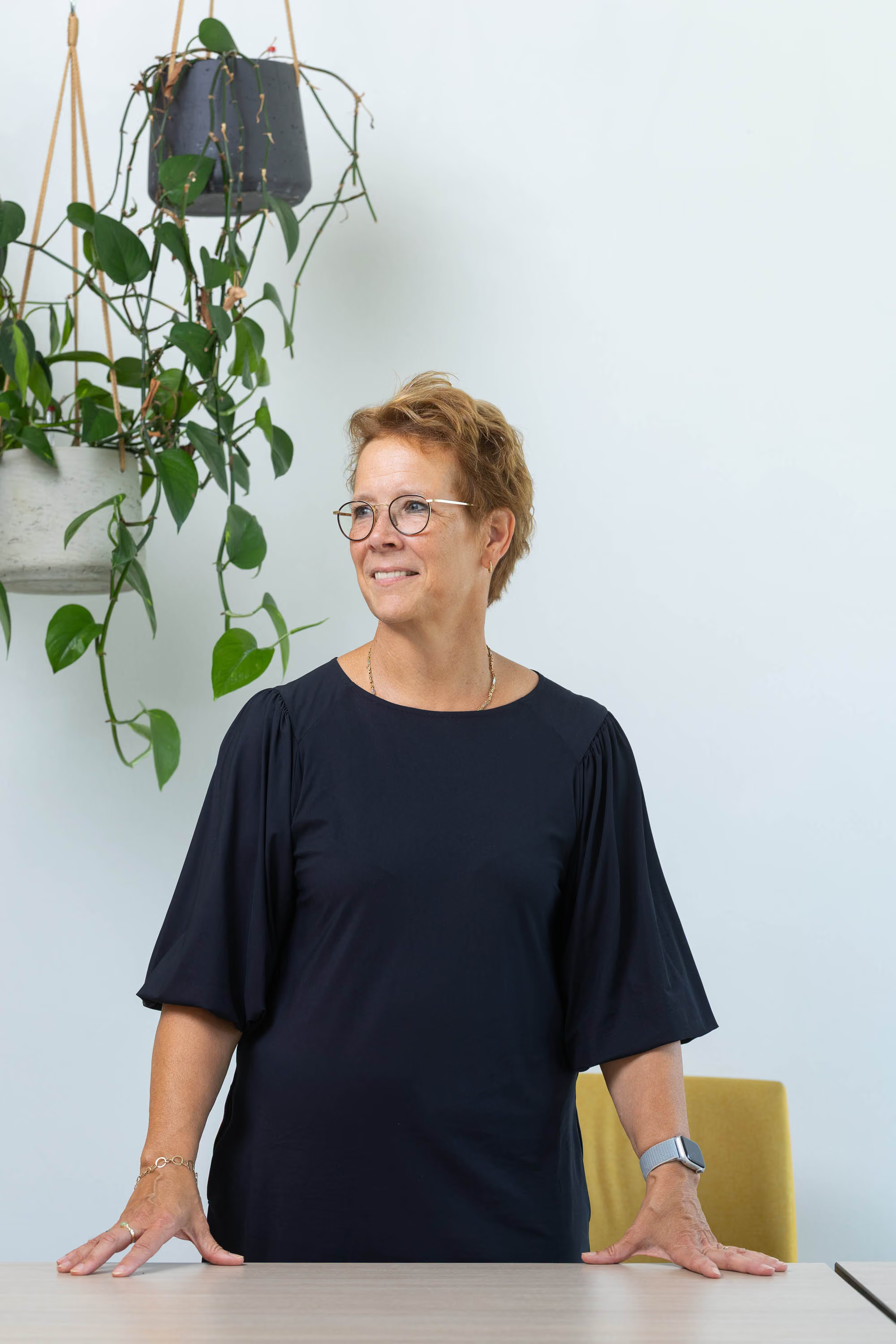
One of the departments involved is the Maastricht Centre for Home Mechanical Ventilation (CTbM). “People who experience breathing difficulties as a result of a medical condition can use ventilation equipment at home. We support them with that,” explains Mark Voermans, nurse consultant at the CTbM. “Home ventilation requires masks and tubing, which patients can order themselves. We wanted to know whether patients’ ordering behaviour could be made more sustainable. That question became the focus of the first student project. One of the outcomes was more sustainable delivery terms by our supplier.”
The second group of students explored ways of increasing sustainability awareness among CTbM staff. “This resulted in several games designed to help staff improve their knowledge of sustainability,” says De Nooijer. “The third group is currently developing a tool to help nurses discuss the sustainable use of masks and tubing with patients. It’s quite a sensitive subject that requires a great deal of tact.”
A fresh perspective
Voermans says the students’ fresh perspective is extremely valuable. “They encourage us to look at our work in new ways and help us identify blind spots. Their ideas and findings have also made the importance of sustainability much more visible within the CTbM. As a result, more time is now being allocated to sustainability initiatives, which in turn inspires our colleagues at the CTBs in Groningen, Utrecht and Rotterdam. The students are genuinely helping to create a sustainability movement.”
The Sustainable Healthcare minor is, of course, equally valuable for the students themselves. De Nooijer: “During the first two years of their studies, students are mainly immersed in theory within the university. So they’re very eager to put their knowledge into practice in a real organisation. That’s when it hits them that theory and practice are very different things. For many students, that’s a real eye-opener and an important learning experience. I think it’s great that this minor makes that possible while at the same time contributing to healthcare in the region.”
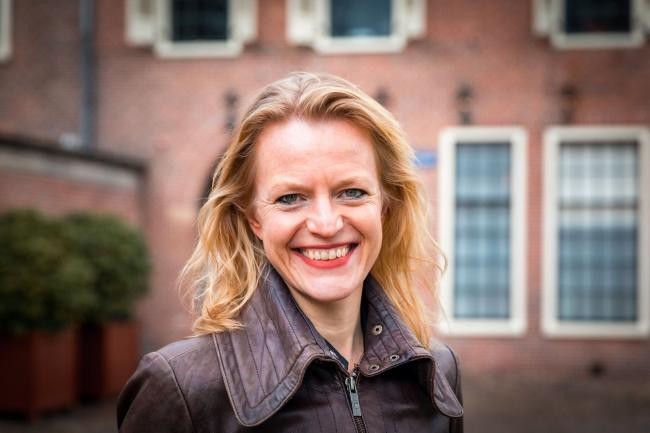
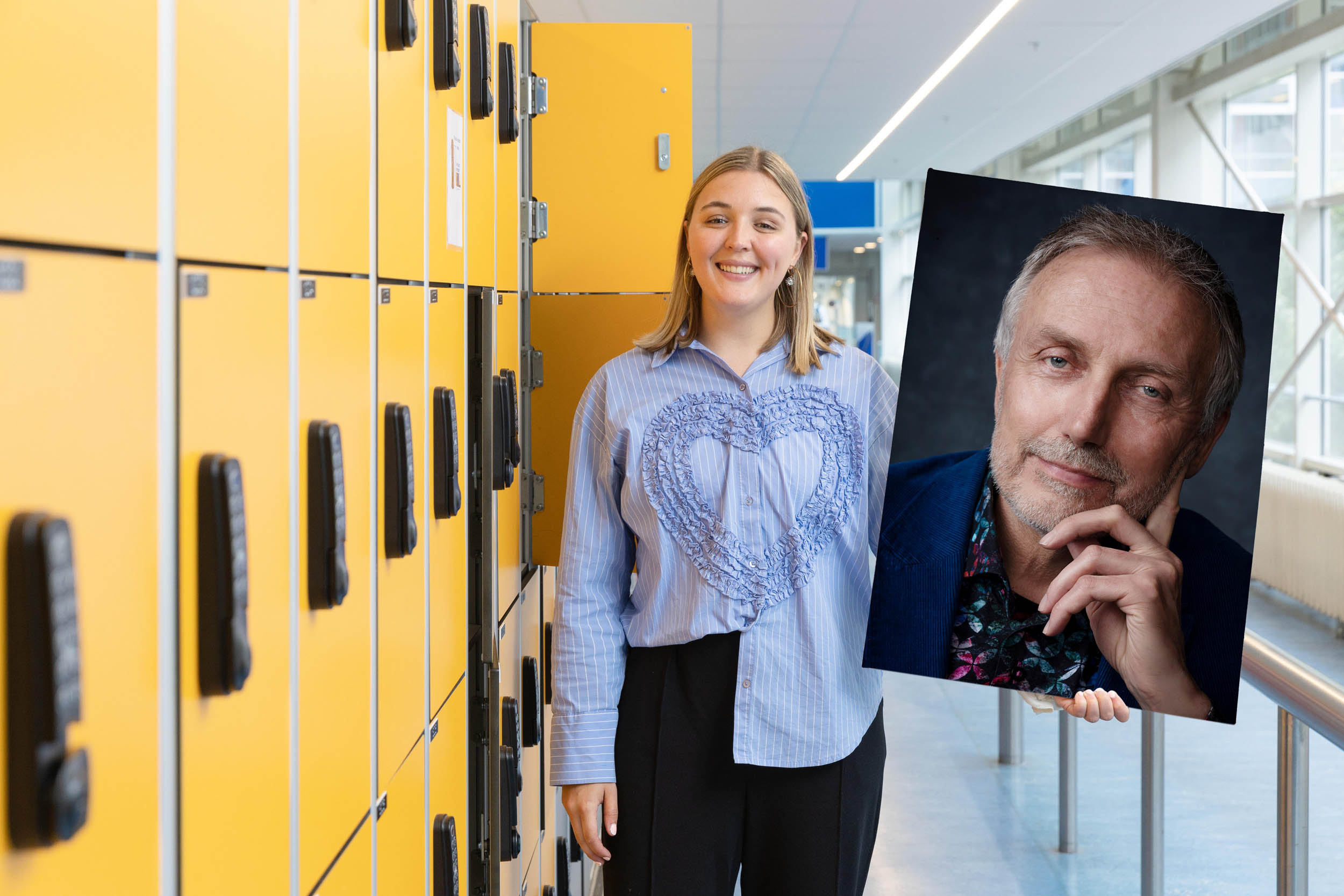
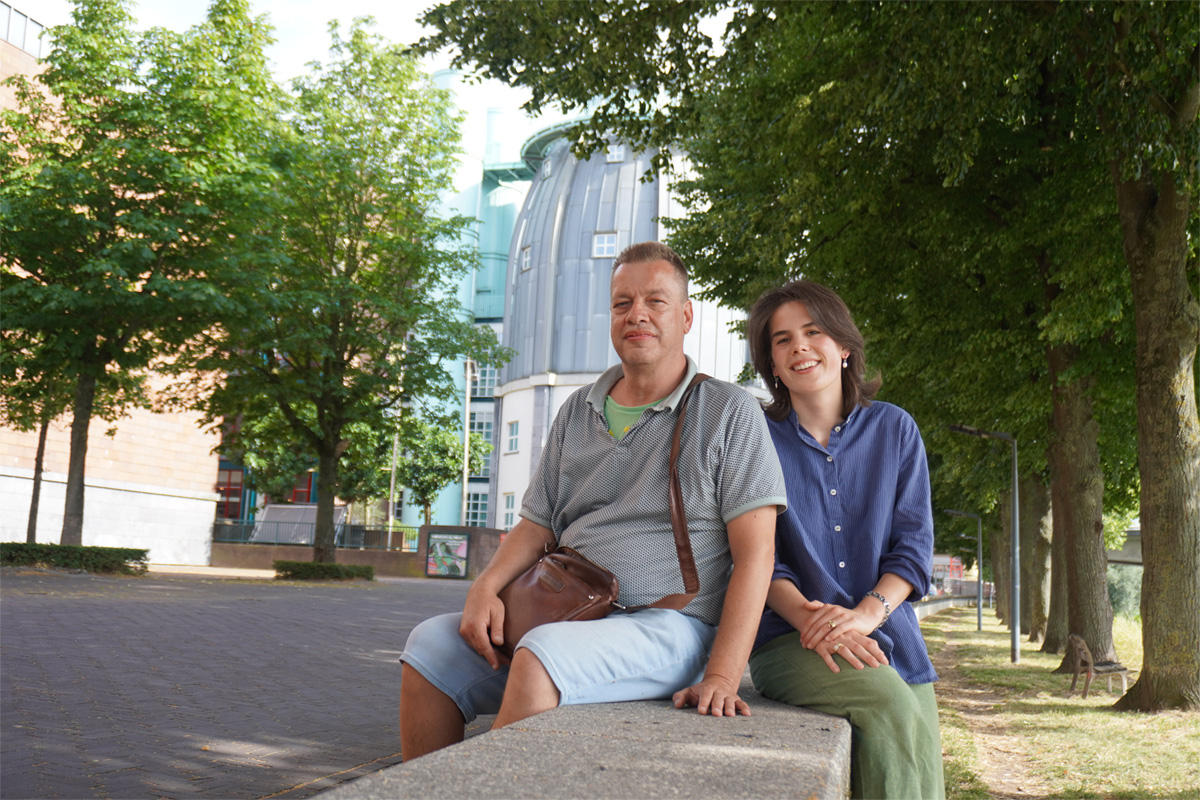
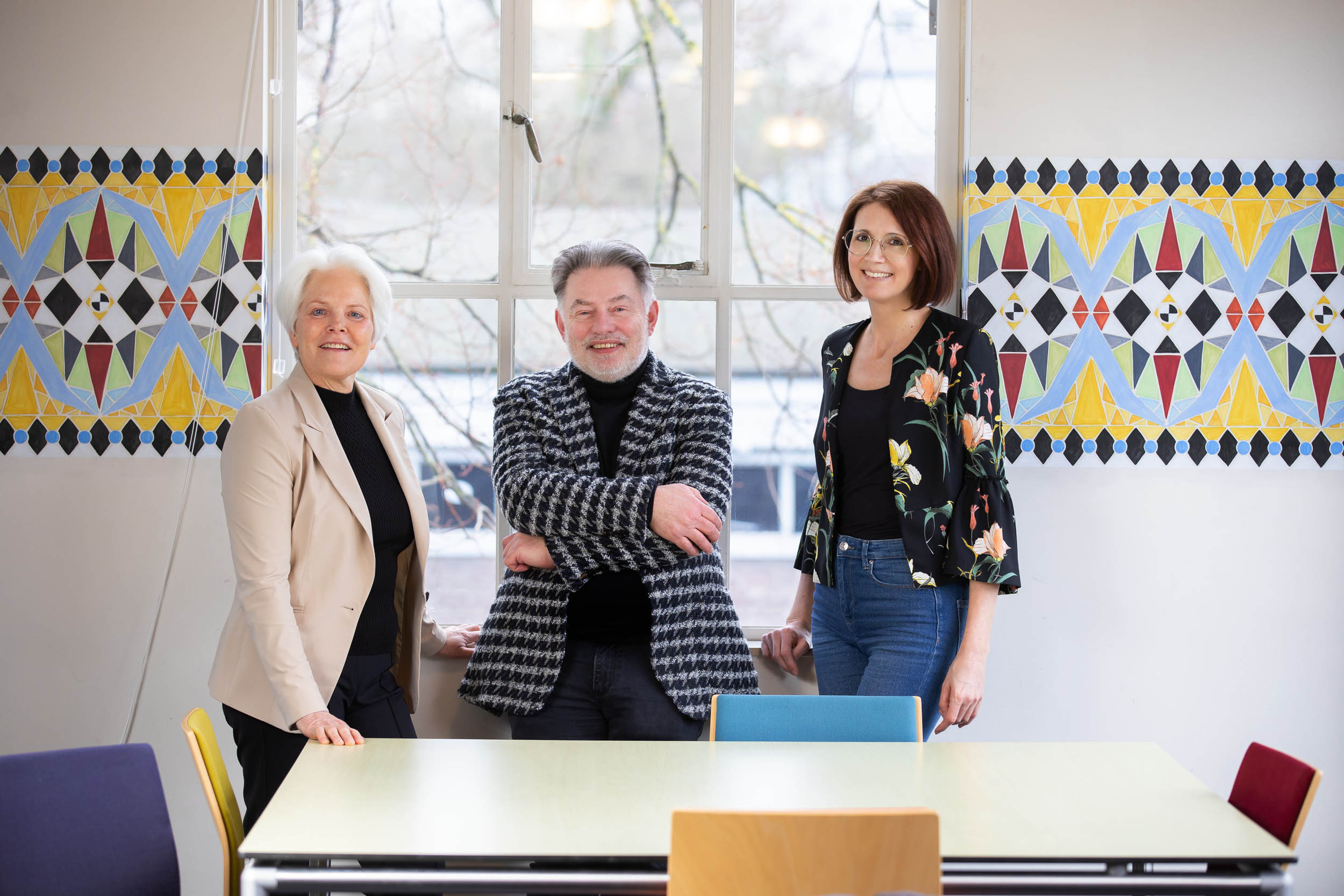
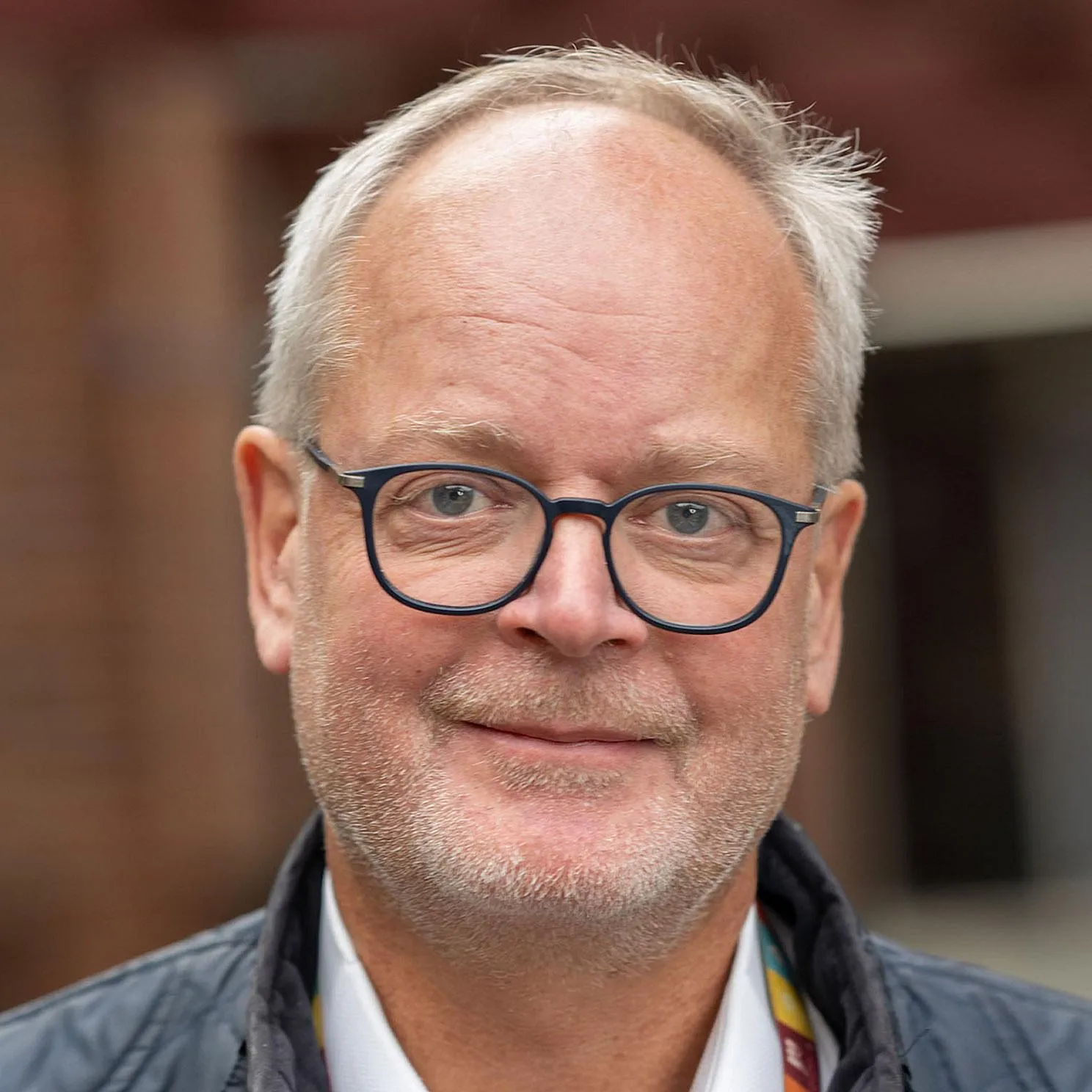
Jascha de Nooijer
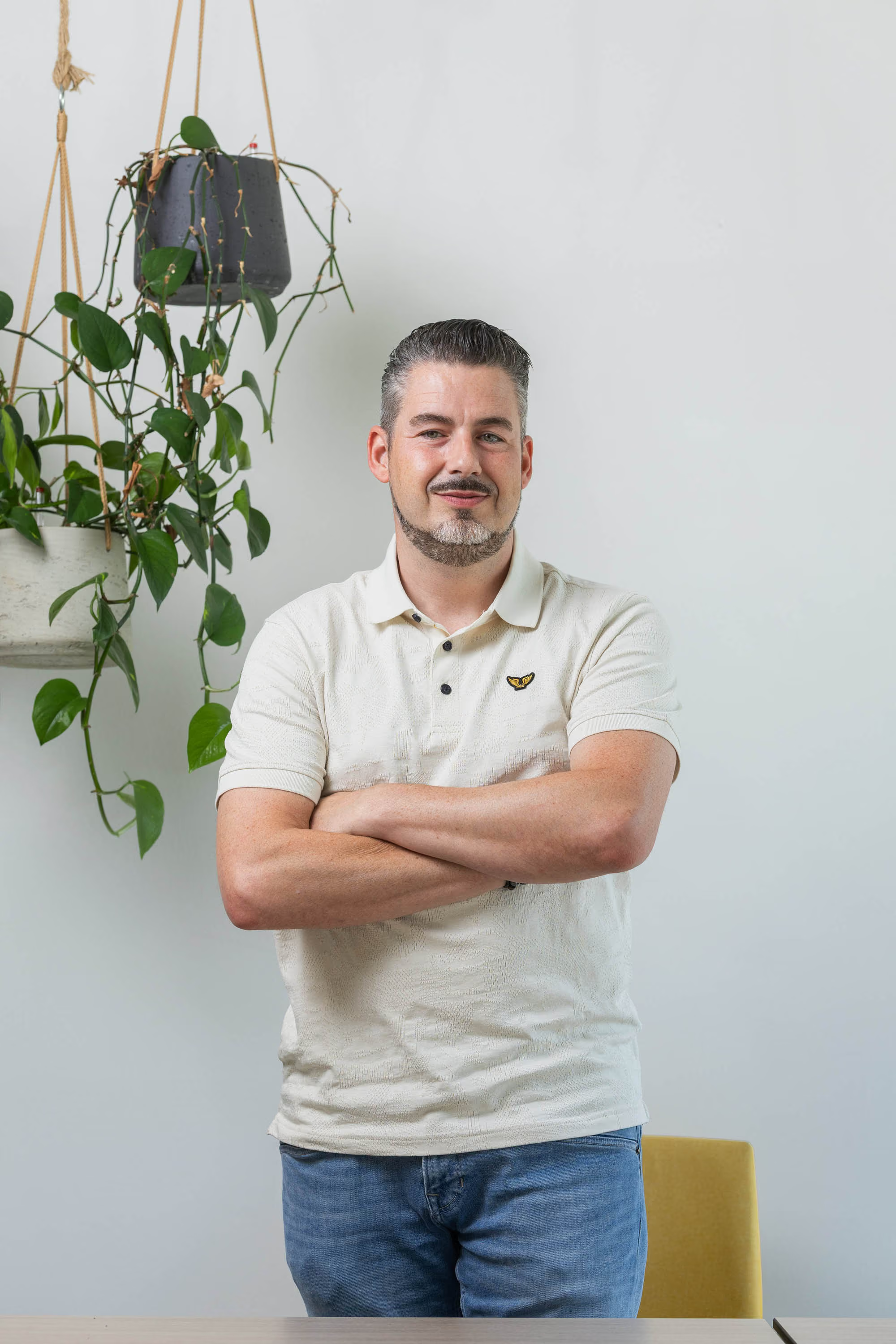
Mark Voermans
Global Citizenship Education (GCEd)
At a time when geopolitical tensions and polarisation dominate the headlines, global citizenship is more important than ever. The world needs people who care about justice, sustainability and equality. This is why, since 2017, UM curricula across the various faculties have been paying increasing attention to Global Citizenship Education (GCEd).
UM’s GCEd programme was established by Herco Fonteijn, associate professor at the Faculty of Psychology and Neuroscience. What exactly constitutes a ‘global citizen’? “That depends on who you ask, when and in which country,” he says. “The world is changing rapidly, and so are the definitions of global citizenship and GCEd. But you could say that a global citizen is someone who seeks to understand the world both locally and globally. Someone who feels connected to others across borders, takes a critical perspective, and acts responsibly in a time characterised by complex challenges like climate change, migration, inequality, AI and shifting geopolitical realities.”
Building on PBL
The UM view is that students should develop into global citizens so they can ultimately make a meaningful contribution to society. “PBL provides an excellent foundation for GCEd, but it’s not all that’s needed,” says Annechien Deelman, GCEd coordinator at EDLAB. “A few years ago, students and staff from across the university worked together to create a ‘flexible’ framework of GCEd competences that educators can draw on when designing their courses.” Fonteijn elaborates: “Educators are free to interpret those competences as they see fit. The framework provides direction, but it’s not a checklist. That’s why we call it ‘flexible’.”
In practice, a competence such as conflict resolution may look very different for law students than from, say, a psychology perspective. Fonteijn: “Many educators find it challenging to incorporate GCEd elements into their curricula. That’s why it makes sense to involve students in the process as well. After all, they know better than anyone what they need in order to enter society well prepared for the challenges ahead.”
Volunteering
The university is not the only place that contributes to the development of global citizens. Volunteering and other forms of civic engagement also play an important role. That is why students are given the opportunity to connect with volunteer organisations through the Personal & Professional Development Portal. These extracurricular activities also help them develop the skills, attitudes and knowledge they need for their future careers and their role in society.
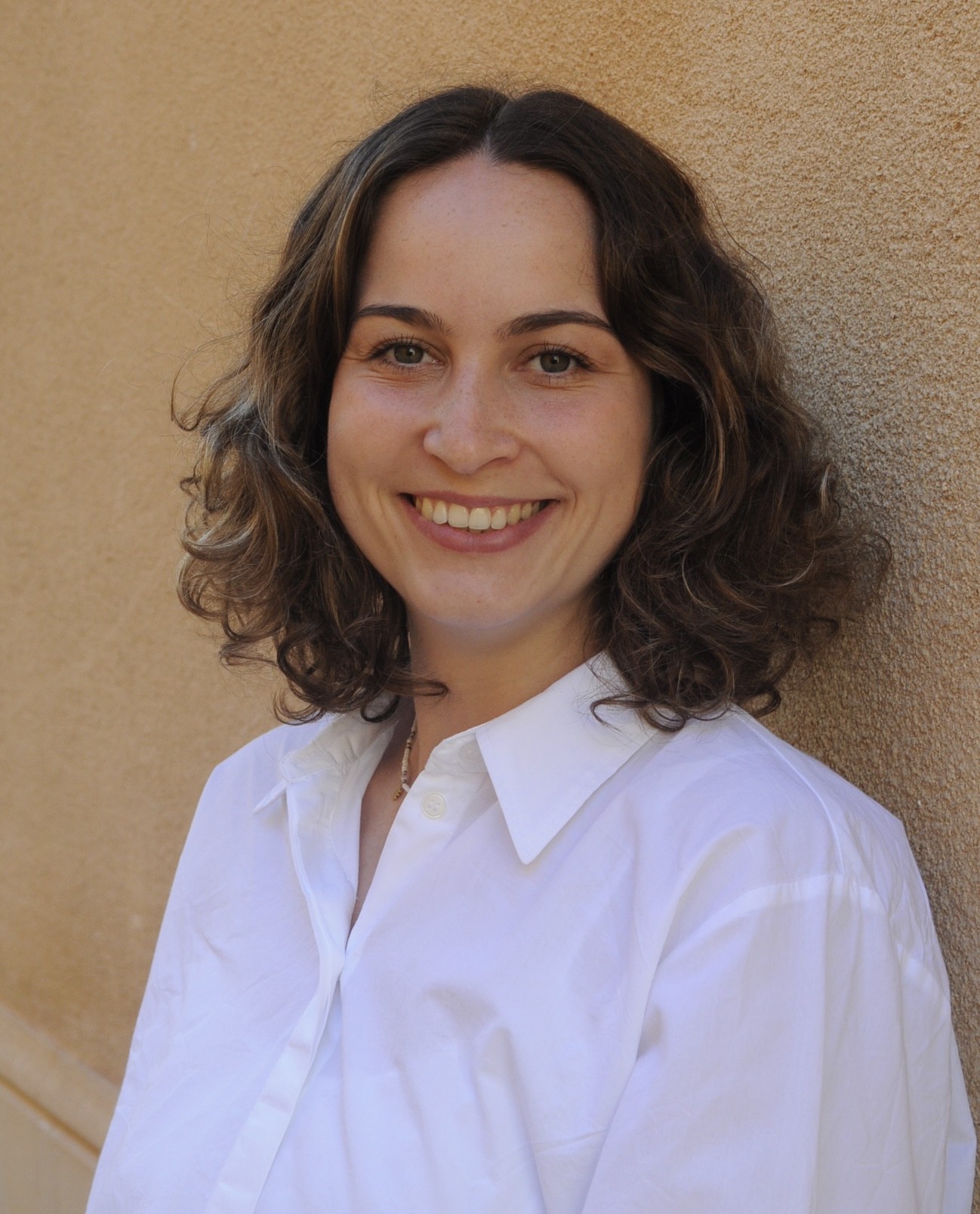
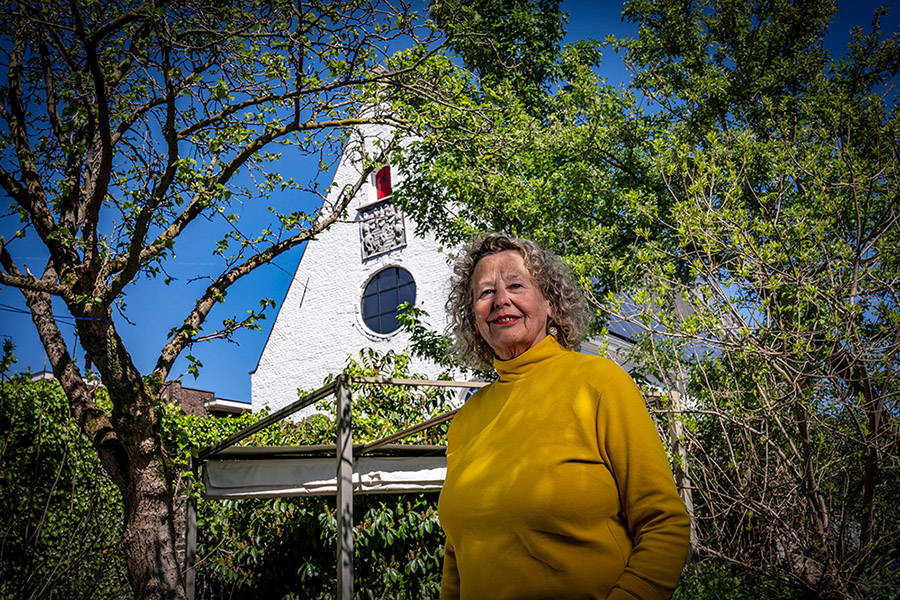
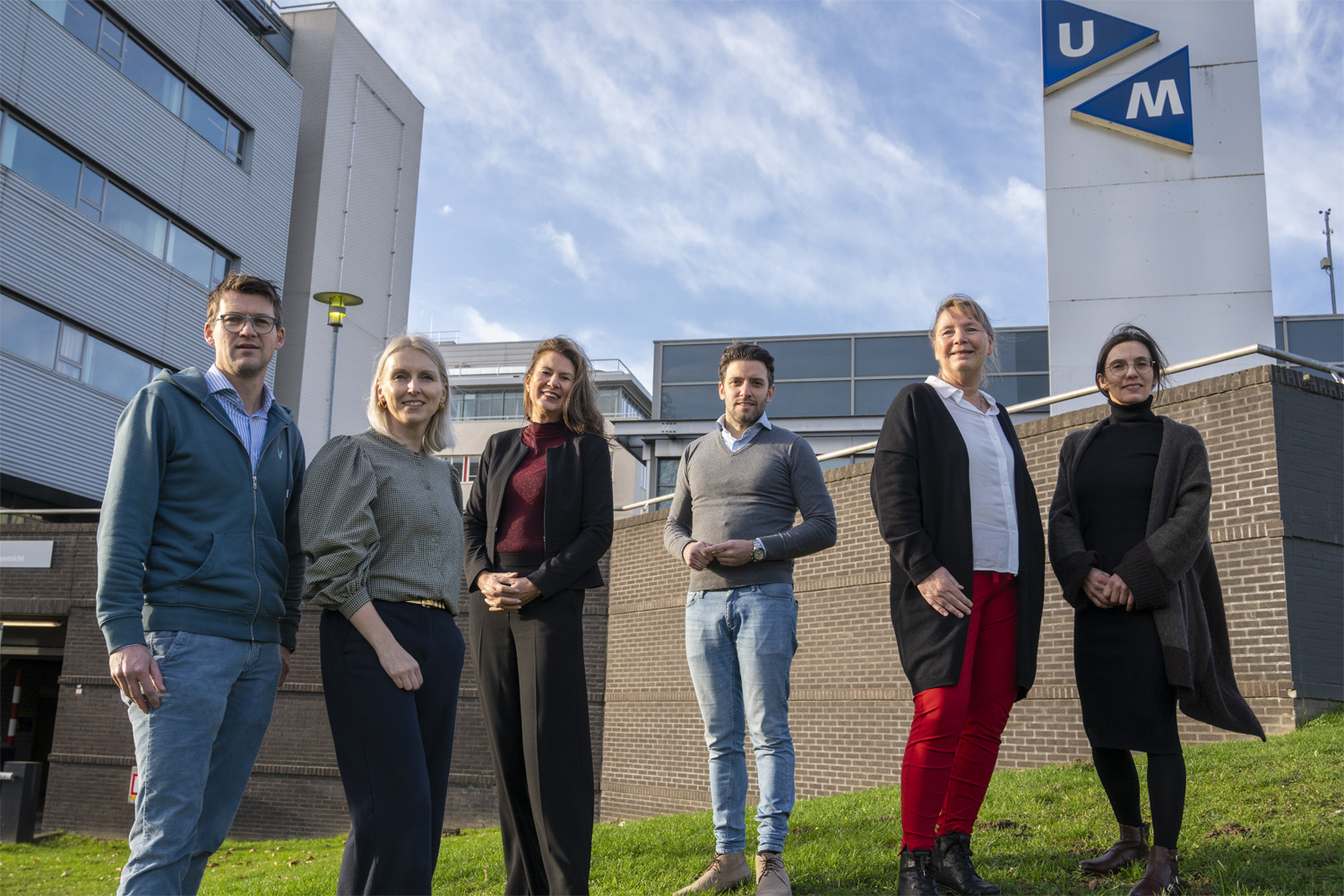
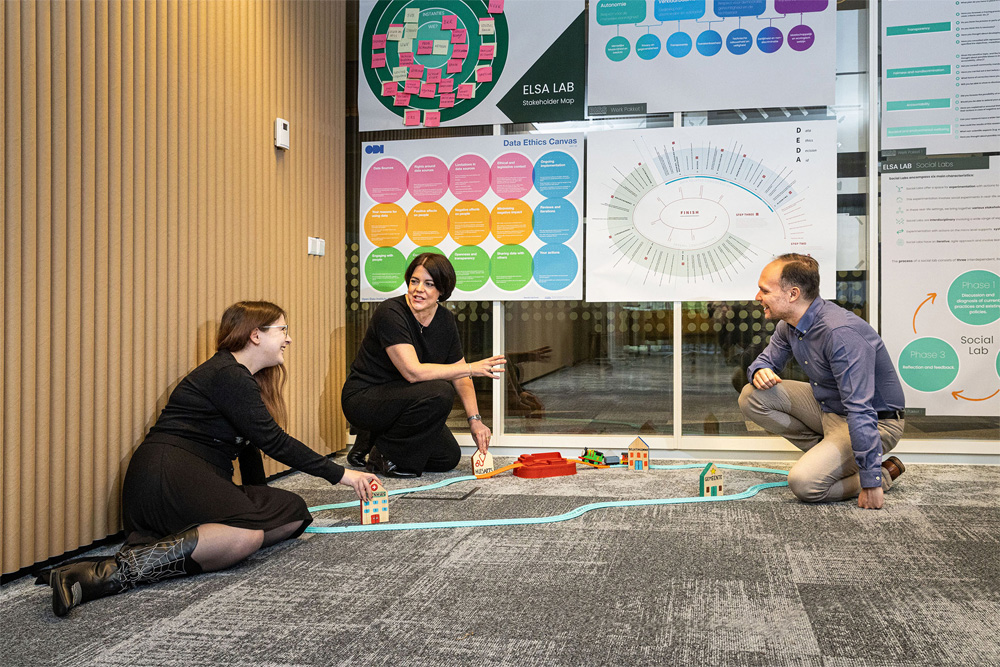
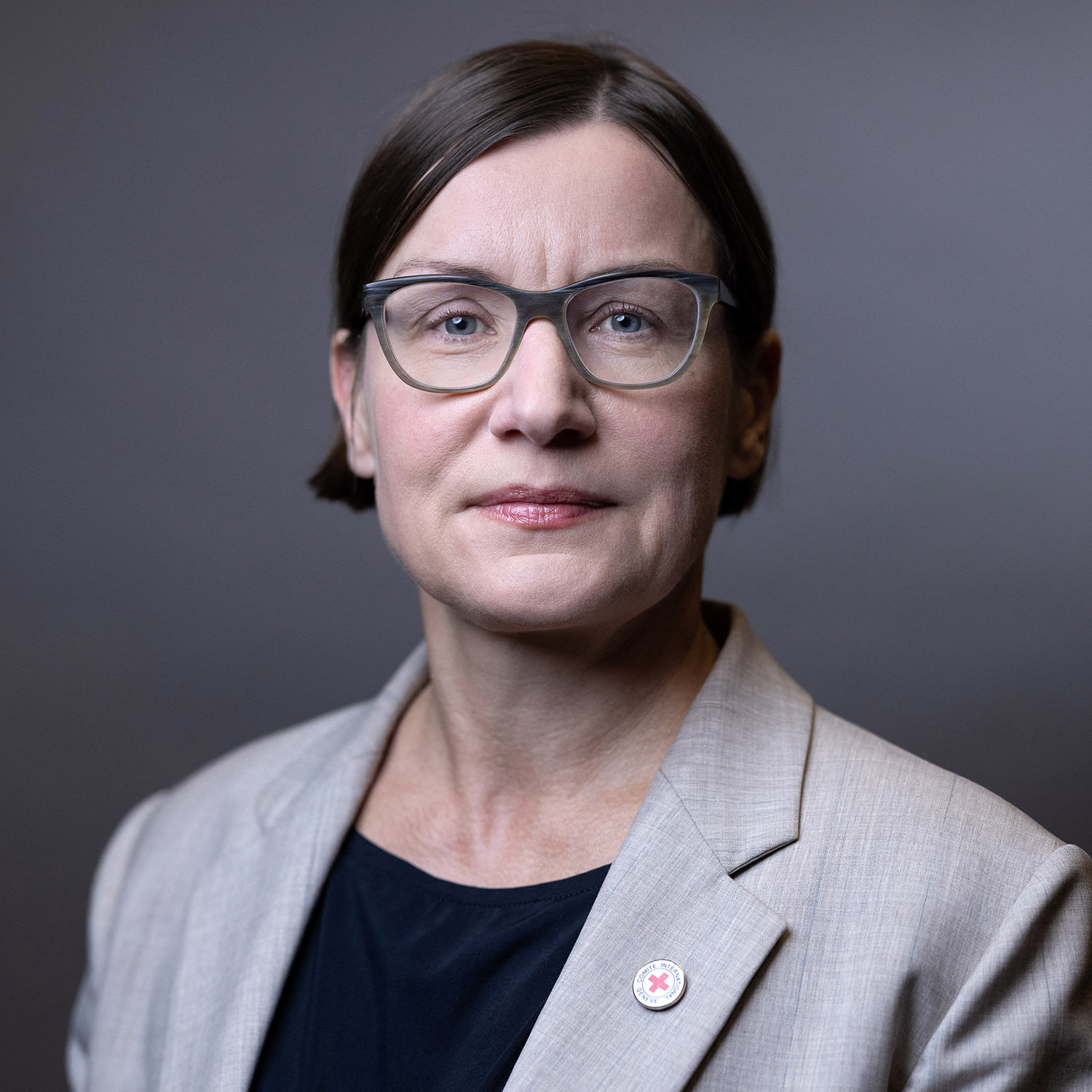
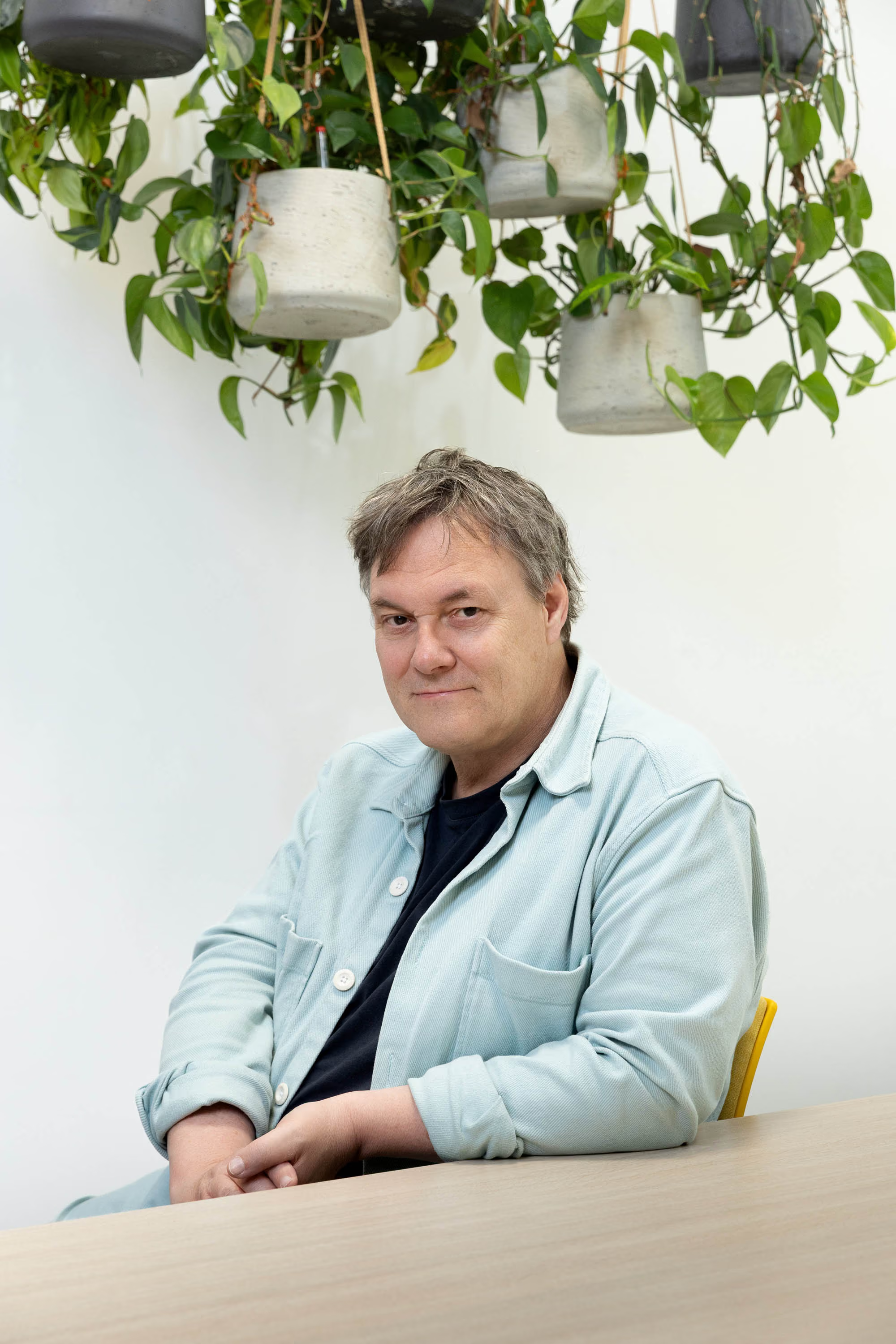
Herco Fonteijn
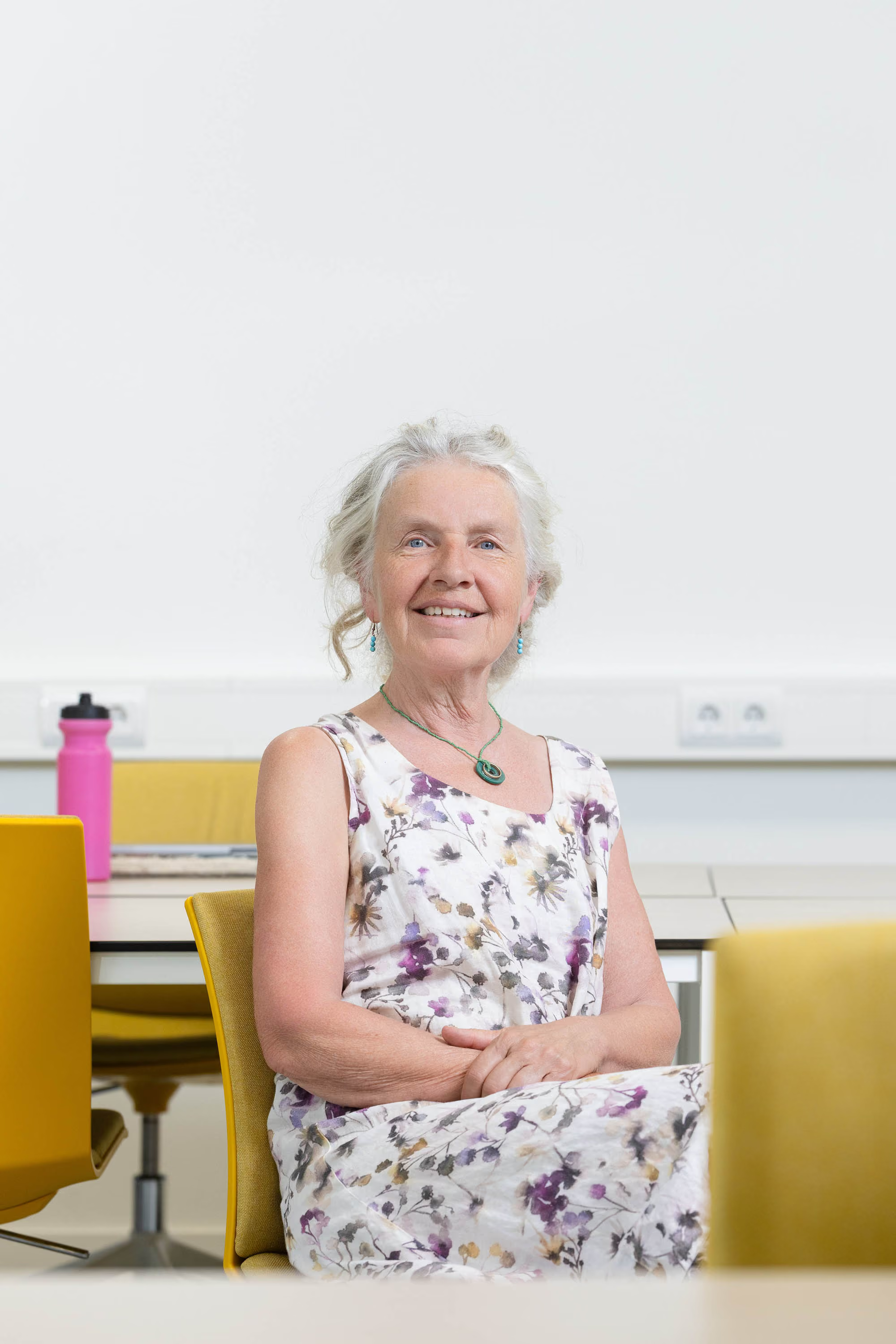
Annechien Deelman
Honoursprogramma’s Honours+ en PREMIUM
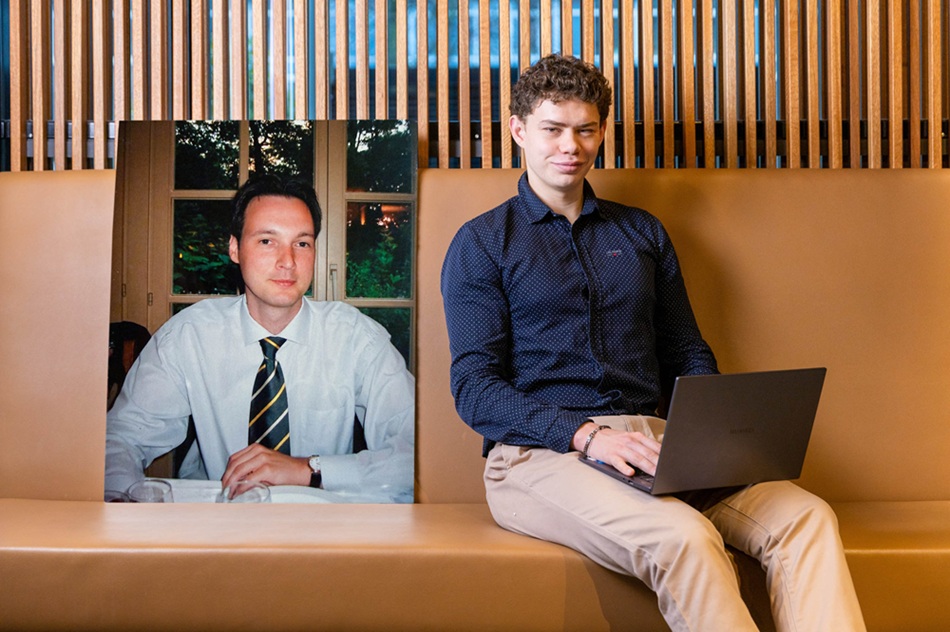
UM’s university-wide honours programmes enable students to broaden their knowledge and put it into practice. Honours+ is designed for bachelor’s students and focuses primarily on research, while PREMIUM is aimed at master’s students and emphasises real-world practice. “These programmes come on top of the normal study load of 250 credits, so they’re quite demanding,” says Fabienne Crombach, senior coordinator for educational excellence at EDLAB. “But students learn so much from them that they’re happy to go the extra mile. As one of our PREMIUM students put it, ‘I’m so grateful I got to participate.’ I think that says it all.”
In both Honours+ and PREMIUM, students from different disciplines work together in teams on a real-life challenge from a company, government body or nonprofit organisation. “They spend about five months examining the topic from a variety of perspectives,” Crombach says. “By working together, they develop a broader academic outlook and learn to look beyond the boundaries of their own discipline. By the time they graduate, they understand how they can contribute to solving complex societal challenges. This helps to strengthen the connection between the university and society.”
Reusable hospital linen
Over the 15 years that the honours programmes have been running, students have completed around 300 projects. Crombach gives the example of an assignment for the MUMC+. “A team of students investigated whether disposable surgical gowns and isolation gowns could be replaced by reusable alternatives without compromising hygiene or safety. They also examined the logistical implications, the costs and the long-term benefits of reusable linen within the hospital. The MUMC+ is now considering launching a pilot using reusable linen.”
Through Honours+ and PREMIUM, students develop practical skills such as teamwork, critical thinking, communication and presentation skills. “These skills benefit them not only during their studies, but also in their jobs later,” Crombach says. “Because they work on a genuine, complex case study, they also have to deal with client expectations, differing opinions and interests, and a degree of uncertainty – things you can’t learn from a textbook. At the same time, they learn a great deal about themselves. What am I good at? Where can I improve? How do I function within a team? As a result, they often enter the labour market with greater confidence and self-awareness. Many students tell us afterwards that Honours+ or PREMIUM was one of the most valuable parts of their study programme.”
A strong community
What also makes the honours programmes so valuable is the way they bring students from different faculties together, both academically and socially. “Students build their networks by working together on projects, taking part in workshops and getting together at events,” Crombach says. “This gives rise to a strong community and lifelong friendships. Some alumni even remain involved with the honours programmes after graduation. I think that’s really special.”
Text: Martina Langeveld
Photography: Philip Driessen