50 years of
Maastricht University
What began as a small medical faculty in the southernmost tip of the Netherlands, but in the heart of Europe, has grown into an international knowledge community with a global reputation.


1974
Medical education programme commences with 50 participants
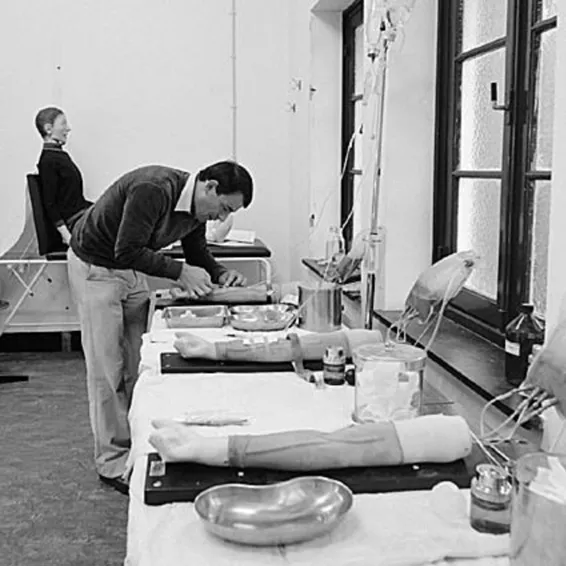
1975
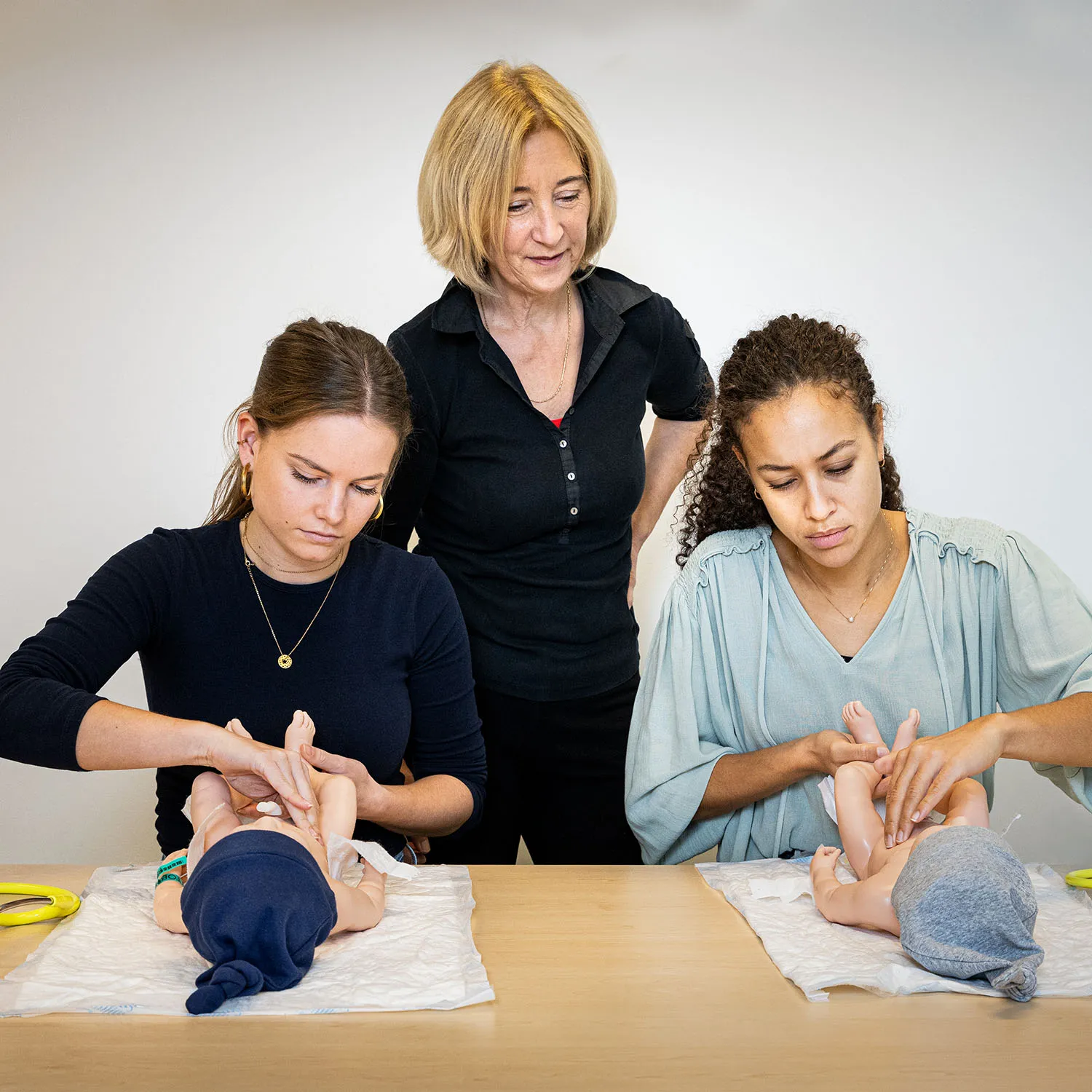
Establishment of the Skillslab

1976
Establishment of Rijksuniversiteit Limburg

1980
Rijksuniversiteit Limburg graduates its first class of doctors
1981
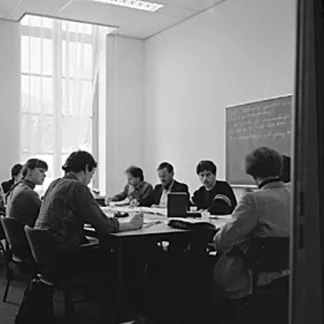
New faculty: Dutch Law

1984
New faculty: Economic Sciences

1991
Opening academic hospital azM

1992
New faculty: Arts and Social Sciences
1997
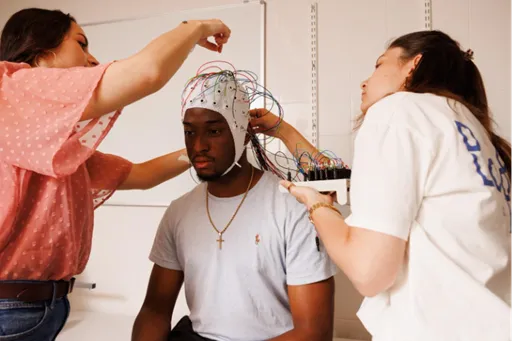
New faculty: Psychology

2002
Start University College Maastricht

2008
FHML and aZM come together as MUMC+

2010
Brightlands is founded
2011
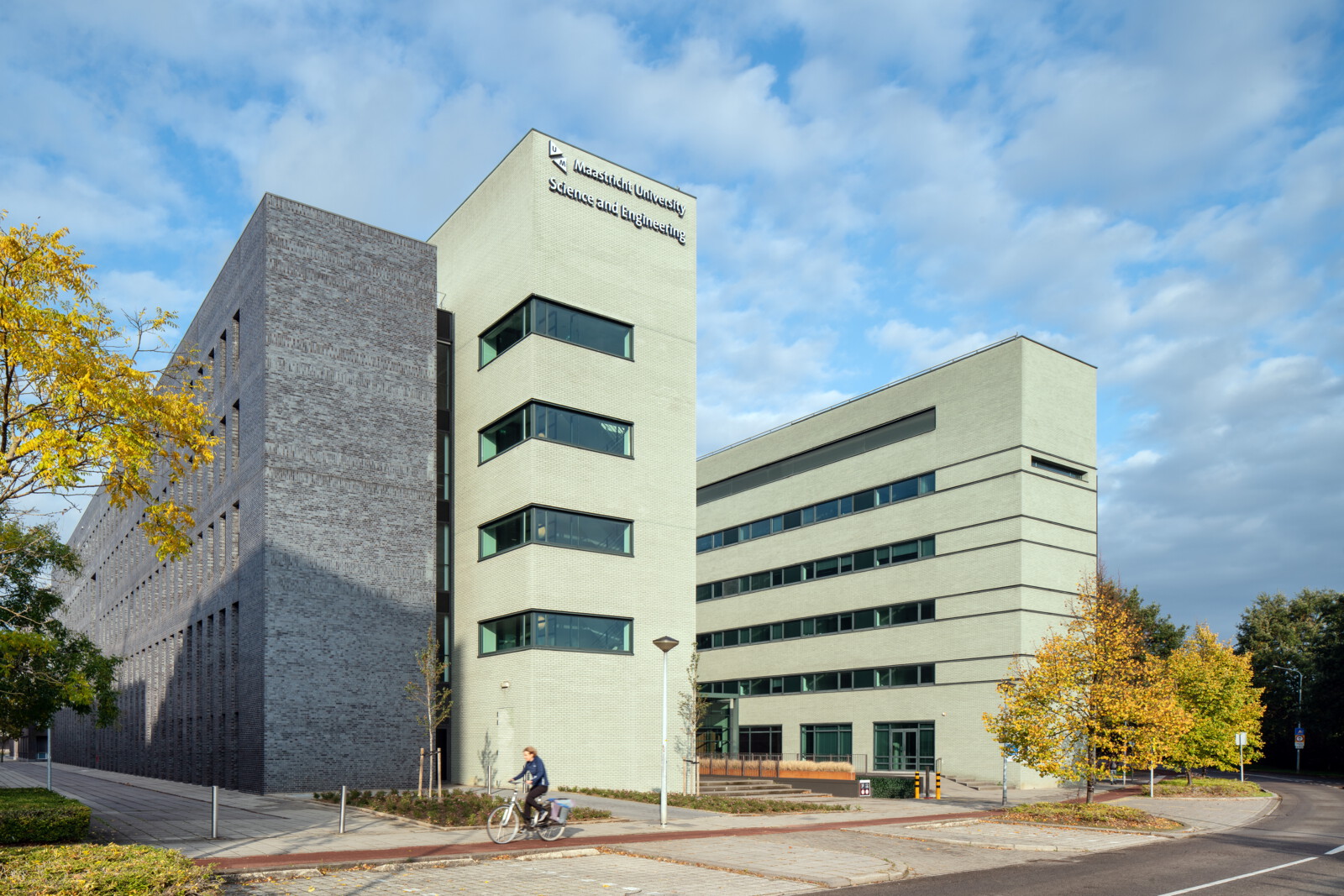
New faculty: Science and Engineering

2014
Start University College Venlo

2021
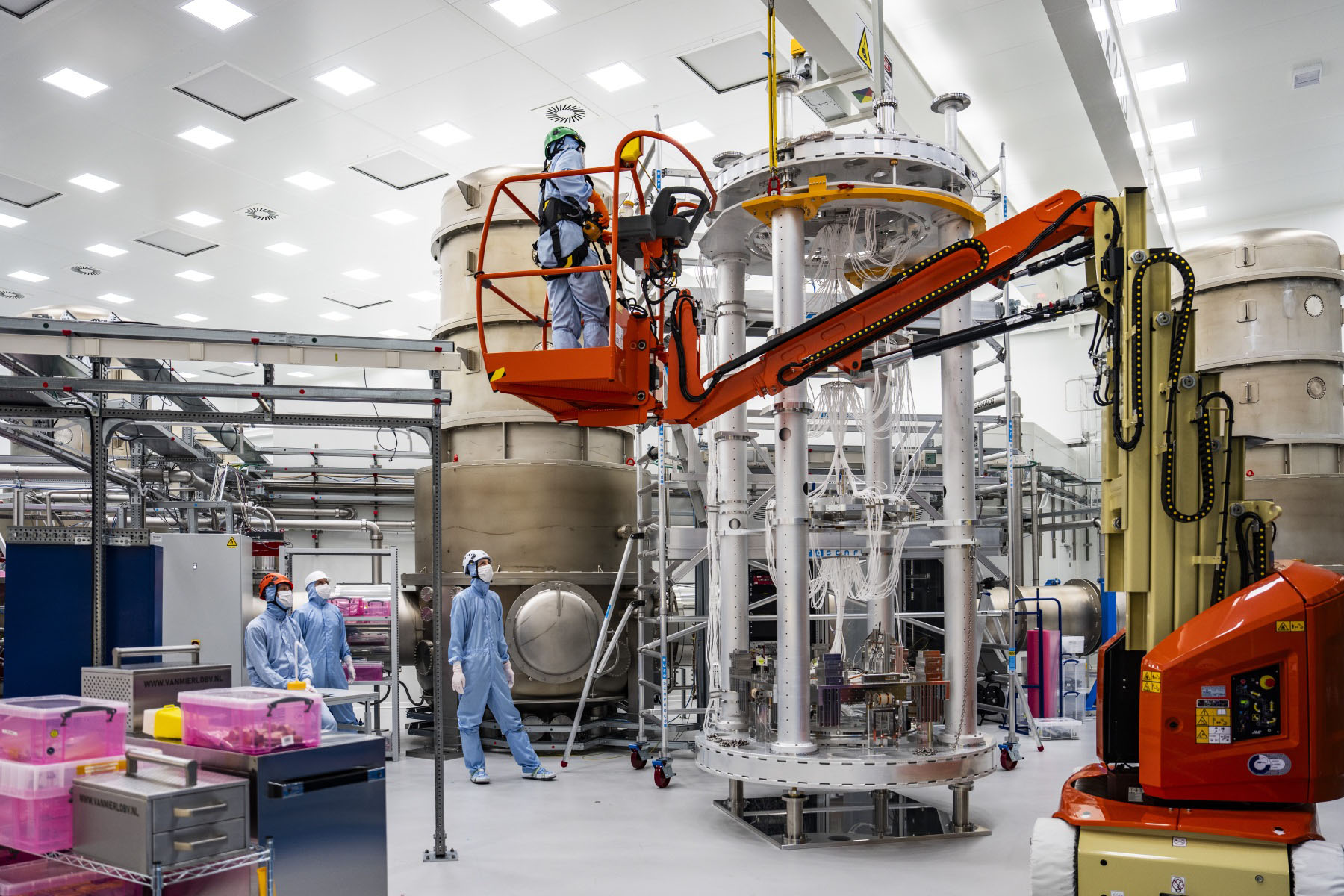
Opening ETpathfinder
Wander through 50 years of Maastricht University! What began as an educational initiative by a group of pioneers has grown into a leading knowledge community where everyone is welcome. In this video, we reflect together on the past and the present, but above all we look ahead to a bold and exciting future. Join UM50, join the future: on to 100!
Discover
all events
How it all began
The history of Maastricht University began in 1965 with the establishment of the Stichting Wetenschappelijk Onderwijs Limburg (Limburg Scientific Education Foundation), the predecessor of the current Universiteitsfonds Limburg. The foundation's mission was to make scientific education accessible to the residents of Limburg. Thanks to years of lobbying, in 1974, as an experiment, a group of fifty “participants” were able to start a medical programme in Maastricht.
This step came at an opportune moment. The closure of the mines in the 1960s and 1970s had significant economic and social consequences for the region, while the need for higher education was also growing. The establishment of a university was seen as a way of offering the region new opportunities: by attracting and retaining knowledge, talent and employment.
In 1976, this led to the official establishment of the Rijksuniversiteit Limburg, with two faculties: Medicine – the eighth medical faculty in the Netherlands – and a general faculty.
Problem-Based Learning
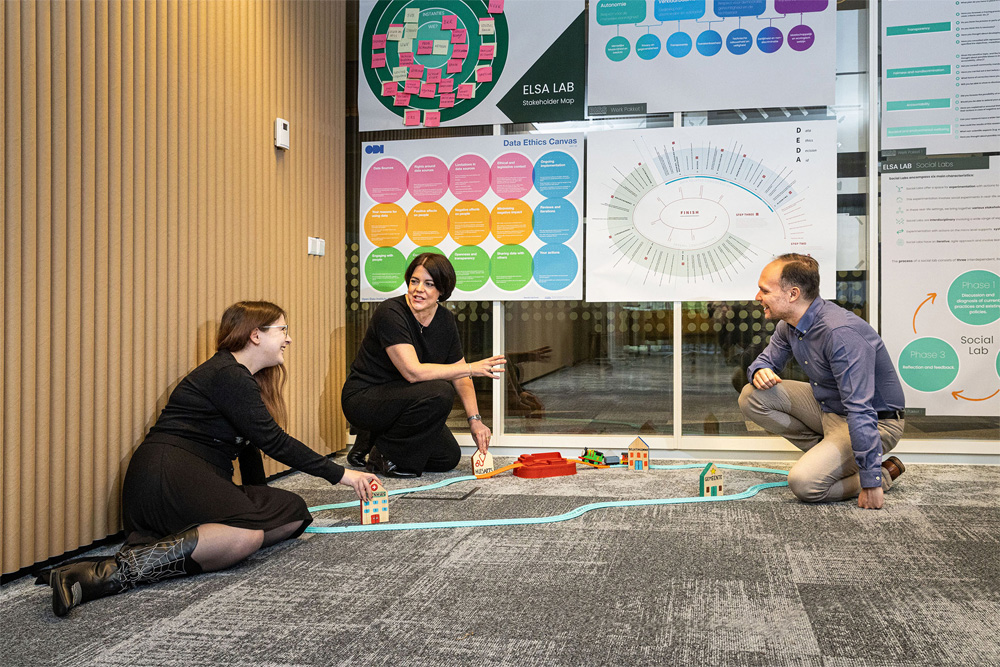
From the outset, the university wanted to do things differently. No large lecture halls and one-way communication, but small-scale education in which students actively engaged with socially relevant issues. This problem-based education became the core of the Maastricht approach and remains an important feature of UM to this day.
In the years that followed, the university grew step by step. New programmes and faculties were added. UM now has six faculties: Health, Medicine and Life Sciences, Psychology and Neuroscience, Science and Engineering, Business and Economics, Law, and Arts and Social Sciences.
Increasingly international
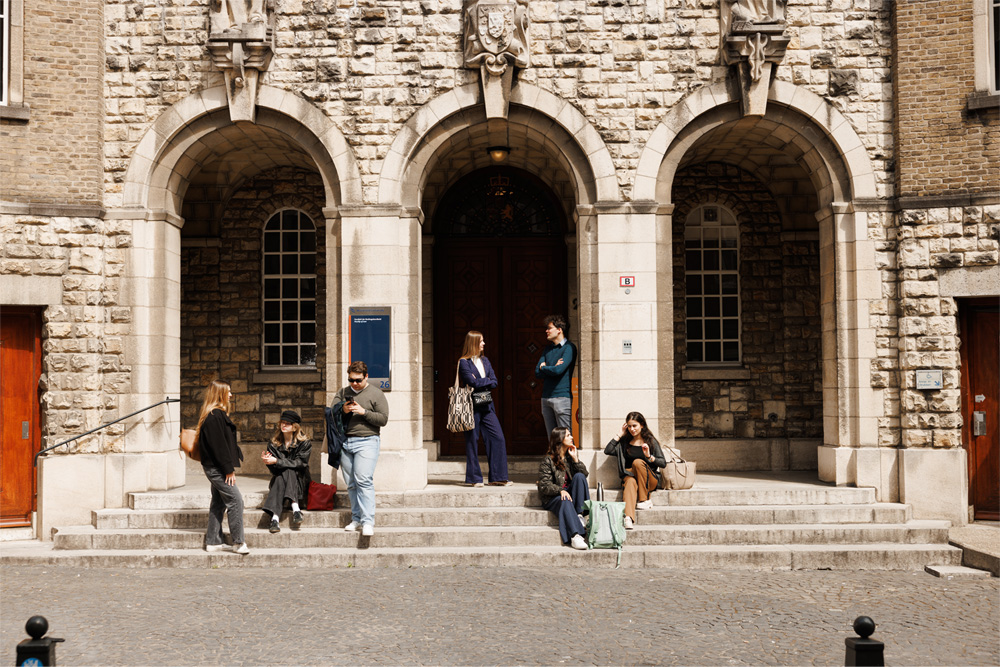
Over the years, Maastricht became increasingly international. Today, more than half of the students come from abroad, and the university hosts over 130 nationalities. This international character suits the city and its location in the Euregio. The university is bilingual and cooperation with Belgium and Germany is a matter of course.
The university also plays a visible role in research. Scientists are working on solutions to social issues such as health and care, sustainability, technology, Europe and globalisation. Collaboration with Maastricht UMC+ is of great importance in this regard and strengthens the connection between research, education and practice. Brightlands was established in 2010 in response to a shared ambition in Limburg: to bring science, entrepreneurship and social issues closer together. UM is an important partner, providing knowledge, research, education and talent to the campuses, thereby helping to connect science with practice.
Global impact
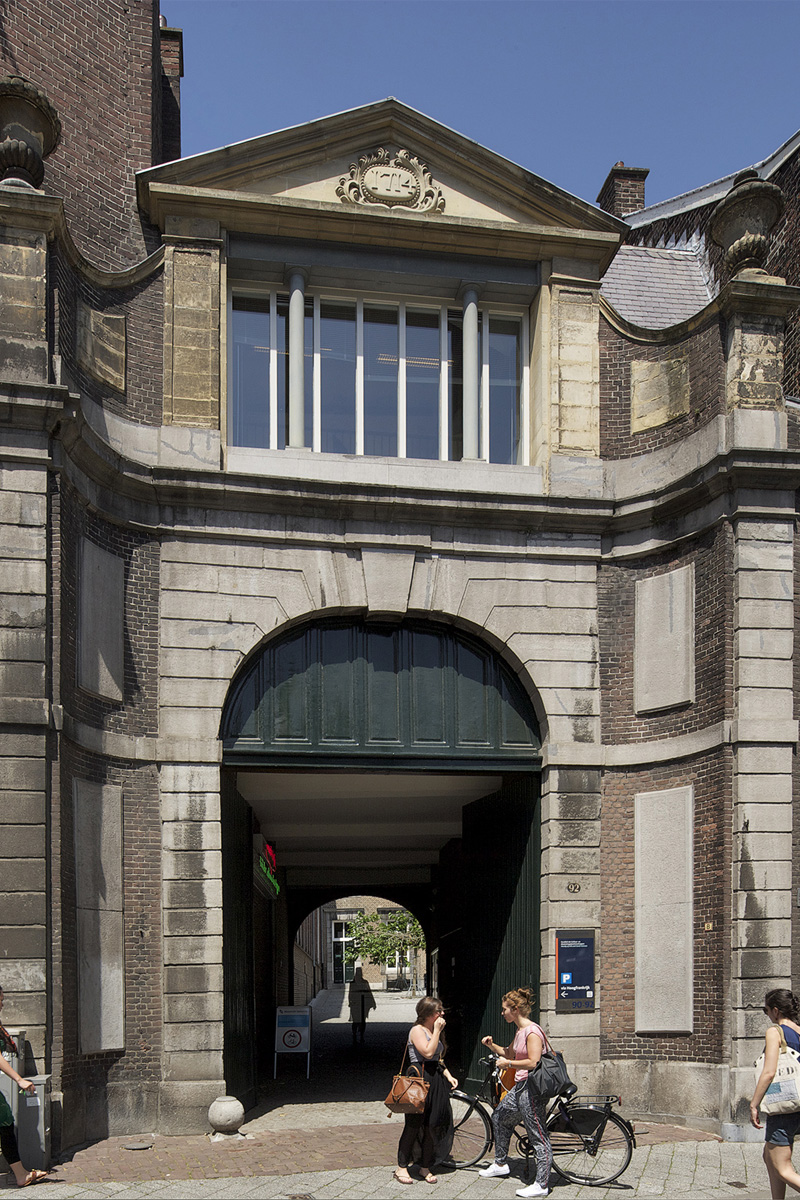
Maastricht University has become an integral part of the city. Monumental buildings have been given a new purpose, students from all over the world colour the streetscape, and through the Brightlands campuses, the university contributes to innovation and economic development throughout the region. Major international projects, such as ETpathfinder – the test setup for the future Einstein Telescope – show that what happens here also has a global impact.
After fifty years, we look back with pride. On everything we have built together: with students, staff, partners and the city. With our characteristic pioneering spirit, we continue to innovate and respond to the changing needs of society. Our fiftieth anniversary gives us the confidence to take the next step in our evolution towards a fifth-generation university: a university where education, research and social collaboration come together innovatively. Globally and locally. We do this based on our conviction that education and science can have a meaningful impact on Maastricht, the region and far beyond.
University Fund
Limburg
For 50 years, Maastricht University has been transforming knowledge into impact. Through innovative education and pioneering research, we work on solutions to the societal challenges of today and tomorrow.
To truly take research innovation to the next level, the University Fund Limburg raises additional funding. Thanks to donations, researchers can achieve breakthroughs more quickly, train talented individuals, and translate ideas into concrete applications. Celebrate the University’s anniversary with us by considering a contribution to innovation and to the generations of tomorrow. With your support, we can create lasting impact in society.
Would you like to celebrate UM’s 50th anniversary with us and contribute to the next 50 years?