Tag
29 januari 2026
Joëlle van Wissen

Fifty years of FHML

through the eyes of Dean Annemie Schols

The Faculty of Health, Medicine and Life Sciences (FHML) will celebrate its fiftieth anniversary in 2026. From the founding of the University of Limburg (later Maastricht University) to the merger of medicine and health sciences, our faculty has a rich history.

To mark this anniversary, we have a conversation with Annemie Schols. How does she look back on the past fifty years, and where are we heading together? Together with the dean of FHML we take a look at the past, present and future.

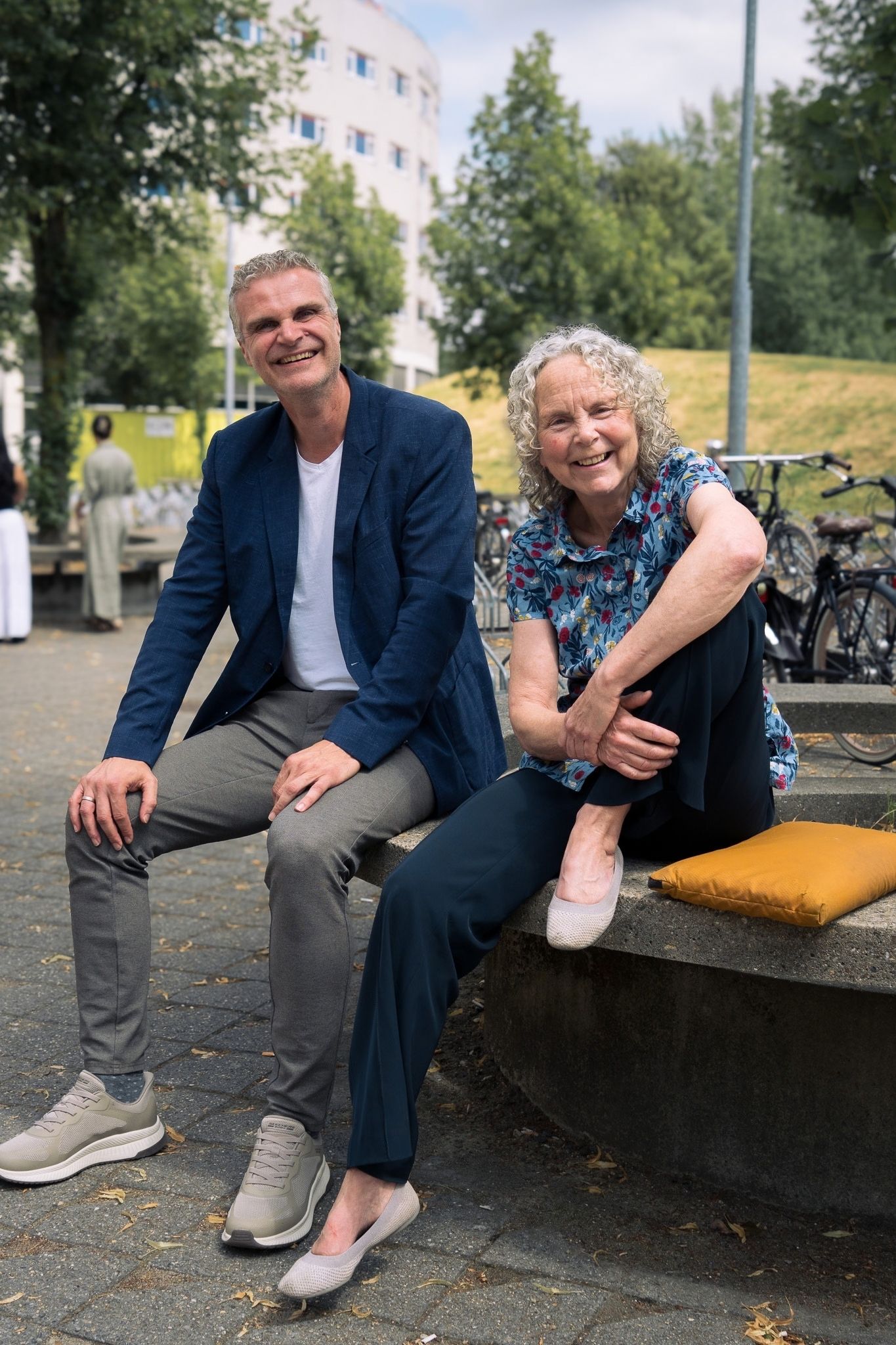
Annemie Schols, Peter Stenvinkel and Pamela Habibovic during the Dies Natalis

At the Maastricht UMC+ New Year's reception, you spoke about the identity of FHML: academic yet accessible, international yet regionally rooted, innovative yet critical. Which milestones over the past fifty years do you believe have shaped that identity?

“When the faculty was founded, it was important to think about its identity. There was room for a new medical faculty in the Netherlands, but it had to demonstrate its added value compared to existing medical programmes. In 1972, that identity was laid down in the Founding Philosophy of the University of Limburg. I still consider this a very rich document with visionary ideas, such as problem-based learning, room for educational innovation and special attention to the relationship between healthcare and social care.”

“The Founding Philosophy also included ideas about the type of research the faculty could conduct. At that time, there were already well-established groups within traditional specialist medical care, so competing with them was difficult. It was certainly important to conduct distinctive research in niches within those specialist areas, which had not yet received a lot of attention in the Netherlands and abroad, but also to look beyond the walls of the hospital to see what healthcare needs existed in society.”

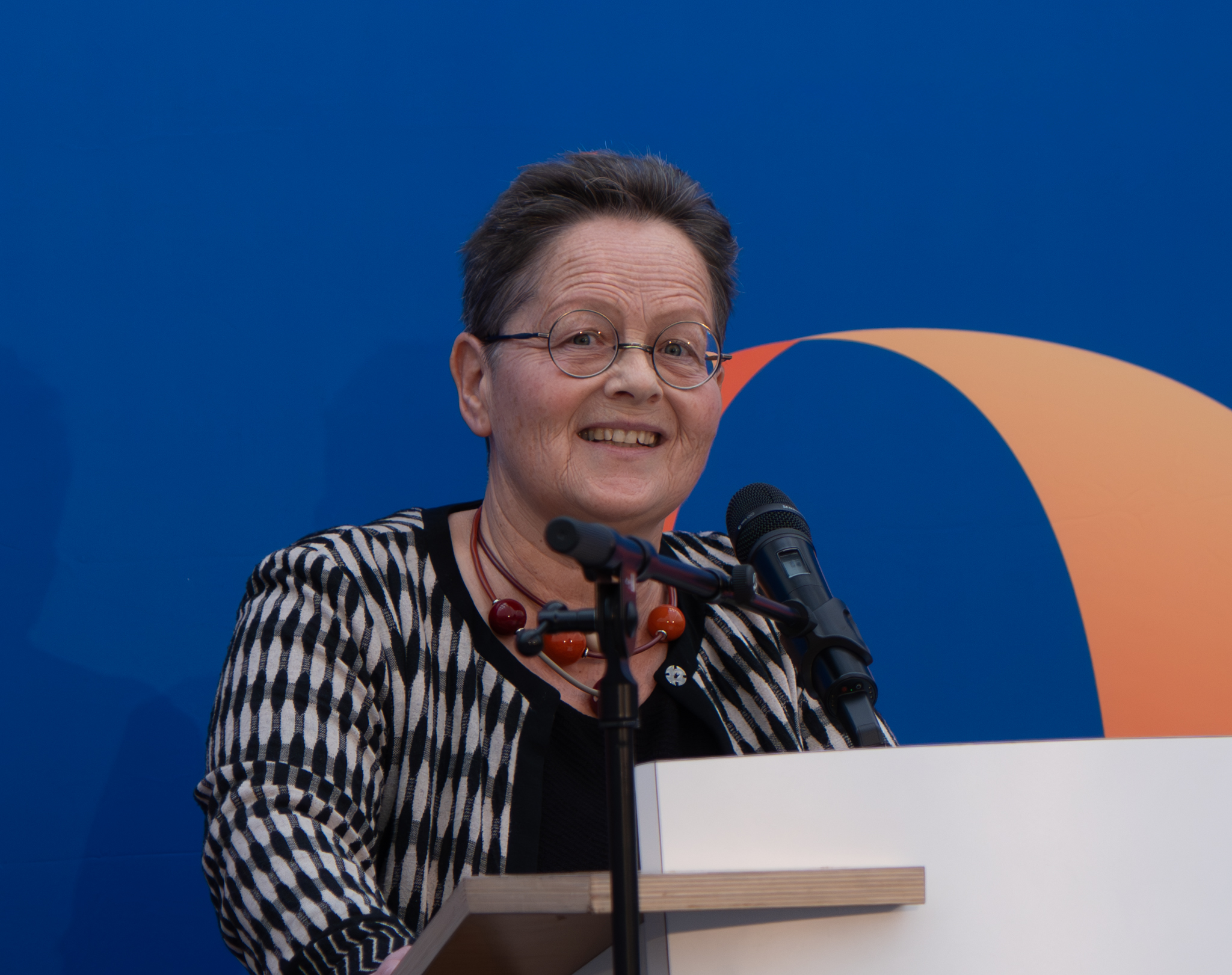
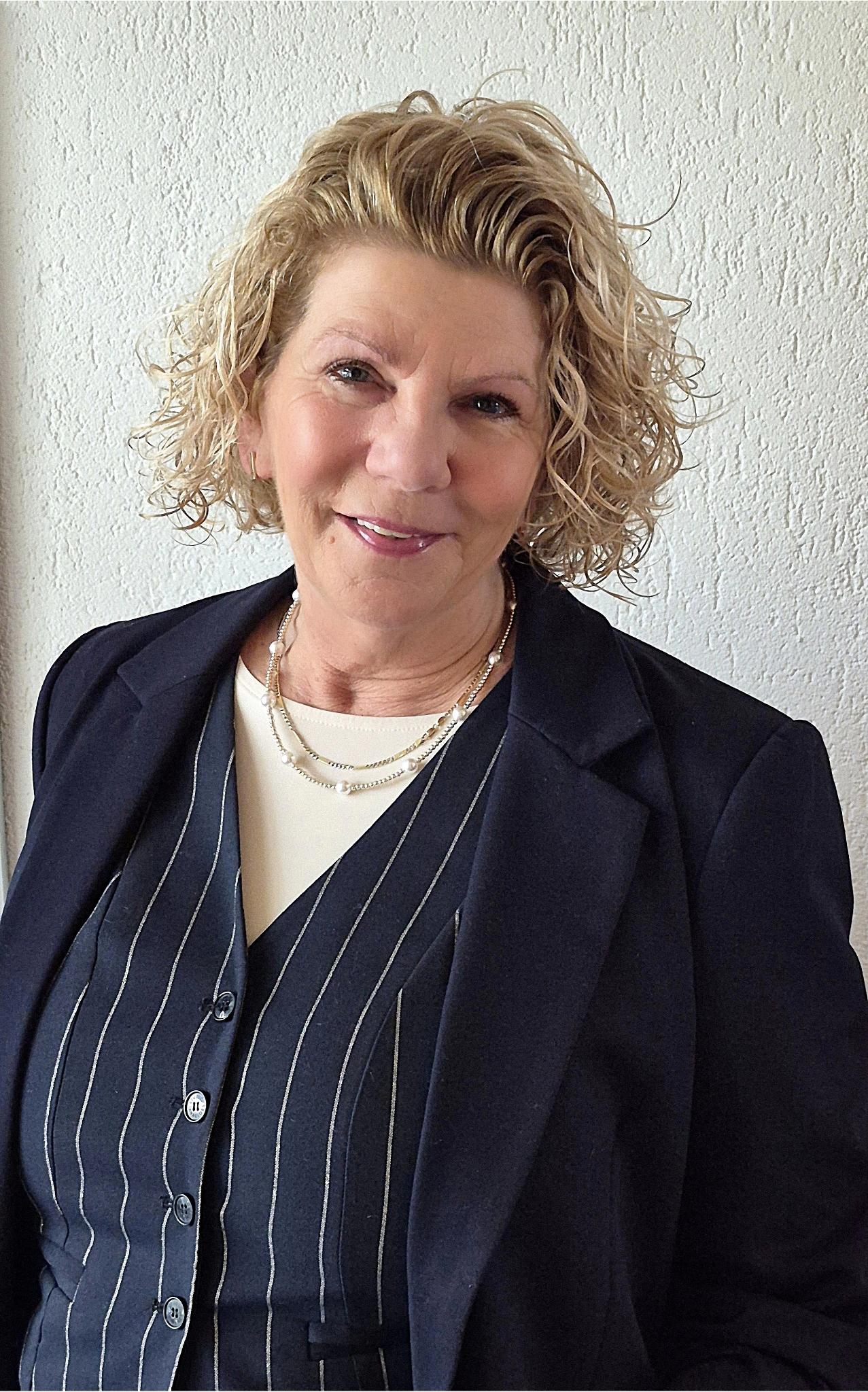
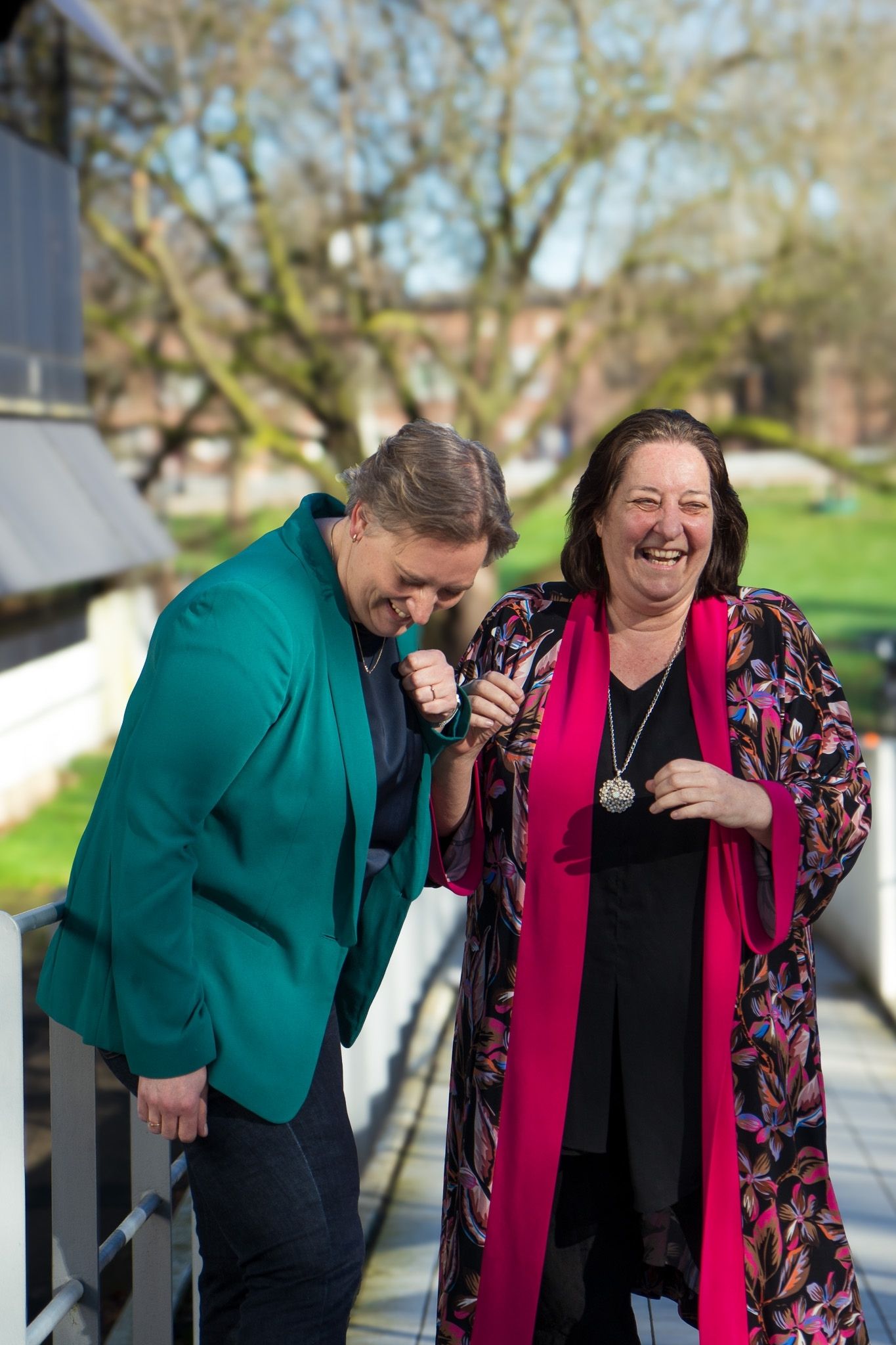
Annemie Schols. Photo: Joëlle van Wissen

“The integration of medicine and health sciences is precisely our strength.”

“It was also recommended to organise the research thematically, to prevent fragmentation. This has led to a solid foundation of eight research institutes with distinctive themes that are rock solid. The structure also makes it easier to share infrastructure and stimulates collaboration between disciplines. We look at the human body with a fresh perspective from different angles.”

“Looking back now, I believe we did a great job shaping the ideas from that Founding Philosophy together. I think the first pioneers can be proud to see that the younger generation is embracing and further developing the ideas of that time. At the same time, those ideas have also been enriched by new developments, such as the merger of the faculties of medicine and health sciences into FHML. That was a bold move, but I think it brought us a great deal. The integration of medicine and health sciences is precisely our strength, because it allows us to look at health from a much broader perspective.”

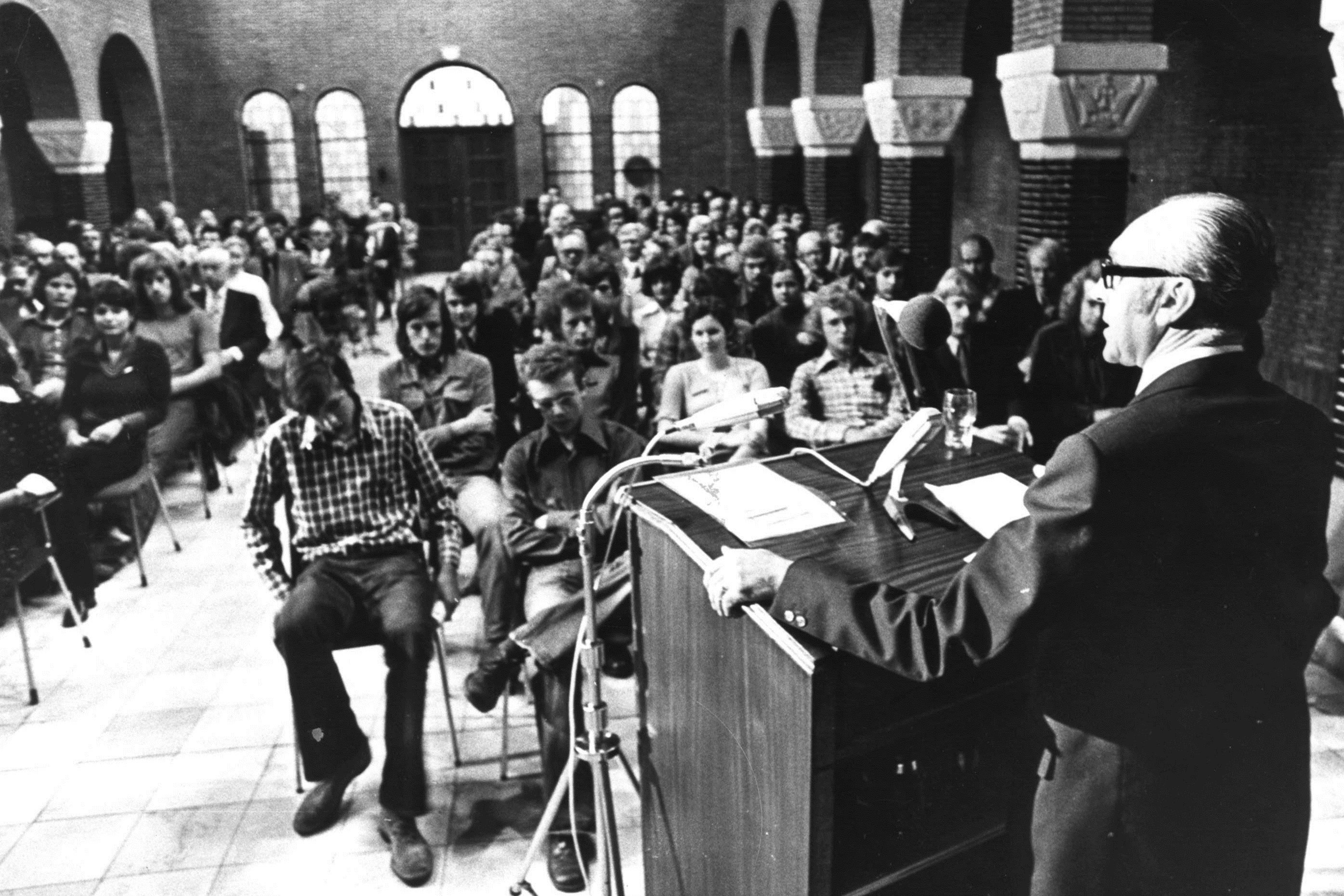
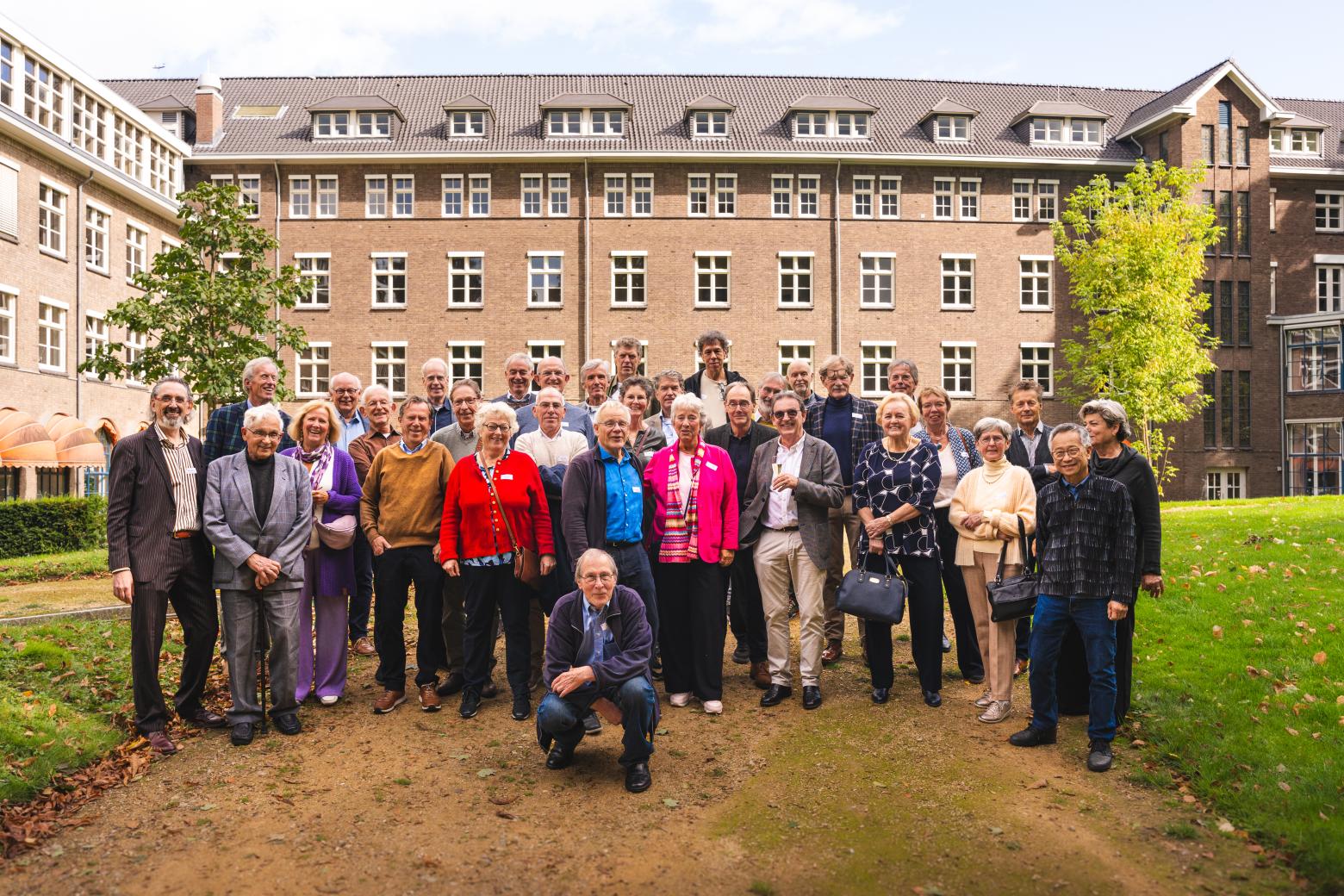
The first medicine course takers in 1974.

Looking at the present, what are you most proud of within the faculty at the moment, as Dean?

“Over the past fifty years, there have regularly been new developments, such as the strengthening of life sciences research through the Broad Research Strategy (BOS) and the arrival of new, technology-driven research institutes as part of the Limburg Invests in its Knowledge Economy (LINK) programme. That can be a tense moment: how do you ensure that everything is properly embedded and that collaboration is optimal, including with the people who already work within the faculty? When I look at where we stand now, I am proud that we have managed to do this well: renewal from the outside and further development from within. I think we built a truly great research culture and structure.”

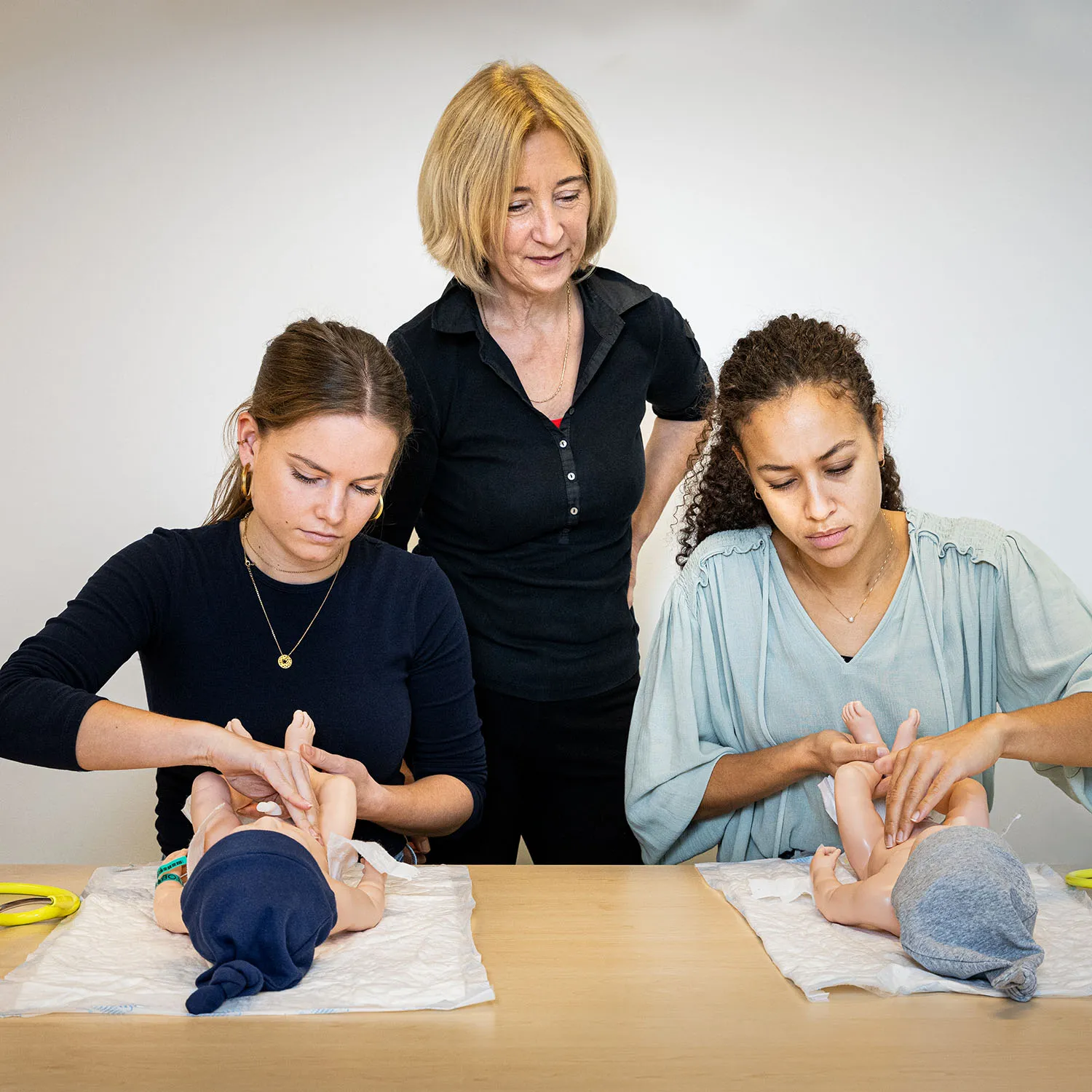
“In terms of education, I am proud that we dare to innovate. There was some scepticism about it at the beginning. However, when you see the results, how others view our education system, and how elements such as problem-based learning, the competency exam for medicine and the Skillslab have been adopted by other programmes, I think the success is clearly proven.”

“I am also proud of how we work together, for example around the theme of prevention. This is now high on the agenda of many universities and healthcare institutions, because we know that healthcare will eventually reach a breaking point, but we really are a frontrunner in this area. Thanks to our broad perspective on health, prevention was already part of the DNA of many staff members. Now is the time to make even greater use of that, as the subject is so topical."

"Climate change is another important societal and health issue in which we, as a knowledge institution, want to play our part and take responsibility. I think it's wonderful how we are shaping the Climate HEALTH Institute together. It shows that everyone embraces this, regardless of which department or research institute they belong to.”

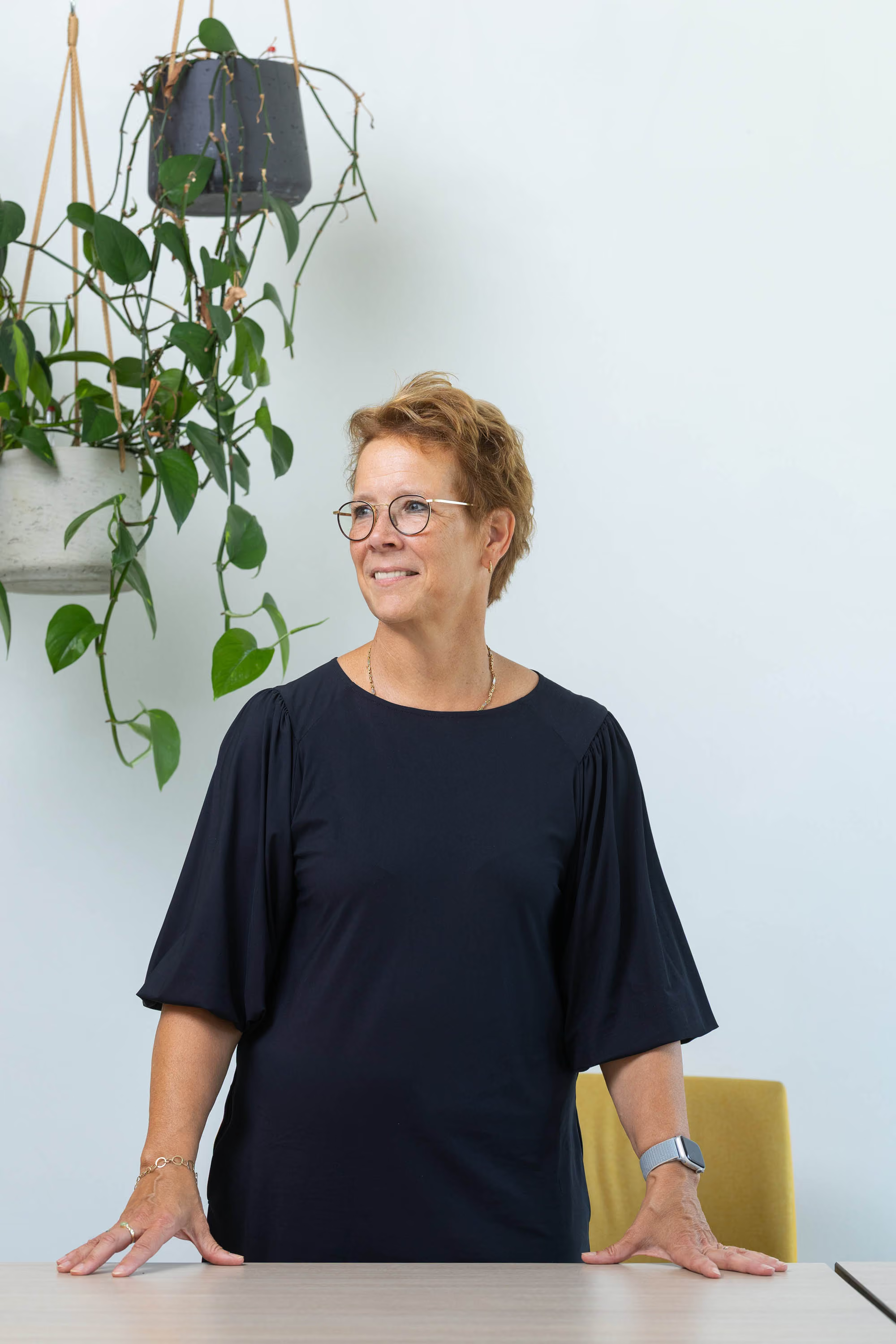
Annemie Schols. Photo: Jonathan Vos

“We are allowed to realise even more that our education and research have a real impact in the field of health, and be proud of that.”
The motto of our anniversary year is ‘ahead in health’. How does this align with what FHML is doing now and where we are heading in the future?

“It aligns with our combination of innovation and critical reflection. Daring to let go of your own field and having a fresh perspective on how we can make the most of what we have to offer, in order to stay ahead. I also think that our broad view on society and the way we bring policymakers and researchers closer together adds great value. We are allowed to realise even more that our education and research have a real impact in the field of health, and be proud of that. As a scientist, it is important to see the added value of your work, especially in these times when science is pitted against opinion.”

What message for the future would you like to convey to students and staff?  

“Continue to challenge yourself and seek each other out. That mutual cross-pollination generates so much energy and shapes you not only as a student or scientist, but also as a person. I recognise this from my own experience of how I developed when I started here as a PhD candidate in May 1987. We have a lot to offer each other, and I hope that we can continue to build on that together in a positive way.”