Tag
21 January 2026

In the Skillslab, medical students have been learning


essential skills for 50 years

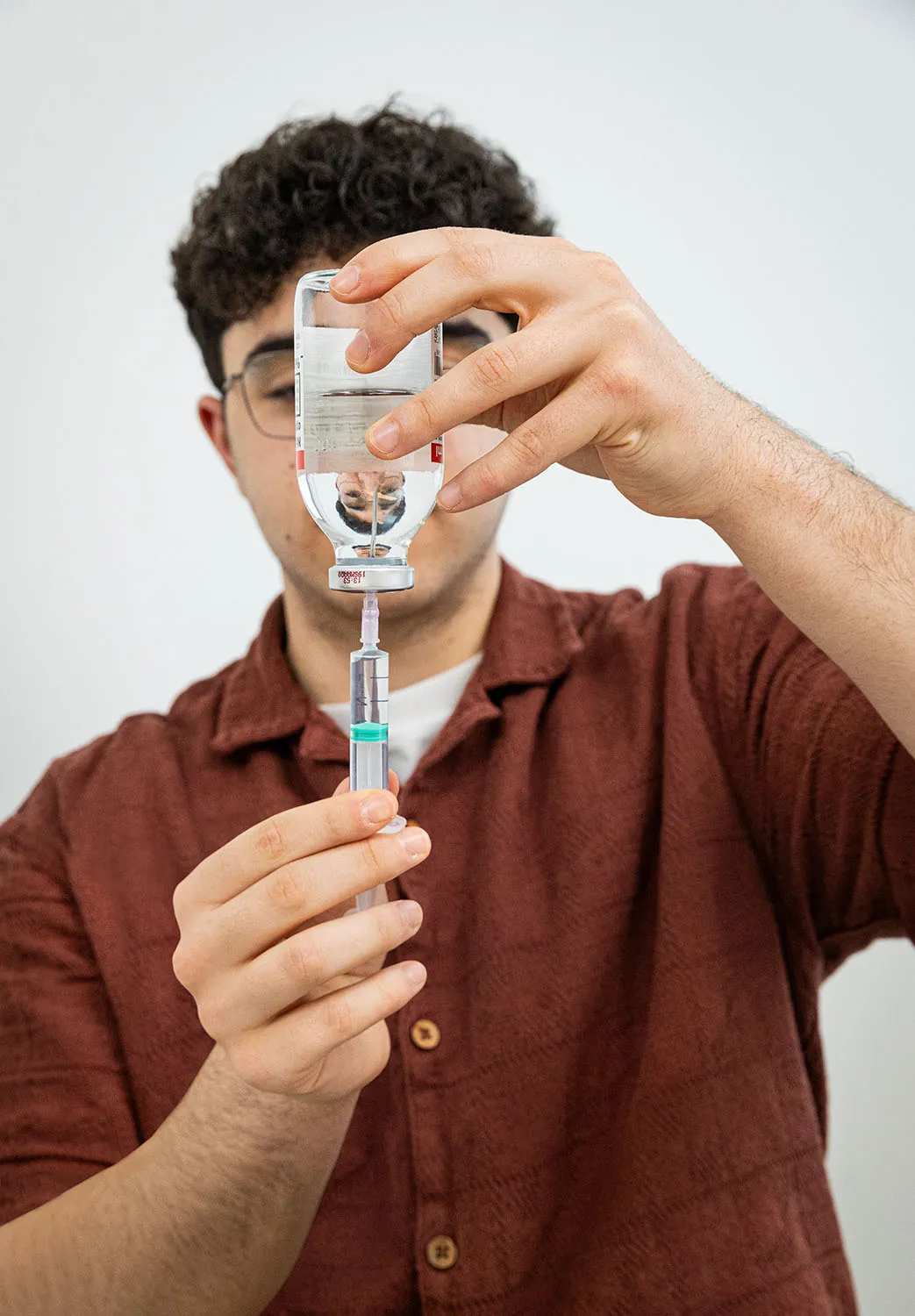
Books alone won’t teach you how to treat patients properly. That's why medical students practise clinical skills in Maastricht University's Skillslab. From performing CPR on the street to asking the right questions during consultations.  

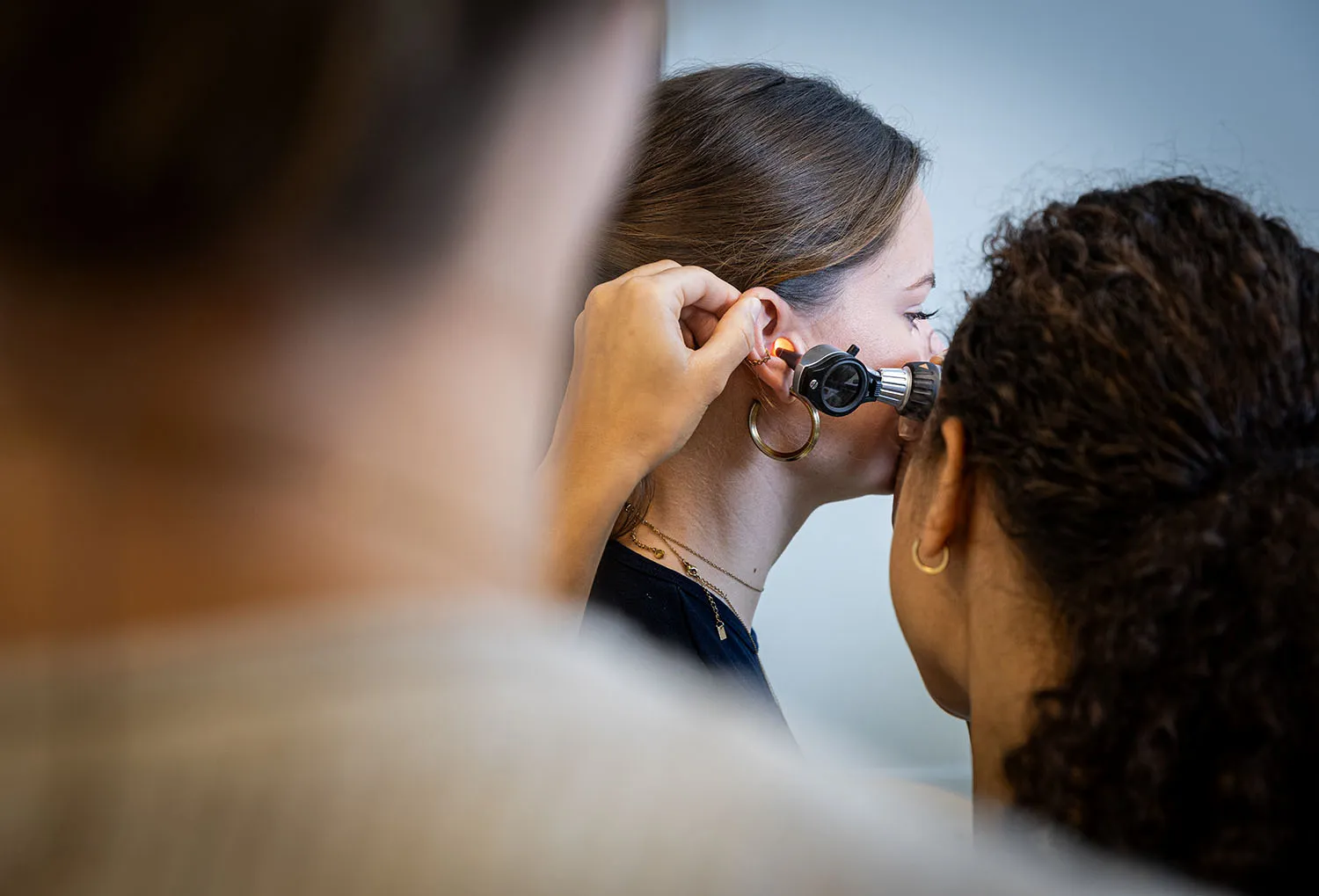
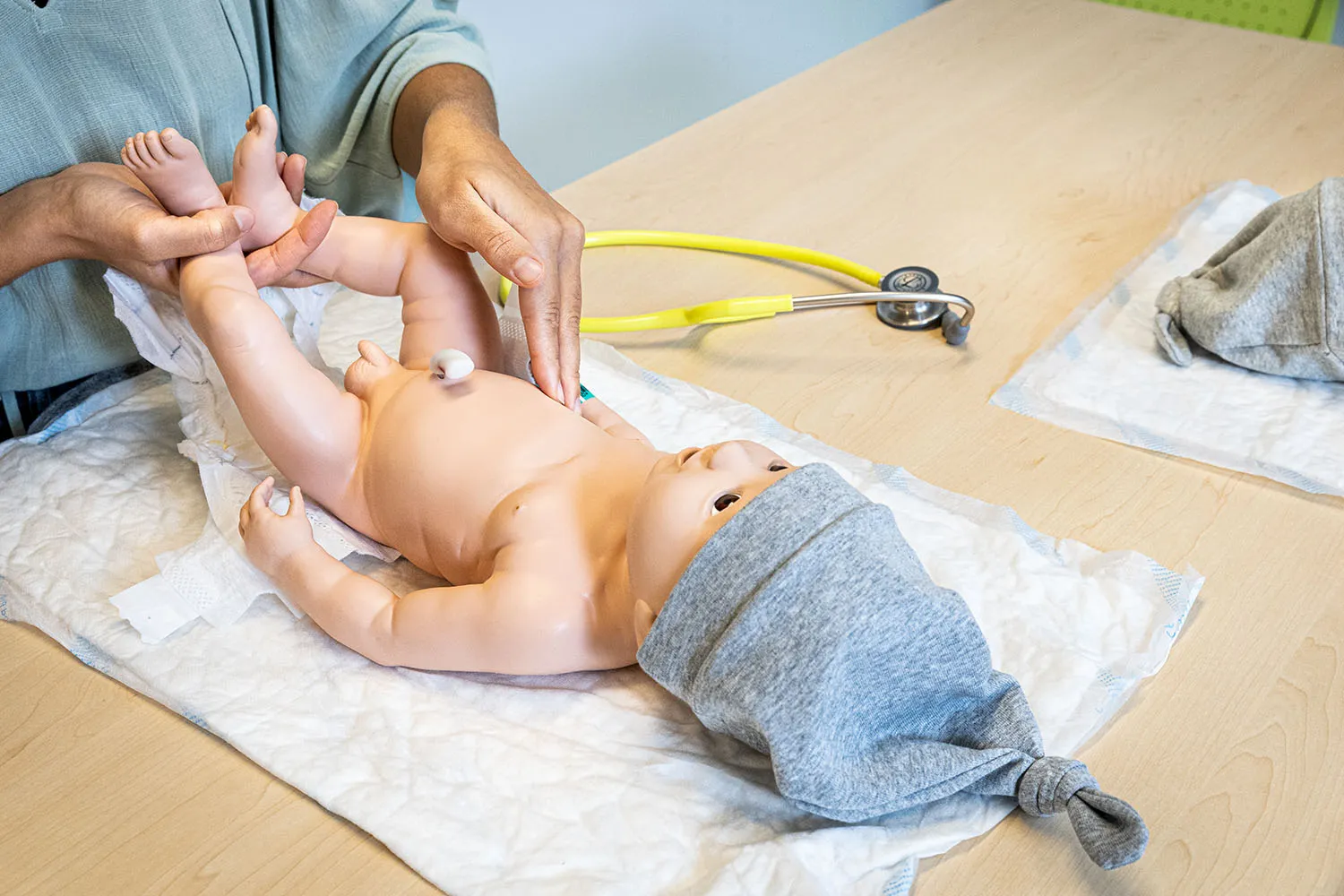
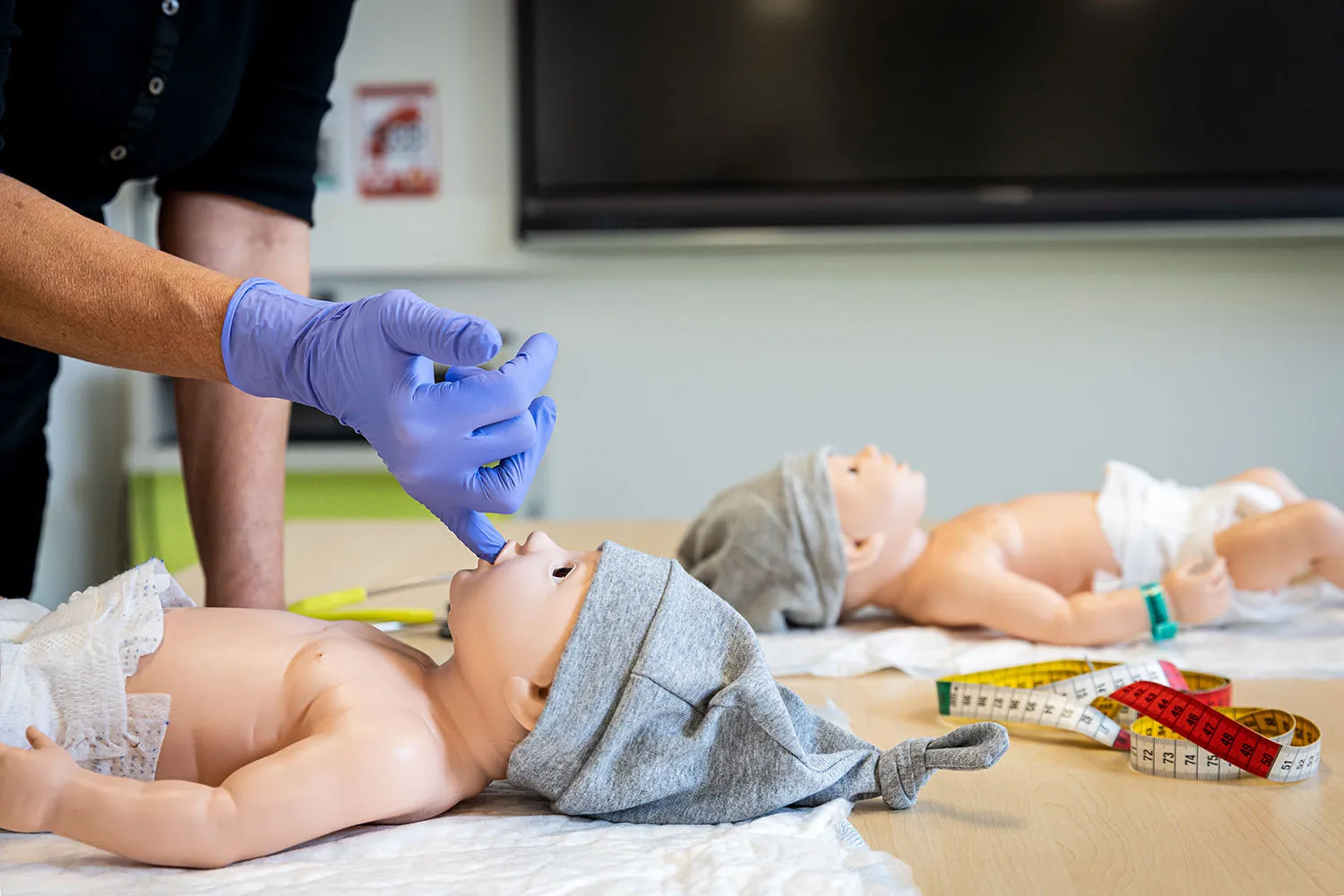
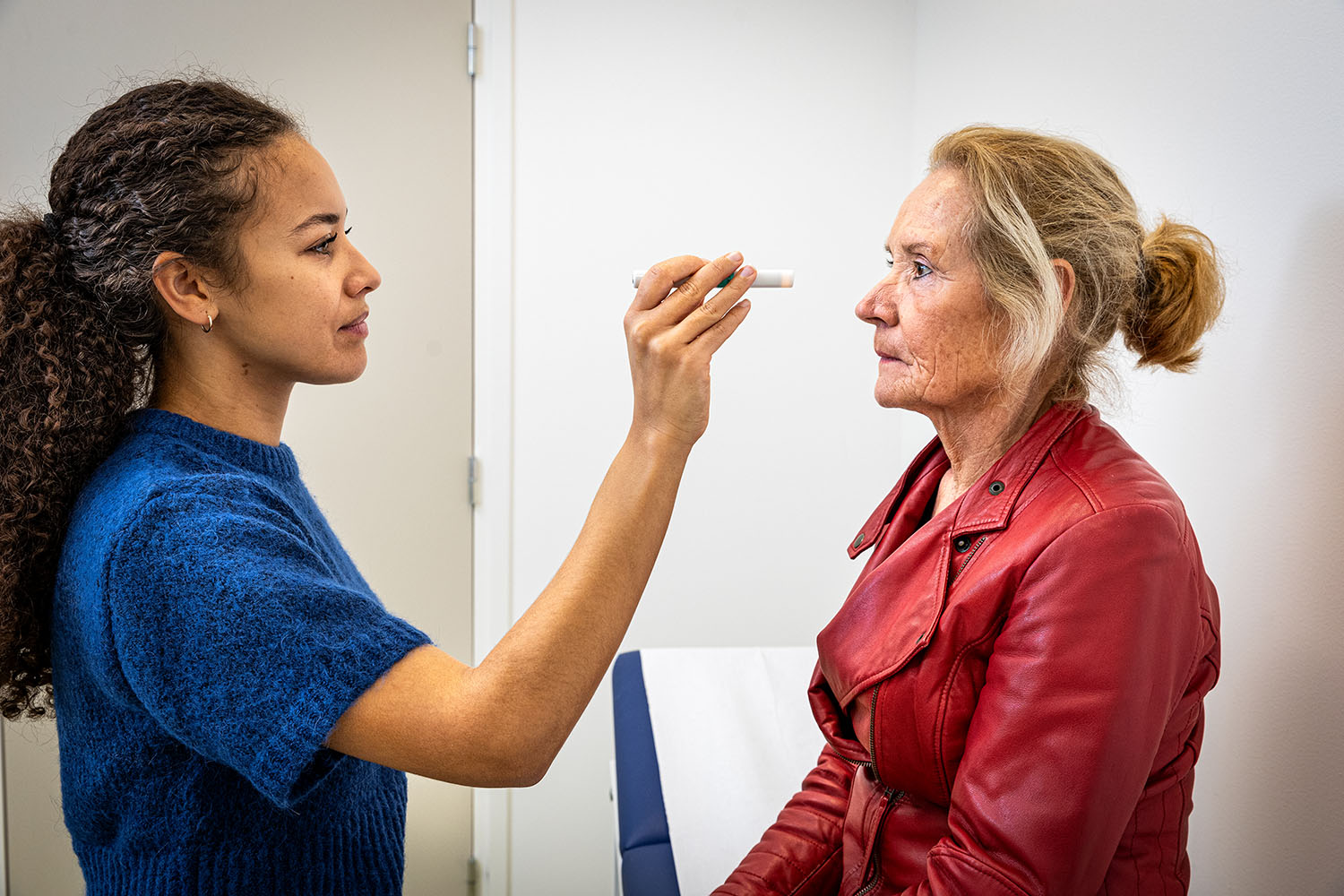
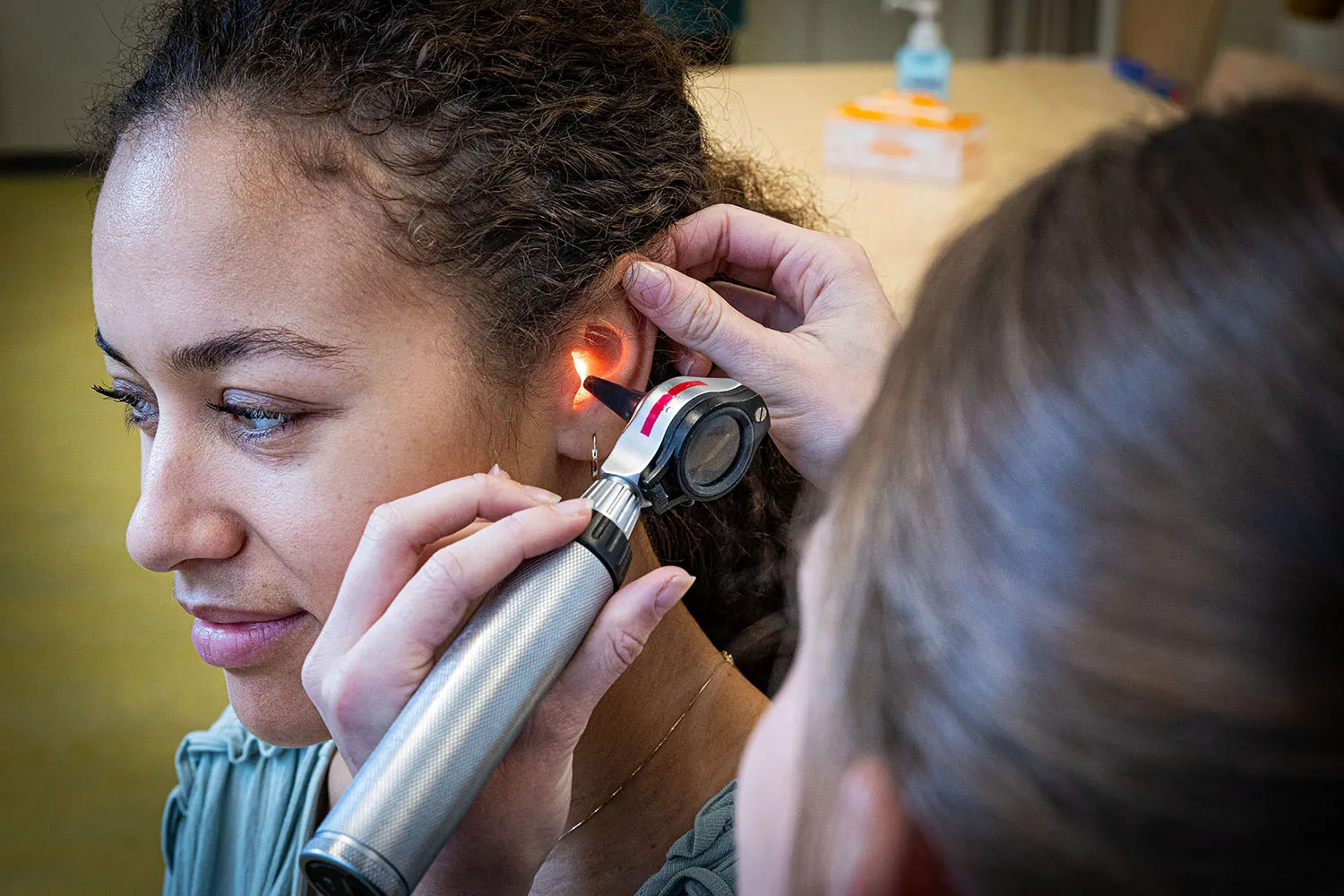
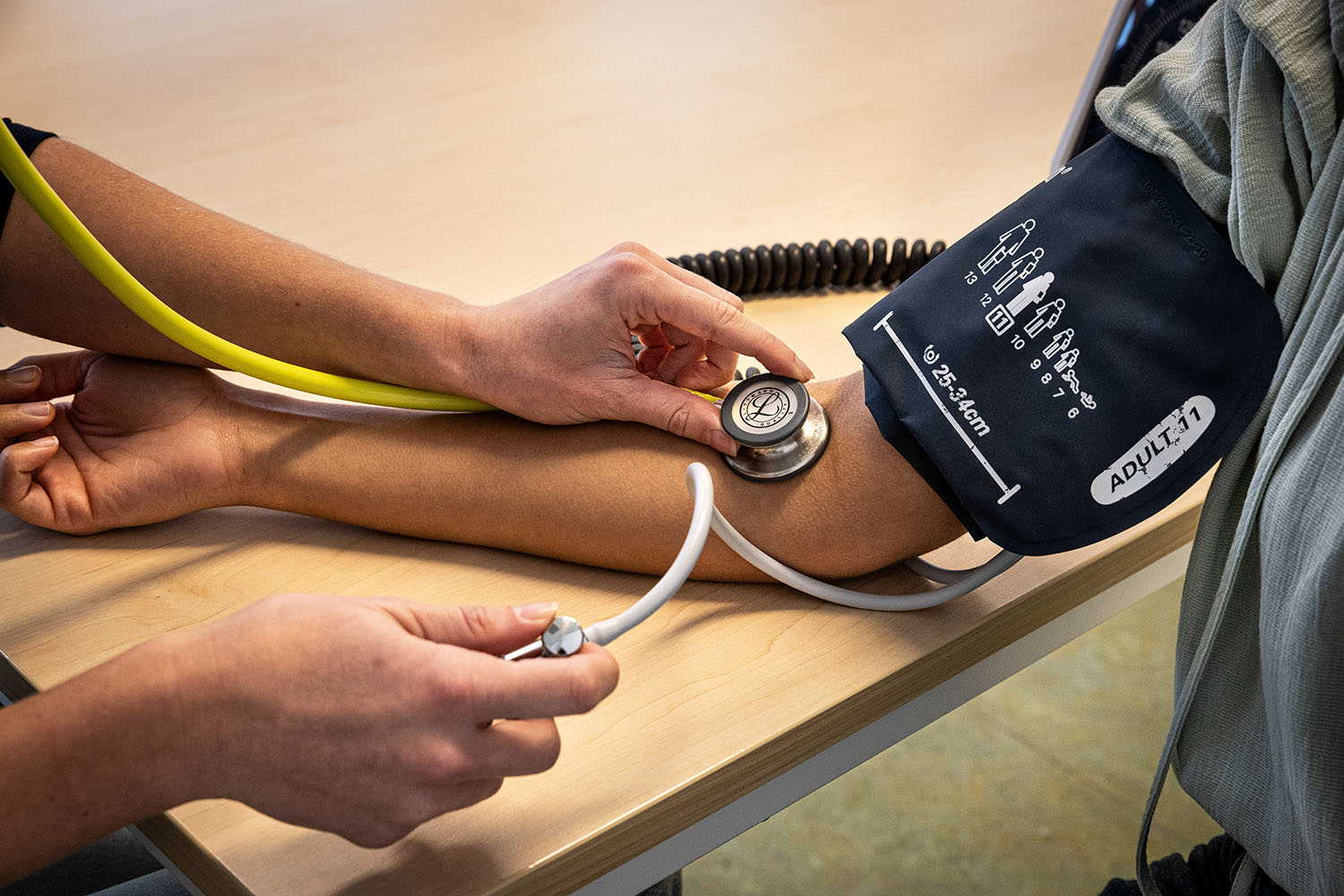
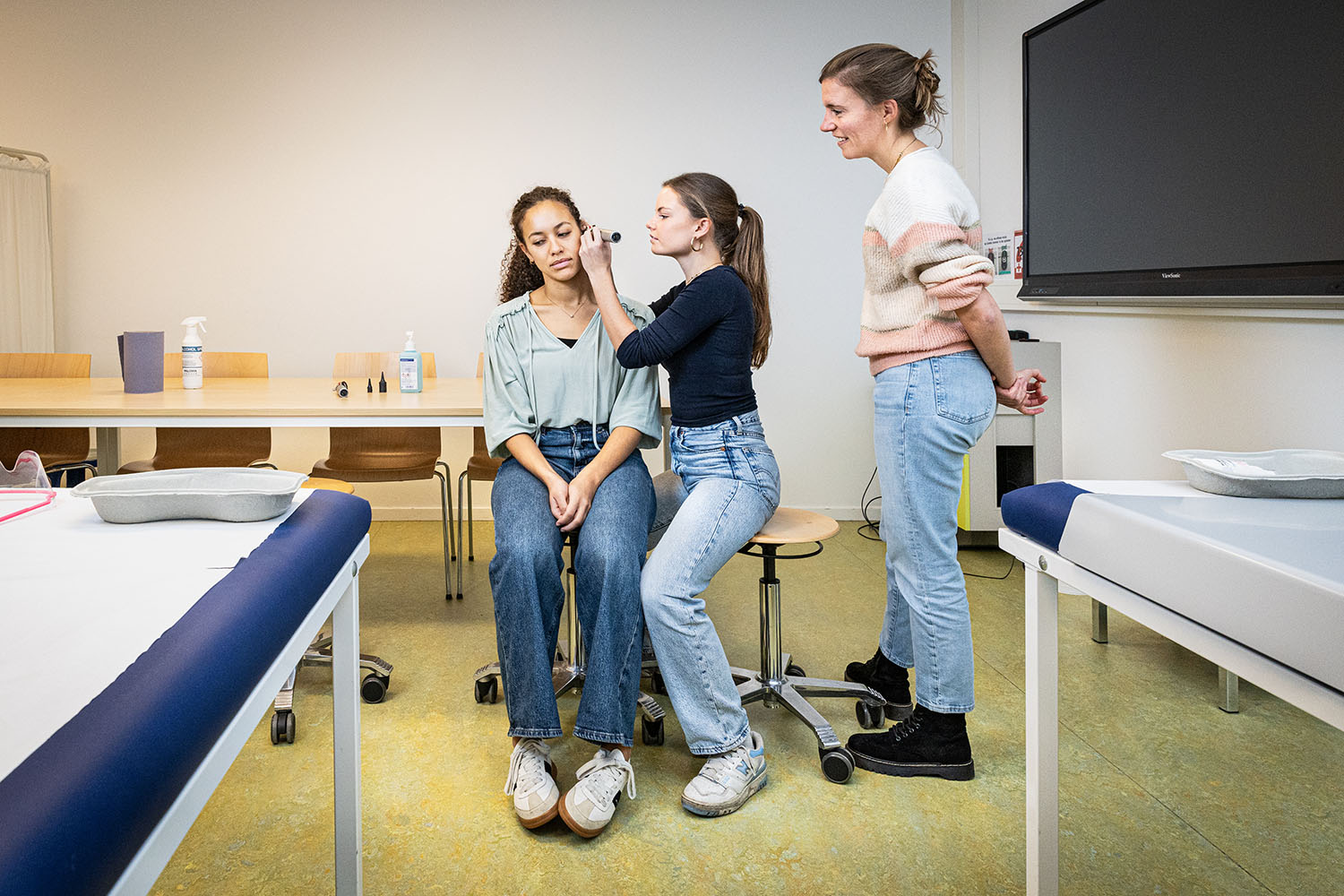
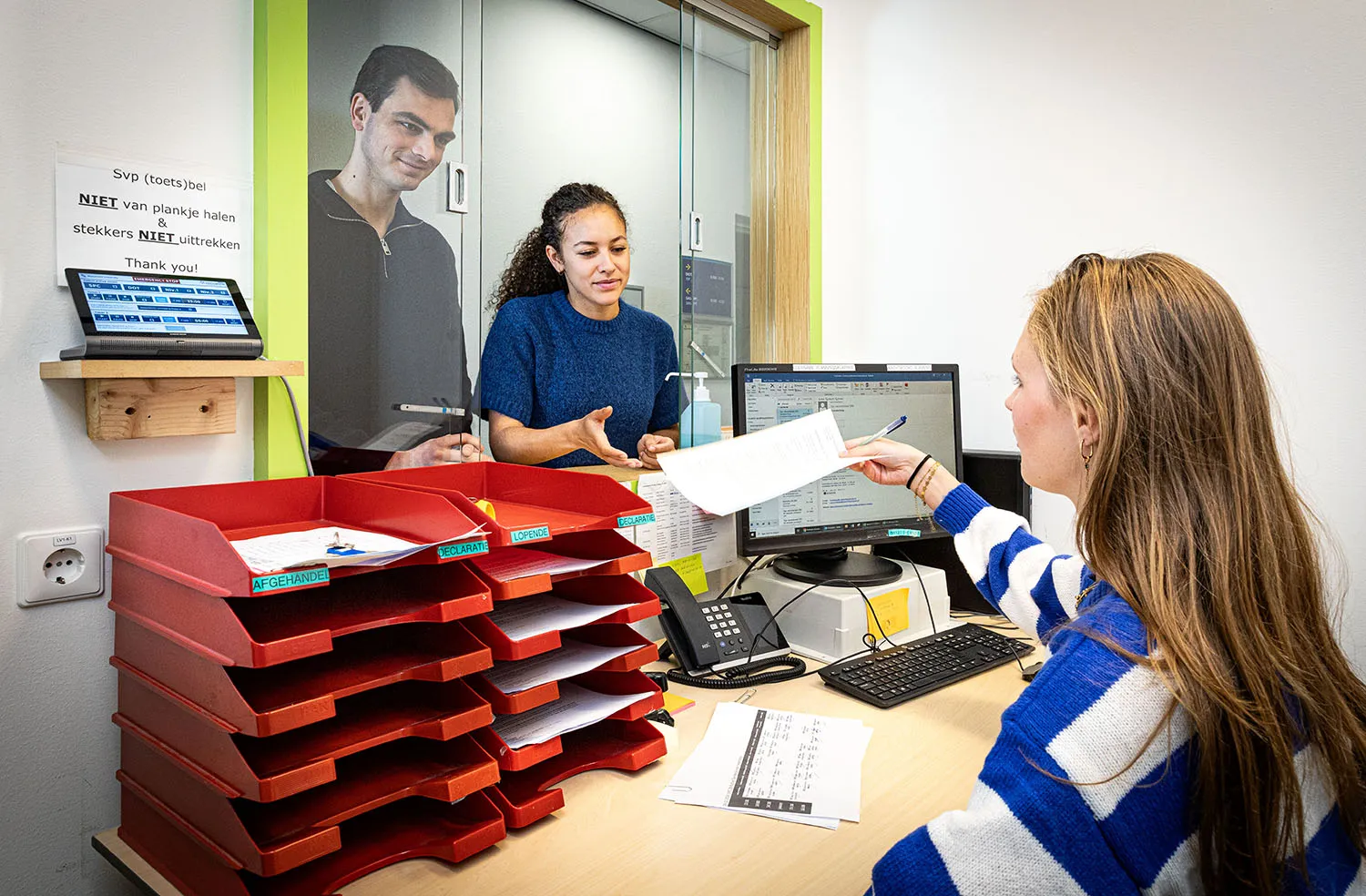
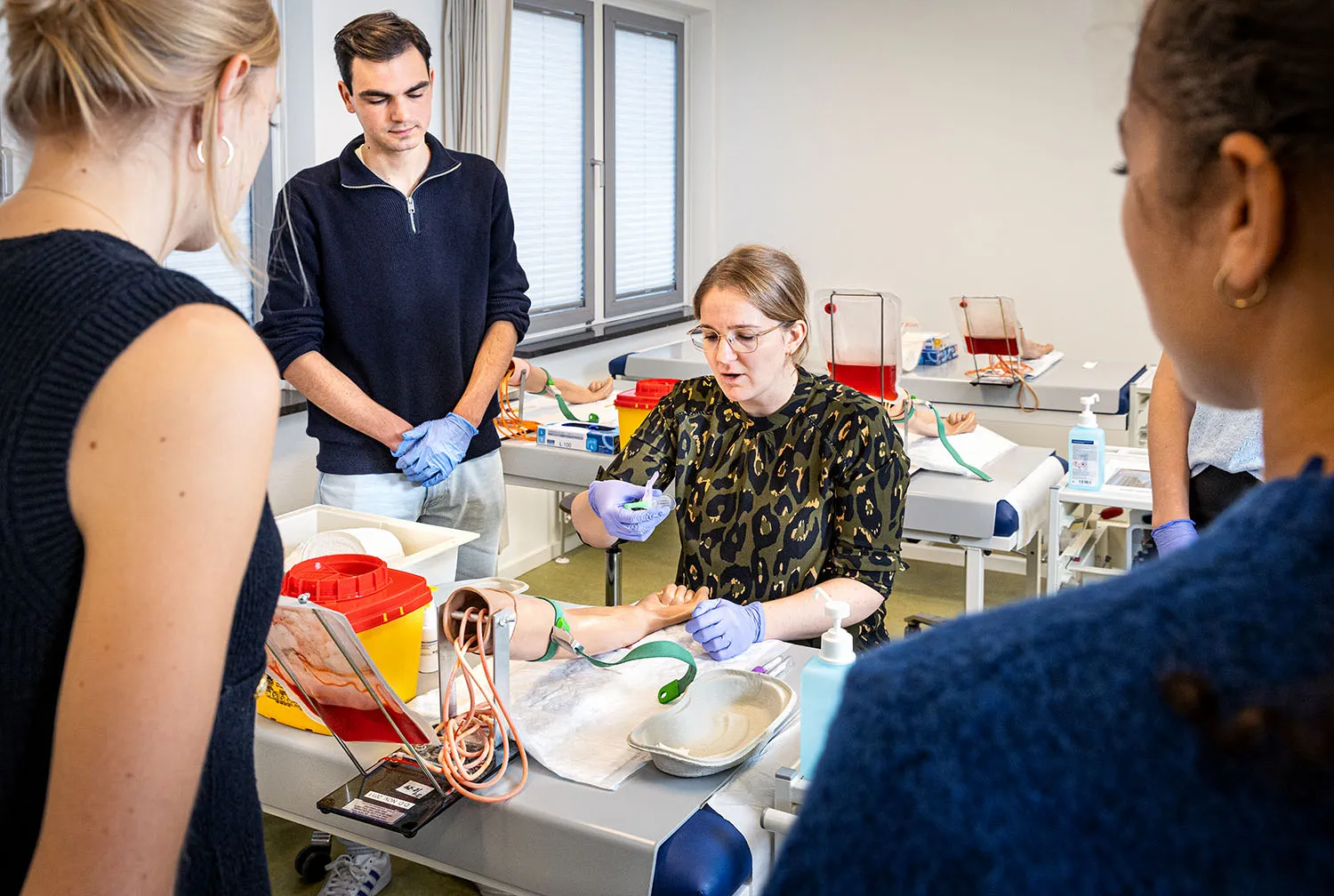
This year, the Skillslab celebrates its fiftieth anniversary, just like UM itself. Reason enough to put this special department in the spotlight. In the Skillslab, medical students learn to apply their knowledge to real-life situations. For example, they practise physical examinations, using what they know of the human body. By feeling, listening and observing, they discover whether someone is healthy or whether there is an underlying disease.

But it's not just about clinical skills. Students also learn how to speak with patients, communicate clearly, think logically about complaints and write up their findings clearly for colleagues. This prepares them for their role as doctors of the future.


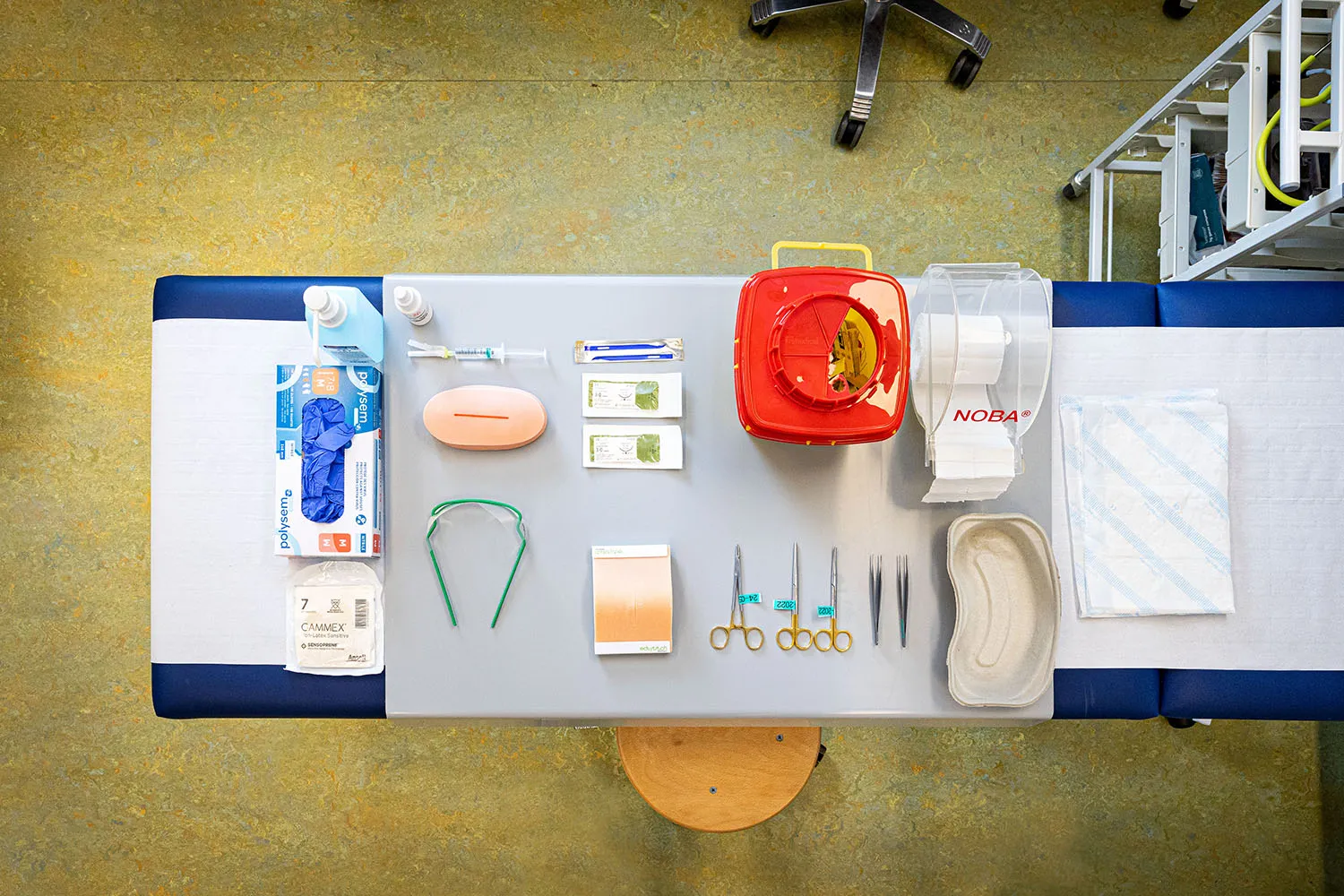
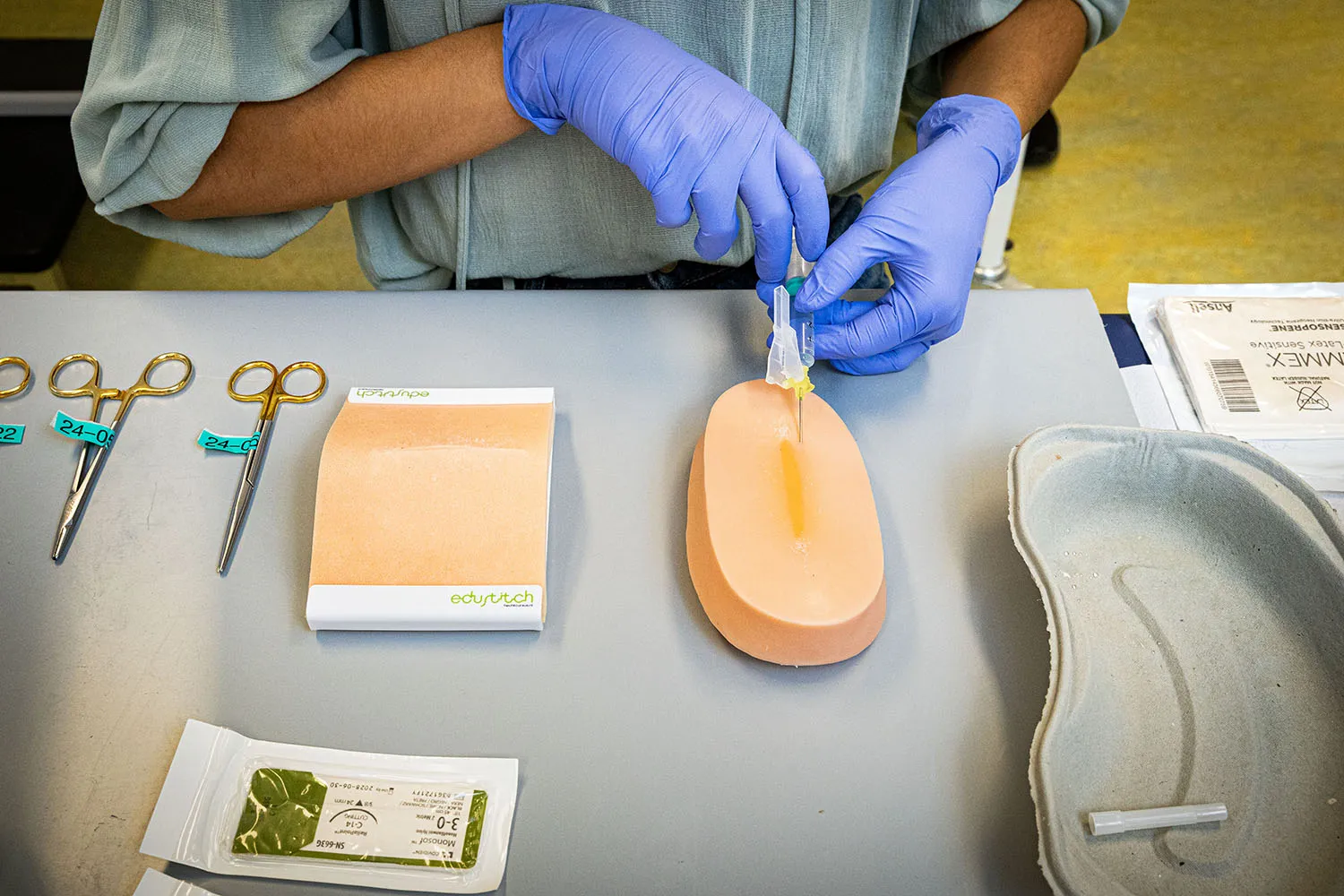
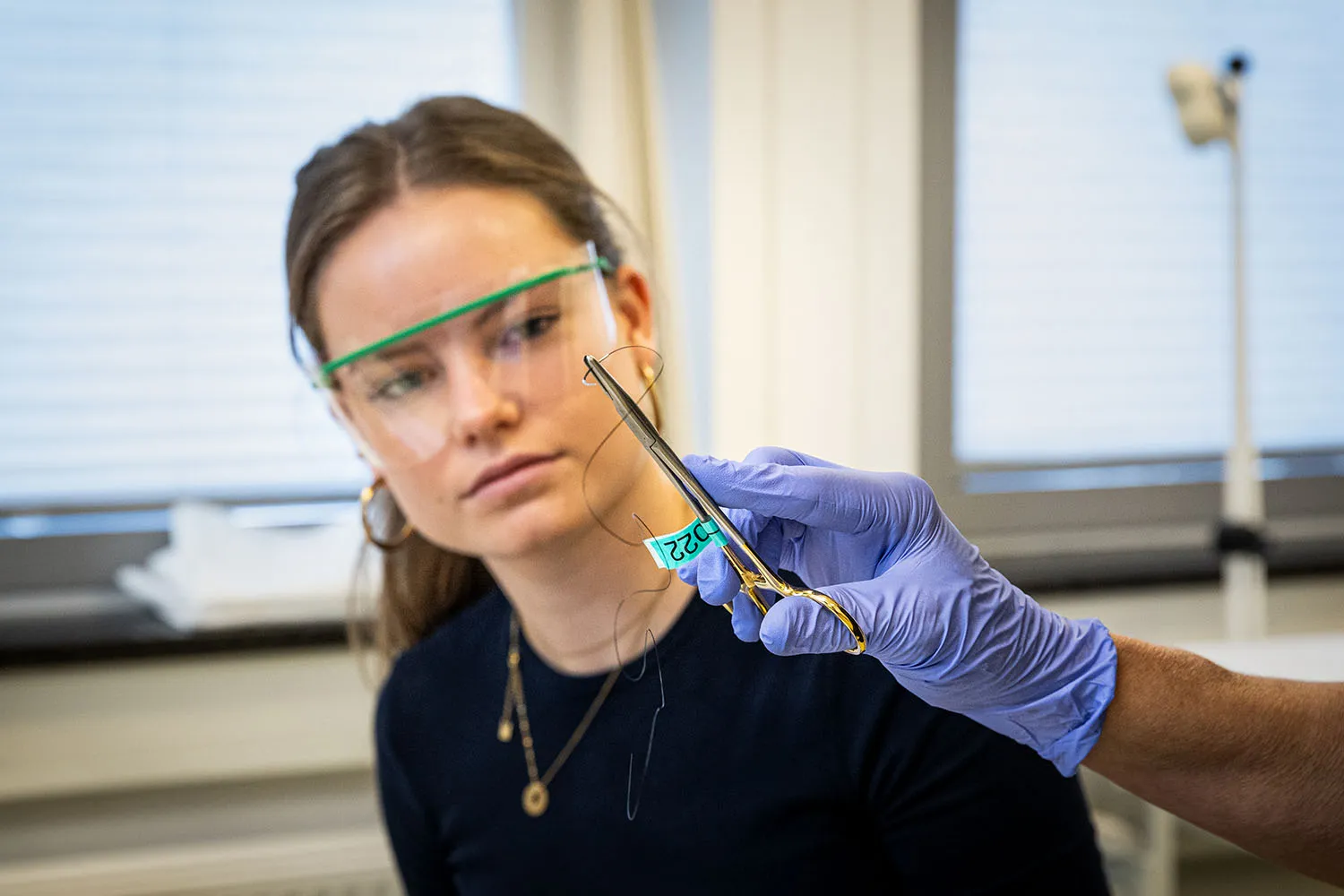
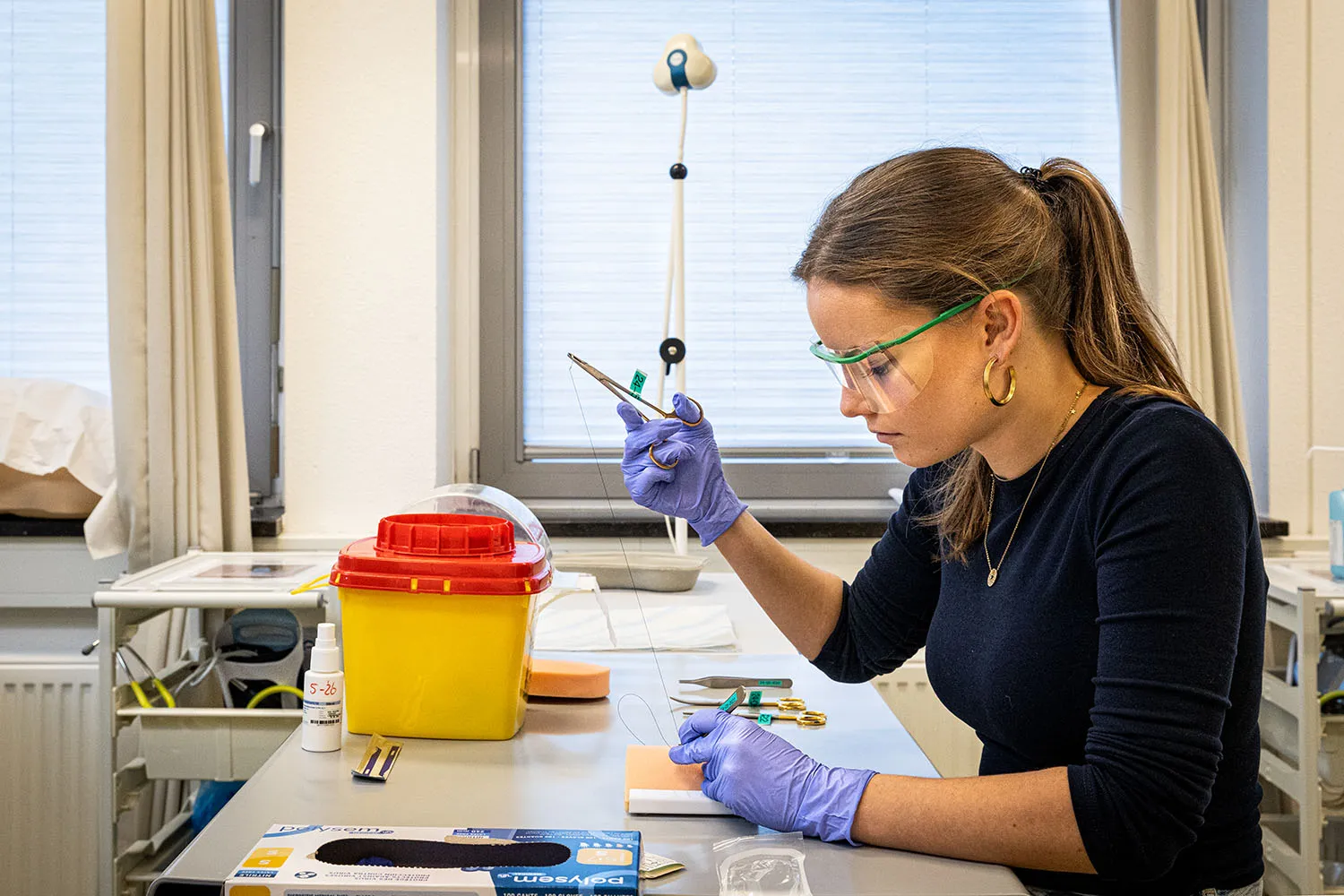
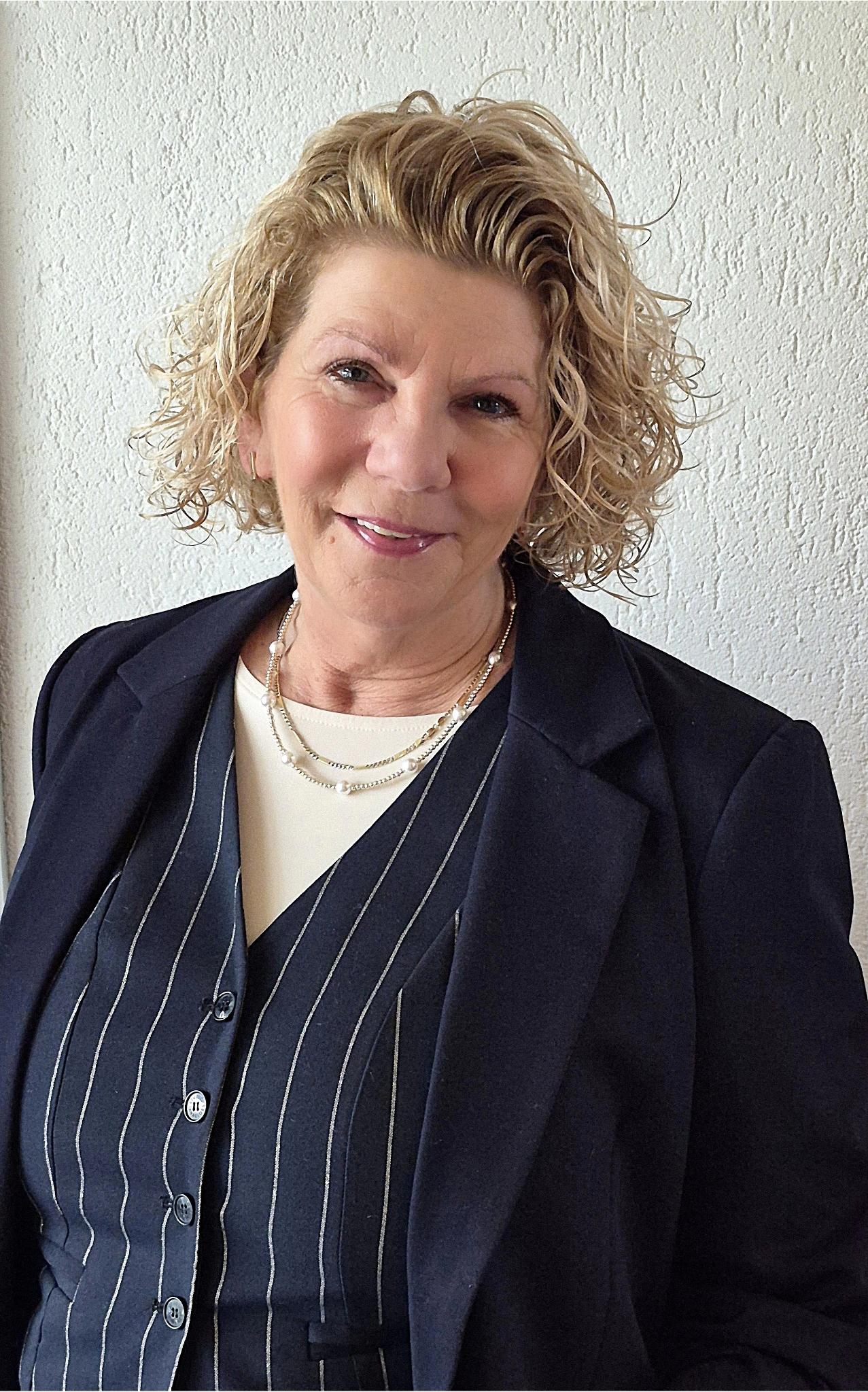
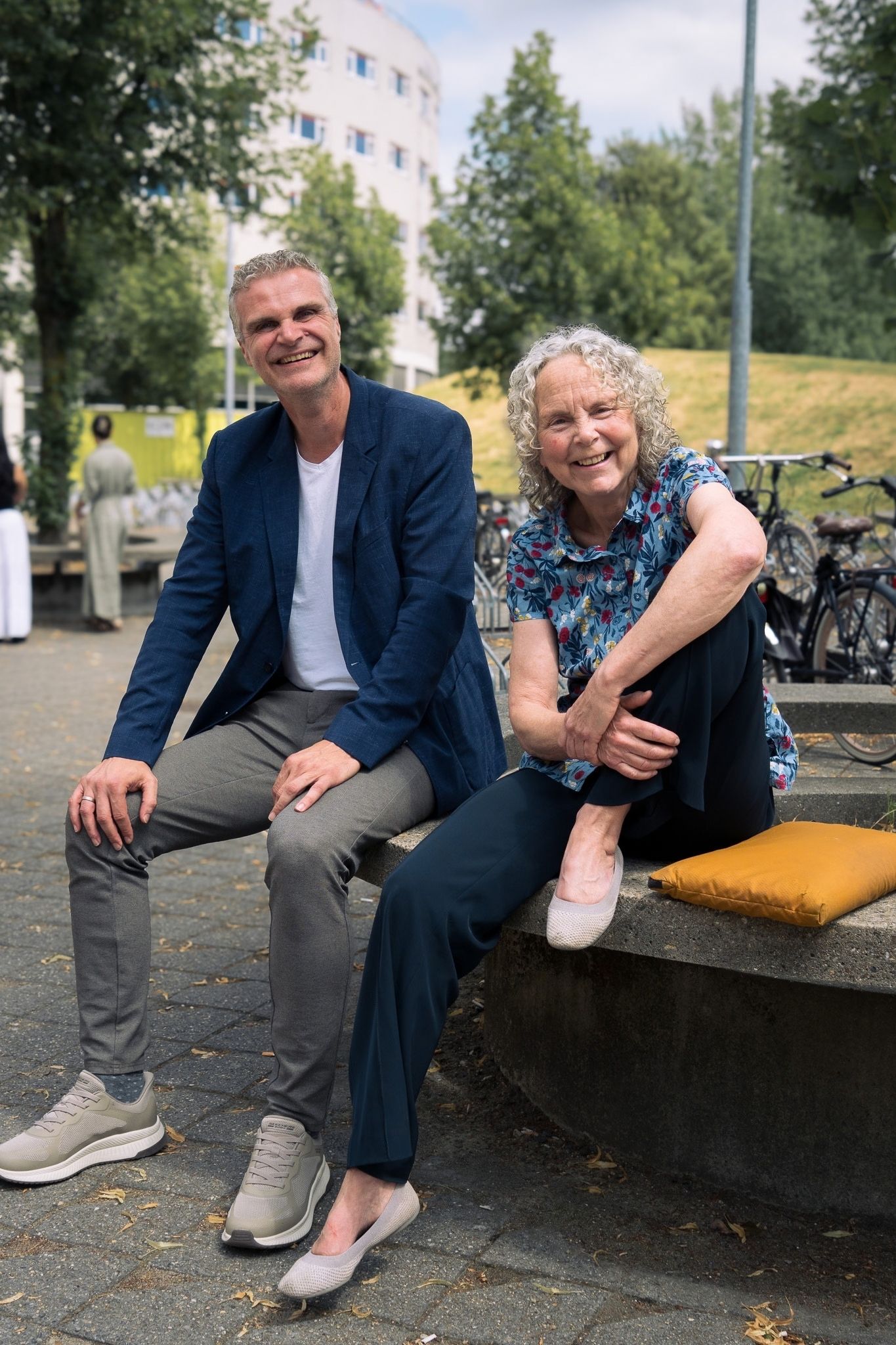
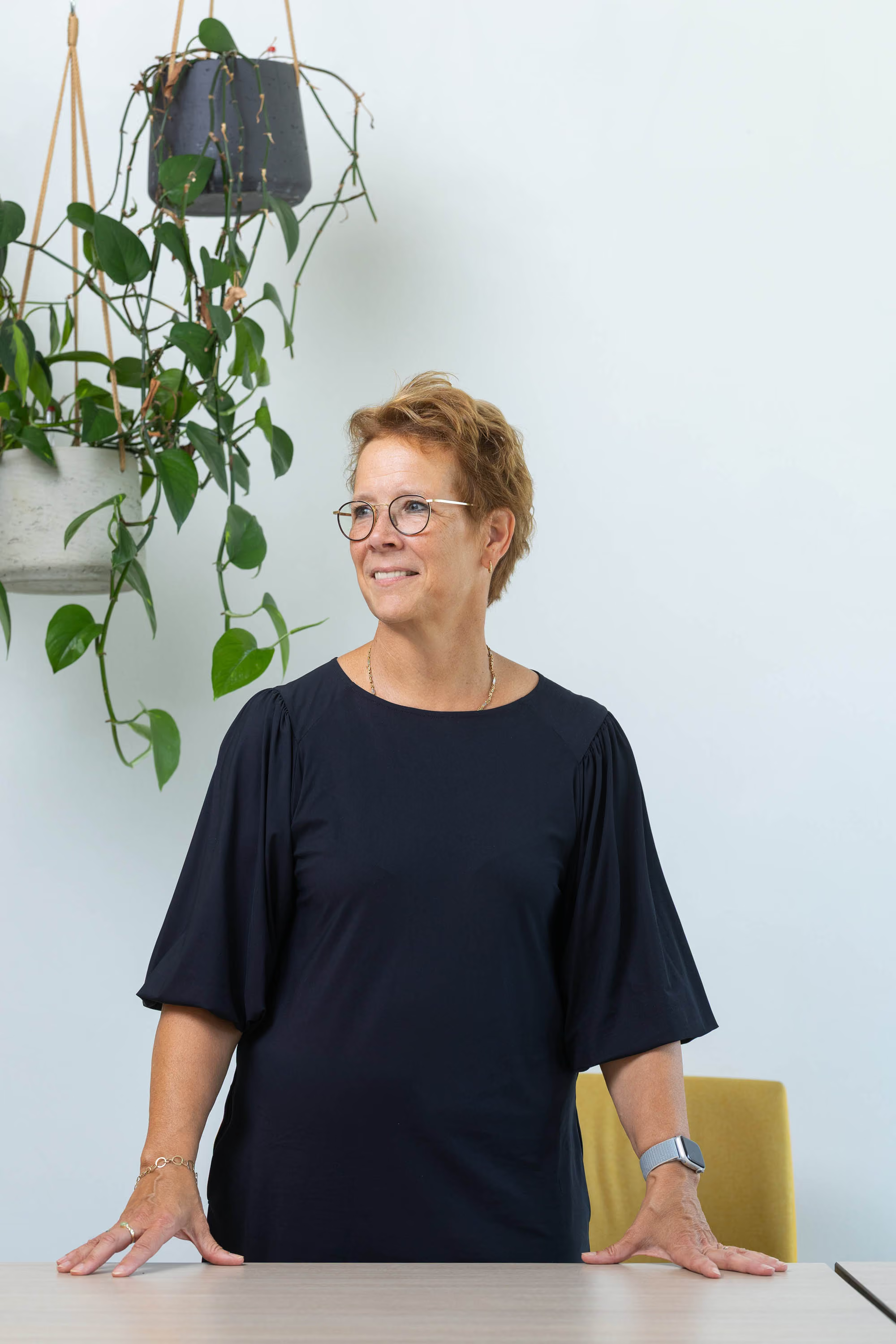
Hanneke Vermeulen is a doctor, skills training instructor at the Skillslab and a member of the management team. “At UM, practising clinical skills is embedded in the curriculum from the very beginning of the programme”, she explains. “That makes our university unique. Most of the teachers at the Skillslab are doctors and still practise regularly themselves. Before I give a training course in wound closure, I spend my break practising with sutures so that I can guide the students as effectively as possible.”
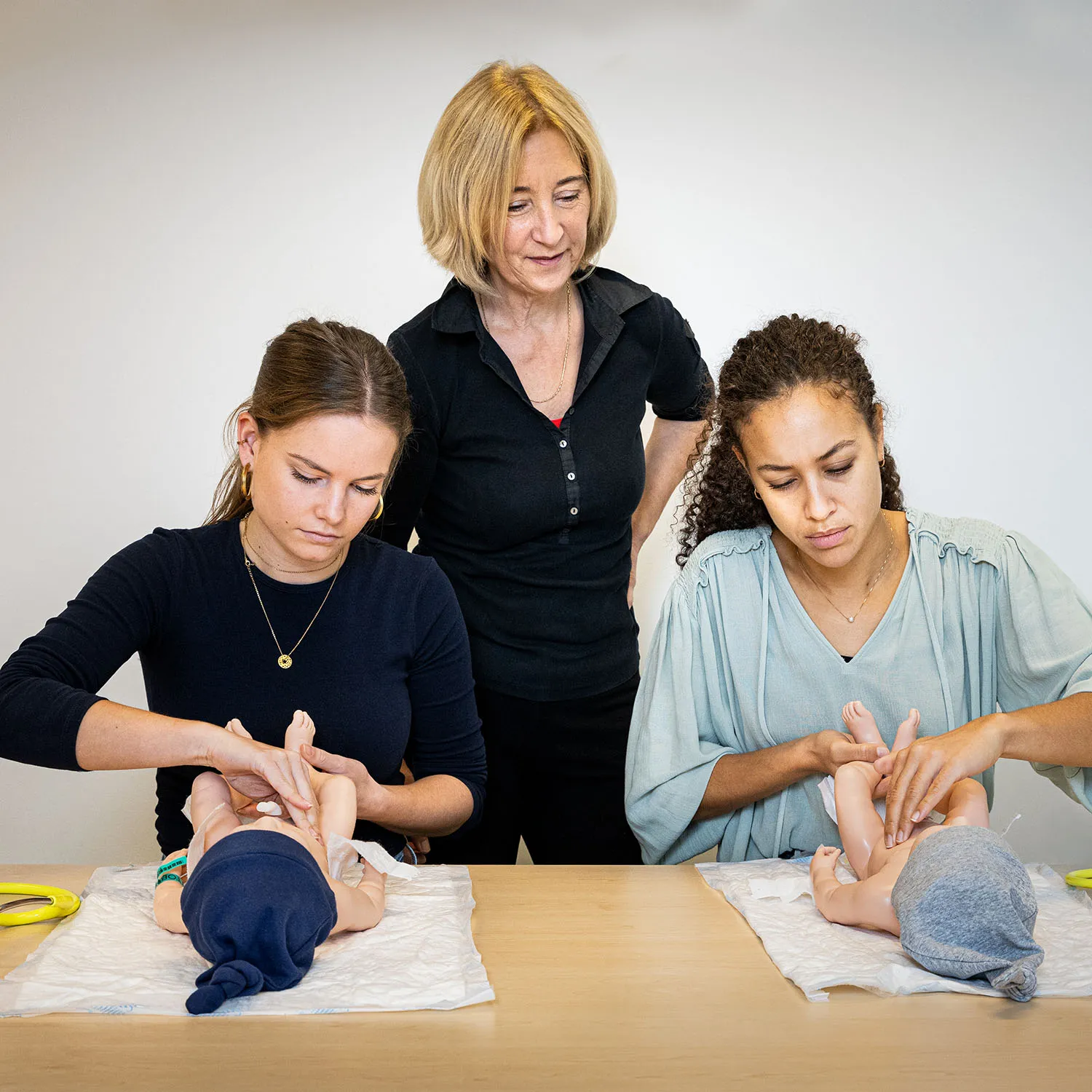
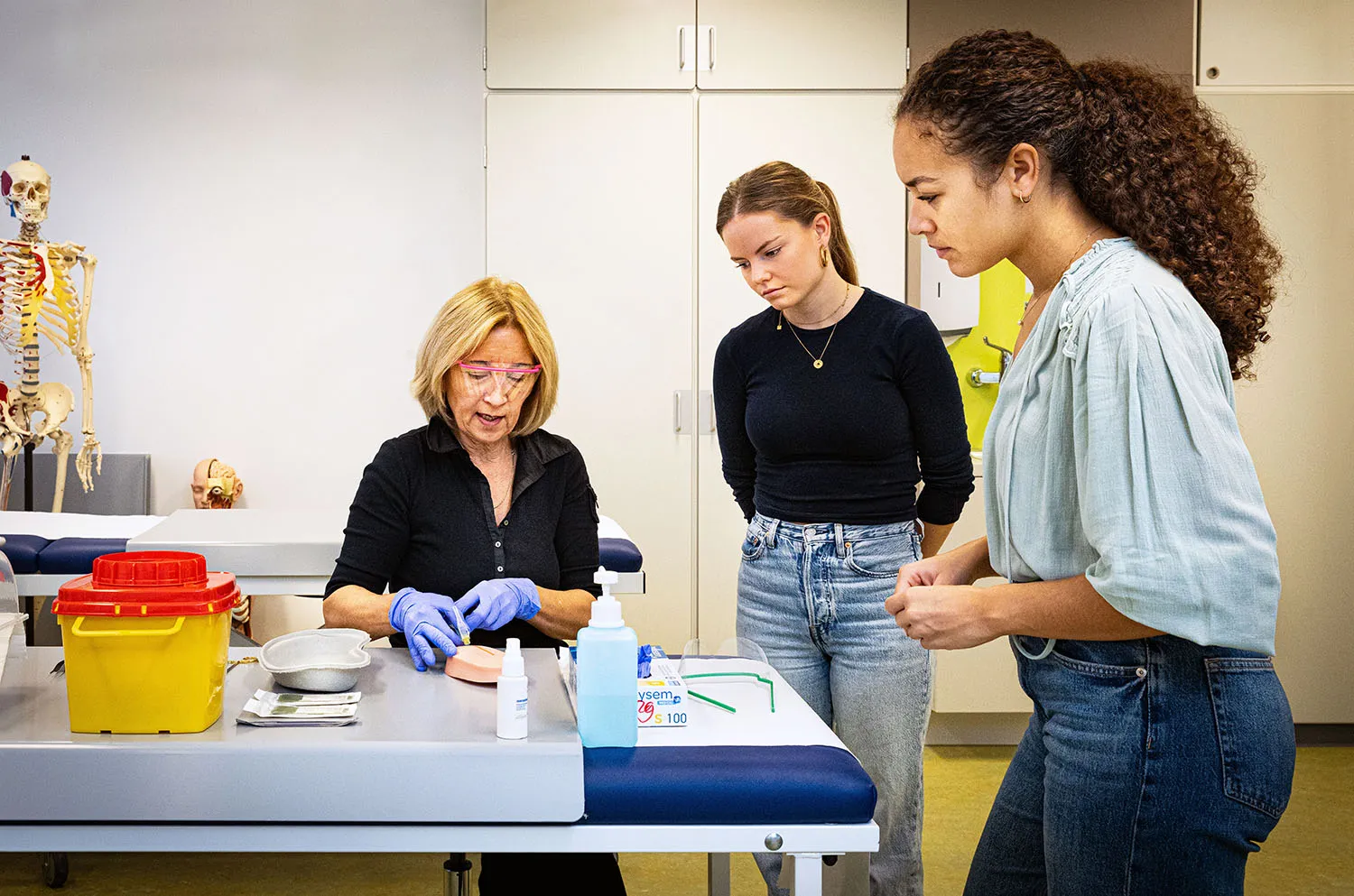
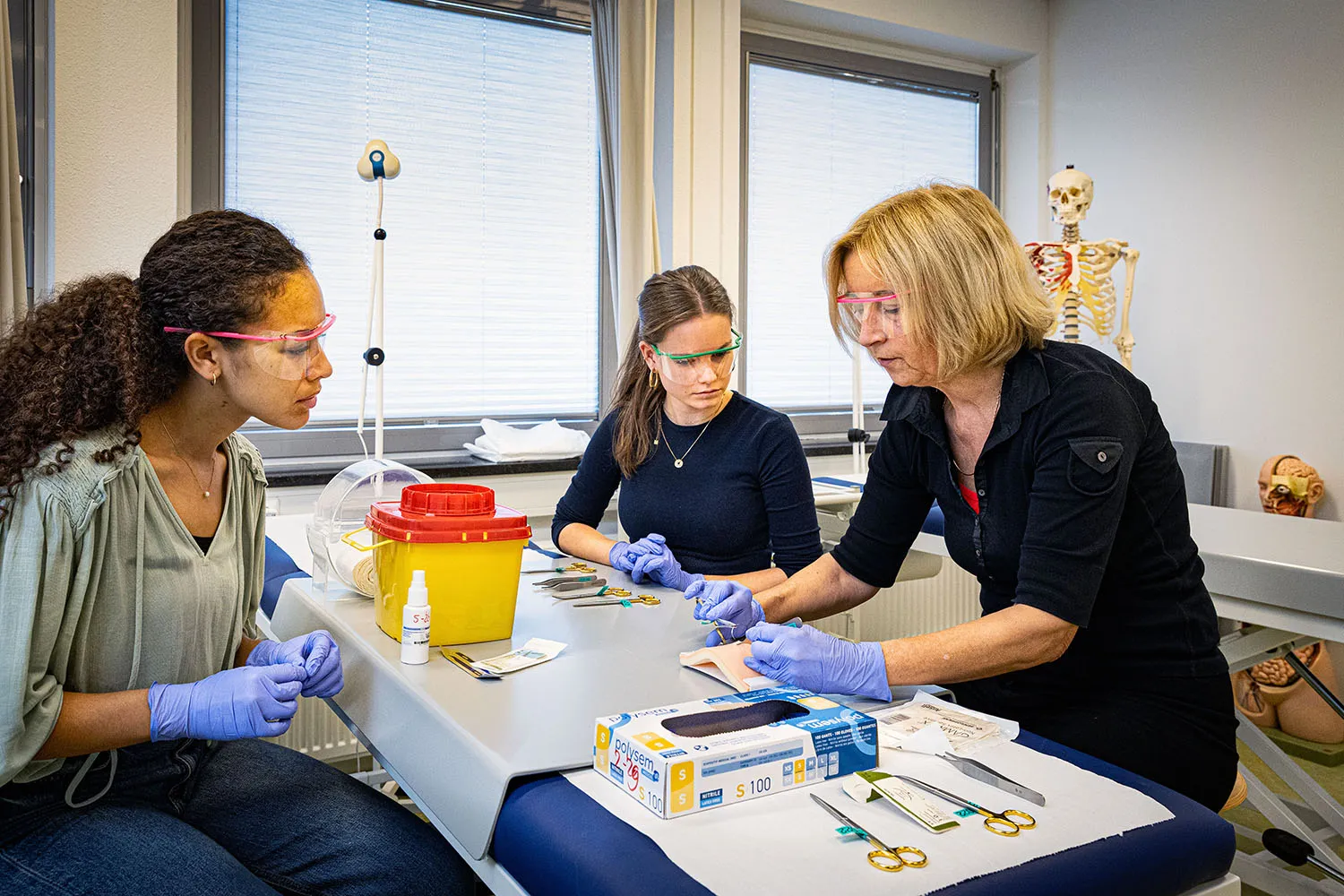
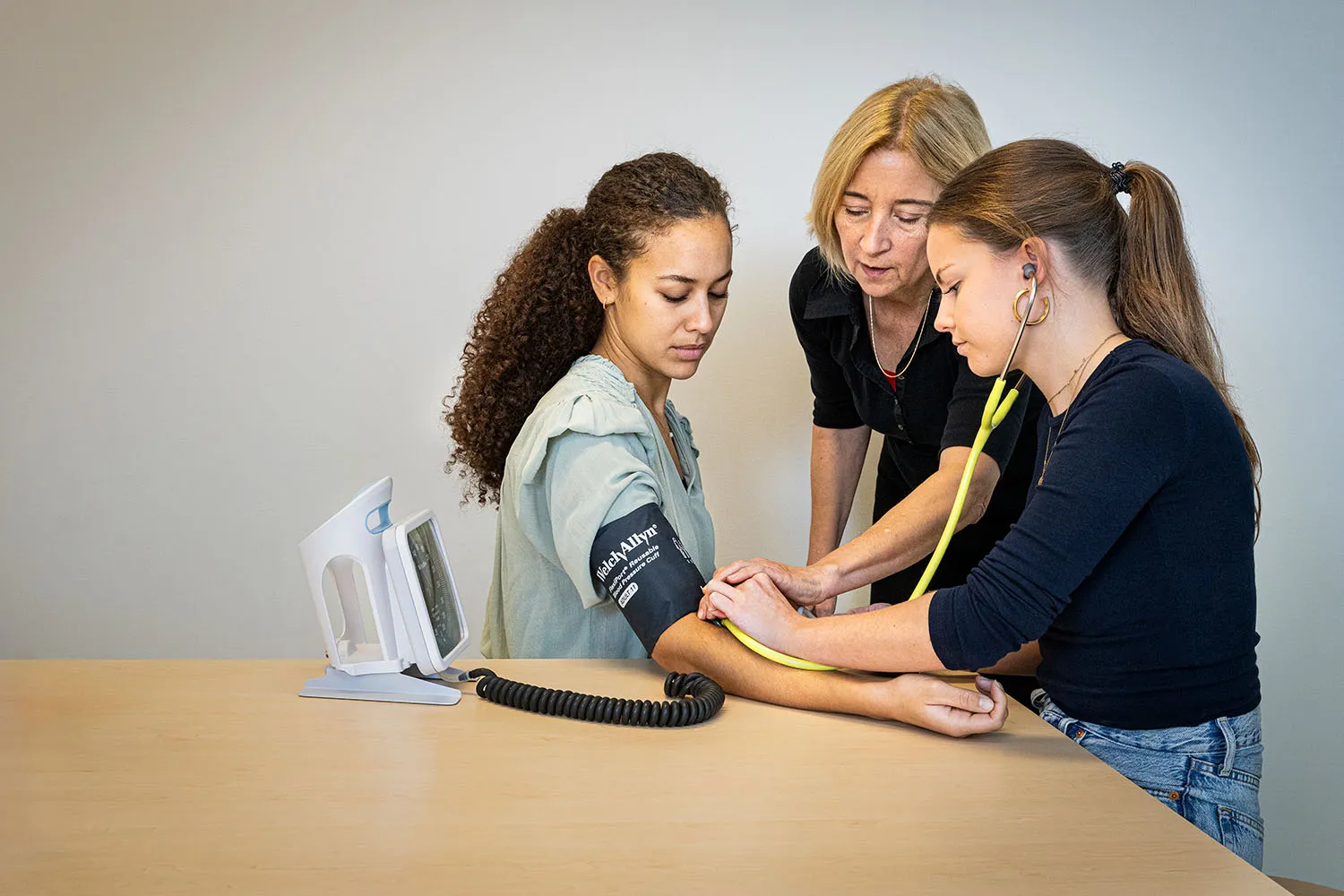
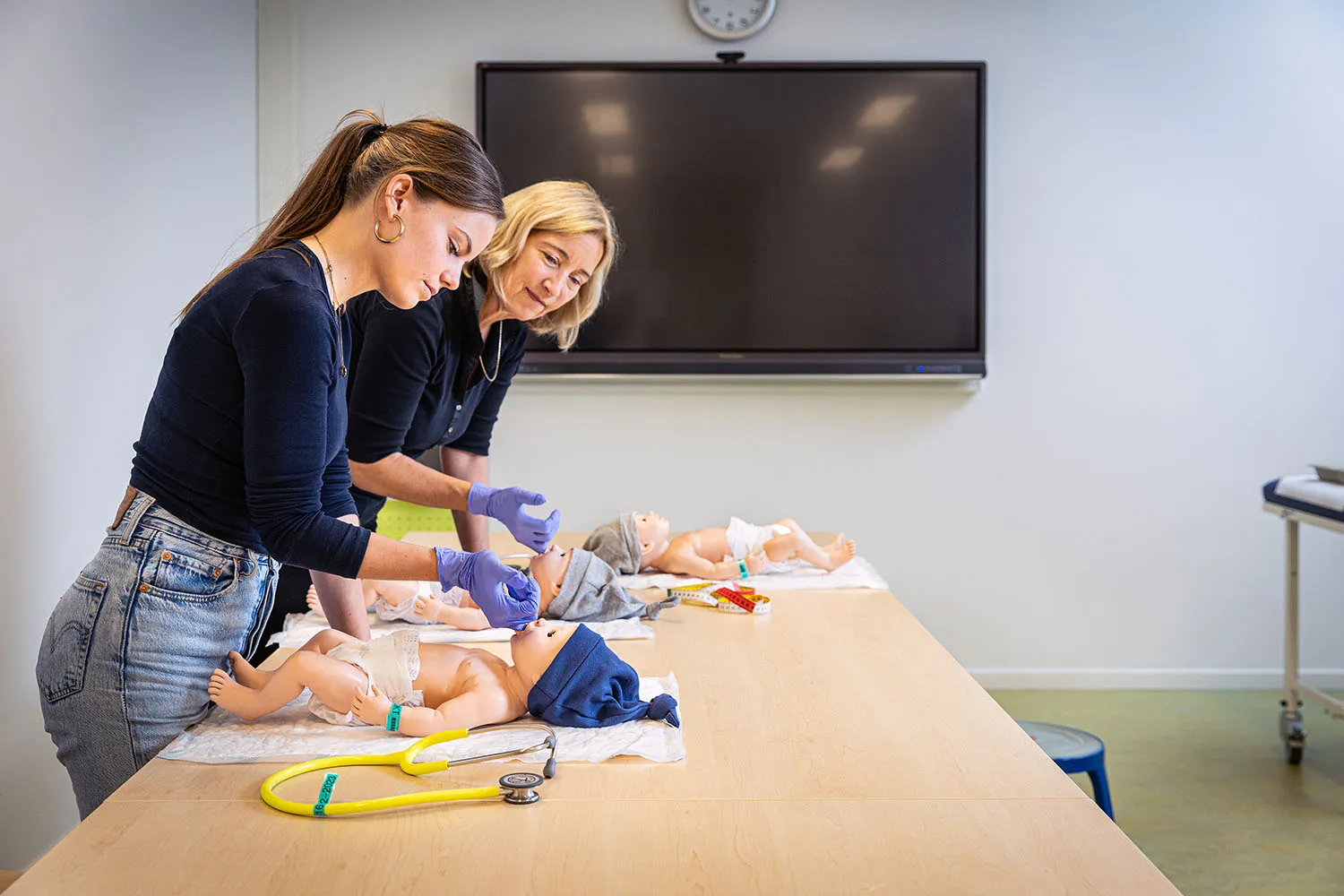
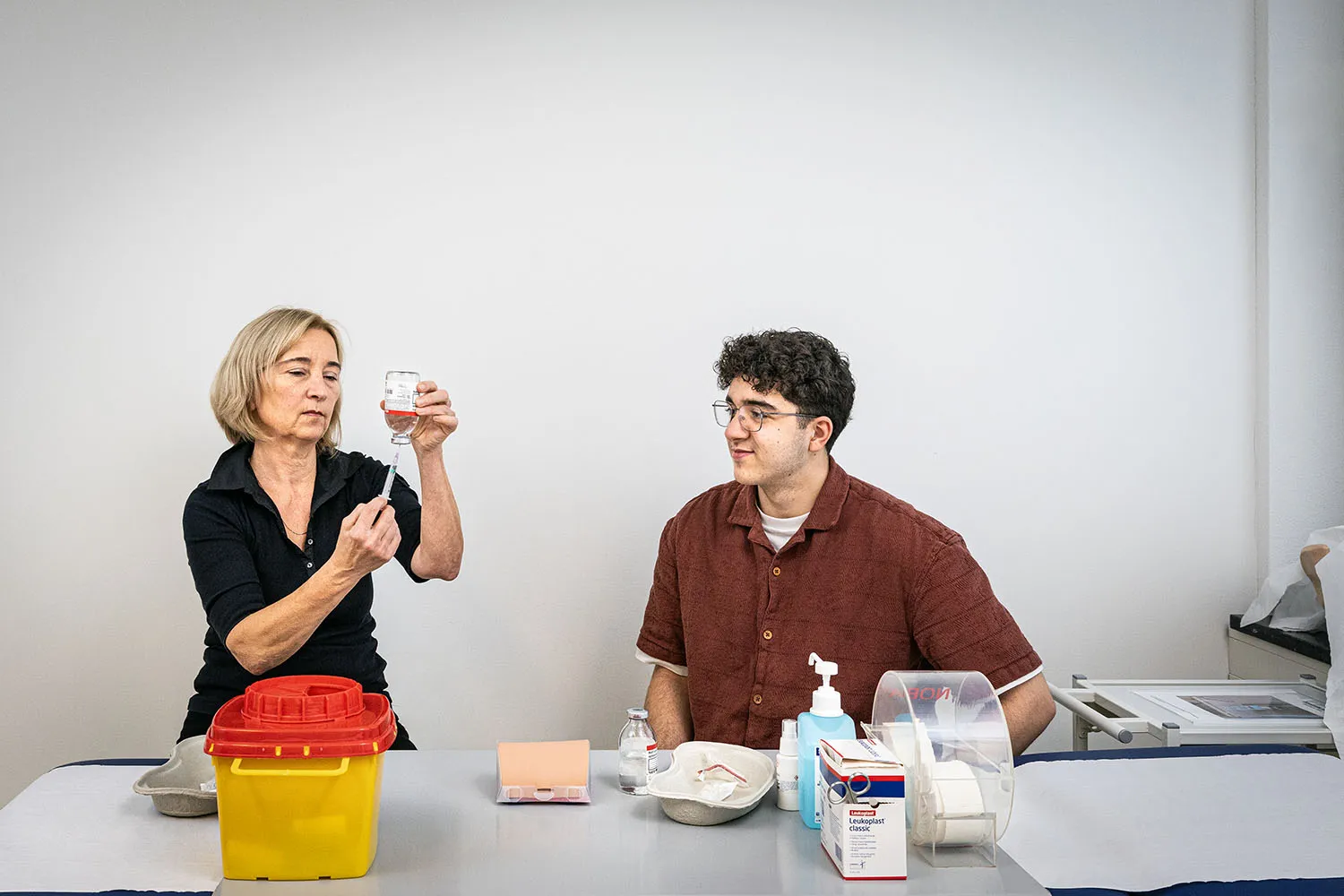
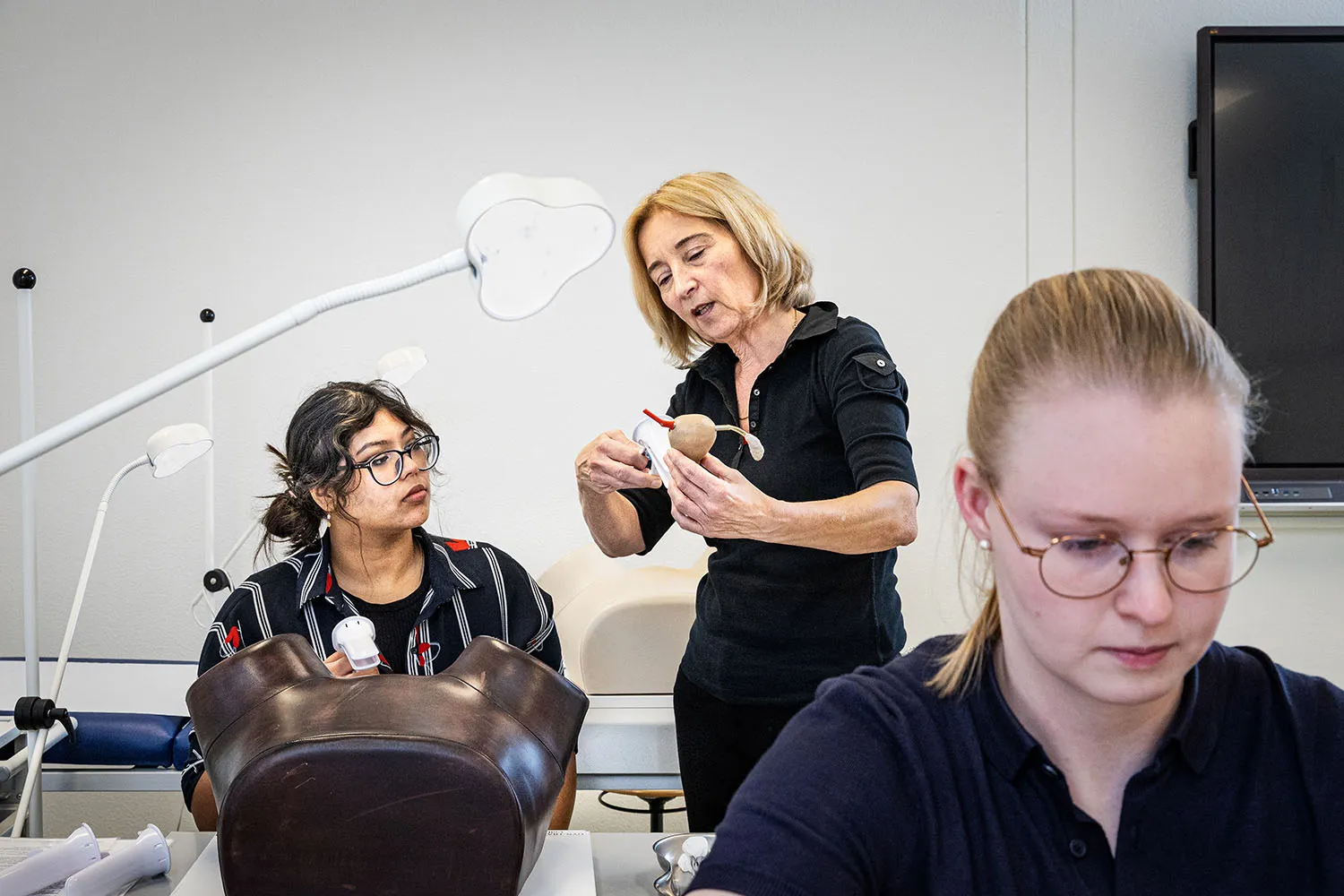
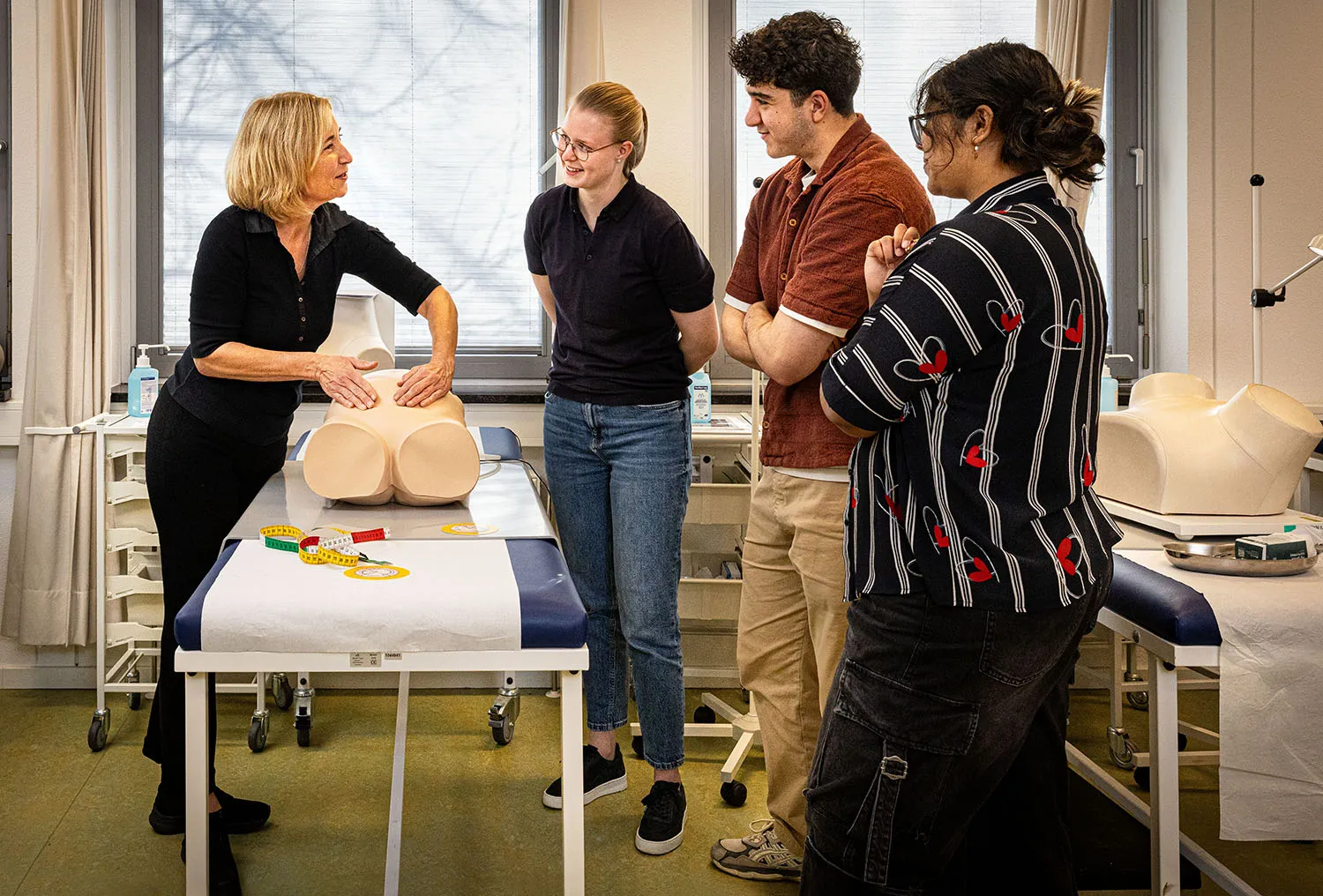
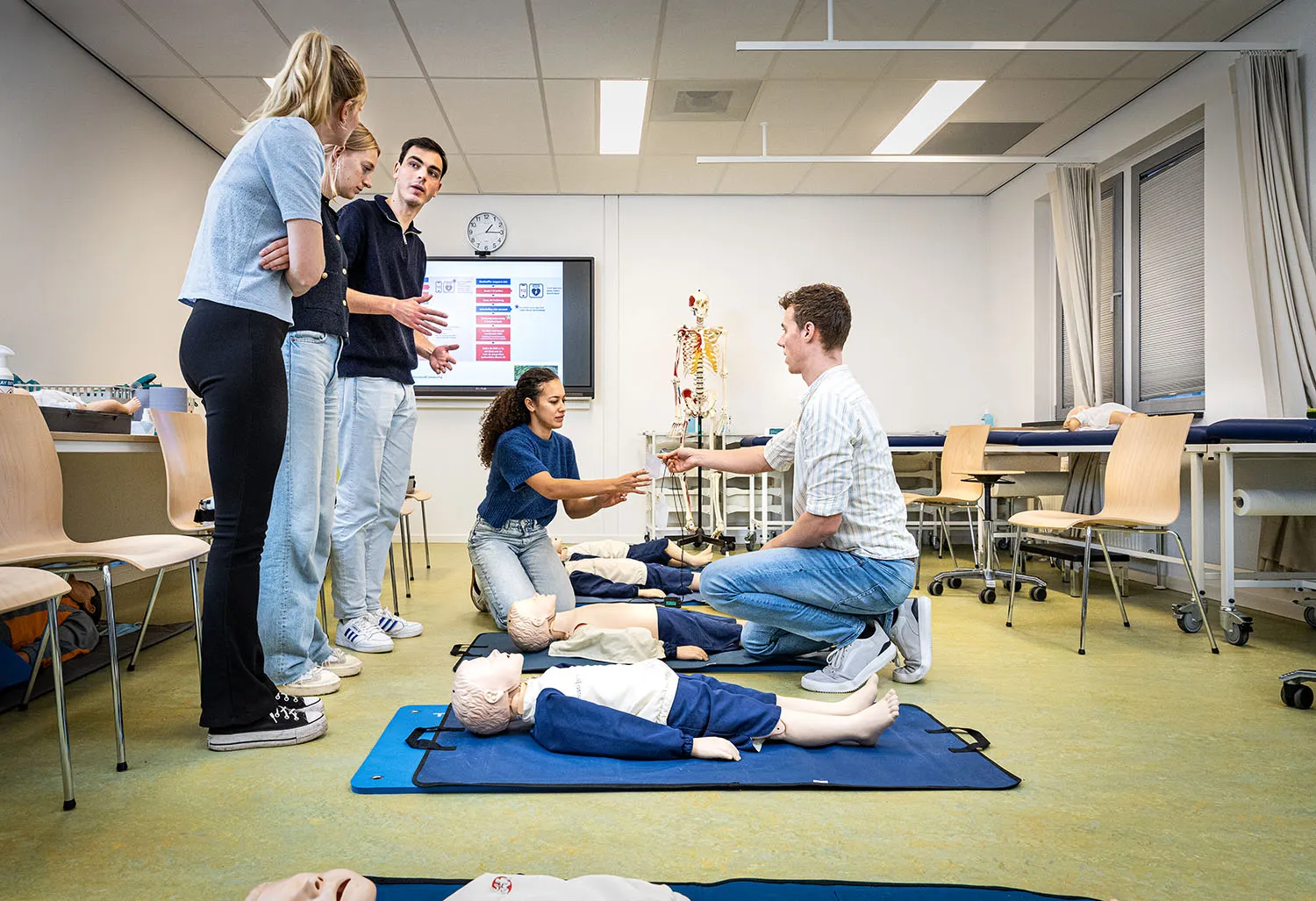
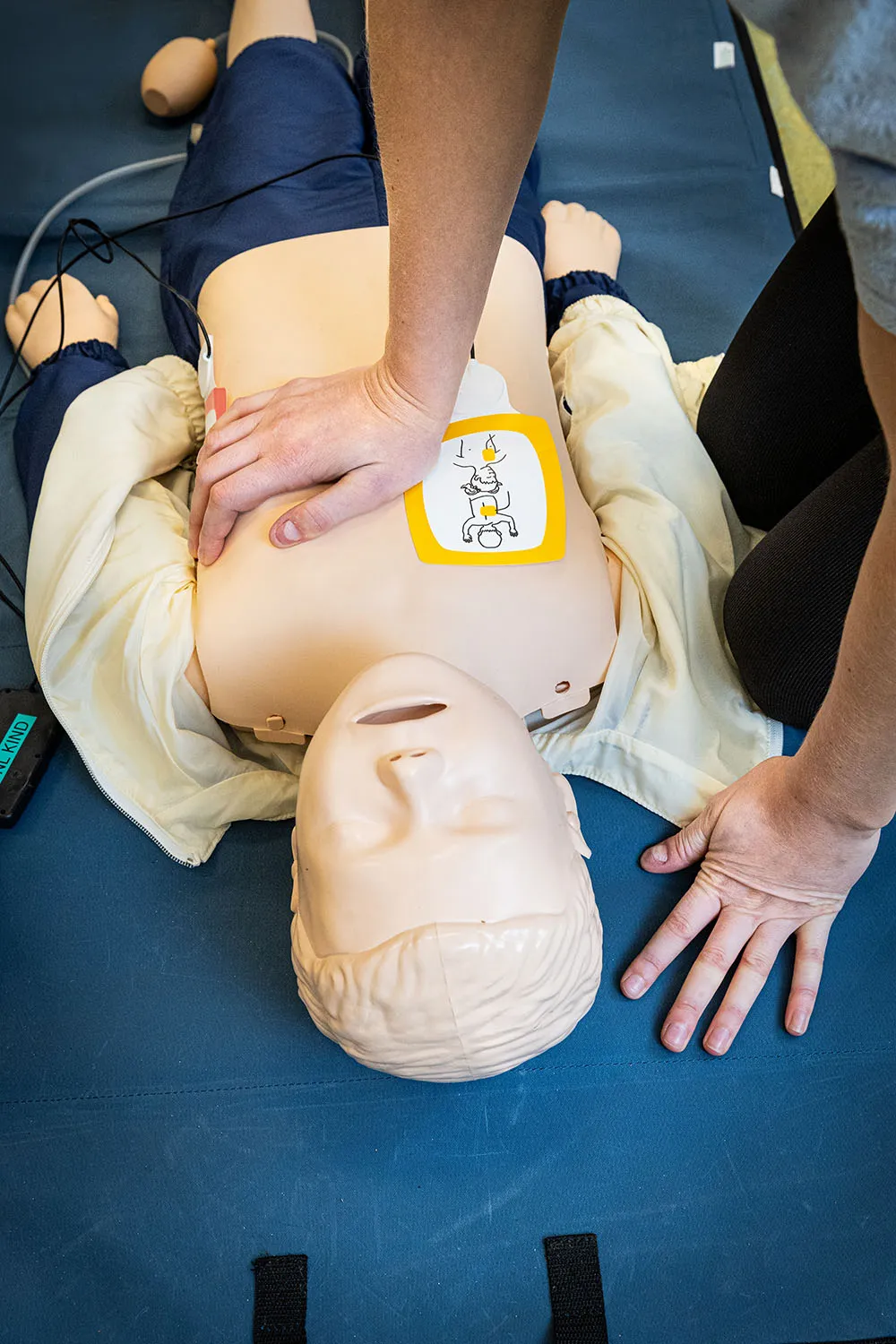
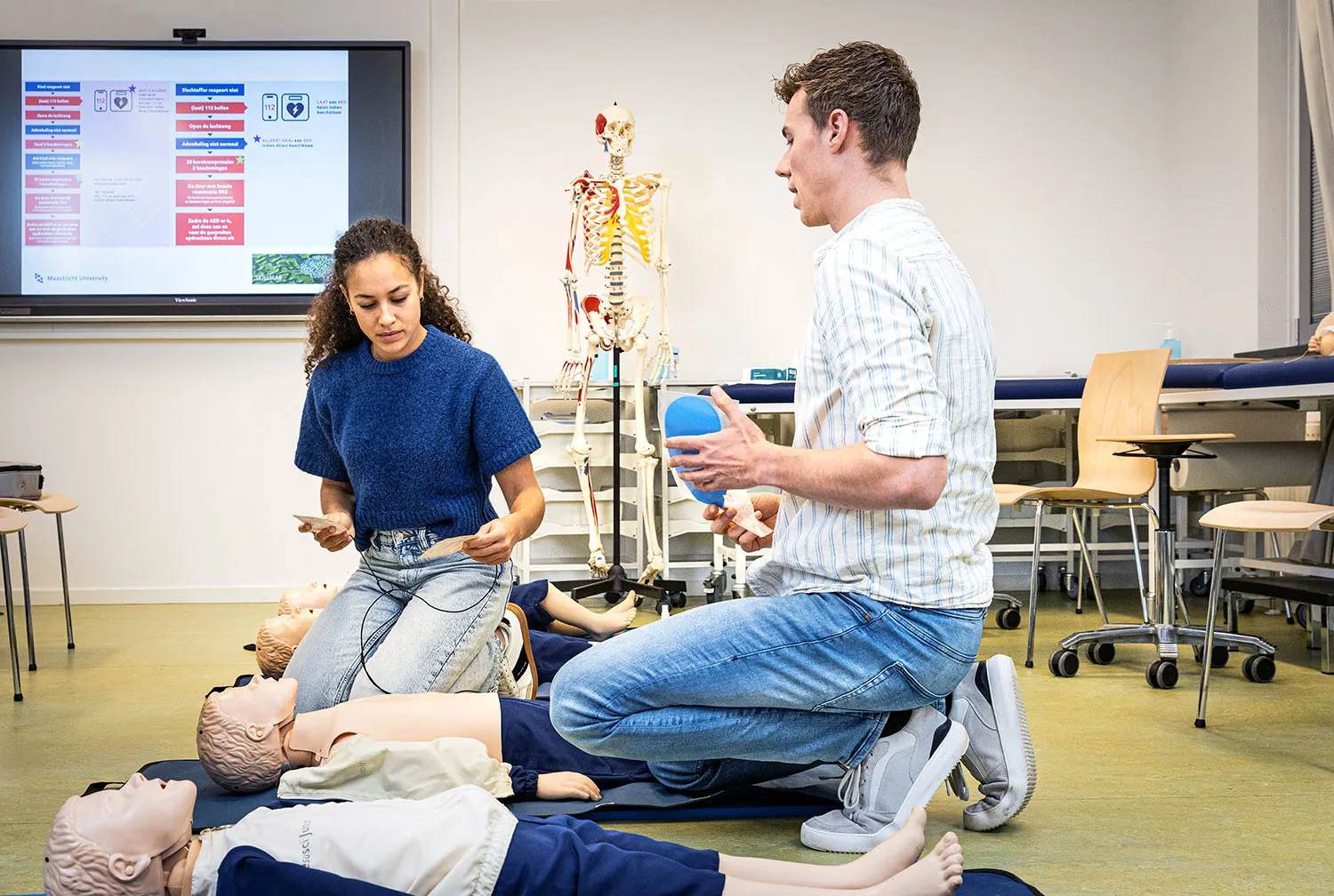
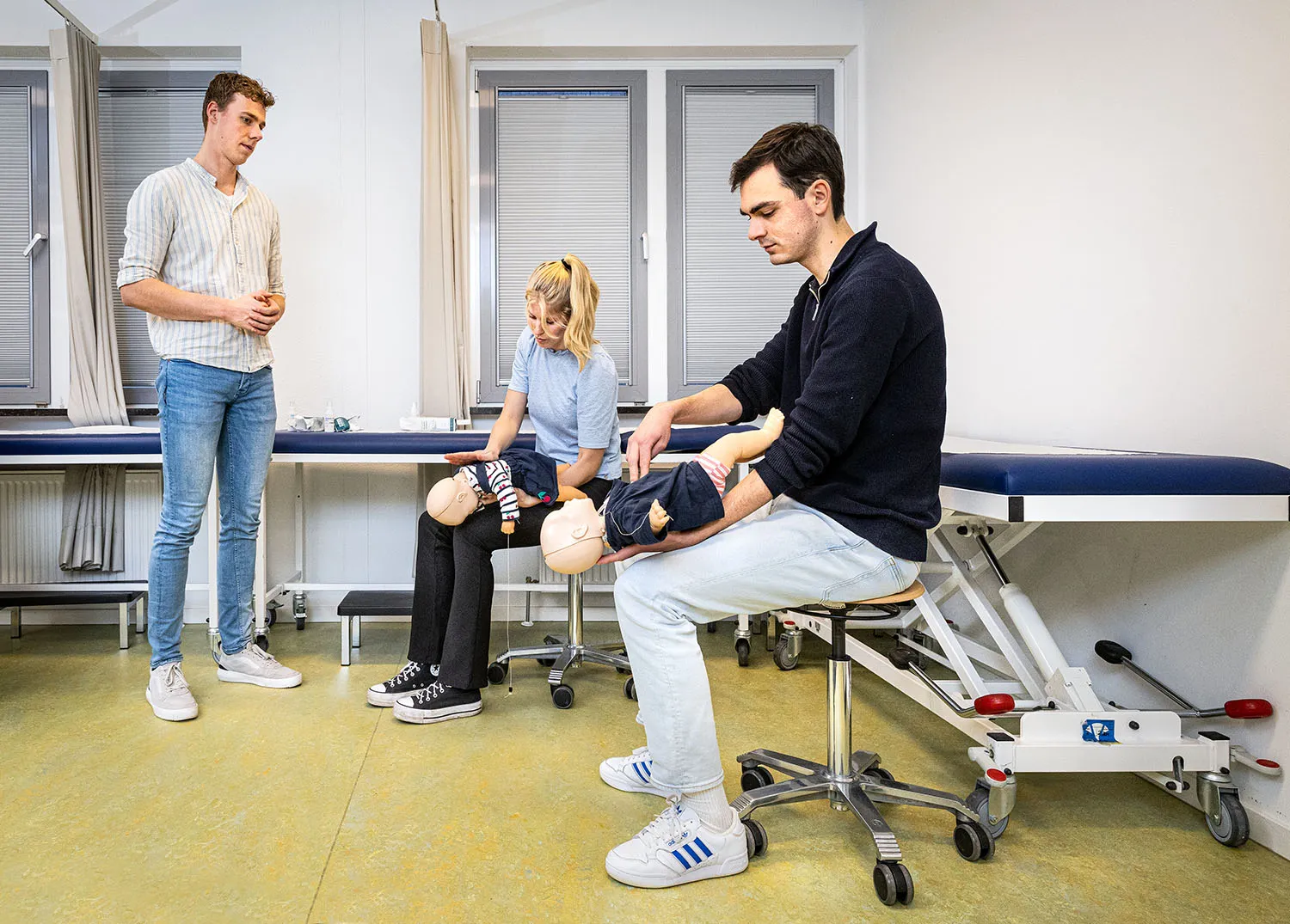
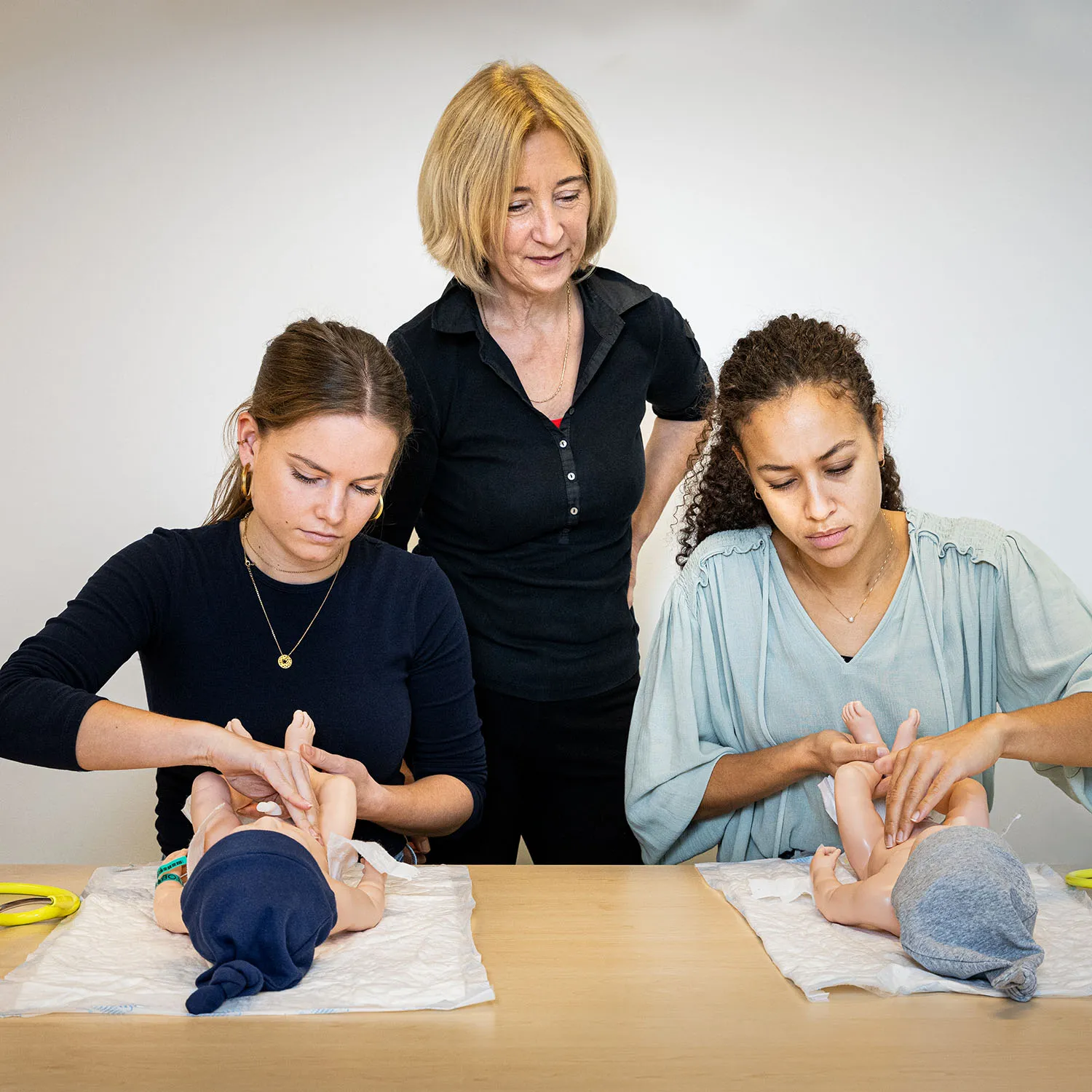
Through lots of practice, students master the skills. They learn how to respond appropriately, even in unexpected and life-threatening situations where it’s difficult to stay calm. For example, what do you do if someone collapses on the street? They learn this in the very first ten weeks of their training.

“The students start with CPR training”, says Vermeulen. “And they learn how to examine the heart and lungs. This ties in with the themes of the period and other learning activities, such as an anatomy practical, that they are currently doing in their studies.”


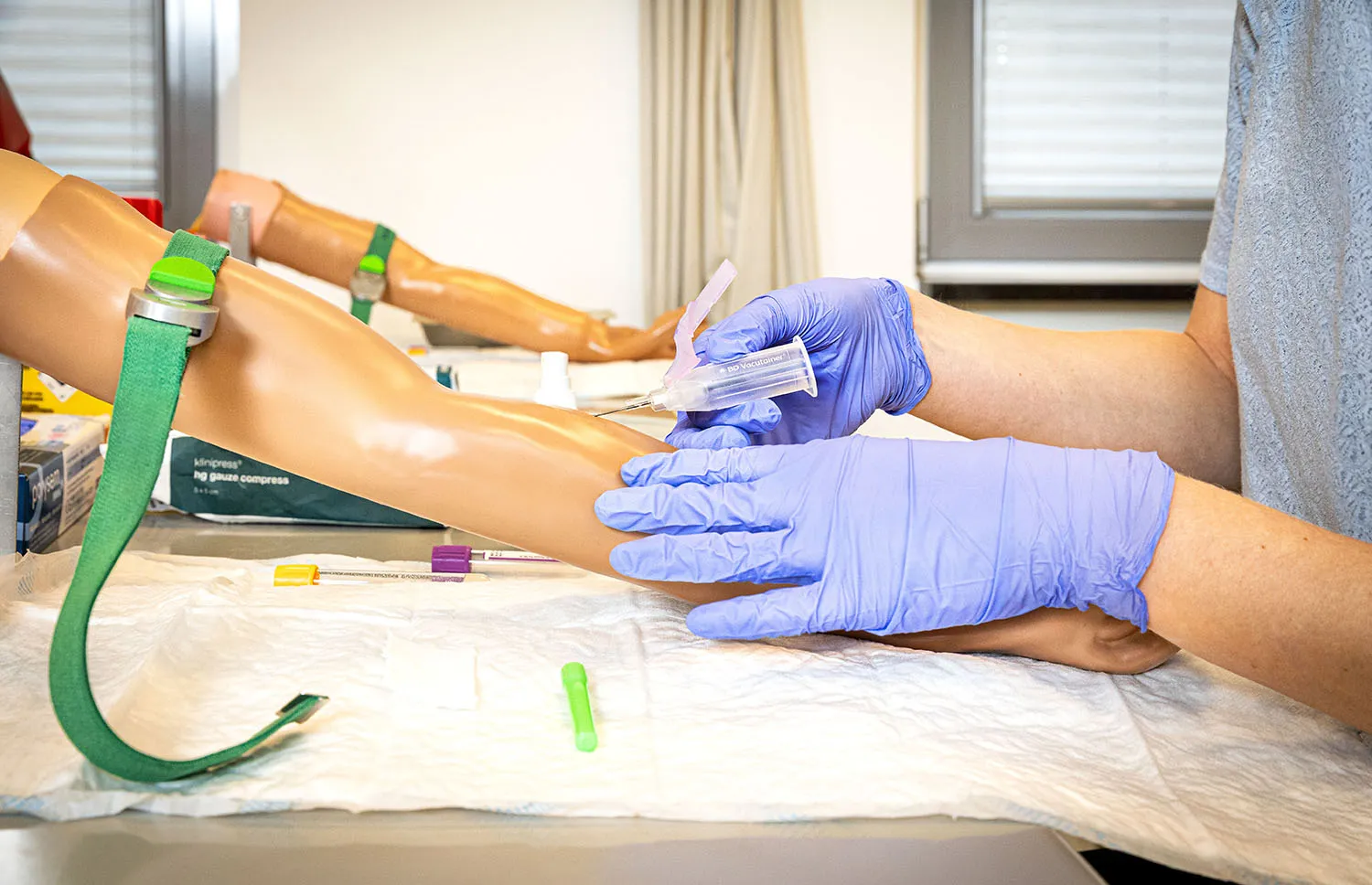
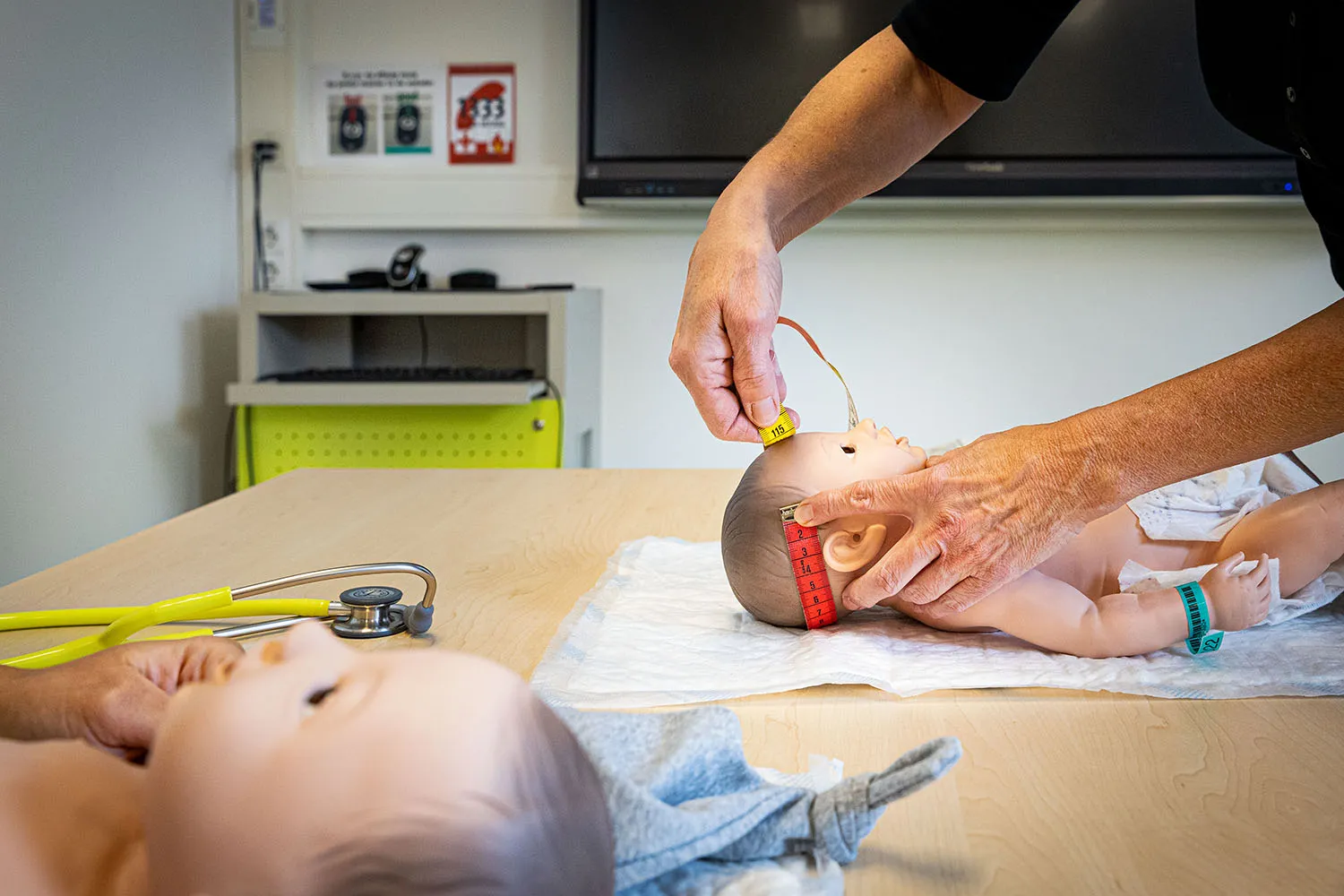
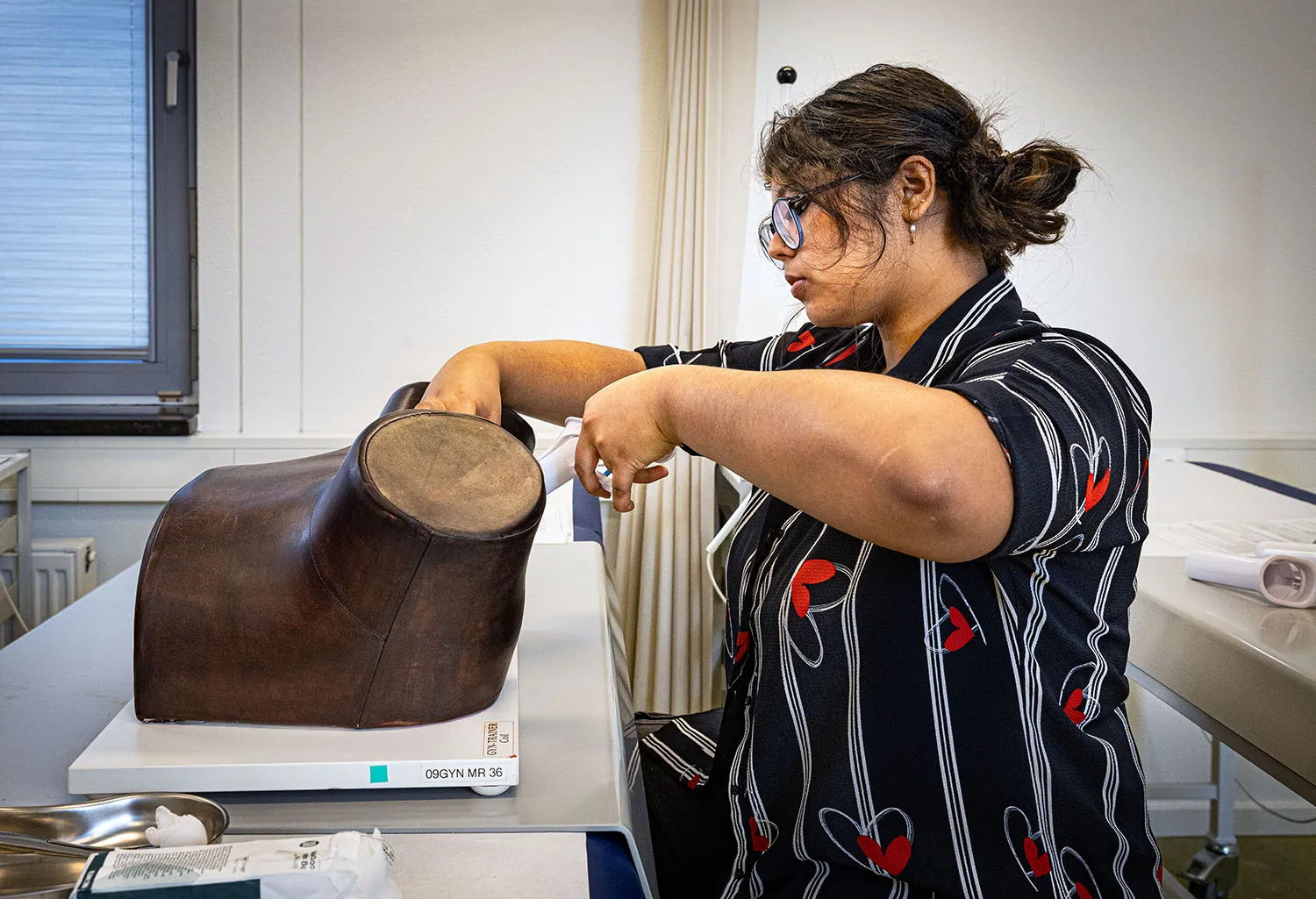
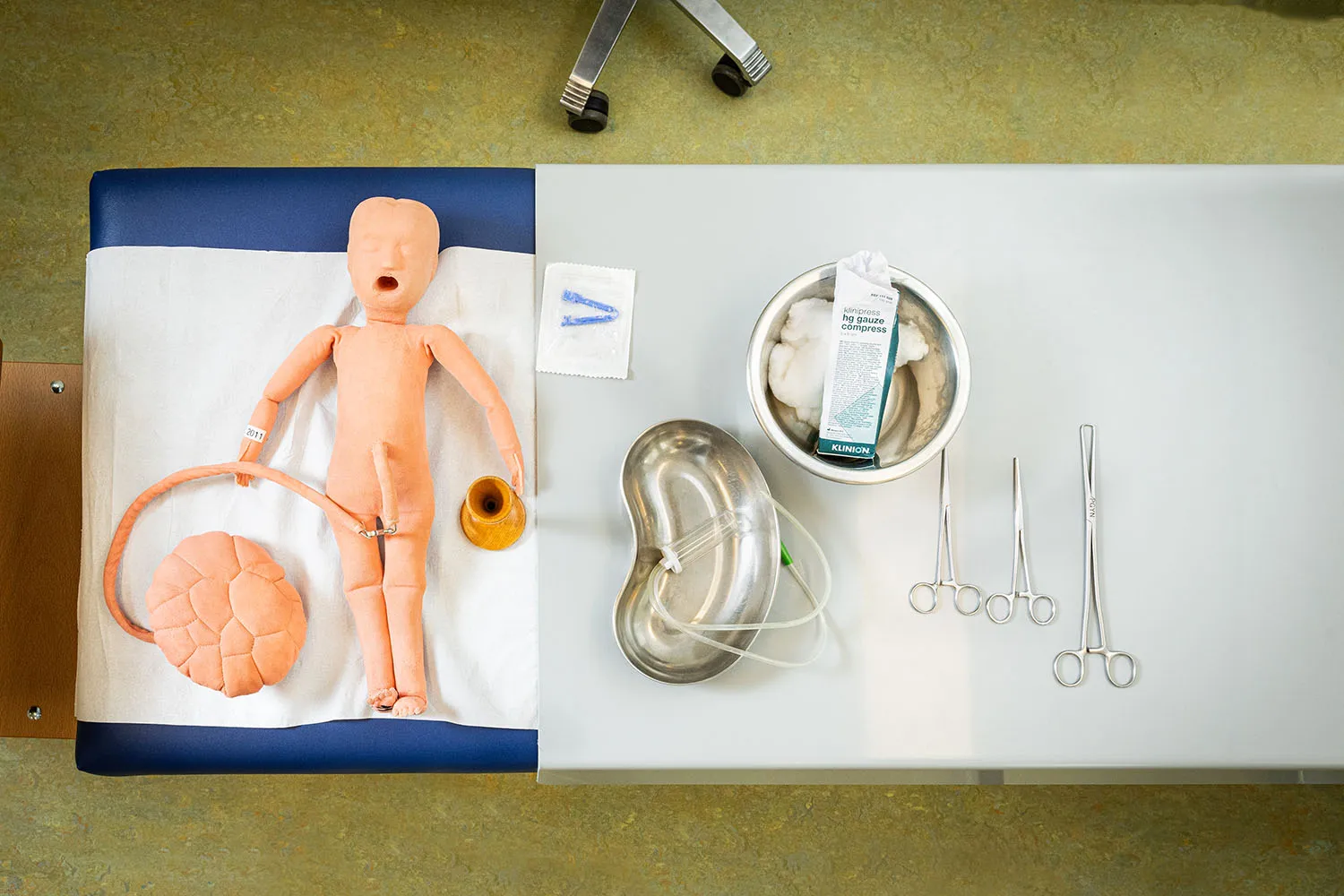
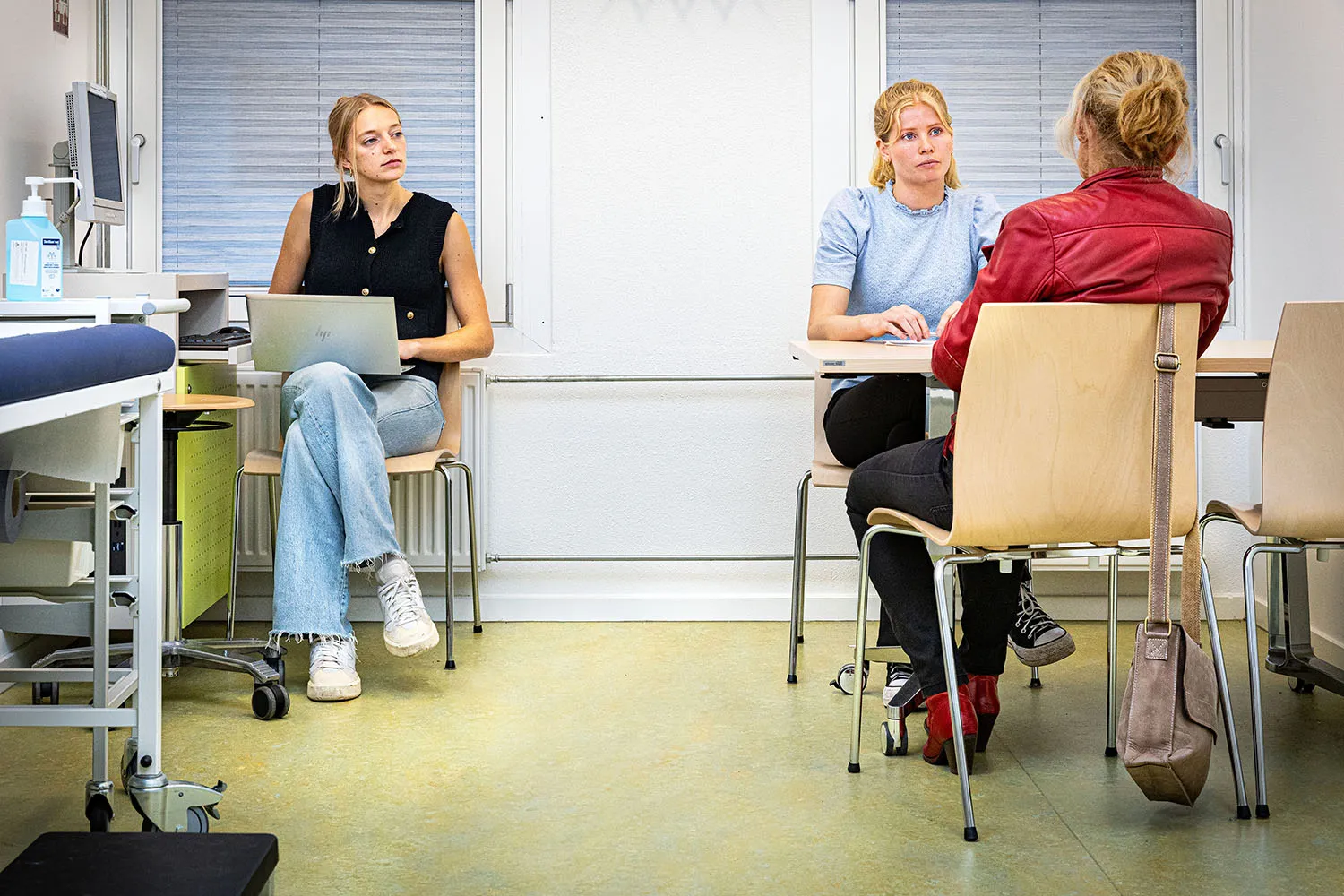
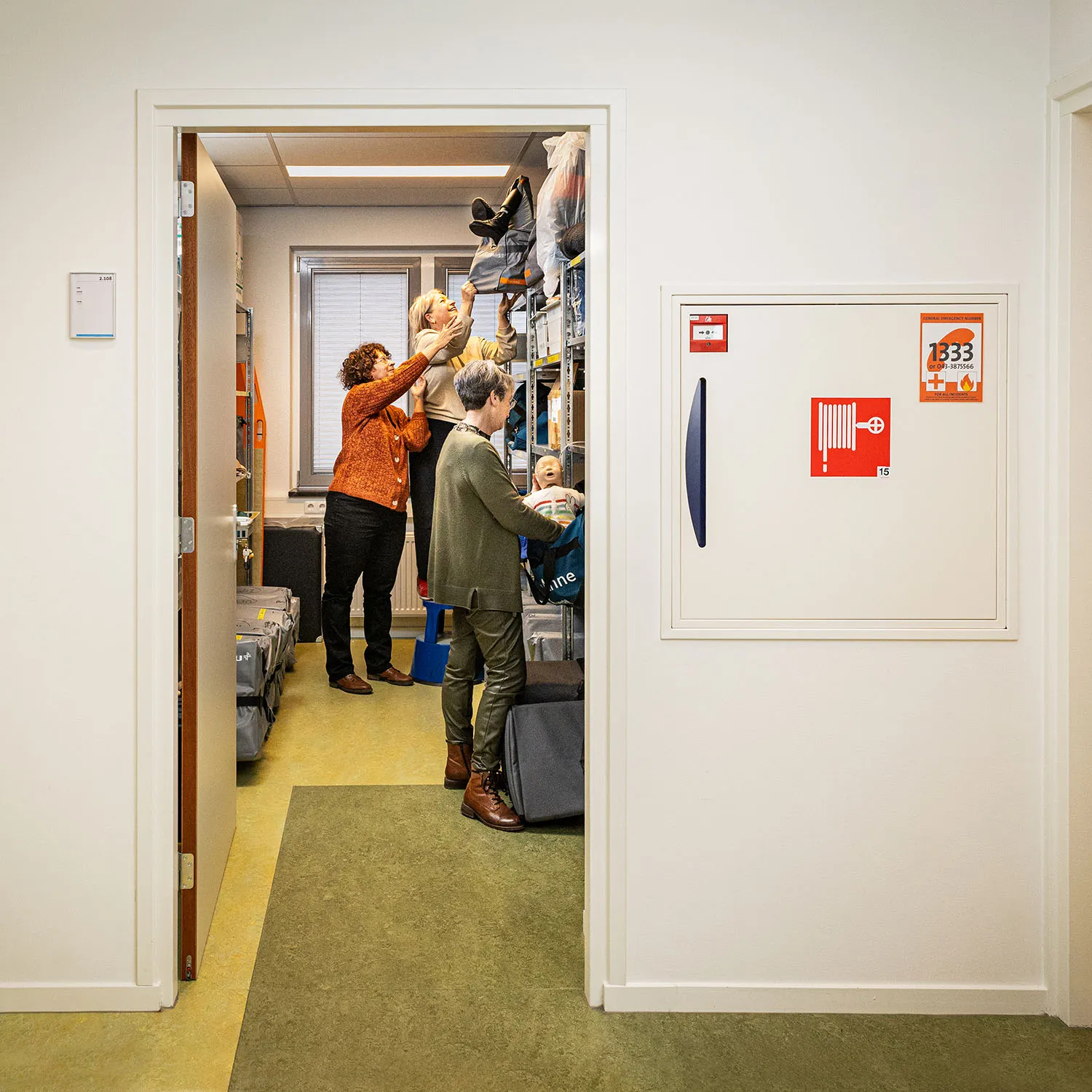
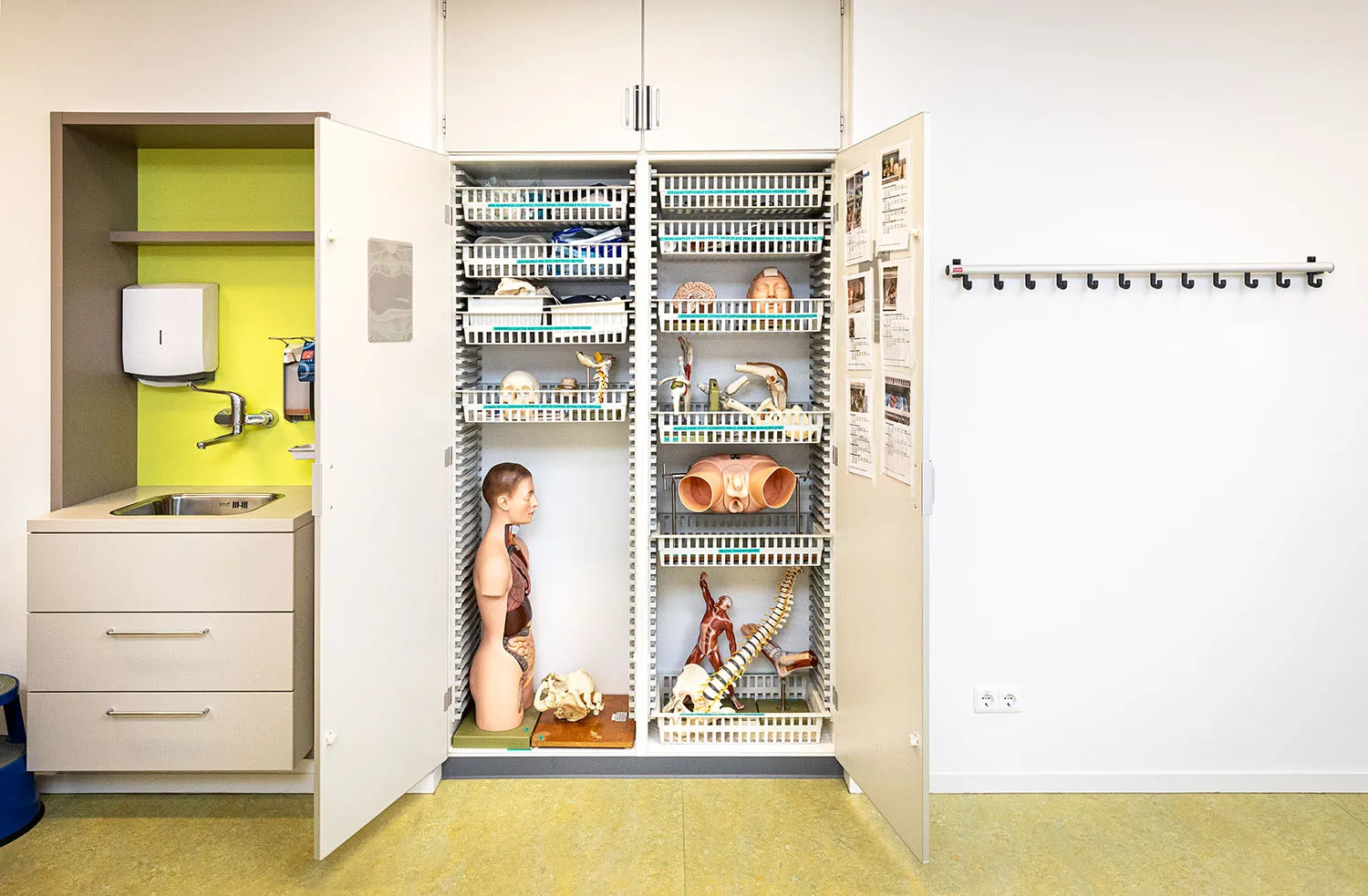
Students practise on plastic models and with each other. The latter helps them to experience what it is like for a patient to undergo a physical examination. This also teaches them to give each other good feedback. “When practising consultations, students receive feedback after each consultation”, explains Vermeulen. “The ‘patient’ tells them how they came across.”
They then watch a recording of themselves to reflect on what went well and what could be improved or done differently. Based on this, they set new learning goals. Vermeulen: “The students discuss this in groups, under the guidance of a lecturer, also covering more general topics such as how to connect with the patient at the start of a consultation.”


The training courses are constantly evolving. Teachers, each with their own expertise, update the teaching materials and respond to changes in healthcare. “Take video calling, for example”, says Vermeulen. “How do you conduct a digital consultation well? Patients are also better informed these days. They have often already found information online and are aware of available treatments. This makes joint decision-making with the patient even more important.”


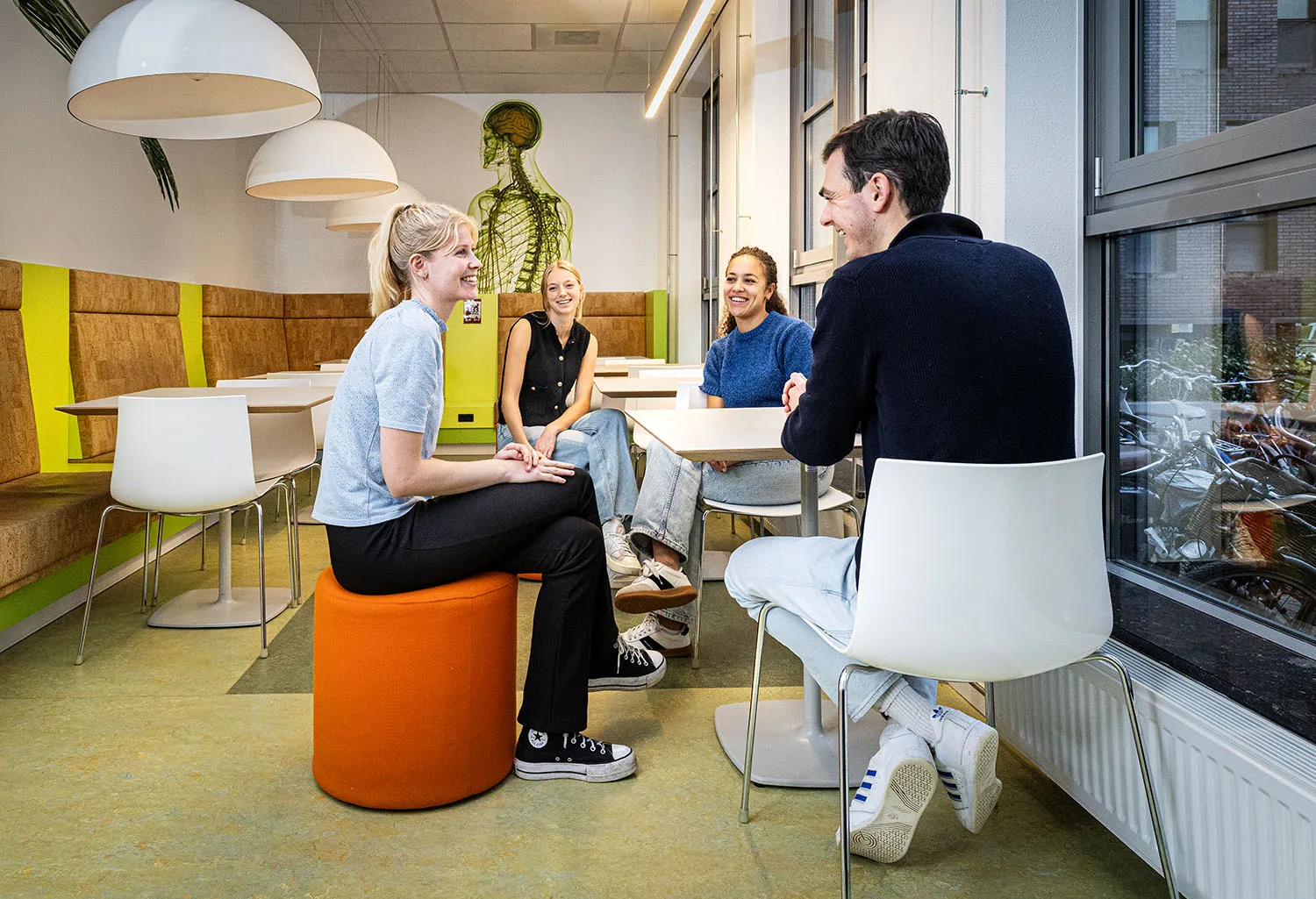
The Skillslab is an inspiring place. Not only for the students, but also for the teachers. “It's a gift to work here”, says Vermeulen, beaming. “We work with young people who are eager to learn. They don't have any experience yet, and after a few tips, you immediately see enormous progress. That's why I always go home feeling satisfied.”

Each teacher acts as a skills coach for the same group of bachelor's students for three years. “It's nice to see their growth up close. When we see them again during their master's programme, they're suddenly real doctors.”


Text: Caya Forman | photography: Paul van der Veer